Bolts are among the most important fastening components used in construction, manufacturing, marine engineering, transportation, and industrial equipment. Selecting the correct bolt material directly affects the durability, safety, maintenance requirements, and overall cost of a project. Two of the most commonly used bolt types are galvanized steel bolts and stainless steel bolts. Although both are designed to resist corrosion and provide reliable fastening performance, they differ significantly in composition, strength, environmental resistance, appearance, and application suitability.
Understanding the differences between galvanized and stainless steel bolts helps engineers, contractors, and buyers make informed decisions for specific operating conditions.
Understanding Galvanized Steel Bolts
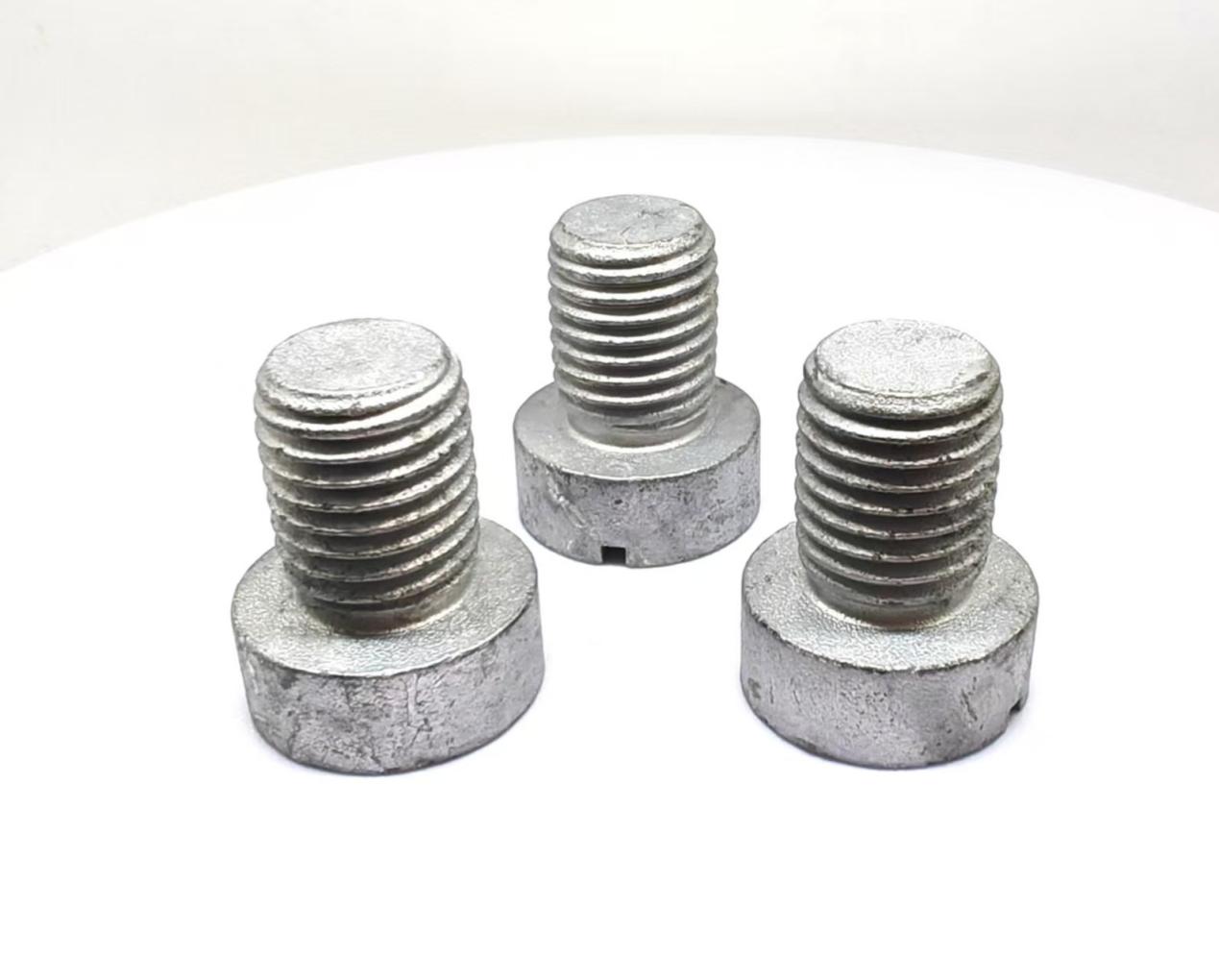
Galvanized steel bolts are typically made from carbon steel and coated with a layer of zinc through a galvanization process. Hot-dip galvanizing is the most widely used method, where the bolts are immersed in molten zinc to create a protective outer coating.
The zinc layer acts as a barrier against moisture and oxygen, helping to prevent rust and corrosion. In addition, zinc provides sacrificial protection, meaning it corrodes before the underlying steel does. This feature allows galvanized bolts to maintain protection even if the surface experiences minor scratches or abrasions.
Galvanized bolts are commonly used in outdoor construction, infrastructure, agricultural equipment, utility systems, and structural applications where moderate corrosion resistance is required at an affordable cost.
Understanding Stainless Steel Bolts
Stainless steel bolts are manufactured from steel alloys containing chromium, which forms a passive oxide layer on the surface of the material. This invisible layer continuously protects the bolt from corrosion and can self-repair when exposed to oxygen.
Different grades of stainless steel offer varying levels of corrosion resistance and strength. Grade 304 stainless steel is commonly used for general applications, while grade 316 stainless steel provides enhanced resistance against saltwater, chemicals, and harsh industrial environments.
Because the corrosion resistance is inherent within the material itself rather than applied as a coating, stainless steel bolts offer excellent long-term performance even in aggressive conditions.
Corrosion Resistance Differences
One of the most important distinctions between galvanized and stainless steel bolts is their resistance to corrosion.
Galvanized bolts perform well in outdoor environments with moderate moisture exposure. The zinc coating protects the underlying steel and significantly delays rust formation. However, over time, the zinc layer gradually deteriorates, particularly in environments with high humidity, salt exposure, acidic chemicals, or industrial pollutants. Once the coating is consumed, the carbon steel beneath becomes vulnerable to rapid corrosion.
Stainless steel bolts generally provide much higher corrosion resistance because the protective chromium oxide layer is integrated into the material itself. Even if the surface is scratched, the passive layer reforms naturally, maintaining protection. Stainless steel bolts are especially effective in marine environments, chemical plants, food processing facilities, and coastal regions where galvanized coatings may fail prematurely.
Strength and Mechanical Performance
Galvanized bolts are often manufactured from high-strength carbon steel, making them suitable for structural and heavy-duty applications. They can withstand substantial mechanical loads and are frequently used in bridges, towers, and industrial frameworks.
Stainless steel bolts also provide strong mechanical performance, but some grades may not achieve the same tensile strength as hardened carbon steel fasteners. However, stainless steel offers superior toughness, ductility, and resistance to cracking under temperature fluctuations.
In applications requiring extreme structural strength combined with moderate environmental exposure, galvanized bolts are often preferred. In corrosive or moisture-rich conditions, stainless steel bolts usually provide better long-term reliability despite potentially lower tensile strength in some grades.
Appearance and Surface Characteristics
The appearance of fasteners can be important in architectural and decorative projects.
Galvanized bolts usually have a dull gray or matte silver finish. Over time, the surface may develop white oxidation or become rough due to environmental exposure. While appearance is generally less important in industrial applications, galvanized bolts are primarily valued for practicality and cost efficiency.
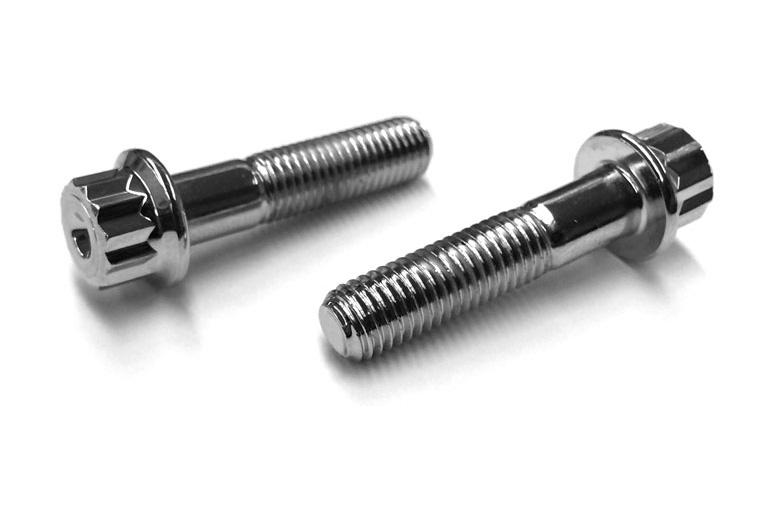
Stainless steel bolts feature a smooth, clean, and polished appearance that remains attractive for long periods. Their aesthetic appeal makes them ideal for visible installations such as modern architecture, decorative railings, public infrastructure, and consumer products.
Cost Considerations
Cost is another major factor when choosing between galvanized and stainless steel bolts.
Galvanized steel bolts are typically more economical because carbon steel and zinc coatings are less expensive than stainless steel alloys. This lower cost makes galvanized fasteners highly attractive for large construction projects and infrastructure developments where thousands of bolts may be required.
Stainless steel bolts usually involve a higher initial investment due to the cost of alloying elements such as chromium, nickel, and molybdenum. However, the longer service life, reduced maintenance, and lower replacement frequency often offset the higher upfront cost in demanding environments.
For projects exposed to severe corrosion or where maintenance access is difficult, stainless steel bolts may provide better overall lifecycle value.

Environmental Suitability
Environmental conditions play a major role in determining the appropriate bolt material.
Galvanized bolts are generally suitable for dry outdoor conditions, rural environments, and general industrial applications with limited chemical exposure. They are widely used in construction frameworks, fencing systems, agricultural equipment, utility poles, and transportation infrastructure.
Stainless steel bolts are better suited for highly corrosive environments such as marine structures, offshore platforms, chemical processing facilities, wastewater treatment plants, and food-grade applications. Their resistance to moisture, salt, and chemicals allows them to maintain structural integrity over extended service periods.
Maintenance Requirements
Galvanized bolts may require periodic inspection because the zinc coating gradually wears away over time. In harsh environments, recoating or replacement may become necessary to prevent structural deterioration.
Stainless steel bolts typically require far less maintenance. Their built-in corrosion resistance minimizes the need for protective treatments or frequent inspections, making them especially beneficial in inaccessible or critical installations.
Choosing Between Galvanized and Stainless Steel Bolts
The choice between galvanized and stainless steel bolts depends on balancing several factors, including environmental exposure, structural requirements, appearance expectations, maintenance considerations, and project budget.
Galvanized bolts are often the preferred solution for cost-sensitive structural applications with moderate corrosion exposure. They provide strong mechanical performance and reliable protection for many outdoor projects.
Stainless steel bolts are usually the better option when long-term corrosion resistance, cleanliness, appearance, and reduced maintenance are priorities. Although they cost more initially, they frequently deliver superior durability and reliability in harsh operating environments.
Final Thoughts
Galvanized and stainless steel bolts each offer distinct advantages that make them suitable for different applications. Galvanized bolts provide an economical and strong fastening solution for general outdoor and structural uses, while stainless steel bolts excel in corrosive, marine, hygienic, and decorative environments requiring long-lasting performance.
Selecting the right bolt material is essential for ensuring safety, durability, and cost efficiency throughout the life of a project. By carefully evaluating environmental conditions and operational requirements, engineers and buyers can choose the fastening solution that best supports long-term reliability and performance.
 China manufacturers