Water quality is a critical factor for public health, environmental sustainability, and industrial processes. Detecting contaminants, monitoring chemical composition, and ensuring safe water supply require precise analytical techniques. Among these, the UV-VIS spectrophotometer has emerged as a versatile and reliable instrument for water testing, providing rapid, accurate, and non-destructive analysis.
Understanding UV-VIS Spectrophotometry
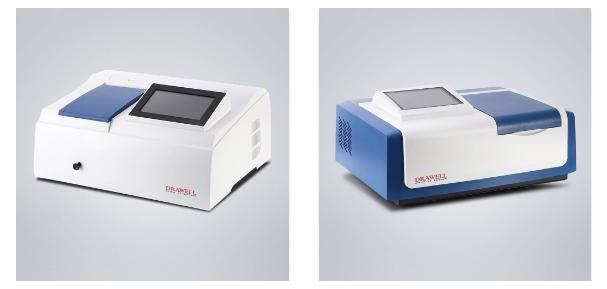
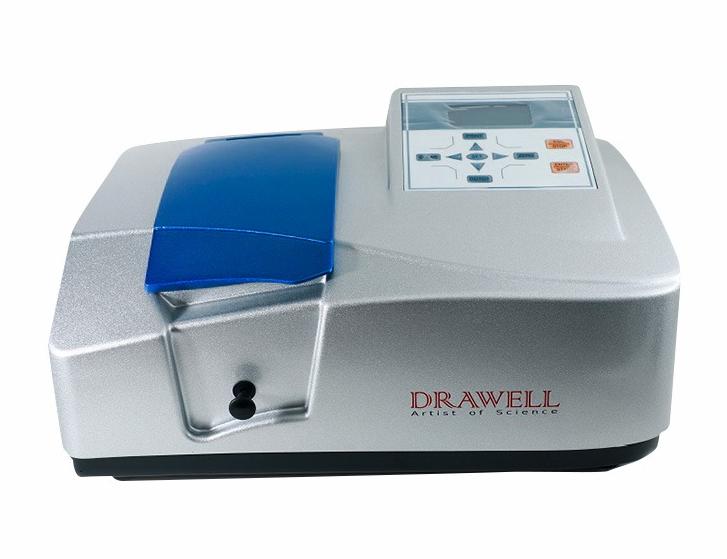
A UV-VIS spectrophotometer measures the absorbance of ultraviolet (UV) and visible (VIS) light by a sample across specific wavelengths. Different compounds absorb light at characteristic wavelengths, allowing for qualitative identification and quantitative determination of substances. This makes it particularly suitable for analyzing water, which can contain a wide variety of chemical and biological constituents.
Applications in Water Testing
1. Monitoring Organic Contaminants
UV-VIS spectrophotometry is widely used to detect organic compounds such as pesticides, phenols, and hydrocarbons. Many of these compounds absorb light in the UV region, typically between 200–400 nm. By measuring absorbance at specific wavelengths, laboratories can assess contamination levels and comply with environmental standards.
2. Determining Nitrate and Nitrite Concentrations
Excess nitrates and nitrites in water can cause health issues such as methemoglobinemia. UV-VIS spectrophotometers can detect these ions using colorimetric methods, where chemical reagents react with nitrates or nitrites to produce a colored complex. The intensity of the color correlates directly with concentration, allowing precise quantification.
3. Measuring Phosphate Levels
Phosphates are essential nutrients but can contribute to eutrophication in water bodies if present in excess. Using UV-VIS spectrophotometry, phosphate concentrations can be determined through molybdenum blue or other colorimetric methods, enabling effective monitoring of water quality in rivers, lakes, and wastewater.
4. Detecting Heavy Metals
Certain heavy metals, such as iron, manganese, and copper, can be analyzed indirectly using UV-VIS spectrophotometry. These metals often form colored complexes with chelating agents, which can be measured at visible wavelengths. This provides a cost-effective alternative to more sophisticated techniques like ICP-MS for routine monitoring.
5. Assessing Water Turbidity and Organic Load
UV absorbance at 254 nm is commonly used to estimate dissolved organic matter (DOM) and overall water quality. High absorbance can indicate contamination from natural organic material or industrial effluents, guiding water treatment and purification processes.
Advantages of Using UV-VIS Spectrophotometers for Water Testing
Rapid and Sensitive: Provides quick results with low detection limits for many compounds.
Non-Destructive: Preserves samples for further testing or confirmation.
Versatile: Can analyze a wide range of contaminants, including organics, nutrients, and metals.
Cost-Effective: Requires minimal reagents and sample preparation compared to other analytical methods.
User-Friendly: Modern instruments offer automated wavelength scanning and software for data analysis, making them accessible even in small laboratories.
Final Thoughts
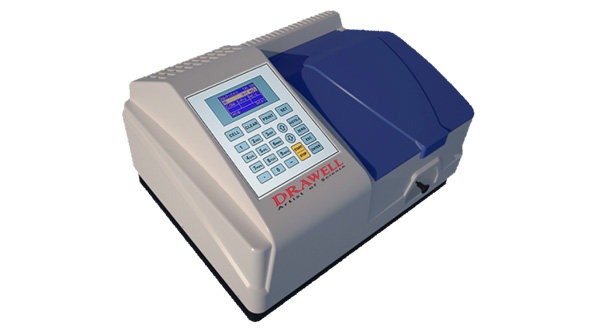
The UV-VIS spectrophotometer has become an indispensable tool for water quality analysis, supporting environmental monitoring, industrial compliance, and public health protection. Its ability to detect a wide range of contaminants with speed and accuracy makes it ideal for testing various water sources, including drinking water, wastewater, and natural water bodies. By integrating UV-VIS spectrophotometry into routine water testing protocols, laboratories can ensure reliable results, efficient monitoring, and better management of water resources.

