The quality of bolt assembly and the precision of bolt tightening are crucial elements in the entire process of automobile assembly. This article delves into the significance of the bolt tightening process during vehicle assembly and its mechanical analysis. Understanding the importance of this process is essential for ensuring the structural integrity and safety of automobiles.
Mechanical Analysis of Bolt Tightening:
During the bolt tightening process, bolts undergo stretching and deformation due to tensile forces while engaging in a compressive interaction with connectors through threaded fasteners. The forces applied to the bolts and connectors are equal in magnitude and opposite in direction.
At this stage, the force exerted by the bolt on the connected part is referred to as the axial preload of the bolt. The force changes in several stages during bolt tightening. Initially, when the bolt head does not make contact with the fastener, compression force is zero, and torque is minimal.
As the bolt head aligns with the fastener, further tightening leads to a gradual increase in compression force and torque. Continued tightening results in the compression force and torque reaching a plateau, as the bolt nears its yield point. Once this yield point is reached, further tightening leads to reduced tightening force and torque, potentially causing deformation or fracture of the bolt.
Bolt Tightening Methods:
Three primary bolt tightening methods are used in automobile assembly:
Torque Control Method:
This method relies on the linear relationship between axial clamping force (F) and tightening torque (T), expressed as T = K * F.
It is cost-effective, utilizing a torque wrench for quality checks.
However, it may lack precision and is susceptible to environmental factors.
Torque Angle Control Method:
This method involves initial tightening to a fraction (typically 40% to 60%) of the full torque, followed by tightening to a specified angle.
It provides high control precision and generates substantial axial clamping force.
The downside is the complexity of the control system and the need for precise measurement of pre-tightening torque and angle.
Yield Point Control Method:
This method tightens bolts until they reach their yield point.
It ensures reliable clamping force but requires careful monitoring to prevent over-tightening.
Dynamic Torque vs. Static Torque:
Dynamic torque is measured during the tightening process, ensuring that the axial preload meets engineering requirements.
Static torque, measured after tightening, is used to monitor production process stability.
Tool Selection for Bolt Tightening:
Tool selection is influenced by production capacity, assembly complexity, and assembly process layout.
The decision between power tools and manual tools is based on actual assembly needs and the complexity of the product.
Early planning and design of the bolt tightening process are essential to prevent assembly abnormalities and enhance product quality.
Conclusion:
Bolt tightening is a critical aspect of automobile assembly, impacting structural integrity and safety. Properly executed bolt tightening ensures the stable operation of the production line, improves economic benefits, and enhances product quality while reducing development costs. Understanding the mechanics of bolt tightening and selecting the appropriate tools are pivotal for achieving these goals in the automotive assembly process.
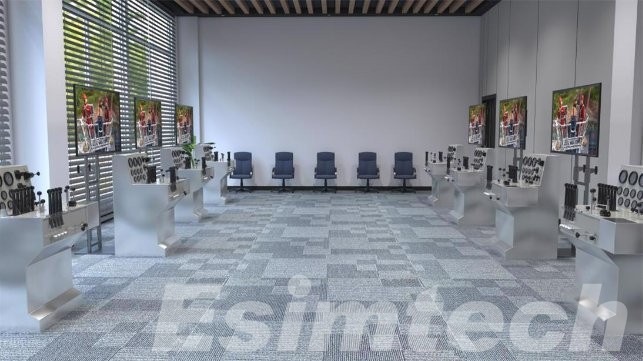
Drilling operations in the petroleum industry are inherently risky, demanding extensive training and preparation to ensure staff safety and optimize operational efficiency. In this context, innovative training tools play a crucial role. One such innovation is the portable drilling well control simulator, designed to provide realistic, hands-on training experiences in a compact and portable format.
Simulating Realistic Well Control Scenarios:
Well control is paramount in drilling operations, where the stakes are high. The drilling teams must receive realistic and effective training to ensure worker safety and equipment integrity. Simulators that faithfully recreate well-control scenarios are indispensable in this regard.
Trainees benefit from hands-on experience in addressing critical situations by simulating realistic well control scenarios. These simulators replicate the complexities and challenges encountered during drilling operations, enabling learners to develop essential skills, knowledge, and confidence to effectively manage emergencies. Let’s delve into how these simulators achieve such realistic simulations.
1. Dynamic Physics and Fluid Modeling:
Well control simulators employ intricate physics and fluid modeling methods to simulate the behavior of fluids encountered during drilling. They accurately represent the dynamic interactions between drilling mud, formation pressures, and wellbore conditions. By faithfully simulating fluid dynamics, these simulators can precisely replicate pressure fluctuations, influxes, and outflows that occur during well control incidents.
2. Real-Time Monitoring and Feedback:
Simulators provide real-time monitoring of critical parameters, including wellbore pressure, flow rates, and choke settings. Trainees can continuously monitor and analyze changing well conditions, allowing them to make informed decisions based on simulated data. Instant feedback enables trainees to assess the effectiveness of their actions and make real-time adjustments.
3. Emergency Scenarios:
Well control simulators offer a range of emergency scenarios to challenge trainees’ abilities. From well kicks and blowouts to loss of circulation, these severe conditions demand prompt and effective action. By simulating these emergencies, trainees can practice essential well control techniques, such as shutting down the well, managing pressure, and executing situation-specific well control procedures.
4. Equipment and Control Panel Replication:
To create a lifelike training environment, simulators replicate drilling rig equipment and control panels. Trainees can interact with virtual control panels and operate drilling equipment, including Blowout Preventers (BOPs), mud pumps, and chokes. This hands-on training enhances trainees’ familiarity with the equipment, improving their ability to respond swiftly and efficiently during well control incidents.
5. Communication and Decision-Making:
Well control simulators simulate the communication network and dynamics within a drilling team. Trainees practice coordinating actions with team members, sharing critical information, and managing resources effectively. This collaborative environment fosters teamwork and prepares trainees for the coordination required in real-world well control situations.
6. Variable Training Difficulty:
Simulators offer the flexibility to tailor the difficulty level of training scenarios to match the experience and skill levels of trainees. Novice drillers can start with basic scenarios and progress to more complex and challenging ones as their proficiency grows. This adaptive training approach ensures that students are adequately prepared for a wide range of well control scenarios encountered in the field.
Key Features and Benefits of Portable Drilling Well Control Simulators:
1. Hands-on Training:
The simulator provides a hands-on learning experience for well control techniques. Trainees actively engage with simulated equipment, control panels, and well control processes, gaining practical experience in handling crises and making critical decisions. This interactive approach enhances skill development and boosts trainees’ confidence.
2. Portability and Flexibility:
The portable nature of the simulator allows it to be easily transported and set up in various locations, including training centers, on-site training facilities, or even offshore platforms. This flexibility ensures convenient access to well control training, eliminating the need for trainees to travel long distances for training purposes.
3. Risk-free Environment:
The simulator creates a risk-free training environment where learners can practice and refine their well control skills without endangering crew safety or risking damage to equipment. It allows trainees to experiment with different strategies and techniques, enabling them to learn from failures and develop effective responses to well control challenges.
4. Performance Evaluation and Feedback:
The simulator tracks trainees’ progress and provides instant feedback on their actions and decisions. This evaluation approach empowers trainees to assess their performance, identify areas for improvement, and fine-tune their well control techniques. Continuous feedback and performance metrics enable focused training interventions and allow for monitoring progress over time.
5. Cost-Effective Training:
Investing in a portable drilling well control simulator can lead to long-term cost savings in training. Companies can reduce expenses related to travel, accommodation, and equipment rental by providing on-site or nearby well control training. The durability and reusability of the simulator contribute to sustained cost efficiency.
6. Enhancing Safety Awareness:
By simulating well control scenarios, the simulator enhances safety awareness among trainees. It allows them to experience potential risks and consequences associated with well control incidents firsthand, instilling a profound understanding of the significance of safety protocols and the importance of proactive risk management.
7. Team Collaboration and Communication:
The simulator promotes effective communication and teamwork among drillers and well control teams. In a virtual setting, trainees can practice coordinating actions, sharing information, and making group decisions. This fosters teamwork, enhances coordination skills, and improves the overall effectiveness of well control operations.
8. Scenario Customization:
The simulator offers the flexibility to tailor training scenarios to specific learning objectives. This customization allows trainees to gain firsthand experience with potential hazards and consequences of well control incidents, reinforcing the importance of safety precautions and proactive risk management.
9. Continuous Training and Skill Development:
The simulator supports ongoing training and skill development. It can be used to offer increasingly complex scenarios and challenges as trainees progress and master fundamental well control procedures. This incremental training approach ensures continuous skill growth and prepares learners for a wide range of real-world well control situations.
Coiled tubing, a flexible pipe wound on a massive reel, has become indispensable for well intervention and production enhancement in the oil and gas industry. However, the complexity of coiled tubing operations demands skilled professionals. To bridge the knowledge-practice gap, the full-size coiled tubing simulator has emerged as a transformative technology. In this article, we explore the significance of the full-size coiled tubing simulator and its impact on the oil and gas sector.
Description of the Full-Size Coiled Tubing Simulator:
The full-size coiled tubing simulator is an advanced training system that replicates real-world coiled tubing activities within a controlled and immersive environment. It combines cutting-edge virtual reality technology, physics-based modeling, and interactive simulations to offer coiled tubing operators an authentic learning experience. The simulator recreates coiled tubing units, downhole instruments, and well conditions, allowing trainees to engage with physical replicas and gain hands-on experience that mirrors actual operations. It accurately replicates equipment functionalities, responses, and limitations, preparing operators for real-world scenarios.
Key Advantages of a Full-Size Coiled Tubing Simulator:
Realistic Training Scenarios:
The simulator provides a lifelike learning experience by faithfully reproducing the physical setup of coiled tubing units and well conditions. Trainees can practice coiled tubing operations in a realistic, controlled setting, enhancing their familiarity with equipment and functions.
Safe Learning Environment:
Coiled tubing operations carry inherent risks, making on-the-job training perilous. The simulator offers a controlled environment for trainees to practice various coiled tubing interventions, including emergency responses, without real-world hazards.
Skill Development and Proficiency:
Operators can develop muscle memory and refine coiled tubing skills through hands-on practice, increasing their competence and efficiency. This prepares them to perform real-world coiled tubing operations with precision.
Cost-Effectiveness:
Traditional coiled tubing training involving field operations can be costly and time-consuming. The simulator eliminates the need for physical setups, reducing costs significantly. Trainees can repeat simulations without extra expenses, expediting learning and minimizing resource utilization.
Versatility and Customization:
Full-size coiled tubing simulators are highly adaptable. They can simulate specific well types, downhole conditions, and intervention scenarios, tailored to individual operational requirements.
Incorporating haptic feedback devices could provide tactile sensations during virtual operations, increasing realism.
Interactive Downhole Conditions:
Future simulations could include dynamic downhole situations, simulating variations in pressure, temperature, and fluid behavior.
Artificial Intelligence Integration:
AI algorithms could enable dynamic responses based on student activities, offering tailored training experiences.
Performance Analytics:
Detailed data on trainee performance, efficiency, and decision-making could be collected and analyzed, providing feedback for improvement.
Multi-Player Training:
Multi-player scenarios could simulate real-world teaming scenarios, enhancing communication and cooperation among coiled tubing personnel.
Integration with Field Operations:
Integrating the simulator with field operations could enable real-time training based on current well conditions.
Remote Training:
Advancements in connectivity could facilitate remote training, allowing operators from different locations to access the simulator.
Conclusion:
The full-size coiled tubing simulator is revolutionizing coiled tubing training, offering a safe, cost-effective, and realistic learning experience. As technology advances, its potential for further development promises to shape the future of well intervention and production enhancement, ultimately contributing to the oil and gas industry’s success.
Raman spectrometers, also known as Raman Spectrum Analyzers, have emerged as powerful tools for molecular structure determination. Leveraging the phenomenon of Raman shift, these devices enable both quantitative and qualitative analysis across a wide range of samples, including solids, liquids, gases, organic compounds, and polymers. With features like 100 SERS libraries, 3000 constant substance libraries, and cutting-edge technology, Raman spectrometers play a pivotal role in swiftly and accurately detecting illicit additives, chemical contaminants, and adulterants in everyday food items. This article explores the various facets of Raman spectrometers, their types, components, working principles, and diverse applications.
Types of Raman Spectrometers:
Presently, Raman spectrometers come in several varieties tailored to specific applications. These include Fourier Transform Raman spectrometers, confocal microscopic Raman spectrometers, and surface-enhanced laser Raman spectrometers.
Components of Raman Spectrometers:
While the specific composition of Raman spectrometers may vary, they typically consist of essential components that include a laser light source, sample device, optical filter, monochromator (or interferometer), and detector. Each component plays a crucial role in the instrument’s functionality.
Optical Filter:
The laser’s scattered light, or Rayleigh light, is significantly stronger than the Raman signal and must be filtered out before reaching the detector. Furthermore, to prevent external radiation from interfering with the sample, suitable filters or physical barriers are incorporated.
Monochromator and Michelson Interferometer:
These components come in various configurations such as single grating, double grating, or triple grating. The planar holographic grating interferometer, akin to those used in FTIR, is frequently employed. Various types of beam splitters, including multi-layer silicon-coated CaF2 and Fe2O3-coated CaF2, as well as quartz and extended-range KBr beamsplitters, are available.
Detector:
Traditionally, photomultiplier tubes were used, but modern Raman spectrometers primarily employ CCD detectors. Common detectors for FT-Raman include Ge and InGaAs detectors.
Excitation Light Source:
Several excitation light sources are utilized, including Ar ion lasers, Kr ion lasers, He-Ne lasers, Nd-YAG lasers, and diode lasers. These sources emit wavelengths ranging from 325nm (UV) to 1064nm (IR).
Sample Device:
Raman spectrometers provide various sample placement options, including direct optical interfaces, microscopes, fiber optic probes, and specialized sample holders.
Principle of Raman Spectrometers:
The functioning of Raman spectrometers, also known as the Raman spectroscopy principle, hinges on the concept of Raman shift. This shift refers to the frequency difference between scattered light and incident light, which is solely dependent on the molecular structure of the scattering substance. Raman scattering occurs due to changes in molecular polarizability, with Raman shift reflecting alterations in molecular vibrational energy levels. Different chemical bonds or groups possess characteristic molecular vibrations, leading to distinctive Raman shifts. This principle underpins the qualitative analysis of molecular structures using Raman spectroscopy.
Applications of Raman Spectrometers:
Raman spectrometers find widespread applications across diverse industries, including:
Biology: For detecting low concentrations of biohazardous substances and quantitatively assessing algal lipid content.
Forensic Authentication: In the identification of drug grids, explosives, fibers, hair, pigments, inks, and cyanotoxin solvents for fiber fabrics.
Homeland Security and Defense: For explosives detection, unknown substance identification, border patrol, and security inspections.
Geology: Enabling non-destructive identification of geological materials, gem certification, and origin determination of minerals and gems.
Pharmacy: In drug isoform/solvent detection, drug crystal identification, content analysis of pharmaceuticals, and quality control of ingredients.
Chemistry: For monitoring and confirming input/output substances, process analytical technology (PAT), and identifying resins, petrochemicals, and chemical crystals.
Food Safety and Agriculture: In inspections at ports of entry, pesticide and herbicide assessments, field audits, and bacterial contamination detection.
Semiconductors and Thin Films: For defect inspection of wafers, thin film coating, and quality control in the junction process.
A vacuum drying oven is a crucial piece of auxiliary drying equipment, widely used in various applications due to its versatility. However, its operation is more intricate than that of regular drying ovens, requiring careful attention to detail. In this guide, we will walk you through the precautions for each step of using a vacuum drying oven effectively and safely.
1. Sample Placement:
When placing materials to be dried in the vacuum drying oven, follow these precautions:
Never Heat Empty: Do not turn on the heating element before placing your samples in the oven.
Ensure Adequate Space: Leave some space above and below the samples to allow for proper airflow within the oven.
Phase Changes: If your samples undergo phase changes during the drying process, use a tray to contain them to prevent contamination of other samples.
Protect the Vacuum Port: If dry materials become lighter and smaller after drying, install a barrier net over the vacuum port inside the oven to protect the vacuum pump or solenoid valve from damage due to inhaled dry matter.
No Hazardous Materials: Do not place any liquid solvents or items with low ignition or boiling points (below 150°C under vacuum) in the vacuum drying oven.
2. Closing the Oven Door:
When closing the door of the vacuum drying oven, follow these precautions:
Gentle Closure: Close the oven door gently to avoid excessive vibrations within the oven chamber.
Check Sealing: Ensure that the door is properly aligned with the silicone sealing strip and that any bolts on the door are secure before closing.
3. Initiating Vacuum:
When starting the vacuum within the vacuum drying oven, adhere to these precautions:
Set Vacuum Limits: Choose the appropriate vacuum pump limit based on its performance and specifications.
Proper Shutdown: After reaching the desired vacuum level, close the vacuum valve and turn off or disconnect the vacuum pump to prevent backflow.
Monitor Gauge: Keep an eye on the vacuum pressure gauge to ensure stable readings without significant fluctuations.
Boost Vacuum If Necessary: If the vacuum level falls below the requirements for drying, restart the vacuum pump and valve to enhance the vacuum, thus prolonging the vacuum pump’s lifespan.
4. Heating:
During the heating process, consider these precautions:
Stable Vacuum Required: Maintain a stable vacuum state during heating. Fluctuations in internal and external pressures and temperatures can lead to issues like outside air entering the chamber.
Heating Indicator: Pay attention to the heating indicator, which remains lit while heating. Once the set temperature is reached, heating stops automatically, and the indicator turns off. Heating resumes when the temperature falls below the preset level.
Monitor Temperature Display: Ensure that the temperature is displayed accurately. If the indicator is off, immediately cut power and inform the equipment operator.
5. Temperature Setting:
When setting the desired temperature within the vacuum drying oven, follow these precautions:
Appropriate Setting: Set the temperature within the recommended range. In a vacuum, materials may have dramatically lower ignition and boiling points, and inappropriate temperatures can cause melting or agglomeration.
Monitor Display: Confirm that the digital temperature display is functioning correctly, without flickering or unusual readings. If issues arise, disconnect the power and report them.
Verification: Leave the oven only when the actual temperature matches the set temperature, and the heating indicator light is off.
Continuous Supervision: Ensure the oven is monitored for normal operation and any changes in drying materials. In case of anomalies, promptly cut power, open the vent valve, and report the issue.
6. Sampling:
When removing samples from the vacuum drying oven, adhere to these precautions:
Proper Deflation: Gradually open the air release valve and wait until the vacuum level reaches 0 before opening the oven door.
Partial Valve Opening: Avoid fully opening the valve to prevent external air from rushing into the chamber, which can lead to pollution and contamination.
Forbidden Below 0 Vacuum: Never open the oven door when the vacuum level is below 0.
Stuck Door Sealing: If the oven door’s sealing silicone rubber becomes deformed due to prolonged vacuum exposure, do not force it open. Wait for the rubber to return to its original state before attempting to open the door.
Valve Closure: After sampling, promptly close the air release valve.
Additional Precautions:
Grounding: Ensure effective grounding of the vacuum drying oven’s shell for safety.
Environment: Operate the oven in an environment with relative humidity ≤85% RH, no corrosive gases, no strong vibrations, and no strong electromagnetic fields.
Cleaning: Regularly clean the vacuum drying oven. When cleaning the door glass, avoid using reactive chemical solutions and use a soft cotton cloth instead.
By following these precautions at each step of using a vacuum drying oven, you can ensure the safe and efficient operation of this essential equipment, allowing you to carry out your drying processes effectively and with confidence.
A marine captain’s chair is a specially designed piece of furniture tailored for the captain or skipper of a maritime vessel. Positioned at the heart of command, marine captain seat offers a blend of comfort, functionality, and safety during extended journeys at sea. It has been meticulously crafted to withstand the harsh marine environment while providing top-notch performance and support.
Defining a Marine Captain’s Chair
A marine captain’s chair is an exclusive seating solution reserved for the captain or skipper of a ship. It assumes a central role in the bridge or helm area, affording the captain a commanding position to oversee vessel operations. Tailored for the maritime setting, this chair boasts attributes like durability, weather resistance, ergonomic design, and safety features. It serves as a comfortable and utilitarian seating choice, enabling the captain to efficiently maneuver, communicate, make informed decisions, and maintain control of the vessel.
Key Features of a Marine Captain’s Chair
These critical features harmonize to ensure that a marine captain’s chair delivers comfort, functionality, and safety for those on board a vessel.
Durability and Weather Resistance: Constructed from robust materials capable of withstanding the rigors of the sea, these chairs are designed to endure challenges like seawater corrosion, UV radiation, moisture, and other elements found at sea. Common materials include marine-grade stainless steel, aluminum, and weather-resistant upholstery.
Ergonomic Design: Catering to captains who spend extended periods seated, these chairs feature contoured seat and backrests. These contours provide essential lumbar support, reducing fatigue and preventing back discomfort even in turbulent sea conditions. High-density foam cushioning ensures a comfortable seating experience.
Adjustable Features: Many marine captain’s chairs offer adjustability to accommodate various body types and preferences. Features such as height adjustment, tilt control, armrest adjustability, and swivel capabilities allow captains to select their preferred seating position, enhancing comfort and reducing stress during long sea voyages.
Stability and Safety: Stability is paramount on a marine vessel, and captain’s chairs are engineered to provide a secure seating solution. They come with sturdy bases and pedestals that ensure stability, even in rough seas. Safety considerations may encompass non-slip surfaces, seat belts, and armrests with integrated hand grips, further enhancing stability and safety during navigation.
Aesthetic Appeal: These marine chairs are designed with an eye toward aesthetics, while maintaining stability. They feature strong bases and pedestals that keep them stable even in rough waves. Non-slip surfaces, seat belts, and armrests with integrated hand grips may be considered for added stability and safety during navigation.
Mounting Options: Marine captain’s chairs can be installed in various configurations to suit the vessel’s layout and space constraints. Options may include pedestal mounts, swivel mounts, or slide mounts, simplifying installation and adjustment.
Storage and Convenience: Some captain’s chairs offer additional storage options, such as built-in compartments or pockets, allowing easy access to essential items like charts, navigational instruments, or personal belongings.
Upholstery and Easy Maintenance: The upholstery on these chairs is crafted for durability, ease of cleaning, and resistance to stains, mildew, and UV damage. It is typically composed of marine-grade vinyl or other weather-resistant materials that can withstand the sea’s demands.
Benefits of a Marine Captain’s Chair
Comfort: These chairs prioritize skipper comfort. Their ergonomic features, including contoured seats and backrests, padding, and adjustable settings, provide excellent support and reduce discomfort during long sea journeys. This enhances concentration, reduces fatigue, and promotes overall well-being.
Control and Visibility: Placed at a commanding height and equipped with customizable features, a marine captain’s chair offers exceptional visibility and control. Captains can effectively monitor their surroundings, navigate obstacles, and make informed decisions with clear sightlines. This enhances situational awareness and enables safe and efficient vessel operation.
Authority and Professionalism: A captain’s chair on the bridge or helm signifies the captain’s authority and professionalism. It establishes their role as the vessel’s captain, enhancing their overall image of competence and expertise. This fosters crew confidence, encourages effective communication, and promotes teamwork.
Operational Efficiency: A marine captain’s chair contributes to operational efficiency by providing a comfortable and focused seating arrangement. Captains can maintain focus, make critical decisions promptly, and handle controls precisely. This ensures smooth navigation, clear communication with the crew, and efficient vessel operations.
In the realm of product packaging and labeling, ensuring both quality and safety is of paramount importance. Achieving such levels of precision and reliability can often be a challenging task. Enter printing inspection systems — a critical component in attaining these goals. These cutting-edge technologies combine precision optics, image processing, and artificial intelligence to scrutinize labels and packaging with unparalleled precision. In this article, we will delve into the crucial role that printing inspection systems play in upholding the quality and safety of labels and packaging.
The Significance of Printing Inspection Systems in Labels and Packaging
Before we dive into the intricacies of printing inspection systems, it’s imperative to grasp why maintaining quality is so vital in labels and packaging:
1. Consumer Trust
High-quality labels and packaging inspire trust in consumers. When a product arrives in impeccable packaging, consumers are more likely to believe it has been handled and produced with care.
2. Brand Reputation
The quality of a brand’s products and packaging often determines its reputation. Subpar packaging can tarnish a brand’s image and negatively impact sales.
3. Safety Compliance
Certain industries, such as food and pharmaceuticals, are bound by stringent safety and regulatory guidelines. It is imperative that labels and packaging adhere to these requirements, as there is no room for compromise.
4. Marketing and Communication
Packaging serves as a powerful marketing tool for conveying information, branding, and highlighting product distinctiveness. Poorly executed labels can hinder effective communication.
Printing inspection systems represent advanced technologies that scrutinize every facet of labels and packaging with unwavering precision and speed, rendering them indispensable in the packaging industry.
Contributions of Printing Inspection Systems to Label and Packaging Quality and Safety
1. Detecting Defects with Precision
Label and packaging inspection systems meticulously scan for imperfections that might elude the human eye. These defects can range from misprints and color inconsistencies to streaks, smudges, or subtle flaws in graphics or text. By identifying and flagging these issues in real-time, these systems prevent subpar products from reaching consumers, thereby upholding quality standards.
2. Ensuring Regulatory Compliance
In industries like pharmaceuticals and food, regulatory compliance is non-negotiable. Label and package inspection systems are purpose-built to ensure that labels and packaging meet rigorous regulatory criteria. They validate the inclusion of crucial information such as expiration dates, dosage instructions, and legal disclaimers, reducing the risk of noncompliance and associated legal complications.
3. Barcode Verification
Barcodes play a pivotal role in modern packaging, aiding in inventory management, supply chain tracking, and product authenticity. Printing inspection systems excel at ensuring barcode accuracy and readability, reducing errors, and ensuring proper identification and tracking throughout a product’s lifecycle—thus enhancing both quality and safety.
4. Maintaining Color Consistency
Brand consistency is paramount for consumer recognition and trust. Printing inspection systems monitor color accuracy and uniformity across labels and packaging, ensuring brand colors remain consistent. This meticulous attention to detail preserves brand integrity and elevates visual appeal.
5. Security Features Verification
For products requiring security features such as holograms, anti-counterfeiting measures, or tamper-evident seals, printing inspection systems play a critical role in verifying the presence and authenticity of these security elements. This safeguards products against counterfeit threats, bolstering both quality and safety.
6. Text and Content Inspection
With each inspection, a printing inspection system generates comprehensive data logs. These logs not only serve as a record of product quality but also facilitate product traceability. Manufacturers can swiftly identify affected products and take immediate action in the event of a recall or quality issue, ensuring consumer safety.
7. Data Logging and Traceability
A printing inspection system generates detailed data logs for every inspection. These logs serve as a record of product quality and enable traceability. In the event of a recall or quality issue, manufacturers can promptly identify affected products and take appropriate action, safeguarding consumer safety.
8. Reducing Waste and Costs
Printing inspection systems mitigate waste by detecting errors early in the manufacturing process, preventing the production of faulty items. This not only conserves resources but also reduces production costs, thereby enhancing overall efficiency.
Conclusion
Printing inspection systems serve as invaluable tools, ensuring that every label is flawless, every barcode is accurate, and every package is impeccable. They protect consumers, uphold brand reputations, and help manufacturers adhere to stringent industry regulations. As technology continues to advance, printing inspection systems will only become more sophisticated, further solidifying their role in preserving the quality and safety of labels and packaging across diverse industries.
Bolts are fundamental components in construction, manufacturing, and various industries, and the choice of material for bolts is critical to their performance and durability. Among the many materials used for bolts, carbon steel and stainless steel are two common options. This article aims to highlight the distinctions between carbon steel bolts and stainless steel bolts.
1. Material Composition:
Carbon Steel Bolts:
Carbon steel is primarily an iron-carbon alloy with a carbon content ranging from 0.0218% to 2.11%. The hardness and strength of carbon steel increase with higher carbon concentrations, but plasticity decreases.
Carbon steel may contain small amounts of silicon, manganese, sulfur, and phosphorus.
Carbon steel is categorized into carbon structural steel, carbon tool steel, and free-cutting structural steel based on intended use.
Stainless Steel Bolts:
Stainless steel is primarily composed of iron, chromium (Cr), and nickel (Ni). Other elements like molybdenum, titanium, nitrogen, and copper may also be present in varying proportions.
The minimum chromium content required for stainless steel is 10.5%. Different stainless steel grades have varying levels of chromium and nickel, contributing to their corrosion resistance and other properties.
Stainless steel is classified into several types, including ferritic, austenitic, austenitic-ferritic duplex, and martensitic stainless steel, each with unique characteristics.
2. Use Environment:
Carbon Steel Bolts:
Carbon steel bolts are commonly used in conventional environments, such as construction, furniture, and general manufacturing applications.
Stainless Steel Bolts:
Stainless steel bolts are preferred in environments with high corrosion potential, extreme temperatures (both high and low), and exposure to corrosive substances. Industries like medical equipment and food processing rely on stainless steel bolts due to their corrosion resistance and hygiene factors.
3. Cost Considerations:
Stainless steel is generally more expensive than carbon steel due to its superior corrosion resistance and durability.
Carbon steel, while cost-effective, may require additional measures to protect against corrosion.
4. Magnetic Properties:
Carbon Steel Bolts:
Carbon steel is magnetic and can be attracted by magnets.
Stainless Steel Bolts:
The magnetic properties of stainless steel vary depending on the specific grade. Ferritic and martensitic stainless steel are magnetic, whereas austenitic stainless steel is non-magnetic. Heat treatment can alter the magnetic characteristics of stainless steel.
5. Appearance:
Carbon Steel Bolts:
Carbon steel bolts appear darker in color, reflecting the iron content in the alloy.
Stainless Steel Bolts:
Stainless steel bolts have a silver and bright appearance due to the presence of chromium and nickel.
In summary, the choice between carbon steel bolts and stainless steel bolts depends on the specific requirements of the application. Carbon steel bolts are cost-effective and suitable for many conventional uses, while stainless steel bolts excel in environments where corrosion resistance and durability are paramount. Understanding the differences between these materials is essential for selecting the right bolts to ensure the integrity and longevity of a project or product.
Bolts are ubiquitous in both industrial production and daily life. The performance grade of bolts, particularly in steel structure connections, encompasses a range of more than ten grades, including 3.6, 4.6, 4.8, 5.6, 6.8, 8.8, 9.8, 10.9, 12.9, and others.
Bolts rated 8.8 and above are crafted from low carbon alloy steel or medium carbon steel and undergo heat treatment processes like quenching and tempering. These are generally referred to as high-strength bolts, while the remainder are termed ordinary bolts.
The Principle of High-Strength Bolt Connections
High-strength bolt connections offer several advantages, including straightforward assembly, robust mechanical performance, disassembly capability, resistance to fatigue, and stability under dynamic loads.
The high-strength bolt connection process involves tightening the nut with a specialized wrench to generate substantial and controlled pre-tension in the bolt. This pre-tension is transmitted uniformly to the connected components through the nut and backing plate. Under the influence of this pre-tension, a substantial frictional force arises along the surfaces of the connected components. As long as the axial force remains below this frictional force, the components will not slip, and the connection remains intact. This forms the fundamental principle of high-strength bolt connections.
Distinguishing High-Strength Bolts from Ordinary Bolts
1. Material Difference
High-strength bolts can bear greater loads than their ordinary bolt counterparts of the same specification, primarily due to differences in material strength.
Ordinary Bolts: These are typically composed of Q235 (A3) material.
High-Strength Bolts: High-strength bolts are manufactured from high-quality materials, such as 35# steel or other superior materials. Following fabrication, they undergo heat treatment to enhance their strength.
2. Strength Level Difference
High-strength bolts come equipped with higher strength levels compared to ordinary bolts.
High-Strength Bolts: Commonly utilized grades include 8.8s and 10.9s, with 10.9 being the more prevalent choice.
Ordinary Bolts: Ordinary bolts exhibit lower strength levels, typically ranging from 4.4, 4.8, 5.6 to 8.8.
3. Stress Characteristics Difference
The stress distribution and transfer mechanisms vary between high-strength bolts and ordinary bolts.
High-Strength Bolts: High-strength bolts operate by inducing pre-tension and transferring external forces through friction. In addition to their superior material strength, high-strength bolts generate significant pre-tension forces, resulting in the compression of connecting members and the creation of substantial friction forces perpendicular to the screw direction.
Ordinary Bolts: Ordinary bolt connections rely on the shear strength of the bolt rod and the pressure against the hole wall to transmit shear forces. When the nut is tightened, the pre-tension generated is minimal and can be disregarded in its impact.
4. Usage Perspective
The choice between high-strength bolts and ordinary bolts depends on the specific application and structural requirements.
High-Strength Bolts: High-strength bolts are commonly employed for critical components in building structures. They are often used for permanent connections, with two primary types—friction-type, applied with torque wrenches to achieve specified pre-stress, and pressure-type, which are unscrewed using special tools.
Ordinary Bolts: Ordinary bolts, with their lower shear performance, find application in secondary structural components. These bolts only require tightening and can be reused. Conversely, high-strength bolts are not reusable due to their pre-stressed nature.
In the dynamic realm of the oil and gas sector, the application of land rig installation animation continues to reshape and revolutionize various facets of operations. Utilizing computer-generated imagery (CGI), this technology creates immersive and visually captivating animations that vividly portray the entire process of installing land rigs. But what exactly is land rig installation animation, and how does it benefit the industry? In this article, we will delve into the intricacies of this innovative technology and explore its profound significance in the oil and gas industry.
Understanding Land Rig Installation Animation
Land rig installation animation is a digital visualization approach that harnesses the power of computer-generated imagery (CGI) to replicate and elucidate the intricate process of preparing a land rig for drilling operations. It offers a comprehensive visual representation of each stage of rig installation, from initial site preparation to the meticulous arrangement of equipment. These animations are typically crafted using sophisticated computer software and are grounded in precise engineering data and standards.
The fundamental objective of land rig installation animation is to enhance comprehension, communication, and decision-making throughout the rig installation process. By generating a virtual environment, this technology provides stakeholders with a detailed and immersive experience, enabling them to envision the entire installation procedure from start to finish. This visual representation empowers stakeholders to gain a holistic understanding of the project, identify potential challenges, and make informed decisions regarding design, logistics, and safety.
Key Benefits of Land Rig Installation Animation
1. Enhancing Safety and Training
Among the most significant advantages of land rig installation animation is its capacity to boost safety. The oil and gas industry inherently poses risks, making the assurance of worker safety paramount. By recreating the installation process, these animations allow operators, engineers, and other stakeholders to identify potential safety hazards and develop mitigation strategies. This proactive approach to safety reduces the likelihood of accidents or incidents during the installation process, safeguarding both lives and assets.
Moreover, land rig installation animation serves as a valuable training tool for rig operators. These animations can simulate various scenarios, such as equipment failures or emergency situations, creating a lifelike training environment. This enables rig personnel to become familiar with the installation process, understand their roles and responsibilities, and acquire the necessary skills to effectively address unforeseen challenges. The result is a more skilled and confident workforce, which enhances safety outcomes through improved training and preparedness.
2. Optimizing Design and Planning
Another pivotal feature of land rig installation animation is its ability to optimize design and planning. Rig installations entail complex engineering considerations, including equipment compatibility, geographical constraints, and operational efficiency. The animations provide engineers and designers with a visual representation of the proposed rig design, enabling them to assess multiple configurations, identify potential bottlenecks, and fine-tune the arrangement for peak performance. This early identification of design issues or logistical challenges allows for prompt adjustments, leading to smoother installation processes and superior operational outcomes.
3. Improving Communication and Stakeholder Engagement
Furthermore, land rig installation animation enhances communication and engagement among stakeholders. These animations offer a clear and concise visual language that is easily understood by all parties involved, regardless of their technical expertise. This fosters collaborative decision-making by facilitating effective communication among engineers, operators, investors, regulators, and other stakeholders. The animations aid stakeholders in grasping the intricacies and hurdles of rig installation, ensuring that everyone shares a common understanding and works toward a unified goal.
4. Increasing Efficiency and Cost-effectiveness
Land rig installation animation offers substantial cost-effectiveness advantages. Engineers can pinpoint areas where time and resources can be conserved through visualizing the installation process, resulting in more efficient workflows and cost savings. Additionally, the animations assist in identifying the optimal placement of equipment, reducing the need for costly repositioning or modifications during installation. Moreover, by enabling early detection of design or logistical issues, these animations help prevent costly delays and revisions, ultimately leading to significant cost savings for the project.
5. Supporting Remote Operations and Global Collaboration
In an era marked by remote operations and global collaboration within the oil and gas industry, land rig installation animation shines as a valuable asset. Because the animations are virtual, geographically dispersed teams can collaborate effectively regardless of their physical locations. These animations facilitate seamless communication and collaboration among multinational teams, whether they are discussing designs, conducting virtual meetings, or troubleshooting issues. This feature not only enhances productivity but also allows companies to tap into a diverse talent pool without being constrained by geographical limitations.
In Conclusion
Land rig installation animation emerges as a potent tool that has ushered in a transformation within the oil and gas industry. It elevates safety, enriches training, optimizes design and planning, streamlines communication, bolsters productivity, and supports remote operations and collaboration by offering a virtual insight into the land rig installation process. As the industry continues to embrace digitalization and automation, land rig installation animation stands as a pivotal tool for stakeholders to make informed decisions, enhance operations, and achieve superior outcomes. It represents a breakthrough that underscores the potency of visualization and its potential to reshape traditional practices in the oil and gas sector.