How to Address the Challenges in Web Guiding for Wide-format Printing

Accurate alignment and registration of substrates are paramount in wide-format printing, crucial for achieving high-quality prints while minimizing wastage. However, this precision presents unique challenges in web guiding for wide-format printing. Let’s delve into these challenges and explore innovative solutions to overcome them, ensuring optimal performance and efficiency in the printing process.

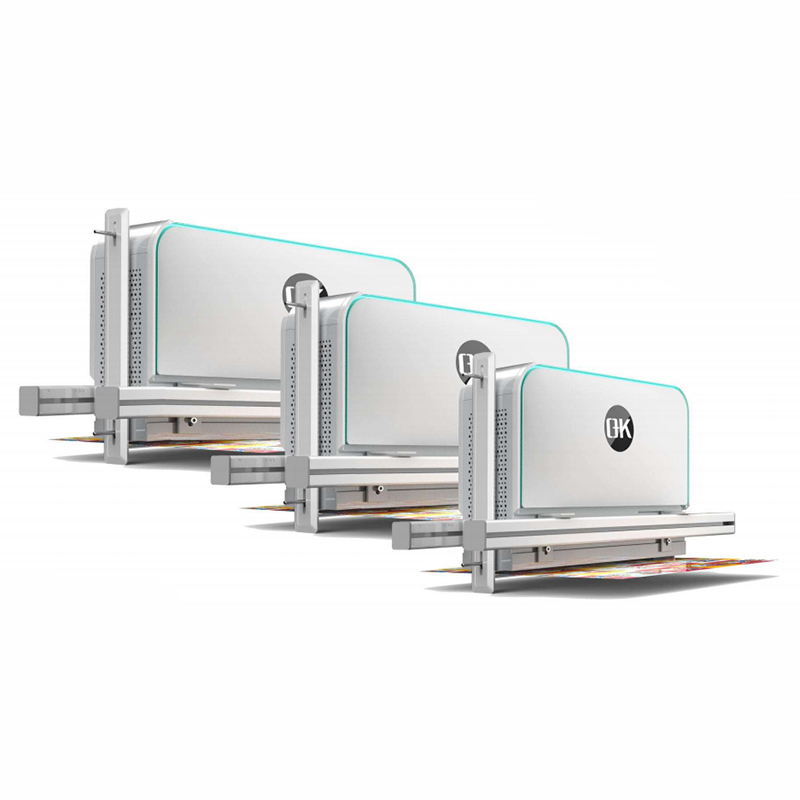
web guide system

1. Substrate Variability: Wide-format printing involves a range of substrates, each with distinct characteristics like thickness, texture, and elasticity. This variability complicates maintaining consistent tension and alignment during printing.

Solution: Advanced sensor technologies such as laser sensors and vision systems offer real-time feedback on substrate position, aiding in precise adjustments despite substrate variations.

2. Dynamic Environmental Conditions: Fluctuations in temperature, humidity, and airflow can affect substrate stability, leading to misregistration and print flaws.

Solution: Implementing active web tension control mechanisms like pneumatic brakes or servo-driven systems helps reduce web flutter and vibration, ensuring stable substrate movement despite environmental changes.

3. Web Flutter and Vibration: High-speed printing and substrate movement can induce web flutter and vibration, particularly with lightweight materials, causing inaccurate registration.

Solution: Mechanical stabilization techniques like tension rollers and web spreaders help mitigate web flutter and maintain consistent substrate tension during printing.

4. Edge Detection and Tracking: Accurate edge detection is crucial for effective web guiding systems, but factors like substrate transparency and irregular edges pose challenges for sensors.

Solution: Utilizing advanced sensor technologies improves edge detection and tracking accuracy, enhancing the reliability of web guiding systems.

A100 Infrared Edge Sensor

5. Integration with Printing Equipment: Seamless communication and synchronization between web guiding systems and printing equipment are essential for uninterrupted operation.

Solution: Enhancing integration and automation streamlines operations, minimizing disruptions and improving overall efficiency.

6. Maintenance and Calibration: Regular maintenance and calibration are necessary to ensure optimal performance of web guide system, but scheduling these operations can be challenging and may lead to downtime.

Solution: Instituting a proactive maintenance program and calibration procedure minimizes downtime and improves guiding accuracy over time.

Conclusion

Addressing the challenges in web guiding for wide-format printing through innovative solutions enhances performance, efficiency, and reliability. By implementing these solutions, printers can achieve optimal print quality and productivity, paving the way for innovation and growth in the industry.

How do Yokohama Pneumatic Rubber Fenders Revolutionizing Maritime Safety

Yokohama Pneumatic Rubber Fenders (YPRFs) have emerged as revolutionary technologies reshaping vessel handling and protection in ports and harbors worldwide. Engineered with advanced designs and durable materials, these fenders offer unmatched performance and reliability across diverse maritime applications. This article explores the extensive applications and myriad benefits that Yokohama Pneumatic Rubber Fenders bring to the maritime industry.

Yokohama pneumatic fender

Applications of Yokohama Pneumatic Rubber Fenders

Yokohama Pneumatic Rubber Fenders find application across various sectors of the maritime industry owing to their unique design and resilient construction.

Commercial Ports: These fenders are integral to berthing and mooring operations in commercial ports, strategically placed along quaysides to absorb kinetic energy during vessel impacts. From small fishing boats to massive container ships and oil tankers, these fenders accommodate vessels of all sizes and types.

Oil and Gas Terminals: Yokohama Rubber Fenders excel in challenging conditions at oil and gas terminals, providing reliable protection during loading and unloading activities, thus ensuring the safety and integrity of vital installations.

LNG Terminals: Specifically designed for LNG terminals, Yokohama Pneumatic Rubber Fenders offer excellent shock absorption and durability, critical for safe handling of LNG carriers during berthing and cargo transfer.

Offshore Platforms: These fenders ensure the safety of vessels during crew transfers and supply operations in offshore installations, enduring severe seas and impacts to protect both personnel and equipment.

Ship-to-Ship Transfer Operations: Facilitating safe and efficient ship-to-ship transfers, Yokohama Pneumatic Fenders ensure smooth vessel positioning even in adverse weather conditions, minimizing accidents and environmental risks.

Floating Docks and Pontoons: Used in floating docks and pontoons, these fenders protect vessels during mooring and docking, minimizing damage risks to both vessels and structures.

Yokohama pneumatic rubber  fender

Benefits of Yokohama Pneumatic Rubber Fenders

Exceptional Shock Absorption: Designed to absorb kinetic energy, these fenders minimize impact forces, reducing damage to vessels and infrastructure, thus lowering repair costs and downtime.

Versatility and Customization: Available in various sizes, diameters, and lengths, Yokohama Pneumatic Rubber Fenders can be customized to meet specific port requirements and accommodate diverse vessels, ensuring suitability across different maritime sectors.

Low Maintenance: With minimal maintenance requirements compared to traditional systems, these fenders offer long-term reliability and cost savings for port operators due to their durable rubber construction and resistance to corrosion and UV degradation.

Quick and Easy Installation: Featuring a modular design, installation of pneumatic rubber fenders is swift, minimizing downtime and disruptions to port operations, contributing to overall efficiency.

Proven Reliability: Yokohama Rubber Fenders undergo rigorous testing and quality control measures, ensuring compliance with international standards and instilling confidence in port operators and vessel owners alike.

Buoyancy and Stability: Providing buoyancy and stability during berthing and mooring, these fenders mitigate risks and ensure the safety of crew and cargo, maintaining a stable environment for vessel operations.

Environmental Friendliness: Made from environmentally sustainable materials, Yokohama Pneumatic Fenders align with industry initiatives for sustainability, offering a low environmental impact option for maritime infrastructure projects.

Conclusion

Yokohama Pneumatic Rubber Fenders have transformed maritime safety and efficiency, playing a vital role in safeguarding vessels, personnel, and critical infrastructure worldwide. With their innovative design and unparalleled reliability, these fenders continue to redefine standards in the maritime industry, ensuring safer and more efficient operations in ports, terminals, and offshore installations.

A Guide to Step-by-step Cleaning and Maintenance of An Autoclave

Autoclaves serve as indispensable tools across various industries, including healthcare, laboratories, and industrial settings, ensuring the sterilization of equipment and materials. To maintain optimal performance, prevent contamination, and prolong their lifespan, regular cleaning and maintenance are imperative. This comprehensive guide will delve into the step-by-step process of cleaning an autoclave, covering essential procedures and best practices.

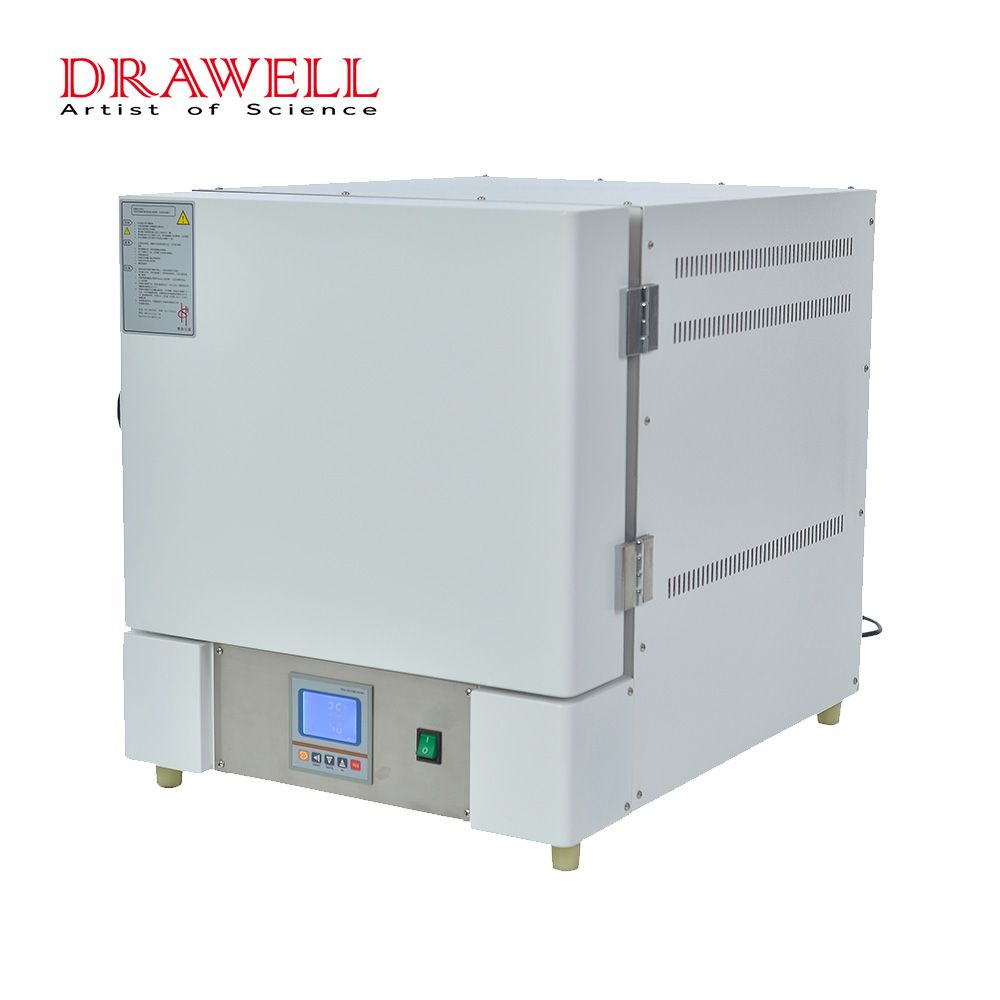
Drawell portable autoclave

Step 1: Preparing for Cleaning an Autoclave

Before commencing the cleaning process, it’s crucial to take specific precautions and gather necessary supplies:

Precautions: Ensure the autoclave is powered off and unplugged. Wear appropriate personal protective equipment (PPE), including gloves, goggles, and a lab coat.

Gather Cleaning Products: Collect required cleaning supplies such as mild detergent or autoclave cleanser, water, a soft cloth or sponge, a brush or pipe cleaner for challenging areas, and a clean towel for drying.

Step 2: Routine Cleaning an Autoclave

Routine cleaning is essential for maintaining cleanliness and efficiency:

External Surfaces: Wipe external surfaces with a moist cloth or sponge dipped in a mild detergent solution. Pay attention to spill-prone areas like the door handle, control panel, and gasket. Rinse with water and dry thoroughly.

Inner Chamber: Clean the inner chamber using a soft cloth or sponge soaked in a mild detergent solution. Gently wipe surfaces to remove residue, stains, or debris. Stubborn stains or mineral deposits can be addressed with a water and vinegar solution.

vertical autoclave

Step 3: Deep Cleaning an Autoclave

Deep cleaning tackles persistent stains and buildup:

Cleaning Removable Parts: Clean removable parts separately with the same cleaning chemicals. Rinse and dry them before reinstalling.

Descaling the Chamber: Prepare a descaling solution and pour it into the chamber to address mineral deposits. Scrub the walls and bottom with a brush or pipe cleaner, then rinse thoroughly.

Cleaning the Gasket: Wipe the autoclave door gasket with a soft cloth or sponge and a light detergent solution. Rinse and dry meticulously.

Step 4: Maintenance Tips After Cleaning an Autoclave

Regular maintenance is crucial for optimal performance:

Examine and Clean Filters: Regularly inspect and clean filters to maintain proper airflow and prevent blockage.

Seals and Gaskets: Check seals and gaskets for wear or damage and replace if necessary to ensure an airtight seal.

Calibrate and Validate: Follow specifications for calibration and validation procedures of autoclave manufacturer to ensure accurate temperature and pressure readings and verify sterilization effectiveness.

Summary

Regular cleaning and maintenance are essential for the effective sterilization and prolonged lifespan of autoclaves. By following these procedures and prioritizing safety, you can establish a regular cleaning regimen, undertake deep cleaning as needed, and keep your autoclave in optimal working condition. Refer to the manufacturer’s instructions for specific guidelines tailored to your autoclave type to ensure reliable and safe sterilization operations.

A Comprehensive Guide to Washers

This comprehensive guide provides valuable insights into the diverse world of washers, encompassing their types, dimensions, and finishing options. Let’s summarize the key points highlighted:

washer manufacturer

1. Types of Washers:

Spring washers, wave washers, Belleville washers: Designed for preload force and tension maintenance.

Flat washers, plain washers, conical washers, square washers: General-purpose washers for load distribution and surface protection.

Lock washers, tab washers: Preventing loosening of nuts and bolts due to vibration.

Thrust washers: Distributing axial loads in machine assemblies.

Flat washers

2. Dimensions of Washers:

Outer Diameter (OD), Inner Diameter (ID), Thickness: Basic measurements for sizing washers.

Bolt Size: Selection based on corresponding inside diameter.

ANSI Standard Size: Conforming to ANSI standards for specifying washer sizes.

3. Finishing Types of Washers:

Plain finished washers: Simple finish for applications where appearance is not critical.

Zinc plated washers: Coating for corrosion protection, available in different thicknesses.

Black oxide washers: Chemical treatment for aesthetic purposes or corrosion prevention.

Nickel plated washers: Durable and corrosion-resistant finish, available in various thicknesses.

Chrome finishing washers: Decorative, shiny surface for aesthetic purposes.

Galvanized finishing washers: Zinc coating for rust and corrosion protection, suitable for outdoor use.

Powder coating washers: Durable, customizable finish available in different colors and textures.

Conclusion:

Washers, despite their simple appearance, are essential components with significant roles in various applications across industries. Understanding the types, dimensions, and finishing options of washers enables informed decision-making for selecting the most suitable components for specific applications. Proper measurement, selection, and installation ensure optimal performance, safety, and efficiency in projects. With this comprehensive knowledge, individuals can confidently tackle projects involving washers, ensuring their effectiveness and longevity.

By incorporating this knowledge into practice, individuals can ensure optimal performance, safety, and efficiency in projects involving washers. Whether it’s selecting the appropriate type and size of washers or choosing the right finishing option for a specific application, informed decisions are key to achieving successful outcomes.

How Automated Printing Inspection Systems are Transforming Print Quality

In today’s printing industry, maintaining consistent print quality is paramount for meeting customer expectations and adhering to regulatory standards. A significant advancement in achieving this consistency comes from Automated Printing Quality Inspection Systems, revolutionizing the way print quality is monitored and ensured. This article explores the components, benefits, applications, and latest advancements of Automated Printing Quality Inspection System, underscoring their pivotal role in modern printing practices.

Wide-width Web Video Inspection System

Evolution of Automated Printing Quality Inspection Systems

Traditionally, print quality inspection relied heavily on manual techniques, prone to errors and time-consuming processes. However, the evolution of technology paved the way for Automated Printing Quality Inspection Systems, enabling real-time monitoring, analysis, and rectification of print issues.

How Automated Printing Quality Inspection Systems Work

Utilizing sensors, cameras, and sophisticated algorithms, Automated Printing Quality Inspection Systems scrutinize printed materials for defects like misprints, color discrepancies, streaks, and registration errors with exceptional precision.

web video inspection machine

Advancements and Trends

Integration of Artificial Intelligence (AI) and Machine Learning (ML): AI and ML algorithms are reshaping automated inspection systems, empowering them to analyze vast amounts of data, anticipate issues, and adjust to changing printing conditions, thereby enhancing accuracy and efficiency.

Real-Time Defect Classification and Correction: Modern systems classify defects promptly, enabling immediate corrective actions. By adjusting printing settings on the fly, such as ink levels and registration, these systems minimize waste and ensure uniform print quality.

Multi-Modal Inspection Capabilities: To cater to diverse printing requirements, systems now incorporate multi-modal inspection capabilities, utilizing various imaging technologies for comprehensive defect detection across different materials and substrates.

Enhanced Color Management and Calibration: Automated inspection systems offer advanced color management features, ensuring precise color reproduction across different substrates. They detect color variations, match predefined standards, and adjust color profiles in real-time.

Cloud-Based Solutions for Remote Monitoring and Analytics: Cloud-based systems enable remote monitoring, data storage, and analytics, facilitating real-time access to inspection results and insights into production performance from anywhere.

Integration with Industry 4.0 Technologies: Automated inspection systems are increasingly integrated with Industry 4.0 technologies like IoT and robotics, enabling seamless data exchange and predictive maintenance for optimized production processes.

Conclusion

Automated Printing Quality Inspection Systems represent a significant innovation in the printing industry, offering unparalleled precision, efficiency, and control. As technology continues to advance, these systems will be instrumental in driving innovation and maintaining consistent quality across diverse printing applications. Embracing automated inspection technology isn’t just advantageous—it’s imperative for printers striving to thrive in today’s competitive landscape.

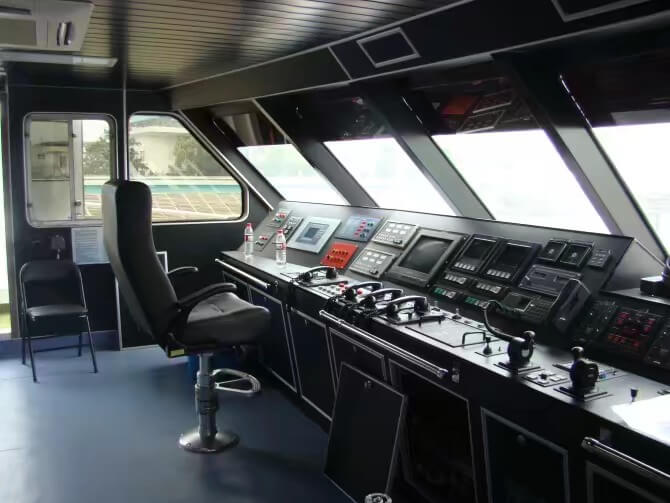
Exploring the Advancements in Marine Passenger Seat Design

Comfort, safety, and aesthetics are paramount in the design of marine passenger seats, shaping the onboard experience across various vessels from luxurious cruise liners to efficient ferries. This article explores the latest trends and advancements in marine passenger seat design, focusing on innovative designs and cushioning materials that are revolutionizing travel on the high seas.

ferry seats

Emphasis on Ergonomics

Modern marine passenger chairs prioritize ergonomic design to enhance comfort during long journeys. These seats offer proper lumbar support, promote good posture, and alleviate fatigue. Features such as adjustable headrests, armrests, and seat recline provide passengers with personalized comfort options to suit their preferences.

Enhanced Durability in Harsh Conditions

Marine environments pose unique challenges like saltwater exposure and adverse weather conditions. Innovative seat designs integrate materials resistant to corrosion, fading, and wear. Utilizing high-quality marine-grade upholstery fabrics, reinforced frames, and corrosion-resistant components ensures longevity, reducing maintenance costs and ensuring reliability over time.

Adoption of Lightweight Materials

Advancements in lightweight materials contribute to fuel efficiency and carbon emissions reduction in marine transportation. Innovative seat designs utilize lightweight yet robust materials such as aluminum alloys and composite polymers, achieving a balance between durability and weight savings. Lightweight seats also facilitate easier installation and reconfiguration, offering operational flexibility to vessel operators.

Space Optimization Solutions

Maximizing space is crucial in marine passenger seating design, especially on vessels with limited real estate. Foldable and stackable seat designs optimize cabin space, enabling flexible seating arrangements and efficient use of onboard areas. Smart mechanisms allow seats to be easily stowed away when not in use, creating versatile passenger environments.

Customization for Diverse Needs

Passenger preferences vary widely, necessitating customizable seating solutions. Innovative seat designs offer options for seat width, cushion firmness, upholstery color, and configuration layouts. Modular seating arrangements accommodate varying passenger capacities and spatial constraints, ensuring flexibility and adaptability.

marine passenger chairs

Integration of Shock-Mitigating Technology

In vessels navigating rough seas, shock-absorbing seating arrangements are essential for passenger safety and comfort. Advanced shock-absorbing materials and suspension systems are integrated into maritime passenger seats to minimize wave-induced vibrations and vessel motion impacts, reducing the risk of passenger injuries and enhancing ride comfort.

Implementation of Fire Retardant Materials

Safety is paramount in marine transportation, particularly concerning fire prevention measures. Innovative seat designs incorporate fire-retardant materials and fabrics compliant with international safety standards. Fire-resistant foams, upholstery fabrics treated with flame-retardant coatings, and self-extinguishing cushioning materials enhance passenger safety and ensure regulatory compliance.

Adoption of Sustainable Materials

There is a growing focus on sustainability in marine passenger seat design. Innovative seating solutions utilize eco-friendly materials such as recycled plastics, bio-based foams, and low-impact upholstery fabrics. Sustainable seat designs aim to minimize carbon footprint, reduce waste generation, and promote environmental stewardship in the maritime sector.

marine passenger seats

Integration of Amenities

To enhance the passenger experience, modern marine passenger seats feature integrated amenities and connectivity features. USB charging ports, adjustable reading lights, foldable tray tables, and personal entertainment systems are seamlessly integrated into seat designs, providing convenience and entertainment options during voyages.

Aesthetic Considerations

Aesthetic appeal is given importance alongside comfort and utility in modern maritime passenger seats. Sleek lines, contemporary finishes, and customizable color options result in visually appealing seating solutions, elevating the ambiance of onboard spaces. Innovative seat designs combine style with substance, enhancing the overall passenger experience.

In conclusion, Seat designs are important for the passenger experience in maritime travel. By prioritizing comfort, safety, and aesthetics, modern marine passenger seats offer a delightful journey for travelers. With the integration of lightweight materials, customizable features, and sustainable solutions, vessel operators can enhance operational efficiency while providing passengers with a comfortable and enjoyable sea voyage.

How Much Do You Know About Offshore Oil Rigs

Offshore oil rigs stand as iconic symbols in the global energy sector, strategically positioned miles from shorelines, and have long been essential contributors to meeting the world’s energy needs. These colossal installations represent a fusion of engineering brilliance, innovative solutions, and a commitment to environmental responsibility.

This comprehensive article delves into the intricate world of offshore oil rigs, shedding light on their architectural and operational complexities, environmental implications, and their profound significance in the energy landscape. Additionally, we explore the crucial role of simulation technology in training personnel for the demanding operations conducted on these offshore installations.

offshore oil rig operation

The Evolution of Offshore Oil Rigs

The history of offshore oil exploration traces back to the early 20th century, driven by the depletion of onshore reserves and the quest for new hydrocarbon sources in oceanic realms. A significant milestone occurred in 1896 along the California coast with the emergence of the first offshore drilling platform, constructed from wood. This pioneering structure contrasts sharply with the sophisticated rigs dominating today’s offshore landscapes.

Over time, offshore drilling has undergone remarkable evolution, propelled by cutting-edge technologies and a deeper understanding of the challenges posed by marine environments. The escalating demand for offshore drilling stems from the discovery of extensive, untapped oil and gas reservoirs beneath the ocean floor.

Operational Dynamics of Offshore Oil Rigs

Offshore oil rigs showcase human ingenuity and engineering prowess through intricate processes facilitating the extraction, processing, and transportation of hydrocarbons from deep seabeds to onshore facilities. Here’s an overview of their operational mechanisms:

Exploration and Drilling: Seismic surveys identify potential reserves, followed by drilling of exploration wells to confirm hydrocarbon presence. Successful sites lead to drilling of production wells for resource extraction.

Production: Oil and gas are extracted through production wells, employing drilling rigs and wellheads on fixed platforms, or flexible risers/pipelines on floating systems.

Processing: Extracted fluids undergo separation and processing to remove impurities, separate oil and gas, and compress gas for transportation.

Storage: Oil is stored in tanks on FPSOs or floating platforms, awaiting offloading onto shuttle tankers. Gas may be reinjected, flared, or transported via pipelines.

Environmental Protection: Rig installations feature measures like oil spill containment, gas emission control, and adherence to safety protocols to mitigate environmental impact.

Types of Offshore Oil Rigs

Fixed Platforms: These structures, anchored to the seabed, include Jacket, Caisson, and Concrete Gravity platforms, suitable for various seabed conditions and depths.

Compliant Towers: Designed for deepwater drilling in challenging marine environments, these towers offer flexibility and structural integrity against high waves and currents.

Spar Platforms: Similar to compliant towers, spars excel in deepwater drilling, providing stability and safety in extreme conditions.

Tension-Leg Platforms (TLPs): Specialized for deepwater operations, TLPs ensure stability through tensioned tendons securing them to the seabed.

Floating Production, Storage, and Offloading (FPSO) Vessels: These floating facilities combine drilling, processing, storage, and offloading capabilities, crucial for deepwater extraction.

Drillships: Highly specialized vessels for deepwater drilling, equipped with advanced technology for mobility and exploration in remote offshore areas.

Semi-Submersibles: Buoyant rigs with water ballast tanks for stability, commonly used in deepwater and harsh sea conditions.

drillship offshore

Simulation Technology in Offshore Operations

Simulation technology plays a pivotal role in training personnel for offshore rig operations:

Immersive Training: Simulators replicate real-world offshore environments, enabling trainees to tackle various challenges securely.

Skill Refinement: Trainees practice essential tasks like drilling and emergency responses until proficiency is attained.

Safety Training: Simulators facilitate comprehensive safety drills, ensuring personnel are prepared for critical situations.

Operational Efficiency:Simulated drilling scenarios enhance decision-making skills and response times, improving overall efficiency.

Cost Savings: Simulator-based training reduces expenses associated with conventional training methods, making it both cost-effective and resource-efficient.

3D graphic software-offshore platform

Conclusion

Offshore oil rigs, remarkable feats of engineering, have played a significant role in global energy production. However, as we navigate towards a sustainable energy future, they face increased scrutiny for their environmental impact. Whether they continue as energy hubs or adapt to new roles, their importance in the energy industry remains undeniable.

Furthermore, the integration of simulation technology is vital for ensuring the safety and efficiency of offshore operations. By preparing the workforce for the complexities of offshore drilling, these simulations contribute to the ongoing success of offshore endeavors, underlining human innovation in the pursuit of energy resources.

Unveiling the Principles and Variants of Polymerase Chain Reaction (PCR)

Polymerase Chain Reaction (PCR) stands as a pivotal technique in molecular biology, revolutionizing genetics and biotechnology. This method facilitates the amplification of specific segments of DNA, offering a wide array of applications ranging from genetic testing to DNA sequencing. Delving into the intricacies of PCR, let’s explore its fundamental working principles and various adaptations.

PCR Instruments

Fundamental Working Principles of PCR:

PCR entails a series of heating and cooling cycles to multiply a specific DNA segment, meticulously following the principles of natural DNA replication in a controlled manner.

Three Fundamental Working Steps of PCR:

Denaturation:

Heat is applied, typically around 94-98 degrees Celsius (201-208 degrees Fahrenheit), causing the DNA double helix to unwind and separate into single strands.

Annealing:

Temperature reduction to approximately 50-65 degrees Celsius (122-149 degrees Fahrenheit), allowing short DNA sequences called primers to bind to their complementary sequences on single-stranded DNA.

Extension/Elongation:

Elevation of temperature to about 72 degrees Celsius (162 degrees Fahrenheit), facilitating the synthesis of new DNA strands by a heat-resistant DNA polymerase enzyme.

Cycles and Amplification of PCR:

PCR cycles involve repeated processes of denaturation, annealing, and extension, resulting in exponential amplification of the target DNA sequence.

Each cycle doubles the amount of DNA, ultimately yielding a significant quantity of the target DNA from a minimal starting material.

Variants and Modifications of PCR:

Reverse Transcription PCR (RT-PCR):

Amplifies RNA molecules post-conversion into complementary DNA (cDNA) using reverse transcriptase enzyme, essential for examining gene expression and RNA-based activities.

Real-Time PCR:

Also known as quantitative PCR (qPCR), enables detection and quantification of DNA or RNA during amplification, facilitating precise quantification and real-time monitoring.

Nested PCR:

Utilizes two sets of primers to improve specificity and sensitivity, especially beneficial in scenarios involving low amounts of target DNA or complex DNA mixes.

Multiplex PCR:

Allows simultaneous amplification of multiple target DNA sequences using distinct primer sets, useful in genotyping, disease detection, and forensic analysis.

Hot Start PCR:

Incorporates modifications to enhance reaction specificity and prevent non-specific amplification by utilizing specific DNA polymerase or modified primers.

Digital PCR (dPCR):

Divides PCR reaction into numerous separate reactions, enabling absolute quantification of target DNA without external standards, particularly useful for detecting low-abundance targets.

Inverse PCR:

Amplifies DNA segments with known flanking sequences but an unknown sequence in between, facilitating gene cloning and discovery of unknown DNA sequences.

In Summary:

PCR, with its ability to exponentially amplify DNA, has emerged as a cornerstone in molecular biology, unlocking a plethora of applications across various disciplines. By comprehending the principles and variants of PCR, researchers have propelled advancements in genetic testing, forensics, disease diagnosis, and beyond, reshaping the landscape of science and medicine.

The Crucial Role of CNC Marine Parts in the Vessel Manufacturing

CNC marine parts constitute crucial components in the fabrication of marine vessels, encompassing boats, ships, and various watercraft. Leveraging CNC machining, these parts are meticulously crafted according to pre-programmed instructions to achieve precise shapes and dimensions.

CNC turning parts

Diverse Types of CNC Marine Parts:

Propellers: Customized propellers, vital for propelling boats, are meticulously crafted using CNC machining, ensuring optimal performance tailored to the vessel’s specifications.

Hulls: CNC machining facilitates the creation of intricate hull designs, optimizing hydrodynamics and enhancing vessel performance.

Deck Fittings: Components like cleats and bollards, affixed to the deck, are precision-engineered through CNC machining to withstand marine conditions.

Rudder Assemblies: Steering mechanisms, including rudder blades, are crafted with CNC machining for enhanced maneuverability.

Engine Components: Various engine parts, such as cylinder heads and pistons, are CNC machined to withstand marine environments and optimize performance.

Advantages of CNC Marine Parts:

Precision and Accuracy: CNC machining ensures parts adhere to exact specifications, enhancing vessel performance and minimizing equipment failure risks.

Durability and Reliability: Crafted from robust materials like stainless steel and aluminum alloys, CNC marine parts endure harsh marine conditions, ensuring longevity and reliability.

Efficiency and Performance: Optimized designs through CNC machining improve vessel efficiency, reducing fuel consumption and enhancing overall performance.

Safety: CNC machined parts contribute to vessel safety by minimizing the likelihood of component failure, thereby reducing accidents.

Metal materials CNC parts

Common Materials for CNC Marine Parts:

Stainless Steel: Known for corrosion resistance and strength, ideal for critical components like propellers.

Aluminum Alloys: Lightweight and corrosion-resistant, commonly used in hulls and superstructures.

Bronze: Offers strength and corrosion resistance, suitable for propellers and rudder assemblies.

High-Density Plastics: Lightweight and corrosion-resistant, utilized for non-critical components such as fittings.

Titanium: Known for excellent corrosion resistance and strength, ideal for shafts and fasteners.

Carbon Fiber: Lightweight and strong, used in critical components like hulls for performance enhancement.

In conclusion, CNC machining revolutionizes marine vessel manufacturing, ensuring precision, durability, and performance. KENENG offers exceptional CNC machining services, providing the optimal solution for marine part fabrication. For further inquiries, please contact us.

Annular BOPs vs. Ram BOPs: Which are Better

In the realm of oil and gas drilling, safety takes precedence above all else, and at the heart of safety measures lies the Blowout Preventer (BOP).. This critical equipment acts as a safeguard against the potentially disastrous consequences of uncontrolled oil or gas releases, known as blowouts. Among the various types of BOPs, two primary categories find extensive use: annular BOPs and ram BOPs. This article delves into the nuances of these two BOP types, shedding light on their distinct characteristics and the scenarios where their application is most fitting.

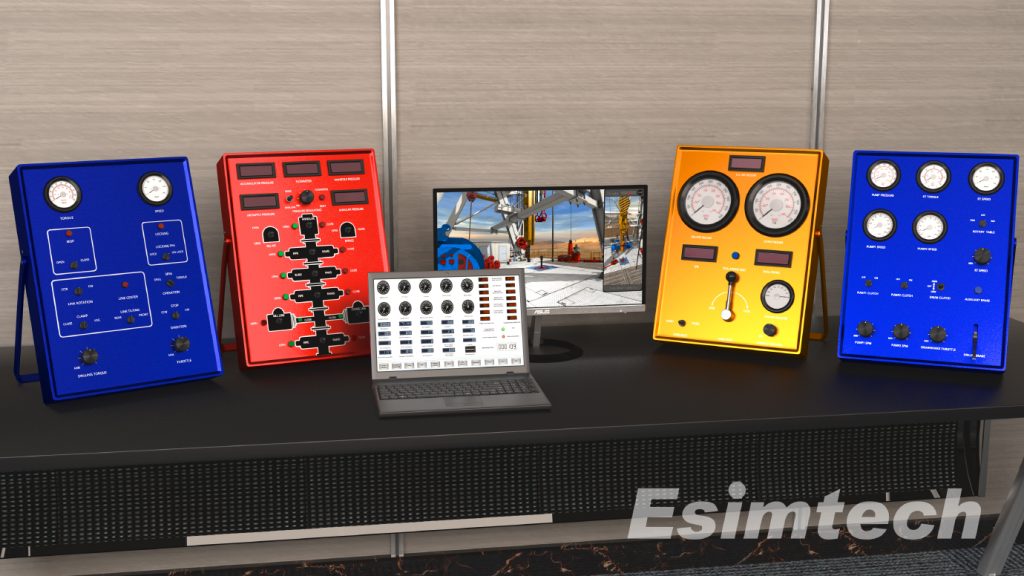
BOP console

Functions of Annular BOP and Ram BOP:

Annular BOP:

Annular Blowout Preventers, commonly referred to as annular BOPs, derive their name from their sealing method, which operates within the annular space between the wellbore and the drill pipe or casing. These BOPs offer a versatile well control solution, thanks to their ability to adapt to various pipe sizes and irregular wellbore shapes.

Key Features of Annular BOPs:

Flexible Sealing Element:

Annular BOPs feature a flexible rubber element, known as the packing unit, which forms a tight seal around the drill pipe or casing when activated. This flexibility allows annular BOPs to effectively seal around pipes of different sizes.

Adaptability:

Annular BOPs excel in situations where the wellbore geometry is irregular or when drilling through formations with varying shapes. The flexibility of the sealing element enables them to create reliable seals even in non-standard wellbore conditions.

Ease of Maintenance:

Maintenance of annular BOPs is generally straightforward compared to ram BOPs. The rubber packing unit can be replaced or repaired relatively easily, reducing downtime and operational costs.

Applications of Annular BOPs:

Drilling Operations:

Annular BOPs are commonly used during drilling operations to control wellbore pressure and provide a seal around the drill pipe.

Well Control:

They play a crucial role in well control systems, acting as a backup measure to prevent blowouts.

Circulation:

Annular BOPs facilitate wellbore fluid circulation, allowing mud and other fluids to be circulated down the drill pipe and back up the annulus.

Ram BOP:

Ram Blowout Preventers, also known as ram BOPs, utilize metal blades or rams to establish a tight seal around the drill pipe or casing. Unlike annular BOPs, ram BOPs excel in delivering precise sealing and are often employed as a secondary well control safeguard, particularly during critical situations.

Portable BOP console

Key Features of Ram BOPs:

Sealing Mechanism:

Ram BOPs use metal rams to create a seal around the pipe. These rams can be configured for different purposes, such as sealing around the drill pipe or casing, cutting and sealing the pipe in emergencies, or creating a complete seal when no pipe is present.

Specialized Configurations:

Ram BOPs come in several specialized configurations, including blind rams, pipe rams, shear rams, and variable rams, providing versatility in addressing various well control scenarios.

Reliability:

Ram BOPs are known for their reliability and are often used as the last line of defense in a well-control system, providing a robust and immediate seal, especially in emergencies.

Applications of Ram BOPs:

Emergency Well Control:

Ram BOPs are often considered the last line of defense in well control systems, deployed in emergencies to quickly and precisely seal off the wellbore.

Deepwater Drilling:

In deepwater drilling operations where the consequences of a blowout can be catastrophic, ram BOPs, including shear rams, are crucial for maintaining control over the well.

Ensuring Well Integrity:

Ram BOPs play a critical role in ensuring the integrity of the well, especially when dealing with challenging formations or high-pressure zones.

Comparison Between Annular BOP and Ram BOP:

While both BOP types serve the fundamental purpose of well control, they differ in design, function, and applications. Here’s a comparison between annular and ram BOPs:

Design and Function:

Annular BOP:

Circular, doughnut-shaped rubber component.

Adaptable for various pipe sizes and irregular wellbore shapes.

Ram BOP:

Metal plates (rams) that create a hermetic seal.

Designed for precise sealing, particularly in critical situations.

Sealing Mechanism:

Annular BOP:

Flexible rubber element provides dynamic sealing.

Accommodates variations in pipe size and shape.

Ram BOP:

Rigid steel plates (rams) provide a fixed seal.

Generally more reliable for high-pressure and high-temperature conditions.

Applications:

Annular BOP:

Primary safeguard in drilling operations and well control.

Well testing and wireline operations.

Ram BOP:

Secondary or contingency BOP in emergencies.

Shearing or cutting the drill pipe.

Maintenance:

Annular BOP:

Generally easier to maintain and repair.

Elastomeric seals may require periodic replacement.

Ram BOP:

More complex maintenance due to mechanical components.

Cost:

Annular BOP:

Often less expensive.

Cost-effective choice for certain drilling situations.

Ram BOP:

Typically more expensive due to precision engineering.

Advantages of Using Annular BOP and Ram BOP in Simulation:

Performance Analysis:

Simulations enable performance analysis across diverse drilling scenarios, assessing sealing effectiveness and pressure-holding capacities.

Portable Drilling Well Control Simulation Training System

Pressure and Flow Modeling:

Precisely replicate pressure dynamics to determine the appropriate BOP system for anticipated conditions.

BOP Compatibility:

Assess compatibility with wellbore design and drilling equipment to ensure effective well sealing.

Dynamic Drilling Scenarios:

Replicate well kicks and pressure surges to evaluate BOP responses during emergencies.

Training and Preparedness:

Use simulations for training drilling crews in proper BOP operation and response procedures.

Risk Assessment:

Evaluate risks associated with BOP choice and potential consequences of failure.

Conclusion:

Annular and ram BOPs play vital roles in ensuring the safety and integrity of oil and gas drilling operations. The choice between them depends on specific drilling conditions, wellbore geometry, and safety requirements. Utilizing simulations helps in selecting appropriate BOPs by analyzing performance, pressure dynamics, compatibility, and risk factors. Regardless of the choice, BOPs remain essential frontline defenses, safeguarding personnel and the environment in the oil and gas industry.

通过 WordPress.com 设计一个这样的站点
从这里开始