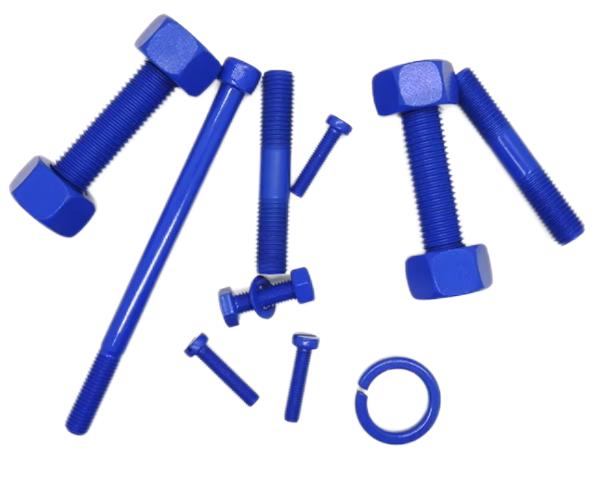
The friction coefficient is defined as the force required to move one surface against another divided by the force pressing the two surfaces together. In the context of bolted connections, the friction coefficient refers to the resistance between the bolt and the mating surfaces of the nut and the joint. This friction coefficient is a crucial parameter that determines how much force is needed to tighten and loosen bolts.
Importance of Understanding the Factors Affecting the Friction Coefficient of Bolts
Proper Assembly
The friction coefficient plays a vital role in bolt tightening, requiring a specific amount of torque to achieve the correct tension. Ignoring the friction coefficient can lead to incorrect torque application, resulting in either joint failure or damage to the bolt and the materials it connects.
Safety
Bolts are often used in critical applications where safety is paramount, such as in bridges, airplanes, and automobiles. A proper understanding of the friction coefficient ensures bolts are tightened to the correct tension, preventing joint failure and potential catastrophic consequences.
Maintenance
Regular inspection and maintenance are essential for ensuring continued reliability of bolts. Understanding the factors that influence the friction coefficient can help identify potential problems and guide appropriate maintenance and replacement schedules.
Cost Efficiency
Improperly tightened fasteners can lead to unnecessary downtime and repair costs. By understanding the factors affecting the friction coefficient, engineers and technicians can optimize the assembly process, reducing the likelihood of failures and saving time and money in the long run.
Main Factors Affecting the Friction Coefficient of Bolts
Surface Finish
The surface finish of the bolt and mating surfaces significantly affects the friction coefficient. A rough surface finish increases the friction coefficient, making it harder to tighten or loosen the bolt. Conversely, a smooth surface finish lowers the friction coefficient, making it easier to handle the bolt. Therefore, it is crucial to ensure surfaces are properly machined and have the desired finish.
Lubrication
Lubrication of the mating surfaces can reduce the friction coefficient, facilitating easier tightening or loosening of the bolt. However, it is essential to use the appropriate lubricant for the application. For instance, high-temperature lubricants are necessary for bolts exposed to high temperatures.
Preload
Preload is the tension applied to the bolt when tightened. The friction coefficient is significantly influenced by preload. If the preload is too low, the friction coefficient is too low, causing the bolt to loosen over time. If the preload is too high, the friction coefficient becomes excessive, leading to bolt breakage or stripping.
Materials
The materials used in the bolt and mating surfaces can affect the friction coefficient due to their surface properties. For example, a stainless steel bolt will have a different friction coefficient compared to a carbon steel bolt. Selecting the right materials for each application is crucial.
Environmental Factors
Temperature: Temperature affects bolt friction coefficients through thermal expansion and relaxation. High temperatures cause the bolt and nut to expand, reducing clamping force and friction coefficient. Conversely, low temperatures increase clamping force and friction coefficient. This is critical in temperature-variable applications like car engines.
Humidity: Humidity can alter the properties of lubricants or anti-seize compounds, impacting the friction coefficient. High humidity can lead to oxidation or corrosion, increasing the friction coefficient and causing potential seizing of the bolt. Low humidity can cause lubricants to dry out, reducing the friction coefficient and potentially causing bolt loosening.
Food packaging printing stands at the crossroads of creativity, functionality, and compliance, ensuring products not only appear attractive but also meet strict safety standards.
The foremost challenge in food packaging printing is adhering to regulatory standards. Different regions have varying regulations for food contact materials, including inks and substrates used in printing. These regulations aim to protect public health by preventing harmful substances from migrating into food products. Printers must stay informed about these regulations and select materials that meet the required safety criteria. Non-compliance can lead to costly recalls, legal penalties, and brand reputation damage.
Safety and Migration Concerns
Food packaging printing uses inks and coatings that must be safe for consumers. Ink components need careful selection to minimize migration—the transfer of substances from packaging into food. This involves thorough testing to ensure inks are safe and compatible with different packaging materials and food types. Factors like temperature, acidity, and moisture also influence migration risk, which printers must account for.
Adherence to Brand Guidelines
Beyond regulatory compliance and safety, food packaging printing is vital for branding. Printers must balance meeting regulatory requirements and adhering to brand guidelines, which include accurately reproducing brand colors, logos, and imagery. Achieving this balance requires advanced color management, high-quality printing equipment, and skilled personnel capable of executing complex designs precisely.
Sustainability and Environmental Concerns
Increasingly, there is a focus on sustainability in food packaging printing. Consumers are more aware of the environmental impact of packaging, prompting brands to adopt eco-friendly solutions. Printers must find sustainable alternatives to traditional materials and inks, such as recycled or biodegradable substrates and vegetable-based inks. Balancing sustainability with cost-effectiveness and performance remains challenging.
Technical Limitations and Compatibility Issues
Printing on diverse packaging materials presents unique technical challenges. Different substrates, like plastics, paperboard, and metals, require specialized printing techniques and inks for optimal results. The shape and surface texture of packaging containers also affect print quality and adhesion. Printers must have the technical expertise to overcome these challenges and deliver consistent, high-quality results across various substrates and packaging formats.
Supply Chain Complexity
Food packaging printing is part of a complex supply chain involving manufacturers, converters, printers, and brand owners. Coordination among these stakeholders is crucial for timely production, quality control, and specification compliance. Disruptions or miscommunications within the supply chain can lead to delays, errors, and increased costs. Effective collaboration and communication are essential for success.
Solutions to Address Challenges in Food Packaging Printing
Investment in Advanced Printing Technologies
Embrace advanced printing technologies like digital printing, flexography, and offset printing. These technologies offer precise color management, high-resolution printing, and faster production speeds, enhancing efficiency and quality.
Regulatory Compliance Management
Implement robust regulatory compliance management systems to ensure adherence to food safety regulations and packaging standards. Stay updated on regulatory changes and collaborate with experts to assess and mitigate compliance risks.
Quality Assurance Systems
Deploy comprehensive quality assurance systems and printing inspection technologies to monitor print quality, detect defects, and ensure consistency. Automated inspection systems identify issues in real-time, minimizing errors and reducing waste.
Sustainable Printing Practices
Adopt sustainable printing materials and processes to reduce environmental impact. Use eco-friendly substrates, biodegradable inks, and energy-efficient equipment to meet sustainability goals and consumer demand for eco-conscious packaging.
Collaboration Across the Supply Chain
Foster collaboration and communication among stakeholders in the food packaging supply chain, including suppliers, converters, printers, and brand owners. Streamline workflows, share best practices, and leverage collective expertise to optimize processes and address challenges collaboratively.
Investment in Training and Skill Development
Provide ongoing training and development for printing personnel to enhance technical expertise, regulatory knowledge, and problem-solving abilities. Empower employees to proactively identify and address challenges, driving continuous improvement.
Integration of Data Analytics and Automation
Utilize data analytics and automation tools to optimize printing processes, improve efficiency, and reduce errors. Analyze production data to identify trends, optimize workflows, and make data-driven decisions that enhance performance and quality.
Continuous Improvement Culture
Promote a culture of continuous improvement by encouraging feedback, implementing feedback loops, and celebrating successes. Encourage innovation, experimentation, and collaboration to drive ongoing advancements in food packaging printing practices.
How Printing Inspection Systems Address Challenges in Food Packaging Printing
Quality Control and Defect Detection
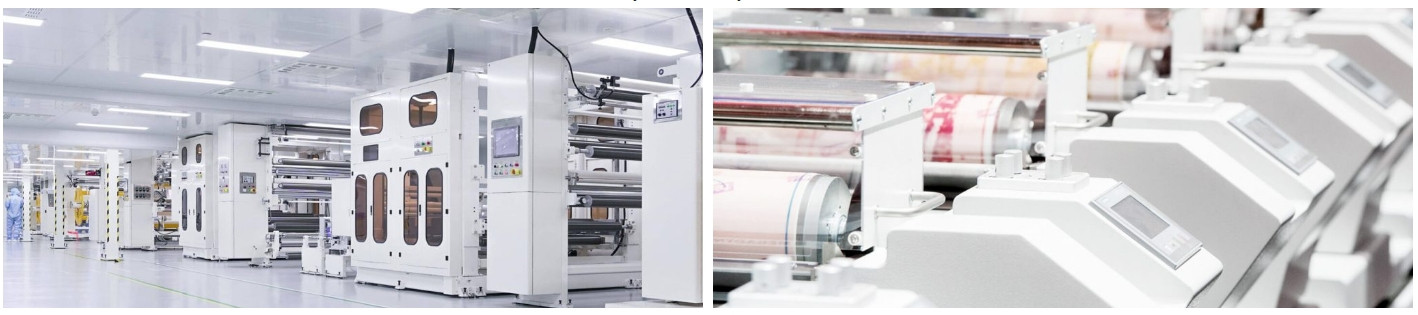
Printing inspection systems use advanced imaging technology to detect defects like misprints, smudges, streaks, and color variations on printed packaging materials. By scanning and analyzing substrates in real-time, these systems identify and rectify quality issues before they escalate, ensuring only flawless packaging reaches consumers.
</p
Color Consistency and Accuracy
Consistent color reproduction is crucial for maintaining brand identity and consumer trust. Printing inspection systems use color management algorithms to compare printed colors against reference standards and detect deviations. Monitoring color consistency throughout the printing process helps achieve accurate and uniform color reproduction across different substrates, batches, and printing runs.
Barcode and Text Verification
Accurate printing of barcodes, expiration dates, batch codes, and other essential text is critical for traceability and regulatory compliance. Printing inspection systems verify the readability and accuracy of printed text and codes using optical character recognition (OCR) and barcode verification algorithms, ensuring all necessary information is legible and correctly printed, reducing errors and regulatory non-compliance.
Regulatory Compliance Assurance
Food packaging printing must comply with strict regulations regarding ink migration, substrate suitability, and labeling. Printing inspection systems help ensure compliance by detecting issues like ink smudging, incomplete printing, or non-compliant materials. These systems provide objective evidence of compliance, mitigating the risk of penalties, recalls, and reputational damage.
Data Integrity and Documentation
Printing inspection systems generate detailed reports and documentation of inspection results, including images, measurements, and timestamps. This documentation serves as a comprehensive record of print quality and compliance, enabling traceability and accountability throughout the printing process. Accurate records facilitate audits, investigations, and continuous improvement, enhancing transparency and confidence in the printing process.
Real-time Monitoring and Intervention
By integrating with printing equipment and production workflows, printing inspection systems enable real-time monitoring and intervention in response to detected issues. Automated alerts notify operators of potential problems, allowing prompt corrective action. This proactive approach minimizes downtime, reduces waste, and optimizes production efficiency, ensuring timely delivery of high-quality printed packaging materials.
Process Optimization and Continuous Improvement
Printing inspection systems provide valuable data and insights into printing performance, including defect trends, error rates, and production bottlenecks. Analyzing this data helps identify root causes of quality issues, implement corrective actions, and optimize printing processes for greater efficiency and reliability. Continuous improvement efforts driven by printing inspection systems enhance print quality, reduce costs, and maintain compliance with evolving regulatory standards.
Conclusion
Food packaging printing is a complex process requiring careful consideration of regulatory requirements, safety concerns, quality control, sustainability, and collaboration across the supply chain. By adopting proactive measures, investing in technology, and focusing on sustainability and quality, the food packaging printing industry can evolve and meet the ever-changing demands of consumers and regulatory authorities.
Oil and gas exploration is a complex and vital element of the global energy economy, involving the systematic search for underground hydrocarbon reserves such as crude oil and natural gas. This article delves into the fascinating world of oil and gas exploration, examining the methods, technologies, environmental concerns, and future prospects of this essential industry.
The Fundamentals of Oil and Gas Exploration
Geological Surveys
Geologists conduct extensive research before any drilling begins to identify promising geological formations. These surveys examine rock layers, subsurface structures, and potential hydrocarbon source rocks. Seismic surveys play a crucial role in mapping these subsurface structures by using sound waves to create detailed images of underground formations.
Exploration Drilling
If a promising area is identified, exploratory drilling commences. This involves drilling exploratory wells to evaluate the presence and quantity of hydrocarbons. Core samples and data from these wells provide valuable insights into the reservoir’s characteristics, such as depth, pressure, and temperature.
Reservoir Evaluation
A comprehensive reservoir study is essential to determine a discovery’s commercial viability. Engineers assess parameters such as porosity, permeability, and fluid properties. Advanced technologies like well logging and pressure testing help gather critical data to inform decision-making.
Technologies and Tools in Oil and Gas Exploration
Technological advancements have revolutionized the oil and gas exploration sector, enabling more efficient and accurate methods of identifying and extracting hydrocarbon sources. These technologies and techniques are crucial in reducing exploration risks and enhancing overall industry effectiveness.
Seismic Imaging
2D and 3D Seismic Surveys: These surveys send seismic waves into the ground and record the reflections to create detailed images of geological formations and potential reservoirs.
4D Seismic Monitoring: This advanced technique tracks changes in reservoirs over time, providing insights into reservoir behavior and optimizing production strategies.
Remote Sensing
Satellite Imagery: Satellites equipped with various sensors capture high-resolution images of the Earth’s surface, monitoring changes in terrain, vegetation, and land use to identify potential exploration sites.
Aerial Surveys: Drones and aircraft with specialized sensors gather detailed data over specific areas, even in remote or inaccessible locations.
Well Logging
Wireline Logging: Logging tools are lowered into a well to measure rock density, porosity, resistivity, and fluid composition, helping determine the reservoir’s properties.
Mud Logging: Analyzing drilling mud for hydrocarbon content and geological information provides real-time data on subsurface conditions.
Directional Drilling
Rotary Steerable Systems: These systems allow operators to control the drill bit’s direction and trajectory, accessing reservoirs not directly beneath the drilling site.
Measurement-While-Drilling (MWD) and Logging-While-Drilling (LWD): These tools provide real-time data on drilling conditions, enabling operators to adjust the drilling process promptly.
Reservoir Simulation
Numerical Reservoir Modeling: Advanced software creates 3D reservoir models to simulate fluid flow and pressure changes, aiding in reservoir management and production strategy optimization.
Simulation Technology: Used for training in various petroleum operations, these drilling simulation systems help improve the skills needed for rig installation, well logging, and other essential activities.
Subsea Technologies
Remote Operated Vehicles (ROVs): ROVs inspect and maintain subsea equipment and pipelines, crucial for deepwater exploration.
Subsea Imaging and Mapping: Sonar and underwater cameras create detailed maps of the seafloor and underwater structures.
Geochemical Analysis
Geochemical Surveys: These surveys analyze soil, rock, and water samples to detect hydrocarbon indicators, providing information on potential oil and gas reservoirs.
Data Analytics and AI
Machine Learning: AI algorithms process vast amounts of exploration data to predict reservoir properties and drilling conditions.
Big Data Analytics: Analyzing large datasets from various sources helps identify exploration trends and optimize decision-making.
Environmental Monitoring
Environmental Sensors: Continuous monitoring of air and water quality and wildlife observations ensure compliance with environmental regulations and mitigate impacts on ecosystems.
Drilling and Well Completion Technologies
Advanced Drill Bits: Improved drill bit designs enhance drilling efficiency and longevity.
Casing and Completion Technologies: Innovations in casing materials and well-completion methods improve well integrity and production rates.
Future Prospects and Challenges in Oil and Gas Exploration
Future Prospects
Technological Advancements: Continued innovation in exploration technologies will lead to more precise and cost-effective methods for locating hydrocarbon reserves.
Unconventional Resources: Exploration of unconventional resources like shale gas and tight oil is expected to grow, significantly altering the energy landscape.
Deepwater Exploration: With shallower resources depleting, deepwater exploration is set to increase, aided by advances in subsea technology.
Renewable Energy Integration: Oil and gas companies are increasingly diversifying into renewable energy sources, creating new exploration opportunities and reducing the industry’s carbon footprint.
Global Energy Demand: Despite the rise of renewables, global energy demand will continue to grow, necessitating ongoing exploration for conventional hydrocarbons.
Future Challenges
Environmental Concerns: The industry faces pressure to reduce its environmental footprint through stricter regulations and increased public awareness of climate change.
Energy Transition: The shift to cleaner energy sources may reduce fossil fuel demand, impacting the economics of exploration projects.
Geopolitical Risks: Exploration in politically unstable regions poses risks related to conflicts, regulatory changes, and supply disruptions.
Resource Depletion: Discovering new, large, and easily accessible reserves is becoming more challenging.
Cost and Risk Management: Managing exploration costs and mitigating risks associated with drilling dry wells remain constant challenges.
Public Perception: Navigating negative public perceptions due to environmental concerns is crucial for maintaining a social license to operate.
Evolving Energy Markets: Fluctuations in energy prices and market dynamics can affect the economic viability of exploration initiatives.
Technological Uncertainty: Rapid technological advancements can complicate long-term investment decisions.
Resource Nationalism: Some countries are increasing governmental control over natural resources, presenting challenges for foreign oil and gas companies.
Conclusion
Oil and gas exploration remains a critical component of the global energy landscape, providing the resources that power our modern world. The industry continues to evolve through technological innovation, responsible practices, and a commitment to sustainability, adapting to the changing energy landscape while ensuring reliable and efficient resource extraction.
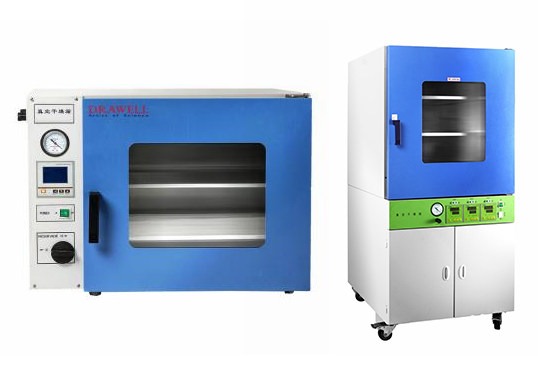
Vacuum drying ovens are indispensable in laboratories and industrial environments, providing efficient drying while minimizing the risk of damaging sensitive materials. Selecting the right vacuum drying oven involves addressing several crucial questions to ensure optimal performance and safety. Whether you’re a seasoned researcher or new to vacuum drying, understanding key factors will help you make an informed decision.
In this article, we’ll explore the essential questions to consider when choosing a vacuum drying oven, focusing on aspects such as size, temperature range, required vacuum level, and suitable materials for drying.
1. What Size Vacuum Drying Oven Do I Need?
Determining the appropriate size for a vacuum drying oven depends on your specific requirements and the volume of materials you plan to dry. Consider the following factors:
Sample Volume: Assess the quantity of materials to be dried in a single batch. Large samples or significant volumes require a larger oven.
Available Space: Ensure the oven fits comfortably in your laboratory or workspace without obstructing other equipment or workstations.
Sample Size and Shape: The oven’s chamber dimensions should accommodate your largest samples without crowding.
Throughput and Efficiency: For high sample volumes needing frequent drying, a larger oven with faster processing capabilities improves efficiency.
Future Needs: Anticipate potential increases in workload. An oven with extra capacity may be beneficial for future expansion.
Budget: Larger ovens typically cost more. Balance your budget with your requirements to find the most suitable size.
List the typical sizes and quantities of samples you’ll be working with and consult with laboratory equipment suppliers or manufacturers to discuss your specific requirements. They can recommend an oven size that best suits your needs.
2. What Temperature Range Does a Vacuum Drying Oven Need to Maintain?
The temperature range required for a vacuum drying oven varies depending on the application and materials being dried. Generally, vacuum drying ovens offer precise temperature control, typically ranging from ambient temperature to around 200-250°C (392-482°F).
Low-Temperature Range: Operating from room temperature (20°C or 68°F) to 100°C (212°F), suitable for heat-sensitive materials that degrade at higher temperatures.
Medium-Temperature Range: Spanning from 100°C (212°F) to 150°C (302°F), covering a wide variety of materials for general drying applications.
High-Temperature Range: Reaching 150°C (302°F) to 200°C (392°F) or higher, suitable for materials requiring elevated temperatures.
Ultra-High-Temperature Range: Specialized ovens for specific industrial applications may reach up to 250°C (482°F) or more.
Choose a vacuum drying oven with a temperature range that matches your specific needs. Ensure accurate and reliable temperature control, especially for temperature-sensitive materials. Always follow the manufacturer’s guidelines for operating within the specified temperature range.
3. What Level of Vacuum Does a Vacuum Drying Oven Need to Achieve?
The required vacuum level depends on the materials being dried and the drying process. Vacuum drying ovens can achieve various vacuum pressure ranges, typically measured in millibars (mbar) or torr:
Low Vacuum: 200 to 400 mbar (150 to 300 torr)
Medium Vacuum: 10 to 100 mbar (10 to 75 torr)
High Vacuum: 0.1 to 10 mbar (0.1 to 7.5 torr)
The specific vacuum pressure needed varies based on the materials and desired drying conditions. For heat-sensitive or volatile materials, a higher vacuum level may be necessary to minimize degradation or loss of volatile compounds. Some materials may require a lower vacuum level for efficient drying without damage.
Consider the vapor pressure of the substances you are drying and choose an oven that can achieve the required vacuum level for your application. Manufacturers typically provide information on their ovens’ vacuum pressure capabilities.
4. What Type of Material Can I Dry in a Vacuum Drying Oven?
Vacuum drying ovens are versatile and can dry a wide range of materials across various industries. The controlled temperature and reduced pressure make them suitable for drying heat-sensitive, delicate, or volatile substances:
Heat-Sensitive Materials: Pharmaceuticals, chemicals, and biological samples that degrade at higher temperatures.
Organic Solvents: Gentle drying of low boiling point solvents to prevent excessive loss or unwanted reactions.
Pharmaceuticals and Intermediates: Drying products containing active pharmaceutical ingredients (APIs) without compromising integrity.
Laboratory Glassware: Ensuring completely dry surfaces, crucial for accurate measurements and precise experiments.
Electronic Components: Removing moisture to prevent potential damage during further processing or assembly.
Food Products: Drying fruits, vegetables, herbs, and other items while preserving color, flavor, and nutritional content.
Chemicals and Reagents: Effective for drying various chemicals, reagents, and mixtures.
Polymers and Plastics: Removing moisture before processing or molding to improve product quality.
Catalysts and Precursors: Enhancing stability and catalytic activity by drying in a vacuum oven.
Not all materials are suitable for vacuum drying, especially those that may react with reduced pressure. Verify compatibility and follow recommended procedures for safe and effective drying. Consult the manufacturer’s guidelines for appropriate drying conditions.
Conclusion
Selecting the ideal vacuum drying oven involves careful consideration of various factors to match your specific applications. From the oven size and temperature range to the vacuum level and suitable materials, each aspect plays a critical role in its effectiveness and efficiency. Prioritize safety by adhering to the manufacturer’s guidelines, ensuring proper maintenance, and using appropriate protective gear. By addressing the essential questions highlighted in this article, you can confidently make an informed choice and invest in a vacuum drying oven that meets your research or industrial needs, delivering reliable and precise results.
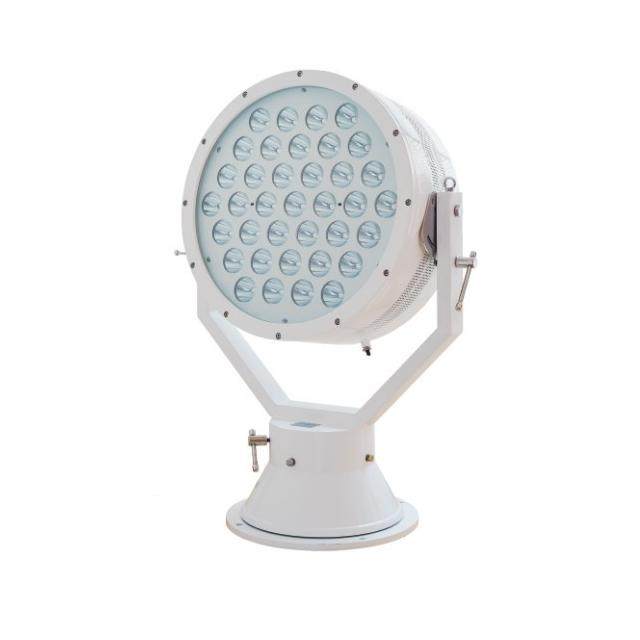
Navigation is a crucial element of maritime operations, ensuring the safe passage of vessels of all sizes. While traditional aids like lighthouses have long guided ships through dangerous waters, modern technology is revolutionizing maritime navigation. Today, marine searchlights are being seamlessly integrated with contemporary navigation systems, leveraging advanced technologies to enhance safety and efficiency in maritime operations.
Evolution of Marine Searchlights
Marine searchlights have a storied history, dating back to the early days of seafaring when oil lamps and primitive lanterns were used to signal hazards and guide ships into port. Over time, these rudimentary devices evolved into powerful electric searchlights capable of illuminating vast stretches of the ocean with precision and clarity. Today’s marine searchlights are sophisticated devices equipped with advanced optics, durable housings, and efficient LED or xenon lamp technologies, providing unmatched performance in even the most challenging maritime environments.
Integrating Marine Searchlights with Modern Navigation Systems
GPS Positioning Integration
Modern marine searchlights can be equipped with GPS receivers that synchronize with a vessel’s navigation system. This integration allows searchlights to automatically adjust their direction and intensity based on the vessel’s position, ensuring that critical areas such as navigational buoys, harbor entrances, and offshore structures remain illuminated as the vessel moves.
Radar Targeting Capabilities
Advanced marine searchlights can incorporate radar-targeting features, enabling them to track and illuminate specific targets detected by the vessel’s radar system. This functionality is particularly valuable for search and rescue operations and for highlighting potential collision hazards such as drifting debris or other vessels in the vicinity.
Wireless Connectivity
Integration with wireless communication networks allows remote monitoring and control of marine searchlights from onboard consoles or shore-based command centers. Operators can adjust searchlight parameters—such as direction, intensity, and beam width—in real-time, maximizing visibility while conserving energy.
Collision Avoidance Systems
Marine searchlights can be integrated with collision avoidance systems, such as Automatic Identification Systems (AIS) and radar, to provide early warning of potential hazards and improve navigation safety. By automatically illuminating approaching vessels or navigational hazards, searchlights help mitigate the risk of collisions, ensuring safe passage for maritime traffic.
Automated Control and Monitoring
Automation features enable marine searchlights to dynamically adjust their settings based on environmental conditions and vessel movements. For example, searchlights may dim or change direction in response to changes in visibility, vessel speed, or the presence of nearby obstacles, enhancing safety and reducing the need for manual intervention.
Integration with Electronic Charting Systems (ECS) and Electronic Navigation Displays
Marine searchlights can be integrated with Electronic Charting Systems (ECS) and Electronic Navigation Displays, allowing operators to overlay searchlight information—such as target positions and illumination patterns—onto electronic navigation charts. This integration enhances situational awareness and facilitates more precise navigation in low-light or adverse weather conditions.
Energy Efficiency Measures
Integration with modern navigation systems enables marine searchlights to optimize energy consumption while maintaining effective illumination. Smart algorithms and sensors can adjust light output and operating parameters based on environmental conditions, vessel speed, and battery levels, ensuring efficient use of onboard power sources.
Benefits of Integrating Marine Searchlights with Modern Navigation Systems
Integrated searchlights enhance safety at sea by providing early detection and warning of potential hazards such as submerged objects, navigational buoys, or other vessels. This allows ship operators to take timely evasive actions, protecting lives and preventing environmental damage.
Optimized Navigation
The seamless integration of searchlights with navigation systems enhances navigational accuracy and efficiency. Operators can rely on illuminated markers and reference points to maintain course, identify safe passages, and navigate through congested or poorly marked areas with confidence.
Collision Avoidance
Integrated searchlights aid in collision avoidance by illuminating approaching vessels, navigational hazards, and other potential obstructions. This early warning system enables operators to make informed decisions and take corrective actions to prevent accidents.
Remote Monitoring and Control
Integration with modern navigation systems allows for remote monitoring and control of searchlight parameters from onboard consoles or shore-based command centers. Operators can adjust searchlight settings in real-time, maximizing visibility while conserving energy and optimizing performance.
Compliance with Regulations
Many maritime regulations require vessels to maintain adequate lighting and visibility, especially in restricted visibility conditions or congested waterways. Integrated searchlights help vessels comply with these regulations by providing reliable and effective illumination of critical areas and navigational aids.
Search and Rescue Support
Integrated searchlights are invaluable in search and rescue operations, aiding in the detection and location of distressed vessels or individuals in the water. By providing powerful illumination over large areas, searchlights improve visibility for rescue teams and enhance the chances of successful outcomes in emergency situations.
Conclusion
The integration of marine searchlights with modern navigation systems represents a significant advancement in maritime technology, offering enhanced safety, visibility, and operational efficiency for ships navigating at sea. This seamless integration is poised to play an increasingly vital role in shaping the future of maritime navigation, ensuring safe passage for vessels and protecting the lives of seafarers around the globe.
Bolted connections are essential components in numerous mechanical systems, with the amount of preload or bolt pretension playing a crucial role in their reliability. Bolt pretension, the force applied to a bolt when tightened, ensures clamping force between mating surfaces, contributing to system safety and longevity. This article explores methods to achieve precise bolt pretension.
Importance of Accurate Bolt Pretension
Accurate bolt pretension is vital for the proper and safe functioning of mechanical systems. This force, generated by the bolt stretching when tightened, maintains the clamping force. Inadequate tightening can lead to issues such as:
Structural failure
Leaks
Reduced operating efficiency
Increased maintenance costs
Downtime
Conversely, overtightening can damage the assembly, causing:
Cracks or fractures in the material
Thread stripping
Reduced fatigue life
Reduced clamping force
Thus, achieving precise bolt pretension is essential to ensure the bolt remains secure and maintains its clamping force without damaging the assembly. Adhering to the manufacturer’s torque specifications and using a calibrated torque wrench are critical steps.
Factors Affecting Bolt Pretension Accuracy
Several factors influence the accuracy of bolt pretension:
Friction: High friction between threads, the bolt head, and the nut can cause twisting, preventing proper pretension.
Surface Condition: Uneven bolt surfaces can distort and prevent achieving the correct pretension.
Bolt Material: Different materials have varying elasticity, affecting the pretension level.
Torque Accuracy: An inaccurate torque wrench can lead to over- or under-tightening.
Lubrication: Thin lubricants can cause slipping, while thick lubricants can lead to overtightening.
Environmental Factors: Temperature and humidity can impact bolt pretension accuracy.
Methods for Obtaining Accurate Bolt Pretension
Various methods are used to achieve precise bolt pretension, each suited to different applications:
Torque Method
A common method involves using a torque wrench to tighten the bolt to a specific torque value based on the size, material and intended use of bolts. However, this method assumes a constant friction level, which can vary with surface conditions.
Procedure: Use a calibrated torque wrench and follow the manufacturer’s torque specifications. Re-torque bolts after initial tightening to ensure the correct pretension.
Turn-of-Nut Method
This method involves tightening the bolt beyond the snug-tight state to a predefined angle, often used in construction for its reliability.
Procedure: Tighten the bolt to snug-tight with a wrench or socket, then use a calibrated wrench to turn the nut a specified number of degrees based on the bolt’s size and material.
Ultrasonic Method
The ultrasonic method uses ultrasonic waves to measure bolt elongation, providing accurate results but requiring specialized equipment.
Procedure: Attach a transducer to the bolt head and transmit ultrasonic waves. Measure the wave reflection time to determine elongation, then calculate pretension using the bolt’s material properties.
Load-Indicating Method
This approach uses a load-indicating device, such as a strain gauge, to measure bolt load, offering accurate and consistent results, especially in critical applications.
Procedure: Attach a strain gauge to the bolt and tighten with a calibrated torque wrench. The strain gauge measures deformation proportional to the bolt load, from which pretension is calculated.
Summary
Accurate bolt pretension is crucial for the safety and reliability of mechanical systems. The method chosen depends on the specific application and required precision. Ensuring proper pretension through appropriate methods and tools enhances system performance and longevity.
The precise measurement of tension is crucial for ensuring product quality, operational efficiency, and safety. Tension sensors, also known as tension transducers or load cells, are fundamental instruments used to gauge the force applied to an object by measuring the tension in a material or structure. This article delves into the essence of tension sensors, unraveling their significance, workings, and evolution in the modern technological landscape.
Understanding Tension Sensors
Tension sensors are designed to measure the force or tension applied to an object or material. Whether monitoring the tension in a conveyor belt, a surgical suture, or an aircraft cable, these sensors provide invaluable insights into the mechanical dynamics of various systems.
Working Principles of Tension Sensors
Tension sensors operate on various principles, each tailored to specific applications and requirements.
Strain Gauge Technology
Principle: The electrical resistance of a conductor changes when it is stretched or compressed.
Mechanism: Thin metallic foil patterns called strain gauges are bonded to a flexible substrate. When tension is applied, the strain gauges deform, causing a change in their electrical resistance, measured using Wheatstone bridge circuits.
Load Cell Designs
Principle: Converts mechanical force into electrical signals.
Mechanism: Comprising a mechanical element (bending beam, diaphragm, or shear beam) with bonded strain gauges, load cells deform under tension, changing the resistance, which is then converted into an electrical signal proportional to the applied force.
Piezoelectric Effect
Principle: Piezoelectric materials generate an electric charge in response to mechanical stress.
Mechanism: When tension is applied, the piezoelectric material deforms, producing a voltage output proportional to the applied force, which is then measured to determine the tension.
Capacitive Sensing
Principle: Measures the change in capacitance between two conductive plates.
Mechanism: Tension changes the distance between plates, altering capacitance. This change is measured to determine the material’s tension.
Magnetic Induction
Principle: Uses a magnet and a coil to measure tension.
Mechanism: Tension changes the magnetic field between the magnet and coil, inducing a voltage in the coil, proportional to the applied force, which is then measured.
Applications Across Industries of Tension Sensors
Tension sensors are versatile instruments with applications across various industries, playing a pivotal role in monitoring and controlling tension or force in different materials and structures.
Manufacturing Industry
Textile Production: Maintain proper tension in fibers and yarns during spinning, weaving, and knitting processes.
Papermaking: Control tension in the paper web during forming, pressing, and drying to prevent defects.
Printing: Regulate paper or substrate tension for accurate color registration and preventing jams.
Film and Foil Processing: Maintain uniform tension in film stretching, slitting, and laminating processes.
Automotive Industry
Timing Belt Tensioning: Monitor and adjust timing belt tension for proper engine synchronization.
Drive Belt Tensioning: Maintain correct tension in accessory drive belts to prevent slippage and wear.
Suspension Systems: Measure tension in suspension components, providing feedback for adaptive systems and safety features.
Aerospace Industry
Aircraft Structures: Ensure precise tension in cables, wires, and composite materials in aircraft assembly and maintenance.
Parachute Deployment: Monitor deployment force for safe and controlled descent.
Satellite Deployment: Ensure proper deployment of satellite components in space.
Medical Industry
Surgical Robotics: Provide haptic feedback in surgical robotic systems for precise force control during procedures.
Prosthetics and Orthotics: Monitor tension in artificial muscles and joints for natural movement in prosthetic limbs.
Material Handling and Packaging Industry
Conveyor Systems: Maintain proper tension in conveyor belts, chains, and rollers for efficient material handling.
Packaging Machinery: Control packaging material tension for secure and uniform product packaging.
Notable Advancements in Tension Sensors
Recent advancements in tension sensor technology have brought about significant improvements in accuracy, reliability, versatility, and integration capabilities.
Miniaturization
Microfabrication Techniques: Development of smaller, lighter tension sensors.
Applications: Integration into compact devices, wearable technology, and microsystems for healthcare, robotics, and consumer electronics.
Wireless Connectivity
Wireless Communication: Transmit data without physical wiring.
Benefits: Real-time monitoring in remote or inaccessible locations, predictive maintenance, and IoT integration.
Capabilities: Measure tension in multiple axes simultaneously.
Applications: Precise measurement in three-dimensional structures, enhancing versatility and accuracy.
Smart Sensing Algorithms
Advanced Signal Processing: Enhance accuracy and reliability.
Techniques: Machine learning and AI for data analysis and proactive maintenance.
Integration with IoT and Industry 4.0
IoT Integration: Seamless data collection, analysis, and visualization.
Benefits: Predictive maintenance, remote monitoring, and adaptive control in real-time.
Enhanced Material Properties
Novel Materials: Improved sensitivity, durability, and stability under harsh conditions.
Applications: Expanded range of applications in tension sensing technology.
Conclusion
Tension sensors, though often unseen, are the unsung heroes of precision engineering, ensuring that the invisible threads of tension are carefully monitored and controlled across industries. As technology continues to evolve, advancements in sensor design, materials, and data processing capabilities will further enhance their performance and expand their range of applications, contributing to improved efficiency, safety, and quality in numerous sectors.
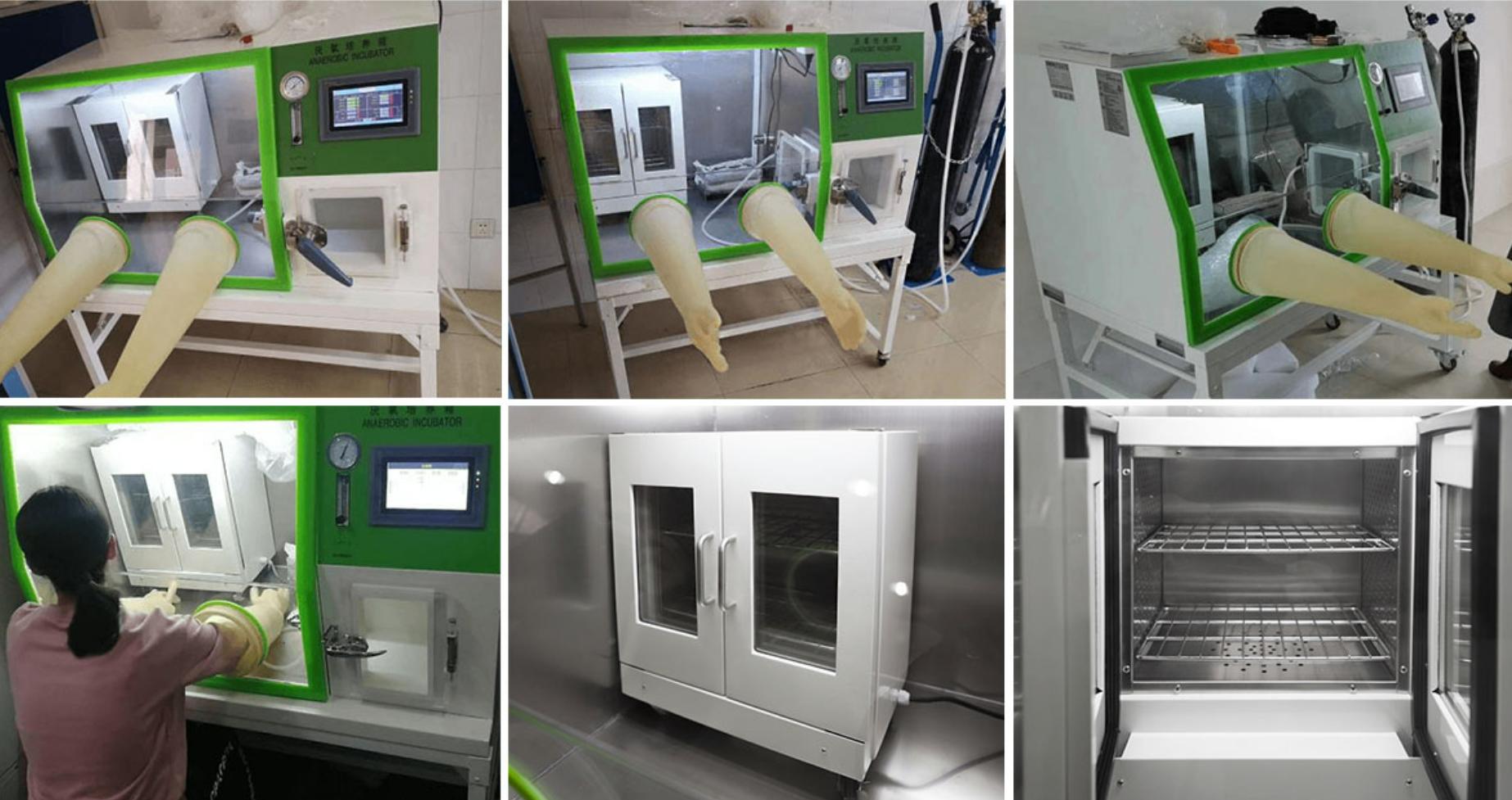
Anaerobic incubators are indispensable tools in microbiological laboratories, facilitating the cultivation and manipulation of anaerobic microorganisms in a controlled environment. This guide delves into the features, gases, and utilization of anaerobic incubators, offering insights into their selection and safe operation.
Airtight Seal: Prevents oxygen ingress, maintaining an anaerobic atmosphere within the chamber.
Gas Inlet and Outlet Ports: Facilitate the introduction and venting of anaerobic gas mixtures.
Gas Flow Control: Regulates gas flow rate to establish and sustain desired anaerobic conditions.
Gas Mixing System: Automatically blends nitrogen and carbon dioxide gases for optimal gas composition.
Temperature Control: Enables precise temperature regulation for microbial growth.
Humidity Control: Maintains suitable moisture levels for specific culture requirements.
Anaerobic Indicators: Visual cues indicating the absence of oxygen in the chamber.
Safety Features: Alarms for gas leaks, temperature deviations, and overpressure conditions ensure user and culture safety.
Interior Shelving or Racks: Accommodate culture vessels for efficient space utilization.
Observation Window: Allows visual monitoring of cultures without compromising the anaerobic environment.
User-Friendly Interface: Intuitive controls for easy setup and monitoring.
Data Logging and Connectivity: Advanced models offer data logging and connectivity options for enhanced monitoring and analysis.
Understanding Anaerobic Incubator Gases
Anaerobic incubators primarily utilize nitrogen and carbon dioxide gases to create and maintain an oxygen-free environment conducive to anaerobic microbial growth:
Nitrogen (N2): Purges the chamber of oxygen, creating an inert atmosphere.
Carbon Dioxide (CO2): Maintains a low redox potential, preventing the accumulation of reducing compounds and supporting microbial metabolic processes.
Applications of Anaerobic Incubators
Anaerobic incubators find extensive use across various fields, including:
Clinical Microbiology: Culturing and identifying anaerobic bacteria responsible for infections.
Food Microbiology: Studying anaerobic bacterial growth in food to prevent spoilage and foodborne illnesses.
Environmental Microbiology: Investigating anaerobic microbial diversity and functions in natural ecosystems.
Biotechnology: Producing enzymes, antibiotics, and other biotechnological products from anaerobic microorganisms.
Installation: Confirm compatibility, clean the chamber, install gas supply, and set temperature and humidity parameters.
Maintenance: Regularly inspect for leaks, ensure proper gas flow, and monitor temperature and humidity levels. Promptly address any issues to maintain optimal performance.
Conclusion
Anaerobic incubators are indispensable tools for the cultivation and study of anaerobic microorganisms. By providing a controlled environment free of oxygen, these incubators enable researchers to explore microbial worlds and unlock their potential applications across various scientific disciplines. When choosing an anaerobic incubator, consider your specific research needs, safety features, and manufacturer support to ensure successful microbial cultivation and experimentation.
Stud bolts stand as pivotal components in industrial applications, serving as the backbone of robust and dependable connections between large objects or structures. From construction to manufacturing, these fasteners are indispensable tools across diverse industrial sectors.
Understanding Stud Bolts
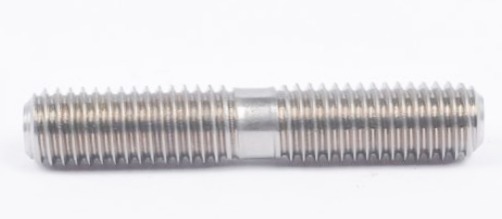
Stud bolts, threaded fasteners by design, typically feature threading on both ends. One end is intended for screwing into a tapped hole, while the other receives a nut. Paired stud bolts are often employed, with one bolt securing into one structure and the counterpart into the opposing structure, creating a firm bolted joint capable of withstanding high tension, compression, and shear forces.
Materials such as carbon steel, alloy steel, and stainless steel are commonly used in stud bolt manufacturing, offering versatility to meet various application and joint requirements. They come in different sizes and thread types, with bolt diameter typically specified in inches or millimeters, and thread types varying depending on application needs, including UNC, UNF, and metric threads. Stud bolts can be fully threaded or partially threaded, tailored to specific joint requirements.
Functions of Stud Bolts
The primary function of stud bolts is to establish a stable and reliable connection between two large objects or structures. By threading one end into a tapped hole and securing a nut onto the other end, the joint is compressed, providing clamping force to hold the objects together. Stud bolts excel in situations requiring high strength and longevity, enduring severe tension, compression, and shear stresses common in heavy-duty industrial environments.
Creating a Strong Joint: Stud bolts securely connect two structures, forming a resistant junction against loosening, vibration, and fatigue.
Distributing Loads Evenly: The threaded design ensures even load distribution throughout the joint, reducing stress concentrations and enhancing connection strength.
Ease of Installation and Removal: Stud bolts are favored for applications requiring frequent maintenance or disassembly due to their straightforward installation and removal process.
Corrosion Resistance: Depending on the material used, stud bolts can offer corrosion resistance, making them suitable for environments prone to moisture or corrosive chemicals.
Installation and Maintenance
Proper installation and maintenance are crucial for ensuring the reliability and longevity of stud bolt connections:
Installation:
Confirm bolt size, length, and thread type suitability for the application.
Clean and inspect the tapped hole for debris or damage.
Hand-tighten the stud bolt into the tapped hole, then place and hand-tighten a nut on the exposed end.
Using a torque wrench, tighten the nut to the recommended torque value, ensuring incremental tightening and alternating between joint sides.
Inspect the joint post-tightening to ensure proper alignment and seating.
Maintenance:
Regularly inspect the joint to verify correct tightening and identify signs of wear or corrosion.
Increase inspection frequency for joints exposed to harsh conditions.
Promptly replace loose or damaged stud bolts.
Ensure adequate lubrication of nut and bolt threads during maintenance procedures.
In Summary
Stud bolts play a vital role in establishing secure and reliable connections across a wide array of heavy-duty industrial applications. Their versatility and robustness make them indispensable components, ensuring the integrity and safety of industrial structures and equipment.
Drilling operations in the oil and gas industry demand meticulous safety measures and precise control mechanisms to mitigate risks effectively. Among these critical safety components, the Annular Blowout Preventer (BOP) stands out as a fundamental safeguard in well control. This article explores the versatile design and pivotal role of annular BOPs in ensuring the safety of personnel and the integrity of drilling operations.
What is an Annular Blowout Preventer?
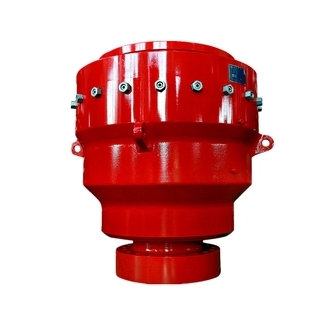
An Annular Blowout Preventer (BOP) is a pivotal safety device employed in oil and gas drilling operations. It serves as a crucial barrier against uncontrolled fluid releases from a well. This specialized component comprises a circular, rubberized sealing element, often resembling a donut, which can be activated hydraulically to envelop the drill pipe or casing within the wellbore. During routine operations, the annular BOP remains open, allowing the drill string to move freely. However, in emergencies such as well control issues or blowouts, it swiftly closes, creating a seal to prevent the escape of fluids under high pressure. This flexibility in accommodating various pipe sizes and shapes makes the annular BOP a versatile safety measure.
Annular Blowout Preventer vs RAM Blowout Preventer:
An Annular BOP uses a flexible, donut-shaped rubber element that adapts to different pipe sizes, offering versatility in accommodating variable sizes and shapes within the wellbore. Conversely, a Ram BOP employs steel rams that move horizontally or vertically to seal the wellbore, providing a more rigid and direct closure around specific pipe sizes and types. While Annular BOPs excel in adaptability, enabling them to handle diverse pressure conditions and different pipe dimensions, Ram BOPs offer a more precise and robust closure for specific pipes.
Applications Across Industries:
Annular Blowout Preventers find applications across various industries such as automotive, aerospace, construction, manufacturing, oil and gas, marine/maritime, rail/transportation, and others. These applications range from securing critical components in vehicles and aircraft to ensuring the structural integrity of buildings and infrastructure projects.
Conclusion:
In summary, Annular Blowout Preventers play a pivotal role in preventing uncontrolled fluid releases during drilling operations. Their adaptable design accommodates various pipe sizes, ensuring versatile safety measures. Incorporating advanced drilling simulation tools allows drilling teams to master the operation of Annular BOPs in different scenarios, enhancing safety standards in drilling operations. Through simulations, personnel can refine their skills, ensuring efficient deployment of these critical safety devices for optimal well control and heightened safety standards in drilling operations.


 </p
</p










 China manufacturers