The Vital Role of In-line Width/Thickness Measurement System in Modern Manufacturing

Whether producing paper, plastic, metal, textiles, or countless other materials, ensuring uniformity in width and thickness is paramount. This is where the in-line width/thickness measurement system comes into play, offering real-time monitoring and control of dimensional parameters during the production process. In this article, we delve into the workings, benefits, and applications of this advanced system.

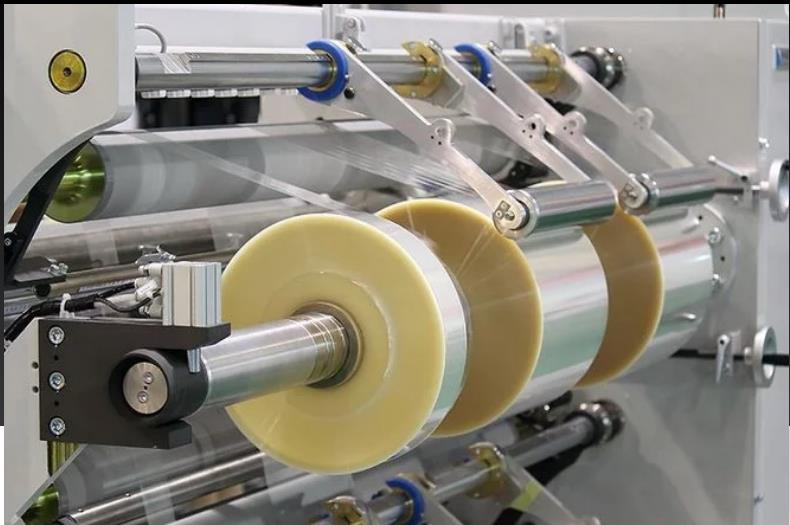
In-line Thickness Measurement System

What is an In-line Width/Thickness Measurement System?

An in-line width/thickness measurement system is a sophisticated piece of equipment designed to accurately measure the width and thickness of materials as they move through a production line. It employs a variety of sensing technologies, including lasers, cameras, ultrasonic sensors, and contact sensors, to capture precise dimensional data. This data is then processed using advanced algorithms to calculate the exact width and thickness of the material in real-time.

How the In-line Width/Thickness Measurement System Works

Material Inspection

The process begins as the material travels along the production line, passing through a designated measurement zone.

The material can be in the form of sheets, rolls, coils, or other configurations, depending on the specific manufacturing process.

Sensor Deployment

The system utilizes various sensing technologies, including lasers, cameras, ultrasonic sensors, or contact sensors, to capture dimensional data.

These sensors are strategically positioned within the measurement zone to ensure comprehensive coverage of the material.

Data Acquisition

As the material passes through the measurement zone, the sensors capture detailed images or measurements of its width and thickness.

Cameras may capture high-resolution images of the material’s surface, while lasers or ultrasonic sensors may emit signals and measure the time it takes for them to reflect back, allowing for precise distance calculations.

Data Processing

The captured data is processed using advanced algorithms and software to analyze and interpret the dimensions of the material.

Sophisticated image processing techniques identify edges, contours, or features of interest, enabling accurate measurement of width and thickness.

Dimensional Analysis

Based on the processed data, the system calculates the exact width and thickness of the material.

Algorithms take into account factors such as material properties, surface irregularities, and measurement uncertainties to ensure accurate results.

Real-time Feedback and Control

The calculated width and thickness measurements are provided as real-time feedback to the production line.

This feedback enables operators to make immediate adjustments to the manufacturing process to maintain optimal dimensional parameters.

Automated control systems may adjust rollers, cutters, or other machinery to ensure uniformity in width and thickness across the material.

Continuous Monitoring

The in-line measurement system operates continuously, monitoring width and thickness variations as the material progresses through the production line.

Any deviations from specifications are detected in real-time, allowing for timely corrective action to maintain product quality and consistency.

Integration with Production Systems

In-line thickness measurement systems can be seamlessly integrated with other production systems and control mechanisms, enabling automated feedback and adjustments.

Integration with data logging and reporting systems facilitates documentation and analysis of dimensional data for quality control and process optimization purposes.

Benefits of In-line Width/Thickness Measurement Systems

Enhanced Quality Control

Real-time monitoring of width and thickness allows manufacturers to detect deviations from specifications immediately.

Early detection of dimensional variations enables prompt corrective action, minimizing the production of non-conforming products and reducing waste.

Improved Product Quality

By maintaining precise control over dimensional parameters, in-line measurement systems ensure that manufactured products meet stringent quality standards.

Consistent width and thickness result in products with uniform appearance, performance, and functionality, enhancing customer satisfaction and brand reputation.

Increased Production Efficiency

Automated measurement reduces the need for manual inspection, saving time and labor costs associated with traditional quality control methods.

Real-time feedback enables operators to make immediate adjustments to the production process, optimizing throughput and minimizing downtime.

Cost Savings

Minimizing material waste and rework through accurate dimensional control leads to significant cost savings for manufacturers.

Reduced scrap and rejections result in lower production costs and improved overall profitability.

Compliance with Standards and Regulations

In-line measurement systems ensure that manufactured products comply with industry standards, specifications, and regulatory requirements.

Documentation of dimensional data facilitates traceability and provides evidence of compliance for audits and certifications.

Process Optimization

Continuous monitoring of width and thickness variations allows manufacturers to identify trends and patterns in production processes.

Data analysis enables process optimization, leading to increased yield, reduced variability, and enhanced overall productivity.

Enhanced Customer Satisfaction

Consistently delivering products with precise dimensions and high quality improves customer satisfaction and loyalty.

Meeting customer requirements and expectations fosters long-term relationships and promotes repeat business.

Data-driven Decision Making

in-line thickness measurement system generate valuable data on thickness variations, which can be used for analysis, optimization, and decision-making.

Data-driven insights help manufacturers identify root causes of dimensional deviations and implement preventive measures to improve process reliability and efficiency.

Applications across A Wide Range of Industries

Paper and Pulp Industry

Monitoring paper thickness and width in paper mills to ensure uniformity for consistent print quality and packaging performance.

Measuring the thickness and width of paper rolls, sheets, and cardboard for various printing, packaging, and paper product applications.

Plastic Extrusion Industry

Measuring the thickness and width of plastic films, sheets, and profiles for packaging, construction, and automotive applications.

Monitoring the extrusion process to ensure precise dimensions of plastic products such as pipes, tubes, and extruded profiles.

Metal Processing Industry

Ensuring uniform thickness and width of metal coils, strips, and sheets in metalworking industries such as automotive, aerospace, and construction.

Monitoring the rolling and stamping processes to achieve precise dimensional control of metal components and products.

Textile Manufacturing Industry

In-line Width Measurement System

Monitoring fabric thickness and width in textile mills for apparel, upholstery, and industrial applications.

Ensuring consistent dimensions of woven or knitted fabrics for garment manufacturing, home textiles, and technical textiles.

Packaging Industry

Measuring the thickness and width of packaging materials such as films, foils, and laminates to ensure uniformity in packaging performance and barrier properties.

Monitoring the production of packaging containers, boxes, and cartons to maintain dimensional accuracy and structural integrity.

Printing Industry

Ensuring consistent thickness and width of printing substrates such as paper, cardboard, and plastic films for high-quality printing results.

Monitoring the printing process to achieve precise registration and alignment of printed materials on substrates of varying dimensions.

Converting Industry

Measuring the thickness and width of converted products such as tapes, labels, and adhesive films to meet customer specifications and performance requirements.

Ensuring dimensional accuracy of converted materials during cutting, slitting, and laminating processes for various industrial and consumer applications.

Construction Industry

Monitoring the thickness and width of construction materials such as insulation boards, membranes, and roofing materials for building envelope performance.

Ensuring precise dimensions of concrete, asphalt, and other construction materials during mixing, casting, and curing processes.

Automotive Industry

Measuring the thickness and width of automotive components such as gaskets, seals, and trim materials for optimal performance and fit.

Ensuring uniformity in the dimensions of stamped, molded, or extruded parts used in vehicle assembly and manufacturing.

Conclusion

The in-line width/thickness measurement system plays a vital role in modern manufacturing, enabling manufacturers to achieve precise control over dimensional parameters and ensure product quality. By harnessing advanced technology and automation, manufacturers can achieve higher levels of quality, efficiency, and cost-effectiveness in their production processes.

The Crucial Role of Type of Water Used in Autoclaves

Autoclaves are essential devices in medical, laboratory, and industrial settings, designed to sterilize equipment, instruments, and materials using high-pressure steam. The effectiveness of the sterilization process in an autoclave is highly dependent on the type of water used. Selecting the appropriate water type promotes optimal performance, prevents equipment damage, and ensures the safety of patients and researchers. In this article, we will discuss the types of water used in autoclaves and their importance in maintaining a reliable and effective sterilization process.

DW-B series Vertical autoclaves

Why Using the Right Water in Autoclaves is Important

The quality of water used in autoclaves directly impacts the efficiency of the sterilization process, the longevity of the equipment, and the safety of users who rely on properly sterilized materials.

Sterilization Efficacy

The primary goal of an autoclave is to consistently and reliably sterilize equipment, instruments, and materials. Using distilled or deionized water ensures that no pollutants or contaminants interfere with the sterilization process. Pure water helps maintain the high-temperature steam conditions required to effectively destroy microorganisms.

Prevention of Scale Buildup

Using distilled or deionized water removes minerals and contaminants that can cause scale buildup within the autoclave chamber and on instruments. Scale buildup can hinder heat transfer, reduce autoclave efficiency, and potentially cause equipment failures. By using the proper water, autoclave operators can minimize scale formation, ensuring consistent and reliable performance.

Equipment Longevity

The type of water used is critical in extending the life of autoclave equipment. Distilled or deionized water reduces the risk of corrosion and mineral deposits on internal components such as heating elements and pressure valves. Proper water quality maintenance protects the autoclave’s performance, resulting in a longer-lasting and more reliable system.

Compliance with Industry Standards

Many industries, particularly healthcare, pharmaceuticals, and research, adhere to strict sterilization standards. Using the correct water type in autoclaves ensures compliance with these industry standards, ensuring the safety and quality of sterilized items. Failure to meet these standards can result in legal ramifications and compromise patient safety.

DWT Table Top Steam Sterilizer

Prevention of Contamination

Using the right water in autoclaves prevents additional pollutants from entering the sterilization process. Impurities and bacteria in tap water, for example, can negate the desired sterilization effect or damage the quality of the sterilized items.

Consistent Results

The quality of autoclave water directly affects the reproducibility and uniformity of sterilization results. By using distilled or deionized water, operators can ensure that each cycle produces consistent and effective sterilization outcomes, reducing the risk of contamination and infection.

Improving Safety

Proper use of the right water in autoclaves is critical for the safety of patients, researchers, and professionals who work with sterilized items. Effective sterilization eliminates the possibility of infection or cross-contamination, protecting both patients and staff from potentially harmful microorganisms.

Types of Water Used in Autoclaves

Different types of water are used in autoclaves based on the application, autoclave design, and desired sterilization outcomes.

Distilled Water

Description: Distilled water is the purest form of water, obtained through the distillation process where water is heated to produce steam and then condensed back into liquid form, leaving all impurities behind.

Benefits:

Free from ions, bacteria, and other contaminants.

Prevents mineral deposits and scale buildup.

Ideal for maintaining high sterilization efficacy.

Deionized Water (DI Water)

Description: Deionized water is produced by passing water through an ion exchange resin that removes all charged ions, including minerals.

Benefits:

Free of ions and impurities that could interfere with the sterilization process.

Reduces scale formation.

Suitable as an alternative when distilled water is unavailable.

Reverse Osmosis Water (RO Water)

Description: Reverse osmosis water is purified using a semipermeable membrane that removes pollutants and toxins.

Benefits:

Purer than tap water.

Suitable for many laboratory applications, though not as effective as distilled or deionized water in preventing scale formation.

Tap Water

Description: Tap water is commonly used for everyday applications but contains minerals and other contaminants that can cause scale buildup and impair autoclave performance.

Drawbacks:

Not recommended for autoclaves due to the risk of introducing impurities and compromising sterilization efficacy.

Purified Water

Description: Purified water undergoes various filtering and treatment processes to remove contaminants, though it may not meet the purity standards required for autoclaves.

Benefits:

Cleaner than tap water.

Not ideal for critical applications where high-purity water is essential.

Ultra-Pure Water

Description: Ultra-pure water undergoes multiple purification steps, including reverse osmosis, deionization, and filtration.

Benefits:

Used in specialized autoclave applications requiring the highest water quality standards, such as in pharmaceutical or biotechnology industries.

Summary

The type of water used in autoclaves is a crucial factor that directly impacts the effectiveness of the sterilization process, equipment longevity, and compliance with industry standards. Distilled water is the recommended choice for autoclaves due to its purity and ability to prevent mineral accumulation and scale. Deionized water is also a suitable option, though it may offer slightly less protection against scale. Regardless of the water type used, regular maintenance, monitoring, and adherence to water quality standards are essential to ensure the autoclave functions efficiently and consistently delivers safe, sterilized equipment and materials.

What are the Effective Prevention Measures for Common Defects in Injection Molding

Injection molding is a widely used manufacturing process known for its ability to produce plastic parts with high precision and efficiency. However, like any manufacturing process, it can encounter certain defects that impact the quality and functionality of the final products. Understanding these common defects and implementing preventive measures is crucial for ensuring successful and cost-effective production. This article explores some of the most common defects in injection molding and discusses strategies to prevent them, enabling manufacturers to achieve high-quality, defect-free parts.

injection molding parts supplier

Common Defects in Injection Molding and Prevention Strategies

Defects in injection molding can arise from various factors during the manufacturing process. Here are some of the most common defects and potential prevention measures:

Sink Marks

Description: Sink marks are depressions or indentations on the surface of the molded part caused by localized shrinkage during cooling.

Prevention Measures:

Design considerations such as ensuring adequate wall thickness.

Proper gate placement to control the flow of the molten material.

Optimization of cooling channels to ensure uniform cooling and minimize differential shrinkage.

Warping

Description: Warping refers to the deformation or twisting of a part after it has been molded.

Prevention Measures:

Maintain uniform cooling throughout the part.

Minimize internal stresses by optimizing the cooling system design and gate locations.

Use materials with lower shrinkage properties to reduce the likelihood of warping.

precision Metal Injection Molding

Flash

Description: Flash occurs when excessive material flows into the mold cavity and escapes through the mold parting line.

Prevention Measures:

Ensure proper mold design to prevent material overflow.

Apply accurate clamping force to keep the mold tightly closed.

Precisely control injection pressure and speed to prevent excess material flow.

Regularly inspect and maintain molds to ensure they remain in good condition.

Short Shot

Description: A short shot happens when the mold cavity is not completely filled with molten plastic, resulting in incomplete parts.

Prevention Measures:

Optimize injection parameters such as temperature, pressure, and cycle time.

Ensure adequate venting to allow air to escape and enable complete filling.

Maintain proper melt viscosity and avoid excessive cooling of the melt.

Weld Lines

Description: Weld lines are lines or marks on a part where two or more flow fronts meet during the injection molding process, potentially weakening the part’s structural integrity.

Prevention Measures:

Optimize gate placement and mold design to ensure a smooth and consistent flow of the molten material, reducing the likelihood of weld lines.

Burn Marks

Description: Burn marks are discolored or burnt areas on the surface of a part caused by excessive heat or degradation of the plastic material.

Prevention Measures:

Control melt temperature, injection speed, and cycle time to prevent overheating.

Ensure proper venting to release trapped gases.

Use materials with higher heat resistance to withstand the injection process without degrading.

 Injection Molding Parts

Air Traps/Bubbles

Description: Air traps or bubbles occur when air is trapped within the mold cavity during injection, resulting in voids or air pockets in the part.

Prevention Measures:

Ensure adequate venting to allow air to escape during the injection process.

Maintain proper injection pressure to ensure complete filling of the mold cavity.

Use appropriate injection and packing profiles to prevent air entrapment.

Summary

These are just a few examples of common defects in injection molding and their corresponding preventive measures. Each defect may have multiple causes, so it’s important to analyze specific molding parameters, material properties, and design aspects to identify root causes and implement appropriate solutions. Regular monitoring, process optimization, and continuous improvement are essential for minimizing defects and achieving high-quality injection molded parts. By understanding and addressing these common issues, manufacturers can enhance the efficiency and reliability of their injection molding processes, leading to better product quality and reduced production costs.

Understanding Shear Rams and Blind Rams in Blowout Preventers (BOPs)

In the oil and gas industry, blowout preventers (BOPs) are crucial safety devices designed to prevent blowouts, which are uncontrolled releases of oil, gas, or other fluids from a well. Among the most important components of a BOP stack are shear rams and blind rams. This article explores their functions, advantages, disadvantages, and how to select between them.

Overview of Shear Rams and Blind Rams

Shear Rams

Shear rams are designed to cut through drill pipe and tubing in the event of a blowout. This capability helps to halt the uncontrolled release of oil and gas from the wellbore. Shear rams typically feature two or three blades made from hard and durable materials like tungsten carbide. These blades are engineered to shear through various sizes of drill pipe and tubing.

Shear rams are often used in conjunction with blind rams to ensure a complete seal of the wellbore. After the shear rams cut through the drill pipe and tubing, the blind rams can seal the wellbore, preventing any further flow of oil and gas.

Blind Rams

Blind rams are designed to seal the wellbore during a blowout, regardless of the presence of drill pipe or tubing. They feature two or three rubber seals that create a watertight seal on the wellbore.

Blind Rams

Blind rams are typically used alongside shear rams to ensure a complete wellbore seal. However, they can also be employed independently to seal the wellbore when there is no drill pipe or tubing present.

Advantages and Disadvantages of Shear Rams and Blind Rams

Shear Rams

Advantages:

More effective at sealing the wellbore than blind rams.

Can cut through drill pipe and tubing, helping to prevent uncontrolled releases of oil and gas.

Can be used with blind rams for a complete wellbore seal.

Disadvantages:

Can damage the wellbore.

More expensive than blind rams.

Shear Ram

Blind Rams

Advantages:

Less likely to damage the wellbore than shear rams.

Less expensive than shear rams.

Can seal the wellbore regardless of the presence of drill pipe or tubing.

Can be used with shear rams for a complete wellbore seal.

Disadvantages:

Not as effective at sealing the wellbore as shear rams.

Cannot cut through drill pipe and tubing.

How to Select Between Shear Rams and Blind Rams

When choosing between shear rams and blind rams, consider the following factors:

Risk of Blowout: If the risk is high, shear rams are preferable due to their superior sealing capabilities.

Condition of the Wellbore: If the wellbore is weak or damaged, blind rams are better to avoid further damage.

Need to Shear Through Drill Pipe or Tubing: If this is required, shear rams are necessary.

Cost: Shear rams are more expensive than blind rams.

Generally, shear rams and blind rams are used together to provide the most effective wellbore seal. However, in cases where the risk of damaging the wellbore is high, blind rams may be used alone.

Utilizing Drilling Simulation Technology

Drilling simulation technology can assist in selecting between shear rams and blind rams. Simulation software can model the wellbore and BOP stack to predict the performance of different types of BOP rams under various conditions. This technology helps in making informed decisions and reducing the risk of accidents by predicting:

Land Rig Installation Simulator

The force required to shear through different sizes and materials of drill pipe or tubing.

The extent of damage shear rams might cause to the wellbore.

The effectiveness of blind rams in sealing the wellbore under different conditions.

Simulation software can also train BOP operators on the safe and effective use of different BOP rams, reducing human error and improving overall safety.

Conclusion

Shear rams and blind rams are vital components of a blowout preventer stack. Shear rams provide more effective wellbore sealing but can cause wellbore damage, while blind rams are less likely to damage the wellbore but are less effective at sealing. The choice between shear rams and blind rams depends on specific application requirements, including blowout risk, wellbore condition, need for shearing capabilities, and cost considerations.

Incorporating simulation technology can further aid in selecting the appropriate BOP rams, ensuring safety and efficiency in drilling operations.

A Comprehensive Guide to Selecting the Right Tension Sensors

In industries where precise tension control is critical, tension sensors are indispensable tools. These sensors come in various types, each suited to specific applications and environments. However, selecting the right type of tension sensor can be challenging. In this article, we explore the different types of tension sensors available and provide guidelines for selecting the most suitable option for your needs.

LS300 through-axis tension sensor

Types of Tension Sensors

1. Strain Gauge Sensors

Strain gauge tension sensors are among the most common types. They operate on the principle of resistance change due to mechanical strain. When subjected to tension, compression, or bending, the strain gauge deforms, altering its resistance, which is then measured to determine the applied force or tension. These sensors are versatile and find applications in load cells, force measurement systems, and material testing machines.

2. Load Cells

Load cells are specialized tension sensors designed to measure force or weight. They are commonly used in industrial scales, tension measurement systems, and force monitoring applications. Load cells come in various configurations, including hydraulic, pneumatic, and strain gauge types. They offer high accuracy and reliability, making them indispensable in industries where precise force measurement is essential.

3. Capacitive Tension Sensors

Capacitive tension sensors utilize changes in capacitance to measure tension. They consist of two conductive plates separated by a dielectric material. When subjected to tension, the distance between the plates changes, resulting in a variation in capacitance. This change is then detected and converted into a measurable output. Capacitive tension sensors are ideal for applications requiring non-contact and high-resolution tension measurement, such as in textile manufacturing and web handling processes.

4. Optical Tension Sensors

Optical tension sensors employ light-based techniques to measure tension. They utilize principles such as light reflection, interference, or absorption to detect changes in material properties caused by tension. Optical tension sensors offer advantages such as high sensitivity, non-intrusiveness, and suitability for high-speed applications. They find applications in industries like paper manufacturing, printing, and film production, where precise tension control is critical for quality assurance.

5. Magnetic Tension Sensors

Magnetic tension sensors utilize magnetic fields to measure tension indirectly. They often involve the use of magnets, Hall effect sensors, or magnetic encoders to detect changes in the position or movement of tensioned materials. Magnetic tension sensors are suitable for harsh environments where other sensor types may be impractical due to factors like dust, moisture, or high temperatures. They are used in industries such as mining, construction, and automotive manufacturing.

6. Piezoelectric Tension Sensors

Piezoelectric tension sensors convert mechanical deformation into electrical signals. When subjected to tension, piezoelectric materials generate a voltage proportional to the applied force, allowing for precise tension measurement. These sensors offer high sensitivity and fast response times, making them suitable for dynamic tension measurement applications like vibration analysis, structural health monitoring, and biomechanics research.

LS600 Cantilever Tension Sensor

A Step-by-Step Guide to Selecting the Right Tension Sensor

1. Understand Your Application Requirements

Start by clearly defining the requirements of your application. Consider factors such as:

Desired Accuracy: How precise does the tension measurement need to be?

Range of Tension: What are the minimum and maximum tension levels that need to be measured?

Speed of Measurement: Do you require real-time monitoring, or can measurements be taken intermittently?

Environmental Conditions: Will the sensor be exposed to extremes of temperature, humidity, or other environmental factors?

Compatibility: Ensure the sensor is compatible with your existing equipment and systems.

2. Familiarize Yourself with Different Types of Tension Sensors

Research and understand the various types of tension sensors available. Each type has its own set of characteristics, advantages, limitations, and applications.

3. Evaluate Sensor Characteristics

Once you understand the different types of tension sensors, evaluate their characteristics such as:

Sensitivity: How accurately can the sensor detect changes in tension?

Resolution: What is the smallest increment of tension that the sensor can measure?

Response Time: How quickly does the sensor respond to changes in tension?

Durability: Is the sensor robust enough to withstand the conditions of your application?

Calibration Requirements: How often does the sensor need to be calibrated to maintain accuracy?

4. Consider Environmental Factors

Take into account the environmental conditions in which the sensor will operate. Factors such as temperature, humidity, vibration, and exposure to dust or chemicals can impact sensor performance. Choose a sensor that is designed to withstand these conditions.

5. Assess Installation and Mounting Requirements

Consider the installation and mounting options available for each type of sensor. Ensure that the sensor can be installed in a way that provides accurate and reliable measurements while also considering factors such as space constraints and accessibility.

6. Evaluate Cost and Maintenance

Compare the cost of different types of sensors, taking into account not just the initial purchase price but also any ongoing maintenance costs. Consider factors such as the lifespan of the sensor, the availability of replacement parts, and the ease of calibration and servicing.

7. Seek Expert Advice if Needed

If you’re unsure about which type of tension sensor is best suited for your application, don’t hesitate to seek advice from experts or consult with manufacturers and suppliers. They can provide valuable insights and help you make an informed decision.

LS400 and LS500 Through-shaft Tension Sensor

Conclusion

Selecting the right type of tension sensor is crucial for achieving accurate and reliable tension measurement in various industrial applications. By understanding the different types of tension sensors available and considering factors such as application requirements, sensor characteristics, environmental conditions, and installation options, you can make an informed decision to meet your specific needs.

Constant Temperature and Humidity Chamber:Key Benefits and How Does it Work

In the realms of scientific research, industrial manufacturing, and quality control, maintaining precise environmental conditions is crucial. Whether testing the durability of electronic components, conducting biological research, or verifying the reliability of pharmaceutical products, the ability to create and sustain consistent temperature and humidity levels is essential. This is where Constant Temperature and Humidity Chambers come into play. These sophisticated chambers provide a controlled environment that enables researchers and industries to achieve accurate and reproducible results. In this article, we will discuss the benefits of using a constant temperature and humidity chamber and how they work.

constant temperature incubator

Benefits of Using a Constant Temperature and Humidity Chamber

Accurate and Reproducible Results

Constant Temperature and Humidity Chambers offer precise control over temperature and humidity conditions, ensuring experiments and tests are conducted under consistent parameters. This accuracy enhances the reliability and reproducibility of results, making the data more meaningful and valuable.

Quality Assurance and Product Validation

In industries such as pharmaceuticals, electronics, and automotive, maintaining strict quality standards is crucial. These chambers allow manufacturers to validate the performance and durability of products under controlled environmental conditions, ensuring they meet industry standards and regulatory requirements.

Accelerated Testing

With the ability to simulate harsh or extreme environmental conditions, these chambers enable accelerated aging studies. This capability helps predict product lifespan and performance over extended periods, saving time and resources compared to natural aging tests.

Improved Research and Development

Researchers can create controlled environments that closely mimic specific natural conditions, such as tropical or arctic climates. This enables scientists to study the impact of climate change or extreme conditions on materials, organisms, and processes.

Reduced Risk of Contamination

In biological and pharmaceutical research, maintaining a controlled environment is critical to prevent contamination and preserve the integrity of sensitive samples and cultures.

Energy Efficiency Studies

For energy-related research, these chambers facilitate the study of materials and devices under varying temperature and humidity conditions, aiding in the development of more energy-efficient technologies.

Consistent Manufacturing Processes

In manufacturing industries, using these chambers for quality control ensures products are made under standardized conditions, leading to consistent and reliable end products.

Advanced Materials Research

Researchers can investigate the behavior of materials under different environmental conditions, allowing them to optimize materials for specific applications and identify suitable materials for challenging environments.

Weathering Studies

These chambers are used to study the effects of exposure to temperature, humidity, and other environmental factors on materials, coatings, and surfaces, providing valuable insights for various industries.

Customizable Testing Profiles

Many chambers offer programmable controllers that allow users to create customized temperature and humidity profiles for specific experiments or testing protocols, enhancing flexibility and adaptability.

Long-term Preservation

For industries like museums and archives, these chambers are used for the long-term preservation of historical artifacts, artwork, and delicate items.

Safety Assurance

Safety features in these chambers protect both the equipment and the user from potential hazards due to overheating or extreme humidity levels.

How Does a Constant Temperature and Humidity Chamber Work?

Constant temperature and humidity chambers work by controlling the air’s temperature and humidity inside the chamber using various components, including:

Heater or Cooling Unit: Controls the air temperature. The heater uses electricity to heat the air, while the cooling unit uses a refrigerant to cool the air.

Humidifier or Dehumidifier: Manages the air’s humidity. The humidifier adds water vapor, and the dehumidifier removes water vapor.

Fan: Circulates the air inside the chamber, ensuring even distribution of temperature and humidity.

Sensor: Measures the temperature and humidity of the air inside the chamber and sends this data to the controller.

Controller: Monitors the sensor data and adjusts the heater, humidifier, or dehumidifier as needed to maintain the desired conditions.

The basic principles of temperature and humidity control are as follows:

Heater: Uses electricity to heat the air. The amount of heat added is determined by the temperature setting on the controller.

Cooling Unit: Uses a refrigerant to cool the air. The cooling applied is determined by the temperature setting on the controller.

Humidifier: Adds water vapor to the air. The amount added is determined by the humidity setting on the controller.

Dehumidifier: Removes water vapor from the air. The amount removed is determined by the humidity setting on the controller.

Fan: Circulates the air to ensure even temperature and humidity distribution.

Sensor: Measures temperature and humidity, providing data to the controller, which adjusts the system as needed.

Conclusion

Constant Temperature and Humidity Chambers are a testament to human ingenuity in creating controlled environments for a myriad of purposes. From advancing pharmaceutical research to ensuring the robustness of cutting-edge electronics, these chambers have become integral to scientific progress and industrial innovation. By providing the means to accurately simulate specific environmental conditions, researchers, engineers, and manufacturers can unravel the mysteries of materials, test the limits of technology, and elevate the quality of products that shape our modern world.

9 Key Plastic Injection Molding Technologies

Plastic injection molding has transformed the manufacturing industry by enabling the production of complex and precise plastic components used across various sectors. This article explores 9 major plastic injection molding technologies, highlighting their distinctive characteristics, applications, and benefits. By understanding these techniques, injection molding manufacturers can enhance product quality, optimize production processes, and achieve cost-effectiveness.

different injection molding parts

Gas-Assisted Injection Molding (GAIM)

Gas-Assisted Injection Molding (GAIM) employs high-pressure inert gas to assist in the molding process. By injecting gas when the plastic is 90% to 99% filled, the gas propels the molten plastic to fill the remaining mold cavities. This technology offers several advantages:

Reduced residual stress and warping

Elimination of sink marks

Decreased mold locking force

Material savings

Shortened production cycle time

Extended mold life

Reduced machine wear

GAIM is ideal for products with significant thickness variations, such as tubular and rod-shaped items, and complex parts with varying thicknesses.

Water-Assisted Injection Molding (WAIM)

Water-Assisted Injection Molding (WAIM) is based on GAIM but uses water instead of inert gas. Water’s higher thermal conductivity and heat capacity result in shorter cooling times and reduced cycle times. Additionally, water is cost-effective and recyclable. WAIM provides:

Uniform wall thickness

Prevention of finger effects

Smooth inner surfaces

WAIM is particularly effective for producing hollow or tubular parts with consistent wall thickness.

Precision Injection Molding

Precision Injection Molding produces high-quality plastic components with stringent requirements for dimensional accuracy, surface quality, and internal consistency. Key features include:

Dimensional tolerances as low as 0.01mm

Excellent repeatability of part weight

High-quality mold materials

Precise temperature control

Optimized molding cycles

Advanced injection molding machines

This plastic injection molding technique is extensively used in manufacturing components for computers, smartphones, optical discs, and other microelectronic devices requiring exceptional quality and precision.

plastic molding parts

Micro Injection Molding

Micro Injection Molding is used to produce extremely small plastic parts. It requires precise control of process parameters like metering, temperature, and pressure. Key benefits include:

High precision with measurement accuracy down to milligrams

Temperature control within ±0.5°C for the barrel and nozzle

Mold temperature control within ±0.2°C

Stable part quality

High production efficiency

Low manufacturing costs

Ease of batch production and automation

Micro injection molding is widely used in micro-pumps, valves, micro-optical devices, biomedical instruments, and microelectronic products.

Microcellular Injection Molding

Microcellular Injection Molding, also known as foam injection molding, introduces a foaming agent into the molten plastic to create closed-cell microfoam structures. Advantages include:

Significant weight reduction

Shorter cycle times

Reduced clamp force requirements

Low internal stress and warpage

High dimensional stability

Large molding windows

This technology is crucial for producing high-precision and costly products, enhancing the overall efficiency and quality of the manufacturing process.

Vibration Injection Molding

Vibration Injection Molding applies a vibration field during the molding process to control the polymer’s condensed structure, improving the mechanical properties of the molded parts. Benefits include:

Enhanced mechanical properties (strength, stiffness, impact resistance)

Reduced molding defects (sink marks, voids, warpage)

Higher productivity and cost savings

This technique is particularly beneficial for parts requiring high structural integrity, such as automotive components, electrical enclosures, and consumer electronics.

Multi-Component Injection Molding

Multi-Component Injection Molding, or two-shot/multi-shot molding, produces complex parts with different materials or colors in a single cycle. Advantages include:

Reduced assembly steps

Improved part consistency

Enhanced design flexibility

Minimized material waste

Overall cost savings

This technique is used in the automotive industry for multi-color interior trim components, medical devices with integrated seals, and consumer products with soft-touch grips.

plastic molding service

Insert Injection Molding

Insert Injection Molding involves placing metal or plastic inserts into the mold cavity before injecting molten plastic. Benefits include:

Enhanced strength

Improved heat resistance

Increased design possibilities

It is widely used in producing electrical connectors, automotive components, and medical devices where metal inserts are required for added durability and stability.

Co-Injection Molding

Co-Injection Molding, also known as sandwich molding or multi-material injection molding, injects multiple materials simultaneously to create a composite structure. Advantages include:

Reduced material costs

Improved part performance

Enhanced design possibilities

Simplified manufacturing processes

This technique is applied in producing packaging materials, consumer goods, and automotive components.

Conclusion

The 9 major plastic injection molding technologies discussed above have revolutionized the manufacturing industry, offering a wide range of capabilities to produce complex, precise, and high-quality plastic components. Each technique has unique features, applications, and benefits, enabling manufacturers to optimize their production processes, enhance product performance, and achieve cost-effectiveness. Understanding these technologies allows injection molding manufacturers to leverage their strengths to meet the increasing demands for innovative and reliable plastic products across various industries. As the field of plastic injection molding continues to advance, further technological advancements are expected, leading to even more exciting possibilities and opportunities for manufacturers in the future.

How Do Horizontal Wells Revolutionize Hydrocarbon Production

Horizontal wells, often referred to as “snake wells,” have revolutionized the hydrocarbon production industry. This innovative drilling method offers numerous advantages over traditional vertical wells. In this article, we explore the significance, techniques, and profound impact of horizontal wells on the energy sector.

horizontal well drilling

Understanding Horizontal Wells

As the name suggests, horizontal wells deviate from the traditional vertical drilling method. Instead of drilling straight down, horizontal wells follow a curved path, extending horizontally beneath the surface through oil- or gas-bearing rock formations. This directional drilling technique enables access to previously untapped reservoirs.

Techniques for Drilling Horizontal Wells

Directional Drilling

The cornerstone of horizontal wells is directional drilling. It starts as a standard vertical well, but at a certain depth, the drill bit is redirected horizontally. Specialized tools and measurements, such as downhole drilling motors and measurement-while-drilling (MWD) systems, guide the drill bit along the desired path.

Steering Tools

Maintaining control over the wellbore’s direction is crucial. Tools like rotary steerable systems and mud motors ensure precise well steering.

Casing and Cementing

To maintain structural integrity and prevent fluid migration between geological layers, horizontal wells require additional casing and cementing at the curve and horizontal sections.

Perforation and Completion

Once drilling is completed, the wellbore is perforated to allow hydrocarbons to flow into the well. Completion operations, such as hydraulic fracturing, may be performed to stimulate reservoir production.

Production Logging

Continuous monitoring and production logging are essential for horizontal wells. These operations help assess reservoir performance, identify issues, and optimize production strategies.

The Significance of Horizontal Wells

Horizontal wells have significantly transformed the oil and gas industry.

Enhanced Recovery Rates

Horizontal drilling allows access to a larger portion of the reservoir, significantly increasing hydrocarbon extraction. This results in higher recovery rates compared to vertical wells.

Economic Efficiency

The financial benefits of horizontal wells often outweigh their initial drilling costs, making them a wise investment for operators.

Environmental Responsibility

Reduced surface disturbance and environmental impact contribute to more responsible resource extraction.

Reservoir Management

Horizontal drilling improves reservoir management, extending the life of oil fields and increasing production.

Maximizing Resources

As global energy demand grows, horizontal wells play a crucial role in maximizing oil and gas resources.

Mitigated Water and Gas Coning

Horizontal wells are less susceptible to water and gas coning, a common issue in vertical wells. This results in less diluted hydrocarbon production and higher quality crude oil.

The Role of Simulation in Enhancing Horizontal Wells

The precision required for horizontal oil drilling demands careful planning, training, and continuous monitoring. This is where simulation technology proves invaluable.

horizontal oil drilling

Training and Skill Development

Horizontal drilling requires a specific skill set. Drillers must be proficient in directional drilling, downhole tool management, and geosteering. Drilling and well control training simulations provide a risk-free environment for skill development, allowing drillers to practice and refine their techniques.

Risk Mitigation

Horizontal drilling projects carry significant financial and environmental risks. Simulations enable operators to rehearse drilling procedures, anticipate potential challenges, and develop contingency plans, minimizing risks without the associated costs and dangers of real-world drilling.

Equipment Familiarization

Operators can use downhole simulation tools to become acquainted with specialized equipment used in horizontal drilling, such as downhole drilling motors, MWD systems, and rotary steerable systems. This familiarity is essential for smooth drilling operations.

Operational Optimization

Drilling simulation systems allow operators to test various drilling strategies, assess their impact on the reservoir, and refine their approaches. This process optimizes drilling parameters, minimizes downtime, and enhances drilling efficiency.

drilling and well control simulation system

Emergency Response Drills

Operators must be prepared to respond swiftly and effectively to unexpected challenges during drilling. Emergency simulation systems help drillers practice emergency procedures, ensuring they are well-prepared to manage unforeseen situations.

Key Components of Simulation in Horizontal Drilling

Virtual Well Environments

Simulations create realistic well environments where operators can practice drilling, make adjustments, and address potential challenges in a controlled setting. These virtual scenarios can replicate various geological formations and conditions.

Interactive Drilling Software

Drilling simulators offer interactive software that enables operators to make real-time decisions and witness the consequences of those decisions in a virtual environment, providing valuable feedback and insights.

Reservoir Modeling

Advanced simulation tools can incorporate reservoir data and modeling to accurately represent geological conditions. This allows for precise geosteering and reservoir management, contributing to enhanced recovery rates.

Data Visualization

Oil and gas simulation software provides detailed data visualization, including drilling parameters, wellbore conditions, and downhole measurements, helping operators make informed decisions and monitor drilling operations effectively.

Drilling Equipment Integration

Drilling simulators can work in tandem with drilling equipment to simulate the use of specialized tools and equipment, allowing operators to practice using the actual tools they will encounter in the field.

Conclusion

Horizontal wells represent a groundbreaking approach to resource extraction, offering numerous benefits that significantly impact the oil and gas industry. They are essential in meeting the world’s energy demands while ensuring a sustainable and efficient approach to resource extraction. Simulation technology enhances the success of horizontal well drilling projects by providing a safe and efficient means of preparation, improving safety, efficiency, and overall productivity in the oil and gas industry.

A Comprehensive Guide to Knowing Tension Amplifiers

In the intricate landscape of engineering, where precision and control are paramount, innovations continually emerge to optimize performance and efficiency. A standout innovation in this realm is the tension amplifier, a mechanical marvel that enhances force transmission and control across various applications. This article delves into the inner workings, applications, and benefits of tension amplifiers.

TE300 tension amplifier

What are Tension Amplifiers?

At its core, a tension amplifier is a mechanical device designed to amplify tension or force while maintaining precise control over its application. It operates on the principle of mechanical advantage, leveraging mechanisms such as pulleys, levers, or hydraulic systems to increase the force output relative to the input. By magnifying tension in a controlled manner, tension amplifiers enable the achievement of higher force levels with reduced effort.

Benefits of Tension Amplifiers

Enhanced Control and Precision

Tension amplifiers provide precise control over tension levels, allowing for fine adjustments and calibration in various applications. This enhances accuracy, consistency, and reliability in performance-critical systems.

Increased Force Output

By amplifying input forces, tension amplifiers enable the generation of higher output forces without requiring additional power sources. This improves efficiency, reduces energy consumption, and minimizes the size and weight of mechanical systems.

Improved System Performance

Tension amplifiers contribute to improved system performance, including responsiveness, stability, and safety. By ensuring optimal tension levels in control systems, they enhance overall system efficiency and reliability.

Versatility and Adaptability

Tension amplifiers are versatile devices that can be customized and adapted to suit specific application requirements. They can be integrated into existing systems or designed as standalone units, offering flexibility and scalability in implementation.

How Do Tension Amplifiers Work?

Tension amplifiers work by leveraging mechanical principles to amplify tension or force while maintaining precise control over its application. They typically employ mechanisms such as pulleys, levers, or hydraulic systems to achieve force amplification.

Pulley Systems

In pulley-based tension amplifiers, multiple pulleys are arranged in a configuration that increases the effective mechanical advantage. The input force is applied to one end of a cable or rope, which is then routed through a series of pulleys. As the cable passes through each pulley, the direction of force changes, and the tension is distributed across multiple segments of the cable. This rerouting amplifies the force applied at the output end relative to the input force.

Lever Systems

Lever-based tension amplifiers rely on the mechanical advantage provided by the arrangement of levers or linkages. A lever consists of a rigid bar or beam that pivots around a fixed point called the fulcrum. By adjusting the positions of the fulcrum and input/output connections, levers can amplify force while maintaining precise control over displacement. When an input force is applied to one end of the lever, the mechanical advantage provided by the lever’s geometry amplifies the force at the output end.

Hydraulic Systems

Hydraulic tension amplifiers utilize the principle of fluid pressure transmission to amplify force. They consist of a hydraulic circuit comprising a pump, control valves, hydraulic cylinders, and fluid lines. When a force is applied to one end of a hydraulic cylinder, it creates pressure in the hydraulic fluid, which is transmitted through the system to generate a corresponding force at the output end. By controlling the flow of hydraulic fluid through valves and cylinders, hydraulic systems can achieve precise force amplification with minimal mechanical complexity.

Key Industries and Applications

Manufacturing and Machinery

Conveyor Systems: Maintain precise tension levels in belts, chains, and cables for smooth and efficient material handling.

Presses and Stamping Machines: Control the force applied during pressing and stamping operations for consistent product quality.

Textile Machinery: Regulate the tension in yarns and fibers during spinning, weaving, and knitting processes to enhance productivity and product quality.

Aerospace and Aviation

Flight Control Systems: Provide critical force control for maneuvering aircraft control surfaces such as ailerons, elevators, and rudders.

Landing Gear Systems: Control the extension and retraction of landing gear components for safe and reliable landing operations.

Automotive Industry

Throttle and Brake Systems: Regulate the tension in throttle cables and brake lines for precise vehicle acceleration and braking.

Suspension Systems: Control the tension in suspension components to optimize ride comfort, handling, and stability.

Marine and Offshore

Winch Systems: Control force in lifting, lowering, and anchoring operations for safe and efficient marine operations.

Mooring Lines: Maintain the desired tension in mooring lines and anchor chains for the stability and safety of vessels and offshore structures.

Construction and Infrastructure

Cranes and Hoists: Regulate tension in cables and ropes for precise lifting and lowering of heavy loads in construction.

Elevators and Escalators: Control tension in elevator cables to ensure smooth and reliable vertical transportation.

Robotics and Automation

Robotic Arms: Control tension in cables and actuators for precise and dexterous movements in industrial automation.

Automated Assembly Lines: Regulate tension levels in conveyor belts and material handling systems to improve efficiency and accuracy in manufacturing processes.

tension amplifier

Future Directions and Innovations

As technology continues to advance, the capabilities and applications of tension amplifiers are expected to expand further. Innovations in materials, manufacturing processes, and control technologies are driving the development of more compact, lightweight, and efficient tension amplifier designs. Additionally, integration with digital control systems, sensors, and actuators enables real-time monitoring and adaptive control, further enhancing performance and reliability in diverse applications.

Conclusion

Tension amplifiers represent a versatile and efficient solution for enhancing force transmission and control in engineering systems. With their ability to amplify tension or force while providing precise control, tension amplifiers play a vital role in improving system performance, reliability, and safety. As technology advances and applications continue to evolve, tension amplifiers are poised to remain at the forefront of innovation, unlocking new possibilities and driving progress in engineering and mechanical systems.

A Comprehensive Overview of Polarimeters: Definition, Function, and Significance

Various devices play an important role in measuring and quantifying features of substances in scientific analysis. A polarimeter is one such piece of equipment, widely used in the fields of optics and chemistry. It allows scientists and researchers to explore how light interacts with optically active compounds. This article provides a a comprehensive overview of polarimeters, including their definition, function, significance, and what they measure.

drawell polarimeter

What is a Polarimeter?

A polarimeter is a device that measures the optical rotation of a substance. Optical rotation is the rotation of the plane of linearly polarized light as it passes through specific materials. These materials, known as optically active substances, have the ability to rotate the polarization plane of light due to their asymmetric molecular structures.

How Does a Polarimeter Work?

A polarimeter typically consists of a light source, polarizer, sample cell, analyzer, and detector. The device operates on the principle of optical rotation and utilizes polarized light to measure this phenomenon.

Light Source: The device emits light that is first filtered by a polarizer, which polarizes the light waves in a specific plane.

Sample Cell: The linearly polarized light then passes through a sample cell containing the optically active substance. As light interacts with the substance, its polarization plane rotates by an angle proportional to the substance’s concentration and composition.

Analyzer: The rotated light is then passed through an analyzer set perpendicular to the initial polarization plane. The analyzer selectively transmits light based on its polarization direction.

Detector: The amount of transmitted light is detected by a photodetector, which converts it into an electrical signal. This signal is proportional to the degree of rotation caused by the optically active substance. The quantified signal can be used to determine several properties of the substance under investigation, such as concentration, purity, and specific rotation.

What Does a Polarimeter Measure?

An automatic polarimeter measures a substance’s optical rotation. When light interacts with optically active substances, such as chiral molecules or asymmetric chemical structures, the light’s polarization plane rotates by a certain angle. This rotation angle is quantified by the polarimeter, providing information about the substance under investigation. The measurement is commonly expressed in terms of specific rotation, which reflects the rotation angle in degrees per unit length or concentration of the material.

By measuring optical rotation, an automatic polarimeter can determine the concentration, purity, and specific rotation values of optically active substances. This capability is particularly useful for differentiating enantiomers (mirror-image isomers) and determining the chirality of compounds. Specific rotation values obtained through polarimetry are crucial in chemical analysis, pharmaceutical development, quality control, and research in fields such as organic chemistry, biochemistry, and material science.

digiPol automatic polarimeter

The Importance of Polarimeters

Polarimeters provide vital information on the optical properties and features of substances. Here are some crucial points that emphasize the importance of a polarimeter:

Analysis of Optically Active Compounds

Polarimeters are widely employed to investigate optically active substances. These compounds interact with polarized light and cause the plane of polarization to rotate. By measuring the degree of rotation, scientists can identify, quantify, and analyze these substances, providing information about their chemical composition, purity, concentration, and structure.

Chirality and Enantiomer Differentiation

Polarimeters are essential in the study of chirality, a property of asymmetry in molecules. Enantiomers are the mirror-image counterparts of chiral compounds. Except for their interaction with polarized light, these enantiomers have identical physical properties. Polarimetry allows scientists to differentiate between enantiomers by measuring their optical rotations. This information is critical in pharmacological research, as enantiomers can have different biological activities and therapeutic effects.

Purity Assessment

An automatic polarimeter is commonly used to analyze the purity of substances in industries such as pharmaceuticals, food and beverages, and chemicals. Optically active impurities or contaminants can influence a sample’s optical rotation. Polarimeters help determine the purity of a substance by identifying the presence and concentration of impurities through specific rotation measurements.

Quality Control

Polarimeters are critical tools in quality assurance operations. In pharmaceutical manufacturing, polarimetry ensures the quality and uniformity of chiral medicines. By monitoring specific rotation, pharmaceutical companies can verify that produced medications meet regulatory standards, have the appropriate optical properties, and are consistent from batch to batch.

Research and Development

Polarimeters are used in various scientific fields for research and development. They allow scientists to study the behavior of light in different materials, investigate light-molecule interactions, and explore the optical properties of novel compounds. Polarimetry contributes to advancements in organic chemistry, biochemistry, material science, and optical physics.

Summary

Polarimeters are essential tools in optics and chemistry, providing crucial insights into the behavior of optically active compounds. By measuring optical rotation, polarimeters offer valuable information about a compound’s structure, purity, and concentration. Their applications span multiple sectors, playing a significant role in chemical analysis, pharmaceutical development, and quality control. Polarimeters, through their precise measurements, enhance scientific understanding and ensure the integrity of various substances in research and industry.

通过 WordPress.com 设计一个这样的站点
从这里开始