A Guide to Directional Drilling Training

Directional drilling has revolutionized the oil and gas industry by enabling access to reserves beneath challenging geological formations. This advanced drilling technique allows operators to navigate wells in a controlled manner, tapping into reservoirs previously considered inaccessible. Success in directional drilling requires specialized training to equip professionals with the necessary skills and knowledge. This article delves into the importance of directional drilling training, outlines the key components involved in mastering this complex technique, and explores the simulation technology used in the training process.

directional drilling oil and gas

The Importance of Directional Drilling Training

Technical Expertise

Directional drilling demands a deep understanding of various technologies, equipment, and methodologies. Training programs provide participants with a solid foundation in drilling engineering, geology, and surveying. This knowledge is essential for making informed decisions during the drilling process.

Risk Mitigation

Directional drilling often occurs in hazardous environments, presenting significant risks and uncertainties. Training programs emphasize safety protocols, risk assessment, and hazard management, ensuring drillers can identify and address potential issues to prevent accidents and environmental damage.

Equipment Familiarity

Directional drilling requires specialized equipment, such as downhole tools, mud motors, and rotary steerable systems. Training programs familiarize participants with the operation, maintenance, and troubleshooting of these tools, enhancing drilling efficiency.

Key Components of Directional Drilling Training

Theory and Fundamentals

Training begins with an in-depth overview of drilling principles, including wellbore geometry, surveying techniques, and the use of mathematical models in planning and executing directional wells.

Surveying and Geosteering

Understanding subsurface geology is crucial for successful directional drilling. Training covers surveying methods, geostatistics, and geosteering technologies, enabling drillers to navigate the wellbore in real time and ensure precise positioning.

Drilling Software Proficiency

Directional drilling relies heavily on advanced oil and gas software for planning and monitoring. Training includes hands-on experience with industry-standard software, allowing participants to create well plans, analyze data, and optimize drilling parameters.

Problem-Solving Skills

Professionals must be adept at troubleshooting unexpected issues. Training programs emphasize problem-solving skills, preparing drillers to make quick decisions in dynamic drilling environments.

How Simulation Technology Enhances Directional Drilling Training

Simulation technology plays a crucial role in enhancing the effectiveness of directional drilling training by providing a realistic and immersive learning environment. As the oil and gas industry increasingly adopts cutting-edge technologies, simulation tools have become invaluable in training programs.

Virtual Reality (VR) and Augmented Reality (AR)

Immersive Learning Environments: VR and AR create immersive 3D environments that mimic real-world drilling scenarios. Trainees can use VR headsets or AR devices to experience a simulated drilling rig, downhole conditions, and the surrounding environment.

Hands-On Experience: These technologies allow trainees to interact with virtual equipment and tools, enhancing their understanding of the drilling process. They can practice tasks such as well planning, tool handling, and emergency response in a risk-free virtual space.

Drilling Simulators

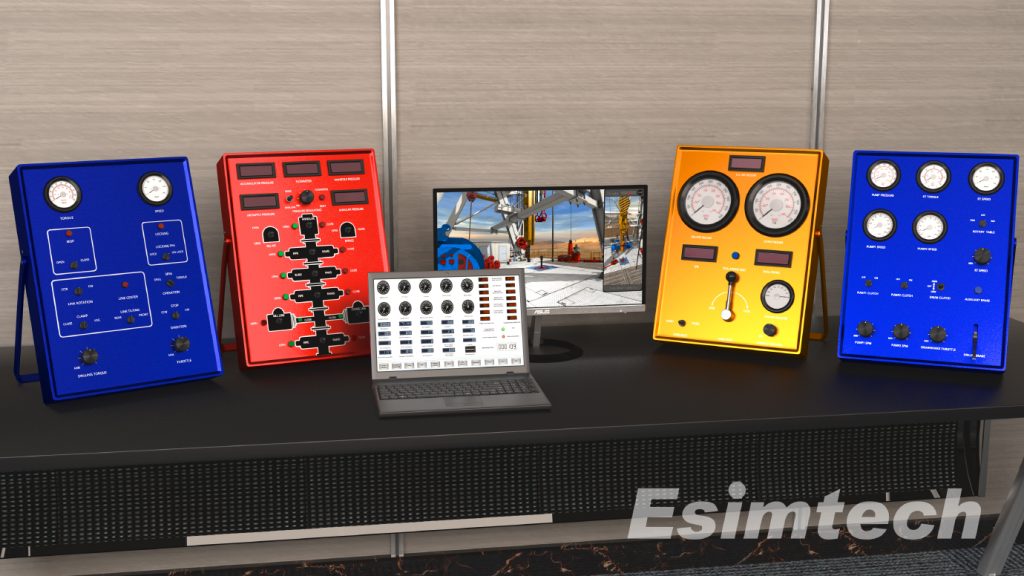
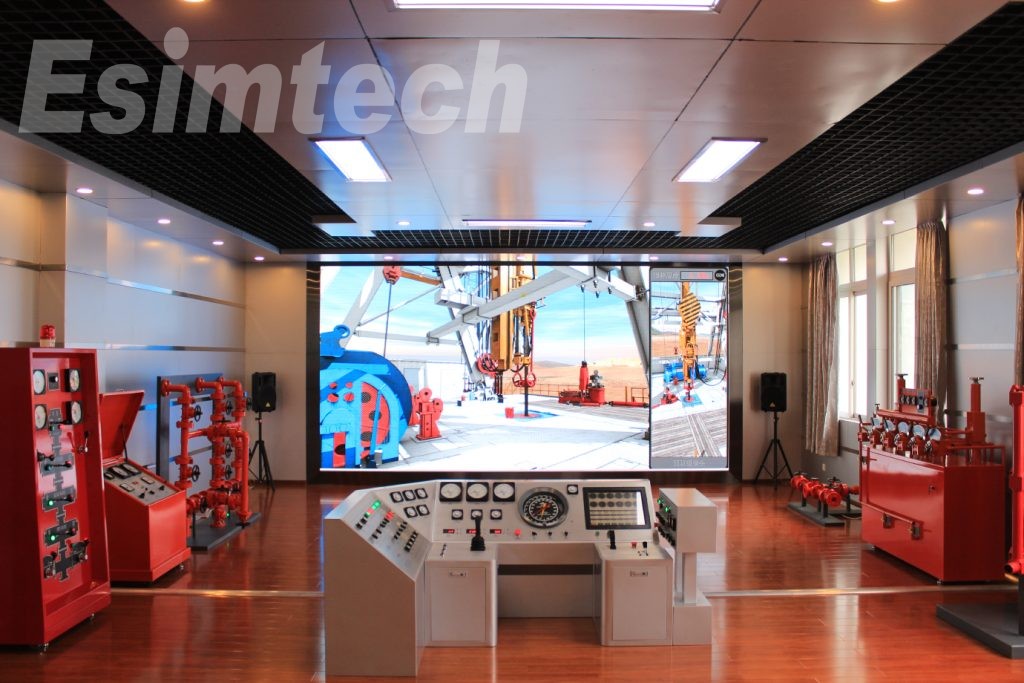
Realistic Rig Operation: Drilling simulators replicate the operation of a drilling rig, providing trainees with a realistic experience of drilling procedures. Simulators include controls, displays, and feedback systems similar to those on a real rig, allowing trainees to practice their skills in a safe environment.

Dynamic Scenarios: Simulators can recreate various drilling conditions, including different geological formations, equipment malfunctions, and environmental challenges. This allows trainees to practice problem-solving skills and learn how to respond to changing circumstances.

Top Drive Simulator

Software-Based Simulations

Planning and Analysis: Directional drilling requires extensive planning and analysis. Software-based simulations using industry-standard tools enable trainees to create well plans, analyze geological data, and optimize drilling parameters, preparing them for real-world challenges.

Data Interpretation: Trainees can practice interpreting survey data, geosteer wells, and make decisions based on real-time information. Simulations provide a platform for refining data interpretation skills, crucial for precise wellbore navigation.

Downhole Tool Simulations

Tool Handling and Operation: Simulations for downhole tools, such as mud motors and rotary steerable systems, allow trainees to practice their operation and understand their impact on directional drilling. This includes troubleshooting common problems and optimizing tool performance.

Maintenance Training: Simulations offer a safe environment for learning about downhole tool maintenance and repair, enhancing trainees’ familiarity with equipment and ensuring they can address issues efficiently.

Field Exercises and Team Collaboration

Team-Based Simulations: Directional drilling often requires collaboration among team members. Simulation technology enables trainees to engage in collaborative exercises, working together to solve problems, make decisions, and communicate effectively, fostering teamwork skills.

Field Training Simulations: Simulations can replicate field conditions, allowing trainees to practice directional drilling in diverse environments. These simulations may include challenging terrains, unexpected geological features, and adverse weather conditions.

Conclusion

Directional drilling training is vital for developing skilled professionals in the oil and gas industry. As the demand for energy resources grows, the ability to efficiently extract hydrocarbons from complex reservoirs becomes increasingly important. Incorporating simulation technology into training programs not only enhances the learning experience but also provides trainees with a safe and controlled environment to develop and refine their skills.

What are Different Types of Tension Amplifiers: How to Choose

In industries where precise tension control is crucial, tension amplifiers play a vital role in ensuring optimal performance and efficiency. These devices are designed to amplify small tension variations into larger signals that can be accurately measured and controlled. Selecting the appropriate type of tension amplifier is essential for achieving accurate tension measurement and control in various industrial applications. Let’s explore some common types of tension amplifiers and how to choose the most suitable one for your needs.

tension amplifier

Common Types of Tension Amplifiers

Load Cell Tension Amplifiers

Load cell tension amplifiers are designed to work with load cells, sensors that measure force or tension. These amplifiers are highly precise and sensitive, capable of accurately amplifying the small electrical signals generated by load cells. They are commonly used in applications where precise tension measurement and control are critical, such as in paper converting, textile manufacturing, and wire processing industries.

Strain Gauge Tension Amplifiers

Strain gauge tension amplifiers are compatible with strain gauge sensors, which detect changes in resistance caused by mechanical deformation. These amplifiers convert the small changes in resistance measured by strain gauges into larger, measurable outputs. They are widely used in applications such as printing presses, web handling systems, and packaging machinery, where precise tension control is essential for maintaining product quality and consistency.

Magnetic Particle Brake Tension Amplifiers

Magnetic particle brake tension amplifiers work with magnetic particle brakes, which generate resistance by controlling the flow of magnetic particles within a rotor. These amplifiers amplify the electrical signals generated by magnetic particle brakes, allowing for precise control of tension in winding and unwinding processes, film and foil processing, and other applications requiring consistent tension control.

Pneumatic Tension Amplifiers

Pneumatic tension amplifiers use compressed air to control tension by adjusting the pressure applied to pneumatic tensioning devices, such as air cylinders or pneumatic brakes. These amplifiers regulate airflow to pneumatic tensioning devices, allowing for precise tension control in applications where hydraulic or electric power sources are not available or where pneumatic systems are preferred for their simplicity and reliability.

Digital Tension Amplifiers

Digital tension amplifiers incorporate digital signal processing technology to amplify tension signals with high accuracy and reliability. These amplifiers often feature advanced digital filtering algorithms, real-time data processing capabilities, and communication interfaces for seamless integration with control systems and data logging devices. They are suitable for applications requiring precise tension measurement and control, particularly in industries where automation and digitization are prevalent.

TE300 tension amplifier

How to Select the Suitable Type of Tension Amplifier

Understand Your Application Requirements

Identify the specific requirements of your application, including the type of material being processed, the desired tension range, and the operating environment (e.g., temperature, humidity, vibration levels). Consider factors such as process speed, precision required for tension control, and any regulatory standards or industry-specific requirements.

Determine Sensor Compatibility

Identify the type of tension sensor (e.g., load cell, strain gauge, magnetic particle brake) used in your tension control system. Ensure that the tension amplifier you select is compatible with the sensor technology used in your application, as different sensors require different amplification techniques for accurate tension measurement.

Evaluate Amplification Range and Accuracy

Consider the amplification range and accuracy requirements of your application. Choose a tension amplifier with an amplification range that encompasses the tension levels encountered in your process. Look for amplifiers with high accuracy and resolution to ensure precise tension measurement and control, especially in applications where small tension variations are critical.

Assess Environmental Considerations

Evaluate the environmental conditions in which the tension amplifier will operate, such as temperature extremes, humidity, dust, and vibration. Choose a tension amplifier with robust construction and environmental protection features (e.g., sealed enclosures, temperature compensation) to withstand the conditions present in your application environment.

Consider Integration and Connectivity

Determine how the tension amplifier will integrate with your existing control system or data acquisition system. Look for amplifiers with compatible communication interfaces (e.g., analog output, digital communication protocols) that allow seamless integration with your control system and enable real-time monitoring and data logging.

Review Features and Functionality

Evaluate additional features and functionality offered by the tension amplifier, such as signal conditioning capabilities, filtering options, diagnostic tools, and user interface design. Choose an amplifier that offers the necessary features to meet your specific requirements and facilitate ease of setup, operation, and maintenance.

Budget and Cost Considerations

Consider your budget constraints and the total cost of ownership when selecting a tension amplifier. Balance the upfront cost of the amplifier with factors such as long-term reliability, maintenance requirements, and potential cost savings resulting from improved process efficiency and product quality.

Seek Expert Advice

If you’re unsure about which type of tension amplifier is best suited for your application, seek advice from industry experts, manufacturers, or suppliers with experience in tension control systems. Consult with technical support representatives who can provide guidance and recommendations based on your specific application requirements and constraints.

Conclusion

By understanding the different types of tension amplifiers available and considering factors such as application requirements, accuracy, compatibility, features, and budget, you can select the right type of tension amplifier to meet your specific needs and achieve optimal tension control performance.

Why Advanced Cooling Systems are Important for Refrigerated Centrifuges

Refrigerated centrifuges are pivotal in various scientific fields, from biology and chemistry to clinical diagnostics. Central to their functionality are advanced cooling systems. This article explores the critical role of advanced cooling systems in refrigerated centrifuges and highlights the latest technological advancements that are enhancing temperature control in centrifugation processes.

refrigerated centrifuge

The Crucial Role of Cooling Systems in Refrigerated Centrifuges

Advanced cooling systems are integral to the success and reliability of centrifuge processes for several reasons:

1. Preservation of Sample Integrity

The primary role of cooling systems in refrigerated centrifuges is to maintain sample integrity. Many biological and chemical processes are highly temperature-sensitive. Without proper cooling, the heat generated by high-speed centrifugation can cause sample degradation, denaturation, or alteration. Cooling systems ensure a stable and controlled environment within the centrifuge chamber, protecting the molecular structures of sensitive samples.

2. Temperature Control for Precise Experiments

Accurate and reproducible results in scientific investigations rely heavily on precise temperature control. Cooling systems in refrigerated centrifuges allow researchers to set and maintain specific temperatures according to the unique needs of various sample types. This is particularly crucial in fields like molecular biology, where DNA, RNA, and proteins are extremely sensitive to temperature fluctuations.

3. Prevention of Thermal Stress

The forces generated during centrifugation can cause thermal stress to samples. Cooling systems play a vital role in dissipating heat and minimizing thermal stress, thereby preserving sample integrity. Maintaining a steady temperature reduces the risk of artifacts and ensures that results accurately reflect the original samples’ properties.

4. Enhanced Versatility in Applications

Advanced cooling systems enhance the versatility of benchtop refrigerated centrifuges, enabling them to accommodate a wide range of applications. From routine clinical diagnostics to specialized research protocols, precise temperature control ensures these instruments can effectively process various sample types with specific temperature requirements.

5. Longer Centrifugation Duration

In many experiments, especially those involving the separation of complex biological mixtures, centrifugation processes can be time-consuming. Cooling systems allow for extended centrifugation durations without compromising sample integrity. This is particularly beneficial in experiments requiring prolonged exposure to high centrifugal forces.

6. Minimization of Experimental Variability

Maintaining a constant temperature during centrifugation reduces experimental variability. Temperature fluctuations can lead to inconsistent results, making it difficult to draw accurate conclusions. Cooling systems enhance the repeatability and reliability of experimental findings.

7. Energy Efficiency and Cost Savings

Advanced cooling systems in refrigerated centrifuges are designed to be energy-efficient, contributing to sustainable laboratory practices. Components such as variable speed compressors reduce power consumption and lower operational costs over time.

high-speed benchtop refrigerated centrifuge

Key Components of Advanced Cooling Systems in Refrigerated Centrifuges

1. Cryogenic Cooling Technology

Some advanced refrigerated centrifuges use cryogenic cooling technology, rapidly achieving extremely low temperatures with liquefied gases like liquid nitrogen or liquid helium. Cryogenic cooling is highly effective in maintaining precise and consistent temperatures during centrifugation.

2. Variable Speed Compressors

Variable speed compressors are essential in modern cooling systems. These compressors adjust their rotation speed to meet cooling demands, allowing for precise temperature control. Dynamic adjustment of compressor speed enhances energy efficiency and ensures temperature stability within the centrifuge chamber.

3. Heat Exchangers

Integrated heat exchangers play a crucial role in efficiently dissipating heat generated during centrifugation. These exchangers transfer heat away from the centrifuge chamber, maintaining a consistent temperature. Advanced designs optimize heat exchange, contributing to temperature uniformity and preventing fluctuations that could affect sample integrity.

4. Insulation Materials

High-quality insulation materials with low thermal conductivity are used to minimize heat exchange between the inside and outside of the centrifuge. This insulation helps create a well-isolated environment, reducing the impact of external temperature variations on the samples being processed.

5. Thermal Sensors and Monitoring Systems

Advanced cooling systems are equipped with thermal sensors and monitoring systems to ensure precise temperature control. These sensors continuously measure the temperature within the centrifuge chamber, providing real-time feedback to the control system. The monitoring system adjusts cooling parameters based on this feedback, maintaining the set temperature accurately.

6. Adaptive Cooling Algorithms

Some refrigerated centrifuges use adaptive cooling algorithms that automatically adjust cooling parameters in response to changing conditions. These algorithms consider factors such as load variations, ambient temperature changes, and the specific needs of the samples. This adaptive approach ensures optimal temperature regulation under various conditions.

7. User-Programmable Cooling Protocols

Advanced cooling systems often include user-programmable cooling protocols, allowing researchers to customize temperature profiles based on their experiments’ specific needs. This flexibility is crucial for handling diverse sample types and conducting experiments with varying temperature requirements.

8. Low-Noise Cooling Systems

To reduce disruptions in shared laboratory spaces, advanced refrigerated centrifuges are designed with low-noise cooling systems. This is achieved through sound-dampening materials and optimized cooling system designs.

9. Energy-Efficient Components

Energy efficiency is a key consideration in the design of advanced cooling systems. Components like variable speed compressors, energy-efficient motors, and optimized heat exchangers help reduce overall energy consumption, benefiting both the environment and laboratory operational costs.

10. Safety Features

Advanced cooling systems often incorporate safety features such as overheat protection and fail-safe mechanisms. These features ensure that the refrigerated centrifuge operates within specified temperature limits, minimizing the risk of damage to samples or the centrifuge itself.

Conclusion

The continuous evolution of refrigerated centrifuges is characterized by groundbreaking advancements in cooling systems. These advancements provide researchers with precise temperature control, sample preservation, and flexibility in experimental applications. As technology progresses, we can expect even more sophisticated cooling systems that will further enhance the capabilities of refrigerated centrifuges, making them indispensable tools in laboratories conducting cutting-edge scientific research and diagnostic developments.

Understanding Injection Molding: How It Works and What Equipment Is Involved

Injection molding is a transformative manufacturing technique that has revolutionized the production of plastic and polymer-based products. It offers unparalleled efficiency, precision, and scalability, making it an indispensable method across various industries. This article delves into the workings of injection molding, detailing its process and the essential equipment used.

precision Metal Injection Molding

What is Injection Molding?

Injection molding is a manufacturing process in which molten material, typically thermoplastic or thermosetting polymers, is injected into a mold cavity. Once the material cools and solidifies, it takes on the shape of the mold. This highly adaptable technology can produce intricate and detailed parts with exceptional dimensional accuracy.

The Injection Molding Process

The injection molding process involves several stages that work together to convert raw materials into finished plastic or polymer products. These stages include mold preparation, material selection and melting, injection of molten material, cooling and solidification, mold opening and ejection, post-processing, and recycling.

1. Mold Preparation and Clamping

The first step involves preparing the mold, which is typically made of hardened steel or aluminum and consists of two halves: the cavity and the core. These halves fit together to form the desired shape of the final product.

Once prepared, the mold is placed in the injection molding machine. The clamping unit secures the mold, applying high pressure to keep it tightly closed during the injection process.

2. Material Selection and Melting

Next, the appropriate material for the product is selected. Thermoplastic polymers like polyethylene, polypropylene, and polystyrene are commonly used due to their ability to melt and solidify repeatedly.

The material, in pellet or granule form, is placed in a hopper on top of the injection molding machine. It then gravity-feeds into a heated barrel.

Inside the barrel, a rotating screw or plunger pushes the material forward into the heating zone. As the material moves, it melts due to the barrel’s heating elements.

3. Injection of the Molten Material

Once the material reaches the desired temperature and melts, the injection phase begins. The screw or plunger moves forward, injecting the molten material into the mold cavity through a nozzle. This injection is precisely controlled to ensure the entire cavity is filled.

The material flows into the mold under high pressure, conforming to the cavity’s shape and capturing the details and features of the final product.

4. Cooling and Solidification

After the cavity is filled, the molten material starts to cool and harden. Cooling channels within the mold circulate a coolant, usually water or oil, to rapidly remove heat from the material.

This cooling process is critical for maintaining dimensional stability and optimal part quality. It dictates the solidification rate and, consequently, the cycle time of the injection molding process. Cooling time varies based on the material and part design.

5. Mold Opening and Ejection

Once the material solidifies, the clamping unit opens the mold. Ejector pins or plates push the part out of the mold cavity. This ejection mechanism ensures the part is removed smoothly without damage.

The ejected part is separated from the runner system, which is the channel that transported the molten material to the cavity. Trimming or cutting is typically used to remove the runner system.

6. Post-Processing and Quality Control

Post-processing steps may be required to achieve the desired final product specifications. These steps can include trimming excess material, applying surface treatments, assembling multiple parts, and conducting quality inspections.

Quality control techniques such as dimensional checks, visual inspections, and functional testing ensure the finished product meets required standards.

7. Recycling and Material Reuse

Waste material, including runners and rejected parts, can be collected and recycled within the injection molding process. Recycling minimizes material waste and supports sustainability initiatives.

Equipment Involved in Injection Molding

Efficient injection molding requires several critical pieces of equipment:

injection molding machine

Injection Molding Machine

The heart of the process is the injection molding machine, also known as an injection molding press. It comprises several components:

Hopper: Holds raw material in pellet or granule form, feeding it into the machine by gravity.

Barrel and Screw/Plunger: The barrel is a heating chamber that melts the raw material. Inside, a rotating screw or reciprocating plunger drives the material forward and homogenizes it as it melts. The screw/plunger also applies pressure to inject the molten material into the mold.

Heating Unit: Heats the barrel to melt the material, requiring precise temperature control for consistent melt consistency.

Clamping Unit: Holds the mold in place during injection, applying significant force to keep mold halves tightly closed and prevent leaks.

Control System: Advanced controls manage temperature, pressure, injection speed, and other parameters to ensure precise and consistent production.

Mold

The mold, also known as the tool or die, defines the shape, size, and features of the final product. It consists of two halves: the cavity and the core, often made of hardened steel or aluminum alloy to withstand high pressures and temperatures. Cooling channels within the mold help regulate its temperature and aid in material solidification.

Material Feed System

This system transports raw material from the hopper to the machine’s barrel and includes:

Hopper: Stores and feeds raw material into the machine.

Feeding Mechanism: Usually a screw or plunger, this mechanism ensures consistent material flow into the heating barrel for melting and injection.

Cooling System

Cooling channels within the mold ensure proper cooling and solidification of the molded item by circulating a coolant, such as water or oil. This system helps maintain dimensional stability and reduces cycle time.

Auxiliary Equipment

Additional equipment may include:

Granulators or Shredders: Crush scrap material or rejected parts into pellets or granules for recycling within the injection molding process.

Dryers: Remove moisture from raw materials before processing to improve quality and reduce defects.

Mold Temperature Controllers: Regulate the temperature of the mold’s cooling channels for precise and consistent cooling, enhancing part quality and reducing cycle time.

Material Handling Equipment: Conveyors or robots to transport molded parts from the machine to post-processing or packaging stations.

injection molding parts supplier

Conclusion

Injection molding is a versatile and highly efficient manufacturing process that has revolutionized the production of plastic and polymer-based products. Its capability to create injection molding parts with complex shapes and high dimensional accuracy and scalability makes it indispensable across various industries. By understanding its working process and equipment, manufacturers can optimize production and ensure high-quality output.

Revolutionizing Oil Rig Training with Advanced Simulators

The oil and gas industry is among the most complex and high-risk sectors globally. Operations on oil rigs demand a skilled and well-trained workforce to ensure safety, efficiency, and productivity. Traditional training methods often fall short in replicating the real-life challenges and scenarios encountered on oil rigs. In recent years, the industry has turned to cutting-edge simulation techniques to provide a more immersive and effective training experience. This article explores how oil rig training has been transformed through the implementation of these advanced simulation techniques.

Cyberchair Drilling Simulator

The Need for Advanced Oil Rig Training Methods

Oil rig operations require a specialized skill set, combining technical expertise, problem-solving abilities, and a thorough grasp of safety protocols. While traditional training methods have their merits, they often fail to replicate the real challenges of an oil rig. Simulation techniques address these limitations by offering a realistic and immersive training environment.

Simulations bridge the gap between theory and practice, allowing workers to engage actively with scenarios like equipment malfunctions and emergency situations. This hands-on experience hones problem-solving skills and decision-making processes in a risk-free setting. Moreover, simulations promote a holistic approach by emphasizing team collaboration, communication, and adherence to safety protocols.

The immersive nature of simulations extends beyond individual skill development, providing a deep understanding of equipment functionality. Trainees interact with virtual representations, ensuring not only technical proficiency but also effective equipment management in diverse operational scenarios.

In summary, the integration of simulation techniques in oil rig training acknowledges the need for a dynamic, experiential approach. By replicating real-world challenges, simulations equip workers with the skills and adaptability essential for efficiently navigating the complexities of oil rig operations while prioritizing safety.

Key Components of Oil Rig Training Simulation

Simulation technology has emerged as a game-changer in the field of oil rig training. Advanced oil and gas simulators can recreate the entire operation environment, including drilling operations, equipment handling, emergency scenarios, and even adverse weather conditions. These simulators leverage virtual reality (VR), augmented reality (AR), and computer-based models to immerse trainees in a lifelike and interactive learning experience.

1. Drilling Operations Simulation

Advanced Virtual Drilling Scenarios

Simulators offer a comprehensive approach to drilling operations by replicating the intricate processes involved in oil extraction. Trainees engage in virtual drilling scenarios that cover the entire spectrum, from planning and positioning the rig to executing the extraction process. These scenarios simulate various geological formations, drilling conditions, and wellbore complexities, providing a nuanced and realistic learning experience.

Pressure Management and Parameter Monitoring

Simulation technology allows trainees to immerse themselves in the complexities of pressure management and drilling parameter monitoring. They gain hands-on experience in adjusting drilling parameters in response to subsurface challenges, learning how to optimize operations while avoiding potential risks such as wellbore instability. This interactive learning environment fosters a deep understanding of the dynamic interplay of variables during drilling.

Risk-Free Skill Refinement

Trainees can practice and refine their skills in a controlled environment, which is particularly valuable for tasks involving precision and timing. From the precise handling of drilling equipment to making split-second decisions in response to unexpected challenges, simulators provide a risk-free space for trainees to enhance their proficiency and confidence.

2. Emergency Response Training

Dynamic Emergency Scenarios

Simulations excel in mimicking diverse emergency situations, ensuring that trainees are well-prepared for the unexpected challenges of an oil rig. These scenarios can include blowouts, fires, equipment failures, and other critical incidents. The dynamic nature of simulations allows for the introduction of unexpected variables, preparing trainees to adapt their response strategies in real-time.

Crisis Management and Decision-Making

Emergency response training simulation goes beyond procedural knowledge, focusing on enhancing crisis management skills and decision-making under pressure. Trainees experience the stress and urgency associated with emergencies, learning to prioritize tasks, communicate effectively, and make quick yet informed decisions. This aspect of simulation training contributes significantly to a workforce that is resilient and well-equipped to handle unforeseen circumstances.

Coordinated Response Practices

Simulations facilitate team-based emergency response exercises, promoting coordinated efforts among team members. Trainees learn to work together seamlessly, allocating responsibilities, communicating clearly, and executing emergency protocols. This collaborative training ensures that the workforce is not only individually skilled but also capable of acting as a cohesive unit during critical situations.

drilling and well control training simulation system

3. Equipment Handling and Maintenance

Virtual Equipment Familiarization

Simulators provide a virtual space for trainees to familiarize themselves with the operation and maintenance of complex machinery found on oil rigs. This includes everything from crane operations to the intricate details of drilling tools. Virtual equipment models accurately replicate the features and functionalities of real-world counterparts, enabling trainees to interact with and understand the nuances of each piece of equipment.

Efficient Troubleshooting Practices

Simulation training includes scenarios where trainees encounter simulated equipment malfunctions or failures. This challenges them to troubleshoot issues efficiently, identify root causes, and apply corrective measures. The iterative nature of simulation allows for repeated practice, ensuring that workers are not only proficient in equipment operation but also adept at addressing unexpected challenges.

Preventive Maintenance Strategies

Beyond operational aspects, simulators emphasize the importance of preventive maintenance. Trainees engage in virtual exercises that simulate routine inspections, maintenance tasks, and calibration procedures. This proactive approach ensures that workers are well-versed in maintaining equipment integrity, contributing to the overall reliability and longevity of critical machinery.

4. Team Coordination and Communication

Collaborative Problem-Solving Exercises

Simulation training fosters team coordination by immersing trainees in collaborative problem-solving exercises. These scenarios mimic the challenges encountered during oil rig operations, requiring effective communication and teamwork. Trainees learn to share information, delegate tasks, and collectively address complex challenges, reinforcing a sense of unity within the workforce.

Adaptive Communication Dynamics

Simulations can introduce varying communication dynamics to mirror the diversity of real-world scenarios. Trainees experience different communication styles, practice adapting to various team structures, and learn to navigate challenges that may arise from communication gaps. This adaptive training approach prepares the workforce for the dynamic nature of oil rig operations.

Leadership Development Opportunities

Through simulated team scenarios, potential leaders can emerge, and leadership skills can be honed. Trainees take on roles that require decision-making, coordination, and delegation, providing valuable insights into their leadership capabilities. Simulation training contributes to the development of a leadership pipeline within the workforce, ensuring a pool of skilled individuals capable of guiding teams effectively.

Drilling Emergency Exercise Simulation Training System

Select Your Trusted Oil Rig Training Provider: Esimtech

With the numerous benefits of simulation-based drilling training becoming increasingly evident, choosing the right training provider is crucial. Among the leading companies in this field stands Esimtech, a globally recognized provider of advanced drilling simulation and training solutions.

Esimtech boasts extensive experience in developing and delivering cutting-edge drilling simulators and training programs. Their team of industry professionals and technical experts ensures that their simulations are:

Realistic and immersive: Esimtech’s simulators replicate actual drilling rigs in stunning detail, using high-fidelity visuals, sound effects, and even motion platforms to create a truly immersive training experience.

Scenario-based and challenging: The company offers a wide range of pre-designed and customizable scenarios that cater to various skill levels and training objectives. These scenarios cover normal operations, emergency situations, and complex well control challenges, providing trainees with the necessary experience to handle any situation on the rig.

Technology-driven: Esimtech leverages cutting-edge technologies like VR and AI to enhance the realism and effectiveness of their simulations. VR allows trainees to virtually step onto the rig and interact with the environment, while AI can adapt scenarios based on trainee actions and decisions, providing a more personalized and challenging training experience.

Simulation techniques have revolutionized oil rig training, providing a dynamic, experiential learning environment that prepares workers to efficiently and safely navigate the complexities of oil rig operations. With providers like Esimtech leading the way, the future of oil rig training is set to be more immersive, effective, and adaptive than ever before.

The Indispensable Role of Tension Control System in Modern Manufacturing

In textile production, printing presses, and web handling applications, maintaining optimal tension in materials is essential for achieving desired outcomes. This article delves into the intricacies of tension control systems, their significance across industries, and the technologies driving their evolution.

tension control

Understanding Tension Control Systems

Tension control systems are engineered mechanisms designed to regulate the tension exerted on a moving material, such as paper, film, fabric, or metal. The goal is to ensure uniform tension throughout the production process, preventing issues like wrinkles, stretching, tearing, or misalignment.

The Dynamics of Tension

The dynamics of tension in materials are complex and influenced by various factors interacting throughout the production process.

Material Properties

Different materials behave differently under tension. For instance, textiles may stretch, while metals may deform or break. Understanding the properties of the material being processed is essential for determining appropriate tension levels. Factors like elasticity, yield strength, and elongation at break dictate how a material responds to applied forces. Engineers must consider these properties when designing tension control systems to ensure precision and care in material handling.

Speed and Acceleration

The speed at which material moves through the production line significantly impacts tension dynamics. Rapid acceleration or deceleration can introduce sudden changes in tension, leading to issues such as wrinkles or material breakage. Tension control systems must respond quickly to changes in speed, maintaining consistent tension levels to prevent production disruptions and ensure product quality.

Friction and Drag

Friction between the material and machine components, such as rollers or guides, can affect tension distribution along the material’s length. High friction may cause uneven tension or material slippage, compromising product quality. Tension control systems often incorporate mechanisms to minimize friction, such as precision bearings, low-friction coatings, or air flotation systems. By reducing frictional forces, these mechanisms help maintain uniform tension and improve process efficiency.

Environmental Factors

Environmental conditions, such as temperature and humidity, can influence material properties and tension dynamics. For instance, changes in temperature may cause materials to expand or contract, affecting tension levels. Tension control systems may include sensors to monitor environmental variables and adjust tension accordingly. Climate-controlled production environments can also help minimize the impact of environmental fluctuations on tension regulation.

External Forces

External forces, such as wind or vibrations, can introduce disturbances that affect tension stability. In outdoor applications, such as web handling in printing or construction, wind-induced fluctuations in tension pose significant challenges. Tension control systems may incorporate features to mitigate the effects of external forces, such as tension compensators or dynamic tension control algorithms, maintaining stability and accuracy even in challenging conditions.

Key Components of Tension Control Systems

Tension Sensors

Tension sensors measure the tension exerted on the material as it moves through the production line. These sensors can take various forms, including load cells, dancer rollers, ultrasonic sensors, or pneumatic tension sensors. They provide real-time feedback on tension levels, allowing the control system to make necessary adjustments to maintain desired tension setpoints.

LS400 and LS500 Through-shaft Tension Sensor

Actuators

Actuators adjust tension based on feedback from tension sensors. Common actuators used in tension control systems include electromagnetic brakes, pneumatic clutches, servo motors, and hydraulic tensioners. They respond to control signals from the tension control system, applying or releasing tension as needed to maintain desired levels.

Control Algorithms

Control algorithms form the intelligence behind tension control systems, processing data from tension sensors and issuing commands to actuators to regulate tension. These algorithms can be simple PID (Proportional-Integral-Derivative) controllers or more complex adaptive control systems. They continuously monitor tension levels and adjust actuator settings to minimize deviations from the target tension, ensuring consistent tension throughout the production process.

Rollers and Guides

Rollers and guides guide the material through the production line while minimizing friction and maintaining consistent tension. These components come in various configurations, including idler rollers, nip rollers, dancer rollers, and edge guides. Properly designed and positioned rollers and guides ensure the material remains in contact with tension sensors and that tension is evenly distributed across the material width.

Tension Indicators and Displays

Tension indicators and displays provide operators with real-time feedback on tension levels, allowing them to monitor the performance of the tension control system and make adjustments as necessary. Indicators may include analog gauges, digital displays, or graphical user interfaces (GUIs) that visualize tension data and provide insights into system operation.

Control Interface

The control interface enables operators to interact with the tension control system, set parameters, and adjust settings as needed. This interface may consist of physical controls, such as knobs or buttons, or software-based interfaces accessible via a computer or touchscreen. Advanced control interfaces may offer features such as preset tension profiles, automatic tension adjustments based on production parameters, and remote monitoring capabilities.

Safety Mechanisms

Safety mechanisms are crucial components of tension control systems, designed to prevent accidents and protect both equipment and personnel. These may include emergency stop buttons, overload protection devices, interlocks, and safety guards. Safety mechanisms ensure tension control systems operate reliably and securely, minimizing the risk of injury or damage in the event of system malfunctions or operator errors.

tension controller

Challenges and Future Solutions in Tension Control Systems

Addressing the challenges faced by tension control systems requires innovative solutions leveraging advancements in technology, engineering, and automation.

Material Variability

Challenge: Different materials exhibit varying levels of elasticity, friction, and other properties, posing challenges for maintaining consistent tension levels.

Future Solution: Advanced sensor technologies and machine learning algorithms can dynamically adapt tension control parameters based on the specific characteristics of each material. Real-time feedback loops can continuously adjust tension settings to compensate for material variability, ensuring uniform quality across production runs.

High-Speed Processing

Challenge: High-speed production lines require rapid response times and precise control to maintain tension levels, minimizing the risk of defects or production stoppages.

Future Solution: Integration of advanced actuators, such as servo motors and electromagnetic brakes, coupled with digital control systems, enables ultra-fast response times and precise tension control at high speeds. Predictive algorithms can anticipate changes in tension requirements and preemptively adjust control parameters to maintain stability.

Environmental Factors

Challenge: Environmental conditions, such as temperature, humidity, and air currents, can affect material properties and tension dynamics, leading to fluctuations in tension levels.

Future Solution: IoT-enabled tension control systems equipped with environmental sensors can monitor and analyze environmental data in real-time. Adaptive tension control algorithms can use this information to dynamically adjust tension settings, compensating for changes in ambient conditions and ensuring consistent performance regardless of external factors.

Integration with Industry 4.0

Challenge: Tension control systems must seamlessly integrate with other components of Industry 4.0-enabled manufacturing ecosystems, such as MES, ERP, and IoT platforms.

Future Solution: Standardization of communication protocols and data exchange formats facilitates interoperability between tension control systems and other industrial automation systems. Cloud-based analytics platforms enable centralized monitoring, predictive maintenance, and optimization of tension control processes across distributed manufacturing networks.

Energy Efficiency and Sustainability

Challenge: Traditional tension control systems may consume significant amounts of energy, contributing to operational costs and environmental impact.

Future Solution: Adoption of energy-efficient components, such as regenerative braking systems and low-power actuators, reduces energy consumption while maintaining performance. Integration of renewable energy sources, such as solar or wind power, further enhances sustainability by minimizing reliance on fossil fuels.

Maintenance and Reliability

Challenge: Ensuring the reliability and uptime of tension control systems requires proactive maintenance practices and robust fault detection mechanisms.

Future Solution: Predictive maintenance techniques leverage sensor data and machine learning algorithms to detect early warning signs of component degradation or failure. Condition monitoring systems continuously assess the health of critical components, enabling timely interventions to prevent unplanned downtime and reduce maintenance costs.

Conclusion

Tension control systems are indispensable tools in modern manufacturing, enabling industries to achieve high levels of quality, productivity, and reliability in their production processes. As industries continue to demand higher standards of quality and efficiency, the mastery of tension control remains an essential asset, driving innovation and excellence across the manufacturing landscape.

Different Types of Life Jackets for Various Water Activities

Life jackets are essential safety gear for anyone engaging in water activities. However, different water activities require specific types of life jackets designed to provide the right balance of buoyancy, comfort, and mobility. This article explores the different types of life jackets suited for various water activities and the features that make them ideal for each specific use.

Inflatable Life Jackets for Adult Supplier

Boating and Sailing

Type I Offshore Life Jackets: Designed for open, rough, or remote waters where rescue may be delayed, these life jackets provide the highest level of buoyancy (22 pounds or more). They are designed to turn most unconscious wearers face-up in the water. Although bulky, they offer maximum safety for offshore conditions.

Type II Near-Shore Buoyant Vests: Suitable for calmer, inland waters where a quick rescue is likely. These life jackets provide less buoyancy (15.5 pounds) than Type I and are more comfortable for extended wear. They are often used for recreational boating and sailing in areas close to shore.

Type III Flotation Aids: Commonly used for general boating, fishing, and sailing in inland waters, these life jackets offer the same buoyancy as Type II but are designed for comfort and mobility. They are ideal for activities where the user is likely to be conscious and able to assist in their own rescue.

Work Vest Life Jacket

Kayaking and Canoeing

Type III Flotation Aids: The preferred choice for kayakers and canoeists due to their balance of safety and freedom of movement. These life jackets often have features such as larger armholes, multiple adjustment points, and pockets for storing gear. They are designed to keep the wearer upright and stable without restricting paddling motions.

Low-Profile PFDs: Designed specifically for active paddlers, these jackets are less bulky and allow for a full range of motion. They often come with mesh panels for ventilation and quick-drying materials to enhance comfort during extended paddling sessions.

Stand-Up Paddleboarding (SUP)

Inflatable Belt PFDs: Popular among paddleboarders, these inflatable life jackets are worn around the waist like a belt and inflated manually when needed. They provide minimal interference with paddling and are lightweight and unobtrusive, making them ideal for the freedom required in SUP.

Vest-Style PFDs: For those who prefer traditional life jackets, low-profile Type III vests offer the right balance of safety and mobility. They are designed to sit high on the chest, keeping the lower back free, which is beneficial for the paddling posture.

Water Skiing and Wakeboarding

Type III Flotation Aids: These life jackets are designed to provide buoyancy without hindering the wearer’s ability to move and perform tricks. They are made from flexible, high-impact materials to protect against falls and collisions while allowing for a snug fit that stays in place during high-speed activities.

Impact Vests: Specifically engineered for wakeboarding, these vests offer additional padding and protection against hard falls. They are not officially classified as life jackets but provide extra safety for experienced users who prioritize impact protection.

Fishing

Fishing PFDs: Tailored for anglers, these life jackets come with multiple pockets, tool holders, and D-rings for attaching gear. They are usually Type III flotation aids, offering a comfortable fit and enough buoyancy to keep the angler safe while providing easy access to fishing equipment.

Inflatable PFDs: Popular among professional and recreational anglers, these inflatable life jackets offer high buoyancy when inflated but remain compact and less restrictive when deflated. They can be manually or automatically inflated in the water.

Swimming and Snorkeling

Snorkeling Vests: Designed to provide just enough buoyancy to keep swimmers afloat without hindering movement. These vests are usually less bulky than traditional life jackets and can be inflated or deflated to adjust buoyancy as needed.

Swim Aids for Children: For young swimmers, swim vests and float suits offer added buoyancy and safety while allowing for a natural swimming motion. These are not life-saving devices but are helpful for building confidence and improving swimming skills.

life jackets supplier

Special Considerations for Children and Pets

Children’s Life Jackets: Available in various sizes and designs to ensure a secure and comfortable fit. They often come with additional safety features such as crotch straps, head support, and grab handles. It’s crucial to choose a life jacket appropriate for the child’s weight and age.

Pet Life Jackets: Designed for dogs and other pets, these life jackets provide buoyancy and safety for pets accompanying their owners on water adventures. They come with features like handles for lifting the pet out of the water and reflective strips for visibility.

Conclusion

Selecting the appropriate life jacket for different water activities is crucial for ensuring safety and maximizing enjoyment. Each type of life jacket is designed with specific features to meet the unique demands of the activity, from high buoyancy for offshore sailing to flexible, low-profile designs for paddleboarding. By understanding and choosing the right life jacket for your activity, you can enjoy water activities with greater confidence and security.

A Step-by-Step Guide to Accurate Measurement of Torsion Springs

Torsion springs are vital components found in a wide range of applications, from garage doors to industrial machinery. When these springs are wound or unwound, they exert a twisting force known as torque. Accurate measurement of torsion springs is critical to ensure proper fit, functioning, and safety in any application. In this article, we will explore how to measure torsion springs accurately with a step-by-step guide, including the necessary tools, techniques, and considerations.

torsion springs

Fundamentals of Torsion Springs

Torsion springs are helical in shape and made of tightly coiled wire or rod. When twisted, potential energy is stored in them. When the force is released, this energy causes the spring to unwind and exert torque. Torsion springs are characterized by several key parameters:

Wire Diameter: The thickness of the wire used to make the spring, measured in inches or millimeters.

Outer Diameter: The total diameter of the spring, including the wire thickness, measured in inches or millimeters.

Leg Length: The distance between the spring’s end and the first active coil, measured along the spring’s axis.

Number of Coils: The total number of active coils in the spring.

Pitch: The distance between neighboring coils, measured across the circumference.

Step-by-Step Guide to Measure Torsion Springs

Step 1: Gather the Required Tools

Before you begin measuring the torsion spring, ensure you have all the necessary tools:

Calipers: Digital or dial calipers are required for precisely measuring wire diameter, outer diameter, and leg length.

Ruler or Tape Measure: Used to determine the pitch, the spacing between neighboring coils.

Safety Equipment: Gloves and safety glasses to protect yourself during the measuring procedure.

Step 2: Determine the Wire Diameter

Measure the wire diameter with your calipers. Place the calipers on the wire and slowly close them until they fit snugly around it. Take the caliper reading and write it down. Because wire diameter can vary slightly, repeat this technique in several locations on the wire to ensure accuracy.

Step 3: Measure the Outer Diameter

Next, measure the outer diameter of the torsion spring. With the calipers perpendicular to the spring’s axis, measure the distance across the widest area of the spring, including the wire thickness. To ensure accuracy, take multiple measurements in different areas.

Step 4: Determine the Leg Length

The leg length is the distance between the spring’s end and the first active coil. Use the calipers to measure the distance along the spring’s axis. Place one caliper arm at the spring’s end and extend the other arm until it reaches the first active coil. Take the measurement and write it down.

Step 5: Calculate the Number of Coils

Count the total number of active coils in the spring. Active coils are those that engage in the twisting motion of the spring. Exclude the inactive or closed beginning coils towards the ends.

Step 6: Measure the Pitch

The pitch of a spring is the distance between neighboring coils around its circumference. Use a ruler or tape measure to measure this distance. Start at one point on a coil and measure to the corresponding point on the adjacent coil. Repeat this process at various points along the spring to ensure consistency.

custom torsion spring supplier

Step 7: Record and Verify Measurements

Once you have obtained all the necessary measurements, record them accurately for reference. Double-check your measurements to ensure accuracy and cross-verify with any specifications or requirements provided by the manufacturer or application guidelines.

Additional Considerations

Wire Material: Torsion springs are made of various materials, including steel, stainless steel, and bronze. The material can influence the spring’s properties and behavior. Understand the material being used and its specific qualities.

Spring Ends: Torsion springs can have various ends, such as straight, hinged, or custom-designed ends. Consider the end type and how it affects the measurement procedure.

Tolerance and Variations: Torsion spring dimensions may be subject to tolerances. Keep these tolerances in mind and ensure your measurements fall within the allowable range.

Consult Manufacturer Guidelines: Refer to the manufacturer’s guidelines or specifications for reliable measurement procedures or particular instructions for custom torsion springs if available.

Summary

Accurate measurement of torsion springs is essential to ensure correct fit and operation in various applications. By following the step-by-step approach outlined in this article, manufacturers and technicians can obtain precise measurements of wire diameter, outer diameter, leg length, number of coils, and pitch. Adhering to these guidelines will help ensure optimal performance of torsion springs in their intended applications.

What are Different Types of Centrifuges

Centrifugation is a critical process widely utilized across numerous industries and scientific disciplines to separate particles from a suspension based on their density, size, or shape. Centrifuges, which come in various types and designs, play a pivotal role in this separation process. A crucial component of any centrifuge is the rotor, which significantly impacts the efficiency and effectiveness of the separation. This article delves into the different types of centrifuges and their rotors, along with essential considerations for selecting the appropriate centrifuge for specific applications.

refrigerated centrifuge

Fundamentals of Centrifugation

Centrifugation operates on the principle of relative centrifugal force (RCF), the effective force exerted on particles during rotation. When a mixture undergoes high-speed rotation, denser particles migrate outward faster than lighter ones, resulting in separation based on density. The speed of rotation and the design of the centrifuge influence the force applied to the particles, thereby affecting the separation efficiency. Higher speeds and larger rotor diameters generate greater RCF, causing denser particles to move outward and settle at the bottom of the tube. This process is essential for separating various components in a mixture, such as cells, organelles, proteins, and DNA.

Types of Centrifuges

Centrifuges can be classified based on their design, application, rotational speed, principle of separation, and size and capacity. Here are some common classifications:

1. Based on Design

Fixed-Angle Centrifuges: These centrifuges hold tubes at a fixed angle relative to the rotor axis and are commonly used for pelleting particles.

Swinging-Bucket Centrifuges: The tubes swing outward as the rotor spins, allowing for better separation of components, often used for larger volumes and higher capacities.

Continuous Flow Centrifuges: Designed for continuous separation of particles from a continuous flow of liquid, commonly used in industrial applications.

2. Based on Application

Clinical Centrifuges: Used in medical and clinical settings for separating blood components or other bodily fluids.

Laboratory Centrifuges: Employed in research laboratories for applications such as DNA separation, protein purification, and cell isolation.

Industrial Centrifuges: Larger, robust centrifuges used in industrial processes like oil separation, wastewater treatment, and chemical processing.

3. Based on Rotational Speed

Low-Speed Centrifuges: Operate at speeds up to 5,000 rpm for gentle separation of particles.

High-Speed Centrifuges: Operate at speeds ranging from 10,000 to over 100,000 rpm for rapid and efficient separation.

4. Based on Principle of Separation

Differential Centrifugation: Separates particles based on their different sedimentation rates due to size, shape, and density.

Density Gradient Centrifugation: Utilizes a density gradient medium to separate particles based on their buoyant density.

Isopycnic Centrifugation: Particles migrate to a position in the centrifuge tube where their density equals the density of the surrounding medium.

5. Based on Size and Capacity

Microcentrifuges: Small benchtop centrifuges used for small volumes, common in molecular biology and biochemistry labs.

Benchtop refrigerated centrifuges: Larger than microcentrifuges, suitable for moderate volumes and capacities, frequently found in clinical and research laboratories.

High & Low Speed Refrigerated Centrifuge

Floor-Standing Centrifuges: Larger capacity centrifuges used in industrial and large-scale research applications.

These classifications provide a framework for understanding the different types of centrifuges and their respective applications across various fields and industries.

Floortype Refrigerated Centrifuge

Conclusion

Understanding the various types of centrifuges and their rotors is essential for researchers, clinicians, and industrial professionals. Whether for molecular biology experiments, clinical diagnostics, or large-scale bioprocessing, selecting the appropriate centrifuge and rotor configuration is crucial for achieving optimal results. Laboratory centrifuge suppliers play a vital role in providing a broad range of centrifuge systems tailored to specific applications, ensuring that researchers have access to the latest advancements in centrifugation technology. By staying informed about the classifications and features of centrifuge rotors, scientists can make well-informed decisions to meet their centrifugation needs efficiently and effectively, ultimately advancing research, diagnostics, and industrial processes.

Exploring Oil and Gas Management: Why Simulation Technology is Important for It

The management of oil and gas spans a wide range of activities, from exploration and extraction to transportation and distribution. This article delves into the complexities of oil and gas management, analyzing its key components, challenges, the evolving landscape of this critical sector, and the revolutionary role of simulation technology.

Drilling engineering

Key Aspects of Oil and Gas Management

Exploration and Production

The initial phase of oil and gas management is exploration and production (E&P). This involves identifying potential hydrocarbon reserves, drilling wells, and extracting crude oil and natural gas. Geologists, engineers, and other experts are crucial in pinpointing viable drilling sites. Advanced technologies, such as seismic surveys and innovative drilling techniques, have significantly enhanced E&P, allowing for more precise identification of hydrocarbon reservoirs.

Challenges in Exploration and Production

Environmental Concerns: Balancing energy needs with environmental conservation is a major challenge. The industry must minimize the ecological impact of drilling and extraction processes.

Technological Advancements: Staying abreast of rapidly evolving drilling and exploration technologies is essential for maintaining competitiveness.

Geopolitical Issues: Oil and gas reserves often lie in politically sensitive regions, leading to geopolitical challenges and potential supply disruptions.

Refining and Processing

Once crude oil and natural gas are extracted, they must be refined and processed for various applications. Refineries play a pivotal role in converting crude oil into valuable products like gasoline, diesel, and petrochemicals. This phase requires advanced equipment and skilled personnel to ensure efficiency and product quality.

Challenges in Refining and Processing

Environmental Regulations: As environmental regulations become more stringent, cleaner and more efficient refining processes are necessary.

Energy Efficiency: Refineries must improve energy efficiency to reduce carbon emissions and operational costs.

Supply Chain Management: Effective supply chain management is crucial to ensure a steady flow of crude oil and products to meet market demand.

Transportation and Distribution

Transporting and distributing oil and gas products from refineries to end users involves pipelines, ships, trucks, and railroads. Efficient logistics and infrastructure are vital to ensuring a consistent and secure supply of energy resources.

Challenges in Transportation and Distribution

Infrastructure Investment: Maintaining and expanding transportation infrastructure requires significant investment.

Safety and Security: Ensuring the safe transport of hazardous materials is a top priority.

Market Fluctuations: Volatile oil and gas prices can impact transportation and distribution decisions.

Environmental and Regulatory Compliance

Compliance with environmental and regulatory standards is crucial in the oil and gas sector, which faces increasing scrutiny and pressure to reduce its environmental impact. Adhering to environmental regulations is essential for maintaining a social license to operate and avoiding legal and reputational risks.

Challenges in Environmental and Regulatory Compliance

Shifting Regulations: Regulatory requirements are continually evolving, necessitating adaptive and proactive compliance strategies.

Public Perception: Maintaining a positive public image is challenging due to environmental concerns associated with the industry.

Health and Safety: Ensuring the health and safety of workers and communities remains a top priority and ongoing challenge.

Technology and Innovation

Technology and innovation are driving forces in the oil and gas industry. Advances in drilling techniques, automation, data analytics, and renewable energy are transforming the sector. Embracing and adapting to these technological advancements is crucial for competitiveness and sustainability.

Challenges in Technology and Innovation

Talent Acquisition: Attracting and retaining skilled personnel to drive innovation is a continuous challenge.

Energy Transition: As the world moves towards cleaner energy sources, the oil and gas industry must diversify and adapt to meet changing energy demands.

The Revolutionary Role of Simulation Technology

Simulation technology is revolutionizing the oil and gas industry by enabling companies to simulate and analyze various aspects of their operations, from exploration and production to refining and distribution.

Top Drive Simulator

Exploration and Reservoir Simulation

Reservoir modeling is a critical application of simulation technology in the oil and gas sector. Geologists and engineers use this technology to create computer models of subsurface reservoirs, providing a detailed understanding of their characteristics. Simulations allow experts to predict reservoir performance under different conditions, optimizing drilling and production strategies.

Benefits of Reservoir Simulation

Improved Reservoir Management: Enhanced reservoir characterization leads to better production techniques and higher recovery rates.

Risk Mitigation: By modeling various production scenarios, companies can anticipate potential issues and manage risks.

Cost Reduction: Simulation technology helps reduce drilling and exploration costs by providing insights for more efficient well placement and operations.

Drilling and Well Control Simulation

Simulation technology also benefits drilling and well control. Drilling simulators offer operators a realistic training environment to practice various drilling scenarios and well control procedures safely and effectively. These simulations enhance the skills and preparedness of drilling personnel.

Benefits of Drilling Simulation

Enhanced Training: Drilling simulators provide a safe and cost-effective way to train operators, improving their ability to manage drilling operations.

Error Prevention: Practicing well control responses in simulations reduces the risk of human error during actual drilling.

Realistic Scenarios: Operators can face a range of drilling challenges, from equipment failures to unexpected wellbore conditions, in a controlled environment.

Refinery and Process Optimization

Refineries and processing plants use simulation technology for process optimization. By creating digital replicas of refinery operations, companies can identify inefficiencies, reduce energy consumption, and improve product quality. Simulations enable engineers to experiment with different process variables and make informed decisions to enhance plant operations.

Benefits of Refinery Simulation

Efficiency Gains: Simulations help streamline operations, reduce energy consumption, and increase overall process efficiency.

Product Quality: Fine-tuning refining processes through simulation results in higher-quality products with reduced waste and emissions.

Cost Savings: Process optimization through simulation leads to significant cost savings in energy, maintenance, and raw materials.

Pipeline and Distribution Management

In pipeline and distribution management, simulation systems analyze variables such as flow rates, pressure, and temperature to ensure the safe and efficient transport of hydrocarbons from refineries to end users.

Benefits of Pipeline Simulation

Safety Assurance: Simulations help identify potential issues, ensuring safe and reliable transportation of hazardous materials.

Resource Optimization: Optimizing pipeline operations through simulation minimizes energy consumption and maintenance costs.

Compliance Support: oil and gas transportation simulation aids in meeting regulatory requirements for pipeline operations and environmental protection.

Refined oil LED dynamic flow indication of the Oil and Gas Gathering and Transportation Simulator

Conclusion

Oil and gas management is a complex and multifaceted field vital to our daily lives and the global economy. Effective management in this industry involves addressing a wide range of challenges, from environmental concerns to geopolitical issues. As the world evolves, oil and gas management must adapt and innovate to ensure a sustainable and reliable energy future. Simulation technology is a crucial tool for achieving long-term viability and dependability in the industry. By leveraging simulation, companies can navigate the intricate landscape of this essential sector with confidence and precision.

通过 WordPress.com 设计一个这样的站点
从这里开始