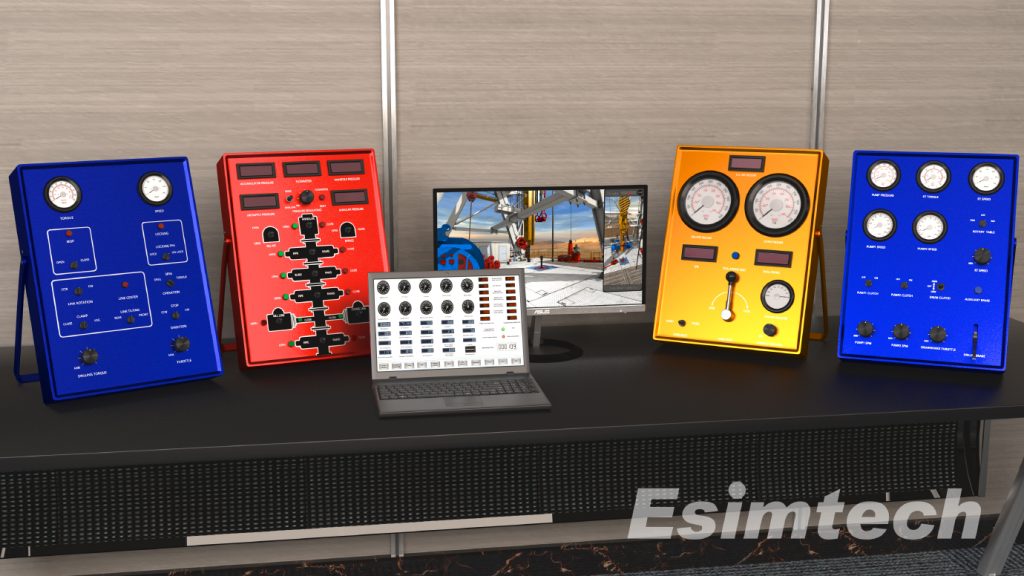
What is Horizontal Oil Drilling

Horizontal oil drilling, a groundbreaking innovation in the oil and gas industry, has transformed how hydrocarbon resources are accessed and produced. Vertical drilling was once the standard, but horizontal drilling has opened up new opportunities by allowing operators to access previously unreachable reserves. In this article, we will explore the process, advantages, challenges, environmental considerations, and the vital role of simulation technology associated with horizontal oil drilling.

horizontal oil drilling

Process of Horizontal Oil Drilling

Horizontal drilling, also known as directional drilling, is the process of drilling a wellbore at an angle to access oil or gas reservoirs beneath the Earth’s surface. Unlike traditional vertical drilling, horizontal drilling involves both vertical and horizontal drilling. The procedure can be summed up as follows:

Vertical Drilling: A wellbore is initially drilled vertically from the surface to a certain depth.

Build Section: At a specific depth, the drilling direction is changed, and the wellbore is curved to create a “build section”.

Horizontal Drilling: After the curve, the wellbore continues horizontally through the oil or gas reservoir.

Well Completion: Once the desired length of the horizontal section is achieved, the well is completed with casing and cement to allow for production.

Advantages of Horizontal Oil Drilling

Increased Reservoir Access: Horizontal drilling enables operators to access reservoirs that would otherwise be unreachable via typical vertical drilling, increasing the amount of oil and gas that can be recovered.

Enhanced Recovery Rates: A well’s horizontal portion provides more contact with the reservoir, resulting in higher recovery rates.

Reduced Environmental Impact: Operators can reduce surface footprint and environmental damage by accessing reservoirs from a single drilling location.

Improved Well Economics: Higher recovery rates and lower drilling costs make horizontal drilling commercially appealing.

Enhanced Well Control: Controlling the trajectory of a well allows operators to avoid geological complications and potential drilling issues.

horizontal well drilling

Challenges and Environmental Considerations Faced by Horizontal Oil Drilling

While horizontal drilling offers numerous advantages, it also presents unique challenges and considerations.

Challenges:

Technical Complexity: Horizontal drilling is more technically difficult than vertical drilling, necessitating sophisticated equipment and skill.

Increased Costs: Horizontal drilling technology and expertise can result in higher initial expenses.

Regulatory Compliance: Operators must adhere to strict regulations to ensure safe and environmentally responsible drilling.

Wellbore Integrity: Maintaining wellbore integrity is critical to prevent accidents and ensure the well’s long-term productivity.

Environmental Considerations:

Reduced Surface Impact: Horizontal drilling minimizes surface disruption, which is especially beneficial in ecologically sensitive areas.

Risk of Contamination: The potential for groundwater contamination from drilling fluids and hydrocarbon migration must be carefully managed.

Spill Prevention: Comprehensive spill prevention and response plans are essential to address potential environmental risks.

Habitat Protection: Operators must consider the impact on local wildlife habitats and ecosystems.

Regulatory Compliance: Strict adherence to environmental regulations and best practices is essential to mitigate environmental impact.

Important Role of Simulation Technology in Horizontal Oil Drilling

The use of simulation in the design and execution of horizontal drilling projects is critical. It provides engineers and drillers with the knowledge and tools needed to make informed decisions and optimize the drilling process.

Geosteering:

Geologists and geosteerers use simulation software to construct 3D models of the subsurface, allowing them to see rock formations and potential obstructions. By continuously updating the model in real-time using data from downhole sensors, geosteerers can precisely guide the drill bit within the reservoir.

Drilling Trajectory Planning:

Drilling and well simulation systems aid in designing the optimal well path by considering geological data, wellbore stability, and reservoir parameters. This enables engineers to plot the most efficient path, minimizing the chances of getting stuck or veering off course.

Wellbore Stability Analysis:

Oil simulation software predicts the mechanical behavior of the wellbore and drill string. It evaluates the stresses and pressures acting on the wellbore walls and forecasts the likelihood of issues such as wellbore collapse or fluid ingress. This data informs the selection of drilling parameters and the design of the drilling assembly.

Real-time Monitoring and Adjustments:

During the drilling process, data from downhole sensors and measurements are fed into the simulation software. This real-time feedback allows drillers to make immediate adjustments to the drilling parameters, ensuring the drill bit remains within the target zone.

Benefits of Simulation in Horizontal Drilling:

Precision and Accuracy: Simulation provides a high level of precision in wellbore placement, helping minimize deviation from the target zone and ensuring the well intercepts the most productive areas of the reservoir.

Enhanced Efficiency: By optimizing wellbore trajectories and parameters, drilling and well control simulation reduces drilling time and operational costs, and minimizes the risk of complications that can lead to costly delays.

Risk Mitigation: Simulation helps identify potential drilling challenges in advance, allowing for proactive risk management and wellbore stability assurance.

Improved Recovery Rates: Accurate well placement in the reservoir maximizes hydrocarbon recovery, leading to higher production rates and increased profitability.

Safety and Environmental Protection: Simulation helps prevent issues like wellbore instability, fluid influx, or well collisions, which can pose safety risks and environmental concerns.

Land Rig Installation Simulator

Conclusion

Horizontal oil drilling has revolutionized the oil and gas industry by allowing access to previously undiscovered sources and increasing recovery rates. Oil and gas simulation ensures that horizontal drilling operations are optimized for maximum hydrocarbon recovery by accurately simulating well trajectories, analyzing wellbore stability, and providing real-time guidance. As technology and industry practices continue to evolve, horizontal drilling will play a critical role in ensuring a sustainable and efficient future for the oil and gas sector, meeting the world’s energy demands while safeguarding the environment.

In-line Width Measurement System: Real-time Precision Measurement

The in-line width measurement system represents a significant advancement in manufacturing technology, offering real-time precision measurement capabilities that enhance product quality, increase efficiency, and reduce waste. This system is particularly crucial in industries where the accurate width of materials is critical to the performance and functionality of the final product.

In-line Width Measurement System

Understanding the In-line Width Measurement System

The in-line width measurement system is a sophisticated technological solution designed to accurately measure the width of materials as they move along the production line. Unlike traditional measurement methods that rely on manual inspection or periodic sampling, the in-line system provides real-time data, allowing for immediate adjustments and corrections to ensure consistent product quality.

At its core, the in-line width measurement system typically consists of precision sensors, cameras, lasers, or other measurement devices strategically positioned along the production line. These sensors continuously monitor the width of the material as it passes through, capturing data with exceptional accuracy and reliability.

Key Components and Functionality of the In-line Width Measurement System

Precision Sensors

Role: Precision sensors are at the forefront of the in-line width measurement system, responsible for capturing detailed measurements of the material’s width in real-time.

Functionality: These sensors employ various technologies such as lasers, cameras, ultrasonic waves, or optical sensors to accurately measure the width of the material passing through the production line.

Placement: Sensors are strategically positioned along the production line to cover the entire width of the material, ensuring comprehensive and precise measurement coverage.

Data Processing Unit

Role: The data processing unit acts as the brain of the system, processing the measurement data collected by the sensors and performing complex calculations to determine the material width accurately.

Functionality: Using advanced algorithms, the data processing unit analyzes the raw measurement data, filters out noise, compensates for environmental factors, and calculates the precise width of the material.

Real-time Processing: The unit operates in real-time, enabling instantaneous adjustments to the production process based on the width measurement data.

Control System

Role: The control system receives the processed width measurement data from the data processing unit and implements necessary adjustments to maintain the material within the specified width tolerances.

Functionality: Depending on the production line setup and requirements, the control system can control various parameters such as conveyor speed, machine settings, tension levels, or other relevant factors to ensure consistent material width.

Closed-loop Control: The control system operates in a closed-loop manner, continuously receiving feedback from the sensors and making rapid adjustments to maintain optimal production conditions.

Feedback Mechanism

Role: The feedback mechanism provides essential information to operators and supervisors, allowing them to monitor production performance and intervene if deviations from the specified width tolerances occur.

Functionality: Real-time feedback alerts operators to any width-related issues, enabling prompt corrective actions to prevent quality defects or production disruptions.

Visualization Tools: Feedback mechanisms often include visualization tools such as graphical displays or data logging systems, allowing operators to track width measurements over time and identify trends or anomalies.

Integration Interfaces

Role: Integration interfaces facilitate seamless communication and integration of the in-line width measurement system with other components of the production line, such as PLCs (Programmable Logic Controllers), SCADA (Supervisory Control and Data Acquisition) systems, or MES (Manufacturing Execution Systems).

Functionality: Integration interfaces ensure interoperability between the width measurement system and existing production line infrastructure, enabling centralized control, data sharing, and synchronization of operations.

Compatibility: These interfaces may support industry-standard communication protocols such as OPC (OLE for Process Control) or Modbus, ensuring compatibility with a wide range of industrial automation systems.

Benefits of the In-line Width Measurement System

Enhanced Product Quality: By providing real-time measurements of material width, the system ensures consistent product dimensions within tight tolerances, resulting in higher-quality products that meet or exceed customer expectations.

Improved Efficiency: Real-time monitoring and adjustments optimize production processes, reducing material waste and minimizing downtime associated with manual inspections or adjustments. Increased efficiency leads to higher throughput and lower production costs.

Cost Savings: The system helps minimize scrap, rework, and material usage by detecting deviations from specified width tolerances early in the production process. This translates into significant cost savings over time, improving the overall profitability of manufacturing operations.

Reduced Rework and Waste: By detecting width variations in real-time, the system enables immediate corrective actions to be taken, reducing the need for rework and minimizing material waste. This contributes to a more sustainable manufacturing environment.

Increased Flexibility and Adaptability: The system can be easily integrated into existing production lines and configured to accommodate different materials, widths, and production requirements. This flexibility enables manufacturers to adapt quickly to changing market demands and production conditions.

Enhanced Process Control: Continuous monitoring of material width allows for precise control of production parameters such as machine settings, conveyor speeds, and tension levels. This results in tighter process control and greater consistency in product quality.

Compliance and Traceability: The system provides comprehensive documentation of width measurements, enabling manufacturers to demonstrate compliance with regulatory standards and quality requirements. This enhances traceability and facilitates quality assurance processes.

Applications of the In-line Width Measurement System

Textiles and Fabrics: In textile manufacturing, maintaining consistent fabric width is essential for ensuring uniformity in finished products such as clothing, upholstery, and linens. The in-line measurement system ensures that fabric rolls maintain the desired width throughout the production process, minimizing variations and defects.

Paper and Packaging: In paper mills and packaging facilities, accurate width measurement is crucial for producing rolls of paper, cardboard, and packaging materials that meet customer specifications. The system helps control the width of these materials, ensuring they are within tolerance limits and suitable for further processing or packaging.

Plastics and Films: In the plastics industry, maintaining precise width dimensions is vital for producing films, sheets, and extruded products used in packaging, construction, and other applications. The in-line width measurement system ensures that plastic materials are extruded or processed to the correct width, preventing defects and optimizing material usage.

Metal Processing: In metal processing facilities, maintaining consistent width dimensions is essential for producing metal strips, sheets, and coils used in various industries such as automotive, construction, and manufacturing. The system helps monitor and control the width of metal materials during rolling, cutting, or stamping processes, ensuring they meet tight tolerances.

Converting and Printing: In converting and printing operations, precise width measurement is crucial for ensuring accurate registration and alignment of printed materials, labels, and packaging. The in-line width measurement system helps maintain the correct width of substrates and printed materials, minimizing waste and improving print quality.

Flexible Electronics: In the production of flexible electronics such as displays, sensors, and printed circuits, maintaining uniform material width is essential for ensuring device performance and reliability. The system enables manufacturers to monitor and control the width of flexible substrates and conductive materials during the manufacturing process, optimizing yield and quality.

Medical Devices and Pharmaceuticals: In the medical device and pharmaceutical industries, precise width measurement is critical for producing components such as films, tapes, and packaging materials used in medical devices and drug delivery systems. The in-line width measurement system ensures that these materials meet stringent quality standards and regulatory requirements, ensuring patient safety and product integrity.

Food and Beverage Packaging: In food and beverage packaging facilities, accurate width measurement is essential for producing packaging materials such as films, pouches, and labels that protect and preserve food products. The system helps maintain the correct width of packaging materials, ensuring they meet hygiene standards and regulatory requirements while minimizing packaging waste.

Conclusion

In an era where precision and efficiency are paramount, the in-line width measurement system stands out as a game-changer in manufacturing. By providing real-time measurement data and enabling immediate adjustments, this innovative technology helps industries maintain the highest standards of quality while optimizing production processes.

How to Do Maintenance and Inspection for Marine Lifeboats

Lifeboats are essential safety features on vessels, designed to provide a means of escape and survival in emergencies. Ensuring marine lifeboats are in optimal condition requires rigorous and regular maintenance and inspection. Proper upkeep not only meets international safety standards but also ensures the safety of crew members when needed.

Totally Enclosed Lifeboat

Key Components of Marine Lifeboat Maintenance

Hull and Structure

Inspection for Damage: Regularly check the hull for cracks, corrosion, or structural damage.

Cleaning and Painting: Clean the hull to remove salt and debris, and ensure it is painted to prevent corrosion.v

Launching Mechanisms

Davits and Winches: Inspect davits and winches for wear and tear, lubricate moving parts, and ensure proper operation.

Ropes and Cables: Check for fraying, corrosion, or damage and replace as necessary.

Engines and Propulsion

Engine Checks: Perform routine maintenance, including oil changes, fuel filter replacements, and inspection of belts and hoses.

Propellers and Shafts: Inspect and maintain to ensure they are free of obstructions and damage.

Safety Equipment

Life Jackets and Lifebuoys: Ensure they are in good condition and easily accessible.

Emergency Rations and Water: Inspect and replace life saving equipment before expiration dates.

Communication and Navigation

Radio and Signaling Equipment: Test to ensure full functionality.

Navigational Aids: Verify the condition of compasses and lights.

Seating and Safety Belts

Seat Integrity: Check for structural integrity and comfort.

Safety Belts: Ensure they are operational and in good condition.

Inspection Protocols and Procedures

Pre-Inspection Preparation

Documentation Review: Review previous reports and maintenance records to identify recurring issues.

Safety Briefing: Conduct a safety briefing for the inspection team.

Visual Inspection

Exterior and Interior: Perform a thorough visual inspection, noting any damage or irregularities.

Component Check: Examine the hull, engine, safety equipment, and launching mechanisms.

Functional Testing

Engine Start-Up: Test the engine for smooth operation.

Launch Test: Simulate a launch to verify the proper functioning of davits, winches, and release mechanisms.

Detailed Reporting

Inspection Report: Document findings in a detailed report, noting any issues requiring attention.

Maintenance Log: Update the log with actions taken and parts replaced or repaired.

Challenges and Solutions in Marine Lifeboat Maintenance

Harsh Marine Environment

Problem: Exposure to saltwater, humidity, and temperature extremes causes corrosion and damage.

Solution: Apply specialized marine-grade paints and coatings, implement routine cleaning, and use marine-grade materials.

Limited Access and Space

Problem: Lifeboats are often stowed in confined spaces, making access difficult.

Solution: Use compact tools and modular components, and schedule maintenance during downtime.

Regulatory Compliance

Problem: Keeping up with evolving safety regulations is challenging.

Solution: Provide continuous training, use digital systems for documentation, and conduct external audits.

Wear and Tear

Problem: Frequent use can lead to accelerated wear and tear.

Solution: Perform routine inspections, use high-quality parts, and establish a rigorous maintenance schedule.

Complex Systems and Technology

Problem: Advanced technologies require specialized knowledge for maintenance and repair.

Solution: Provide specialized training, collaborate with manufacturers for support, and maintain up-to-date manuals.

Human Error

Problem: Human error can lead to overlooked issues or improper repairs.

Solution: Develop standardized procedures, use checklists and protocols, and establish a quality control system.

Limited Availability of Spare Parts

Problem: Obtaining spare parts, especially in remote locations, can be challenging.

Solution: Maintain an inventory of critical spare parts, develop strong supplier relationships, and standardize parts across the fleet.

open lifeboat

Future Innovations for Maintenance and Inspection

Advanced Monitoring Systems

Smart Sensors: Monitor real-time performance metrics and analyze data for predictive maintenance.

Remote Monitoring and Diagnostics

IoT and Connectivity: Enable remote monitoring and diagnostics using cloud-based solutions.

Autonomous Inspection Technologies

UAVs: Use drones for aerial inspections of hard-to-reach areas.

Robotics and Automation

Underwater Inspections: Develop robotic systems for underwater inspections and automate routine tasks.

Predictive Maintenance Algorithms

AI and Machine Learning: Analyze historical data to predict maintenance needs and shift to condition-based maintenance.

AR and VR for Training and Maintenance Support

AR Applications: Use AR for maintenance guidance and training.

VR Simulations: Provide VR simulations for crew training in emergency procedures.

Advanced Materials and Coatings

Nano-coatings: Use advanced materials to enhance resistance to corrosion and wear.

Integrated Maintenance Management Systems

Digital Platforms: Implement systems for lifecycle management, including maintenance scheduling and regulatory compliance.

Conclusion

Regular and thorough maintenance and inspection of marine lifeboats are vital for maritime safety. Adhering to structured protocols and best practices ensures compliance with safety regulations and enhances the reliability and longevity of lifeboats, safeguarding the lives of crew members in emergencies.

The Pivotal Role of Washers in Bolt Connections

In various aspects of production and daily life, bolt connections often include a washer. However, the necessity and purpose of washers in these connections can sometimes be unclear. This article explores the design of bolt connections and discusses when and why washers are used.

When Flat Washers are Necessary for Bolt Connections

Flat washers play a significant role in fastening systems, offering various benefits and being employed in several scenarios to achieve specific outcomes.

1. Surface Protection during Frequent Disassembly

Flat washers are used to protect the surfaces of connected components during frequent disassembly. By placing a flat washer at the position of the nut or bolt head, the risk of surface damage is mitigated, particularly for precision-machined surfaces.

Flat washers

2. Meeting Friction Coefficient Requirements

In some cases, flat washers are used to meet precise friction coefficient requirements without separate testing. For instance, wind turbine bolt connections often use combination washers. In such situations, all components, including bolts, nuts, and washers, are provided by the same manufacturer, ensuring consistent friction coefficients between the nuts and washers. The supplier must also test and ensure that the torque coefficients meet technical requirements.

3. Reducing Pressure on Connected Components

When bolt strength is relatively high and the allowable stress in connected components is low, flat washers are essential. This is particularly relevant in the context of the growing demand for lightweight automotive structures. By adding flat washers, the pressure on the bearing surfaces of connected components is reduced, preventing yielding and permanent plastic deformation.

4. Pressure Distribution and Sealing

Flat washers are valuable when pressure distribution and sealing are required. Increasing the washer size enlarges the stress distribution diameter and ensures effective sealing between connected surfaces. This is crucial in applications where airtight or watertight seals are necessary.

5. Compensating for Positional Tolerance Deviations

In automotive manufacturing, where stamping and welding processes are prevalent, the positional tolerance of holes may not align perfectly. In such cases, larger hole diameters are used, and flat washers are added to compensate for positional tolerance deviations. This ensures proper alignment and a secure connection.

6. Ease of Installation Adjustment

For ease of installation adjustment, long holes are sometimes created in control arm brackets or control tables. In such instances, thick flat washers or specialized washers may be used to allow for adjustments within a certain range.

Why Spring Washers are Used for Anti-Loosening

spring washers also known as lock washers, are primarily employed to increase the friction force between nuts and bolts, thereby preventing loosening caused by equipment vibrations.

spring washers supplier

However, it is important to note that spring washers are not suitable for all situations. They are more commonly used in structures with minor impact loads or in less critical applications where anti-loosening requirements are not stringent. In cases where a single loose nut does not pose significant risks, spring washers can provide sufficient protection against loosening.

Nevertheless, it is crucial to consider the limitations and implications of using spring washers. In high-preload force applications or connections where reliability is critical, it is not recommended to rely solely on spring washers. Moreover, when important contact surfaces must be protected from damage, it is necessary to incorporate flat washers along with spring washers. Under dynamic loads, spring washers may have reduced effectiveness in high-strength bolt connections.

Conclusion

Washers play a vital role in bolt connections, providing benefits such as pressure reduction, increased friction, sealing, shock absorption, and fixation. While washers may not always be necessary, the use of flat washers or spring washers is often determined by specific requirements and design considerations. It is essential to carefully evaluate the demands of each connection and choose the appropriate washer type to ensure secure and reliable fastening. By understanding the necessity and purpose of washers, we can optimize bolt connections and enhance their overall performance and longevity.

What are Maintenance-Free Technologies in Refrigerated Centrifuges

Refrigerated centrifuges play a crucial role in various scientific and therapeutic applications, including biological sample separation and chemical purification. However, traditional centrifuge systems often require regular maintenance to ensure optimal performance, leading to downtime and increased operational costs. Recent technological advancements have paved the way for maintenance-free solutions, revolutionizing the field of centrifugation. This article explores the innovations driving maintenance-free technologies in refrigerated centrifuges and their implications for research, healthcare, and industrial processes.

High & Low Speed Refrigerated Centrifuge

The Rise of Maintenance-Free Technologies in Refrigerated Centrifuges

Historically, refrigerated centrifuges relied on complex mechanical components prone to wear and tear, necessitating frequent maintenance and part replacements. With the advent of maintenance-free technology, refrigerated centrifuge manufacturers are now focusing on creating systems that are more reliable and durable.

Key Innovations Driving Maintenance-Free Technologies

1. Introduction of Brushless Motors

A significant advancement in maintenance-free centrifuge technology is the widespread use of brushless motors. Unlike brushed motors, brushless motors offer higher efficiency, lower maintenance requirements, and longer lifespans. By eliminating brushes and commutators, brushless motors experience less wear and tear, resulting in fewer maintenance intervals and increased reliability. Additionally, they produce less heat and vibration, contributing to smoother operation and improved sample integrity.

2. Integration of Direct-Drive Systems

Traditional centrifuges often use belt-driven systems to transfer power from the motor to the rotor assembly. Belt-driven mechanisms are susceptible to slippage, tension issues, and belt degradation, requiring frequent maintenance and replacement. Maintenance-free centrifuges address these problems by incorporating direct-drive systems, which provide a direct mechanical connection between the motor and the rotor, eliminating the need for belts or pulleys.

3. Sealed Chamber Design

Dust, moisture, and other contaminants can accumulate inside centrifuge chambers, leading to corrosion, electrical issues, and decreased efficiency. Maintenance-free centrifuges feature sealed chamber designs that protect vital components from external contamination, ensuring long-term durability and minimal maintenance requirements. Seals and gaskets prevent leaks and maintain cleanliness, reducing the risk of damage and extending the lifespan of internal components.

4. Self-Diagnostic Systems

Early detection of potential issues is crucial for avoiding costly breakdowns and minimizing downtime. Maintenance-free centrifuges are equipped with self-diagnostic systems that continuously monitor various parameters, such as rotor balance, temperature fluctuations, and motor performance. Advanced sensors and algorithms detect anomalies in real-time, alerting users to take appropriate action before problems escalate.

5. Remote Monitoring and Control

In today’s interconnected world, remote monitoring and control capabilities are essential features of laboratory equipment. Maintenance-free centrifuges can be integrated with cloud-based platforms or software applications, allowing users to monitor operational status, view performance data, and adjust settings remotely from any internet-enabled device. Researchers can receive alerts, access diagnostic information, and troubleshoot issues in real-time, enhancing convenience, flexibility, and productivity.

6. Enhanced Cooling Systems

Refrigerated centrifuges require precise temperature control to maintain sample integrity and ensure reproducible results. Traditional cooling systems may use mechanical compressors or refrigerant gases, which are prone to leaks and wear, requiring regular maintenance. Maintenance-free refrigerated centrifuges employ advanced cooling technologies, such as thermoelectric modules or brushless DC compressors, to achieve and maintain target temperatures without needing periodic recalibration or refrigerant replacement. These technologies improve reliability, energy efficiency, and environmental sustainability while reducing the total cost of ownership.

refrigerated centrifuge

Applications Across Industries

1. Biotechnology and Pharmaceutical Research

Cell Culture and Microbiology: Essential for cell culture work, including cell harvesting and separation of cellular components.

Protein Purification: Used in workflows to separate proteins from cell lysates, culture supernatants, or crude extracts.

Pharmaceutical Formulation: Crucial for drug preparation and analysis, ensuring reliable performance in tasks like drug stability testing.

2. Clinical Diagnostics and Medical Research

Blood Banking and Hematology: Critical for processing blood samples, separating plasma or serum, and performing hematocrit determinations.

Clinical Chemistry: Used for sample preparation, facilitating the analysis of various analytes, supporting medical diagnostics and patient care.

3. Food and Beverage Industry

Food Safety and Quality Control: Utilized for quality control and product testing, such as fat content analysis and microbiological analysis.

Food Processing and Research: Facilitates tasks like extraction of bioactive compounds and analysis of foodborne pathogens.

4. Environmental Science and Research

Water and Wastewater Analysis: Ensures reliable performance in sedimentation analysis, sludge dewatering, and separation of particulate matter.

Soil and Sediment Analysis: Used to extract and analyze organic and inorganic components, supporting environmental monitoring and remediation.

Floortype Refrigerated Centrifuge

Conclusion

Maintenance-free technologies are transforming refrigerated centrifugation, offering improved reliability, reduced downtime, and lower operating costs. As manufacturers continue to innovate, these advancements will be applied across industries, enhancing efficiency and productivity in scientific research, healthcare, and industrial applications.

The Revolutionary Power of Oil and Gas Animation

In the dynamic and intricate world of oil and gas exploration, communicating complex processes is often a challenge. The industry involves a myriad of intricate procedures, from drilling to refining, and conveying these processes to stakeholders, investors, or the general public can be a daunting task. This is where the power of oil and gas animation comes into play.

Oil and gas animation serves as a transformative tool in simplifying complex concepts and making them accessible to a broader audience. Whether it’s illustrating the intricate dance of drill bits through layers of the Earth or depicting the refining of crude oil into valuable end-products, animation has proven to be an invaluable medium for conveying these processes with clarity and precision.

Animation of Engine Assembly and Disassembly

The Power of Oil and Gas Animation

Unlike static images or dry text, Oil and Gas Animation possesses a unique ability to transcend the limitations of reality. It can shrink us down to the microscopic level, revealing the fascinating dance of oil and gas molecules within a reservoir. Or, it can whisk us away on a whirlwind tour, encompassing vast landscapes and showcasing the intricate network of pipelines that deliver these resources across continents. Time becomes malleable, allowing us to witness geological processes unfolding over millions of years within seconds, providing a clear understanding of complex formations like shale plays or the dynamic process of fracking.

But the power of animation goes beyond mere visualization. It can:

Break Down Barriers of Comprehension

Complex scientific concepts, often laden with jargon, can be distilled into visually compelling narratives that resonate with audiences of all backgrounds. Animation can translate technical details into digestible chunks, fostering understanding and engagement.

Spark Curiosity and Ignite Imagination

By bringing inanimate objects to life – from towering drilling rigs to intricate subsea pipelines – animation captures attention and fuels curiosity. This fosters a desire to learn more about the intricacies of the industry and the hidden forces at play.

Raise Awareness of Challenges and Opportunities

Animation can effectively depict the environmental and social challenges associated with the oil and gas industry, showcasing the impact of spills, emissions, and habitat destruction. This can spark important conversations about sustainability and responsible resource extraction. It can also highlight the industry’s efforts towards innovation and cleaner technologies, fostering a sense of optimism and hope for the future.

Bridge the Gap Between Experts and the Public

By making complex topics visually engaging and accessible, animation can bridge the gap between industry experts and the general public. This fosters informed dialogue, promotes better decision-making, and contributes to a more sustainable future for the industry as a whole.

The oil and gas industry is not just about pipelines and rigs; it’s a dynamic world of intricate processes, cutting-edge technologies, and ongoing challenges. Animation, with its unique ability to visualize the invisible, can demystify this world, spark critical conversations, and inspire a deeper understanding of the resource that fuels our modern lives.

Animation of Drilling and Well Control Devices

Breakdown of Oil and Gas Animation Process

In the dynamic realm of the oil and gas industry, effective communication of intricate processes is paramount. Bridging the gap between complexity and accessibility, oil and gas animation emerges as a critical tool in conveying these intricate details to diverse audiences. Here’s an in-depth look at the systematic breakdown of the oil and gas animation process.

Research and Conceptualization

In the initial phase, animators collaborate closely with subject matter experts to gain a profound understanding of the specific oil and gas processes and technologies in focus. This collaboration not only ensures the animation’s accuracy but also aligns it with industry standards, laying the foundation for a comprehensive visual narrative.

Scripting

With a wealth of information at their disposal, animators craft a script that serves as the backbone of the animation. This script meticulously outlines the narrative, key messages, and the sequential flow of events. Striking a delicate balance between technical precision and accessibility, the scripting process ensures the animation effectively communicates its intended message.

Storyboarding

Visual planning takes center stage in the storyboarding phase. Animators translate the script into a series of still images, providing a visual roadmap for the animation. Crucially, this step allows for early stakeholder feedback, ensuring the animation resonates with both technical experts and a broader audience.

Animation Production

The core of the animation process involves bringing visual elements to life. Beginning with the creation of 2D or 3D models, animators meticulously texture and light these models for enhanced realism. The animation itself comprises dynamic movements illustrating complex processes, accompanied by visual effects that emphasize critical details. This intricate dance of art and science captures the essence of the oil and gas industry in a visually compelling manner.

Review and Feedback

Stakeholder reviews are pivotal for refining the animation. Feedback from subject matter experts, project stakeholders, and potential end-users guides iterative improvements, ensuring the animation meets industry standards and effectively communicates the intended message.

Finalization

In the finalization phase, animators polish the animation to perfection. Fine-tuning visual elements, optimizing details, and conducting rigorous quality assurance checks ensure the animation is not only visually striking but also technically sound and free from discrepancies.

This comprehensive breakdown underscores the strategic blend of technical expertise and creative finesse, positioning oil and gas animation as an indispensable conduit for communicating the intricate processes of this dynamic industry.

Examples of Esimtech Oil and Gas Animation

Leading innovators like Esimtech are harnessing the power of oil and gas animation to make a real difference. Here are a few examples of their impactful projects:

Oil Drilling and Well Control Animation

The animation of drilling and well control devices displays the internal framework, operational principles, assembly, and disassembly procedures of drilling and well control devices. This allows students to acquaint themselves with the components and principles of these devices, gain proficiency in examining and commissioning the primary working systems, and develop the ability to analyze and assess the operational conditions of the devices, enabling them to promptly identify and address issues.

Animation of Drilling and Well Control Devices

Animation of Diesel Engine Assembly and Disassembly

By utilizing an exploded view, the animation showcases the internal structure and key elements of the diesel engine and its components. The assembly, disassembly, examination, maintenance, and operational principles of diesel engines are presented through animated visuals, accompanied by subtitles and dubbing. This animation serves to acquaint students with the operational principles of diesel engines, enabling them to proficiently understand and conduct examinations and commissioning of a diesel engine’s primary working system.

Animation of Downhole Tools Assembly and Disassembly and Working Principle

The internal structure and components of downhole tools are revealed through an exploded view, semi-section, and translucent shell. The assembly, disassembly, and working principles of the tools are illustrated through animated visuals, complemented by subtitles and dubbing. This animation aims to empower students with a comprehensive understanding of the function, working principles, operation, and maintenance of downhole tools.

Land Rig Installation Animation

The land rig installation animation comprehensively depicts the entire process, starting from the baseline drawing to the installation of each of the 198 components, culminating in the raising of the derrick. This animation serves as an authentic representation of the actual installation procedure. By watching the animation, users gain a clear and comprehensive understanding of the entire land rig installation and elevation process.

Conclusion

In conclusion, oil and gas animation is no longer a futuristic concept; it’s a transformative tool shaping the present and future of this critical industry. By bridging the gap between technical details and public understanding, it fosters informed dialogue, responsible practices, and sustainable progress. As we delve deeper into the Earth’s hidden resources, let us harness the power of animation to illuminate the path forward, for the benefit of both industry and society as a whole.

Why In-Line Inspection Systems are Important in Printing Quality Assurance

In the printing manufacturing sector, where precision and perfection are paramount, the integration of advanced technologies has become essential for achieving and maintaining exceptional quality standards. The emergence of in-line inspection systems has revolutionized the landscape of printing quality assurance, offering sophisticated solutions to ensure flawless output while optimizing production efficiency. This article explores the pivotal role played by in-line inspection systems in ensuring superior printing quality, enhancing efficiency, and elevating customer satisfaction.

Understanding In-Line Inspection Systems

In-line inspection systems are advanced technological solutions integrated directly into the printing press or finishing equipment. These systems utilize a combination of sensors, cameras, and advanced software algorithms to scrutinize every detail of the printed material in real-time as it moves through the production process. Unlike traditional quality control methods reliant on manual inspection, in-line inspection systems offer an automated approach, capable of detecting defects with unparalleled accuracy and efficiency.

Key Functionality and Capabilities of In-Line Inspection Systems for Printing Quality

Defect Detection

High-resolution cameras and sensors scan printed materials for defects such as ink smudges, streaks, misprints, and registration errors.

Advanced algorithms analyze captured images to detect deviations from quality standards with high accuracy and efficiency.

Real-time defect detection enables immediate corrective action, preventing substandard prints from reaching customers and minimizing the need for costly rework.

Color Management

Consistent color reproduction is critical for maintaining brand identity and visual appeal across printed materials.

In-line inspection systems monitor color accuracy throughout the production process, ensuring adherence to predefined color profiles and standards.

By comparing printed colors to reference values, these systems detect and correct deviations, ensuring uniformity and fidelity across the print run.

Print Registration

Precise alignment of colors and graphics is essential for achieving professional-quality prints.

In-line inspection systems verify print registration by comparing the actual position of elements with the intended design.

By detecting and correcting misalignment errors in real-time, these systems ensure that prints maintain the desired visual integrity and consistency.

Print Uniformity

Beyond individual defects, in-line inspection systems assess the overall uniformity of printed materials.

Parameters such as density, coverage, and sharpness are analyzed to ensure consistent quality across multiple copies.

By identifying variations in print quality, these systems enable operators to make adjustments and maintain uniformity throughout the production process.

Automated Inspection

In-line printing inspection systems offer a fully automated approach to quality control, eliminating the need for manual inspection and intervention.

Integration with printing presses or finishing equipment allows for continuous monitoring without disrupting workflow.

Automation streamlines the inspection process, optimizing production throughput and minimizing downtime associated with manual intervention.

web video inspection machine

Data Analytics and Reporting

In addition to real-time monitoring, in-line inspection systems generate comprehensive data reports and analytics.

These reports provide valuable insights into production performance, defect trends, and process optimization opportunities.

By leveraging data-driven insights, printing companies can implement continuous improvements and drive operational excellence.

Benefits and Impact of In-Line Inspection Systems for Printing Quality

Enhanced Quality Control

Real-time defect detection enables proactive intervention to rectify issues before they escalate, minimizing the production of substandard prints and ensuring that only top-quality output reaches the customer.

Increased Productivity

Automation streamlines the inspection process, eliminating the need for manual intervention and allowing for continuous monitoring without disrupting production flow. This results in optimized throughput and reduced downtime, ultimately boosting overall productivity.

Cost Savings

By preventing defects early in the production process, in-line inspection systems help minimize material waste and avoid costly reprints, leading to significant cost savings for printing operations.

Improved Customer Satisfaction

Consistent, high-quality prints instill confidence in customers and enhance their overall experience. By delivering reliable, error-free output, printing companies can strengthen customer relationships and build long-term loyalty.

Challenges and Solutions in In-Line Inspection Systems for Printing Quality

High-Speed Printing

Challenge: Maintaining accuracy and reliability at high production speeds is challenging as printing presses operate faster.

Solution: Implementing advanced sensor technology and high-speed image processing capabilities can help in-line inspection systems keep pace with modern printing presses. Optimizing system configurations and algorithms for efficiency enhances performance without sacrificing accuracy.

Variability in Print Substrates

Challenge: Different substrates (e.g., paper, cardboard, plastic) introduce variability in print quality and surface characteristics, posing challenges for consistent inspection.

Solution: Equip in-line inspection systems with versatile sensor technologies and adaptable algorithms capable of accommodating various print substrates. Calibration and fine-tuning of inspection parameters based on substrate characteristics ensure accurate and reliable inspection results across different materials.

Complex Print Designs

Challenge: Intricate print designs, such as fine text, detailed graphics, or complex patterns, can present challenges for defect detection and color accuracy.

Solution: Advanced image processing algorithms and machine learning techniques can enhance the ability of in-line inspection systems to detect subtle defects and ensure accurate color reproduction, even in complex print designs. Training algorithms on diverse print samples can improve their ability to recognize and classify different types of defects.

Environmental Factors

Challenge: Environmental factors such as ambient lighting, temperature variations, and dust particles can affect the performance of in-line inspection systems.

Solution: Implement robust hardware designs with built-in environmental controls, such as lighting adjustments and dust protection measures, to mitigate the impact of environmental factors on inspection accuracy. Regular maintenance and cleaning of inspection equipment are essential to ensure optimal performance.

Integration Challenges

Challenge: Integrating in-line inspection systems seamlessly into existing printing equipment and workflows can be complex, especially in retrofitting older machinery.

Solution: Collaboration between printing equipment manufacturers and inspection system providers can facilitate seamless integration by designing compatible interfaces and communication protocols. Flexible mounting options and modular designs simplify installation and retrofitting processes, minimizing disruption to production workflows.

Data Handling and Analysis

Challenge: Managing and analyzing large volumes of inspection data generated by in-line inspection systems can be challenging, especially in real-time applications.

Solution: Implement robust data management systems and analytics platforms capable of processing and analyzing inspection data in real-time to streamline decision-making and enable proactive defect detection. Cloud-based solutions and remote monitoring capabilities facilitate data storage, analysis, and accessibility.

Conclusion

In-line inspection systems have become powerful tools for printing quality assurance, offering a blend of precision, efficiency, and reliability unmatched by traditional inspection methods. By adopting cutting-edge technologies and automation, these systems not only detect defects but also drive continuous improvement, setting new benchmarks for excellence in printing quality.

Why Marine Searchlights are Significant in Maritime Safety

Navigational aids and safety equipment are essential for ensuring smooth maritime activities and safe voyages. Among these tools, marine searchlights stand out as crucial assets, enhancing visibility and serving various functions in marine operations. This article explores the significance, common types, and technological advancements of marine searchlights.

boat searchlight

Why Marine Searchlights are Important

Marine searchlights hold significant importance across a range of maritime operations due to their versatility and their pivotal role in enhancing visibility, ensuring safety, and facilitating numerous tasks at sea.

1. Navigation and Safety

Guiding Through Hazardous Waters: Marine searchlights are indispensable for guiding vessels safely through treacherous waters, especially in conditions of reduced visibility, such as nighttime or adverse weather conditions like fog or heavy rain. They enhance visibility, enabling captains and navigators to make informed decisions and avoid potential obstacles such as rocks, reefs, and other vessels.

2. Search and Rescue Operations

Locating Distressed Vessels: During search and rescue missions, especially in emergencies like distress signals or accidents at sea, marine searchlights are invaluable. Their powerful beams can cover significant distances, aiding rescuers in locating distressed vessels or individuals in the water. This capability greatly enhances the chances of successful rescue operations, potentially saving lives.

3. Security and Surveillance

Monitoring Maritime Security: Maritime security relies heavily on searchlights for surveillance purposes. These lights are used to monitor waters around vessels, ports, and offshore installations. By illuminating the area, they help deter and detect unauthorized activities, ensuring the safety and security of maritime assets.

4. Docking and Berthing

Precision in Maneuvering: When it comes to docking or berthing a vessel, precision is paramount to avoid collisions and damage to either the vessel or the berth. Marine searchlights assist in these operations by illuminating the dock or berth, providing a clear view for the crew. This heightened visibility facilitates the assessment of distances, angles, and alignment, resulting in safe and efficient maneuvering.

5. Wildlife Observation

Studying Marine Life: Researchers, marine biologists, and wildlife enthusiasts utilize marine searchlights for wildlife observation purposes. These lights are instrumental in studying marine life, including fish behavior, marine mammals, and seabirds. They enable researchers to conduct observations both above and below the water’s surface, contributing to scientific knowledge and conservation efforts.

6. Recreational and Commercial Boating

Enhancing Safety and Enjoyment: In recreational boating, marine searchlights enhance safety by improving visibility during nighttime trips. Commercial vessels, such as fishing boats and ferries, also benefit from searchlights, ensuring the safety of passengers and crew while optimizing the efficiency of their operations.

7. Emergency Signaling

Distress Signaling: In emergency situations at sea, searchlights can be used for distress signaling. The powerful beams are highly visible and can attract the attention of nearby vessels or rescue teams, signaling the need for immediate assistance.

VTechnological Advancements in Marine Searchlights

Recent advancements in marine searchlights continue to enhance their capabilities and functionality:

1. LED Technology

LED marine searchlights have become the preferred choice for marine searchlights due to their high efficiency, low power consumption, and long life. They provide exceptionally bright and focused beams while minimizing maintenance requirements.

marine LED searchlight

2. Integrated Systems

Some marine searchlights are now part of integrated vessel control systems, allowing seamless coordination with other navigation and safety equipment, such as radar and GPS.

3. Remote Monitoring

Remote monitoring and control capabilities have improved, enabling operators to manage searchlights from onshore locations, enhancing efficiency and reducing crew workload.

4. Environmental Considerations

Modern searchlights are designed with a focus on environmental sustainability, minimizing light pollution and energy consumption to protect marine ecosystems and meet regulatory requirements.

Conclusion

Marine searchlights are indispensable tools in maritime operations, contributing to navigation safety, search and rescue missions, security, and environmental conservation. With ongoing technological advancements, marine searchlights will continue to evolve, promising even greater efficiency, reliability, and functionality in the future, ensuring the safety and success of maritime endeavors.

The Advancements and Best Practices in Sample Preparation Using Centrifuges for Genomics Research

Sample preparation is a fundamental component of genomics research, and careful treatment of biological samples is critical for getting accurate and trustworthy genomic data. This procedure relies heavily on centrifugation, a technique that uses centrifugal force to separate components in a sample. As genomics research advances, the necessity for optimized sample preparation techniques using centrifuges has never been more crucial. This article explores the advancements and best practices in sample preparation for genomics, focusing on the strategic use of centrifuges to achieve precision and efficiency.

High and Low Speed Refrigerated Centrifuge

1. Adaptive Rotor Designs

Modern centrifuges use variable rotor designs to meet the different needs of genomics researchers. These rotors can accommodate a wide range of sample volumes and kinds, allowing numerous samples to be processed at once. The adaptability of rotor designs increases centrifuge versatility, making them appropriate for a wide range of applications, including DNA/RNA extraction and cellular component isolation.

2. High-Speed Centrifugation for Rapid Processing

In the era of high-throughput genomics, speed is critical. High speed refrigerated centrifuge is now possible because of advances in centrifuge technology, lowering the time required for sample processing significantly. This acceleration is especially useful in genomics applications requiring short turnaround times, such as next-generation sequencing procedures.

3. Automation in Centrifugation Systems

The integration of automation into centrifugation systems has revolutionized sample preparation workflows. Automated centrifuges not only enhance throughput but also minimize variability and errors associated with manual handling. Researchers can program these systems to follow predefined protocols, ensuring standardized and reproducible sample preparation processes.

4. Low-Noise Technologies for Sensitive Genomic Applications

Sensitive genomic applications, such as single-cell sequencing and low-input DNA/RNA studies, demand gentle sample handling. Centrifuges with low-noise technologies minimize disturbances during centrifugation, preserving the integrity of nucleic acids and proteins. This is crucial for obtaining reliable results in experiments where sample quality is paramount.

5. Temperature Control Features

Temperature changes have an impact on genomic materials, particularly nucleic acids. Modern centrifuges include precise temperature control features, allowing researchers to maintain optimal temperatures during centrifugation. Temperature-controlled centrifugation ensures the stability of genomic samples and reduces the risk of degradation.

6. Optimized Tube and Rotor Configurations

Centrifuge tube and rotor layouts directly affect sample recovery rates and overall efficiency. Centrifuge design advances have included the development of specific tube and rotor configurations for genomics applications. These arrangements reduce sample loss, improve recovery rates, and are compatible with subsequent genetic analysis.

7. Documentation and Quality Control

Documentation and quality control are critical components of genomics sample preparation best practices. Researchers should keep accurate data on centrifugation parameters such as rotor type, speed, and duration. Regular quality control procedures, such as monitoring sedimentation patterns and verifying sample purity, help to ensure the trustworthiness of genetic data.

Conclusion

The dynamic landscape of genomics research requires a continuous evolution in sample preparation techniques, and centrifugation remains at the forefront of these developments. By adhering to best practices and leveraging the latest advancements in centrifuge technology, genomics researchers can elevate the accuracy and efficiency of their sample preparation processes, ultimately advancing our understanding of the genetic code and its implications for various fields, including medicine and biotechnology.

A Comprehensive Guide to Volute Springs

Volute springs, also known as conical springs or pagoda springs, are a specialized type of compression spring crafted from a flat strip of material wound into a conical shape. The overlapping coils provide stability against buckling, a feature not achievable with conventional compression springs. This design allows for shorter installation lengths, depending on the forces and dimensions involved.

volute springs

Construction and Materials

Typically made from spring steel, stainless steel, or phosphor bronze, volute springs can vary in material thickness from less than 1 mm to approximately 32 mm. These springs can support significant loads, with larger variants capable of handling up to 500 kN.

Working Principle and Characteristics

Volute springs operate on the principle of compression. When a force is applied, the coils compress, shortening the spring. The force required for this compression is proportional to the spring’s stiffness, which is determined by its material, thickness, and dimensions. Key characteristics of volute springs include:

High Load Capacity: Capable of supporting substantial loads.

Short Installation Length: Efficient space utilization.

Resistance to Buckling: Enhanced stability under compression.

Low Friction: Suitable for high cycling frequencies due to minimal internal friction.

Applications of Volute Springs

Volute springs are versatile and used in various applications:

Suspension Systems

In automotive suspension systems, volute springs absorb road vibrations and shocks, enhancing passenger comfort in vehicles such as cars, trucks, and motorcycles.

Low-Load Positions

Used in hinges of doors and other automatic products, volute springs provide a gentle force to maintain the desired position of the product.

Comparison with Other Springs

Compared to helical and leaf springs, volute springs offer a balanced solution:

Helical Springs: More common but prone to buckling.

Leaf Springs: Resilient but bulky.

Volute Springs: Combines the benefits of both with added stability and compactness.

Selection Considerations

When selecting volute springs, consider load capacity, stiffness, and frictional characteristics. It is crucial to choose materials that are corrosion-resistant and have a long fatigue life for extended usage periods.

volute spring

Functions of Volute Springs

Volute springs serve various functions, including:

Measurement

Used in coil spring scales where elongation or contraction measures applied force.

Compression

Improves contact in electrical switches, preventing increased resistance and heat generation. Also used in door hinges and automatic products.

Reset

Resets devices to their original state post-application of external force, useful in hinges and automatic products.

Driving

Acts as a driving mechanism in mechanical clocks and wind-up toys, storing and releasing elastic potential energy.

Cushioning

Cushions vibrations and shocks in vehicle suspension systems and machinery.

Vibration and Sound Generation

Generates vibration and sound in musical instruments and noisemakers.

Conclusion

Volute springs are versatile, high-performance components with significant applications across various industries, including automotive, aerospace, and manufacturing. Their high load capacity, short installation length, resistance to buckling, and low friction make them suitable for numerous functions. For business cooperation, KENENG is a reputable choice for high-quality volute springs.

通过 WordPress.com 设计一个这样的站点
从这里开始