Technology is playing an increasingly pivotal role in improving drilling safety. Innovations are being developed to identify and mitigate hazards, enhance training and communication, and boost emergency response. This article delves into the various ways technology is being utilized to enhance drilling safety.
Key Technologies Improving Drilling Safety
Wellbore Control
Wellbore control involves preventing the uncontrolled flow of oil and gas from a wellbore, which can be dangerous and environmentally damaging.
Automated Well Control Systems
Automated well control systems monitor wellbore conditions and take corrective action if problems arise. For instance, an automated system can close the blowout preventer (BOP) if it detects a sudden increase in well pressure.
Real-time Monitoring Systems
Real-time monitoring systems collect data from various sensors on the drilling rig and transmit it to a central control center. This data helps monitor wellbore conditions and identify potential problems early.
H2S Safety
Hydrogen sulfide (H2S) is a toxic gas present in some oil and gas wells, posing serious health risks.
Real-time H2S Monitoring Systems
These systems continuously monitor the air for H2S. If detected, they alert workers and activate ventilation systems to remove the gas.
Personal Protective Equipment (PPE)
PPE for H2S exposure includes respirators, gas detectors, and escape hoods, providing critical protection for workers.
Blowout Prevention
A blowout is an uncontrolled release of oil and gas from a wellbore, which can be hazardous and cause environmental damage.
Blowout Preventers (BOPs)
BOPs are valve systems used to close off the wellbore in the event of a blowout, preventing uncontrolled releases.
Real-time Monitoring Systems
These systems help monitor wellbore conditions, allowing drillers to take preventive actions before a blowout occurs.
Fire and Explosion Prevention
Drilling operations involve flammable materials, creating risks of fires and explosions.
Fire Detection and Suppression Systems
These systems detect fires early and extinguish them before significant damage occurs.
Real-time Monitoring Systems
They monitor drilling operations for hazards like gas leaks and electrical issues, enabling corrective actions before fires or explosions happen.
Emergency Exercise Simulation Technology
Emergency exercise simulators are crucial tools for improving drilling safety. They create realistic simulations of drilling accidents, such as well control emergencies, H2S exposure, blowouts, and fires, allowing drillers to practice responses in a safe environment.
Simulators train drillers on using PPE and responding to H2S exposure, reducing the risk of poisoning.
Blowouts
Training on simulators helps reduce the risk of injuries and fatalities by preparing drillers for blowout scenarios.
Fires and Explosions
Simulators provide training on responding to fires and explosions, helping reduce the risk of injuries, fatalities, and property damage.
Conclusion
The role of technology in improving drilling safety within the oil and gas industry is transformative. From automated well control systems to real-time monitoring and innovative H2S safety measures, these advancements enhance operational efficiency and significantly contribute to worker well-being and environmental protection. As the industry continues to embrace and evolve with these technologies, the commitment to ongoing innovation, training, and simulation techniques will ensure a safer and more sustainable future for drilling operations.
The miniaturization of tension sensors is essential for creating compact, efficient, and precise instruments capable of measuring forces in applications where space and weight are critical constraints. This article explores the techniques used to miniaturize tension sensors, their advantages, and the applications benefiting from these advancements.
Understanding Tension Sensors
Tension sensors measure the force exerted along a flexible medium, such as a cable, wire, or fiber. This measurement is crucial in applications requiring precise force measurement, including industrial machinery, robotics, medical devices, and aerospace systems. Miniaturizing these sensors involves reducing their size and weight while maintaining or enhancing their accuracy, reliability, and functionality.
Key Techniques Employed to Achieve Miniaturization in Tension Sensors
1. Advanced Materials
Microelectromechanical Systems (MEMS)
MEMS technology incorporates microscopic mechanical and electromechanical elements. MEMS-based tension sensors use tiny mechanical parts, typically fabricated from silicon, to measure tension. The benefits of MEMS technology include:
Compact Size: Microelectromechanical system devices can be made very small, fitting into spaces where traditional sensors cannot.
Integration: MEMS sensors can integrate multiple functions (e.g., sensing, signal processing) on a single chip.
Low Power Consumption: Microelectromechanical systems typically consume less power, which is advantageous in battery-operated applications.
Nano-materials
Nano-materials, such as carbon nanotubes and graphene, offer exceptional strength-to-weight ratios and excellent electrical properties, ideal for miniaturized tension sensors. The advantages include:
High Sensitivity: Nano-materials provide high sensitivity due to their large surface area-to-volume ratio.
Durability: These materials are robust and can withstand harsh environments.
Lightweight: Nano-materials contribute to reducing the overall weight of the sensor.
2. Integrated Electronics
System-on-Chip (SoC)
SoC technology integrates all necessary electronic components, including sensors, processors, and communication modules, onto a single chip. This consolidation reduces size and complexity, offering several benefits:
Miniaturization: Combining all components into one chip drastically reduces the overall footprint.
Performance: SoC solutions often provide faster processing and improved performance.
Energy Efficiency: SoC designs can be optimized for low power consumption.
Application-Specific Integrated Circuits (ASICs)
ASICs are custom-designed circuits tailored for specific applications. Using ASICs in tension sensors allows for the integration of specific functionalities, leading to:
Reduced Size: Customization ensures that only necessary components are included, minimizing size.
Enhanced Functionality: ASICs can be designed to handle complex signal processing directly within the sensor package.
Improved Reliability: ASICs can be optimized for the specific operating conditions of the sensor, enhancing reliability.
3. Microfabrication Techniques
Photolithography
Photolithography is a process used to pattern precise and intricate features on a substrate. It is essential for creating micro-scale components in miniaturized tension sensors. Key benefits include:
Precision: Photolithography allows for highly accurate patterning of sensor elements.
Scalability: This technique is well-suited for mass production, ensuring consistency and reliability.
Etching Processes
Etching processes, including wet and dry etching, are used to selectively remove material and create micro-scale features. The advantages are:
Detailing: Etching can produce fine details necessary for miniature components.
Versatility: Different etching techniques can be used for various materials and applications.
4. Wireless Technology
Bluetooth Low Energy (BLE) and Near Field Communication (NFC)
Incorporating wireless communication technologies, such as BLE and NFC, eliminates the need for bulky connectors and wires. Benefits include:
Reduced Size: Wireless technology removes the need for physical connectors, shrinking the sensor size.
Ease of Integration: Wireless sensors can be easily integrated into existing systems.
Remote Monitoring: Enables real-time data transmission and remote monitoring capabilities.
5. Packaging and Assembly
3D Printing
3D printing technology allows for the creation of complex and custom sensor housings that optimize space usage. The advantages of 3D printing in miniaturization include:
Customization: Tailored designs can be created to fit specific application needs.
Rapid Prototyping: Quick iterations and prototyping are possible, speeding up development cycles.
Complex Geometries: 3D printing can produce complex shapes that traditional manufacturing methods cannot.
Micro-assembly
Automated micro-assembly techniques enable the precise placement and bonding of miniature components. This ensures high accuracy and repeatability, crucial for maintaining performance in miniaturized tension sensors. Benefits include:
Precision: High-precision placement of components ensures sensor accuracy.
Scalability: Automated assembly allows for consistent production at scale.
Reliability: Micro-assembly techniques enhance the overall reliability of the sensor by ensuring consistent quality.
Applications Benefiting from Miniaturized Tension Sensors
1. Medical Devices
Wearable Health Monitors
Miniaturized tension sensors are integral to wearable health monitors that track physical activity, heart rate, and other vital signs. Their small size ensures comfort and unobtrusiveness for continuous monitoring.
Surgical Instruments
In minimally invasive surgery, miniaturized tension sensors provide precise force measurements, aiding surgeons in performing delicate procedures with greater accuracy and control. These sensors help in preventing excessive force application that could damage tissues.
Implantable Devices
Implantable medical devices, such as pacemakers and drug delivery systems, benefit from miniaturized tension sensors due to their small footprint and high reliability. These sensors ensure the proper functioning of the devices while occupying minimal space within the body.
2. Aerospace Engineering
Satellite Systems
Weight and space constraints are critical in satellite design. Miniaturized tension sensors monitor structural integrity and ensure the proper tension of cables and other components, contributing to the satellite’s reliability and performance.
Unmanned Aerial Vehicles (UAVs)
In UAVs, miniaturized tension sensors help manage and monitor the forces in control surfaces and structural components. Their lightweight nature is crucial for maintaining the UAV’s payload capacity and flight efficiency.
Structural Health Monitoring
Aerospace structures, such as aircraft wings and fuselage, require constant monitoring to detect stress and strain. Miniaturized tension sensors embedded within these structures provide real-time data, enhancing safety and maintenance efficiency.
3. Robotics
Precision Grippers
Miniaturized tension sensors enable robotic grippers to handle delicate objects with precision. These sensors provide feedback on the force applied, preventing damage to fragile items and improving the robot’s dexterity.
Robotic Joints
In robotic arms and other articulated systems, miniaturized tension sensors monitor the forces exerted at joints, ensuring smooth and precise movements. This is essential for tasks that require high accuracy, such as assembly and surgical robots.
Autonomous Systems
Autonomous robots in various industries, from manufacturing to exploration, use miniaturized tension sensors to navigate and manipulate objects in their environment. These sensors contribute to the robots’ ability to perform complex tasks autonomously.
4. Industrial Automation
Machinery and Equipment Monitoring
In industrial settings, miniaturized tension sensors are integrated into machinery to monitor the forces during operation. This helps in preventing equipment failure, reducing downtime, and improving overall efficiency.
Conveyor Systems
Tension sensors ensure that conveyor belts maintain the correct tension, preventing slippage and optimizing the transportation of materials. Miniaturized sensors are ideal for integration into compact conveyor systems.
Assembly Lines
Automated assembly lines use miniaturized tension sensors to apply precise forces during component assembly. This ensures consistency and quality in the manufacturing process, especially for delicate or high-precision parts.
5. Consumer Electronics
Wearable Technology
Miniaturized tension sensors are used in smartwatches, fitness trackers, and other wearable devices to monitor user activity and provide haptic feedback. Their small size allows them to be embedded in compact, lightweight designs.
Smartphones and Tablets
In mobile devices, miniaturized tension sensors can be used to detect pressure on screens or buttons, enabling force-sensitive touch interfaces and enhancing user interaction.
6. Automotive Industry
Advanced Driver-Assistance Systems (ADAS)
Miniaturized tension sensors are used in ADAS to monitor the forces in steering systems and suspension components. This data helps improve vehicle safety and performance by enabling real-time adjustments.
Electric Vehicles (EVs)
In EVs, tension sensors monitor the stress on battery packs and other critical components. Their small size and high precision help in optimizing the vehicle’s performance and ensuring safety.
7. Research and Development
Scientific Instruments
Miniaturized tension sensors are essential in scientific research, where precise force measurements are required in experiments and instrumentation. Their small size allows them to be used in a wide range of experimental setups.
Material Testing
In material science, miniaturized tension sensors help in testing the tensile strength and elasticity of new materials. Their high precision and reliability are crucial for accurate data collection.
Conclusion
The miniaturization of tension sensors is a rapidly advancing field, driven by innovations in materials, fabrication techniques, and electronics integration. These advancements enable the development of compact, efficient, and precise sensors that meet the demands of modern applications across various industries.
Sample preparation is a cornerstone of genomics research, where meticulous handling of biological samples is essential for obtaining precise and reliable genomic data. Central to this process is centrifugation, a technique that employs centrifugal force to separate different components within a sample. As genomics research continues to progress, the need for optimized sample preparation techniques using centrifuges has become increasingly vital. This article delves into the advancements and best practices in sample preparation for genomics, emphasizing the strategic use of centrifuges to enhance precision and efficiency.
1. Adaptive Rotor Designs
Modern centrifuges are equipped with variable rotor designs tailored to the diverse needs of genomics researchers. These rotors can handle a wide range of sample volumes and types, enabling the simultaneous processing of multiple samples. The flexibility of rotor designs enhances the versatility of centrifuges, making them suitable for various applications, including DNA/RNA extraction and the isolation of cellular components.
2. High-Speed Centrifugation for Rapid Processing
In the realm of high-throughput genomics, speed is of the essence. Advances in centrifuge technology have made high-speed centrifugation possible, significantly reducing the time required for sample processing. This rapid processing is particularly beneficial for genomics applications that demand quick turnaround times, such as next-generation sequencing protocols.
3. Automation in Centrifugation Systems
The incorporation of automation into centrifugation systems has transformed sample preparation workflows. Automated centrifuges not only boost throughput but also minimize variability and errors associated with manual handling. Researchers can program these systems to follow predefined protocols, ensuring standardized and reproducible sample preparation processes.
4. Low-Noise Technologies for Sensitive Genomic Applications
Sensitive genomic applications, including single-cell sequencing and low-input DNA/RNA studies, require gentle handling of samples. Centrifuges with low-noise technologies reduce disturbances during centrifugation, preserving the integrity of nucleic acids and proteins. This is crucial for obtaining reliable results in experiments where sample quality is of utmost importance.
5. Temperature Control Features
Temperature fluctuations can significantly impact genomic materials, particularly nucleic acids. Modern centrifuges come with precise temperature control features, allowing researchers to maintain optimal temperatures during centrifugation. Temperature-controlled centrifugation ensures the stability of genomic samples and reduces the risk of degradation.
6. Optimized Tube and Rotor Configurations
The configurations of centrifuge tubes and rotors directly influence sample recovery rates and overall efficiency. Advances in centrifuge design have led to the development of specialized tube and rotor configurations for genomics applications. These configurations minimize sample loss, improve recovery rates, and are compatible with subsequent genetic analysis.
7. Documentation and Quality Control
Accurate documentation and stringent quality control are essential components of best practices in genomics sample preparation. Researchers should meticulously record centrifugation parameters such as rotor type, speed, and duration. Regular quality control procedures, including monitoring sedimentation patterns and verifying sample purity, help ensure the reliability of genetic data.
Conclusion
The dynamic field of genomics research necessitates continuous evolution in sample preparation techniques, with centrifugation playing a pivotal role in these advancements. By adhering to best practices and leveraging the latest advancements in centrifuge technology, genomics researchers can enhance the accuracy and efficiency of their sample preparation processes. This, in turn, advances our understanding of the genetic code and its implications for various fields, including medicine and biotechnology.
Rubber fenders are vital in the marine industry, safeguarding vessels and docking structures during berthing. However, cold weather can significantly impact their performance. This article explores how rubber fenders function in cold conditions, the challenges they face, and the solutions developed to enhance their functionality in such environments.
Understanding Rubber Fenders
Rubber fenders are crafted from various types of rubber, including natural rubber, styrene-butadiene rubber (SBR), and ethylene-propylene-diene monomer (EPDM). These materials are chosen for their excellent elasticity, energy absorption capabilities, and durability. The design and composition of rubber fenders allow them to deform under pressure and return to their original shape, thus dissipating the energy from impacts.
Maintaining the Performance of Rubber Fenders in Cold Weather
Material Selection
Use Cold-Resistant Rubber Compounds: Opt for rubber materials like EPDM, which retain flexibility and durability at low temperatures. These compounds are designed to perform well even in extreme cold conditions.
Design Adaptations
Thicker Walls and Robust Structures: Enhance the design of fenders with thicker walls and more durable structures to counteract the brittleness caused by cold weather. This helps maintain their energy absorption capacity.
Protective Coatings
Moisture Barriers: Apply protective coatings to prevent moisture infiltration, which can lead to freezing and internal damage. These coatings act as barriers, keeping the rubber dry and intact.
Regular Maintenance
Inspection and Repair: Conduct regular inspections to identify early signs of brittleness, cracking, or other damage. Promptly repair or replace damaged fenders to prevent major failures.
Cleaning: Keep fenders clean to prevent ice formation and ensure optimal performance.
Monitoring Systems
Real-Time Tracking: Implement monitoring systems to track the temperature and condition of the fenders. Real-time data allows for proactive maintenance and timely interventions to address potential issues.
Proper Installation
Secure Attachment: Ensure that fenders are securely attached to the dock or vessel to prevent gaps caused by thermal contraction. Proper installation minimizes the risk of reduced contact area and compromised energy absorption.
Storage Practices
Controlled Environment: Store spare fenders in a controlled environment to protect them from extreme cold when not in use. This helps maintain their integrity and readiness for deployment.
Technological Advancements in Rubber Fenders for Cold Weather
Recent technological advancements have significantly enhanced the performance of rubber fenders in cold weather conditions. These innovations address the challenges posed by low temperatures, ensuring the effectiveness and durability of rubber fenders.
Advanced Rubber Compounds
Low-Temperature Formulations: New rubber formulations specifically designed for cold environments offer superior flexibility, durability, and energy absorption at low temperatures. These compounds maintain their properties even in extreme cold, reducing the risk of brittleness and cracking.
Hybrid Materials
Rubber-Polyurethane Combinations: Hybrid fenders that combine rubber with materials like polyurethane provide enhanced low-temperature performance. Polyurethane’s resilience complements rubber’s energy absorption capabilities, resulting in fenders that are both flexible and durable in cold conditions.
Enhanced Protective Coatings
Moisture-Resistant Coatings: Advanced coatings prevent moisture infiltration, which can lead to internal damage when the water freezes and expands. These coatings act as barriers, keeping the fender’s integrity intact in wet and cold environments.
Ice-Repellent Surfaces: Coatings that repel ice formation on the fender’s surface help maintain flexibility and performance, ensuring that the fender can still absorb impacts effectively.
Smart Fenders
Integrated Sensors: Smart fenders equipped with sensors can continuously monitor temperature, strain, and overall condition. These sensors provide real-time data, allowing for proactive maintenance and timely interventions to address potential issues before they lead to failures.
Remote Monitoring: The integration of IoT technology enables remote monitoring and data analysis, providing operators with valuable insights and alerts on fender performance in cold weather conditions.
Optimized Design Features
Adaptive Structures: Adaptive structures that adjust to temperature changes can maintain effective energy absorption capabilities of rubber fendersr across a range of temperatures. These designs incorporate flexible joints and materials that expand and contract without compromising performance.
Modular Designs: Modular fenders allow for easy replacement of damaged sections, reducing downtime and ensuring continuous protection even in harsh conditions.
Thermal Insulation Layers
Insulating Materials: Incorporating thermal insulation layers within the fender structure helps to maintain the internal temperature of the fender, reducing the impact of external cold temperatures and preventing brittleness.
Enhanced Manufacturing Processes
Precision Molding Techniques: Advances in molding techniques ensure that rubber fenders are produced with consistent quality and precise material properties, enhancing their performance in cold weather.
Quality Control Innovations: Improved quality control processes during manufacturing ensure that each fender meets stringent standards for low-temperature performance.
Field Testing and Simulation
Cold Weather Simulations: Extensive field testing and advanced simulation techniques allow manufacturers to test fender performance under controlled cold weather conditions, ensuring reliability before deployment in real-world scenarios.
Accelerated Aging Tests: These tests simulate long-term exposure to cold weather, helping to identify potential issues and optimize fender designs for extended durability.
Conclusion
The performance of rubber fenders in cold weather is a critical consideration. While cold temperatures pose significant challenges, advancements in materials and design have greatly enhanced the ability of rubber fenders to perform effectively in such conditions. Through the use of advanced rubber compounds, hybrid materials, protective coatings, and smart technology, rubber fenders can maintain their energy absorption capabilities and durability even in the harshest cold weather environments.
In the fast-paced world of scientific research, the pursuit of efficiency and precision has led to remarkable advances in laboratory equipment. Among these breakthroughs, high-speed centrifuges stand out as critical tools that enable scientists to separate, isolate, and analyze compounds with unprecedented speed and accuracy. This article explores the recent technical advancements in high-speed centrifuges and examines how these innovations are revolutionizing laboratory processes across various scientific disciplines.
The Rise of High-Speed Centrifuges
Centrifugation, a technique that uses centrifugal force to separate particles from a solution, has been a staple in laboratory processes for decades. The introduction of high-speed centrifuges has significantly expanded the possibilities of this technology, allowing for faster and more precise separations.
Key Technical Advancements in High-Speed Centrifuges
Revolutionary Rotational Speeds
Recent advancements in high-speed centrifuge technology have seen a remarkable increase in rotational speeds. The ability to achieve higher revolutions per minute (RPM) facilitates faster sedimentation and separation of particles in samples. This acceleration not only expedites experimental processes but also allows for more efficient isolation of components with varying densities.
Innovative Rotor Designs
The evolution of rotor designs is a key element in the recent progress of high-speed centrifuge technology. Modern centrifuges offer a range of rotor options, from fixed-angle rotors to swinging bucket rotors, each designed to cater to specific research needs. These innovations enhance the versatility of high-speed centrifuges, allowing scientists to customize their setups for optimal performance across diverse sample types.
Advanced Cooling Systems
Heat generation during high-speed centrifugation can pose challenges to sample integrity. Recent developments in cooling systems have addressed this concern by efficiently dissipating heat, ensuring that extended run times do not compromise the quality of samples. Enhanced cooling capabilities contribute to more reliable and reproducible results, particularly in experiments requiring prolonged centrifugation.
Digital Controls and Automation
The integration of digital controls and automation features represents a significant leap forward in centrifuge technology. Researchers now benefit from programmable settings, user-friendly interfaces, and precise control over key parameters such as speed, temperature, and acceleration. Automation not only streamlines operations but also reduces the risk of human error, ensuring consistent and reproducible results.
Compact and Energy-Efficient Designs
Engineering advancements have resulted in more compact, energy-efficient high-speed centrifuge designs. These streamlined machines save space in the lab and help reduce energy usage, contributing to sustainability. The combination of efficiency and eco-friendly design aligns with the contemporary emphasis on resource conservation in laboratory settings.
Versatility in Sample Handling
The latest high-speed centrifuge models offer greater adaptability in sample handling. These systems can accommodate a wider range of sample volumes, sizes, and types, making them valuable across various scientific disciplines. The ability to handle diverse samples provides a level of versatility crucial for researchers working on multiple projects.
Applications Across Scientific Fields
Biomedical Research
High-speed centrifuges are invaluable in biomedical research for tasks like cell fractionation, DNA and RNA isolation, and protein purification. Accelerating these processes contributes to breakthroughs in understanding diseases and developing novel therapies.
Clinical Diagnostics
Clinical laboratories leverage high-speed centrifuges for quick and accurate separation of blood components, aiding in diagnostics and disease monitoring. The efficiency of these centrifuges supports timely and reliable patient outcomes.
Pharmaceutical Development
In pharmaceutical research, high-speed centrifuges play a crucial role in drug development. From isolating active compounds to ensuring quality control of pharmaceutical products, these advancements expedite crucial stages of drug discovery.
Material Science
Researchers in material science benefit from high-speed centrifuges for the separation and analysis of particles, polymers, and nanoparticles. These applications contribute to advancements in material design and development.
Conclusion
Technical advancements in high-speed centrifuges are transforming the landscape of laboratory research, fostering progress across a variety of scientific fields. As these technologies continue to improve, high-speed centrifuges will play a crucial role in unlocking new horizons of knowledge and contributing to the accelerated pace of scientific innovation.
Managing oil and gas involves a vast range of activities, from exploration and extraction to transportation and distribution. In this article, we will delve into the complexities of oil and gas management, analyzing its essential components, challenges, the evolving landscape of this critical sector, and how simulation is revolutionizing oil and gas management.
Key Aspects of Oil and Gas Management
Exploration and Production
The first phase of oil and gas management is exploration and production (E&P). These processes involve locating potential hydrocarbon reserves, drilling wells, and extracting crude oil and natural gas. Geologists, engineers, and other professionals play a crucial role in identifying viable drilling locations. Advanced technologies, such as seismic surveys and sophisticated drilling techniques, have revolutionized E&P, enabling more precise identification of hydrocarbon reservoirs.
Challenges in Exploration and Production
Environmental Concerns: Balancing the demand for energy resources with environmental conservation is a significant challenge. The industry must minimize the environmental impact of drilling and extraction processes.
Technological Advancements: Keeping up with rapidly evolving drilling and exploration technologies is crucial for the industry’s competitiveness.
Geopolitical Issues: Oil and gas reserves are often located in politically sensitive regions, which can lead to geopolitical challenges and supply disruptions.
Refining and Processing
After crude oil and natural gas are recovered, they must be refined and processed to be used in various applications. Refineries play a critical role in this phase by converting crude oil into valuable products like gasoline, diesel, and petrochemicals. To maintain efficiency and product quality, the refining process requires innovative equipment and skilled workers.
Challenges in Refining and Processing
Environmental Regulations: Cleaner and more efficient refining procedures are necessary as environmental regulations become increasingly stringent.
Energy Efficiency: Refineries must enhance their energy efficiency to minimize carbon emissions and operational costs.
Supply Chain Management: Managing the supply chain is vital to ensure a steady flow of crude oil and products to meet market demand.
Transportation and Distribution
Transportation and distribution of oil and gas products involve moving them from refineries to end users, typically via pipelines, ships, trucks, and railroads. Effective logistics and infrastructure are essential for ensuring a steady and secure supply of energy resources.
Challenges in Transportation and Distribution
Infrastructure Investment: Maintaining and expanding transportation infrastructure requires significant investment and is a constant challenge.
Safety and Security: Ensuring the safe transport of hazardous materials is a top priority for the industry.
Market Fluctuations: Oil and gas prices can fluctuate significantly, affecting transportation and distribution decisions.
Environmental and Regulatory Compliance
Compliance with environmental and regulatory requirements is a critical aspect of oil and gas management. The sector faces increasing scrutiny and pressure to reduce its environmental impact. Compliance with environmental regulations is essential for maintaining a social license to operate and avoiding potential legal and reputational risks.
Challenges in Environmental and Regulatory Compliance
Shifting Regulations: Regulatory requirements are constantly evolving, necessitating adaptability and proactive compliance strategies.
Public Perception: Maintaining a positive public image is challenging in an industry often viewed with skepticism due to environmental concerns.
Health and Safety: Ensuring the health and safety of workers and communities is a top priority and a constant challenge in the oil and gas sector.
Technology and Innovation
Technology and innovation are driving forces in the oil and gas industry. Advances in drilling techniques, automation, data analytics, and renewable energy are transforming the industry. To remain competitive and sustainable, oil and gas management must embrace and adapt to technological advances.
Challenges in Technology and Innovation
Talent Acquisition: Attracting and retaining skilled personnel to drive innovation is a continuous challenge.
Energy Transition: As the world shifts towards cleaner energy sources, oil and gas management faces the challenge of diversifying and adapting to meet changing energy demands.
How Simulation Technology is Revolutionizing Oil and Gas Management
Simulation technology is helping the oil and gas industry simulate and analyze various aspects of their operations, from exploration and production to refining and distribution.
Exploration and Reservoir Simulation
Reservoir modeling is a critical application of simulation technology in the oil and gas sector. Geologists and engineers use this technology to create computer models of subsurface reservoirs, providing a detailed understanding of the reservoir’s characteristics. Simulations allow experts to predict reservoir performance under different conditions, optimizing drilling and production strategies.
Benefits of Reservoir Simulation
Improved Reservoir Management: Simulations enhance reservoir characterization, leading to better production techniques and higher recovery rates.
Risk Mitigation: Companies can anticipate potential issues and manage risks by modeling various production scenarios.
Cost Reduction: Simulation technology helps reduce drilling and exploration costs by providing insights for more efficient well placement and operation.
Drilling and Well Control Simulation
Drilling and well control also benefit from simulation technology. Drilling simulators offer operators a realistic training environment to practice various drilling scenarios and well control procedures safely. These simulations help improve the skills and preparedness of drilling personnel.
Benefits of Drilling Simulation
Enhanced Training: Drilling simulation systems provide a safe and cost-effective way to train operators and improve their ability to manage drilling operations.
Error Prevention: Simulations enable the practice of well control responses, reducing the likelihood of human error during actual drilling operations.
Realistic Scenarios: Operators can encounter a wide range of drilling challenges, from equipment failures to unexpected wellbore conditions, in a controlled environment.
Refinery and Process Optimization
Refineries and processing plants use simulation technology for process optimization. By creating digital replicas of refinery operations, companies can identify inefficiencies, reduce energy consumption, and improve product quality. These simulations enable engineers to experiment with different process variables and make informed decisions to enhance plant operations.
Benefits of Refinery Simulation
Efficiency Gains: Simulations help identify opportunities to streamline operations, reduce energy consumption, and increase overall process efficiency.
Product Quality: Companies can produce higher-quality products while reducing waste and emissions by fine-tuning refining processes.
Cost Savings: Optimizing processes through simulation can lead to significant cost savings in energy, maintenance, and raw materials.
Pipeline and Distribution Management
In pipeline and distribution management, oil and gas gathering and transportation simulation systems are used. Pipeline simulation software allows companies to analyze variables like flow rates, pressure, and temperature to ensure the safe and efficient transport of hydrocarbons from refineries to end users.
Benefits of Pipeline Simulation
Safety Assurance: Pipeline simulations help identify potential issues and ensure safe and reliable transportation of hazardous materials.
Resource Optimization: Companies can minimize energy consumption and maintenance costs by optimizing pipeline operations.
Compliance Support: Simulation technology assists in meeting regulatory requirements for pipeline operations and environmental protection.
Conclusion
Oil and gas management is a complex and multifaceted field vital to our daily lives and the global economy. Effective management in this industry requires addressing a wide range of issues, from environmental concerns to geopolitical challenges. As the world continues to evolve, oil and gas management must adapt and innovate to ensure a sustainable and reliable energy future. Simulation technology is a crucial tool for ensuring the industry’s long-term viability and dependability, enabling companies to navigate the complex landscape of this vital sector with confidence and precision.
Ensuring the safety of crew and passengers on maritime vessels is crucial, and inflatable life rafts play a vital role in emergency preparedness. Effective emergency response planning involves comprehensive preparation, regular training, and adherence to established safety protocols to ensure these devices can be deployed efficiently and effectively in critical situations.
What are Inflatable Life Rafts?
Inflatable life rafts are essential maritime safety devices designed to provide temporary refuge and support in emergencies such as shipwrecks, fires, or collisions. These rafts are compact and stored in a deflated state, making them easy to store on vessels. Upon deployment, they quickly inflate either automatically or manually, forming a stable, buoyant platform that can accommodate multiple people. Equipped with survival essentials such as food, water, first aid supplies, and signaling devices, inflatable life rafts are crucial for ensuring the safety and survival of crew and passengers awaiting rescue.
Key Elements of an Effective Emergency Response Plan for Inflatable Life Rafts
1. Risk Assessment and Analysis
Identify Potential Hazards: Conduct thorough risk assessments to identify potential emergency scenarios, such as collisions, fires, and severe weather conditions.
Evaluate Vessel Specifics: Consider the ship’s design, route, cargo, and operating environment to tailor the emergency response plan to specific risks.
2. Provision and Maintenance of Life Rafts
Compliance with Standards: Ensure that the number and capacity of life rafts meet international safety standards set by organizations like the International Maritime Organization (IMO).
Regular Inspections: Perform routine inspections to check the integrity of life rafts, including inflation mechanisms, hydrostatic release units, and the condition of survival equipment.
Maintenance Schedules: Establish and adhere to regular maintenance schedules to keep life rafts in optimal condition, replacing any outdated or damaged components promptly.
3. Crew Training and Drills
Comprehensive Training: Provide extensive training for all crew members on the proper use of life rafts, including deployment techniques, boarding procedures, and survival skills.
Regular Drills: Conduct routine emergency drills simulating various scenarios to ensure crew members are well-prepared and can perform their roles efficiently under stress.
Assessment and Feedback: Evaluate the performance of crew members during drills and provide constructive feedback to address any weaknesses or gaps in knowledge.
4. Clear Communication Protocols
Emergency Alerts: Establish a reliable system for emergency alerts, including alarms and public announcements, to ensure timely and clear communication during an emergency.
Instructions and Coordination: Develop clear instructions for crew and passengers on evacuation procedures, ensuring coordination and orderly movement towards life rafts.
Language and Accessibility: Ensure that communication protocols are accessible to all, considering language barriers and the needs of passengers with disabilities.
5. Effective Deployment Procedures
Deployment Techniques: Develop detailed procedures for deploying life rafts, including the use of hydrostatic release units and manual deployment methods.
Accessibility: Ensure life rafts are strategically placed and easily accessible from various points on the vessel to facilitate quick deployment.
Training on Deployment: Train crew members on both standard and emergency deployment procedures to cover all potential scenarios.
6. Survival Kits and Supplies
Essential Equipment: Equip life rafts with comprehensive life saving items, including food, water, first aid supplies, signaling devices, thermal protection, and navigation tools.
Regular Updates: Regularly check and replenish survival kits to ensure all supplies are up-to-date and in good condition.
Inventory Management: Keep an inventory of all items in the survival kits and update it after each inspection or resupply.
7. Post-Evacuation Protocols
Life Raft Management: Outline procedures for managing the life raft after deployment, including securing the raft, organizing passengers, and maintaining order.
Supply Rationing: Develop protocols for rationing food and water supplies to ensure they last until rescue.
Morale and Health: Include measures for maintaining morale and health, such as regular health checks, mental support, and activities to keep spirits up.
Continuous Improvement and Evaluation in Emergency Response Planning for Inflatable Life Rafts
1. Incorporating Technological Advancements
Adopt New Technologies: Stay updated on the latest advancements in life raft technology and emergency response equipment. Integrate these technologies into the emergency response plan to improve efficiency and effectiveness.
Training on New Equipment: Ensure that crew members are trained on any new equipment or technologies introduced. This training should cover both theoretical knowledge and practical use.
2. Lessons Learned from Real Incidents
Incident Analysis: Analyze real-life maritime incidents to learn from them. Understand what went wrong and what was done correctly. Use these insights to refine and improve the emergency response plan.
Case Studies: Review case studies and reports from other vessels and organizations to gather valuable lessons and best practices that can be applied to your own emergency response planning.
Feedback Mechanisms: After each drill, gather feedback from participants to understand what worked well and what didn’t. Use this feedback to make necessary adjustments to the emergency response plan.
3. Engagement with Industry Forums
Industry Collaboration: Participate in industry forums, workshops, and conferences to stay informed about best practices, innovations, and regulatory changes. Engaging with the broader maritime community can provide valuable insights and foster collaboration.
Knowledge Sharing: Share experiences and lessons learned with other maritime operators. This collaborative approach can help improve safety standards across the industry.
4. Monitoring and Auditing
Internal Audits: Conduct regular internal audits of emergency preparedness, focusing on the condition of life rafts, the availability of survival supplies, and the readiness of crew members.
Third-Party Inspections: Engage third-party inspectors to conduct independent evaluations of the emergency response plan and equipment. These external audits provide an unbiased assessment and help identify areas for improvement.
Conclusion
Effective emergency response planning for inflatable life rafts is a critical aspect of maritime safety. By conducting thorough risk assessments, maintaining life rafts, training crew members, establishing clear communication protocols, and continuously improving procedures, maritime operators can significantly enhance the chances of survival in emergencies. Ensuring that in the face of an emergency, the crew and passengers can rely on well-maintained life rafts and a well-practiced plan to guide them to safety.
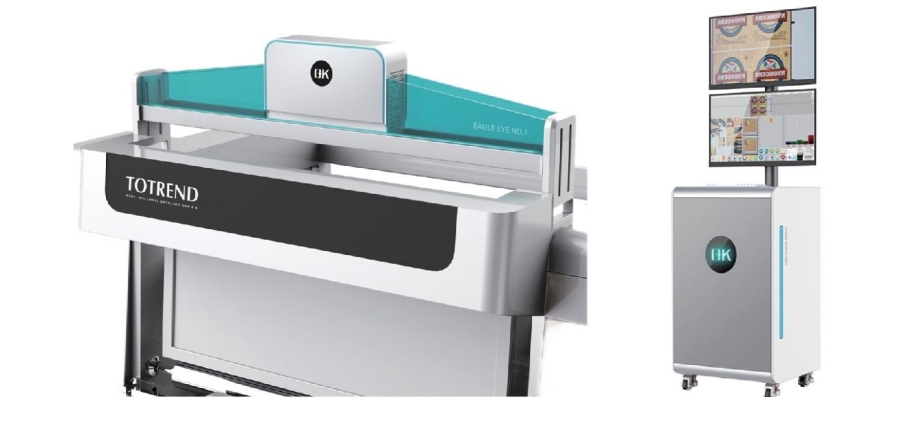
In the fast-paced world of manufacturing, maintaining high-quality standards is paramount. Companies increasingly turn to advanced technologies that provide precise, real-time monitoring and analysis of their production processes. Multi-sensor web inspection systems have emerged as powerful tools, leveraging various sensor technologies to monitor and enhance the quality of materials continuously processed in manufacturing.
Understanding Multi-Sensor Web Inspection Systems
A multi-sensor web inspection system integrates various types of sensors to monitor and evaluate the quality of continuous materials, or webs, such as paper, plastic, metals, textiles, and nonwovens during the manufacturing process. These systems are designed to detect defects, inconsistencies, and other issues that could compromise the final product’s quality.
Key Components of Multi-Sensor Web Inspection Systems
1. Optical Sensors
High-Resolution Cameras: Capture detailed images of the web surface to detect surface defects, including scratches, holes, stains, and discolorations.
Laser Scanners: Use laser beams to scan the surface, providing precise measurements and detecting minute surface irregularities like fine cracks and texture variations.
2. Thermal Sensors
Infrared (IR) Cameras: Detect infrared radiation emitted by the web, creating thermal images to show temperature variations and identify issues like overheating or improper curing.
3. Ultrasonic Sensors
Ultrasonic Transducers: Emit high-frequency sound waves that penetrate the material. By analyzing reflected waves, ultrasonic sensors detect internal defects such as voids, delaminations, and thickness variations.
4. X-ray Sensors
X-ray Cameras: Capture images based on the differential absorption of X-rays by the material, ideal for identifying internal inconsistencies like cracks, inclusions, and density variations.
5. Magnetic and Eddy Current Sensors
Magnetic Flux Leakage (MFL) Sensors: Detect defects in ferromagnetic materials by measuring disruptions in magnetic fields caused by flaws.
Eddy Current Sensors: Induce eddy currents in conductive materials and measure the resulting electromagnetic field to identify defects like cracks and inclusions.
6. Lighting Systems
LED Lighting: Provides consistent, bright illumination essential for capturing high-quality images.
Laser Light Sources: Offer concentrated beams of light, highlighting fine surface details and improving detection capabilities.
7. Image Processing and Analysis Software
Image Processing Algorithms: Enhance images and extract relevant features for defect detection.
Machine Learning Models: Analyze large datasets to recognize patterns and predict defects with high accuracy, continuously improving with more data exposure.
8. Data Management Systems
Data Storage Solutions: High-capacity storage systems, including cloud-based solutions, store vast amounts of image and sensor data.
Data Analytics Tools: Analyze stored data, providing insights into the manufacturing process and helping identify trends and recurring issues.
9. User Interface and Control Systems
Graphical User Interfaces (GUIs): Web inspection vision system provide real-time feedback and control over the inspection process.
Automated Control Systems: Adjust inspection parameters based on real-time data, optimizing the inspection process and ensuring consistent quality.
Industrial Applications of Multi-Sensor Web Inspection Systems
1. Automotive Industry
Application: Inspection of metal sheets, coatings, and composite materials.
Benefits: Detects surface defects, ensures consistent thickness of coatings, and verifies weld integrity.
2. Textile Industry
Application: Inspection of fabrics, nonwovens, and other textile materials.
Benefits: Detects defects, ensures pattern consistency, and monitors tensile strength.
3. Packaging Industry
Application: Inspection of plastic films, paperboard, and other packaging materials.
Benefits: Identifies surface defects, ensures dimensional accuracy, and verifies seal integrity.
4. Electronics Industry
Application: Inspection of printed circuit boards (PCBs) and electronic components.
Application: Inspection of packaging materials and processed food products.
Benefits: Detects packaging defects, ensures product uniformity, and identifies contaminants.
Challenges and Future Solutions in Multi-Sensor Web Inspection Systems
Multi-sensor web inspection systems offer comprehensive quality control but face several challenges:
1. Integration Complexity
Solution: Develop standardized interfaces and middleware software to facilitate seamless sensor integration.
2. Data Management
Solution: Implement edge computing, advanced data compression techniques, and cloud-based solutions for efficient data handling.
3. Cost Considerations
Solution: Develop modular and scalable systems, leasing models, and shared service platforms to make these systems more affordable.
4. System Calibration and Maintenance
Solution: Automate calibration and implement predictive maintenance using AI.
5. Environmental Sensitivity
Solution: Develop robust sensor housings and advanced algorithms to compensate for environmental variations.
6. User Training and Expertise
Solution: Enhance training programs using VR and AR, and develop user-friendly interfaces with AI-driven decision support systems.
Conclusion
Multi-sensor web inspection systems are revolutionizing quality control in manufacturing. By leveraging various sensor technologies, these systems provide comprehensive, real-time monitoring and analysis, helping manufacturers ensure the highest quality standards. The future of manufacturing is poised to be smarter and more efficient, with multi-sensor web inspection systems playing a pivotal role in this transformation.
Bolts are among the most common fasteners used across a wide range of applications, from machines and structures to various other objects. However, bolts can loosen over time due to factors like vibration, thermal expansion and contraction, and other environmental influences. This loosening can pose significant safety risks, including machine failure or structural collapse. To mitigate these risks, various bolt anti-loosening measures must be implemented. Each method has its own advantages and disadvantages, and the best choice depends on the specific requirements of the application.
Common Types of Bolt Anti-Loosening Methods
There are three primary types of anti-loosening methods: friction-based, mechanical, and permanent.
1. Friction-Based Methods:
Thread-Locking Compounds: Lubricants that increase friction between the bolt and nut to prevent loosening.
Hexagon self-locking nuts: Nuts designed to create additional friction, reducing the likelihood of loosening under vibration.
2. Mechanical Methods:
Cotter Pins: Pins inserted through the bolt to lock it in place.
Locking Washers: Washers that create mechanical interference to prevent loosening.
Wedge-Shaped Washers: Washers that create a force pressing the bolt and nut together.
3. Permanent Methods:
Heat-Treated Bolts: Bolts treated to resist loosening.
Thread-Locking Adhesives: Adhesives that cure to form a permanent bond.
Rivets: Permanent fasteners that cannot be undone without destroying the rivet.
12 Commonly Used Methods for Bolt Anti-Loosening Design
Here are twelve methods frequently employed to design anti-loosening features into bolts:
1. Double Nuts:
Mechanism: Two nuts are tightened against each other on the same bolt.
Benefit: Increased friction makes it more difficult for the bolt to loosen.
2. Tang Thread Locking:
Mechanism: A tang in the bolt thread engages with a slot in the nut.
Benefit: Provides a mechanical lock to prevent loosening.
3. 30° Wedge Thread Technology:
Mechanism: A wedge-shaped washer is placed between the bolt and nut.
Benefit: The 30° angle enhances the locking mechanism, making it more secure.
4. Self-Locking Nuts:
Mechanism: Special design creates friction between the nut and bolt.
Benefit: Reduces loosening even under vibration.
5. Thread-Locking Adhesive:
Mechanism: Adhesive applied to bolt threads cures to form a hard layer.
Benefit: Popular for high-vibration applications.
6. Wedge Locking Double Washer:
Mechanism: Two washers with a wedge shape create a locking force.
Benefit: High-strength material and serrated edges increase security.
7. Cotter Pins and Slotted Nuts:
Mechanism: Cotter pins secure the bolt; slotted nuts accommodate the pin.
Benefit: Additional security through mechanical locking.
8. Series-Connected Wire Anti-Loosening:
Mechanism: Wires connected to the bolt and nut create a locking force.
Benefit: High-strength wires enhance security.
9. Locking Washers:
Mechanism: Special design creates friction between the washer and bolt.
Mechanism: Spring-like design creates a force pressing the bolt and nut together.
Benefit: High-strength material provides additional security.
11. Heat Staking Technology:
Mechanism: Melting a metal tab onto the bolt creates a permanent bond.
Benefit: Permanent and often used in critical applications.
12. Color-Changing Bolts:
Mechanism: Material changes color under excessive torque.
Benefit: Indicates potential over-tightening and risk of loosening.
Conclusion
The various anti-loosening methods discussed can ensure secure fastening across a wide range of applications. The best method for a particular application depends on specific factors such as vibration, thermal expansion, and the operating environment. By carefully selecting and implementing the appropriate anti-loosening method, engineers can prevent serious safety hazards and ensure the long-term reliability of their designs.
Refrigerated centrifuges are at the forefront of laboratory equipment, enabling a wide range of applications from biology and chemistry to clinical diagnostics. These powerful instruments rely heavily on advanced cooling systems. In this article, we explore the significance of cooling systems in refrigerated centrifuges and delve into the latest technological advancements that are revolutionizing temperature control in centrifugation processes.
1. Preservation of Sample Integrity
Perhaps the most crucial role of cooling systems in refrigerated centrifuges is to maintain sample integrity. Many biological and chemical processes are extremely temperature sensitive. Without sufficient cooling, the heat created by high-speed centrifugation might cause sample degradation, denaturation, or change. Cooling systems ensure a steady and controlled environment within the centrifuge chamber, protecting sensitive samples’ molecular structures.
2. Temperature Control for Precise Experiments
Accurate and reproducible results in scientific investigations rely greatly on precise temperature control. Cooling systems in refrigerated centrifuges allow researchers to establish and maintain specified temperatures, according to the unique needs of various sample types. This is especially important in domains like molecular biology, where DNA, RNA, and proteins can be extremely sensitive to temperature fluctuations.
3. Prevention of Thermal Stress
The forces created during centrifugation might cause thermal stress to samples. Cooling systems serve an important function in dispersing heat and minimizing thermal stress, which could impair the samples’ integrity. Maintaining a steady temperature reduces the possibility of artifacts and ensures that the results accurately reflect the attributes of the original samples.
4. Enhanced Versatility in Applications
Advanced cooling systems extend the versatility of refrigerated centrifuges, allowing them to accommodate a diverse range of applications. From routine clinical diagnostics to specialized research protocols, the ability to control and adjust temperatures ensures that these instruments can effectively process various sample types with specific temperature requirements.
5. Longer Centrifugation Duration
In many experiments, especially those involving the separation of complex biological mixtures, centrifugation processes can be time-consuming. Cooling systems enable the extension of centrifugation durations without compromising sample integrity. This is particularly beneficial in experiments that require prolonged exposure to high centrifugal forces.
6. Minimization of Experimental Variability
Maintaining a constant temperature during the centrifugation process reduces experimental variability. Temperature fluctuations can provide inconsistent findings, making it difficult to draw precise conclusions from tests. Cooling systems improve the repeatability and dependability of study findings.
7. Energy Efficiency and Cost Savings
Advanced cooling systems in refrigerated centrifuges are designed to be energy-efficient, contributing to sustainable laboratory practices. Energy-efficient components, such as variable speed compressors, not only reduce power consumption but also lower operational costs in the long run.
Key Components of Advanced Cooling Systems in Refrigerated Centrifuges
1. Cryogenic Cooling Technology
In some advanced refrigerated centrifuges, cryogenic chilling technology is used. This entails fast reaching extremely low temperatures using liquefied gases such as liquid nitrogen or liquid helium. Cryogenic cooling is extremely successful at maintaining accurate and consistent temperatures during centrifugation.
2. Variable Speed Compressors
Variable speed compressors are an essential part of modern cooling systems. These compressors can alter their rotation speed to meet cooling demands, allowing for precise temperature control. The ability to dynamically adjust compressor speed enhances energy efficiency and ensures that the temperature within the centrifuge chamber remains stable, even during varying loads or environmental conditions.
3. Heat Exchangers
Integrated heat exchangers play a significant role in the efficient dissipation of heat generated during centrifugation. These heat exchangers transfer heat away from the centrifuge chamber, helping to maintain a consistent temperature. Advanced designs optimize the heat exchange process, contributing to temperature uniformity and preventing fluctuations that could affect sample integrity.
4. Insulation Materials
The choice of insulation materials is crucial in minimizing heat exchange between the inside and outside of the centrifuge. Advanced cooling systems incorporate high-quality insulation materials with low thermal conductivity. This insulation helps to create a well-isolated environment, reducing the impact of external temperature variations on the samples being processed.
5. Thermal Sensors and Monitoring Systems
To ensure precise temperature control, advanced cooling systems are equipped with thermal sensors and monitoring systems. These sensors continuously measure the temperature within the centrifuge chamber, providing real-time feedback to the control system. The monitoring system adjusts cooling parameters based on this feedback, ensuring that the set temperature is maintained accurately.
6. Adaptive Cooling Algorithms
Some refrigerated centrifuges use adaptive cooling algorithms that automatically modify cooling parameters in response to changing conditions. These algorithms include aspects like load variations, changes in ambient temperature, and the unique needs of the samples being processed. This adaptive technique ensures optimal temperature regulation under a variety of conditions.
7. User-Programmable Cooling Protocols
Advanced cooling systems often include user-programmable cooling protocols. Researchers can customize temperature profiles based on the specific needs of their experiments. This level of customization allows for flexibility in handling diverse sample types and conducting experiments with varying temperature requirements.
8. Low-Noise Cooling Systems
The noise generated by cooling systems can impact the laboratory environment. Advanced refrigerated centrifuges are designed with low-noise cooling systems, reducing disruptions in shared laboratory spaces. This is achieved through the use of sound-dampening materials and optimized cooling system designs.
9. Energy-Efficient Components
Energy efficiency is a key consideration in the design of advanced cooling systems. Components such as variable speed compressors, energy-efficient motors, and optimized heat exchangers contribute to reducing overall energy consumption. This not only benefits the environment but also aligns with the trend toward sustainable laboratory practices.
10. Safety Features
Advanced cooling systems often incorporate safety features, such as overheat protection and fail-safe mechanisms. These features ensure that the refrigerated centrifuge operates within specified temperature limits, minimizing the risk of damage to samples or the centrifuge itself.
Conclusion
The continuous evolution of refrigerated centrifuges is characterized by ground-breaking advances in cooling systems. These advancements provide researchers with accurate temperature control, sample preservation, and flexibility in experimental applications. As technology advances, we may expect increasingly more advanced cooling systems that will enhance the capabilities of refrigerated centrifuges, making them important equipment in laboratories doing cutting-edge scientific research and diagnostic developments.