Understanding and Optimizing Various Quality Metrics for Ensuring Superior Digital Printing Quality

Digital printing has transformed the print industry, providing unprecedented flexibility, speed, and cost-effectiveness. However, ensuring high-quality digital prints necessitates meticulous attention to various quality metrics. These metrics serve as benchmarks for assessing and maintaining print quality, guaranteeing that the final product meets the desired standards. This article delves into the essential metrics for evaluating digital printing quality, highlighting their importance and how they can be optimized.

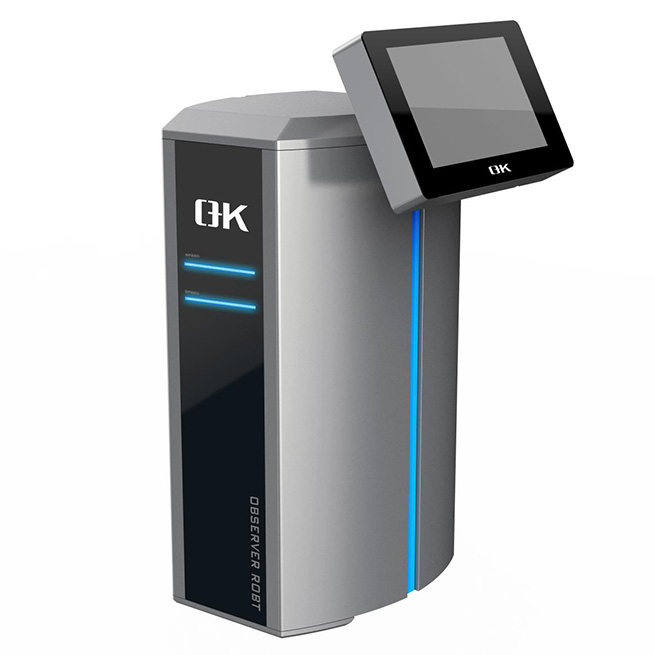
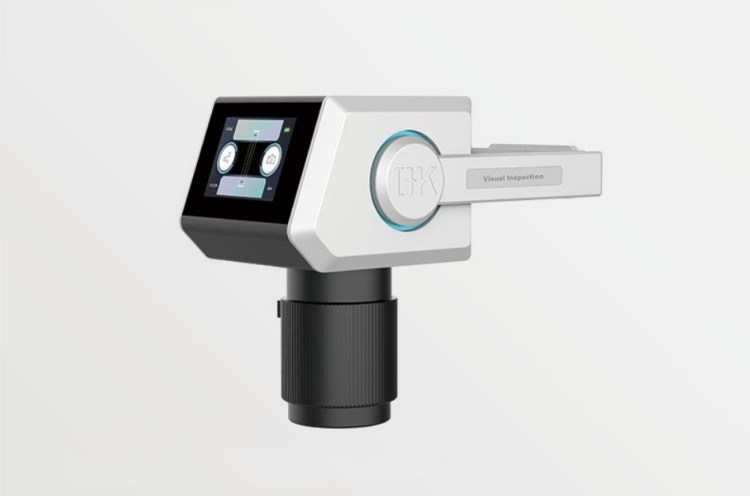
Innovative Vision Printing Inspection System

Key Metrics for Evaluating Digital Printing Quality

Color Accuracy

Delta E (ΔE): A numerical representation of the difference between the intended color and the printed color. A lower ΔE value indicates higher color accuracy, with values under 3 generally considered acceptable in most applications.

Color Gamut: The range of colors a printer can produce. A wider color gamut ensures that the printer can reproduce a broader spectrum of colors, enhancing overall print quality.

Gray Balance: Ensures that neutral grays are printed without color casts, which is vital for maintaining the integrity of black-and-white images and neutral tones in color images.

Resolution and Detail

Effective Resolution: Refers to the actual resolution achieved on the printed material, which may differ from the nominal resolution due to various factors such as ink spread and media characteristics.

Linearity: The ability to reproduce fine lines and details accurately without distortion or blurring.

Registration Accuracy

Registration Tolerance: The allowable deviation from perfect alignment, typically measured in microns. Lower tolerance values indicate better registration accuracy.

Dot Gain/Spread: The increase in dot size as ink spreads on the paper, which can affect registration and overall print sharpness.

Ink Density and Coverage

Ink Density: Measured using densitometers or spectrophotometers, this metric ensures that the correct amount of ink is applied for each color.

forUniformity of Coverage: Assesses the evenness of ink distribution across the print, critical for large solid areas and gradients.

Surface Finish and Texture

Gloss Level: The amount of light reflected from the print surface, which can range from matte to high gloss. Consistent gloss levels across a print ensure a uniform appearance.

Surface Smoothness: Evaluated using techniques such as profilometry, this metric measures the micro-texture of the printed surface, impacting the visual and tactile experience.

Durability and Longevity

Lightfastness: The resistance of printed colors to fading when exposed to light, crucial for outdoor and archival prints.

Water and Scratch Resistance: Ensures that prints can endure handling and exposure to moisture without significant degradation.

Strategies for Optimizing Digital Printing Quality

Optimizing digital printing quality is crucial for achieving professional and high-quality prints that meet client expectations and industry standards. The following strategies focus on various aspects of the printing process, from equipment calibration to environmental control, to ensure superior print quality.

Regular Calibration and Maintenance

Printer Calibration: Regularly calibrate your printers using calibration tools and software. This helps maintain color consistency and accurate ink application.

Routine Maintenance: Perform routine maintenance, including cleaning print heads, checking ink levels, and inspecting mechanical parts. Regular upkeep prevents mechanical failures and print defects.

Color Management

ICC Profiles: Use International Color Consortium (ICC) profiles for accurate color representation. These profiles help manage color consistency across different devices and media.

Monitor Calibration: Calibrate monitors regularly to ensure that the colors displayed on the screen match the printed output.

Soft Proofing: Use soft proofing techniques to preview how colors will look when printed. This can help identify and correct color issues before printing.

High-Quality Media and Ink

Choose the Right Media: Select high-quality paper or other print media that is compatible with your printer and suitable for the specific job. The right media can enhance color vibrancy and detail.

Use High-Quality Inks: Use manufacturer-recommended inks to ensure compatibility and optimal performance. High-quality inks produce better color accuracy and longevity.

Resolution and Image Quality

Image Resolution: Ensure that your digital files have a resolution of at least 300 DPI for standard printing. Higher resolutions may be needed for large-format prints.

Effective Use of Software: Use photo editing and design software to enhance image quality. Correct issues such as noise, pixelation, and low resolution before printing.

Registration and Alignment

Registration Checks: Regularly check and adjust the registration settings on your printer. Ensure that color layers align perfectly to avoid any misregistration issues.

Dot Gain Control: Monitor and control dot gain, which can cause ink spread and affect sharpness. Adjust printer settings to compensate for dot gain and ensure crisp prints.

Ink Density and Coverage

Ink Density Settings: Adjust ink density settings according to the media being used. Use densitometers or spectrophotometers to measure and ensure correct ink application.

Uniform Coverage: Ensure uniform ink coverage to prevent issues such as banding and mottling. This is especially important for large solid areas and gradients.

Surface Finish and Texture

Consistent Gloss Levels: Maintain consistent gloss levels across prints to ensure a uniform appearance. Choose the appropriate gloss level (matte, satin, gloss) based on the desired outcome.

Smooth Surface: Ensure that the printed surface is smooth and free of imperfections. This can be achieved by using high-quality media and maintaining clean print heads.

Environmental Control

Optimal Conditions: Maintain optimal temperature and humidity levels in the printing area. Extreme conditions can affect ink drying and paper stability, leading to print defects.

Dust and Debris Control: Keep the printing area clean and free of dust and debris. Contaminants can cause print defects and damage equipment.

defect inspection machine

Quality Control and Testing

Regular Testing: Conduct regular test prints to check for color accuracy, resolution, and other quality metrics. Use these tests to make necessary adjustments.

Quality Assurance Procedures: Establish quality assurance procedures to monitor and maintain print quality. This can include visual print quality inspection system, automated quality checks, and feedback loops.

web video inspection machine

Conclusion

Maintaining superior digital printing quality involves understanding and optimizing various quality metrics. In a competitive market, excellence in digital printing quality metrics not only satisfies clients but also sets a benchmark for industry standards.

Improving Marine Windows: A Breakthrough in Materials and Coatings

Marine windows are the vessel’s eyes to the world, demanding exceptional durability, clarity, and safety. The unforgiving marine environment, with its salty air, intense UV rays, and forceful impacts, poses significant challenges. However, advancements in materials and coatings have revolutionized marine window technology, enhancing vessel safety, comfort, and overall performance.

marine window

Reinventing the Glass: Advanced Materials

Chemically Strengthened Glass: This glass undergoes a chemical process that dramatically boosts its strength and resistance to scratches and impacts compared to traditional tempered glass. Moreover, it breaks into smaller, less harmful pieces, prioritizing onboard safety.

High-Performance Laminated Glass: Incorporating multiple interlayers like SentryGlas® ionoplast, this glass offers unparalleled structural integrity, resilience, and clarity. It also excels at blocking UV rays and reducing noise.

Advanced Polymers: Polycarbonates have been fortified with new formulations to enhance impact resistance and clarity, making them ideal for high-stress marine conditions. Additionally, acrylics now feature integrated scratch-resistant coatings for improved durability without compromising visual quality.

The Future of Marine Windows: Material Innovations

Advanced Composites: Combining the best of different materials, these composites promise superior impact resistance, lighter weight, and flexibility. For instance, glass-polymer or glass-ceramic hybrids could offer the perfect balance of durability and clarity for demanding marine environments.

Enhanced Durability: Ongoing research into new polymers and nano-engineered materials aims to create windows that are virtually indestructible against impacts, scratches, and environmental degradation. This will significantly reduce maintenance costs and improve vessel safety.

Eco-Friendly Focus: The maritime industry is embracing sustainability by exploring bio-based polymers, recycled materials, and other eco-friendly options. These materials aim to match or exceed the performance of traditional materials while minimizing environmental impact.

Unparalleled Clarity: Future marine windows will boast exceptional clarity, reducing distortion and glare for improved navigation and passenger comfort. Advanced glass formulations and polymer technologies are at the forefront of this development.

Smart Thermal Management: Advanced coatings or composites will efficiently manage heat, maintaining a comfortable interior temperature, reducing energy consumption, and enhancing overall vessel efficiency.

Rigorous Testing: To ensure the utmost reliability, marine window materials will undergo rigorous testing and simulation under various extreme conditions. This will lead to the development of highly dependable and high-performing products.

Cutting-Edge Coatings: Enhancing Performance

Nanotechnology-Based Coatings: These ultra-thin coatings offer exceptional scratch resistance, UV protection, and water repellency without adding weight or thickness. They also create self-cleaning surfaces, reducing maintenance efforts.

Electrochromic Coatings: These dynamic coatings allow for on-demand control of light and heat entering the vessel, optimizing comfort and energy efficiency. They also provide UV protection and reduce glare.

Multi-Functional Coatings: Combining anti-reflective, hydrophobic, and UV-resistant properties into a single layer, these coatings enhance overall performance and durability of marine windows.

Thermochromic Coatings: Responding to temperature changes, these coatings regulate the interior temperature by controlling heat transfer, contributing to energy efficiency.

Marine Side Scuttle Porthole Window

Conclusion

The advancements in marine window materials and coatings are transforming the maritime industry. With enhanced durability, safety, clarity, and functionality, these innovations are setting new standards for vessel performance. As research progresses, we can anticipate even more groundbreaking solutions, such as smart windows and eco-friendly materials, to meet the evolving demands of the marine environment.

XRF and AAS: Unique Strengths and Applications in Elemental Analysis

In the realm of elemental analysis, two powerful techniques reign supreme: X-ray fluorescence (XRF) and atomic absorption spectroscopy (AAS). Both unveil the hidden secrets of a material’s elemental composition, but each shines brightest in different applications. From fertile fields to gleaming metals, let’s delve into the unique strengths of XRF and AAS, exploring their diverse applications across various industries.

XRF and AAS

Why We Use XRF and AAS?

XRF: The Speedy Scanner, Unveiling a Spectrum of Elements

Imagine a tool that can instantly paint an elemental portrait of your sample, from trace metals in soil to heavy elements in alloys. XRF bombards the sample with X-rays and analyzing the fluorescent emissions to identify and quantify elements. Its advantages are numerous:

Rapid analysis: XRF delivers results in seconds to minutes, making it ideal for real-time field analysis or high-throughput screening.

Non-destructive: No harsh chemicals or sample preparation are needed, preserving the integrity of the sample.

Multi-elemental analysis: XRF can detect a wide range of elements simultaneously, offering a comprehensive picture of the sample’s composition.

Portability: Handheld XRF instruments make on-site analysis a breeze, perfect for environmental studies, archaeology, and forensics.

XRF spectroscopic analytical tool

AAS: The Precision Champion, Diving Deep into Specific Elements

While XRF offers a broad elemental vista, AAS focuses on a single element with laser-like precision. It vaporizes the sample, then measures the absorption of specific wavelengths of light by the atomized element. This targeted approach boasts its own set of strengths:

Unmatched sensitivity: AAS can detect extremely low concentrations of specific elements, crucial for trace element analysis.

High accuracy and reproducibility: Quantifying elements with exceptional precision, ideal for research and quality control applications.

Wide range of applicable elements: AAS can analyze most elements in the periodic table, making it versatile for various needs.

Key Applications of XRF and AAS

Soil Analysis: Unlocking Earth’s Secrets

XRF: Peering into the Earth’s Composition

XRF shines when it comes to soil analysis. By irradiating a soil sample with X-rays, XRF can identify and quantify elements present in the soil, ranging from essential nutrients like potassium and phosphorus to potential contaminants like heavy metals. Its non-destructive nature allows for efficient analysis without altering the integrity of the sample.

AAS: Unraveling Trace Elements

On the other hand, AAS excels in detecting trace elements in soil. Whether it’s investigating the presence of toxic heavy metals or evaluating nutrient levels critical for plant growth, AAS provides sensitivity at lower concentration levels, offering a complementary approach to soil analysis.

Environmental Monitoring: Tracing Pollutants

XRF: Rapid Screening for Heavy Metals

XRF’s ability to rapidly analyze a wide range of elements makes it a go-to technique for environmental monitoring. It facilitates quick screening for heavy metal pollutants in air, water, and soil, aiding in identifying contamination sources and assessing the environmental impact.

AAS: Precision in Elemental Quantification

AAS, with its high precision at lower concentrations, complements XRF in environmental studies by offering detailed quantification of specific elements. This precision is crucial when regulatory limits are stringent, providing the accuracy needed for compliance monitoring.

Material Characterization: Probing the Composition of Metals

XRF: Elemental Mapping of Alloys

When it comes to the metallurgical realm, XRF stands out in material characterization. It can provide elemental maps of metal alloys, helping engineers and scientists understand the distribution of elements within a sample. This is vital for quality control in industries where the composition of alloys determines performance.

AAS: Trace Metal Analysis in Metals

AAS takes the spotlight in trace metal analysis within metallic samples. Whether it’s assessing the purity of precious metals or identifying impurities in industrial alloys, AAS offers the sensitivity required for detailed investigations, ensuring the integrity of metal products.

Clinical and Biological Applications: AAS in the Limelight

Double Beam DW-AA320N Atomic Absorption Spectrophotometer (1 Lamp Stand)

XRF: Limited Applicability in Biological Samples

While XRF finds its strength in solid and inorganic samples, its use in biological and clinical samples is limited due to the potential for interference from organic matrices. This makes AAS the preferred choice for analyzing biological samples, from blood and urine to tissues, in medical and forensic investigations.

Conclusion: Choosing the Right Tool for the Task

In the diverse landscape of analytical chemistry, XRF and AAS emerge as powerful techniques with unique strengths and applications. From soil analysis to metal characterization, each method plays a distinct role in unraveling the mysteries of elemental composition. The choice between XRF and AAS ultimately depends on the specific needs of the analysis, highlighting the importance of understanding their strengths and limitations in various applications. As technology advances, these techniques continue to evolve, expanding their capabilities and contributing to our ever-growing understanding of the elemental world.

Advancements in Crude Oil Drilling: Why Choosing Integrating Simulation Technology

Crude oil, often referred to as “black gold,” is a cornerstone of modern society. It fuels our vehicles, heats our homes, and plays a crucial role in various industrial activities. The journey of crude oil from deep beneath the Earth’s crust to refineries, where it is transformed into multiple products, begins with the complex and fascinating process of crude oil drilling. This article delves into the intricate steps involved in crude oil drilling and the role of simulation technology in enhancing these processes.

drilling system - ocean and land

Key Steps in Crude Oil Drilling

The Search for Oil Reservoirs

The drilling process starts with extensive geological studies and exploration. Geologists and geophysicists use techniques like seismic surveys to locate potential oil deposits beneath the Earth’s surface. Sound waves are transmitted into the ground, and their reflections are analyzed to create a detailed subsurface map.

Once a promising site is identified, drilling companies perform further tests, including exploratory drilling, to confirm the presence of oil. This step is crucial, as drilling an unsuccessful well can be highly costly.

Drilling Rig Setup

After identifying a suitable location, a drilling rig is transported to the site. This massive structure is equipped with specialized drilling machinery and tools, serving as the platform for drilling operations.

The Drilling Process

Spudding: The drilling process begins with “spudding,” which involves drilling a shallow, wide hole called a “spud hole.” This stabilizes the drilling rig and prevents it from tilting or sinking.

Drilling the Hole: Once the spud hole is completed, the drill bit is lowered into the hole. As it rotates, it crushes rocks and other materials in its path. Drilling mud, a mixture of water and specialized additives, is continuously pumped into the hole to lubricate the bit, carry cuttings to the surface, and maintain pressure.

Casing Installation: Steel pipe casings are inserted as the hole deepens to stabilize the wellbore and prevent collapse. Cement is then pumped between the casing and the rock to form a tight seal, preventing oil or gas from leaking into surrounding formations.

Drilling Continues: The process advances through various geological layers, each with unique characteristics. Geologists analyze drill cuttings to understand the Earth’s strata and the presence of hydrocarbons.

Well Completion: Drilling halts when the desired depth is reached, and oil is encountered. The well is then completed by installing production equipment such as a wellhead and a “Christmas tree” (a set of valves and fittings).

Oil Extraction and Production

Once the well is completed, oil is brought to the surface using natural reservoir pressure and artificial lift systems like pumps or gas injection. The extracted oil is collected in storage tanks before being transported to refineries for processing.

The Role of Simulation Technology in Crude Oil Drilling

Simulation technology significantly enhances the safety, cost-efficiency, and effectiveness of crude oil drilling processes by providing a virtual environment that mimics real-world conditions.

Training and Skill Development

Drilling Crew Training: Drilling workers, including operators and engineers, use drilling simulation training systems to practice various scenarios in a risk-free virtual environment, improving their skills and decision-making abilities.

Emergency Response Training: Simulations prepare drill crews for emergency situations like blowouts and well control issues, crucial for maintaining rig safety.

virtual reality emergency training simulator

Well Planning and Design

Reservoir Modeling: Simulations create detailed reservoir models, offering insights into the geology, pressure, and fluid characteristics of the subsurface, essential for developing effective drilling strategies.

Drilling Fluid Selection: Simulating the behavior of drilling fluids under downhole conditions ensures proper well pressure control and effective cuttings transport.

Real-time Drilling Operations

Digital Twins: Some companies use digital twin technology to create real-time digital replicas of the drilling operation, allowing for real-time monitoring and adjustment of drilling parameters to optimize performance and safety.

Geosteering: Geosteering simulations help drillers make real-time decisions on wellbore placement by comparing virtual models with actual drilling data, optimizing reservoir exposure.

Equipment and Tool Testing

Drill Bit Performance: Simulations assess the performance of different drill bit designs and materials, aiding in the selection of the most suitable bit for specific geological conditions, enhancing drilling efficiency and bit longevity.

Drilling Rig Operations: Simulations test the operation of drilling rigs and equipment under various conditions, preventing equipment failures and optimizing rig design.

Risk Assessment and Safety

Hazard Identification: Simulation technologies identify potential hazards and risks associated with drilling operations, enabling the implementation of safety measures to mitigate these risks.

Blowout Prevention: Simulations develop and test blowout prevention strategies, critical for averting catastrophic events during drilling.

Cost Optimization

Drilling Cost Estimation: Simulations help operators estimate the costs associated with different drilling scenarios, aiding in budgeting and cost management.

Efficiency Improvement: Drilling simulators identify opportunities to optimize drilling parameters, reduce downtime, and improve overall operational efficiency.

Cyberchair Drilling Simulator

Conclusion

The advancements in crude oil drilling and the integration of simulation technology have transformed the industry. From precise geological surveys and sophisticated drilling techniques to the use of virtual environments for training and planning, these innovations ensure safer, more efficient, and cost-effective operations. As technology continues to evolve, the future of crude oil drilling promises even greater improvements in sustainability and productivity.

Innovative Sensor Technologies Used in Tension Control Systems

Advanced sensor technologies have revolutionized tension control systems by providing enhanced accuracy, real-time feedback, and adaptability to various materials and processes. This article explores the latest advancements in tension sensor technologies used in tension control systems, highlighting their principles, benefits, and applications.

LS200 seated tension sensors

The Critical Role of Tension Sensors in Tension Control Systems

Tension control systems are designed to maintain a constant tension in materials as they are processed. This is essential to prevent defects such as stretching, breaking, or wrinkling, which can compromise product quality. Effective tension control involves continuously monitoring the tension and making real-time adjustments to keep it within the desired range.

Tension sensors are the cornerstone of tension control systems. They provide the necessary feedback by measuring the tension and other relevant parameters of the material being processed. This data is then used to adjust the control mechanisms, ensuring that the tension remains consistent throughout the production process.

Advancements in Tension Sensor Technologies for Tension Control Systems

Load Cells

Principle: Load cells measure the force exerted by the material as it travels through the system, converting mechanical force into an electrical signal proportional to the tension.

Advantages:

High Accuracy and Sensitivity: Essential for maintaining consistent tension.

Real-Time Feedback: Instantaneous data allows for immediate adjustments, enhancing control and reducing errors.

Versatility: Available in a wide range of capacities to suit different materials and applications.

Applications:

Web Tension Control: Ensures uniform tension in paper and film production.

Wire and Cable Manufacturing: Maintains desired tension for quality control.

Textile Processing: Ensures consistent tension in fabric production processes.

Limitations:

Installation Complexity: Requires careful setup and calibration.

Mechanical Wear: Potential for wear and tear over time, necessitating maintenance.

Dancer Roll Systems

Principle: Utilizes a movable roller that adjusts its position based on the material’s tension. Sensors monitor the roller’s position, providing feedback to the control system to maintain consistent tension.

Advantages:

Simplicity and Effectiveness: Straightforward mechanism that effectively controls tension.

Smooth Adjustments: Provides continuous tension adjustments.

Flexibility: Suitable for various materials and operating speeds.

Applications:

Printing Presses: Maintains tension for high-quality prints.

Converting Processes: Used in laminating, coating, and other converting operations.

Laminating Operations: Ensures even tension during the laminating process.

Limitations:

Space Requirements: Requires adequate physical space for installation.

Mechanical Wear: Components may wear out over time.

Optical and Laser Sensors

Principle: Use light beams to measure the position and movement of the material. Variations in the material’s position or speed are detected, enabling precise tension control.

Advantages:

Non-Contact Measurement: Reduces wear and maintenance.

High Precision: Offers excellent accuracy and fast response times.

Versatility: Suitable for measuring delicate or high-speed materials.

Applications:

Thin Film Production: Ensures precise tension in thin film materials.

High-Speed Printing: Maintains tension in fast-paced printing processes.

Textile Manufacturing: Used for inspection and quality control.

Limitations:

Environmental Sensitivity: Performance can be affected by dust, light, and other environmental factors.

Higher Initial Cost: More expensive compared to traditional sensors.

LS600 Cantilever Tension Sensor

Ultrasonic Sensors

Principle: Emit high-frequency sound waves to measure the distance to the material. Changes in the distance indicate variations in tension, which are used to adjust the control systems.

Advantages:

Non-Contact and Non-Destructive: Avoids damage to materials.

Insensitive to Material Properties: Effective regardless of material color and transparency.

Durability: Performs well in harsh environments.

Applications:

Paper Production: Maintains tension in paper manufacturing.

Textile Processing: Ensures consistent tension in fabric production.

Metal Strip Production: Controls tension in metal processing.

Limitations:

Range and Resolution: Limited measurement range and resolution compared to other sensors.

Interference: Can be affected by external noise.

Capacitive Sensors

Principle: Detect changes in capacitance between the tension sensor and the material. Variations in material thickness, position, or tension alter the capacitance, providing feedback for tension control.

Advantages:

High Sensitivity: Detects subtle changes in material properties.

Non-Contact Measurement: Minimizes wear and maintenance.

Effectiveness with Thin Materials: Suitable for measuring thin and lightweight materials.

Applications:

Thin Film and Plastic Extrusion: Maintains tension during extrusion processes.

Coating Processes: Ensures even tension in coating applications.

Semiconductor Manufacturing: Used for quality control in semiconductor production.

Limitations:

Environmental Sensitivity: Performance can be influenced by humidity and temperature changes.

Calibration Needs: Requires precise calibration and setup.

LS400 and LS500 Through-shaft Tension Sensor

Conclusion

Advanced tension sensor technologies are integral to modern tension control systems, providing precise and reliable measurement capabilities essential for maintaining product quality and optimizing production processes. Load cells and dancer roll systems offer robust solutions for various materials and speeds, while optical, laser, ultrasonic, and capacitive sensors provide non-contact alternatives with high accuracy and fast response times. Selecting the appropriate sensor technology depends on specific application requirements, environmental conditions, and material characteristics, ensuring optimal performance and control.

What are Effective Methods for Removing Rust from Battery Springs

Battery springs are crucial for ensuring electrical conductivity and maintaining a secure connection between batteries and devices. Over time, these springs can rust and corrode, impairing their efficiency and jeopardizing the functionality of electronic devices. This article focuses on effective methods for removing rust from battery springs and ensuring their restoration and longevity, thereby extending their lifespan.

AA battery springs

Understanding Rust on Battery Springs

Rust, also known as iron oxide, is a type of corrosion that develops when metal surfaces come into contact with moisture and oxygen. Battery springs, often made of steel, are susceptible to rust under these conditions. Rust not only degrades the appearance of the springs but also forms a barrier that prevents electrical conduction, leading to poor battery performance.

Removing rust is essential for restoring battery spring functionality. However, it is important to approach this task with caution to avoid causing further damage.

Mechanical Methods for Removing Rust

Abrasive Techniques:

Materials: Use abrasive items like sandpaper or steel wool.

Process: Gently rub the rusty areas of the battery spring with fine-grit sandpaper or steel wool. If necessary, progress to coarser grits. This technique physically removes rust from the surface. Be cautious with the pressure applied to avoid breaking or deforming the spring.

Wire Brush:

Materials: Small wire brush, preferably with brass bristles.

Process: Scrub the rusty areas gently using back-and-forth or circular motions. Apply pressure carefully to prevent deforming the spring. After scrubbing, use a clean cloth to wipe away any debris or loose rust particles.

Chemical Methods for Removing Rust

Vinegar:

Process: Soak the rusty battery spring in white vinegar for several hours or overnight. The acidic properties of vinegar help dissolve the rust. After soaking, gently scrub the spring with a toothbrush or cloth to remove any remaining rust. Rinse and dry the spring thoroughly to prevent further rusting.

Lemon Juice and Baking Soda:

Process: Create a paste by mixing lemon juice and baking soda until thick. Apply the paste to the corroded areas of the battery spring and let it sit for a few minutes. The citric acid in lemon juice and the mild abrasiveness of baking soda work together to dissolve the rust.

Rust Dissolver:

Process: Commercial rust removers or rust-dissolving solutions can effectively remove rust from battery springs. Follow the instructions of spring manufacturers, usually involving soaking the spring in the solution for a specified time to allow the chemicals to dissolve the rust. After treatment, rinse the spring with water and dry it thoroughly.

coil battery springs

Preventive Measures to Avoid Rust Formation

Moisture Control:

Storage: Keep batteries and electronic devices away from damp areas to reduce moisture exposure. Store them in dry locations and avoid extended exposure to water or humid environments.

Protective Coating:

Application: Apply a thin layer of protective coating, such as clear nail polish or a rust inhibitor, to the battery springs. This barrier helps prevent moisture contact and rust formation.

Proper Storage:

Methods: Store batteries or battery-powered equipment in a cool, dry place. Use airtight containers or ziplock bags to protect against moisture and dust.

Battery Spring Manufacturer

Summary

Rust on battery springs can impair the functionality and performance of electrical devices. However, rust removal is feasible using effective mechanical and chemical methods, allowing for the restoration and durability of these critical components. Handle rust removal carefully to avoid damaging the battery springs. Implementing preventive measures can help extend the service life of battery springs and ensure optimal performance.

A Comprehensive Overview of Flame Atomic Absorption Spectrophotometer (FAAS)

The Flame Atomic Absorption Spectrophotometer (FAAS) is a prevalent analytical technique used to determine the concentration of metal elements in a sample. It operates on the principle of atomic absorption, where atoms in a flame absorb light at specific wavelengths, reducing the intensity of transmitted light. This article explores the types of flames used in FAAS as well as its applications, and its pros and cons to highlight its significance in analytical chemistry.

Flame Atomic Absorption Spectrophotometer DW-320

Types of Flames Used in FAAS

1. Air-Acetylene Flame:

Temperature: Approximately 2300°C

Stability: High degree of stability

Ideal for: Elements easily atomized at lower temperatures (e.g., sodium, potassium, calcium, magnesium)

Limitations: Not suitable for elements requiring higher temperatures for atomization (e.g., aluminum, chromium, iron)

2. Nitrous Oxide-Acetylene Flame:

Temperature: Approximately 2700°C

Environment: More reducing

Ideal for: Elements that are difficult to atomize with air-acetylene flame

Advantages: Prevents formation of refractory metal oxides

Limitations: Higher operating costs and requires additional safety precautions due to the use of nitrous oxide

Choosing the Right Flame:

Elements to be Analyzed: Different elements require different temperatures for atomization.

Concentration of Elements: Higher concentrations may necessitate a lower-temperature flame to prevent ionization.

Sensitivity Required: A higher-temperature flame may provide better sensitivity for certain elements.

Presence of Interferences: Some flames may be more susceptible to interferences from other elements.

Applications of FAAS

Flame atomic absorption spectrophotometer can analyze various samples for their metal and metalloid content. Examples include:

Liquid Samples:

Environmental: Water, wastewater, soil, sediment, air filters

Biological: Blood, serum, urine, tissues, food products

Geological: Rocks, minerals, ores

Industrial: Petroleum, lubricants, polymers

Pharmaceutical: Drugs, cosmetics

Solid Samples:

Powdered Samples: Can be directly analyzed after suitable preparation

Metals and Alloys: Can be dissolved in suitable acids and analyzed

Specific Elements Analyzed by FAAS:

Alkali Metals: Li, Na, K

Alkaline Earth Metals: Mg, Ca, Sr

Transition Metals: Fe, Cu, Zn, Mn, Ni, Co, Cr, Cd, Pb

Metalloids: As, Se, Sb, Bi

Advantages and Disadvantages of FAAS

Advantages:

High Sensitivity: Detects very low concentrations of elements, typically in ppm or ppb range.

Wide Linear Range: Absorption of light increases proportionally with analyte concentration over a wide range.

Multi-Element Analysis: Can analyze multiple elements simultaneously using different lamps.

Simple Sample Preparation: Often involves dissolving the sample in an appropriate solvent.

Cost-Effective: Relatively inexpensive to purchase and operate compared to other analytical techniques.

Disadvantages:

Limited Atomization Efficiency: Only a small fraction of the analyte is converted into atoms, limiting sensitivity for some elements.

Matrix Interferences: Other elements in the sample can interfere with the analysis.

Limited Applicability: Not suitable for volatile elements or elements difficult to atomize.

Limited Elemental Range: Primarily used for metals and some non-metals, not suitable for organic compounds.

Environmental Concerns: Use of flammable gases can be a safety hazard and harmful to the environment.

Chemical Interferences: Certain chemicals in the sample can interfere with atomization, leading to inaccurate results.

Alternative Techniques:

Graphite Furnace Atomic Absorption Spectrometry (GFAAS): Offers higher sensitivity than FAAS.

Inductively Coupled Plasma Atomic Emission Spectrometry (ICP-AES): Can analyze a wider range of elements.

Inductively Coupled Plasma Mass Spectrometry (ICP-MS): Provides the highest sensitivity among atomic spectroscopy techniques.

Conclusion:

FAAS is a powerful analytical technique known for its simplicity, sensitivity, and wide applicability. Despite its limitations, it remains a popular choice for analyzing metal elements in various fields. Selecting the appropriate flame type and optimizing analytical conditions are crucial for achieving reliable and accurate results.

How Much Do You Know about Offshore Drilling

Offshore drilling, the process of extracting oil and natural gas from beneath the seabed, has been a vital part of the global energy landscape for over a century. Its history is marked by technological advancements, environmental challenges, and significant contributions to the world’s energy supply.

drillship offshore

Early Beginnings and Technological Advancements

The earliest recorded attempts at offshore drilling date back to the late 1890s, with wooden platforms constructed in shallow waters near California’s coastline. Technological advancements in the 1930s and 1950s, such as the development of steel platforms, mobile offshore drilling units (MODUs), and directional drilling, enabled drilling in deeper waters and more remote locations, expanding the potential for offshore exploration and production.

Environmental Concerns and Technological Innovations

As offshore drilling activities expanded, so did concerns about their environmental impact. The 1969 Santa Barbara oil spill highlighted the potential risks of offshore drilling, leading to stricter environmental regulations in the 1970s and 1980s. Technological innovations in the 1990s, such as improved seismic imaging and ultra-deepwater drilling equipment, enabled exploration and production in deepwater reserves, located in waters deeper than 1,000 meters (3,281 feet).

Offshore Drilling Today and the Future

Today, offshore drilling remains a critical component of the global energy supply. The Deepwater Horizon oil spill in 2010 brought renewed focus on safety and environmental protection measures, leading to stricter regulations and industry-wide reforms. The future of offshore drilling is likely to involve further exploration of deepwater and ultra-deepwater reserves, the development of cleaner drilling technologies, and a focus on sustainable energy production. As the world seeks to transition to a low-carbon future, offshore drilling will play a role in meeting energy needs while minimizing environmental impacts.

Offshore Drilling: Finding, Extracting & Transporting Crude Oil

Finding Oil

The initial step in the offshore drilling process is finding oil, which is achieved by emitting high-pressure sound waves from a specialized device that utilizes compressed air. These sound waves travel to the ocean floor, bounce back, and are captured by underwater microphones called hydrophones. Scientists analyze this information to identify regions with potential oil and gas reserves.

Exploratory Wells

Once a potential oil reserve is found, an exploratory well is drilled using a Mobile Offshore Drilling Unit (MODU). There are five main types of MODUs:

Jack Up Rigs: The most common type of MODU. They have long legs that can be lowered to the seafloor and raised to allow the rig to be moved to a new location. Jackup rigs typically operate in water depths of up to 300 feet.

Semisubmersible Rigs: These rigs have large pontoons that provide buoyancy and stability and a submerged hull containing the drilling equipment. They typically operate in water depths of up to 3,000 feet.

Drillships: Large, ocean-going vessels that can drill in water depths of up to 12,000 feet. They are more expensive to operate but are able to drill in deeper waters and are more versatile for exploration.

Tensegrity Rigs: A newer type of MODU designed to be more stable and efficient, using tensioned cables and struts to support the drilling platform. These rigs are still in development.

Submersible Rigs: The least common type of MODU, completely submerged in water and connected to the surface by a riser pipe. They are used in very deep water, typically over 10,000 feet.

Depending on the type of well and its location, as well as the MODU used, an initial well is drilled, and the MODU may be replaced with a more permanent rig for ongoing oil production.

Jackup drilling rigs

Oil Production

The type of oil production platform used depends on various factors, such as water depth, well depth, distance from shore, and the offshore environment. In some cases, the same MODU can be used for both exploration and production. The main types of production platforms and their typical operating depths include:

Fixed Platforms: Up to 1,500 feet.

Compliant Towers: 1,000 to 2,000 feet.

Tension Leg Platforms: Up to 4,000 feet.

Mini-Tension Leg Platforms: Smaller deep-water oil reserves.

SPAR Platforms: Up to 3,000 feet.

Floating Production Systems (FPSOs): Ultra-deepwater drilling and oil storage.

Subsea Systems: Deeper than 5,000 feet.

These platforms extract and process crude oil from rock formations below the seabed, housing the equipment and crew necessary to maintain offshore oilfields, process extracted oil, and transport it to the coast. Offshore platforms are large and complex, often requiring crews of over 100 workers who live and work on the platform for extended periods.

Transportation

Most offshore production platforms do not store oil onboard; extensive pipeline systems transport oil from platforms to the coast for processing and distribution. Infield pipelines, often referred to as feeder lines or flowlines, transport a mixture of oil, gas, and water from subsea wells to platforms. Export pipelines move processed oil or gas from a platform to the coast.

The Role of Simulation Technology in Offshore Drilling

Offshore oil exploration and production are complicated and often dangerous undertakings, making simulation technology a valuable tool for oil and gas companies. Here are some benefits:

Improved Safety: Simulation training reduces accident risks by providing a safe environment for practicing drilling operations.

Increased Efficiency: Simulation models optimize drilling parameters and identify potential problems early, saving time and money.

Reduced Costs: Improved safety, efficiency, and reliability reduce overall offshore drilling costs.

Examples of Simulation Technology Use

Training: Simulation training is used to train offshore drilling personnel on well control, crane operation, firefighting, production, and transportation processes.

Planning and Optimization: Simulation models plan and optimize drilling operations, including wellbore trajectory, drilling fluid selection, and casing design.

Troubleshooting: Simulation models troubleshoot problems such as stuck pipes and lost circulation during drilling operations.

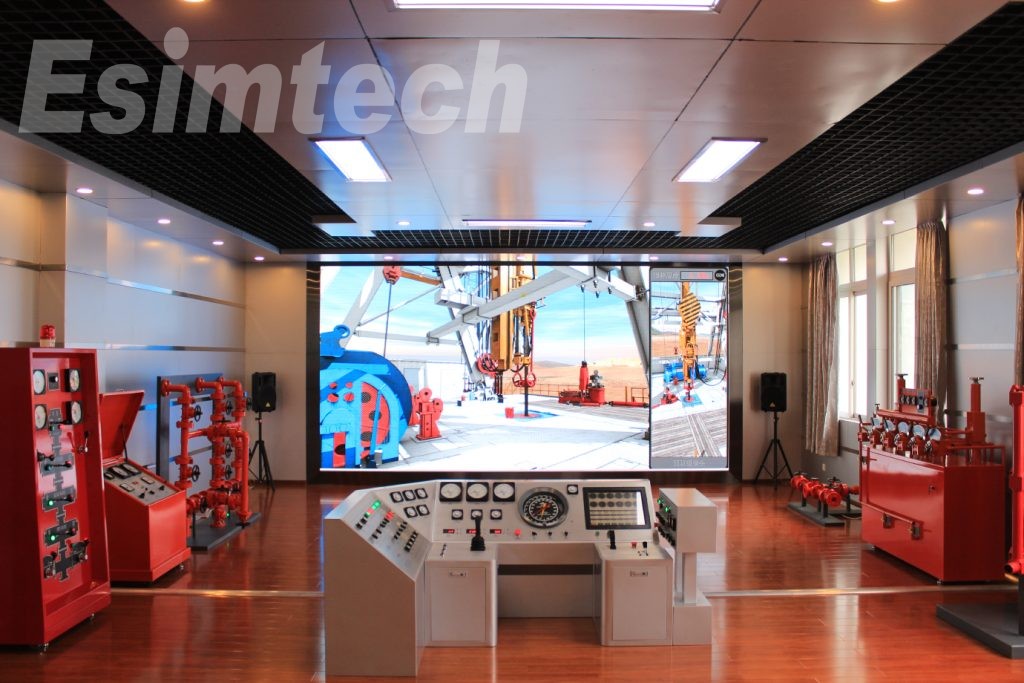
Offshore Drilling Simulation

Esimtech offers a range of proprietary products in the simulation system of petroleum engineering and equipment. Adhering to the concept of “Producing the best simulator; making training more efficient,” Esimtech provides products with excellent quality and creates value for customers.

If you have any questions, please feel free to contact our knowledgeable service team. We will be happy to assist you as soon as possible.

How Does the Digitalization Revolutionize the Printing Quality Inspection

Digitalization is revolutionizing the printing and packaging industry, enhancing traditional processes and introducing new levels of efficiency and precision. A significant advancement in this context is the digitalization of print inspection, which is profoundly improving how print quality is monitored, controlled, and assured, resulting in superior output and reduced waste.

printing quality inspection system

Key Components of Digital Print Inspection

Digital print inspection is a sophisticated process that leverages advanced technologies to ensure the highest quality in printed materials.

1. High-Resolution Cameras

Functionality:

Capture detailed images of printed materials at high speeds.

Detect minute defects that might be missed by the naked eye.

Features:

High Resolution: Enables detection of fine details and small defects.

Speed: Inspects large volumes of print quickly, suitable for high-speed printing processes.

Versatility: Adjustable to different types of printing substrates and conditions.

2. Image Processing Algorithms

Functionality:

Analyze images captured by the cameras in real-time.

Compare captured images against pre-defined standards or templates to identify defects.

Features:

Real-Time Analysis: Provides immediate feedback, allowing for quick corrections.

Defect Detection: Identifies various issues, including color variations, misregistrations, smudges, and surface imperfections.

Precision: Ensures high accuracy in identifying defects, minimizing false positives and negatives.

3. Artificial Intelligence (AI) and Machine Learning (ML)

defect inspection machine

Functionality:

Enhance inspection systems’ capability to learn from past data and improve over time.

Predict potential issues and adapt to new types of defects.

Features:

Learning Capabilities: Systems improve accuracy and efficiency with use.

Predictive Analysis: Anticipates defects before they become significant problems.

Adaptive Algorithms: Adjusts to changing print conditions and defect types, maintaining high inspection standards.

4. Data Integration and Analytics

Functionality:

Integrate printing quality inspection systems with other digital tools and platforms for comprehensive data collection and analysis.

Provide insights into the printing process, helping optimize workflows and improve quality control.

Features:

Comprehensive Data Collection: Detailed data on every aspect of the print process.

Analytical Tools: Analyzes data trends, identifies recurring issues, and suggests improvements.

Real-Time Monitoring: Continuous monitoring and reporting facilitate proactive management of the print process.

5. User Interfaces and Software

Functionality:

Provide an interface for operators to interact with the inspection system, review defects, and manage settings.

Software platforms facilitate the setup, control, and analysis of the inspection process.

Features:

User-Friendly Interfaces: Intuitive interfaces for quick understanding and usage.

Customizability: Systems tailored to specific user needs and printing conditions.

Comprehensive Reporting: Detailed reports on inspection results aid decision-making and process improvements.

6. Lighting System

Functionality:

Provide consistent and appropriate lighting to ensure high-quality image capture by the cameras.

Different types of lighting can be used depending on the material and type of defects being inspected.

Features:

Uniform Illumination: Consistent lighting across the entire print area, avoiding shadows and glare.

Adjustable Lighting: Can be adjusted to suit different materials and inspection requirements.

Specialized Lighting: Techniques like UV or infrared lighting can highlight specific types of defects.

7. Motion Control Systems

Functionality:

Ensure precise movement and positioning of the print media under the inspection cameras.

Synchronize the inspection process with the printing process.

Features:

Precision: High accuracy in positioning, critical for detailed inspection.

Synchronization: Keeps the inspection process aligned with the speed and flow of the printing process.

Flexibility: Can handle different sizes and types of print media.

Web Video Inspection System

Challenges and Future Prospects in Digital Print Inspection

Challenges in Digital Print Inspection

High Initial Investment:

Cost Barrier: Advanced technology and equipment involve significant upfront costs, challenging for small to medium-sized printing companies.

Return on Investment (ROI): Justifying the ROI can be difficult if existing inspection methods are still acceptable.

Integration with Existing Systems:

Compatibility Issues: Integrating new digital inspection systems with legacy equipment and software can be complex, requiring significant modifications.

Operational Disruption: The integration process can disrupt ongoing operations, leading to downtime and temporary productivity losses.

Complexity and Usability:

Training Requirements: Advanced systems require specialized knowledge and skills, necessitating comprehensive training programs.

User Interface: Ensuring systems are user-friendly and intuitive is critical, as complex interfaces can hinder effective usage.

Data Management:

Volume of Data: Digital inspection systems generate large volumes of data, requiring effective management and analysis.

Data Security: Protecting sensitive production data from cyber threats requires robust cybersecurity measures.

Rapid Technological Advancements:

Keeping Up: Fast-paced technological advancements mean systems can quickly become outdated, necessitating continuous updates and investments.

Standardization: Lack of standardization in digital inspection technologies can lead to compatibility and interoperability issues.

Future Prospects in Digital Print Inspection

The future of digital print inspection is promising. Advancements in AI and machine learning will continue enhancing system capabilities, enabling more precise and efficient inspections. Integrating print inspection data with other Industry 4.0 technologies, such as the Internet of Things (IoT) and blockchain, could offer unprecedented levels of traceability and transparency.

Conclusion

The digitalization of print inspection represents a significant leap forward for the printing industry, offering numerous advantages in accuracy, efficiency, and cost-effectiveness. Digital print inspection plays an increasingly vital role in ensuring the high standards of print quality, driving innovation, and maintaining competitiveness in a fast-paced market.

What are the Differences Between Set Screws and Headless Screws

Set screws and headless screws are essential fasteners used to secure objects in place, but they differ significantly in design and application. The primary distinction lies in the presence or absence of a head, impacting their suitability for various uses.

Brass hex socket set screws

Head

Set screws feature a head typically made from a harder material than the body of the screw, as it endures more wear and tear. The head can be slotted, hex, or square, providing versatility in applications.

Conversely, headless screws, also known as grub screws, usually have a socket head designed to be turned with a socket wrench or Allen wrench. Available in various sizes, socket heads offer flexibility for different applications.

Drive

The drive refers to the part of the screw used for turning. Set screws can have slotted, hex, or square drives, each with unique benefits. Slotted drives are common and easy to use with various tools. Hex drives offer more security and can be turned with a hex wrench, while square drives, though less common, provide maximum security and require a square wrench.

Headless screws also come with slotted, hex, or Allen drives, designed for efficient and secure fastening.

Application

Set screws are ideal for applications where the screw head needs to be flush with the object’s surface, such as in electrical equipment or machinery where high torque is required.

Headless screws are suited for scenarios where the screw head needs to be concealed, like securing decorative objects or in automotive applications where they must withstand significant vibration.

Other Differences

Besides the head and drive distinctions, material, and threading also belong to the differences between set screws and headless screws. Set screws are generally made from harder materials to endure higher torque and are usually threaded along their entire length. In contrast, headless screws are often partially threaded.

Selecting the Right Screw

When choosing between set screws and headless screws, consider these factors:

Material Compatibility: Ensure the screw material is compatible with the object being secured to avoid issues like corrosion.

Size: Match the screw size to the hole size in the object for secure fastening without damage.

Drive Type: Select a drive type compatible with your available tools.

Application Needs: Use set screws if the head needs to be flush with the surface and headless screws if it needs to be hidden.

Hexalobular Socket Set Screw Manufacturer

Additionally, consider:

Torque Rating: Choose a screw with an appropriate torque rating for the expected force.

Thread Pitch: A finer thread pitch provides a tighter grip but is harder to turn.

Length: Ensure the screw is long enough to secure the object without protruding excessively.

Conclusion

Set screws and headless screws both serve crucial roles in securing objects, with the main difference being the presence of a head. Selecting the appropriate type depends on the specific application requirements, ensuring optimal performance and durability.

通过 WordPress.com 设计一个这样的站点
从这里开始