Creating custom plush toys is a fun and rewarding process. Whether you’re seeking a personal keepsake, a unique gift, or a promotional item, this guide will help you turn your ideas into reality.
1. Conceptualize Your Design:
Imagine the plush toy’s shape, size, personality, and features.
Consider its purpose and who it’s intended for.
2. Create a Design Sketch:
Draw your plush toy, including its shape, facial expressions, accessories, and color scheme.
Use design templates or hire a professional designer if needed.
3. Choose Your Materials:
Select fabrics like plush, minky, cotton, or felt for the body and accessories.
Consider filling materials like polyester fiber, polymer pellets, or bean bag filling.
Prioritize durable and safe materials, especially for children’s toys.
4. Create a Prototype:
Cut the fabric pieces according to your design.
Sew or glue the pieces together, leaving an opening for stuffing.
Fill the toy with your chosen material.
Seal the opening and add details like eyes, a nose, or clothing.
5. Refine and Perfect:
Add finishing touches to enhance your plush toy’s appearance.
Consider making additional units for a collection.
6. Partner with a Manufacturer (Optional):
If you want to produce your plush toy in larger quantities, consider working with a custom plush manufacturer.
They can handle production, ensuring quality and consistency.
FAQs:
Cost: Designing your own plush is generally cheaper than hiring a designer.
Photo to Plush: Yes, you can convert a photo into a plush toy.
Sewing-Free Plush: You can use hot glue or fabric adhesive for simpler designs.
Production Time: The time varies depending on complexity and quantity.
Remember: With creativity and a little effort, you can bring your plush toy ideas to life. Enjoy the process and have fun!
When turning your plush toy vision into reality, selecting the right manufacturer is paramount. Whether you’re designing a unique character for a brand, a promotional item, or a personalized gift, the quality of your project hinges on the custom plush manufacturer you choose.
Understanding the Custom Plush Manufacturing Process
Creating a custom plush toy involves a series of intricate steps that transform your design concept into a tangible product. Here’s a breakdown of the typical process:
1. Design and Concept Development:
Brainstorming: This involves generating ideas, sketching designs, and considering the desired look, feel, and purpose of the plush toy.
Character Development: If creating a character, this includes defining its personality, backstory, and key features.
Design Refinement: Iterating on the design to ensure it meets your vision and is feasible for production.
2. Material Selection:
Fabric Choice: Selecting appropriate fabrics based on factors like texture, color, durability, and safety standards.
Filling Materials: Choosing suitable materials for stuffing, such as polyester fiberfill, foam, or even recycled materials.
Accessories: Determining if any additional elements, like buttons, bows, or embroidery, are needed.
3. Prototyping:
Sample Creation: Creating a physical sample of the plush toy based on the design and chosen materials.
Testing and Refinement: Evaluating the prototype for quality, size, and accuracy, making adjustments as necessary.
4. Pattern Making:
Creating Templates: Developing patterns that guide the cutting and sewing of the plush toy’s components.
Sizing and Proportion: Ensuring the patterns accurately reflect the desired size and proportions.
5. Cutting and Sewing:
Fabric Preparation: Cutting the fabric pieces according to the patterns.
Assembly: Sewing the pieces together to form the plush toy’s shape.
Finishing Touches: Adding details like embroidery, eyes, or other accessories.
6. Stuffing:
Filling the Toy: Inserting the filling material into the sewn plush toy.
Even Distribution: Ensuring the filling is evenly distributed for a balanced and comfortable feel.
7. Finishing and Packaging:
Quality Control: Inspecting the finished plush toys for defects and ensuring they meet quality standards.
Packaging: Placing the toys in appropriate packaging for shipping or retail display.
8. Shipping and Delivery:
Logistics: Arranging transportation of the finished plush toys to their destination.
Delivery: Ensuring the toys arrive safely and on time.
Do they specialize in your niche (e.g., promotional, stuffed animals, character)?
Review their portfolio to assess their capabilities.
2. Customization Options:
Can they accommodate your specific design, size, shape, and detailing?
Do they offer a variety of fabrics, colors, and finishes?
Can they add unique features like embroidery, accessories, or specialized packaging?
3. Material Quality:
What types of fabrics do they use?
Are the materials hypoallergenic, child-safe, and high-quality?
Do they offer eco-friendly or sustainable options?
4. Prototyping and Sampling:
Can they create prototypes or samples before full production?
Do they allow for revisions and adjustments based on feedback?
5. Production Capacity and Lead Times:
Can they handle your order size?
What are their estimated lead times?
Are they able to meet your deadlines?
6. Safety Compliance:
Do they adhere to relevant safety standards (e.g., CPSIA, CE marking)?
Do they conduct third-party testing for safety?
7. Pricing and Payment Terms:
Request a detailed quote, including materials, labor, customization, and shipping.
Compare pricing among different manufacturers.
Inquire about payment terms and any discounts.
8. Communication and Customer Service:
How responsive are they to inquiries?
Do they provide regular updates throughout the process?
Are they open to feedback and willing to address issues?
9. Shipping and Logistics:
Can they ship internationally?
Do they offer tracking and insurance options?
What are the shipping costs and potential import duties?
Recommended Manufacturer: Implementer
Implementer is a reputable custom plush manufacturer in China, specializing in high-quality, fully customizable plush toys. With years of experience, they offer a wide range of customization options, ensuring your vision is brought to life. Their commitment to quality, transparency, and timely delivery makes them a reliable choice for your plush toy project.
The preservation of biological samples is critical for maintaining their integrity and extending their shelf life. Among various preservation methods, lab freeze dryers have proven to be invaluable tools for preserving delicate biological specimens while retaining their biochemical properties. This article explores the effectiveness of lab freeze dryers in biological sample preservation and their significance in scientific and medical fields.
The Role of Lab Freeze Dryers in Preserving Biological Samples
Preservation of Biological Samples
Biological samples, including tissues, cells, proteins, enzymes, vaccines, and pharmaceuticals, are highly vulnerable to degradation and microbial contamination if not preserved properly. Lab freeze dryers effectively address these challenges by gently removing water from samples without exposing them to high temperatures. This process preserves the structural integrity and biochemical properties of samples, ensuring their stability and viability for extended periods, even at room temperature.
Effectiveness of Freeze Drying
The success of freeze drying lies in its ability to protect the cellular structure of biological samples from damage caused by ice crystals. By freezing samples and then sublimating the ice under vacuum conditions, lab freeze dryers remove moisture without allowing the solid-to-liquid phase transition, which can otherwise harm cellular components. This gentle dehydration method preserves essential characteristics of the samples, such as morphology, enzymatic activity, and antigenicity.
Key Advantages of Lab Freeze Dryers in Preserving Biological Samples
Maintaining Sample Integrity
Lab freeze dryers preserve the native structure and composition of biological samples by removing water without applying high temperatures. This prevents denaturation, degradation, and structural changes, ensuring that samples retain their original properties.
Long-Term Stability
Freeze-dried samples benefit from an extended shelf life compared to those preserved by other methods. By eliminating moisture, freeze drying slows biochemical reactions and inhibits microbial growth, ensuring long-term stability and viability.
Retention of Bioactivity
Freeze drying helps maintain the bioactivity of sensitive molecules, such as enzymes, antibodies, and vaccines. This ensures that samples remain biologically active for use in applications like enzymatic assays, immunoassays, and vaccine development.
Reduced Weight and Volume
Freeze-dried samples are lighter and more compact, making them easier to store and transport. Unlike liquid-preserved samples, freeze-dried materials do not require specialized storage conditions like refrigeration, reducing logistics and storage costs.
Ease of Reconstitution
Freeze-dried samples can be easily rehydrated by adding water or buffer solutions. This quick reconstitution process restores samples to their original state, allowing immediate use for experiments, analysis, or clinical applications.
Versatility
Lab freeze dryers can process a wide range of biological samples, from small tissue specimens to large production batches. This versatility makes them indispensable in preserving tissues, cells, proteins, vaccines, and pharmaceuticals across numerous scientific and clinical fields.
Reduced Contamination Risk
By removing moisture, freeze drying creates an inhospitable environment for microbial growth. This reduces contamination risks and ensures the purity and integrity of biological samples, leading to reliable experimental and diagnostic results.
Applications of Lab Freeze Dryers in Preserving Biological Samples
Biomedical Research
Freeze drying is widely applied in biomedical research for preserving samples, such as tissues, cells, proteins, and nucleic acids. These preserved materials are critical for studies in molecular biology, drug discovery, and regenerative medicine.
Clinical Diagnostics
Freeze-dried reagents and controls are essential in diagnostic assays. The stability of freeze-dried diagnostic materials ensures accurate and reliable testing for diseases, infections, and genetic disorders in clinical labs.
Pharmaceutical Development
Freeze drying is crucial in pharmaceutical development, offering improved stability for drug formulations, vaccines, and biologics. Freeze-dried vaccines are easier to store, transport, and administer, supporting global vaccination programs.
Biobanking and Biorepositories
Biobanks use freeze drying to preserve tissues, cells, blood components, and DNA/RNA extracts for future research. These samples are essential resources for epidemiological studies and personalized medicine.
Food and Agricultural Sciences
Freeze drying preserves biological samples such as fruits, vegetables, and agricultural specimens. Freeze-dried food retains nutritional value, and freeze-dried agricultural samples are used in research on food safety and crop development.
Environmental Monitoring
Freeze drying is employed to preserve environmental samples from ecosystems like soil, water, and air. These samples are analyzed to assess biodiversity, ecological health, and environmental pollution.
Forensic Science
Freeze drying preserves biological evidence, including blood, tissues, and hair, ensuring that DNA integrity is maintained for criminal investigations.
Veterinary Medicine
In veterinary medicine, freeze drying preserves animal samples for research, diagnosis, and treatment. It is widely used in drug and vaccine development for animals.
Offshore production, the extraction of valuable resources from beneath the ocean floor, has become a cornerstone of global energy supply. This practice, once confined to shallow waters, has expanded into deeper, more challenging environments thanks to technological advancements. However, the industry faces significant environmental challenges and must balance resource extraction with sustainability.
Technological Marvels
The offshore industry has witnessed remarkable technological progress. Advanced drilling techniques like directional drilling and extended reach drilling allow access to reservoirs deep beneath the seabed. Automation and robotics have streamlined operations, while real-time data analytics and artificial intelligence have enhanced decision-making.
Environmental Concerns
While offshore production has contributed significantly to energy supply, it has also faced environmental scrutiny. Oil spills, habitat destruction, and emissions pose significant risks. However, the industry has responded with stringent regulations, technological solutions, and proactive environmental management.
Challenges and Overcoming Them
Offshore operations present unique challenges due to the harsh marine environment, high pressure and temperature conditions, and safety concerns. Despite these obstacles, the industry has a strong safety record, achieved through rigorous training and continuous improvement.
The Role of Simulation Technology
Simulation technology has become indispensable in offshore production. It is used for:
Training and Skill Development: Virtual and augmented reality provide immersive training experiences, allowing personnel to practice various scenarios in a safe environment.
Logistics and Supply Chain Optimization: Simulation optimizes logistics and supply chain operations to reduce costs and minimize downtime.
Weather and Environmental Impact Analysis: Simulation helps predict weather conditions and assess potential environmental impacts.
Conclusion
Offshore production remains a vital part of the global energy landscape. Technological advancements, coupled with a commitment to environmental stewardship, are essential for ensuring a sustainable future. Simulation technology will continue to play a crucial role in enhancing efficiency, safety, and sustainability in the offshore industry.
The marine industry holds rigorous standards for equipment, especially in high-risk environments such as offshore platforms, tankers, and refineries where explosive hazards are prevalent due to flammable gases, vapors, and dust. Retrofitting explosion-proof lighting systems is essential to meet modern safety standards, boost energy efficiency, and lower maintenance costs. This article provides a detailed look at retrofitting strategies for explosion-proof lighting in marine environments.
Understanding Explosion-Proof Lighting
Explosion-proof lighting is specially designed to operate safely in hazardous areas. These fixtures are built to prevent any internal sparks or heat from igniting the surrounding explosive atmosphere. Their robust construction allows them to withstand extreme conditions, making them crucial for industries like marine, oil and gas, mining, and chemical processing where safety is paramount.
Strategies for Retrofitting Existing Explosion-proof Lighting
1. Conducting a Thorough Risk Assessment
Before beginning any retrofit project, a comprehensive risk assessment is essential. This includes identifying potential explosion hazards, assessing the performance of existing lighting systems, and determining whether the current lighting meets modern safety standards such as those outlined by IECEx or ATEX.
Key factors to consider:
Can the current lights withstand the hazardous environment?
How are the lights affected by elements like temperature, humidity, or corrosive materials?
Are there areas with inadequate lighting or frequent failures?
This evaluation ensures the retrofit project addresses safety and reliability concerns specific to the vessel or offshore facility.
2. Selecting Energy-Efficient LED Lighting Solutions
A key strategy in retrofitting is upgrading to energy-efficient LED explosion-proof lights. LEDs offer multiple benefits over traditional incandescent or fluorescent lights:
Energy Savings: LEDs consume significantly less power.
Longer Lifespan: LEDs last between 50,000 and 100,000 hours, reducing the need for frequent replacements.
Improved Luminous Efficacy: LEDs provide better brightness and color rendering, enhancing visibility in critical areas with less energy use.
Marine-specific LED fixtures are designed to withstand saltwater, extreme temperatures, and vibrations, making them ideal for marine applications.
3. Ensuring Compliance with Explosion-Proof Standards
Ensuring that retrofitted lighting meets international safety standards is vital. Depending on the location, compliance with ATEX (Europe), IECEx (global), or UL (North America) is required. The new fixtures must be classified for specific gas groups and temperature classes relevant to the installation environment. This step ensures not only operational safety but also regulatory compliance.
4. Upgrading Electrical Infrastructure
A successful retrofit often involves upgrading the electrical infrastructure to support modern lighting systems. This includes:
Wiring and Cabling: Replacing old cables with marine-grade, corrosion-resistant materials.
Control Systems: Implementing digital control systems that allow dimming, remote operation, and integration with vessel monitoring systems.
Power Distribution: Adjusting power supplies to optimize the efficiency of energy-saving LED fixtures.
5. Integration of Smart Lighting Technologies
Integrating smart lighting systems into retrofitted explosion-proof fixtures allows for real-time monitoring and control. These systems can adjust lighting based on occupancy, weather conditions, or time of day, improving efficiency. Additionally, smart technologies provide data on energy use and system performance, allowing for predictive maintenance.
Smart lighting can also be integrated into the vessel’s central control system, allowing crew members to manage the lighting from a single location, improving operational efficiency and safety.
6. Consideration of Modular Lighting Designs
Modular lighting designs offer flexibility by allowing separate components to be replaced or upgraded without changing the entire fixture. This simplifies maintenance and provides an easy pathway for future upgrades as regulations or technologies evolve.
7. Optimizing Lighting Placement
Upgrading lighting fixtures alone is not enough; optimizing their placement is critical for improved visibility. This involves adjusting the location of lights to eliminate blind spots, increasing illumination in essential areas like the deck or engine room, and minimizing glare to ensure safe operations. Modern LED fixtures offer more precise light distribution, further enhancing operational safety.
8. Implementing Corrosion-Resistant Materials
Marine environments are highly corrosive, so selecting lighting fixtures made from corrosion-resistant materials such as stainless steel or marine-grade aluminum is essential. These materials improve longevity and reduce the need for frequent maintenance, lowering costs over time.
9. Training and Maintenance Protocols
Retrofitting explosion-proof lighting requires ongoing maintenance. Training crew members in the proper use and upkeep of the new systems is essential for long-term performance. Establishing regular inspection, cleaning, and repair protocols ensures that the lighting system continues to operate safely and efficiently.
Conclusion
By following these strategies, marine operators can enhance safety, improve operational efficiency, and reduce costs with explosion-proof lighting retrofits. The best retrofitting approach will depend on the specific needs of the vessel and the environmental challenges it faces.
Rust is a common issue, especially when it affects important components like bolts. Over time, exposure to moisture and oxygen causes rust to accumulate, weakening the bolts and reducing their effectiveness. Fortunately, there are effective methods to remove rust of bolts and restore to their original condition. This guide will walk you through a detailed step-by-step process, outlining proven techniques to eliminate stubborn rust from bolts.
Step-by-Step Guide to Removing Rust from Bolts
Step 1: Gather Your Supplies
Before starting, make sure you have the following supplies on hand:
Wire brush
Rust dissolver or penetrating lubricant (e.g., WD-40)
White vinegar
Container or bowl
Clean cloth
Safety equipment (gloves and eye protection)
Step 2: Remove the Bolts
If possible, remove the rusted bolts from their location. This makes the cleaning process easier and allows for more thorough rust removal.
Step 3: Brush Off Loose Rust
Use a wire brush to gently scrub the surface of the bolts, removing any loose or flaky rust. This prepares the bolts for deeper treatment by exposing lower layers of rust.
Step 4: Apply a Rust Dissolver or Penetrating Lubricant
Shake the Product: If using a spray bottle, shake the rust dissolver or lubricant well to mix the contents properly.
Test in a Small Area: Before applying to the entire bolt, test the product on a small area to ensure it’s compatible with the material.
Apply Liberally: Coat the rusty bolts evenly with the rust dissolver or lubricant.
Allow Time to Penetrate: Follow the instructions of the bolts manufacturer for the waiting period to let the product work effectively.
Reapply if Needed: For stubborn rust, reapply the product and allow additional time for better results.
Loosen and Remove Rust: After the waiting period, use a wire brush to scrape away the softened rust.
Wipe Away Residue: Use a clean cloth to wipe off any remaining rust residue and excess product.
Step 5: Soak Bolts in White Vinegar
Place Bolts in the Container: Submerge the bolts fully in a container filled with white vinegar. If the bolts are too large, rotate them periodically to ensure complete coverage.
Let Them Soak: Allow the bolts to soak for several hours, or overnight if possible. The acetic acid in vinegar helps dissolve the rust.
Step 6: Scrub Off the Rust
After soaking, remove the bolts from the vinegar and scrub off the loosened rust using a brush or cloth.
Step 7: Scrub and Wipe Away Rust
After treating the bolts with either rust dissolver or vinegar, use a wire brush to remove any remaining rust. Wipe away dislodged particles with a clean cloth.
Step 8: Rinse and Dry the Bolts
Rinse the bolts thoroughly with water to remove any remnants of the rust dissolver or vinegar. Dry the bolts completely with a clean cloth to prevent further rust.
Step 9: Apply a Rust Inhibitor
To prevent future rust, consider applying a rust inhibitor or rust-resistant coating. This will protect the bolts and extend their lifespan.
Step 10: Reinstall or Store the Bolts
Once the bolts are rust-free, either reinstall them or store them in a dry location for future use.
Key Considerations During Rust Removal
Safety Precautions
Always prioritize safety when working with rust removal products. Wear gloves and eye protection to avoid exposure to harmful chemicals or particles.
Suitable Rust Removal Method
Choose the rust removal method based on the severity of the rust. Using rust dissolvers, penetrating lubricants, or soaking in white vinegar are all effective techniques. For heavily corroded bolts, multiple treatments may be necessary.
Thorough Cleaning
Ensure the bolts are clean before starting rust removal to enhance the effectiveness of the rust-removing product.
Follow Product Instructions
Carefully follow the instructions provided by the manufacturer, especially regarding application methods, waiting periods, and safety precautions.
Gentle Scrubbing
Be gentle when scrubbing the bolts to avoid causing damage. Use moderate pressure, particularly for softer materials.
Regular Maintenance
Regular maintenance can prevent bolts from rusting. Keep the bolts clean and dry, and address rust spots promptly.
Summary
By following this detailed step-by-step guide, you can successfully remove rust from bolts and restore their functionality. Regular maintenance and rust prevention practices will keep your bolts in top condition, ensuring smooth performance for future projects.
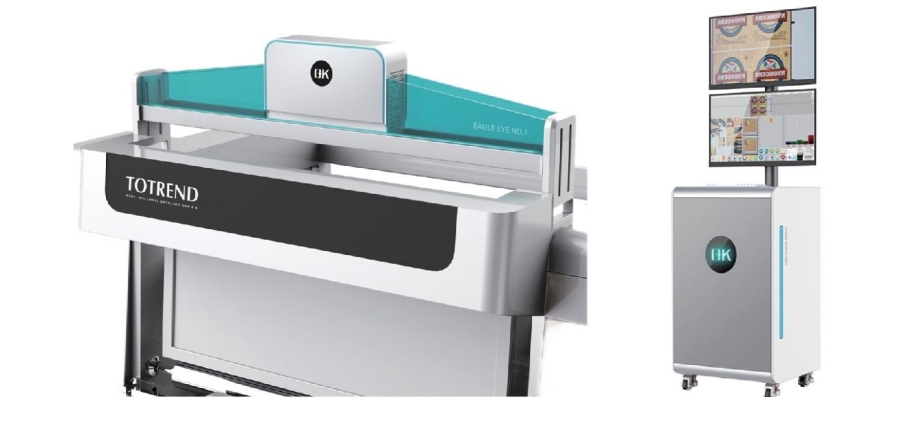
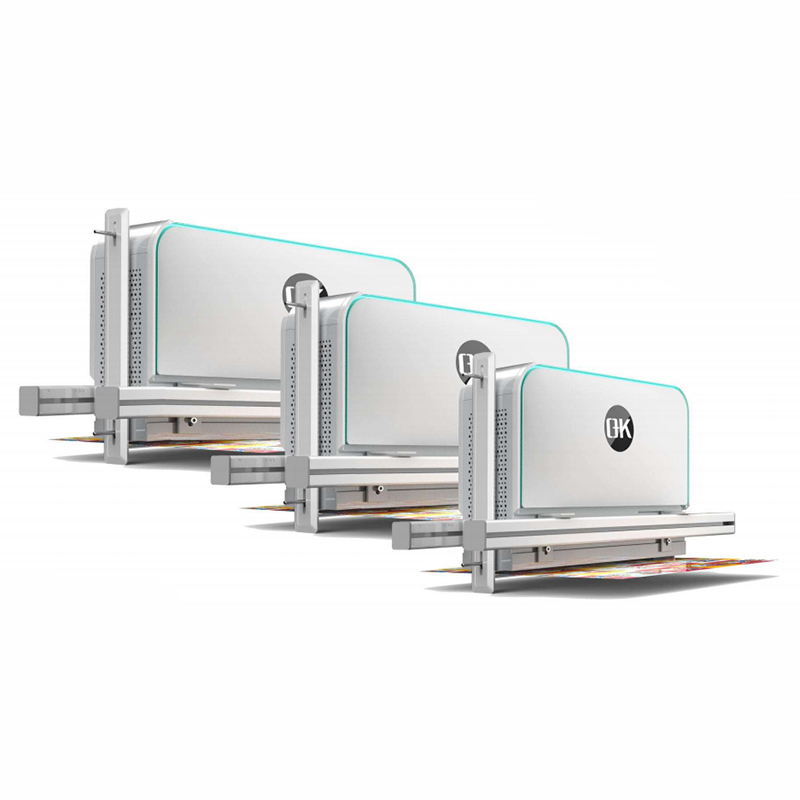
In the fast-paced world of high-speed printing, maintaining consistent print quality is crucial. Even minor defects can result in substantial waste, rework, and dissatisfied customers. To address these challenges, quality inspection systems have become indispensable, especially in high-speed printing environments, where ensuring each print meets stringent standards is essential.
These print quality inspection systems leverage cutting-edge technology to monitor and control various printing parameters in real-time, significantly reducing errors and enhancing overall efficiency. Let’s explore the features of these systems that make them so effective.
1. High-Speed Image Capture and Processing
Ultra-fast Cameras: These systems are equipped with high-resolution cameras capable of capturing images at very high speeds. They can inspect every print in real-time without interrupting the production flow.
Image Processing Algorithms: Advanced algorithms analyze captured images instantly to detect defects such as smudges, misalignments, or color inconsistencies with high precision.
2. Real-Time Defect Detection and Correction
Immediate Identification: The system quickly identifies defects as they occur, allowing for immediate corrective actions, such as adjusting print settings or stopping the press to avoid further errors.
Automated Responses: When a defect is detected, the system automatically corrects the issue—whether it’s adjusting color balance, repositioning the print, or rerouting the print for rework.
Automatic Calibration: The system can adjust ink levels, tone, and other parameters in real-time, correcting any deviations from the desired color profile.
4. Registration and Alignment Monitoring
Precision Registration: Constant monitoring ensures different print layers are perfectly aligned, preventing defects such as ghosting and misalignment.
Real-Time Adjustments: Any detected misalignments are corrected immediately to maintain high-quality print production standards.
5. Automated Workflow Integration
Seamless Integration: These systems can easily integrate into existing workflows, automating tasks like defect logging, sample inspection, and report generation, thus reducing manual intervention.
Centralized Control: Operators can manage the entire process from a centralized interface, streamlining complex production lines.
6. Data Logging and Traceability
Comprehensive Data Capture: Detailed data on every inspection—including defects, corrective actions, and overall print quality—are logged, aiding in quality assurance and process optimization.
Traceability: Each print is traceable, making it easier to pinpoint the source of defects and take corrective action.
7. User-Friendly Interface
Intuitive Design: These systems have user-friendly interfaces that allow operators to easily set inspection parameters, view real-time data, and generate reports.
Customizable Alerts: Operators can set alerts for specific defect types, ensuring quick responses when potential issues arise.
8. Enhanced Safety and Reliability
Fail-Safe Mechanisms: Built-in fail-safes ensure that systems operate safely, minimizing the risk of damage to equipment or products.
Operator Alerts: Immediate notifications are sent to operators when critical defects or system malfunctions occur, helping prevent downtime.
9. Scalability and Flexibility
Modular Design: These systems can be scaled to meet the demands of different printing environments, from small-scale operations to large high-speed production lines.
Customizable Features: Systems can be tailored to specific printing needs, whether for packaging, textiles, or high-volume publishing.
10. Predictive Maintenance and Diagnostics
Condition Monitoring: The system continuously monitors its components to predict when maintenance is needed, reducing the risk of unexpected breakdowns.
Self-Diagnostics: Built-in diagnostics identify potential issues early, ensuring reliable and consistent operation while minimizing maintenance costs.
Why Choose Arise Quality Inspection System for High-Speed Printing
The Arise Quality Inspection System is specifically designed to meet the rigorous demands of high-speed printing environments. Offering superior precision and efficiency, it stands out as the ideal solution for ensuring consistent print quality.
Key Advantages of Arise Printing Quality Inspection Systems
Real-Time Monitoring: Arise systems monitor printing quality in real-time, quickly detecting defects or inconsistencies, which helps in maintaining high print quality and reducing waste.
Advanced Imaging Technology: Using high-resolution cameras and sophisticated imaging algorithms, Arise systems detect even the smallest defects, such as color inconsistencies, registration errors, and surface imperfections.
Automation: With automated features, Arise systems minimize the need for manual inspection, improving efficiency and reducing human error.
Seamless Integration: Arise systems can easily integrate with existing printing equipment and workflows, reducing the need for major changes in your setup.
Data Analysis: Detailed reports and analytics are provided on print quality, allowing for trend identification and continuous improvement.
Customizable Settings: The system can be customized to meet specific printing quality standards, ensuring a tailored fit for your production processes.
Durability: Built to withstand the high demands of fast-paced printing environments, Arise systems are designed for long-term reliability.
Customer Support: Arise provides exceptional customer support, offering training and technical assistance to ensure smooth operation.
In conclusion, the Arise Quality Inspection System offers high-speed printing operations the tools necessary for maintaining top-tier print quality, maximizing efficiency, and minimizing waste. Its real-time monitoring, advanced imaging, and integration capabilities provide a comprehensive solution that enhances both productivity and product quality.
Marine fendering plays a crucial role in protecting both vessels and port infrastructure from damage during docking and mooring operations. Among the various types of fenders, rubber fenders stand out as a cost-effective option due to their durability, excellent energy absorption, and minimal maintenance needs. In this article, we explore how rubber fenders offer economical solutions in marine fendering and why they are essential for both port operators and shipowners.
Rubber fenders provide cost-effective solutions in marine fendering through several significant advantages, ensuring the protection of vessels and docks while keeping overall costs low.
1. High Durability and Long Lifespan
Rubber fenders are renowned for their remarkable durability. They are specifically engineered to endure harsh marine environments, including saltwater exposure, UV radiation, and temperature fluctuations. This resilience ensures a longer operational lifespan compared to materials like wood or plastic, which deteriorate faster under similar conditions.
The extended lifespan of rubber fenders translates into fewer replacements over time, significantly reducing the overall cost of maintaining the fendering system. By investing in rubber fenders, ports and shipowners can enjoy long-term cost savings as these fenders last for years with minimal deterioration.
2. Superior Energy Absorption
One of the primary reasons rubber fenders are cost-effective is their ability to absorb substantial amounts of energy during impact. As vessels dock, rubber fenders compress and absorb the kinetic energy, reducing the force transmitted to both the dock and the vessel. This ability minimizes the risk of damage to ships, piers, and quays, thereby preventing expensive repairs.
Rubber fenders protect high-value assets by preventing damage, offering considerable savings in repair costs and avoiding downtime. Additionally, the low reaction force generated by rubber fenders reduces stress on mooring systems, contributing to overall protection.
This low-maintenance nature is a key cost-saving advantage. By reducing the need for constant maintenance, port operators and shipowners can allocate resources more efficiently, avoiding the recurring costs associated with fender repairs.
4. Ease of Installation and Retrofitting
Rubber fenders are relatively simple to install, making them an attractive option for both new docks and existing infrastructure. They can often be installed on existing structures with minimal modifications, reducing installation costs and minimizing operational disruption.
Furthermore, rubber fenders are compatible with a variety of mounting systems, enabling easy retrofitting when upgrading older fender systems. This flexibility ensures that port operators can adopt rubber fenders without incurring high upfront costs or experiencing extended downtime, making them a practical choice for improving dock safety and efficiency.
5. Versatility and Customization
Rubber fenders come in a wide range of shapes, sizes, and designs, allowing for customization to meet the specific needs of different marine operations. Common types include cylindrical, cone, arch, and D-shaped fenders, each designed to handle various vessel sizes, docking configurations, and impact forces.
This versatility allows port operators to select the most suitable fender for their specific requirements, ensuring optimal protection without over-engineering. By choosing the right fender for the situation, ports can avoid overspending on unnecessary features while still safeguarding vessels and infrastructure.
6. Environmental and Economic Sustainability
Many rubber fenders are manufactured using recycled rubber materials, contributing to both environmental and economic sustainability. By repurposing materials that would otherwise go to waste, rubber fender manufacturers reduce their environmental impact and lower material costs.
Additionally, the long lifespan and reduced maintenance needs of rubber fenders help reduce their environmental footprint. Fewer replacements and repairs mean less material waste and lower production demands, reinforcing rubber fenders as both an eco-friendly and cost-effective solution.
Conclusion
Rubber fenders offer an ideal cost-effective solution for marine fendering by combining durability, superior energy absorption, and low maintenance requirements. Their ability to protect vessels and port infrastructure while minimizing operational costs makes them a preferred choice for ports and shipowners seeking reliable, long-term fendering solutions.
Inductively Coupled Plasma Optical Emission Spectroscopy (ICP-OES) is a powerful analytical technique widely used to determine elemental concentrations across various matrices. Its key advantages include high sensitivity, a wide linear range, and the capability to analyze multiple elements simultaneously. However, the accuracy and reliability of ICP-OES analysis are highly dependent on proper sample preparation.
This article highlights the critical role of sample preparation in ICP-OES, discusses common sample types and their preparation techniques, and outlines essential considerations for achieving precise and accurate results.
Overview of ICP-OES Analysis
ICP-OES works by utilizing an inductively coupled plasma (ICP) source to generate highly excited atoms from the sample. These atoms emit light at specific wavelengths that are characteristic of their element. The intensity of this emitted light is measured by a detector and used to quantify the elemental concentration in the sample.
Since ICP-OES is designed to analyze liquid samples, proper sample preparation is essential. This ensures the sample is fully dissolved, eliminates interferences from the matrix, and provides a homogeneous solution for accurate analysis.
Common Sample Types and Preparation Techniques
ICP-OES analysis involves a variety of sample types, from environmental to biological and industrial materials. Each type requires specific preparation methods to ensure reliable results.
Types of Samples in ICP-OES Analysis:
Liquid Samples: The most common type in ICP-OES analysis includes water, acids, solutions, digests, and extracts from various sources, such as environmental, biological, and industrial samples.
Solid Samples: These are analyzed after digestion or dissolution, converting the solid material into a liquid form suitable for ICP-OES. Common solid samples include soils, sediments, ores, metals, ceramics, polymers, and biological tissues.
Powdered Samples: Samples in powdered form, such as powdered metals, minerals, and pharmaceuticals, often require dissolution or fusion before analysis.
Gaseous Samples: Though less common, ICP-OES can be used for gas samples by dissolving them into a suitable liquid matrix for trace gas or volatile organic compound analysis.
Common Sample Preparation Techniques:
Sample Digestion:
Acid Digestion: This involves treating the sample with acids (e.g., nitric or hydrochloric acid) to dissolve solid materials and convert them into a solution.
Microwave Digestion: Utilizes microwave energy to rapidly break down organic and inorganic materials.
Fusion Digestion: High-temperature fusion with fluxing agents is used to dissolve refractory materials.
Dilution and Filtration:
Dilution: Samples with high analyte concentrations are diluted with suitable solvents to fit within the instrument’s calibration range.
Filtration: Used to remove particulates or undissolved solids to prevent clogging in the nebulizer or sample introduction system.
Solid-Phase Extraction (SPE): Selectively retains analytes from the sample matrix using SPE cartridges or disks, while unwanted components are washed away.
Liquid-Liquid Extraction (LLE): Separates analytes by partitioning them between two immiscible liquid phases.
Other Pre-concentration Methods: Techniques like evaporation, solvent extraction, or precipitation concentrate analytes from large sample volumes to improve sensitivity and detection limits.
These preparation methods ensure that samples are in an optimal form for ICP-OES, allowing for accurate and reliable elemental concentration determinations.
Considerations for Sample Preparation in ICP-OES
Several factors affect the effectiveness of sample preparation in ICP-OES, influencing the overall quality of the analysis.
Key Factors Influencing Sample Preparation:
Sample Type and Matrix Composition: Different matrices require specific methods to achieve complete dissolution and minimize matrix effects.
Analytical Sensitivity: Required detection limits influence the choice of preparation method. Lower detection limits may necessitate more extensive preparation, including analyte concentration or matrix component removal.
Sample Throughput and Automation: High-throughput applications benefit from automated sample preparation systems, which improve efficiency and reduce labor.
Safety Considerations: Some methods involve hazardous chemicals or high temperatures, necessitating adherence to safety protocols, such as proper ventilation and PPE.
Instrument Compatibility: Preparation methods must align with ICP-OES instrument requirements, ensuring proper sample introduction and avoiding potential blockages or contamination.
Matrix Interference: Interfering components in the sample matrix can affect analyte quantification. Preparation techniques should aim to minimize these effects through selective separation or dilution.
Sample Homogeneity: Homogeneous samples are essential for representative analysis. Techniques like mixing, grinding, or sonication may be necessary for heterogeneous samples.
Contamination Control: Minimizing contamination from containers, reagents, or equipment is crucial. Using high-purity materials and proper cleaning procedures ensures accurate analysis.
Specific Sample Type Considerations
Different sample matrices present unique challenges, requiring tailored preparation methods for optimal ICP-OES results:
Environmental Samples: Complex matrices with high dissolved solids and organic matter often require acid or microwave digestion, filtration, or centrifugation to remove particulates and reduce matrix effects.
Biological Samples: Biological specimens like blood or tissue may necessitate protein precipitation, lipid extraction, or acid digestion to eliminate interferences.
Food and Beverage Samples: Often rich in organic compounds, these samples may require solvent extraction, dilution, or acid digestion for accurate elemental analysis.
Pharmaceutical Samples: Pharmaceuticals often require dissolution followed by filtration or extraction to purify and concentrate analytes.
Industrial Samples: The wide range of industrial materials demands varying techniques, such as fusion or acid digestion, depending on the material’s composition.
Geological Samples: Geological materials like rocks and minerals may require fusion digestion or acid treatment, alongside particle size reduction for better representativeness.
Conclusion
Effective sample preparation is crucial for achieving accurate, precise, and reliable ICP-OES analysis. By understanding the principles of ICP-OES, the nature of common sample types, and the appropriate preparation techniques, analysts can ensure that the elemental concentrations determined are both accurate and reproducible. Proper consideration of preparation factors tailored to different sample matrices is essential for optimizing ICP-OES performance.
Offshore oil exploration is a complex and challenging endeavor, requiring specialized equipment to extract valuable energy resources from beneath the ocean’s surface. Oil rig drilling equipment provides the technological backbone for these operations, ensuring efficient and safe extraction in harsh marine environments.
Key Components and Technologies
Drilling Platforms:
Drillships: Self-propelled vessels equipped with drilling machinery.
Offshore Platforms: Fixed or floating structures that support drilling operations.
Drilling Rigs:
Jack-up Rigs: Mobile platforms with extendable legs for shallow water operations.
Semi-submersible Rigs: Partially submerged platforms for greater stability in rough seas.
Drillship Rigs: Self-propelled drillships for deepwater exploration.
Drilling Equipment:
Drill Bits: Cutting tools for penetrating rock formations.
Blowout Preventers (BOPs): Safety devices to prevent uncontrolled oil or gas release.
Mud Pumps: Circulate drilling fluid to remove cuttings and maintain wellbore stability.
Top Drive Systems: Rotate the drill string for efficient drilling.
Drawworks: Hoist and lower the drill string.
Downhole Tools:
Measurement While Drilling (MWD): Provide real-time data on downhole conditions.
Logging While Drilling (LWD): Measure rock formation properties.
The Role of Simulation Technology
Simulation technology plays a crucial role in optimizing oil rig drilling operations. It is used for:
Design and Prototyping: Creating virtual models to test equipment performance and identify potential issues.
Training Simulators: Providing realistic training scenarios for drilling crews.
Safety and Emergency Response Training: Preparing crews for potential emergencies.
Conclusion
Oil rig drilling equipment represents a sophisticated blend of engineering and technology. By understanding the key components, technologies, and the role of simulation, we can appreciate the complexity and challenges of offshore oil exploration. As technology continues to advance, we can expect even more innovative solutions to ensure the safe and efficient extraction of valuable energy resources from beneath the ocean’s surface.








 China manufacturers