Effective Methods to Integrate Marine Searchlights with Navigation Systems

Marine searchlights play a critical role in ensuring the safety of maritime operations, especially during night voyages, poor weather conditions, and search-and-rescue missions. Integrating marine searchlights with navigation systems not only enhances visibility but also improves operational efficiency and safety. This article explores the process of integrating marine searchlights with navigation systems and the benefits of this integration for maritime operations.

LED boat searchlight

Importance of Marine Searchlights in Navigation

Marine searchlights are essential for illuminating obstacles, hazards, and other vessels, enabling better decision-making during navigation. When paired with advanced navigation systems, these lights become more effective, allowing ship operators to focus on both situational awareness and precision navigation.

Key functions of marine searchlights include:

Illuminating Navigation Hazards: Searchlights help identify hazards such as icebergs, buoys, and floating debris.

Improving Vessel Maneuvering: In narrow or busy shipping lanes, searchlights provide visibility that helps with docking, turning, and avoiding collisions.

Search-and-Rescue Operations: Searchlights are essential in locating individuals or vessels in distress during rescue missions.

Night Navigation: Searchlights assist with safely navigating waters in low-light conditions or total darkness.

Steps to Integrate Marine Searchlights with Navigation Systems

Select Compatible Equipment The first step is choosing marine searchlights and navigation systems that are compatible with each other. Most modern searchlights come with built-in integration capabilities for digital navigation systems. Ensure that the equipment shares compatible interfaces, communication protocols (e.g., NMEA 2000), and supports automation features.

Digital Integration Support: Verify if the searchlight supports integration with digital control panels or navigation systems that use GPS or radar.

Control Interface: Searchlights may require specific control interfaces like joystick control, touchscreen panels, or linked integration through navigation system software.

Install and Wire the Searchlight System Proper installation of the searchlight is crucial for smooth integration with the vessel’s navigation system. This includes securely mounting the searchlight in a location that offers a wide range of motion, typically on the mast or bridge deck. It’s important to follow the manufacturer’s guidelines for installation and wiring to ensure compatibility.

Power Supply: Marine searchlights often run on the vessel’s DC power system. Ensure they are connected to a reliable power source with proper voltage.

Wiring for Control: Run control wires to the bridge, where the navigation system is located. Some searchlights use wireless or digital signal protocols, reducing the need for extensive wiring.

Connect the Searchlight to the Navigation System Once the searchlight is installed, connect it to the vessel’s navigation system. This step involves syncing the searchlight’s control unit with the navigation system’s control interface, whether through direct wiring, a network connection, or wireless communication. For vessels equipped with radar, GPS, or AIS, these systems can be linked to the searchlight for more precise control.

Communication Protocols: Use NMEA 2000 or other compatible communication standards to enable data exchange between the navigation system and the searchlight.

GPS/Radar Sync: By linking the searchlight with GPS and radar systems, operators can automatically adjust the light’s position based on the vessel’s heading and target location.

Calibrate and Test the System

Calibration is essential to ensure that the searchlight moves in tandem with the navigation system. Once connected, test the functionality of the searchlight by adjusting the beam direction, angle, and range through the navigation system’s control panel.

Movement Calibration: Ensure that the searchlight accurately follows the vessel’s heading and responds to changes in direction or movement initiated by the navigation system.

Adjust Beam Angle and Range: Test the light’s range and angle to verify it can cover necessary areas, including forward obstacles and potential hazards.

Integrate Automation Features

Many modern marine searchlights come equipped with automation features that can be integrated into the navigation system. For example, automated beam adjustment allows the searchlight to track specific objects detected by radar or GPS, improving operational efficiency.

TG28-A Marine Automatic Searchlight

Target Tracking: This feature allows the searchlight to lock onto and follow objects or hazards detected by radar or AIS, ensuring continuous illumination.

Preset Lighting Patterns: Automate certain lighting patterns based on navigation scenarios, such as docking, search-and-rescue operations, or night navigation.

Train Crew on System Use After integration, it is important to train the crew on how to use the marine searchlight through the navigation system. Familiarize the team with the controls, settings, and troubleshooting procedures to ensure they can fully utilize the integrated features during operations.

Control Navigation Interface: Teach operators how to adjust the searchlight using the vessel’s navigation software, including activating automated functions and manual overrides.

Emergency Protocols: Ensure the crew knows how to operate the searchlight manually if the navigation system fails or if emergency conditions require immediate response.

marine searchlight

Benefits of Integrating Marine Searchlights with Navigation Systems

Enhanced Situational Awareness Integrating marine searchlights with navigation systems improves situational awareness by allowing operators to illuminate and monitor hazards in real time. The synchronized control ensures that searchlights focus on the vessel’s heading and areas of concern, improving overall visibility.

Improved Efficiency and Safety Automation features such as target tracking and beam adjustment enhance operational efficiency and safety, allowing for quicker responses to obstacles, other vessels, or search-and-rescue targets. By reducing manual intervention, the crew can focus on navigation and decision-making, improving safety at sea.

Seamless Operation Integration allows searchlights to be controlled through the same interface as radar, GPS, and communication systems, streamlining operations. This centralized control reduces the need for separate equipment handling and minimizes errors during critical operations.

Faster Search and Rescue Operations During search-and-rescue missions, synchronized control between navigation systems and searchlights can significantly reduce response times. By allowing the searchlight to automatically adjust to moving targets or specified search areas, rescuers can quickly locate individuals or vessels in distress.

Conclusion

Integrating marine searchlights with navigation systems offers significant benefits in terms of enhanced safety, efficiency, and operational effectiveness. Through careful selection, installation, and calibration, searchlights can be synchronized with navigation systems, improving visibility and decision-making during maritime operations. By taking advantage of automation features and centralized control, vessels can operate more safely and confidently, even in challenging conditions.

Technological Advancements in Life-Saving Equipment for Maritime Operations

To ensure the safety of crew members, passengers, and cargo in maritime operations, life-saving equipment plays a critical role. Advances in technology have driven significant innovations in this area, enhancing the effectiveness, reliability, and accessibility of life-saving equipment. This article explores key technological advancements in maritime life-saving equipment, highlighting their impact on improving safety at sea.

marine life jacket

Importance of Life-Saving Equipment in Maritime Operations

Maritime environments present numerous hazards such as unpredictable weather, mechanical failures, and collisions, making effective life-saving equipment essential for mitigating risks. Marine life-saving equipment serves several key purposes:

Ensures Crew and Passenger Safety: During emergencies, life-saving equipment provides immediate protection, ensuring the survival of individuals in dangerous conditions at sea.

Facilitates Quick Evacuation: Equipment such as lifeboats, life rafts, and marine evacuation systems enable rapid evacuation in critical situations, minimizing injury or loss of life.

Improves Chances of Rescue: GPS-equipped life jackets and personal locator beacons (PLBs) help rescue teams quickly locate individuals in distress, reducing search times.

Mitigates Maritime Hazards: Life-saving equipment protects against fires, capsizing, collisions, and severe weather.

Ensures Regulatory Compliance: International maritime laws require vessels to be equipped with life-saving equipment to enhance operational safety and reduce fatalities during emergencies.

Supports Operational Safety: Reliable life-saving equipment ensures maritime operations can continue with confidence, knowing safety measures are in place to handle emergencies effectively.

Technological innovations in life-saving equipment have transformed maritime safety, enabling quicker and more effective responses to emergencies, improving rescue operations, and reducing human error.

Latest Advancements in Life-Saving Equipment for Maritime Operations

Smart Life Jackets Traditional life jackets have evolved into smart life jackets equipped with GPS, automatic inflation systems, and distress signal transmitters, improving safety and rescue efforts.

Automatic Inflation: These life jackets automatically inflate upon water immersion, ensuring immediate buoyancy for incapacitated or unconscious individuals.

GPS Tracking: Integrated GPS allows rescue teams to track the location of individuals, reducing search times.

Integrated Lights and Signals: LED lights and emergency beacons enhance visibility, increasing the chances of rescue in low-light conditions.

Self-Righting Lifeboats

Traditional lifeboats are prone to capsizing in rough seas, while self-righting lifeboats are designed to return to an upright position if overturned, improving safety.

Self-Righting Mechanism: These lifeboats feature specific hull designs and weight distribution, ensuring they flip back upright in turbulent seas.

Improved Navigation Systems: Equipped with advanced navigation tools, including radar and GPS, these lifeboats can signal for help and navigate toward safety.

Marine Evacuation Systems (MES) Marine evacuation systems (MES) have revolutionized rapid evacuation in large vessels like cruise ships and ferries.

open lifeboat

Inflatable Chutes and Rafts: MES deploys inflatable slides guiding passengers into life rafts, allowing rapid evacuation of hundreds of people.

Automated Deployment: These systems deploy automatically during emergencies, reducing response time and minimizing human error.

Compact Design: Modern MES systems are compact, taking up minimal space while providing maximum safety.

Personal Locator Beacons (PLBs) Personal locator beacons (PLBs) are portable devices that transmit distress signals via satellite to alert rescue authorities.

Satellite Connectivity: PLBs use satellite systems such as COSPAS-SARSAT, ensuring global coverage in remote areas.

Enhanced Battery Life: Improved battery life allows PLBs to send distress signals over extended periods, crucial during long rescue missions.

Waterproof and Impact-Resistant: Built to withstand harsh maritime conditions, PLBs remain functional in water and after impacts.

Drones for Search and Rescue Drones are increasingly used in maritime search and rescue operations due to their ability to quickly cover large areas.

Aerial Surveillance: Drones provide real-time aerial footage, speeding up search efforts.

Thermal Imaging: Drones with thermal imaging technology detect heat signatures, even in low-visibility conditions.

Delivery of Emergency Supplies: Some drones are designed to drop flotation devices, first-aid kits, and communication tools to people in distress.

Autonomous Rescue Boats Autonomous rescue boats, which operate without a crew, offer a new level of safety in dangerous or inaccessible areas.

Remote Control and AI Navigation: These boats are equipped with artificial intelligence and remote control systems, enabling them to navigate independently and avoid obstacles while searching for survivors.

Quick Deployment: Autonomous rescue boats can be launched quickly, reducing response times in emergencies.

Assistance in Hazardous Conditions: These vessels can operate in dangerous areas, such as during severe storms or near hazardous debris, where it would be unsafe for human rescuers.

Improved Fire Suppression Systems Fires aboard ships are one of the most dangerous maritime emergencies. Innovations in fire suppression systems have improved the ability to detect, contain, and extinguish fires on vessels.

Water Mist Systems: These systems use fine water sprays to cool flames and displace oxygen, effectively suppressing fires in confined spaces.

Fire Detection Sensors: Sensitive smoke and heat sensors trigger alarms and activate suppression systems before fires spread.

Automatic Fire Doors: Ships are now equipped with automatic fire doors that contain fire-prone areas, preventing the spread of flames and allowing safe evacuation.

emergency inflatable life raft

Technological innovations in life-saving equipment are transforming maritime safety by enabling faster and more effective responses to emergencies. From smart life jackets to autonomous rescue boats, these advancements improve rescue efficiency, reduce human error, and ultimately save lives at sea.

What is Well Completion in the Oil and Gas Operations

The well completion phase is a crucial stage in the lifecycle of an oil or gas well, serving as a key factor in the overall success of drilling operations. It involves a series of specialized processes designed to prepare the wellbore for production, ensuring the efficient extraction of hydrocarbons from the reservoir. This comprehensive guide explores the significance of well completion, the complexities involved, and the various types of well completions employed in the industry.

well completion

The Importance of Well Completion

Well completion forms the essential link between the successful drilling of a well and the extraction of valuable resources like oil, gas, or water. This phase entails several critical steps after drilling and casing to prepare the well for efficient and safe production. Key reasons why well completion is so important include:

1. Optimizing Production

Maximizing flow: Well completion involves selecting the right equipment and techniques to allow hydrocarbons or water to flow freely from the reservoir to the wellbore and eventually to the surface. This includes perforating the casing, installing tubing, pumps, and managing sand production.

Targeting specific zones: Completion techniques can isolate different productive zones within the reservoir, enabling operators to target specific layers, maximizing extraction from the most valuable sections.

Enhanced recovery: Advanced methods like horizontal drilling and hydraulic fracturing unlock previously inaccessible reserves, boosting overall production.

2. Ensuring Safety and Well Integrity

Preventing blowouts: Proper completion ensures wellbore integrity, preventing uncontrolled fluid or gas releases, thus safeguarding personnel and the environment.

Corrosion protection: Materials and techniques are chosen to withstand downhole conditions, reducing corrosion and equipment failure.

Monitoring and control: Equipment used during completion, such as sensors and valves, allows operators to monitor well performance, adjust production rates, and take necessary actions, ensuring continued safety and control.

3. Environmental Considerations

Minimizing waste: Efficient completion reduces the need for future interventions and workovers, thus minimizing waste and environmental impact.

Protecting groundwater: Proper casing and cementing techniques protect freshwater aquifers from contamination by hydrocarbons or gases.

4. Economic Efficiency

Reduced operating costs: A well-planned completion minimizes downtime, enhances production rates, and extends the life of the well, leading to significant long-term savings.

Maximizing resource recovery: Efficient completion ensures optimal resource extraction, maximizing return on investment and reducing the need for further drilling.

In summary, well completion is a vital phase that requires expert planning and execution, utilizing advanced technologies to ensure the safe, efficient, and environmentally responsible extraction of hydrocarbons.

The Well Completion Process

The well completion process marks the transition from drilling to production and includes a series of critical steps and technologies designed to prepare the well for optimal hydrocarbon extraction. Below are the key stages of the well completion process:

1. Casing

Casing is the first step in well completion, providing structural reinforcement to prevent fluid migration. Typically made from steel or alloys, the casing is installed in sections and secured with cementing. This ensures wellbore stability and protects surrounding formations from contamination, contributing to overall well integrity. Regular testing ensures continued safety and productivity.

2. Cementing

Cementing secures the casing in place by pumping cement into the space between the casing and the wellbore wall. As the cement hardens, it creates a solid barrier that provides structural support and prevents fluid migration between formations. Cementing is critical for wellbore stability and environmental protection.

components of oil well cement

3. Open-Hole Completions

In open-hole completions, no casing is installed in certain sections, allowing direct contact between the wellbore and the formation. While this technique is cost-effective and increases reservoir access, it requires careful planning to address well stability and fluid control.

4. Perforating

Perforating involves creating holes in the casing to connect the reservoir with the wellbore. Specialized tools called perforation guns create these openings, allowing hydrocarbons to flow into the well. This process is critical to ensure efficient connectivity between the well and the reservoir.

5. Gravel Pack

Gravel packing is used in wells with unconsolidated formations to prevent sand and particles from entering the well. A mixture of sand and gravel is injected into the wellbore around the production casing, creating a permeable barrier that stabilizes production and prevents sand issues.

6. Production Tree

The final step is the installation of the wellhead, commonly referred to as the production tree or Christmas tree. This device includes casing heads and tubing heads to control the well’s conditions from the surface. Depending on the type of well, production trees can be dry (onshore) or wet (submerged in offshore wells).

Types of Well Completions

Different types of well completions are used depending on geological conditions and production goals. Two primary types of completions are:

1. Open Hole Completion

Overview: No casing is installed in certain sections, allowing direct contact with the rock formations.

Application: Used in stable formations with minimal risk of collapse.

Advantages:

Enhanced reservoir access.

Simplified construction.

Cost-effective in stable formations.

2. Cased Hole Completion

Overview: Casing is installed throughout the wellbore, isolating different zones.

Application: Used in complex formations, high-pressure zones, or unstable wells.

Advantages:

Prevents collapse and ensures stability.

Allows zonal isolation for multiple reservoirs.

Reduces environmental and safety risks.

Completion types can be customized, such as selective completions targeting specific zones, multilateral completions accessing multiple branches, or intelligent completions with downhole sensors for optimization.

offshore well completion

How Simulations Used for Optimizing Well Completion

Simulations play a vital role in optimizing well completion by allowing engineers to model various completion scenarios before actual implementation. These oil and gas simulation tools use reservoir data and advanced algorithms to predict how different completion techniques, such as perforation patterns, gravel packing, and fracturing, will impact production efficiency and well integrity. By analyzing flow dynamics, pressure changes, and potential challenges like sand production or fluid migration, simulations help to fine-tune the completion design, reduce operational risks, and maximize hydrocarbon recovery, ensuring a more cost-effective and efficient well completion process.

Conclusion

In conclusion, the well completion process is essential to the success, safety, and sustainability of oil and gas wells. Through careful planning, appropriate completion techniques, and a focus on innovation, industry professionals can ensure efficient and responsible resource extraction, making well completions a critical cornerstone of successful drilling operations worldwide.

How to Ensure Precise Control in High-speed Web Guide Systems

In industries that process continuous materials like paper, film, textiles, or metal, precise alignment is crucial to achieving high-quality output. High-speed web guide systems are designed to manage this alignment with exceptional accuracy, particularly in fast-paced manufacturing environments. These systems play a critical role in sectors such as printing, packaging, and textiles, where even minor misalignment can lead to defects, waste, and inefficiency.

Web Guide System

The Importance of Precision in Web Guide Systems

Precision in web guide systems ensures the consistent alignment of the “web” or material as it moves through different production stages, impacting the overall efficiency and quality of the output.

Quality Assurance: Proper alignment throughout production results in higher-quality products. Any misalignment can cause defects that undermine the product’s integrity and performance.

Material Efficiency: Accurate web guidance minimizes material waste by preventing errors that might require scrapping sections of the web. In high-speed operations, even slight misalignments can lead to significant losses.

Operational Efficiency: High precision enables these systems to operate at faster speeds without sacrificing accuracy, boosting productivity while reducing downtime and maintenance.

Key Components of Precision Control in Web Guide Systems

Several key components work together in web guide system equipment to maintain precise control over web materials, directly affecting product quality, efficiency, and consistency.

Sensors: Sensors continuously monitor the web’s alignment, sending real-time data to the control system. The type of sensor used depends on the material and specific application requirements.

Ultrasonic Sensors: Ideal for detecting the position of opaque or transparent materials using sound waves.

Optical Sensors: Highly accurate for materials with defined edges or markings, using light to detect web alignment.

Infrared Edge Sensors: Effective for detecting edges of materials that might not be easily visible to other types of sensors.

A200 Ultrasonic Edge Web Guide Sensor

Actuators: Actuators adjust the web’s position based on sensor data, making real-time corrections to maintain alignment.

Electromechanical Actuators: Known for precision and reliability, converting electrical signals into mechanical movement to adjust the web.

Pneumatic Actuators: Used where rapid movement is required, utilizing compressed air to control web position.

Control Systems: The control system acts as the “brain,” processing sensor data and commanding actuators to adjust alignment.

PID Controllers: Continuously calculate the difference between the desired and actual positions, adjusting to minimize errors.

Adaptive Control Systems: Adjust parameters in real-time, making them ideal for high-speed operations where precision is crucial.

Guides: Mechanical guides direct the web along its path, maintaining alignment and adjusting to accommodate various material widths and positions.

Edge Guides: Track material edges to keep the web aligned.

Center Guides: Maintain the material’s central alignment, critical in processes requiring precision.

Tension Control Systems: These systems regulate the web’s tension to prevent slack or excessive pull, which can cause misalignment.

Load Cells: Measure tension and provide feedback to adjust it accordingly.

Dancer Rolls: Absorb tension fluctuations, maintaining steady tension.

User Interface: Operators monitor and control the web guide system via advanced interfaces that offer real-time data visualization and system diagnostics.

Touchscreen Displays: Provide intuitive control and real-time system monitoring.

Remote Monitoring: Allows operators to oversee and control systems remotely.

Challenges in Precision Control for High-Speed Web Guide Systems

Maintaining precision in high-speed web guide systems presents several challenges:

Dynamic Tension Variability: High-speed operations can cause significant tension fluctuations, making it difficult to maintain consistent alignment. Precise tension control is challenging but essential to prevent material stretching, wrinkling, or misalignment.

High-Speed Response Time: Faster web speeds reduce the time available to detect misalignment and make corrections. Delays can result in cumulative errors and material defects.

Sensor Accuracy and Sensitivity: Sensors must detect even the smallest deviations at high speeds. Ensuring sensor accuracy in challenging environments (e.g., dust, vibrations, lighting) is critical.

Vibration and Mechanical Stability: High-speed movement introduces vibrations and mechanical instability, which can affect alignment. Systems must be designed to minimize vibrations while maintaining structural integrity.

Wear and Tear on Components: Operating at high speeds increases wear on components like rollers, motors, and actuators, leading to performance degradation over time. Regular maintenance is necessary but increases operational costs.

Temperature Control: High-speed operations generate heat, which can cause thermal expansion and misalignment. Efficient cooling systems or materials with low thermal expansion are required.

Real-Time Feedback and Control: Maintaining real-time feedback between sensors, control systems, and actuators is challenging but necessary for precise alignment.

Material Variability: Different materials respond differently to speed and tension, making it difficult to implement a one-size-fits-all solution for high-speed web guide systems.

web guide system with splice table

Innovations in Precision Control for High-Speed Web Guide Systems

Advanced Optical and Laser Sensors: These sensors provide high-resolution, real-time feedback, enabling rapid adjustments to maintain alignment. Laser sensors, in particular, enhance accuracy at high speeds.

AI-Powered Control Algorithms: Artificial intelligence improves precision by analyzing data in real-time and predicting alignment issues. AI reduces manual intervention and optimizes control parameters, enhancing system stability.

High-Speed Actuation Systems: Faster, more responsive actuators make precise adjustments in real-time, minimizing errors and material waste in rapidly changing environments.

Real-Time Data Analytics and Monitoring: Advanced analytics tools monitor system performance, providing immediate insights and enabling quick adjustments to prevent misalignment.

IoT Integration for Enhanced Connectivity: IoT-enabled sensors and devices communicate seamlessly with control systems, improving synchronization, predictive maintenance, and overall system efficiency.

Adaptive Control Systems: These systems dynamically adjust to real-time conditions, maintaining optimal performance under varying conditions, ensuring precision even at high speeds.

Enhanced User Interfaces with Predictive Capabilities: Modern interfaces offer predictive alerts for potential issues, allowing operators to maintain precision in high-speed environments.

Energy-Efficient Technologies: Innovations in motor design and control algorithms enhance energy efficiency, reducing operational costs and supporting sustainable production.

Modular System Designs: Modular designs enable quick component upgrades or replacements, minimizing downtime and allowing the system to adapt to different production needs.

Conclusion

As manufacturing speeds increase, web guide systems will play an increasingly vital role in ensuring consistent, high-quality output. Ongoing technological advancements will continue to enhance the precision and efficiency of high-speed web guiding systems, driving innovation and excellence in production processes.

Combining Conical and Spherical Washers: Enhancing Screw Connections

Conical and spherical washers, when used together, offer a powerful solution for enhancing screw connections. Their complementary shapes and functions provide several advantages over traditional washers.

dished spherical washers

Conical Washers: These washers have a tapered surface that fits into a matching conical seat. This design effectively compensates for any misalignment between surfaces, ensuring a more secure and even distribution of load.

Spherical Washers: With their curved surface, spherical washers distribute the load over a wider area. This helps to reduce stress on the fastener, preventing premature wear and loosening.

How They Work Together

When combined, conical and spherical washers create a synergistic effect. The conical washer addresses surface irregularities, while the spherical washer provides a uniform load distribution. This combination is particularly beneficial in applications where precise alignment is challenging or where heavy loads are involved.

Key Benefits

Enhanced Load Capacity: The combined action of these washers increases the load-bearing capacity of the screw connection, making it suitable for demanding applications.

Improved Vibration Resistance: The spherical washer’s ability to absorb and distribute vibrations helps to prevent loosening and extends the life of the connection.

Reduced Stress on Fasteners: By distributing the load more evenly, these washers minimize stress on the fastener, reducing the risk of failure.

Versatility: Suitable for a wide range of industries, including manufacturing, construction, and automotive, these washers offer a reliable solution for various applications.

din 6319 spherical washer

Applications

Machinery and Equipment: In heavy machinery and industrial equipment, these washers are crucial for ensuring the integrity of critical components.

Automotive Industry: From engine assemblies to suspension systems, conical and spherical washers play a vital role in maintaining vehicle performance and safety.

Construction: In structures and buildings, these washers help to secure connections exposed to varying loads and environmental conditions.

spherical washers

Conclusion

By combining the advantages of conical and spherical washers, engineers and technicians can create more reliable and durable screw connections. Their ability to compensate for misalignment, reduce stress, and improve vibration resistance makes them a valuable asset in various industries.

Scaling Up Laboratory Freeze Drying Processes to Industrial Production

Freeze drying, a sophisticated preservation method lauded for its ability to maintain product integrity and longevity, undergoes significant transformation when transitioning from laboratory experimentation to industrial production. This transition poses numerous challenges, but with strategic approaches, these obstacles can be successfully overcome. In this article, we explore the intricacies of scaling up laboratory freeze drying processes to industrial scale, examining the hurdles faced and the strategies implemented to overcome them.

Silicone Oil Heating Freeze Dryer

Understanding Laboratory Freeze Drying

Laboratory freeze drying, or lyophilization, is a process used to remove moisture from various samples, preserving them for long-term storage or further use without altering their structure or composition. Commonly applied in fields such as pharmaceuticals, biotechnology, food, and biological research, here is an in-depth look at how laboratory freeze drying operates:

1. Principles of Freeze Drying

Freeze drying involves freezing the sample and then lowering the pressure to allow the frozen water within to sublimate, transitioning directly from solid (ice) to gas (water vapor). The process consists of three stages: freezing, primary drying (sublimation), and secondary drying (desorption).

Freezing Stage: The sample is cooled to a temperature below its triple point, ensuring the water content freezes into ice. Rapid freezing helps prevent the formation of large ice crystals that could damage biological samples.

Primary Drying (Sublimation): Reduced pressure and controlled heat are applied, allowing the ice to sublimate. This phase removes most of the water while maintaining the sample’s structural integrity.

Secondary Drying (Desorption): After sublimation, residual moisture remains. The temperature is gradually increased to allow the remaining water to desorb, producing a completely dry sample.

2. Applications of Freeze Drying

Laboratory freeze drying has various applications, including:

Pharmaceuticals: Preserving active pharmaceutical ingredients (APIs), vaccines, and biologics while maintaining their efficacy and extending shelf life.

Biotechnology: Freezer dryers are used for stabilizing sensitive biological materials like proteins, enzymes, and antibodies for research and therapeutic use.

Food Processing: Removing moisture from food while retaining flavor, nutrients, and texture for long-term storage.

Chemical and Analytical Testing: Drying samples to preserve their chemical composition for easier handling and more accurate analysis.

Freeze Dryers for Plant-Based Foods

3. Key Equipment Components

A laboratory freeze dryer consists of critical components such as:

Condenser: Traps water vapor as ice, preventing it from reaching the vacuum pump.

Vacuum Pump: Maintains the low-pressure environment required for sublimation.

Temperature Control Systems: Regulates sample temperature throughout the process.

Shelf System: Provides temperature-controlled surfaces for sample placement.

4. Advantages of Freeze Drying

Stability: Maintains the structural integrity of sensitive samples.

Extended Shelf Life: Freeze-dried products can be stored long-term without refrigeration.

Nutrient Retention: Preserves the bioactivity of pharmaceutical ingredients and the nutritional content of food.

5. Challenges and Considerations

Time-Intensive: The process can take several hours or days depending on the sample.

Cost: Laboratory freeze dryers, especially those with advanced controls, are expensive.

Sample Sensitivity: Incorrect settings can damage sensitive biological materials.

6. Innovations and Trends

Recent advancements include:

Automated Control Systems: Allow precise control over temperature and pressure, enhancing reproducibility.

nergy Efficiency: Focused on reducing energy consumption.

Scalability: Adapting technology for larger-scale applications while maintaining laboratory precision.

Challenges in Scaling Up Laboratory Freeze Drying to Industrial Production

1. Equipment Design and Capacity

Laboratory freeze dryers are smaller with limited capacity. Scaling up requires designing larger, more efficient equipment capable of handling greater material volumes while maintaining optimal conditions. Industrial freeze dryers must be robust, efficient, and compliant with regulatory standards.

2. Uniformity of Drying

Ensuring uniform drying across large batches is crucial for product consistency and quality. Laboratory setups often offer better control over conditions, leading to more uniform results. Industrial settings may experience variations in temperature, pressure, and airflow, which can affect uniformity. Optimizing these parameters and ensuring even distribution of heat and mass transfer are essential to maintaining product quality.

3. Process Control and Monitoring

Lab freeze drying is closely monitored for reproducibility and quality. Scaling up requires advanced control systems that can manage larger batches while maintaining control over temperature, pressure, and drying time. Real-time monitoring is critical to detect and adjust for deviations in conditions.

4. Energy Consumption and Efficiency

Freeze drying is energy-intensive, and scaling up can significantly increase energy demands. Industrial facilities need to adopt energy-efficient equipment and optimize cycle designs to minimize energy usage. Implementing energy recovery systems can reduce both operating costs and environmental impact.

5. Regulatory Compliance

Scaling up must meet stringent regulatory requirements, including Good Manufacturing Practices (GMP). Industrial processes must ensure product safety, quality, and consistency by implementing strict quality control and validation protocols.

6. Cost Considerations

Scaling up requires significant investment in equipment, infrastructure, and personnel. Manufacturers need to balance the initial capital investment with long-term profitability, ensuring that production scales efficiently.

Strategies for Scaling Up Laboratory Freeze Drying Processes

1. Pilot-Scale Studies

Before full-scale industrial production, conduct pilot studies to replicate industrial conditions on a smaller scale. This helps identify potential challenges, optimize parameters, and validate equipment.

2. Equipment Selection and Design

Choose freeze dryers that meet the production volume and specific product characteristics. Customizing equipment to match industrial requirements may be necessary for consistent, high-quality results.

lab freeze dryers

3. Process Optimization

Optimize parameters such as shelf temperature, chamber pressure, and drying time. Mathematical modeling and computational simulations can predict freeze-drying behavior at industrial scales.

4. Advanced Control Systems and Monitoring

Utilize real-time monitoring systems to maintain control over critical parameters like temperature and pressure, ensuring consistent product quality during scale-up.

5. Energy Efficiency

Invest in energy-efficient equipment and design energy recovery systems to reduce operating costs. Using heat exchangers and condensers can help capture and reuse waste heat, enhancing overall efficiency.

6. Quality Assurance and Regulatory Compliance

Implement quality control measures to comply with regulatory standards such as GMP. Validate all processes, equipment, and products to ensure product safety, efficacy, and consistency.

7. Personnel Training and Development

Ensure personnel are trained to operate industrial-scale equipment and follow established protocols. Develop standard operating procedures (SOPs) to maintain consistency and traceability.

8. Risk Management

Identify risks and develop mitigation strategies to minimize their impact on scaling-up efforts. Conduct risk assessments to identify critical process parameters and potential hazards.

Conclusion

Scaling up laboratory freeze drying processes to industrial production presents numerous challenges, requiring careful planning, technical expertise, and regulatory compliance. By employing advanced equipment, optimizing processes, and prioritizing quality control, manufacturers can ensure the efficient and reliable production of high-quality freeze-dried products at an industrial scale.

Why Should Choosing LED Marine Cabin Light Fixtures

Marine cabin light fixtures face significant challenges due to the harsh offshore environment and limited space, both of which can impact the health and well-being of crew members. LED lighting technology offers a solution to these challenges, with its long service life, energy efficiency, and adjustable features. By leveraging the advantages of LED lighting, LED marine cabin lighting is possible to enhance crew health and productivity while ensuring the durability and effectiveness of the lighting system.

JXQ-7-LED-LED-Marine-Down-Light

Key Advantages of LED Marine Cabin Light Fixtures

Energy Efficiency

LED lights are highly energy-efficient, consuming much less power than traditional incandescent or fluorescent bulbs. This is particularly important in marine settings, where energy conservation is critical due to limited power supply on ships.

Long Lifespan

LED lights typically last up to 50,000 hours or more, reducing the need for frequent replacements. This is especially beneficial in marine environments, where maintenance is often difficult and costly.

Durability and Reliability

The harsh marine environment exposes fixtures to saltwater, vibrations, and temperature fluctuations. LED lights, being solid-state devices without fragile components like filaments, offer greater durability and reliability in these conditions.

Low Heat Emission

LEDs generate very little heat compared to traditional lighting, which not only improves energy efficiency but also keeps the cabin cooler. This reduces the strain on air conditioning systems, which is particularly valuable in the confined spaces of marine cabins.

Compact and Lightweight

LEDs are small and lightweight, making them ideal for installation in tight spaces aboard ships. Their compact size allows for innovative designs and easy integration into various fixtures.

Instant Lighting and Dimming Capability

LED lights offer instant illumination without the warm-up time that some other lighting types require. They also provide smooth dimming capabilities, allowing for flexible control of cabin lighting based on crew needs and time of day.

Environmentally Friendly

LED lights do not contain harmful substances like mercury, making them safer for marine ecosystems. Additionally, their energy efficiency helps lower fuel consumption on ships, reducing the vessel’s overall carbon footprint.

Improved Safety

LED lights enhance safety on marine vessels with their low heat emission, reduced energy consumption, and extended lifespan. These factors lower the risk of overheating and decrease maintenance needs, minimizing operational hazards.

Versatility

LED lights come in various colors and designs, suitable for different marine cabin settings. Whether used for ambient lighting, task lighting, or decorative purposes, LEDs offer flexibility in both function and aesthetics.

Cost Savings

While the initial cost of LED lights may be higher than traditional bulbs, their long-term savings from reduced energy use, lower maintenance expenses, and fewer replacements make LEDs a more cost-effective option, especially for long voyages.

JXQ-9-LED-Marine-Down-Light

Applications of LED Marine Cabin Light Fixtures

LED lighting is extensively used in marine cabin interiors, providing essential lighting functions while enhancing the aesthetics and comfort of the space. Yushuo offers a variety of LED cabin lighting solutions tailored to different needs.

Ceiling Lighting: Yushuo’s LED ceiling lights, such as the JPY29-2L model, provide indirect lighting, creating a warm and comfortable atmosphere. These lights are typically waterproof, dustproof, and corrosion-resistant, making them suitable for use in various internal areas, including ceilings, corridors, and workspaces.

Helm Lighting: LED strips installed around the helm steering wheel and seats, such as the JCY24-2 or CCD9-2-2N pendant lights, enhance visibility while creating a distinct ambiance in the helm.

Storage Lighting: LED strips inside storage cabinets help crew members easily locate essential items, such as fishing equipment, in low-light conditions, improving overall efficiency in storage areas.

Kitchen Lighting: LED strips, such as the HWL02 wall light model, can be installed under kitchen countertops and cabinets to provide adequate lighting for cooking activities on board.

Stair Lighting: LED strips along stairs and ladders offer focused lighting, ensuring crew members can safely navigate these areas at night, helping to prevent accidents.

Bathroom Lighting: With limited space in onboard bathrooms, LED strips installed along the ceiling or around mirrors, such as the CBD3-L wall light model, provide necessary illumination without compromising compactness.

Decorative Lighting: LED strips are widely used for decorative purposes, installed in areas like below the gunwales or around seating areas, offering a variety of color options and ease of installation to enhance the cabin’s visual appeal.

Fluorescent Ceiling Lights: In addition to LEDs, Yushuo also offers fluorescent ceiling lights for areas exposed to dripping, splashing, and condensation, such as open decks and engine rooms.

LED Marine Wall Lights: Models like CBD1-N and CBD2-N feature high protection levels, preventing moisture and dust intrusion, and ensuring reliable operation in harsh environments. These lights are ideal for cabin decor, kitchens, bathrooms, and corridors.

Work Lights: Yushuo’s LED marine cabin fixtures include work lights, such as the WB-3L model, which are specifically designed for harsh marine environments. These lights offer high waterproof and corrosion-resistant properties, ensuring safe and reliable operations offshore.

The Future of LED in Marine Lighting

As the demand for more comfortable and functional cabin interiors grows, LED lighting is becoming an essential part of enhancing crew environments. LED marine cabin light fixtures not only offer technological advancements but also bring practical value, making them a key trend in green lighting solutions for the maritime industry.

CCD9-2-2N-marine-pendant-light

By adopting LED lighting, the quality of life for crew members can be significantly improved, while ship operators benefit from economic savings and environmental protection. Together with Yushuo, the future promises brighter and more sustainable lighting solutions for maritime travel, as LED technology plays a greater role in the design and transformation of marine cabin lighting fixtures.

What are Critical Techniques Used in Custom Plush Toys Manufacturing

Customization in plush toy manufacturing has surged in popularity as consumers increasingly seek products tailored to their individual preferences. Plush toys, with their soft textures and charming designs, offer an ideal platform for personalization, making them perfect for gifts, collectibles, or promotional items. To meet this demand, custom plush toy manufacturers employ a variety of techniques to ensure the products meet both aesthetic and functional client requirements.

custom plush toys

The Process of Custom Plush Toy Manufacturing

The process of creating custom plush toys involves several essential steps to ensure the final product meets specific design and quality standards.

Concept and Design The process starts with an idea or concept. Clients typically provide design references such as sketches, images, or detailed descriptions. Manufacturers work closely with clients to refine the design, ensuring it matches the desired outcome. At this stage:

Sketches or 3D models are created.

Fabric materials, colors, and textures are selected.

Specific customization details like size, features, and accessories are finalized.

Prototyping After the design is finalized, a prototype is made to give clients a tangible representation of the plush toy. This step allows:

Evaluation of the design’s feasibility.

Testing of materials and stitching.

Adjustments in proportions, colors, or details. Clients review the prototype and provide feedback for revisions if needed.

Material Selection Plush toys are typically made from soft fabrics such as fleece, velour, or minky. Considerations include:

Texture and softness for a comfortable feel.

Durability to withstand handling.

Safety, ensuring materials are non-toxic and meet regulatory standards, especially for children’s products.

Cutting and Sewing Once the prototype is approved, production begins. Key steps include:

Fabric cutting based on pattern templates.

Sewing of different parts (body, arms, legs, etc.).

Assembly of the toy using industrial sewing machines for precision stitching and expert craftsmanship.

Stuffing The next step is stuffing the toy with materials such as:

Polyester fiberfill for softness.

Foam beads or other materials for specific firmness or weight distribution. Proper stuffing is essential to achieve the desired shape and plushness.

Detailing and Finishing After stuffing, fine details are added, such as:

Embroidered or sewn features like eyes, nose, and mouth.

Accessories or clothing (e.g., hats, scarves) based on the design.

Inspection to ensure symmetry, quality stitching, and detailing.

Quality Control Every plush toy undergoes thorough quality control, where inspectors check:

Consistency with the prototype and design specifications.

Durability of seams and materials.

Safety, ensuring all parts are secure and meet regulations.

Packaging and Shipping Once toys pass quality inspection, they are packaged based on client specifications. Packaging might include:

Custom boxes or bags with branding.

Special inserts like tags or labels. The toys are then shipped to the client for distribution or sale.

custom plush manufacturing process

Essential Customization Techniques Used in Plush Toy Manufacturing

Digital Design and Prototyping Digital design is a crucial first step, enabling manufacturers to visualize and perfect plush toy designs before production. Using CAD software, designers create 2D or 3D models, adjusting elements like shape, size, color, and texture according to client preferences. This allows clients to preview the design, suggest changes, and approve it before production begins. Digital prototyping reduces errors, speeds up production, and ensures customer satisfaction.

Custom Fabric Selection

The choice of fabric significantly impacts the feel and appearance of a plush toy. Manufacturers offer a range of fabrics, from polyester and cotton to fleece and specialty materials like organic fibers. This allows clients to select fabrics that best suit their vision while ensuring durability and safety, particularly for children’s toys.

Color Customization

Manufacturers can match any color requested using Pantone color systems, ensuring the plush toy’s hue aligns with brand guidelines or specific preferences. Color customization is not limited to fabric; thread colors, embroidery, and accessories can also be tailored to client needs.

Embroidery and Appliqué Techniques

Embroidery allows for the addition of personalized details such as names, logos, or patterns. Appliqué involves attaching pieces of fabric to create designs or textures. These techniques result in high-quality, durable, and visually appealing customizations, adding a unique touch while maintaining longevity.

Custom Shape and Size

Manufacturers can produce plush toys in various sizes and shapes to meet client requirements, whether for miniature versions of characters or larger-than-life plush toys for special events. Advanced cutting and stitching technologies ensure the precise production of custom shapes and dimensions.

Dye Sublimation Printing

For complex designs involving detailed images or logos, dye sublimation printing is an ideal method. It uses heat to transfer dye onto fabric, creating vibrant, high-resolution images that won’t fade or peel over time. This technique is perfect for plush toys with intricate artwork or branding.

3D Printing for Prototyping

3D printing technology is increasingly used in plush toy prototyping, allowing for rapid creation of prototypes. It enables clients to evaluate the toy’s physical dimensions and overall look before mass production. 3D printing reduces costs and speeds up the development process.

Personalized Accessories and Add-ons

Plush toys can be customized further by adding personalized accessories like clothing, hats, or props. Some toys may include features like sound chips that play personalized messages or sounds. This adds another layer of individuality, making the toys unique gifts or promotional products.

Sound and Motion Integration

Plush toys can also be embedded with sound chips or motion sensors. These features allow the toy to emit pre-recorded sounds or move when touched, enhancing interactivity. This customization is especially popular in promotional and retail markets.

Custom Packaging

Custom packaging enhances the presentation of a plush toy. Manufacturers offer solutions like branded boxes, custom tags, and printed ribbons. Packaging can be designed to match specific themes or events, making the plush toys more appealing for gifting or display.

custom plush machine

Conclusion

Customization techniques in plush toy manufacturing have evolved to offer a broad range of creative and technical options. From digital design, custom fabrics, and detailed embroidery to sound integration and personalized packaging, these techniques ensure that plush toys are tailored to meet specific client needs.

Implementer is a leading provider in custom plush toy manufacturing, offering a comprehensive range of techniques to bring unique ideas to life. With a focus on expert craftsmanship, fast production, and customer satisfaction, Implementer ensures high-quality plush toys tailored to your specifications.

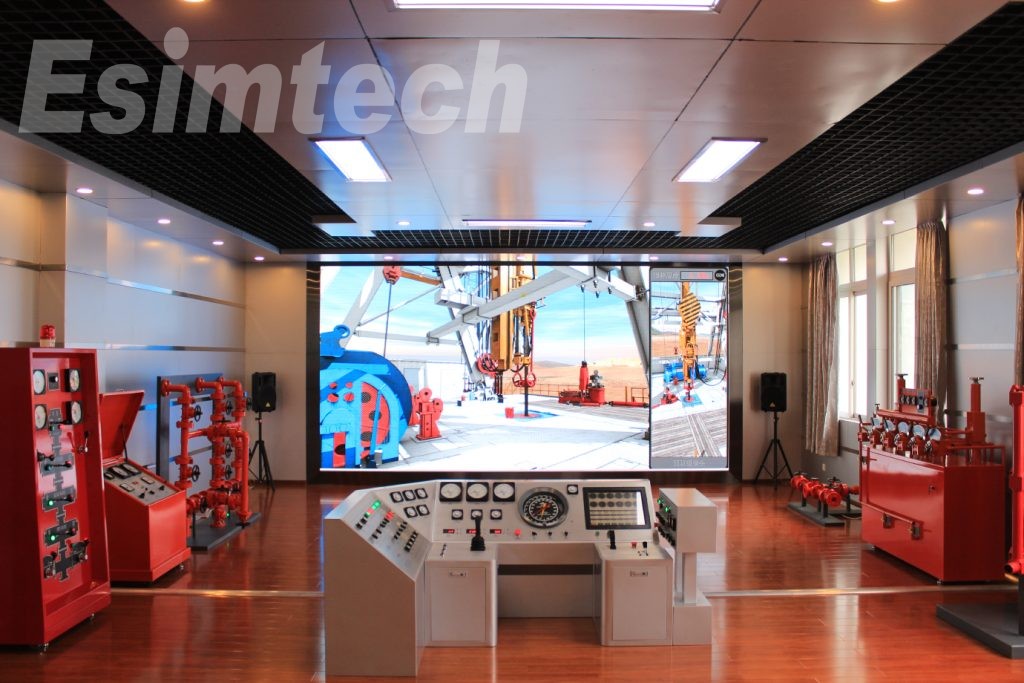
How Simulations and Predictive Technologies Transform Downhole Drilling

The downhole drilling landscape has undergone significant transformation in recent years, driven by rapid advancements in technology. This article explores how cutting-edge simulation and predictive technologies have revolutionized downhole drilling, pushing the boundaries of performance and durability beyond their original specifications.

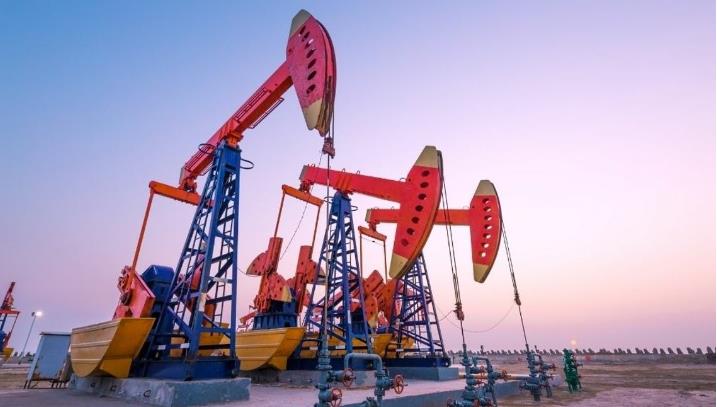
Downhole Drilling Operation

Evolution of Downhole Drilling Techniques

Downhole drilling techniques have evolved considerably since their primitive beginnings. From early manual methods to today’s sophisticated rigs, the industry has seen a series of groundbreaking advancements:

Early Days (Pre-1850s)

Primitive Percussion: The earliest method involved pounding a hole into the ground with a heavy weight or pole. It was slow, labor-intensive, and only effective for shallow depths.

Cable Tool Drilling: This technique used a rope or cable to lower a bit into the hole. The bit would crush the rock, and a bailer was used to remove the cuttings. While an improvement over percussion drilling, it was still slow and limited to depths of around 2,000 feet.

Rotary Drilling (Post-1850s)

Rotary Drilling: A major breakthrough, rotary drilling uses a rotating bit powered by an engine or motor to cut through rock. Drilling fluid is circulated to cool the bit and remove cuttings. This technique is much faster and can reach greater depths than previous methods.

Directional Drilling (Early 1900s – Present)

Directional Drilling: With this technique, drillers can control the direction of the borehole, allowing them to reach targets that are not directly beneath the rig, such as offshore reservoirs or those beneath complex terrains.

Advances in Drilling Technology (Mid-1900s – Present)

Mud Logging: By analyzing cuttings brought up from the wellbore, mud loggers can identify different rock formations and the presence of oil or gas.

Well Logging: Sensors lowered into the wellbore measure rock properties, helping to map formations, assess porosity, and identify oil and gas reservoirs.

Horizontal Drilling: This technique allows for drilling long horizontal sections from a single vertical wellbore, especially useful for reaching extensive reservoirs spread over large areas.

MWD/LWD (Measurement While Drilling/Logging While Drilling): These real-time technologies provide valuable data on the formation during the drilling process, enabling drillers to make critical adjustments in real-time.

The Rise of Simulation Technology in Downhole Drilling Operations

Drilling deep into the Earth is fraught with uncertainty and risk. The deeper the well, the more unpredictable the conditions become. Simulation technology has emerged as a powerful tool to mitigate these risks.

Downhole drilling simulations use sophisticated software to model various factors involved in the drilling process, including geological conditions, rig specifications, and drilling fluids.

Types of Downhole Drilling Simulations:

Geological Simulations: These models help identify potential hazards like faults or fractures, providing critical insights before drilling begins.

Drilling Mechanics Simulations: These models optimize drilling parameters such as weight on bit and rotary speed for improved efficiency.

Wellbore Stability Simulations: These simulations prevent wellbore collapse by ensuring the structural integrity of the well, which is vital for safety.

Types of Downhole Operation Simulations:

Beyond drilling, simulations are used in various downhole operations to enhance training and optimize procedures:

Workover Simulations: Model interventions to restore or enhance production, ensuring safety and efficiency.

Fracturing Simulations: Optimize hydraulic fracturing by simulating fracture propagation and fluid flow.

Production Simulations: Predict fluid flow from reservoirs to the surface, aiding in production strategy optimization.

Transient Simulations: Model short-term behaviors like flow tests or well control events.

Predictive Technologies in Downhole Drilling

The advent of predictive technologies is revolutionizing downhole drilling by enhancing safety, optimizing performance, and reducing risks. These tools allow for data-driven decisions in real-time, significantly improving drilling outcomes.

Workover Simulator

Real-time Drilling Data Analytics:

Sensors embedded in drill strings and mud pumps capture real-time data, including weight on bit, torque, and flow rates. Machine learning algorithms analyze this data to identify early warning signs of potential issues such as stuck pipe, wellbore instability, or kicks.

Formation Imaging and Logging:

Advanced tools, such as electromagnetic imaging and nuclear magnetic resonance, generate 3D images of the surrounding rock formations. This data helps predict geological hazards and make proactive adjustments to drilling plans.

Mud Logging and Geochemical Analysis:

Mud loggers analyze rock cuttings to detect changes in lithology and proximity to hydrocarbons. Advanced geochemical analysis can reveal subtle changes in the composition, indicating potential oil or gas reservoirs.

Seismic Data Interpretation and Inversion:

Advanced seismic processing techniques convert seismic data into detailed models of rock properties, enabling predictive mapping of subsurface formations and fluid content.

Cloud-based Simulation and Modeling:

Cloud platforms host powerful simulations that integrate real-time data and geological models, allowing drillers to predict wellbore behavior, optimize drilling parameters, and prevent issues before they arise.

fracturing and acidizing simulators

Conclusion

Downhole drilling has evolved into a highly sophisticated and technology-driven process. Simulation and predictive technologies are unlocking new levels of efficiency, safety, and performance, making it possible to drill smarter and more sustainably. As these technologies continue to advance, the future of energy exploration will be shaped by our ability to see into the depths of the Earth with unprecedented precision, ensuring a more responsible and effective approach to resource extraction.

A Critical Analysis of Precision Tension Control in High-Speed Processes

In industries like textiles, metal processing, and paper production, precision tension control is paramount for ensuring product quality, operational efficiency, and machinery longevity. This article delves into the importance of the importance of tension control in high-speed processes, the challenges it presents, and the innovative solutions driving advancements in this field.

The Importance of Precision Tension Control

Precision tension control is essential for:

Product Quality: Consistent tension ensures uniformity in material handling, preventing defects like wrinkles, stretching, or misalignment.

Reduced Waste: Fluctuations in tension can lead to material damage, such as tearing or deformation, resulting in increased waste.

Enhanced Efficiency: Proper tension control avoids machine stoppages and downtime, improving operational efficiency and throughput.

Improved Equipment Longevity: Excessive or insufficient tension can cause undue stress on machinery, leading to premature wear and tear.

Adaptability to Complex Materials: Precision tension control systems can be tailored to handle various materials, including delicate or advanced ones.

Minimized Downtime and Errors: Real-time tension monitoring and adjustment help prevent issues before they escalate, reducing downtime and production errors.

Optimized Energy Consumption: Proper tension control can improve the energy efficiency of high-speed machines.

Tension Control in Metal Coil Processing

Challenges in Precision Tension Control

High-Speed Dynamics: Maintaining consistent tension at high speeds can be challenging due to rapid acceleration, deceleration, and the inertia of moving parts.

Material Variability: Different materials have varying properties that affect tension, making it difficult to maintain consistency.

Environmental Factors: External conditions like temperature and humidity can influence material behavior and tension control.

Digital Integration: Integrating tension control systems with digital platforms and IoT devices presents technical challenges.

Equipment Wear and Tear: Continuous high-speed operation can lead to wear and tear on tension control equipment.

Complexity in Multi-Stage Processes: Maintaining consistent tension across multiple stages of a process can be complex.

TE300 tension amplifier

Innovative Solutions

Advanced Sensing Technologies: High-precision tension sensors provide real-time feedback on tension levels.

Closed-Loop Control Systems: These systems automatically adjust tension based on real-time data.

Digital Twins and Predictive Analytics: Virtual replicas of physical systems can simulate tension behavior and predict potential issues.

Smart Rollers and Actuators: These components can dynamically adjust tension in real-time.

Industry 4.0 Integration: Integrating tension control with IoT devices and AI-driven analytics enhances efficiency.

Adaptive Control Algorithms: These advanced algorithms adjust tension control parameters based on real-time conditions.

Automated Tension Calibration: Regular calibration ensures long-term accuracy.

Multi-Zone Tension Control: This approach is useful in complex, multi-stage processes.

LS200 seated tension sensors

Conclusion

Precision tension control is a crucial factor in high-speed manufacturing. While challenges exist, innovative solutions are driving advancements in this field. By addressing these challenges and leveraging advanced technologies, industries can achieve greater precision in tension control, enhancing product quality, efficiency, and sustainability.
通过 WordPress.com 设计一个这样的站点
从这里开始