Printing inspection systems have become an indispensable part of quality control in the printing industry. As technology has evolved, printing quality inspection systems are now capable of handling a diverse range of materials with precision and consistency. This capability is crucial as different materials present unique challenges that can impact print quality, durability, and overall product reliability. This article explores the types of materials that benefit from advanced printing inspection systems and how these systems contribute to effective quality management.
Challenges in Handling Various Printing Materials
The printing industry uses a wide array of substrates, such as paper, cardboard, plastic films, metals, textiles, and glass. Each material has specific properties that influence the printing process:
Paper and Cardboard: Commonly used but present challenges related to texture, thickness variations, and absorbency that can lead to uneven print.
Plastic Films: Flexible and non-absorbent, requiring special techniques for ink adhesion and drying, and are prone to distortions during printing.
Metals: Often used for packaging, these surfaces require inspection for consistency due to their reflective nature and hardness.
Textiles: The porous and flexible nature of textiles makes maintaining color accuracy and edge definition more difficult.
Glass: Smooth and reflective, glass surfaces need precise control to ensure that printing adheres properly without smudging or fading.
The Role of Printing Inspection Systems
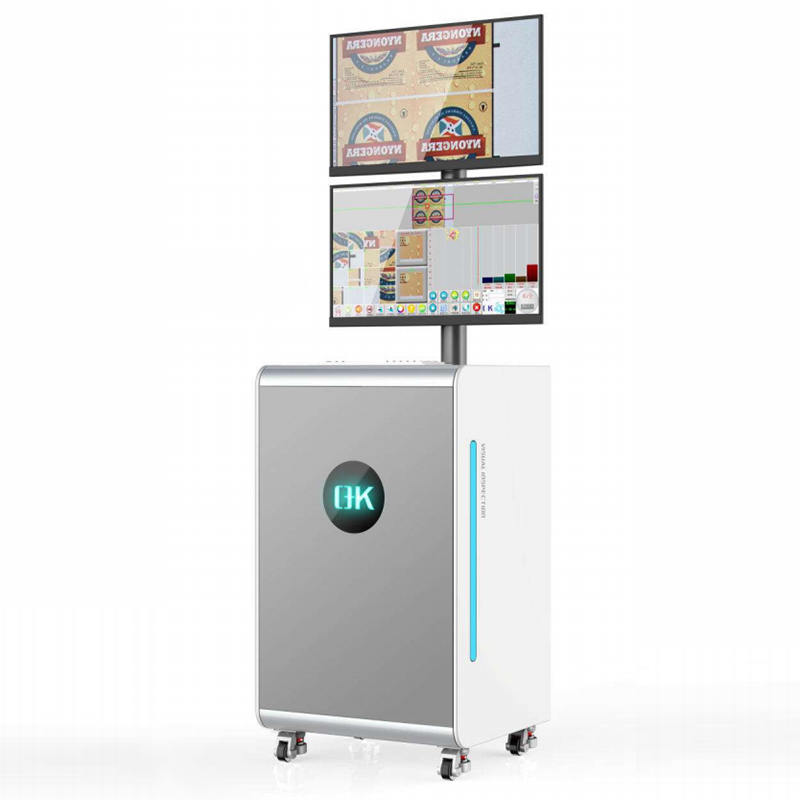
Printing inspection systems utilize a combination of sensors, cameras, and advanced software algorithms to detect issues in real-time. These systems are designed to adapt to different materials and can detect defects such as smudges, misalignments, color deviations, and missing elements. The main components include:
High-resolution Cameras: Capable of capturing minute details across a range of materials with varying levels of reflectivity and texture.
Multi-spectral Imaging: Useful for inspecting materials that might not be visible under normal lighting conditions, ensuring defects are detected on non-uniform surfaces.
Artificial Intelligence (AI) and Machine Learning: Enhance the system’s ability to learn from past data, allowing it to detect new or previously unseen defects.
How Inspection Systems Cater to Different Materials
Printing inspection systems are tailored to handle the unique properties of each material:
For Paper and Cardboard: These systems monitor color consistency, alignment, and print density. High-speed cameras ensure that even the slightest variations are identified.
For Plastic Films: Advanced image processing algorithms identify distortions or stretches in the film, while specialized lighting setups reduce glare and enhance defect visibility.
For Metal Surfaces: Reflective surfaces are inspected using anti-reflection techniques and angled lighting to detect issues like scratches, missing print areas, or smudges.
For Textiles: Inspection systems use adaptive imaging that accounts for the movement and stretch of fabric to spot irregularities in print distribution and color.
For Glass: Printing inspection systems with adaptive lighting and high-resolution imaging capture fine details to ensure print adhesion and prevent fading or inconsistencies.
Benefits of Using Advanced Inspection Systems
The advantages of deploying printing inspection systems include:
Enhanced Product Quality: Ensuring each product meets exact standards improves customer satisfaction and reduces the likelihood of returns or complaints.
Reduced Waste: Early detection of defects allows manufacturers to correct problems quickly, minimizing material waste and lowering costs.
Increased Productivity: Automated systems work continuously and at high speeds, allowing businesses to maintain fast production rates without sacrificing quality.
Versatility: The ability to inspect a wide range of materials means that businesses can expand their product lines without needing separate inspection equipment.
Case Studies and Industry Applications
Packaging Industry: Companies that print on multi-material packaging, such as snack wrappers and boxes, rely on 100% print inspection systems to check for perfect registration and color matching.
Textile Printing: Apparel manufacturers use these systems to maintain high standards for fabric prints, ensuring that designs are consistent across large batches.
Label Printing for Pharmaceuticals: Ensuring that labels on bottles and boxes are accurate and legible is critical for compliance and safety. Printing inspection systems help maintain these high standards.
In summary, printing inspection systems are a vital tool for handling different materials effectively. With advancements in imaging technology, AI, and adaptable configurations, these systems have the versatility to meet the stringent demands of modern printing across a variety of substrates. As industries continue to diversify their product offerings and integrate new materials, the role of reliable and precise inspection systems will only grow in importance, safeguarding quality and supporting innovation.
The joy of having a plush toy that reflects a unique idea or personal memory is unparalleled. Whether it’s a custom character for your brand, a keepsake for a special occasion, or simply a one-of-a-kind toy for children, creating your own plush is a rewarding process. This article will guide you through the steps of designing and bringing your own custom plush to life, from the initial concept to the final product.
Conceptualizing Your Plush Design
1. Define Your Vision
Start with a clear idea of what you want your plush to be. Consider what will make it unique: its shape, colors, expressions, and any distinctive features. This step may involve sketching rough drafts or compiling inspiration photos to visualize the final product. Decide whether you’re aiming for a realistic animal, a cartoonish character, or an abstract design.
2. Purpose and Target Audience
Understanding the purpose of your plush is crucial. Is it a toy for young children, a promotional item for a company, or a gift for collectors? Each purpose may influence the design’s complexity, safety requirements, and materials used.
3. Features and Details
Think about special features that could make your plush stand out, such as embroidered details, movable parts, or additional accessories like clothes or hats. The more specific you are with the details, the easier it will be to communicate your vision to manufacturers or pattern makers.
Designing and Creating a Prototype
1. Create Detailed Artwork
Once your concept is clear, create detailed artwork or a 3D model of your plush. This step is crucial for communicating your ideas to the manufacturers. The artwork should include front, side, and back views with detailed notes on colors, textures, and proportions.
2. Choose the Right Materials
Selecting materials for custom plushies is an essential part of the design process. Plush toys typically use soft fabrics like fleece, minky, or velboa for the outer surface. If durability is a priority, you might opt for materials that are easy to clean and resistant to wear and tear. Consider whether your plush will require hypoallergenic materials, especially if it’s intended for children.
3. Create a Prototype
If you have sewing skills, you can create a prototype yourself. Otherwise, work with a skilled artisan or prototype service. This first version will help identify any design flaws or adjustments needed before full production. Ensure that the prototype matches the envisioned size, texture, and overall feel of your plush.
Partnering with a Manufacturer
1. Find the Right Manufacturer
Choosing the right manufacturer is key to bringing your plush to life. Look for a custom plush toy manufacturer experienced in producing high-quality products, preferably one that offers flexible order quantities. Research their reputation, check reviews, and ask for samples of their previous work to ensure they meet your standards.
2. Communicate Clearly
Clear communication is essential when working with a manufacturer. Share detailed design files, including specifications for size, colors, and materials. If possible, provide them with the prototype you created. Be prepared to go through several rounds of revisions until the sample produced by the manufacturer aligns with your expectations.
3. Approve a Sample
Once the manufacturer provides a sample, review it thoroughly. Check that the seams are secure, the fabric is soft and as specified, and all details match your design. If any changes are needed, communicate them clearly and request another sample if necessary.
Production and Quality Control
1. Full-Scale Production
After approving the sample, production can begin. Depending on the complexity of the plush and the size of your order, this step can take anywhere from a few weeks to several months. Work closely with the manufacturer to track progress and ensure they meet your timeline.
2. Quality Assurance
Before your plush toys are shipped, they should go through a quality control check. This step ensures consistency in stitching, color accuracy, and material quality. Make sure the manufacturer implements stringent quality checks or consider sending an independent inspector if possible.
3. Safety Standards
Ensure that your plush toys comply with relevant safety standards, especially if they are intended for children. This might include regulations for choking hazards, flammability, and the use of non-toxic materials. In many countries, toys must carry safety certifications such as CE (Europe) or ASTM (United States).
Packaging and Distribution
1. Custom Packaging
Consider creating custom packaging that complements your plush design and highlights your brand or concept. Eye-catching, eco-friendly packaging can make a significant difference in how your product is perceived by customers.
2. Plan Distribution
Decide on your distribution strategy. Will you sell your plush toys through an online store, in physical retail locations, or distribute them as part of a promotional campaign? Align your distribution plan with your marketing strategy to maximize exposure.
3. Launch and Promote
Promote your plush on social media platforms, through targeted ads, and via collaborations with influencers or bloggers who specialize in toys and collectibles. Highlight the unique aspects of your plush, such as its custom design, special features, or limited-edition status.
Tips for Success
1. Stay Patient and Flexible
The journey from concept to final product can involve unexpected delays and revisions. Staying patient and flexible will help you navigate any challenges that arise.
2. Gather Feedback
After launching your plush, gather feedback from your audience to understand what they love and what can be improved for future versions. Engaging with your customers shows that you value their input and helps build a loyal fan base.
3. Innovate and Expand
Once you have successfully launched your plush, consider expanding your product line. You could add new characters, seasonal versions, or complementary products like storybooks or accessories.
To sum up, creating your own plush is a fulfilling process that combines creativity, technical know-how, and strategic thinking. Whether it’s a unique character, a brand mascot, or a heartfelt gift, bringing your idea to life as a cuddly plush can be a rewarding venture. By following these steps, you can navigate the process smoothly, ensuring that your plush stands out for its quality, uniqueness, and emotional appeal.
Deepwater oil and gas exploration represents one of the most complex and ambitious endeavors in the energy industry. Extracting hydrocarbons from the ocean floor, sometimes several kilometers below the surface, presents a unique set of challenges that require advanced technology, significant investment, and specialized expertise. This article will delve into the primary challenges of deepwater oil and gas exploration, from technical and environmental hurdles to economic and regulatory considerations.
Technical Challenges
1. Extreme Water Depths and High Pressure Deepwater exploration occurs at depths that can exceed 3,000 meters, where the pressure can be over 400 times that at sea level. Equipment must be specially designed to withstand these extreme conditions. Components such as subsea production systems, blowout preventers, and drilling risers need to be robust and resilient to prevent catastrophic failures.
2. Advanced Drilling Techniques Traditional drilling methods are insufficient for deepwater projects. Specialized rigs, such as dynamically positioned drillships and semi-submersible platforms, are required to maintain stability in the open sea. Drilling operations must also manage high temperatures from geothermal gradients and ensure the wellbore remains stable through advanced drilling fluid technology.
3. Complex Well Design Deepwater wells are prone to challenges such as high pore pressures and low fracture gradients, which can lead to well-control incidents. Wellbore stability, managed pressure drilling, and advanced cementing techniques are critical to prevent blowouts and ensure structural integrity.
Environmental Challenges
1. Vulnerable Ecosystems The deep-sea environment is home to unique ecosystems that can be impacted by exploration activities. The disturbance of the seabed, potential oil spills, and chemical discharges from drilling processes pose threats to marine biodiversity. Ensuring minimal disruption requires thorough environmental assessments and careful operational planning.
2. Spill Response and Containment Oil spills at great depths are particularly difficult to manage due to the inaccessibility of the site and the technical complexities involved. The Deepwater Horizon disaster of 2010 highlighted the severe consequences of a deepwater spill and led to an industry-wide push for improved containment technology, such as subsea capping stacks and containment domes.
3. Weather and Ocean Currents Deepwater operations must contend with unpredictable weather, powerful ocean currents, and other harsh environmental conditions. Hurricanes and tropical storms can disrupt operations, delay project timelines, and pose safety risks. Equipment and structures must be built to withstand these forces and ensure the safety of personnel and assets.
Economic Challenges
1. High Costs of Exploration Deepwater oil and gas projects are capital-intensive, with costs for a single exploration well easily reaching hundreds of millions of dollars. The advanced technology, specialized equipment, and logistical complexities involved contribute to these high expenses. Additionally, fluctuating oil prices can impact project viability and profitability, making financial risk management a significant concern.
2. Long Project Timelines The timeline for deepwater projects can span several years, from initial exploration to production. This extended timeframe introduces uncertainties, such as changes in regulatory environments, market conditions, and geopolitical factors. Companies must commit significant resources over the long term, with no guarantee of a return on investment.
3. Supply Chain and Logistics The supply chain for deepwater projects is intricate, involving coordination among suppliers of specialized drilling rigs, subsea equipment, and various support services. The transportation and installation of equipment at sea require specialized vessels and skilled labor, further contributing to logistical challenges and cost escalation.
Regulatory and Safety Challenges
1. Strict Regulatory Requirements Governments and regulatory bodies impose stringent safety and environmental regulations for deepwater exploration. Compliance with these regulations is essential but can add complexity and costs to projects. Regulations often mandate comprehensive safety protocols, emergency response plans, and environmental impact assessments.
2. Safety Concerns for Workers Safety is a paramount concern in deepwater exploration, where workers are exposed to significant risks. The remote nature of operations means that emergency response options are limited, requiring highly trained crews and stringent safety measures. Advances in training programs, safety drills, and remote monitoring technologies have been implemented to address these risks, but the potential for accidents remains a challenge.
3. Technological Dependence The industry relies heavily on technological innovations, from remotely operated vehicles (ROVs) for subsea inspections to automated drilling systems. However, this dependency on advanced technology can introduce vulnerabilities, including potential malfunctions and cybersecurity threats. Regular updates, maintenance, and investment in secure communication systems are necessary to mitigate these risks.
Innovation and Adaptation in Response to Challenges
Despite these challenges, the industry continues to develop and adapt through innovation:
1. Digitalization and Automation Digital technologies, such as data analytics, machine learning, and real-time monitoring systems, have enabled more efficient exploration and improved decision-making. Automated drilling systems and digital twins—virtual models of physical assets—help operators optimize processes, anticipate problems, and reduce downtime.
2. Advanced Materials and Engineering The use of new materials that can withstand harsh deep-sea conditions has enhanced equipment reliability. Research into more durable and lightweight materials has improved the longevity and performance of subsea infrastructure.
3. Enhanced Collaboration Collaborative efforts among oil and gas companies, technology providers, and research institutions have accelerated the development of safer and more effective solutions. Initiatives such as joint industry projects and partnerships with universities foster innovation and contribute to a deeper understanding of the challenges involved in deepwater exploration.
Various Ways Simulation Tools are Applied in Deepwater Oil and Gas Exploration
Enhancing Project Planning and Feasibility Analysis
1. Geological and Reservoir Simulations Accurate modeling of subsurface conditions is critical for determining whether a site is viable for exploration. Simulation tools allow geologists and engineers to create 3D models of the subsurface, integrating seismic data and geological information to predict the location and behavior of oil and gas reservoirs. By simulating how fluids move through porous rock, teams can assess reservoir potential, plan well placement, and estimate recoverable resources.
2. Drilling Strategy Optimization Simulations help engineers evaluate different drilling approaches and identify the best path to access oil and gas reserves. By modeling drilling trajectories, engineers can optimize wellbore placement to avoid hazards such as unstable rock formations and high-pressure zones. Simulated drilling scenarios allow operators to test various parameters like mud weight, drilling fluid composition, and rate of penetration, ensuring safer and more cost-effective drilling operations.
Safety and Risk Management
1. Blowout Prevention Simulations The risk of a blowout—an uncontrolled release of crude oil or gas—is a major concern in deepwater drilling. Simulation tools help engineers design and test blowout preventer (BOP) systems under various conditions, ensuring they function effectively in emergencies. Simulations can replicate scenarios involving sudden pressure changes or equipment failure, allowing teams to refine response protocols and mitigate potential hazards.
2. Emergency Response Drills Simulated environments provide realistic training for emergency response teams. These simulations recreate the unique challenges of deepwater operations, such as high pressure, low temperatures, and deep-sea currents. Workers can practice responses to critical incidents, such as oil spills or equipment malfunctions, without the risks associated with live drills. These virtual exercises enhance team preparedness and improve the coordination between crews and management.
Equipment Design and Testing
1. Subsea Equipment Simulations Deepwater oil and gas exploration relies on complex equipment such as subsea manifolds, risers, and pipelines. Simulation tools enable engineers to test and refine the design of these systems under simulated deep-sea conditions. By assessing how components respond to stress, temperature, and pressure, engineers can make design adjustments that improve durability and performance. This testing helps prevent costly failures and ensures that equipment can withstand the demanding conditions of deepwater environments.
2. ROV (Remotely Operated Vehicle) and AUV (Autonomous Underwater Vehicle) Simulations Remotely operated and autonomous vehicles play a crucial role in deepwater exploration for tasks like inspection, maintenance, and repair. Simulation tools help operators practice maneuvering these vehicles, optimizing routes, and performing precise tasks on subsea structures. These simulations replicate ocean conditions such as currents, visibility, and pressure, enabling operators to hone their skills in a safe and controlled environment.
Real-Time Monitoring and Decision Support
1. Digital Twins The use of digital twin technology is a significant advancement in deepwater exploration. A digital twin is a real-time digital representation of a physical asset, such as a drilling rig or subsea infrastructure. This technology integrates data from sensors and monitoring systems to provide an up-to-date model that reflects actual conditions. Engineers can use the digital twin to simulate potential problems, predict equipment wear, and optimize operations. This approach improves decision-making and reduces the risk of unexpected issues during drilling and production.
2. Dynamic Simulations for Adaptive Operations Real-time simulation tools provide continuous feedback during drilling operations, allowing for adaptive management of challenges as they arise. For instance, simulations can help identify unexpected pressure buildups, predict potential kick situations, and recommend changes to drilling parameters to avoid blowouts. This capability ensures that decision-makers can respond swiftly to changing conditions and maintain safe, efficient operations.
Economic and Environmental Impact Analysis
1. Cost-Benefit Simulations Deepwater exploration projects involve substantial financial investments, and simulation tools are essential for conducting thorough economic feasibility studies. These simulations evaluate factors such as drilling costs, production rates, and potential returns, helping companies decide if a project is viable. By simulating different economic scenarios, operators can plan for fluctuating oil prices and other market variables.
2. Environmental Impact Assessment Simulations also contribute to environmental management by modeling potential impacts of exploration activities. This includes assessing the effects of noise pollution on marine life, potential oil spills, and sediment displacement. Operators can use the data from these simulations to implement strategies that minimize their environmental footprint and comply with strict regulatory requirements.
Training and Skill Development
1. Virtual Reality (VR) Training Simulation tools powered by virtual reality provide immersive training experiences for new and experienced personnel. VR simulations replicate real-life conditions onboard drilling platforms, allowing workers to familiarize themselves with safety procedures, equipment handling, and emergency response practices. This hands-on training is critical for building confidence and competency in high-stakes deepwater operations.
2. Scenario-Based Learning Engineers and operational staff can engage in scenario-based simulations that cover a range of situations, from routine maintenance to crisis management. These simulations provide a safe space for teams to test their problem-solving skills, refine communication strategies, and improve their ability to make rapid, informed decisions under pressure.
Summary
Deepwater oil and gas exploration continues to push the boundaries of engineering and environmental management. While technical, environmental, economic, and regulatory challenges present formidable obstacles, the industry’s ability to innovate and adapt has allowed it to make significant progress.
Simulation tools have revolutionized the way deepwater oil and gas exploration is approached, offering unparalleled insights and preparedness that mitigate risks and optimize performance. From pre-drilling feasibility studies to real-time monitoring and environmental impact assessments, the applications of these tools are extensive and invaluable.
Search and rescue (SAR) operations at sea present unique challenges that demand the most advanced and reliable equipment. One critical component of any successful maritime search and rescue mission is the marine spotlight. These powerful lighting systems play a vital role in enhancing visibility, pinpointing targets, and ensuring the safety of both rescue teams and those in distress. This article will explore the importance of marine spotlights, their essential features, and advancements that make them indispensable tools in modern search and rescue operations.
Importance of Marine Spotlights in Search and Rescue Operations
Marine spotlights are designed to deliver intense, focused beams of light capable of illuminating vast areas of open water, which is essential during nighttime or low-visibility operations. The primary functions of these spotlights include:
Locating individuals or vessels in distress: A high-intensity spotlight can help rescue teams identify and approach the target quickly, even in rough sea conditions.
Enhancing the safety of SAR teams: Clear visibility aids navigation and minimizes risks associated with obstacles or hazardous conditions.
Coordinating with other vessels and aircraft: Spotlights help establish visual communication in scenarios where radios may fail or where silent operations are necessary.
Key Features of Effective Marine Spotlights
The effectiveness of marine spotlights for search and rescue operations depends on several critical attributes:
1. Luminous Intensity and Range An ideal SAR spotlight must produce sufficient light output, measured in lumens or candlepower, to cover long distances. High-output LEDs, xenon, or halogen lamps are popular choices due to their powerful illumination. For example, marine spotlights with a range exceeding 1,500 meters are highly effective for large-scale operations.
2. Beam Adjustability Flexibility in beam focus is essential for adapting to different scenarios. Adjustable spotlights allow operators to switch between a narrow, concentrated beam for distance illumination and a wide beam for broader coverage, making them versatile for both search and approach phases.
3. Weather and Corrosion Resistance Marine environments are harsh, with constant exposure to saltwater, humidity, and UV rays. Spotlights for SAR must be made from corrosion-resistant materials such as stainless steel or marine-grade aluminum, and have weatherproof housings rated at least IP66 or higher.
4. Remote and Manual Control Advanced marine spotlights often come with remote control capabilities for better precision, allowing operators to adjust angles and beams from the control deck. Manual options should also be available as a backup in case of technical malfunctions.
5. Power Efficiency Given that SAR operations can last hours, energy-efficient lighting, such as LEDs, is crucial to maximize battery life and minimize power consumption without compromising performance.
Technological Advancements in Marine Spotlights
1. LED Technology LEDs have become the go-to choice for modern marine spotlights due to their high efficiency, durability, and powerful light output. LED marine spotlights offer a longer operational lifespan, typically lasting over 50,000 hours, and generate less heat compared to traditional bulbs.
2. Integration with Night Vision and Infrared (IR) Some advanced spotlights come equipped with infrared capabilities, allowing them to be paired with night-vision equipment. This integration is particularly beneficial when searching for individuals who may be using heat-retaining gear or lifeboats with thermal markers.
3. Smart Control Systems Innovative control systems now enable integration with onboard navigation and radar systems. This feature allows for automatic spotlight alignment with mapped coordinates or targets identified on radar, streamlining the search process and improving accuracy.
4. Lightweight and Compact Designs Advances in materials and engineering have led to the development of spotlights that are both lightweight and compact without sacrificing power. This evolution makes them easier to handle and install on different types of vessels, from large coast guard ships to small rescue boats.
Applications and Best Practices
1. Coordinated Search Patterns Deploying multiple vessels equipped with spotlights to sweep a search grid ensures comprehensive coverage of a designated area. Spotlights with adjustable beams allow each vessel to illuminate its sector effectively, optimizing the search effort.
2. Communication and Training SAR teams must be well-trained in the use of marine spotlights, understanding how to signal other vessels or aircraft and read visual cues under different weather and sea conditions. Regular drills and simulations help crews adapt to the dynamic nature of SAR operations.
3. Maintenance and Inspection To maintain performance reliability, marine spotlights should undergo regular inspection and preventive maintenance. This includes checking the integrity of seals, cleaning lenses, and testing the functionality of remote and manual controls.
Marine spotlights are essential tools in search and rescue operations, providing the necessary visibility for successful missions. With advancements in LED technology, smart integration, and enhanced power efficiency, modern spotlights have become more effective than ever before. By choosing the right equipment and ensuring proper training, SAR teams can greatly improve their operational effectiveness, ultimately saving more lives in critical situations.
Disc springs, also known as Belleville springs or conical washers, are unique mechanical components used in various applications where a strong load-bearing capacity and compact design are essential. With the conical shape and high versatility of disc springs, they offer several benefits over traditional coil springs and other mechanical components.
Design and Structure of Disc Springs
Disc springs are characterized by their unique, conical shape, which allows them to deflect axially under load. Unlike standard coil springs, the shape of disc springs helps distribute loads uniformly over a larger area, providing a high force in a small space. Their structure typically includes the following features:
Conical Form: A sloped, disk-like shape that compresses axially when force is applied.
Material: Typically made from high-strength spring steel, stainless steel, or other specialized alloys to withstand various environmental and load conditions.
Thickness and Diameter: The load and deflection characteristics of a disc spring can be adjusted by altering the thickness, height, and diameter of the disc.
How Do Disc Springs Work?
Disc springs operate by converting axial force into elastic deformation. When a compressive load is applied, the conical shape flattens, providing a controlled and powerful spring action. Once the load is released, the disc returns to its original shape, making it suitable for repetitive load cycling.
Key Benefits of Using Disc Springs
Disc springs provide several advantages that make them highly valuable in mechanical and industrial applications:
High Load Capacity: Their conical shape enables them to handle significantly higher loads than conventional springs of the same size.
Compact Design: Disc springs can deliver a high force in a small space, making them ideal for applications where space constraints are an issue.
Versatile Load Handling: They can be used individually or stacked in various configurations (parallel or series) to adjust the load-deflection curve and achieve desired performance characteristics.
Durability: Made from robust materials, disc springs are highly resistant to fatigue, ensuring a long service life even under continuous or heavy load conditions.
Common Applications of Disc Springs
Disc springs are used in numerous industries and applications due to their unique properties. Some common uses include:
Clutches and Brakes: Providing consistent force to ensure proper engagement and disengagement.
Valve Assemblies: Maintaining pressure and preventing leakages in valve mechanisms.
Vibration Dampening: Reducing shock and vibration in sensitive equipment and machinery.
Bolt Tensioning: Acting as a locking mechanism to maintain consistent bolt tension under fluctuating conditions.
Load Compensation: Ensuring constant force in assemblies that expand or contract due to temperature or pressure changes.
Stacking Configurations
One of the significant advantages of disc springs is their ability to be used in various stacking arrangements to customize their performance:
Series Stacking: Placing disc springs in a series increases the deflection while maintaining the same force level.
Parallel Stacking: Stacking discs in parallel amplifies the force while maintaining the same deflection.
Combination Stacking: Mixing series and parallel stacks allows for complex load-deflection profiles to meet specific application requirements.
Load Requirements: Understanding the force needed and how the disc spring will interact with other components.
Material: Selecting a material suitable for the operating environment, such as corrosion-resistant alloys for harsh conditions.
Space Constraints: Ensuring the dimensions fit within the available space while meeting the desired load and deflection specifications.
Maintenance and Inspection
To ensure optimal performance and longevity, disc springs should be regularly inspected for signs of wear, fatigue, or corrosion. Proper lubrication can also extend their life by reducing friction and minimizing wear during operation.
In summary, Disc springs are highly efficient mechanical components known for their compact design, high load capacity, and versatile applications. Whether used individually or in customized stacks, they play a critical role in enhancing the performance and reliability of various mechanical systems. Their adaptability and reliability make them a popular choice in engineering solutions, contributing to improved durability and functionality in numerous applications.
In industrial, construction, and manufacturing fields, accurate identification and analysis of metal alloys are critical for ensuring quality, compliance, and safety. Metal alloy analyzers are invaluable tools for determining the composition of metals and alloys, helping industries maintain high standards in production and material sourcing. This article will guide you through the key considerations when choosing the right metal alloy analyzer for your demands.
Importance of Metal Alloy Analysis
Metal alloy analysis is essential for various reasons, including:
Quality Control: Verifying the exact composition of metals ensures that products meet specified standards.
Compliance: Industries must adhere to specific regulations and safety codes that require precise metal analysis.
Cost Savings: Identifying the correct alloy prevents material substitution and potential failures, reducing financial risks.
Efficiency: Quick and accurate analysis enables seamless workflow and reduces delays in material verification.
Types of Metal Alloy Analyzers
There are several types of metal alloy analyzers, each suited for different applications. The most common types include:
1. X-Ray Fluorescence (XRF) Analyzers
How It Works: XRF analyzers use X-ray technology to excite the atoms in a sample, which emit secondary X-rays that are detected and analyzed to determine the composition.
Best For: Quick, non-destructive testing of metals and alloys in a wide range of industrial environments.
Advantages:
Portability (handheld models available).
High-speed analysis.
Minimal sample preparation.
Limitations:
Limited detection of very light elements (e.g., lithium, beryllium).
2. Optical Emission Spectroscopy (OES)
How It Works: Optical emission spectrometers utilize an electrical discharge to excite the atoms in a metal sample, emitting light that is analyzed spectroscopically to determine the elemental composition.
Best For: In-depth analysis of alloys with a wide range of detectable elements, including light metals.
Advantages:
High precision for comprehensive alloy analysis.
Capable of detecting trace elements.
Limitations:
Requires more sample preparation.
Less portable compared to handheld XRF.
3. Laser-Induced Breakdown Spectroscopy (LIBS)
How It Works: LIBS technology uses a laser pulse to create a small plasma on the sample’s surface, analyzing the light emitted from the plasma to identify the elements present.
Best For: Applications that require rapid results and analysis of light elements like lithium.
Advantages:
High-speed analysis.
Can detect light elements effectively.
Limitations:
Surface preparation is often needed.
May require more operator expertise.
Factors to Consider When Choosing a Metal Alloy Analyzer
Choosing the right analyzer depends on your specific needs and operational context. Key factors include:
1. Type of Metal and Elements of Interest
If your primary focus is analyzing heavy metals or alloys, a handheld XRF may be sufficient.
For light metals or detailed composition analysis, OES or LIBS may be more suitable.
2. Portability and Field Use
Handheld XRF analyzers are excellent for on-site and field applications due to their portability and ease of use.
OES analyzers, though often larger, can be mobile with the right setup and are better suited for stationary laboratory settings.
3. Speed of Analysis
If rapid analysis is crucial, handheld XRF and LIBS devices offer near-instant results.
OES provides comprehensive analysis but may require slightly longer processing times.
4. Accuracy and Precision
For high-precision needs, such as in aerospace or high-standard manufacturing, OES provides superior accuracy.
XRF and LIBS can also deliver precise results, but may vary based on the specific metals and environmental conditions.
5. Budget and Cost Efficiency
XRF analyzers typically provide the most cost-effective solution for general alloy analysis.
OES equipment may have a higher upfront cost but is a worthwhile investment for those needing precise, laboratory-grade results.
LIBS sits between XRF and OES in terms of pricing, with advanced capabilities for analyzing light elements.
Common Applications by Industry
Manufacturing and Fabrication: XRF analyzers are often used for rapid checks to ensure that metals meet production specifications.
Scrap Recycling: Handheld XRF devices are popular for sorting and identifying metals quickly.
Aerospace and Automotive: OES analyzers help ensure the quality of alloys that meet stringent regulatory standards.
Mining and Geology: LIBS analyzers are used for elemental analysis of ore samples, especially when detecting light metals.
Tips for Optimal Use
Regular Calibration: To maintain accuracy, calibrate your metal analyzer periodically based on the manufacturer’s instructions.
Operator Training: Ensure that users are trained to understand the specific functionalities and best practices for using the chosen analyzer.
Maintenance: Regular maintenance, including software updates and hardware checks, helps extend the lifespan and reliability of the analyzer.
Conclusion
Choosing the right metal alloy analyzer depends on understanding your analysis requirements, the environment in which you’ll be working, and the types of metals you’ll be examining. By considering factors such as the type of analyzer, portability, accuracy, and budget, you can make an informed decision that ensures the best outcomes for your specific application. Whether you select an XRF, OES, or LIBS analyzer, investing in a quality device tailored to your needs is crucial for safety, compliance, and operational efficiency.
Spending time on the water is a popular activity enjoyed by people of all ages, whether it’s for leisure, sport, or work. Ensuring safety while on the water is paramount, and marine life jackets play a critical role in preventing drowning and protecting lives. This article will explore the importance of life jackets, how to choose the right one for every age group, and features to consider when selecting a life jacket.
Why Marine Life Jackets Are Essential
Accidents on the water can happen unexpectedly due to sudden weather changes, strong currents, or equipment failure. Wearing a properly fitted life jacket can mean the difference between life and death in such scenarios. Life jackets are designed to keep the wearer’s head above water and provide sufficient buoyancy to prevent sinking, giving rescuers time to reach and assist those in need.
Choosing the Right Life Jacket by Age Group
Selecting the appropriate marine life jacket for different age groups ensures optimal safety and comfort. Here’s a guide on what to look for when choosing life jackets for various age categories:
1. Infants and Toddlers
Features to Prioritize: Life jackets for infants and toddlers should have head support to keep their heads above water, leg straps to prevent the jacket from slipping off, and a grab handle for easy retrieval.
Buoyancy Considerations: Ensure that the jacket has sufficient buoyancy for their weight category and is U.S. Coast Guard-approved or approved by the relevant local regulatory body.
Comfort and Fit: It’s important that the jacket fits snugly but allows for comfortable movement. An ill-fitting life jacket can be hazardous if it rides up or slips off in the water.
2. Children (Ages 4–12)
Safety Features: Look for children’s life jackets with a secure fit, adjustable straps, and reflective patches for visibility. Some models come with whistles attached for alerting others in emergencies.
Style and Design: Bright colors and fun designs can encourage children to wear their life jackets willingly. Ensure the life jacket is easy to put on and remove, and check for a lightweight construction for comfort during prolonged use.
Testing: Always have children try on life jackets and test them in shallow water to ensure proper flotation and fit.
3. Teens and Adults
Type of Life Jacket: Depending on the activity (e.g., boating, kayaking, jet-skiing), select a life jacket that suits the purpose. Type II or Type III PFDs are common for recreational activities, while Type I life jackets are ideal for offshore or rough waters.
Adjustability: Look for adjustable straps to ensure a snug fit for different body shapes and sizes. The life jacket should not impede movement or feel restrictive.
Additional Features: For adults engaging in water sports or high-impact activities, choose life jackets with extra padding for shock absorption, pockets for storage, and a whistle or signal device for added safety.
Key Features to Consider in Life Jackets
Regardless of age, there are specific features to look for when purchasing a marine life jacket:
Certification and Approval: Always choose life jackets that meet safety standards set by the U.S. Coast Guard or other local maritime authorities.
Material and Durability: Life jackets made from strong, durable materials like nylon or neoprene offer better longevity and resistance to wear and tear.
Buoyancy Rating: Ensure that the life jacket provides sufficient buoyancy for the wearer’s weight.
Ease of Use: Quick-release buckles, zipper closures, and adjustable straps make life jackets more practical and user-friendly.
Visibility: Reflective elements and bright colors improve visibility in low-light or emergency situations.
Tips for Proper Use and Maintenance
To maximize the effectiveness of life jackets, follow these best practices:
Regular Checks: Periodically inspect life jackets for damage, wear, or tear and replace them if necessary.
Proper Storage: Store life jackets in a cool, dry place to prevent mold or mildew growth.
Routine Testing: Conduct float tests in shallow water to ensure the life jacket provides adequate buoyancy and fits well.
Educate and Practice: Teach children and adults how to properly put on and secure their life jackets. Regular practice can build confidence and reduce panic in an emergency.
5. Special Considerations for Individuals with Special Needs
For individuals with special needs, life jackets with custom or specialized support features are available. These may include additional head support, adaptive closures, or extra buoyancy tailored to specific physical conditions.
In summary, Marine life jackets are a crucial safety tool that can protect individuals of all ages in aquatic environments. By understanding the specific needs of each age group and choosing life jackets with appropriate safety features, comfort, and certifications, you can ensure that everyone stays safe while enjoying activities on the water. Regular maintenance, fit testing, and education further contribute to making life jackets a reliable part of water safety.
Key Aspects that Distinguish Fixed Offshore Platforms from Mobile Offshore Rigs
1. Definition and Overview
Fixed Offshore Platforms: These are permanent structures anchored directly to the seabed. Designed for long-term use, they can accommodate extensive drilling, production, and storage operations. Fixed platforms are often used in shallower waters (typically up to 500 meters), where the economic feasibility of constructing such large, stationary units makes sense.
Mobile Offshore Rigs: These are versatile, movable structures used for drilling exploratory and development wells. They can be relocated to different sites, making them suitable for exploration and temporary operations. Mobile offshore rigs include various types, such as jack-up rigs, semi-submersible rigs, and drillships, allowing for use in a range of water depths.
2. Structural Characteristics
Fixed Offshore Platforms:v
Types: Common types include steel jacket platforms, concrete gravity-based structures, and compliant towers.
Design: These platforms are designed to withstand harsh marine conditions and are built to support heavy drilling and production equipment.
Construction: Fixed platforms are constructed onshore and then transported to their offshore location. They are anchored securely to the seabed using piles or by their own weight.
Mobile Offshore Rigs:
Types: Includes jack-up rigs (suitable for shallower waters), semi-submersible rigs (for deeper waters), and drillships (capable of drilling in ultra-deep waters).
Design: Mobile rigs have buoyant hulls or legs that can be adjusted to maintain stability and adapt to different water depths.
Construction: These rigs are constructed to be towed or self-propelled to various drilling sites, enabling them to move quickly and adapt to exploration needs.
3. Operational Flexibility
Fixed Offshore Platforms:
Usage: Primarily used for long-term production and processing. Once installed, they remain in place for decades, making them ideal for well-established oil and gas fields.
Advantages: High stability and capability for large-scale operations. They can support significant infrastructure such as living quarters, helipads, and storage facilities.
Limitations: High initial construction costs and a lack of mobility, which makes them unsuitable for exploration or short-term projects.
Mobile Offshore Rigs:
Usage: Ideal for exploration and temporary drilling projects. Their mobility allows operators to test various sites for oil and gas potential.
Advantages: Cost-effective for exploratory drilling and adaptable to different locations and water depths. Can be deployed rapidly in response to changing exploration demands.
Limitations: Limited space and capacity for production. Generally, once a well is drilled and proven productive, production facilities need to be installed separately.
4. Water Depth and Environmental Conditions
Fixed Offshore Platforms: Best suited for shallow to medium-depth waters, up to about 500 meters. Advances in engineering have made some designs, like compliant towers, capable of operating in deeper waters. These platforms are engineered to withstand severe weather and environmental conditions, making them reliable for regions with high wave activity and strong winds.
Mobile Offshore Rigs: More versatile in terms of depth. Jack-up rigs are generally used for waters up to 150 meters deep, while semi-submersibles and drillships can operate in waters exceeding 3,000 meters. Their mobility makes them advantageous for work in various environments, including areas prone to hurricanes or severe weather, as they can be evacuated or moved when necessary.
5. Cost Considerations
Fixed Offshore Platforms: The upfront costs of building and installing a fixed platform are substantial. These structures are highly capital-intensive due to the materials, design, and construction involved. However, their long-term production capabilities often justify the initial investment when extensive oil or gas reserves are present.
Mobile Offshore Rigs: Typically more cost-effective for short-term projects or exploratory drilling. The ability to move rigs to different sites enhances their economic efficiency for companies that are evaluating multiple prospects. While the daily operation costs of mobile rigs can be high, the lower initial investment compared to fixed platforms makes them attractive for exploration.
6. Lifecycle and Longevity
Fixed Offshore Platforms: Designed for a long operational lifespan, sometimes exceeding 30 years, making them ideal for fields with proven, abundant reserves. Decommissioning a fixed platform is complex and can be costly due to its size and environmental impact.
Mobile Offshore Rigs: Used for shorter-term projects with a lifespan that depends on the rig type and maintenance practices. Mobile rigs can be updated, repurposed, or retired based on market conditions and operational needs.
Analytics of Simulation Used for Fixed Offshore Platforms vs. Mobile Offshore Rigs
Drilling rig simulation technologies play a crucial role in the design, planning, and operational management of both fixed offshore platforms and mobile offshore rigs. The use of advanced simulations helps to optimize structural integrity, safety, environmental impact, and cost-effectiveness.
1. Purpose of Simulation
Fixed Offshore Platforms:
Structural Analysis: Simulations are employed to assess the strength and durability of fixed platforms, considering long-term environmental loads such as waves, wind, and seismic activity.
Load Testing: Simulations model how platforms bear static and dynamic loads over extended periods, ensuring that the structure remains stable under extreme conditions.
Fatigue Analysis: These simulations predict how materials and joints in the platform react to repetitive stress and environmental factors, enabling engineers to extend the platform’s operational life.
Mobile Offshore Rigs:
Mobility and Stability Testing: Simulations evaluate how mobile rigs behave under different oceanographic conditions, ensuring safe movement and anchoring.
Hydrodynamic Performance: Rigs such as semi-submersibles and drillships are analyzed for their response to wave patterns, currents, and weather to ensure stability and operational efficiency.
Structural and Safety Assessments: Mobile rigs undergo simulations to test emergency response scenarios, evacuation plans, and damage control measures.
2. Types of Simulation Used
Fixed Offshore Platforms:
Finite Element Analysis (FEA): Used to simulate the stresses and deformations in the platform structure, FEA helps in identifying potential failure points and optimizing design for enhanced load-bearing capacity.
Computational Fluid Dynamics (CFD): Helps analyze the impact of waves, currents, and wind on the platform, ensuring that the structure can handle different weather conditions without compromising safety.
Seismic Analysis: Critical for platforms located in seismically active areas. Simulations predict the effects of earthquakes on the platform to mitigate risks and strengthen design elements.
Mobile Offshore Rigs:
Dynamic Positioning (DP) Simulations: Essential for ensuring drillships and semi-submersibles maintain position over a well site using computer-controlled systems.
Mooring and Anchoring Analysis: Simulations test how mooring lines and anchors perform under various environmental stresses, reducing the risk of drifting or unintentional movement.
Operational Load Simulations: Examine the forces experienced by mobile rigs during drilling, including heave, pitch, and roll motions that can affect drilling precision and safety.
3. Data and Analytics Techniques
Fixed Offshore Platforms:
Big Data Integration: Collects and analyzes historical data on environmental conditions to improve simulation accuracy and predictive maintenance models.
Predictive Analytics: Uses data to foresee when certain structural components might fail, enabling timely maintenance and reducing downtime.
Machine Learning Models: Enhance simulations by learning from past performance and optimizing platform design based on previous successes and failures.
Mobile Offshore Rigs:
Real-Time Monitoring: Integrates sensors with simulation models for real-time feedback on rig performance, providing predictive insights that inform operations.
Scenario-Based Analysis: Simulates a range of potential operational scenarios (e.g., sudden weather changes or equipment failure) to create robust contingency plans.
Multi-Agent Simulations: Employed to model interactions between the rig and its environment, allowing for better decision-making and risk management.
4. Simulation Outcomes and Applications
Fixed Offshore Platforms:
Optimized Design: Simulations help in fine-tuning design specifications, resulting in structures that can withstand long-term exposure to harsh conditions.
Extended Lifespan: By identifying and addressing potential fatigue issues, simulations contribute to an extended operational life and reduced maintenance costs.
Enhanced Operational Efficiency: Simulations lead to better positioning and stability, ensuring rigs can operate safely and efficiently in various water depths.
Increased Flexibility: Analytics from simulations allow operators to adapt to changing conditions quickly, optimizing operations and avoiding downtime.
Risk Mitigation: Scenario-based simulations prepare the rig for potential hazards, improving safety protocols and emergency readiness.
Conclusion
Choosing between fixed offshore platforms and mobile offshore rigs depends on a variety of factors, including water depth, project duration, budget, and environmental conditions. Fixed platforms are best for long-term, high-yield projects where stability and capacity are paramount. On the other hand, mobile offshore rigs offer flexibility, adaptability, and cost savings for exploratory and short-term drilling needs.
Simulations for fixed offshore platforms and mobile offshore rigs play an indispensable role in their design, construction, and operation. While fixed platforms benefit from simulations focusing on long-term stability and durability, mobile rigs leverage them for adaptability and real-time response to environmental conditions.
Both options play vital roles in the oil and gas industry, complementing each other to ensure that energy companies can explore new resources, develop fields, and produce oil and gas efficiently and sustainably. Understanding these differences can guide better decision-making and strategic planning in offshore operations.
When most people think of stuffed animals, images of childhood bedrooms and nursery playrooms come to mind. However, these plush companions are not exclusively for children. Increasingly, adults are embracing stuffed animals as a source of comfort, joy, and personal expression.
1. Emotional Comfort and Stress Relief
Life as an adult comes with its share of responsibilities, challenges, and stressors. Stuffed animals can serve as a simple yet effective way to soothe and relax during stressful times. Just holding or cuddling a plush toy can trigger feelings of comfort and safety, reducing cortisol levels and promoting a sense of calm. The tactile stimulation of a soft, familiar object can evoke a relaxation response, helping individuals unwind after a long day.
2. Nostalgia and Sentimental Value
Stuffed animals often remind people of their childhood, evoking a sense of nostalgia that brings back fond memories. This connection to simpler times can be profoundly comforting and help adults reconnect with feelings of warmth and happiness. Whether it’s a beloved character from the past or a plush toy reminiscent of a childhood favorite, stuffed animals provide a bridge to treasured memories that offer an emotional boost.
3. Companionship and Connection
Living alone or feeling isolated can lead to a longing for companionship. While stuffed animals don’t replace human interaction, they can provide a sense of presence that helps alleviate loneliness. Many people find comfort in talking to or cuddling a stuffed animal when they need a moment of connection, which can be especially helpful for those going through difficult periods or dealing with grief.
4. Therapeutic Benefits
Mental health professionals often encourage using comfort objects to manage anxiety, trauma, or depression. Stuffed animals can be a non-judgmental, safe space for adults to express their feelings. Research has shown that holding a stuffed animal can foster feelings of security, which can be particularly beneficial during therapy or self-reflection. They can act as grounding tools during moments of emotional overwhelm, providing reassurance and a tangible anchor.
5. Support for Sleep and Relaxation
For adults who struggle with insomnia or poor sleep quality, having a stuffed animal can contribute to a better sleep environment. The presence of a comforting object can help some adults feel more secure and relaxed as they drift off. This is similar to how weighted blankets provide comfort through deep pressure stimulation; a stuffed animal can offer a softer, lighter version of that calming effect.
6. Mindfulness and Relaxation Practices
Mindfulness is about being present in the moment, and many people use tactile objects as part of their mindfulness practices. Stuffed animals are perfect for this role—they are soft, non-distracting, and easy to focus on during relaxation exercises. Running one’s fingers over the fur or simply holding the plush toy can help center attention and reduce racing thoughts.
7. Decorative and Personal Expression
Stuffed animals can also be an expression of personality and style. Whether whimsical, artistic, or symbolic, they can add a unique touch to home décor. Adults often incorporate plush toys as accent pieces in living rooms or offices, making their spaces feel more welcoming and warm. For some, these toys represent a part of their identity or interests, such as fandoms or personal milestones.
8. Symbolism and Gifting
Custom stuffed animals have long been popular as gifts because they symbolize affection, care, and shared memories. When adults receive a plush toy from a loved one, it can carry deep sentimental value. These stuffed gifts can serve as reminders of friendships, love, or significant life events, strengthening emotional bonds.
9. Hobby or Collection
For some adults, collecting stuffed animals is more than just an occasional indulgence—it’s a passionate hobby. Collectors often seek unique or vintage pieces and connect with a community of like-minded enthusiasts. This hobby can be both playful and fulfilling, offering an opportunity to explore creativity, memory-making, and camaraderie.
10. Self-Care and Coping Mechanism
Stuffed animals can play an important role in self-care routines. In a world where adulting often feels like a relentless series of demands, finding simple, nurturing moments is essential for mental health. Stuffed animals offer a tangible way to incorporate moments of self-care, reminding adults to slow down, find joy in small things, and give themselves permission to be comforted.
In summary, The perception that stuffed animals are only for children is gradually shifting as more adults realize their multifaceted benefits. From providing emotional comfort and reducing stress to supporting mindfulness practices and serving as meaningful décor, these plush companions enrich the lives of many adults. Embracing stuffed animals as an adult is not only acceptable but can be a wonderful way to prioritize emotional well-being, foster joy, and reconnect with what truly brings comfort and happiness.
Custom in-line measurement solutions are essential for maintaining high-quality standards in industrial processes by providing real-time data and enabling immediate adjustments. These solutions are tailored to specific applications and industries, ensuring precision, efficiency, and adherence to strict requirements. Here’s an overview of custom in-line measurement solutions and their benefits.
What Are Custom In-line Measurement Solutions?
In-line measurement system solutions are integrated directly into production lines to monitor and measure critical parameters of products or processes without halting operations. Custom solutions are specifically designed to meet the unique requirements of different industries and applications, such as manufacturing, pharmaceuticals, food processing, and automotive production.
Key Features of Custom In-line Measurement Solutions:
Real-Time Monitoring:
These systems provide continuous, live feedback, which allows for immediate detection of deviations and facilitates quick corrective actions to maintain quality.
Tailored Design:
Custom solutions are built to address specific measurement challenges, such as complex geometries, high speeds, or variable environmental conditions, ensuring that they meet the exact needs of the process.
High Accuracy and Precision:
In-line systems are designed to deliver precise measurements with minimal error margins, crucial for maintaining product quality and consistency.
Data Integration:
Modern in-line solutions often come with the capability to integrate with data systems, including Industrial Internet of Things (IIoT) platforms, facilitating advanced data analysis and predictive maintenance.
Scalability:
Custom solutions can be scaled to suit production volumes, whether for small-scale custom manufacturing or large-scale continuous production.
Applications of Custom In-line Measurement Solutions:
Automotive Industry:
Used for measuring dimensions and tolerances of parts such as gears, engine components, and chassis elements to ensure they meet stringent specifications.
Pharmaceutical and Food Processing:
In-line measurement ensures proper dosage, correct packaging weights, and compliance with safety regulations by measuring parameters such as volume, weight, and composition.
Electronics Manufacturing:
Custom measurement solutions help ensure the accuracy of complex components like circuit boards, connectors, and microchips.
Used for non-contact measurements such as dimensions, surface roughness, and shape profiling. Ideal for high-speed production lines due to their rapid response times.
X-ray and Radiographic Systems:
Provide in-depth, non-destructive measurement of internal structures and are used in industries where internal integrity is vital, such as aerospace and automotive.
Ultrasonic Testing:
Employed for thickness measurements and defect detection in various materials, especially metals and composites.
Infrared and Spectroscopic Sensors:
Used for analyzing material composition, moisture content, and other chemical properties, particularly in food and pharmaceutical manufacturing.
Benefits of Implementing Custom In-line Measurement Solutions:
Enhanced Product Quality:
Continuous monitoring helps identify defects early and ensures that only products meeting quality standards reach the market.
Increased Efficiency:
Automation and real-time feedback reduce downtime associated with manual inspections, leading to higher throughput.
Cost Savings:
Early detection of potential issues prevents waste and reduces costs associated with rework or scrapping defective products.
Regulatory Compliance:
Ensures products meet industry regulations and standards, which is essential in sectors like pharmaceuticals and food processing.
Improved Process Control:
Enables operators to make data-driven decisions for process optimization, leading to better overall system performance.
Considerations for Choosing Custom Solutions:
Integration with Existing Systems: Solutions should be compatible with current production line setups and data infrastructure.
Scalability and Flexibility: The system should be adaptable for potential future process changes or expansions.
Environmental Challenges: Consider factors like temperature, dust, or vibrations that could affect measurement accuracy and system performance.
Maintenance and Support: Reliable service and maintenance support should be available to ensure minimal disruptions to operations.



 China manufacturers