Why Choose 100% Inspection Systems Used in the Printing Industry: A Cost vs. Benefit Analysis

In the fast-paced world of printing, ensuring high-quality output is crucial for maintaining customer satisfaction, reducing waste, and staying competitive. Traditional methods of inspection, such as manual checks and visual spot inspections, are often time-consuming, prone to human error, and inefficient in detecting subtle defects. As the demand for higher print quality and consistency increases, the adoption of automated 100% inspection systems has become a popular solution. These systems use advanced technologies like cameras, sensors, and artificial intelligence to inspect every printed piece for defects, ensuring that only flawless products reach the market.

web video inspection machine

However, as with any significant investment, companies must weigh the costs and benefits of implementing such systems. This article provides an in-depth cost vs. benefit analysis of 100% inspection systems in the printing industry.

Initial Investment and Setup Costs

The upfront costs for implementing a 100% inspection system can be significant. These systems typically involve:

High-resolution cameras: The core component of the system, which can cost anywhere from a few thousand to tens of thousands of dollars, depending on the resolution and technology used.

Software for defect detection and analysis: These programs can range from specialized defect-detection software to AI-driven platforms that provide real-time analysis and reporting. Licensing fees, integration costs, and ongoing maintenance can add to the overall investment.

Integration into existing workflows: Retrofit and integration of the system into existing print lines, ensuring compatibility with other equipment, can incur additional installation costs.

Training and education: Employees will need to be trained on how to operate and maintain the system, which adds to both the time and cost required for deployment.

In total, a full 100% inspection system may require an investment of $50,000 to $250,000 or more, depending on the scale of the printing operation and the complexity of the system.

Operational Costs

Once the system is in place, operational costs are typically lower compared to manual inspection methods. These include:

Power consumption: The cameras and processing units used in the system may consume more electricity than traditional inspection methods, though this is usually a minor cost.

Maintenance and software updates: Regular maintenance of the system’s hardware and software updates are necessary to ensure peak performance, and ongoing support contracts may be required.

Technical support staff: Although the system reduces the need for manual labor, companies will need to allocate resources to monitor the system and address any issues that arise.

Overall, operational costs are generally lower than the manual inspection methods, which require a dedicated labor force to inspect and identify defects on each printed sheet.

Benefits of 100% Inspection Systems

1. Increased Quality Control

One of the most significant benefits of 100% inspection systems is enhanced quality control. These systems can detect even the smallest defects, such as color inconsistencies, misalignment, and print flaws, which human inspectors may miss. This results in:

Fewer defective products: By identifying issues early in the process, 100% inspection systems reduce the risk of defective products reaching customers.

Consistency across production runs: Automated systems ensure that quality standards are maintained consistently, even across large production volumes or long production runs.

2. Reduced Waste and Rework Costs

Defects caught early can be corrected before the product moves further down the production line, reducing the need for expensive rework. The result is:

Lower material wastage: Defective products can be identified and removed before they waste valuable raw materials.

Reduced downtime: Detecting defects in real-time allows for quicker adjustments, reducing the likelihood of production stoppages and unnecessary delays.

Lower scrap rates: Consistently high-quality prints mean fewer products are discarded, which contributes to better cost control.

3. Enhanced Efficiency and Faster Production Times

100% inspection systems operate continuously without breaks, which leads to:

Faster detection and resolution: Real-time analysis ensures that defects are caught instantly, leading to faster corrections.

Higher throughput: With the system running efficiently, the overall speed of production can increase, making better use of resources and reducing idle time.

4. Labor Cost Savings

By automating the inspection process, companies can:

Reduce the need for manual inspectors: The system eliminates the reliance on human inspectors, saving on labor costs and reducing the risk of errors due to fatigue or oversight.

Optimize workforce allocation: Employees can focus on higher-level tasks, such as maintenance and equipment optimization, rather than repetitive inspection duties.

5. Data and Reporting for Continuous Improvement

Modern 100% inspection systems come with robust data collection and reporting capabilities that allow companies to:

Track defects and trends: The printing quality inspection system records and categorizes defects, providing valuable insights into recurring problems and potential areas for improvement.

Generate reports for quality audits: The data collected can be used for internal quality audits, making it easier to ensure compliance with industry standards and customer requirements.

Cost Savings Over Time

While the initial investment is substantial, the long-term savings generated by 100% inspection systems often justify the expense. Over time, companies can expect:

A return on investment (ROI): For many printing operations, the cost savings from reduced defects, lower waste, and labor savings can quickly outweigh the initial investment.

Increased competitiveness: Consistent product quality and fast turnaround times can help a printing company stay competitive, attracting more customers and potentially commanding higher prices for its products.

Long-term scalability: As production volumes increase, the system can handle higher throughput without additional labor costs, allowing companies to scale up without significant additional investment.

Wide-width Web Video Inspection System

Challenges to Consider

While the benefits are clear, there are challenges to consider when implementing 100% inspection systems:

High initial cost: Smaller printing companies may find it difficult to justify the upfront investment.

Integration with legacy systems: Some older printing equipment may not be easily compatible with modern inspection technologies, requiring expensive upgrades or replacements.

Learning curve: Employees may need time to adapt to new technologies, which could impact initial productivity.

The decision to invest in a 100% inspection system in the printing industry requires careful consideration of both costs and benefits. While the initial investment can be high, the long-term advantages—such as improved quality, reduced waste, enhanced efficiency, and lower labor costs—often result in a significant return on investment. For companies that prioritize quality control and aim for long-term growth, adopting a 100% inspection system can be a strategic move to enhance their competitive edge in an increasingly quality-conscious market.

How Explosion-Proof Lighting Adapts to Different Marine Environments

Marine environments present unique challenges for lighting solutions, particularly when safety is critical in hazardous locations such as oil rigs, tankers, and refineries. Explosion-proof lighting has become essential in these environments to mitigate risks associated with flammable gases, vapors, and dust. Below, we explore the importance of explosion-proof lighting and the tailored solutions available for different marine settings.

CFT6 explosion-proof flood-light

The Importance of Explosion-Proof Lighting in Marine Environments

Explosion-proof lighting is designed to prevent ignition of combustible substances in hazardous areas. The key features include:

Robust Construction: Sealed enclosures to prevent sparks or heat from escaping.

Corrosion Resistance: Designed to withstand saline environments and harsh weather conditions.

Compliance with Standards: Certified to meet industry safety standards like ATEX, IECEx, or UL.

These lights ensure operational safety while providing reliable illumination for essential tasks.

Types of Marine Environments and Challenges

1. Offshore Platforms

Offshore platforms are prone to high concentrations of flammable gases and extreme weather conditions. Lighting must endure constant vibration, saline corrosion, and potential impact from tools or machinery.

Solution: Explosion-proof LED floodlights with marine-grade aluminum housing provide long-lasting, vibration-resistant lighting with minimal maintenance.

explosion proof led flood light

2. Tankers and Cargo Ships

Tankers often transport flammable materials, posing risks in confined spaces like cargo holds or engine rooms.

Solution: Compact marine explosion-proof lights with narrow beam angles ensure efficient illumination while minimizing energy consumption. Anti-vibration designs and IP66/IP67-rated enclosures offer enhanced durability.

3. Ports and Harbors

Ports and harbors experience high humidity, corrosive air, and frequent exposure to chemicals.

Solution: Corrosion-resistant explosion-proof lighting with high ingress protection ratings (IP68) ensures performance in wet and dusty environments.

4. Marine Refineries

Refineries handle combustible chemicals, requiring lighting to function in potentially explosive atmospheres.

Solution: Explosion-proof fluorescent or LED fixtures with advanced heat dissipation mechanisms provide stable illumination without overheating.

Key Features of Explosion-Proof Marine Lighting

LED Technology: Energy-efficient LED explosion-proof lighting with long lifespans, reducing maintenance in inaccessible areas.

Wide Temperature Range: Operates in extreme cold or heat, critical for Arctic or tropical environments.

Emergency Backups: Integrated battery systems ensure lighting continuity during power outages.

Dimming Capabilities: Adjustable brightness for specific tasks or energy conservation.

CXH-102FB Explosion-proof Navigation Signal Light

Choosing the Right Explosion-Proof Lighting

When selecting explosion-proof lighting, consider:

Hazard Classification: Match lighting to the zone (e.g., Zone 0, 1, or 2) based on the likelihood of explosive conditions.

Ingress Protection (IP) Rating: Choose a rating suitable for exposure to water and dust.

Material Durability: Opt for materials like stainless steel or marine-grade aluminum to resist corrosion.

Certification Compliance: Verify compliance with international safety standards.

explosion proof led lights

Innovations in Explosion-Proof Lighting for Marine Use

Advancements in technology have made explosion-proof lighting more efficient and versatile:

Smart Control Systems: IoT-enabled lighting allows remote monitoring and control, reducing manual inspections.

Adaptive Lighting: Sensors adjust brightness based on ambient light and activity levels.

Solar-Powered Solutions: Sustainable options for isolated locations with limited power access.

Overall, explosion-proof lighting solutions are indispensable in safeguarding operations and personnel in various marine environments. By addressing specific challenges and leveraging modern technologies, these solutions ensure safety, reliability, and efficiency, even in the most demanding conditions. Investing in the right lighting not only protects lives but also enhances productivity in hazardous marine settings.

6 Key Points to Know Knurled Screws Quickly

Knurled screws are a specialized type of fastener distinguished by their textured, patterned surface. This knurled design, often a diamond or straight-line pattern, provides enhanced grip, allowing for easy manual tightening and loosening without the need for tools. Knurled screws are widely used in various industries for their functional design and versatility.

In this article, we will explore the features, types, applications, and advantages of knurled screws.

Brass T-Type Knurled Bolts

What Are Knurled Screws?

Knurled screws are fasteners with a cylindrical head designed for hand operation. The head is textured with a knurled pattern, which enhances grip and prevents slipping during manual adjustments. These screws come in various materials, including stainless steel, aluminum, brass, and plastic, and are available in different thread sizes and head shapes.

Types of Knurled Screws

Knurled screws are categorized based on their head design and application:

1. Knurled Thumb Screws

Feature a large, knurled head that can be turned easily by hand.

Commonly used in applications requiring frequent adjustments.

Available with flat or rounded heads for added versatility.

2. Knurled Cap Screws

Have a knurled cap that provides a secure grip for tightening or loosening.

Often used in machinery and equipment where manual operation is necessary.

3. Knurled Set Screws

Designed with a knurled head but typically lack a protruding head.

Commonly used to secure components within machinery or tools.

4. Custom Knurled Screws

Tailored to specific applications with unique sizes, knurling patterns, or materials.

Ideal for industries with specialized requirements.

knurled screws

Applications of Knurled Screws

Knurled screws are versatile fasteners used in a wide range of applications:

1. Electronics and Gadgets

Used for securing panels, covers, or components that require easy access.

Popular in assembling computer cases and electronic enclosures.

2. Medical and Laboratory Equipment

Allow for precise, tool-free adjustments of instruments and fixtures.

Commonly used in microscopes, spectrometers, and diagnostic devices.

3. Machinery and Tools

Used in industrial machinery for securing and adjusting parts.

Their easy-to-use design ensures quick and reliable operations.

4. Furniture and Fixtures

Found in adjustable furniture, display stands, and camera mounts.

Enable users to make ergonomic adjustments with minimal effort.

5. Automotive and Aerospace

Used in assembling dashboards, panels, and other components requiring frequent access.

Their durability and grip make them suitable for high-stress environments.

Green Zinc Knurled Step Screws

Advantages of Knurled Screws

Knurled screws offer several benefits that make them indispensable in many applications:

1. Tool-Free Operation

The knurled design enables users to tighten or loosen the screws without tools, saving time and effort.

2. Enhanced Grip

The textured surface ensures a secure grip, even in greasy or wet conditions.

3. Reusability

Designed for repeated use, knurled screws maintain their functionality and durability over time.

4. Aesthetic Appeal

Available in polished finishes, knurled screws can enhance the visual appeal of equipment or fixtures.

5. Versatility

With a variety of materials and designs, knurled screws can be adapted to suit diverse environments, from heavy-duty machinery to delicate instruments.

Factors to Consider When Choosing Knurled Screws

Selecting the right knurled screw depends on several factors:

Material: Choose a material compatible with the operating environment (e.g., stainless steel for corrosion resistance).

Size and Thread Type: Ensure the screw fits the components and meets the application’s mechanical requirements.

Knurling Pattern: Opt for a pattern that provides the necessary grip while maintaining aesthetic compatibility.

Load Capacity: Consider the load the screw will bear and select accordingly.

Maintenance Tips for Knurled Screws

To ensure the longevity and performance of knurled screws:

Clean the screws regularly to remove debris that may affect grip.

Inspect for signs of wear or corrosion, particularly in high-stress or corrosive environments.

Use appropriate torque when necessary to avoid damaging threads.

Overall, Knurled screws combine functionality, durability, and ease of use, making them indispensable in various industries. Their unique design not only provides excellent grip but also enables tool-free operation, making them a reliable choice for applications requiring frequent adjustments. Whether for assembling electronic devices, adjusting laboratory equipment, or securing machine components, knurled screws are a practical and efficient solution for modern fastening needs. By choosing the right type and maintaining them properly, you can ensure long-lasting performance and efficiency in your operations.

Different Types of Temperature Control Equipment in Laboratories: How to Choose

In laboratory settings, maintaining a consistent and accurate temperature is crucial for ensuring the validity and reliability of experiments. From chemical reactions to biological processes, many scientific investigations require precise temperature control. This article will explore the importance of temperature control in laboratories, the types of temperature control equipment available, and their applications.

The Importance of Temperature Control in Laboratories

Temperature plays a pivotal role in numerous laboratory procedures. Variations in temperature can lead to changes in chemical reaction rates, biological activities, or the stability of samples. For instance:

Chemical Reactions: Temperature affects the speed and outcome of chemical reactions. Some reactions may require heating to reach activation energy, while others need to be kept cool to prevent decomposition.

Biological Processes: Enzymatic activities, cellular functions, and microbial growth are often temperature-sensitive, necessitating precise control to replicate conditions found in living organisms or controlled environments.

Sample Preservation: Many laboratory samples, such as enzymes, proteins, and DNA, require constant refrigeration or specific thermal conditions to maintain their integrity.

Therefore, to maintain experimental consistency and accuracy, laboratory professionals depend on a variety of temperature control equipment.

Types of Temperature Control Equipment

Laboratories require different types of temperature control systems depending on the specific needs of their experiments. Some of the key equipment includes:

1 Incubators

Laboratory incubators are widely used to maintain a stable temperature for growing cultures, cultivating microorganisms, or testing the effects of temperature on biological specimens. They offer precise temperature control, typically ranging from 5°C to 80°C. Some incubators also include features like humidity control, CO2 regulation, and forced air circulation for uniform temperature distribution.

Anaerobic Incubator LAI-3T-N

Applications: Microbiology, cell biology, biotechnology, and pharmaceutical research.

2 Refrigerators and Freezers

Refrigerators and freezers are essential for storing temperature-sensitive biological samples, reagents, and chemicals. Laboratory refrigerators typically maintain temperatures between 2°C and 8°C, while freezers can be set to as low as -86°C for the long-term storage of biological materials. Specialized freezers such as ultra-low freezers are designed for extremely low temperatures, ideal for storing enzymes, vaccines, and other biological materials.

-86℃ Refrigerator

Applications: Sample storage, reagent preservation, biological specimen preservation.

3 Water Baths

Water baths provide a stable environment for incubating or heating samples at a constant temperature. They are particularly useful in applications where even heating is required, such as DNA denaturation, enzyme activity testing, or the preparation of media and buffers. Water baths offer temperatures from ambient to about 100°C, and some models can even provide temperature control within a precise range.

DC and DCW Series of Refrigerated Thermostatic Bath and Heating Circulators

Applications: Molecular biology, biochemistry, and chemical synthesis.

4 Hot Plates and Magnetic Stirring Heaters

Hot plates are used to heat liquids or solids to a desired temperature, and magnetic stirrers are used to maintain uniform mixing while heating. Many hot plates come with built-in temperature controllers to ensure accurate heating. Magnetic stirring heaters combine both functions, providing an even heat distribution while simultaneously stirring the contents.

Applications: Chemical synthesis, heating solutions, sample preparation.

5 Thermometers and Temperature Probes

Accurate temperature measurement is just as important as temperature control. Thermometers and temperature probes are used to monitor the temperature of samples, incubators, freezers, and baths. Digital thermometers offer high precision and can be calibrated for more accurate measurements. Temperature probes, often used in conjunction with data loggers, provide real-time temperature data for various processes.

Applications: Quality control, monitoring and verification of laboratory equipment, sample testing.

6 Cryogenic Systems

Cryogenic temperature control systems, which reach extremely low temperatures (below -150°C), are essential for storing and handling certain biological samples, including stem cells, viruses, and plasma. Cryogenic freezers and liquid nitrogen storage tanks are designed to keep materials at temperatures suitable for preserving their properties for long periods.

Applications: Cryopreservation, biotechnology, and biomedical research.

Selecting the Right Temperature Control Equipment

Choosing the right temperature control equipment depends on several factors:

Temperature Range: Different experiments may require a wide range of temperatures. Select equipment based on the specific temperature requirements of your processes.

Uniformity and Precision: Some applications require strict temperature consistency, while others may tolerate small variations. It’s essential to assess whether the equipment meets the required level of accuracy.

Space and Capacity: Laboratory space constraints may limit the size of the equipment, and capacity needs will vary depending on the amount of material being processed or stored.

User Interface and Features: Digital interfaces, alarms, and automated logging features can enhance ease of use and monitoring. Consider the specific needs of your laboratory when selecting equipment.

Energy Efficiency: Laboratories often operate in a 24/7 environment, making energy-efficient equipment a key consideration for reducing operational costs.

Maintaining Temperature Control Equipment

Regular maintenance is essential to ensure the longevity and proper functioning of temperature control equipment. This includes:

Calibration: Ensuring that temperature settings remain accurate over time by calibrating equipment periodically.

Cleaning: Keeping incubators, refrigerators, and water baths clean and free from contaminants to ensure optimal performance and prevent sample contamination.

Servicing: Scheduling professional servicing for equipment such as freezers, cryogenic systems, and incubators to prevent unexpected failures.

To sum up, temperature control is indispensable for scientific laboratories, ensuring that experiments and sample storage are performed under precise conditions. With a wide variety of equipment options available—from incubators to cryogenic systems—laboratories can select the tools best suited for their needs. By maintaining temperature accuracy and consistency, temperature control equipment plays a vital role in advancing scientific research, from pharmaceuticals and biotechnology to environmental science and material testing.

What are the Commonly Used Types of Marine PPE Equipment

In the challenging and often unpredictable marine environment, personal protective equipment (PPE) plays a crucial role in safeguarding the lives and well-being of individuals working on or near water. Marine PPE is specifically designed to address the unique hazards faced at sea, such as harsh weather, high humidity, and the risk of drowning. This article delves into the key types of marine PPE equipment, their applications, and the importance of proper usage and maintenance.

Marine PPE Equipment Supplier

Key Types of Marine PPE Equipment

a. Life Jackets and Personal Flotation Devices (PFDs)

Purpose: Provide buoyancy to keep individuals afloat in water.

Features: Adjustable straps, reflective strips, whistle attachments, and automatic inflation systems.

Applications: Used by seafarers, fishermen, and recreational boaters.

b. Immersion and Survival Suits

Purpose: Protect against hypothermia in cold water environments.

Features: Waterproof, insulated life jackets with integrated gloves and boots.

Applications: Critical for offshore workers and rescue teams in extreme climates.

c. Marine Safety Helmets

Purpose: Protect the head from impacts, falling objects, and harsh weather.

Features: Lightweight, adjustable, and corrosion-resistant designs.

Applications: Essential for workers on deck, during docking operations, and in high-risk zones.

d. Protective Footwear

Purpose: Prevent slips, trips, and injuries on wet or uneven surfaces.

Features: Anti-slip soles, water-resistant materials, and reinforced toes.

Applications: Worn by crew members during deck operations and maintenance tasks.

e. Marine Gloves

Purpose: Provide grip and hand protection from cuts, abrasions, and chemical exposure.

Features: Available in thermal, waterproof, and chemical-resistant variants.

Applications: Used in handling ropes, machinery, and hazardous materials.

f. Eye and Face Protection

Purpose: Shield against UV rays, sea spray, and projectiles.

Features: Anti-fog, UV-protective lenses, and splash-resistant designs.

Applications: Used in welding, cutting, and deck operations.

g. Respiratory Protection

Purpose: Protect against harmful fumes, dust, and low oxygen levels.

Features: Includes masks, respirators, and SCBAs (Self-Contained Breathing Apparatus).

Applications: Vital in confined spaces and chemical handling areas.

marine PPE

Importance of Marine PPE

Marine environments pose unique hazards, such as drowning risks, hypothermia, and exposure to corrosive materials. Proper use of PPE significantly reduces these risks, ensuring safety and compliance with maritime regulations, such as the International Maritime Organization (IMO) guidelines and Safety of Life at Sea (SOLAS) requirements.

Selecting the Right PPE

Factors to Consider:

Nature of Work: Different tasks demand specific types of PPE.

Fit and Comfort: Ill-fitting PPE can compromise safety and performance.

Durability and Standards: Ensure equipment meets industry standards (e.g., CE, ANSI, ISO certifications).

Environmental Conditions: Choose materials that withstand marine elements like saltwater and extreme temperatures.

Maintenance and Inspection

Regular inspection and maintenance are crucial for PPE effectiveness:

Life Jackets and Suits: Check for tears, leaks, and proper inflation mechanisms.

Helmets and Gloves: Inspect for cracks, wear, and material integrity.

Respiratory Gear: Ensure filters are functional and replaceable.

Proper storage, such as keeping PPE dry and away from corrosive substances, extends its lifespan and reliability.

Emerging Trends in Marine PPE

Advancements in technology are driving innovations in marine PPE:

Smart PPE: Integration of GPS tracking, temperature sensors, and communication devices for enhanced safety.

Eco-Friendly Materials: Use of sustainable and biodegradable components in PPE manufacturing.

Enhanced Comfort: Lightweight and ergonomic designs tailored for prolonged use.

marine PPE equipment

In summary, marine PPE is an indispensable part of maritime safety, offering protection against the unique challenges of working at sea. By selecting appropriate equipment, ensuring proper maintenance, and staying updated on advancements, marine professionals can work confidently and efficiently in their demanding environments.

A Comprehensive Comparison in Well Workover and Well Intervention

In the oil and gas industry, maintaining well performance and maximizing hydrocarbon recovery are critical. Two essential operations, well workover and well intervention, play a pivotal role in achieving these goals. While they share similar objectives, their methods, tools, and scopes differ significantly. This article explores the distinctions between well workover and well intervention, their applications, and their impact on oilfield operations.

What Is Well Workover

Well workover refers to major maintenance or reconditioning operations performed on a well after initial drilling and completion. These are typically extensive activities aimed at restoring or enhancing a well’s productivity. Workovers often involve significant equipment, downtime, and investment.

Common Applications of Well Workover:

Replacing or repairing production tubing.

Removing obstructions like scale or sand.

Converting a producing well to inject fluids (e.g., for water flooding).

Performing recompletion in a different reservoir zone.

Onshore well workovers

What Is Well Intervention

Well intervention encompasses a broader range of maintenance, diagnostics, and minor repair operations conducted during a well’s lifecycle. These activities are generally less intrusive than workovers and aim to maintain or optimize well performance without extensive downtime.

Common Applications of Well Intervention:

Logging and data collection to monitor well conditions.

Stimulating the reservoir with acidizing or hydraulic fracturing.

Cleaning the wellbore to remove debris or buildup.

Installing or repairing downhole equipment such as safety valves.

Key Differences Between Well Workover and Well Intervention

Definition

Well Workover: A major operation involving extensive repairs, maintenance, or modifications to restore or enhance well performance.

Well Intervention: A minor, targeted maintenance or diagnostic operation conducted to optimize production or address specific issues.

Scope of Operation

Well Workover: Covers large-scale operations such as replacing production tubing, recompletion, or significant structural repairs.

Well Intervention: Focused on less intrusive tasks like cleaning the wellbore, logging, or adjusting downhole equipment.

Tools and Equipment

Well Workover: Requires heavy machinery such as a workover rig or snubbing unit.

Well Intervention: Uses lighter tools like slickline, wireline, or coiled tubing.

Duration

Well Workover: Typically lasts days to weeks due to the complexity of the operations.

Well Intervention: Shorter duration, usually completed in hours to a few days.

Cost

Well Workover: More expensive due to extensive equipment, logistics, and downtime.

Well Intervention: More cost-effective and involves minimal production disruption.

Complexity

Well Workover: Handles severe well damage, obstructions, or major upgrades.

Well Intervention: Addresses minor issues or provides diagnostics for ongoing well maintenance.

Examples of Operations

Well Workover:

Tubing replacement.

Zone recompletion to tap new reservoir areas.

Removal of stuck equipment.

Well Intervention:

Acidizing or hydraulic fracturing for stimulation.

Wellbore cleaning.

Installing or repairing safety valves or other downhole components.

Impact on Production

Well Workover: Requires complete shutdown of production during the operation.

Well Intervention: Often allows partial or minimal interruption to production.

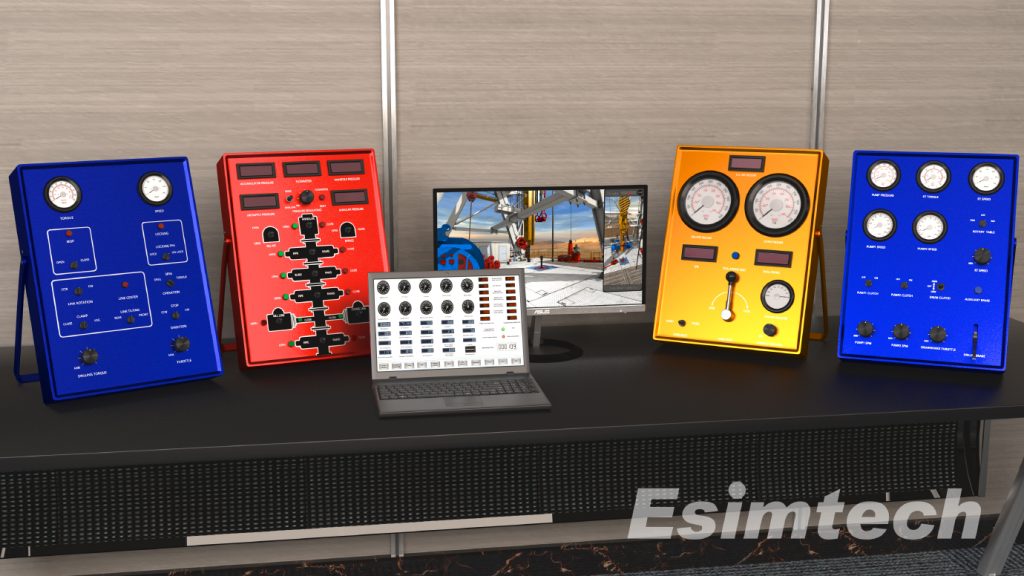
Differences Between Simulation Technologies Used for Well Workover and Well Intervention

Simulation technologies are vital for planning, training, and optimizing operations in well workover and well intervention. While they share overlapping objectives—enhancing safety, efficiency, and productivity—the simulation tools used for each process differ due to their unique operational scopes.

Differences Between Simulation Technologies Used for Well Workover and Well Intervention

Simulation technologies are vital for planning, training, and optimizing operations in well workover and well intervention. While they share overlapping objectives—enhancing safety, efficiency, and productivity—the simulation tools used for each process differ due to their unique operational scopes. Below is a detailed comparison of the simulation technologies for well workover and well intervention.

1. Purpose of Simulations

Well Workover:

Well workover simulations focus on modeling complex and large-scale operations such as tubing replacement, recompletion, and major well repairs. The emphasis is on predicting operational risks, equipment behavior, and downtime impact.

Workover Simulator

Well Intervention:

Simulations for well intervention prioritize real-time diagnostics, optimizing minor maintenance tasks, and evaluating well performance during operations like cleaning, logging, or minor equipment adjustments.

2. Complexity of Models

Well Workover:

Workover simulations often involve detailed models of the well’s structural components, reservoir interaction, and mechanical systems. They simulate various scenarios, including equipment failure, workover rig operations, and reservoir inflow responses.

Well Intervention:

Intervention simulations are generally less complex, focusing on the dynamic behavior of specific tools like slickline, coiled tubing, or wireline. They model fluid flow, wellbore cleaning, and the impact of small-scale operations on production.

3. Simulation Tools and Technologies

Well Workover:

Common tools include:

Finite Element Analysis (FEA): To model mechanical stresses and failures in well components.

Reservoir-Well Interaction Models: To simulate how workover operations affect production.

Full Rig and Equipment Simulators: To train operators on complex workover rigs.

Well Intervention:

Common tools include:

Dynamic Flow Simulators: For analyzing fluid flow during wellbore cleaning or acidizing.

Coiled Tubing Simulators: To model tool deployment and retrieval.

AI-Enhanced Diagnostic Models: For real-time prediction and optimization during intervention.

Figure 2 System layout of coiled tubing simulator

4. Training Applications

Well Workover:

Training simulators for workovers focus on team coordination, handling large-scale equipment, and preparing for high-risk scenarios such as stuck pipe removal or pressure control failures.

Well Intervention:

Intervention simulations are designed for individual tool operators and focus on precision, monitoring, and troubleshooting lightweight equipment like logging tools or perforation devices.

5. Cost and Accessibility

Well Workover:

Workover simulations are generally more expensive due to the need for high-fidelity models and extensive computational resources. They are typically deployed in large-scale facilities or specialized training centers.

Well Intervention:

Intervention simulations are more affordable and portable, often utilizing compact setups or cloud-based solutions that allow for remote access and real-time updates.

6. Real-Time Feedback and Analytics

Well Workover:

Simulations often focus on pre-operation planning and post-operation analysis, providing detailed reports on operational feasibility, equipment performance, and risk mitigation strategies.

Well Intervention:

Real-time feedback is a core feature, enabling dynamic adjustments during interventions like acidizing or perforation. Intervention simulators often integrate with live well data for predictive insights.

7. Examples of Use Cases

Well Workover Simulations:

Modeling complex tubing replacement procedures.

Predicting reservoir responses during recompletion.

Simulating the impact of high-pressure, high-temperature (HPHT) conditions.

Well Intervention Simulations:

Simulating coiled tubing deployment and retrieval.

Optimizing fluid displacement during wellbore cleaning.

Evaluating the success of acid stimulation or other minor enhancements.

Conclusion

Both well workover and well intervention are indispensable for maintaining well integrity and optimizing production. While workovers address major well challenges, interventions provide a quicker, less intrusive solution for ongoing maintenance. Understanding their differences enables operators to choose the right approach for maximizing well performance while balancing costs and operational efficiency.

Simulation technologies for well workover and well intervention are tailored to the distinct challenges and complexities of each operation. Workover simulations emphasize detailed planning and risk management for large-scale tasks, while intervention simulations focus on precision, speed, and real-time adjustments for minor maintenance and diagnostics. Leveraging the right simulation tools for each operation ensures safer, more efficient, and cost-effective oilfield operations.

Why 100% Inspection Systems are Critical for Pinting Quality Control

The printing industry is constantly under pressure to deliver flawless products that meet the highest quality standards. To achieve this, 100% inspection systems have become an indispensable part of modern printing quality control. Unlike traditional sampling methods, these systems inspect every single piece of printed material, ensuring unparalleled precision and reliability.

print quality inspection system

What Are 100% Inspection Systems

100% inspection systems are automated solutions designed to monitor, analyze, and detect printing defects in real time. These systems utilize advanced imaging technologies, such as high-resolution cameras, machine vision, and AI algorithms, to evaluate every printed piece against predefined quality standards.

Key Features of 100% Inspection Systems

High-Speed Operation

Modern inspection systems can seamlessly integrate with high-speed printing machines, ensuring no delays in production lines.

Defect Detection

They can identify various defects, including color deviations, registration errors, missing text, and surface imperfections.

Automated Data Collection

These systems generate detailed reports and statistical data for continuous process improvement.

Integration with Printing Equipment

Compatibility with various printing technologies (e.g., offset, digital, and flexographic) makes these systems versatile.

Advantages of 100% Inspection in Printing

Enhanced Product Quality

By ensuring each item meets the required standards, 100% inspection reduces customer complaints and returns.

Cost Savings

Early detection of defects prevents further processing of faulty items, reducing waste and rework costs.

Increased Productivity

Automated systems eliminate the need for manual inspection, freeing up resources and speeding up production.

Regulatory Compliance

In industries like pharmaceuticals or food packaging, where stringent regulations apply, 100% inspection ensures compliance.

100% inspection system for printing quality

Challenges in Implementing 100% Inspection Systems

Initial Investment

The cost of acquiring and integrating these systems can be high, but the return on investment often justifies the expense.

Complexity in Setup

Calibrating systems for different print jobs and materials requires skilled personnel.

Data Overload

While detailed reports are beneficial, managing and analyzing large volumes of data can be overwhelming without the right tools.

Applications of 100% Inspection Systems

Packaging Industry

Ensures labels, barcodes, and product information are accurate and legible.

Security Printing

Validates sensitive materials like currency and passports for authenticity and precision.

Commercial Printing

Checks for aesthetic defects in marketing materials such as brochures and posters.

100% print inspection system work

Future Trends in 100% Inspection Systems

Artificial Intelligence and Machine Learning

AI is enhancing defect detection by learning from historical data to predict and prevent potential issues.

Real-Time Feedback Loops

Advanced print inspection systems now provide real-time feedback to printers, enabling immediate corrections and reducing downtime.

Cloud Integration

Cloud-based solutions facilitate remote monitoring, data storage, and analytics, empowering global operations.

Summary

As the demand for flawless printed materials continues to grow, 100% inspection systems are setting new standards in quality control. These systems not only safeguard brand reputation but also streamline production and improve profitability. Despite the challenges, advancements in technology are making them increasingly accessible, cementing their role as a critical asset in the printing industry.

For businesses aiming to stay competitive, investing in a robust 100% inspection system is no longer optional—it is a necessity.

What are the Common Used Fabrics for Custom Plushies

Custom plushies are beloved by children and adults alike for their soft textures, cuddly designs, and sentimental value. The fabric used plays a pivotal role in determining not only the plushie’s appearance but also its feel, durability, and safety. Choosing the right fabric is essential for crafting a plushie that stands out. Here’s a guide to the most popular fabrics used for custom plushies and their unique characteristics.

custom plushies manufacturer

1. Minky Fabric

Minky fabric is one of the most popular choices for plushies due to its luxurious softness and durability.

Characteristics: Minky is a synthetic fabric with a smooth, velvety texture. It’s available in various patterns, colors, and pile lengths.

Best For: Ideal for creating plushies that require a silky touch, such as baby-safe toys and cuddle companions.

Advantages: Easy to clean, hypoallergenic, and retains its softness even after multiple washes.

2. Fleece Fabric

Fleece is a versatile and lightweight material that provides warmth and a cozy feel.

Characteristics: Made from synthetic fibers, fleece is soft, slightly stretchy, and available in a wide range of colors and patterns.

Best For: Perfect for custom plushies meant to be huggable and warm, such as winter-themed or animal plushies.

Advantages: Durable, affordable, and easy to sew, making it a great choice for beginners.

3. Cotton Fabric

Cotton is a natural, breathable fabric that is widely used for its versatility and ease of customization.

Characteristics: Soft and lightweight, cotton comes in countless prints and patterns, allowing endless creative possibilities.

Best For: Suitable for making lightweight or decorative plushies that emphasize design over fluffiness.

Advantages: Easy to dye and print on, eco-friendly, and suitable for sensitive skin.

custom fabric

4. Felt Fabric

Felt is a non-woven fabric known for its firm texture and easy handling.

Characteristics: Felt is made by matting fibers together, giving it a flat yet soft surface.

Best For: Great for creating detailed features, such as facial expressions, accessories, or smaller plushies.

Advantages: Doesn’t fray, affordable, and perfect for intricate designs or beginner projects.

5. Velour Fabric

Velour combines the softness of velvet with a slight stretch, making it a premium choice for high-end plushies.

Characteristics: Velour has a plush surface with a slight sheen and elasticity, offering a luxurious feel.

Best For: Ideal for plushies that require a smooth and premium texture, such as collector’s items or elegant designs.

Advantages: Durable, visually appealing, and soft to the touch.

velvet material

6. Faux Fur Fabric

Faux fur mimics the look and feel of animal fur, making it perfect for realistic or fluffy plushies.

Characteristics: Thick and textured, faux fur comes in various lengths and patterns, from short and smooth to long and shaggy.

Best For: Perfect for animal-themed plushies, such as bears, lions, or fantasy creatures.

Advantages: Adds volume, realistic texture, and visual appeal.

7. Jersey Knit Fabric

Jersey knit is a stretchy and breathable fabric, often used for soft and flexible plushies.

Characteristics: Lightweight and slightly elastic, jersey knit drapes well and provides a snug feel.

Best For: Plushies designed for infants or those requiring a more flexible structure.

Advantages: Soft against the skin, affordable, and machine-washable.

Factors to Consider When Choosing Fabric for Custom Plushies

Softness: Plushies are meant to be cuddly, so prioritize fabrics that feel good against the skin.

Durability: Choose plush materials that can withstand wear and tear, especially for children’s toys.

Safety: Ensure the fabric is non-toxic, hypoallergenic, and complies with safety standards for toys.

Ease of Customization: Consider fabrics that are easy to dye, print, or sew for intricate designs.

Purpose: Match the fabric to the plushie’s function, whether decorative, cuddly, or collectible.

Conclusion

The fabric you choose for custom plushies directly impacts their quality, functionality, and appeal. Whether you prefer the luxurious softness of minky, the versatility of fleece, or the realistic texture of faux fur, there’s a perfect fabric for every design. By understanding the characteristics of each material, you can create plushies that delight recipients and stand out as true works of art.

10 Key Equipment for Precise Laboratory Sample Preparation

In scientific research and laboratory work, sample preparation is a crucial step in obtaining accurate and reliable results. The precision of laboratory sample preparation can significantly impact the quality of analysis and the interpretation of data. To ensure consistency, reproducibility, and reliability in the results, laboratories utilize a wide range of advanced equipment designed specifically for various sample types and preparation methods. In this article, we explore some key equipment used in laboratory sample preparation for precision and efficiency.

1. Laboratory Balances

Accurate weighing is fundamental in sample preparation, especially when dealing with small amounts of chemicals or biological samples. Laboratory balances come in different models to cater to specific needs, including:

Analytical Balances: Used for measuring very small quantities (down to milligrams), they offer high precision and sensitivity. Ideal for accurate formulation, dilution, and weighing of reagents in sensitive experiments.

Precision Balances: These balances provide high accuracy for larger samples and are often used in routine sample preparation for chemical analysis and formulation.

Density Balances: Used to measure the density of solids and liquids, density balances play a key role in determining the physical properties of materials, which can be critical in quality control and product formulation.

Analytical Balances

2. Sample Mills and Grinders

Grinding or milling is often necessary to homogenize and reduce sample size, especially in chemical and biological analysis. Sample mills and grinders are designed for different types of materials, such as:

Mortar and Pestle: Traditionally used for manual grinding, they are still common in small-scale sample preparation, especially for soft or delicate materials.

Rotor Mills: Used for grinding or homogenizing samples into fine powders. They can handle both dry and wet samples and are typically used for plant, food, and pharmaceutical sample preparation.

Ball Mills: Suitable for more robust materials, these mills are used for reducing materials into very fine powder, important for minerals, ceramics, and polymers.

3. Fume Hoods and Laminar Flow Cabinets

For preparing potentially hazardous samples, including those involving volatile chemicals, biological materials, or radioactive substances, proper containment is critical to ensure safety. Fume hoods and laminar flow cabinets provide controlled environments for sample handling and preparation.

Fume Hoods: These are designed to extract harmful fumes, vapors, or dust during chemical preparation. They protect the user from inhaling toxic substances during processes such as weighing, mixing, or transferring chemicals.

Laminar Flow Cabinets: These ensure an ultra-clean environment, providing a steady stream of filtered air to prevent contamination in sensitive biological or pharmaceutical preparations.

4. Centrifuges

Laboratory centrifuges are essential for separating components in liquid samples based on their density. They are particularly valuable in biological, chemical, and clinical laboratories.

Low-Speed Centrifuges: Commonly used in biology and chemistry, low-speed centrifuges help separate larger particles or cells from a sample.

High-Speed and Ultracentrifuges: Used for separating smaller particles such as proteins, nucleic acids, and viruses, these devices operate at significantly higher speeds to achieve finer separations.

Microcentrifuges: Designed for small sample volumes (typically under 2 mL), these centrifuges are indispensable in molecular biology labs for tasks like DNA/RNA extraction.

Drawell floor model centrifuge

5. Homogenizers

Homogenizers are used to blend and homogenize sample, ensuring uniformity in liquid, semi-liquid, or solid samples. They are especially important when preparing food, biological, or pharmaceutical samples.

Ultra-Turrax Homogenizers: These are commonly used for breaking down tissues or emulsifying liquids, often in pharmaceutical and biological labs.

High Pressure Homogenizers: These are used for breaking down particles into nanoscale sizes, essential for advanced research in drug formulation and nanotechnology.

High-Pressure Homogenizers

6. Autoclaves

Autoclaves are used for sterilizing equipment and samples to prevent contamination. They use high-pressure steam to kill bacteria, viruses, and other microorganisms, which is crucial in laboratory settings, particularly in microbiology and pharmaceutical industries.

Laboratory Autoclaves: Used for sterilizing glassware, media, and other instruments, they ensure that sample preparation environments remain sterile and contamination-free.

7. Drying Ovens

Drying ovens are used to remove moisture from samples before analysis. The precise control of temperature and airflow ensures that samples are dried without decomposition, which is essential for accurate weighing and analysis.

Forced Air Drying Ovens: These provide uniform heat distribution to dry samples and are often used for removing moisture from solid samples before they undergo further processing.

8. pH Meters and Titrators

For chemical sample preparation, controlling the pH is essential. pH meters and titrators are used to measure and adjust the acidity or alkalinity of a sample, ensuring it is within the required parameters for analysis.

pH Meters: Used for precise measurement of the pH of liquid samples, these are vital for the preparation of buffers, reagents, and solutions.

Titrators: Used for precise chemical analysis, titrators are employed to measure the concentration of a substance in solution, such as in determining the acid-base content in a sample.

9. Automated Liquid Handlers

For high-throughput laboratories, automated liquid handlers are indispensable for ensuring consistent, accurate, and fast sample preparation. These devices allow for the precise dispensing of liquids in various volumes, which is crucial for experiments that require exact measurements.

Multi-Channel Pipettes: Used in DNA/RNA extraction and PCR setup, these automated systems ensure high accuracy in preparing a large number of samples simultaneously.

Robotic Liquid Handling Systems: These fully automated systems are used in drug discovery, genomics, and diagnostics to handle thousands of samples at once, ensuring efficiency and reproducibility.

10. Freeze Dryers

Freeze drying, or lyophilization, is a sample preparation technique used to preserve samples by removing moisture through sublimation at low temperatures. This method is often employed in food, pharmaceutical, and biological sample preparation.

Laboratory Freeze Dryers: Used to preserve lab samples, these devices maintain the integrity of the samples by removing moisture without affecting their chemical composition.

To sum up, precise laboratory sample preparation is the foundation for obtaining reliable and accurate scientific data. The equipment mentioned in this article plays a vital role in ensuring that the samples are prepared in the most efficient, consistent, and controlled manner possible. By utilizing advanced laboratory equipment like balances, grinders, centrifuges, and pH meters, laboratories can guarantee that their experiments yield high-quality, reproducible results across various scientific fields, from chemistry and biology to pharmaceuticals and environmental testing. The continued innovation and development of these tools will help laboratories stay at the forefront of scientific discovery and technological advancement.

Traditional vs. LED Marine Navigation Lights: What are the Key Differences

Marine navigation lights play a crucial role in ensuring the safety of vessels navigating in the dark or in poor visibility conditions. These lights help identify the position, heading, and type of vessel, preventing collisions and aiding in safe maneuvering. Over the years, technological advancements have led to the development of LED marine navigation lights, which are now becoming more popular than traditional incandescent lights. But what are the key differences between these two types of lighting? Let’s explore the pros and cons of traditional vs. LED marine navigation lights.

LED Double deck Navigation Signal Light

1. Energy Efficiency

Traditional Lights: Traditional marine navigation lights typically use incandescent or halogen bulbs. These bulbs consume a significant amount of energy and generate considerable heat during operation. As a result, traditional lights can drain a boat’s power supply much faster, requiring frequent recharging of batteries, especially on smaller vessels or those with limited power sources.

LED Lights: LED lights, on the other hand, are known for their superior energy efficiency. They use far less power to produce the same amount of light compared to incandescent lights. An LED marine navigation light consumes up to 80% less energy than its traditional counterpart, which significantly reduces the strain on the vessel’s power system. This increased efficiency is particularly beneficial for long trips or vessels with limited electrical resources.

2. Durability and Longevity

Traditional Lights: Traditional incandescent and halogen lights have a shorter lifespan and are more prone to damage. These bulbs are often made of fragile materials and can burn out relatively quickly. In addition, they are susceptible to vibrations, shock, and moisture, which can lead to malfunction or failure.

LED Lights: LED marine navigation lights are highly durable and built to last. LEDs are solid-state lighting sources, meaning they have no filament or glass components that can break. They are more resistant to vibrations, shock, and environmental factors such as saltwater exposure. Furthermore, LED lights have a much longer operational life, often lasting 25,000 to 50,000 hours or more, compared to the 1,000 to 2,000 hours of a traditional incandescent bulb.

3. Brightness and Visibility

Traditional Lights: Traditional marine navigation lights tend to have a limited brightness and can sometimes appear dimmer as they age, especially when the filament weakens. Additionally, their light can be scattered in different directions, reducing the overall visibility range.

LED Lights: LED marine lights offer superior brightness and clarity. They provide a focused, directional beam of light that is highly visible from greater distances, making them an excellent choice for enhancing safety at sea. LED technology also ensures that the light remains consistent over time without diminishing in brightness.

4. Color and Light Spectrum

Traditional Lights: Incandescent and halogen marine lights typically emit a warm yellow or amber light, which may be less effective in certain weather conditions, like fog or rain. The light’s color may also degrade over time, making it harder for other vessels to see.

LED Lights: LED lights can produce a much broader spectrum of colors, including the distinct red, green, and white required for marine navigation. LEDs provide sharper and more defined color outputs that improve visibility, even in challenging conditions such as fog or low light.

CXH-21P Single-deck Navigation Signal Light Supplier

5. Cost and Maintenance

Traditional Lights: Incandescent and halogen marine navigation lights are generally less expensive upfront than LED lights. However, due to their shorter lifespan, they require more frequent replacement, leading to higher long-term maintenance costs. Additionally, traditional lights are often less energy-efficient, which means higher operational costs for vessels using them regularly.

LED Lights: LED marine navigation lights come with a higher initial cost, but their longevity and energy efficiency quickly outweigh this expense. The need for fewer replacements and less maintenance translates to lower overall costs over time. Additionally, the superior durability of LEDs reduces the frequency of repairs or replacements due to damage from environmental factors.

6. Environmental Impact

Traditional Lights: Incandescent and halogen bulbs can contribute to environmental waste due to their shorter lifespan and frequent need for replacement. Moreover, they generate more heat, which can have a negative effect on the surrounding environment, especially in tightly confined spaces like cabins.

LED Lights: LED lights are more environmentally friendly. Not only do they consume less energy, but they are also fully recyclable, with fewer harmful materials such as mercury used in their manufacturing. LED lights produce significantly less heat, which can help maintain a comfortable temperature inside the vessel.

7. Installation and Compatibility

Traditional Lights: Traditional lights are typically easy to install and compatible with older marine electrical systems. However, they may require more frequent adjustments or servicing due to their susceptibility to damage.

LED Lights: LED lights often require modern electrical systems, as they operate on lower voltages and sometimes need special adapters or controllers. Although installation can be more complex, LED technology is becoming increasingly standard in new vessels, and many manufacturers offer retrofitting kits for older boats.

LED marine navigation lights

Conclusion

When comparing traditional incandescent and LED marine navigation lights, the advantages of LEDs are clear. LEDs offer superior energy efficiency, durability, brightness, and longer lifespan, making them the better choice for modern vessels. Though they may come with a higher upfront cost, their longevity and reduced maintenance requirements provide significant savings in the long run. With growing advancements in LED technology, it’s no surprise that many boat owners and manufacturers are making the switch to LED lights for enhanced safety, performance, and environmental benefits.

Ultimately, while traditional lights still serve their purpose, LED marine navigation lights are fast becoming the standard for the modern boating industry, providing clear, reliable, and energy-efficient lighting solutions for navigating the seas.

通过 WordPress.com 设计一个这样的站点
从这里开始