Custom Graduation Bears: Why Polular, How to Design and Where to Buy

Graduation marks a significant milestone in a person’s life, and finding the perfect gift to commemorate this special occasion can be challenging. Custom graduation bears have emerged as a popular and meaningful way to celebrate academic achievements. These adorable, personalized keepsakes combine sentimentality with creativity, making them an ideal gift for graduates of all ages.

custom a graduation bear

Why Choose Custom Graduation Bears?

Custom graduation bears stand out as gifts due to their personal touch and versatility. Here are some reasons why they have gained popularity:

Memorability: A custom bear serves as a lasting memento of a significant accomplishment, often cherished for years.

Personalization: The ability to add names, graduation years, and special messages makes the gift unique and heartfelt.

Universality: Whether for a kindergartner or a college graduate, these bears appeal to recipients of all ages.

Design Features of Custom Graduation Bears

Modern custom graduation bears come in a variety of styles and features, allowing you to tailor the gift to the graduate’s personality and achievements:

Graduation Attire: Bears are often dressed in miniature caps and gowns, complete with tassels and sometimes diplomas.

Personalized Embroidery: Names, school logos, and dates can be embroidered on the bear or its clothing.

Thematic Add-ons: Accessories like miniature books, glasses, or stoles can highlight specific academic fields or honors.

Occasions for Custom Graduation Bears

While traditionally associated with graduation ceremonies, these bears can suit a variety of contexts:

Graduation Day Gifts: Presenting the bear after the ceremony adds a special touch to the celebration.

Classroom Keepsakes: Schools often use them as parting gifts for students completing a significant academic level, such as kindergarten or high school.

Corporate and Academic Awards: Companies and institutions can order custom teddy bears to honor interns or participants in training programs.

Custom a Graduation Bear

Customization Options

The true appeal of graduation bears lies in their customization potential. Popular personalization options include:

Color Choices: Match the bear’s attire to the school colors for added significance.

Material Selection: From plush fur to eco-friendly materials, buyers can select options that align with their preferences.

Message Tags: Including a card or tag with a motivational message or heartfelt note adds a personal touch.

Finding the Perfect Custom Graduation Bear

When shopping for custom graduation bears, it’s important to choose a reliable suppliers of custom plushies that offers high-quality craftsmanship. Key factors to consider include:

Quality of Materials: Ensure the bear is made from durable, soft materials for long-lasting appeal.

Level of Customization: Check if the provider can accommodate detailed personalization requests.

Turnaround Time: Graduation season can be hectic, so opt for companies with efficient production and shipping.

Customizing Graduation Bears

Conclusion

Custom graduation bears are more than just gifts and they are cherished symbols of pride and accomplishment. Their blend of charm, personalization, and sentiment makes them an enduring favorite for marking a graduate’s hard-earned success. Whether you’re celebrating a family member, a friend, or an entire graduating class, a custom bear is a thoughtful way to say, “Well done!”

What are Reverse Osmosis Water Purification Systems

Reverse osmosis (RO) water purification systems have revolutionized water treatment by providing an effective method for removing contaminants, ensuring safe and clean drinking water. This article explores working principles, advantages, applications, and innovations in reverse osmosis water purification systems.

Laboratory water purification systems

1. What is Reverse Osmosis?

Reverse osmosis is a process used in a water purification system that uses a semipermeable membrane to remove ions, molecules, and larger particles from water. By applying pressure, water is forced through the membrane, leaving contaminants behind. This process can effectively eliminate up to 99% of impurities, including:

Dissolved salts and minerals

Bacteria and viruses

Organic compounds

Heavy metals like lead and arsenic

2. Key Components of an RO System

A typical reverse osmosis system includes the following components:

Pre-Filtration: Removes larger particles such as sand, silt, and chlorine to protect the RO membrane.

RO Membrane: The heart of the system, where contaminants are separated from water.

Post-Filtration: Polishes the water for improved taste and quality.

Storage Tank: Holds purified water for immediate use.

Dispensing System: Includes a faucet for delivering clean water.

3. Advantages of Reverse Osmosis Systems

RO systems are widely regarded as one of the most effective water purification methods due to several advantages:

High-Quality Water: Provides superior water purity by removing harmful contaminants.

Versatile Applications: Suitable for residential, commercial, and industrial use.

Eco-Friendly: Reduces reliance on bottled water, minimizing plastic waste.

Cost-Effective: Offers long-term savings compared to purchasing purified water.

advantages of reverse osmosis water purification systems

4. Applications of RO Systems

RO systems are used in various sectors, including:

Households: Ensures safe drinking water and enhances taste by removing impurities.

Industries: Used in food and beverage production, pharmaceuticals, and chemical manufacturing.

Desalination: Converts seawater into potable water, addressing water scarcity in arid regions.

Healthcare: Provides high-purity water for medical applications such as dialysis.

5. Recent Innovations in RO Technology

The growing demand for efficient water purification has led to advancements in RO technology:

Energy-Efficient Pumps: Reduce the energy required for the RO process, lowering operational costs.

Advanced Membrane Materials: Enhance filtration efficiency and durability.

Smart RO Water Purification Systems: Incorporate IoT technology for real-time monitoring and control.

Zero-Waste Systems: Minimize water wastage by recirculating reject water.

Drawell Smart Series Water Purification System

6. Challenges and Maintenance

While RO systems are highly effective, they require proper maintenance to ensure optimal performance:

Filter Replacement: Regularly replace pre- and post-filters to prevent clogging.

Membrane Care: Periodically clean or replace the membrane to maintain efficiency.

Water Wastage: Addressing the issue of reject water remains a priority in improving sustainability.

7. Conclusion

Reverse osmosis water purification systems play a critical role in providing access to clean and safe water. With advancements in technology, these systems continue to evolve, offering more efficient, eco-friendly, and versatile solutions. Whether for residential use or industrial applications, RO systems remain a cornerstone of modern water treatment.

For anyone seeking a reliable method to ensure water purity, reverse osmosis is an excellent choice that combines efficiency, versatility, and sustainability.

How Shock-Absorbing Technologies are Used in Marine Pilot Chair for Efficient Marine Operations

In marine environments, pilot chairs serve a critical role in ensuring the comfort and safety of maritime professionals, particularly those responsible for navigating vessels through challenging conditions. Marine pilot chairs are specifically designed to absorb the constant movement and shocks experienced on the water, reducing strain on the pilot’s body. Shock-absorbing mechanisms are central to this design, providing a more comfortable and safer working experience for the user. This article explores the various shock-absorbing technologies integrated into marine pilot chairs and how they contribute to the overall safety and efficiency of marine operations.

YSTR-014 Pilot Suspension Chair

1. The Importance of Shock Absorption in Marine Pilot Chairs

Marine pilots and captains are frequently exposed to jolts, vibrations, and shocks while navigating vessels, especially in turbulent seas. These constant motions can lead to discomfort, fatigue, and even injury over prolonged periods of exposure. In response to these challenges, marine pilot chairs incorporate advanced shock-absorbing systems to minimize the impact of these forces.

The primary function of shock absorption in marine pilot chairs is to protect the user from sudden impacts, reduce muscle strain, and improve posture during long shifts. Furthermore, by reducing the effect of vibrations, these mechanisms help to improve focus, which is critical for effective decision-making in high-pressure environments.

2. Key Shock-Absorbing Technologies Used in Marine Pilot Chairs

a. Hydraulic Dampers

Hydraulic shock absorbers are one of the most common methods used in marine pilot chairs. These dampers use pressurized hydraulic fluid to cushion and control the movement of the seat. When the chair experiences a shock, the fluid within the damper absorbs the energy, dissipating it to reduce the intensity of the shock felt by the pilot.

Hydraulic dampers offer smooth, adjustable performance, allowing the chair to adapt to various weights and user preferences. Their ability to quickly respond to rapid changes in force makes them ideal for environments with unpredictable motions.

b. Air Suspension Systems

Air suspension systems are another advanced shock-absorbing mechanism often used in marine pilot chairs. These systems utilize air-filled chambers or bladders to absorb and cushion the impact of shocks. The air pressure within the system can be adjusted to suit the individual user’s weight, providing a personalized and effective solution for shock absorption.

The flexibility of air suspension systems allows them to handle a wide range of shock frequencies and intensities, ensuring a stable and comfortable seating experience regardless of the vessel’s motion.

c. Spring-Based Suspension

Spring-based suspension systems, which use coil or leaf springs, are commonly incorporated into marine pilot chairs. These springs provide a more traditional shock-absorbing function, compressing under pressure and expanding when the pressure is released. The springs offer both vertical and horizontal shock absorption, allowing for effective relief from impacts caused by sudden shifts in the vessel’s motion.

While not as customizable as hydraulic or air suspension systems, spring-based mechanisms are durable and relatively low-maintenance, making them a cost-effective option for many marine applications.

d. Foam Cushions

While not a shock-absorbing mechanism on their own, high-density foam cushions are often integrated with more advanced suspension systems to enhance comfort. Foam padding helps absorb minor shocks and vibrations while providing additional support to the user. The combination of foam with other shock-absorbing mechanisms can result in a more ergonomic and comfortable chair, reducing the risk of long-term strain or injury.

Saddle Suspension Chair

3. Benefits of Shock Absorption in Marine Pilot Chairs

a. Enhanced Comfort and Reduced Fatigue

Shock-absorbing systems help to mitigate the impact of the vessel’s movements, reducing the physical strain on the pilot. The reduction in discomfort and fatigue allows the pilot to maintain focus and operate the vessel more effectively for longer periods. This is especially important during long voyages or in rough sea conditions.

b. Improved Posture and Health

With constant exposure to shock and vibration, pilots may experience issues related to posture, such as back pain or muscle strain. Shock-absorbing mechanisms play a significant role in maintaining proper posture by supporting the user’s spine and reducing the force transferred to the body. Over time, this can lead to a decrease in the risk of musculoskeletal disorders, ensuring the long-term health of maritime professionals.

c. Increased Safety

The smooth and stable seating provided by shock-absorbing pilot chairs improves the pilot’s control over the vessel. With reduced movement, pilots are less likely to be distracted by discomfort or jolts, leading to better focus on navigation and decision-making. This enhanced control and focus directly contribute to safety in marine operations.

d. Adaptability to Various Sea Conditions

Marine pilot chairs equipped with advanced shock-absorbing systems are adaptable to a range of environmental conditions. Whether navigating calm seas or rough waters, the mechanisms can adjust to the intensity of the motion, ensuring a consistent level of comfort and protection for the pilot.

Suspension Shock Absorbing Pilot Chair

4. Technological Advancements in Shock-Absorbing Systems

Recent innovations have led to the development of more sophisticated shock-absorbing technologies in marine pilot chairs. For example, smart suspension systems are being designed to automatically adjust based on real-time sensor data from the vessel’s movements. These systems can dynamically modify the chair’s suspension to optimize comfort and performance, providing a personalized experience for each user.

Additionally, some marine seat manufacturers are exploring the integration of materials like memory foam and gel-based cushions in combination with advanced suspension systems to further enhance comfort and reduce fatigue. These innovations highlight the ongoing evolution of marine pilot chairs to meet the demanding needs of maritime professionals.

Conclusion

Shock-absorbing mechanisms in marine pilot chairs play a vital role in improving comfort, safety, and productivity for maritime professionals. Whether through hydraulic dampers, air suspension systems, spring-based solutions, or foam cushions, these technologies work together to provide a stable, supportive, and comfortable seating experience, even in the most challenging sea conditions. As technology continues to advance, the future of marine pilot chairs looks even more promising, with the potential for more dynamic, customizable, and effective shock absorption systems.

How Hybrid Rigs Optimize Offshore Energy Exploration

The offshore energy sector is continuously evolving, with the integration of innovative technologies to improve efficiency, sustainability, and adaptability. Hybrid rigs, a pioneering development in offshore energy exploration, represent a significant leap forward by blending traditional drilling systems with modern, eco-friendly technologies. These rigs not only address operational challenges but also align with global sustainability goals.

hybrid floating rigs

1. What Are Hybrid Rigs?

Hybrid rigs are offshore drilling platforms that combine conventional power systems with alternative energy sources such as batteries, renewable energy technologies, or advanced energy storage systems. They are designed to reduce reliance on diesel generators, minimize greenhouse gas emissions, and optimize energy consumption.

2. Key Features of Hybrid Rigs

Energy Storage Systems: Lithium-ion batteries or other advanced storage systems are integrated to provide power during peak load periods, reducing diesel generator usage.

Renewable Energy Integration: Some hybrid rigs incorporate solar panels or wind turbines to harness renewable energy, supplementing traditional power systems.

Energy Management Systems: Smart control systems optimize energy distribution and reduce wastage by managing power sources efficiently.

Noise Reduction: By reducing the need for continuous diesel generator operation, hybrid rigs significantly lower noise pollution, benefiting marine ecosystems.

3. Advantages of Hybrid Rigs

Environmental Sustainability: Reduced emissions and reliance on fossil fuels contribute to cleaner offshore operations, meeting stringent environmental regulations.

Cost Efficiency: Optimized fuel consumption and reduced maintenance requirements for generators result in long-term cost savings.

Operational Reliability: Energy storage systems provide backup power, enhancing the reliability of operations in remote locations.

Reduced Carbon Footprint: By leveraging renewable energy, hybrid rigs help companies align with carbon reduction commitments.

4. Challenges and Considerations

High Initial Investment: The upfront cost of integrating hybrid technologies can be significant, though long-term savings often offset this expense.

Technology Adaptation: Training personnel to operate and maintain advanced hybrid systems is crucial for maximizing efficiency.

Renewable Energy Dependency: Inconsistent availability of solar or wind energy in certain offshore environments requires robust backup systems.

5. Applications of Hybrid Rigs

Hybrid rigs are particularly suited for operations in sensitive marine environments where minimizing ecological impact is critical. They are also ideal for exploratory drilling in remote regions where logistical constraints make fuel supply challenging.

6. The Future of Hybrid Rigs

As the offshore energy sector transitions toward sustainability, hybrid rigs are poised to become a standard in exploration and production. Continued advancements in battery technology, renewable energy integration, and energy management systems will further enhance their viability. Additionally, hybrid rigs may pave the way for fully renewable-powered platforms, aligning with the industry’s net-zero ambitions.

Hybrid Floating Drilling Rig

Simulations Used for Hybrid Rigs in Offshore Energy Exploration

The successful deployment and operation of hybrid rigs in offshore energy exploration rely heavily on advanced oil and gas simulations. These simulations play a crucial role in designing, optimizing, and evaluating hybrid systems under various conditions, ensuring both efficiency and reliability. By mimicking real-world scenarios, engineers and decision-makers can anticipate challenges, improve performance, and align with environmental standards.

Energy Management Simulations

These simulations analyze how energy flows within the hybrid rig, balancing power generation from diesel engines, batteries, and renewable sources. They help in:

Optimizing energy distribution.

Identifying potential energy losses.

Predicting energy storage performance during peak and off-peak demands.

Structural Simulations

Structural analysis tools evaluate the rig’s ability to handle dynamic loads caused by waves, winds, and operational activities. These simulations ensure the hybrid components, such as battery storage systems and renewable energy installations, are safely and efficiently integrated.

Environmental Impact Simulations

Hybrid rigs aim to minimize their ecological footprint. Environmental simulations model the rig’s emissions, noise levels, and thermal output, assessing the potential impact on marine ecosystems. These tools also guide compliance with international environmental regulations.

Renewable Energy Integration Simulations

These focus on the performance of renewable energy systems (e.g., solar panels and wind turbines) under offshore conditions. Simulations help determine:

Feasibility and placement of renewable energy components.

Energy yield under varying weather conditions.

Durability of renewable systems against harsh marine environments.

Operational Scenarios and Risk Assessment Simulations

Hybrid rigs often face operational risks due to the complexity of integrating traditional and alternative energy sources. Simulations test:

Simulating emergency scenarios, such as power outages or extreme weather.

System responses to fluctuations in energy demand.

Safety protocols and backup system efficiency.

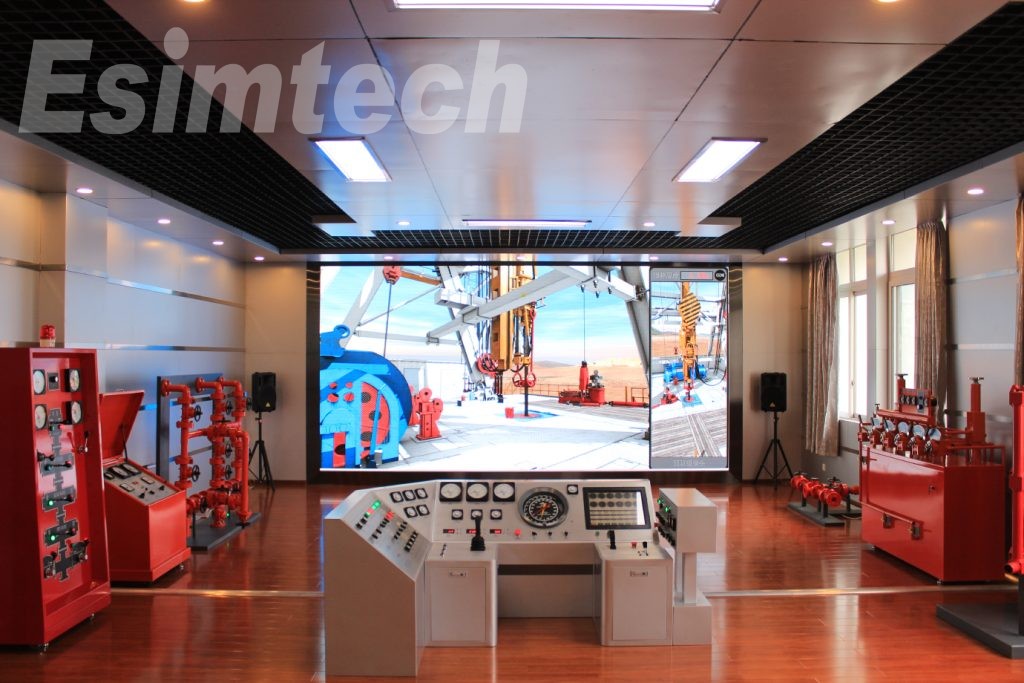
Drilling Emergency Exercise Simulation Training System

Lifecycle and Maintenance Simulations

Predictive maintenance simulations ensure the longevity of hybrid components by analyzing wear and tear patterns. They help schedule maintenance activities to reduce downtime and operational costs.

Conclusion

Hybrid rigs are a transformative innovation in offshore energy exploration, combining operational efficiency with environmental stewardship. By embracing these technologies, the industry can achieve a balance between meeting global energy demands and protecting marine ecosystems, ensuring a sustainable future for offshore exploration.

Simulations are indispensable for the successful implementation and operation of hybrid rigs. They provide a comprehensive framework for design, optimization, and risk mitigation, ensuring that hybrid rigs can meet the energy demands of tomorrow while minimizing environmental impact.

How Double-deck Marine Navigation Lights are Applied in Different Marine Environments

Marine navigation lights are critical for ensuring safe and effective communication between vessels, as well as compliance with international maritime regulations. Among these, double-deck marine navigation lights stand out due to their distinctive design and versatile functionality, making them suitable for a wide range of environmental and operational conditions. This article explores the unique characteristics, advantages, and applications of double-deck marine navigation lights in different maritime environments.

CXH-102PL LED Double-deck Navigation Signal Light

Overview of Double-deck Marine Navigation Lights

Double-deck marine navigation lights are distinguished by their two-tiered configuration, typically housing separate light compartments within a single structure. This design allows for enhanced visibility and operational flexibility. The lights are often used on larger vessels such as cargo ships, passenger ferries, and offshore platforms, where adherence to stringent navigation protocols is paramount.

Key features of double-deck marine navigation lights include:

Durability: Built with robust materials such as stainless steel, aluminum alloys, or polycarbonate, these lights are designed to withstand harsh marine conditions, including saltwater corrosion, extreme temperatures, and physical impacts.

Energy Efficiency: Many modern double-deck lights utilize LED technology, which offers long lifespans and lower power consumption compared to traditional incandescent bulbs.

Visibility: The dual-tier configuration enhances visibility over longer distances, ensuring that the vessel’s position and status are clearly communicated to other maritime traffic.

Compliance: Designed to meet the International Maritime Organization (IMO) and International Regulations for Preventing Collisions at Sea (COLREGs), these lights are suitable for a variety of maritime applications.

Applications in Different Environments

The versatility of double-deck marine navigation lights allows them to perform effectively in diverse maritime environments. Below, we delve into their applications across various conditions and scenarios.

1. Coastal Waters

Coastal waters often experience heavy maritime traffic due to fishing vessels, recreational boats, and commercial shipping activities. Double-deck navigation lights play a crucial role in such areas by:

Improving Visibility in Foggy Conditions: Coastal waters are frequently subjected to fog, which can impair visibility. The enhanced brightness and multi-tier design of double-deck lights help improve signal clarity.

Facilitating Nighttime Operations: In areas with insufficient ambient light, these lights ensure safe navigation and collision avoidance.

2. Open Seas

In open seas, vessels encounter unpredictable weather patterns, including strong winds, heavy rains, and high waves. Double-deck navigation lights contribute to safety by:

Withstanding Harsh Conditions: Their durable construction ensures continued operation even in rough weather.

Providing Reliable Signals: The redundancy offered by the dual-tier design ensures that a signal remains visible even if one tier is compromised.

3. Arctic and Polar Regions

The Arctic and Antarctic regions present extreme challenges, such as low temperatures, ice accumulation, and prolonged periods of darkness. In these environments, double-deck navigation lights offer:

Resistance to Freezing Temperatures: Specialized materials and coatings prevent freezing and ensure consistent operation.

High Visibility: The dual-tier design enhances visibility in whiteout conditions and during polar nights.

4. Inland Waterways

Rivers, lakes, and canals often have unique navigation requirements due to their narrow passages and proximity to shorelines. Double-deck marine navigation lights are advantageous in these environments by:

Providing Precise Signals: Their clear and distinct signals help vessels navigate tight waterways and avoid collisions.

Energy Efficiency: LED-equipped models are ideal for vessels operating in areas with limited power supply.

5. Offshore Installations

Offshore platforms, such as oil rigs and wind farms, require robust and reliable lighting systems to signal their presence to nearby vessels. Double-deck navigation lights are ideal for:

Ensuring Continuous Operation: Their durable construction and redundancy features make them reliable in remote and demanding environments.

Meeting Regulatory Standards: Compliance with IMO and other regulatory bodies ensures safety and legal adherence.

LED-Double-deck-Navigation-Signal-Light

Technological Advancements in Double-deck Marine Navigation Lights

Recent advancements in lighting technology have significantly improved the performance and reliability of double-deck marine navigation lights. Key innovations include:

LED Technology: Modern LED double-deck navigation lights offer superior brightness, energy efficiency, and durability compared to traditional lighting systems.

Solar-powered Systems: Solar panels integrated into navigation lights provide sustainable energy solutions, particularly for remote and off-grid applications.

Smart Connectivity: Advanced models feature connectivity options for remote monitoring and control, allowing operators to check the status and functionality of lights in real-time.

Self-cleaning Mechanisms: Some designs incorporate self-cleaning surfaces to prevent the accumulation of salt, dirt, or ice, ensuring optimal performance.

double-deck LED boat navigation light

Installation and Maintenance

Proper installation and maintenance are crucial for ensuring the effectiveness and longevity of double-deck marine navigation lights. Best practices include:

Choosing the Right Location: Positioning the lights at appropriate heights and angles ensures maximum visibility.

Regular Inspections: Periodic checks for corrosion, electrical faults, and physical damage help maintain performance.

Cleaning and Upkeep: Removing debris and salt deposits prevents reduced visibility and extends the life of the lights.

Upgrading Components: Replacing outdated components with modern equivalents, such as switching from incandescent bulbs to LEDs, enhances efficiency and compliance.

In summary, Double-deck marine navigation lights are indispensable for ensuring safe and efficient maritime operations in various environments. Their durable construction, advanced technology, and compliance with international standards make them suitable for a wide range of applications, from coastal waters to polar regions. As technology continues to evolve, these lights are poised to become even more reliable and sustainable, further enhancing maritime safety and communication.

The Power of Automated Alignment for High-speed Web Guiding

In industries reliant on continuous web processing, such as printing, packaging, textiles, and converting, maintaining precise alignment of the web (a thin, flexible material) is critical. Misalignment at high speeds can lead to defects, wasted materials, and downtime, impacting both productivity and cost-effectiveness. Automated alignment systems for high-speed web guiding address these challenges, offering unprecedented precision, reliability, and efficiency. This article delves into the technology, benefits, applications, and innovations in automated alignment systems for high-speed web guiding.

web guide system with splice table

The Need for Automated Alignment in High-Speed Web Guiding

High-speed web guiding system involves guiding and aligning continuous materials like paper, film, or fabric as they move through production processes. Precise alignment is essential to ensure uniform quality and prevent issues such as wrinkling, tearing, or edge irregularities.

Challenges in Manual Alignment

Human Error: Manual adjustments are prone to inaccuracies, especially at high speeds.

Inconsistent Results: Variability in operator skill levels can lead to inconsistent web alignment.

Time-Consuming: Manual interventions require production stoppages, affecting efficiency.

Demand for Higher Throughput

Modern production lines operate at significantly higher speeds, often exceeding hundreds of meters per minute. Manual methods cannot keep up with the alignment precision required at these velocities.

Tight Quality Standards

Industries face increasing pressure to meet stringent quality and sustainability standards, necessitating precise, automated web guiding solutions.

How Automated Alignment Systems Work

Automated alignment systems use advanced sensing, control, and actuation technologies to maintain precise web alignment in real-time. These systems typically consist of:

Sensors

Sensors such as optical, ultrasonic, or infrared devices detect the position of the web edges or printed features.

Controllers

Sophisticated web guiding controllers process sensor data to determine the web’s alignment and send corrective signals to actuators.

Actuators

Actuators, such as servo motors or pneumatic systems, adjust the web’s position by controlling guide rollers, steering frames, or tension zones.

Feedback Loop

A closed-loop system ensures continuous monitoring and real-time corrections, maintaining precise alignment throughout the process.

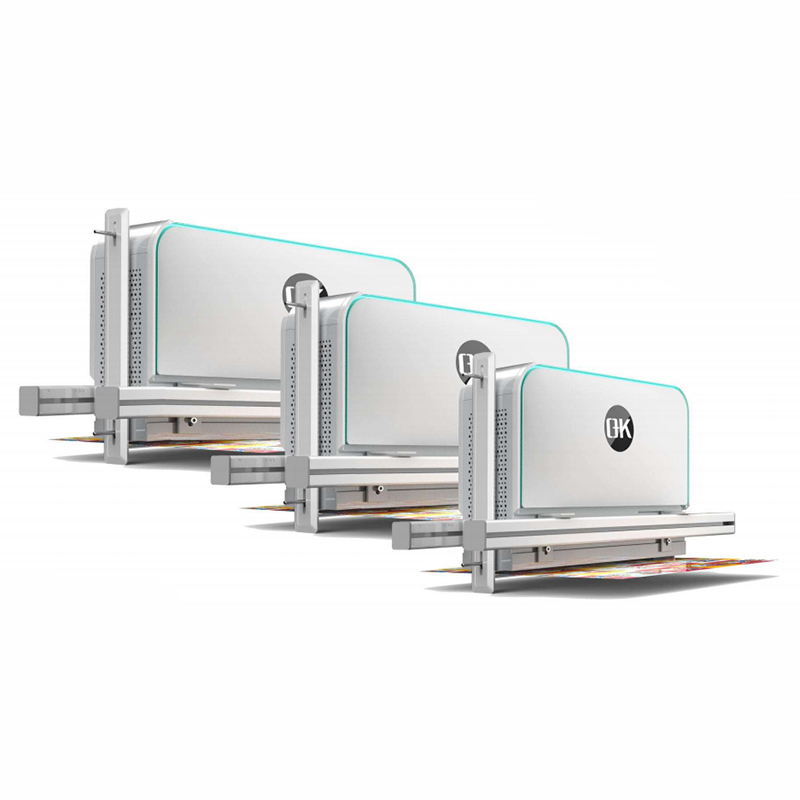
W500 Web Guide System

Key Benefits of Automated Alignment in High-Speed Web Guiding

Enhanced Precision

Automated systems ensure alignment accuracy within micrometers, even at extremely high speeds. This level of precision is unattainable with manual methods.

Increased Production Efficiency

Real-time corrections eliminate the need for manual adjustments, reducing downtime and enabling uninterrupted production.

Waste Reduction

By preventing misalignment, automated systems minimize material wastage, contributing to cost savings and sustainability goals.

Improved Product Quality

Consistent web alignment ensures uniform quality, reducing defects and increasing customer satisfaction.

Adaptability

Modern systems can handle a wide range of materials and web widths, making them suitable for diverse industrial applications.

Data Integration

Many automated systems integrate with Industry 4.0 technologies, providing valuable insights into alignment performance and enabling predictive maintenance.

Applications of Automated Alignment in Various Industries

Printing

Automated alignment ensures precise positioning of the web to prevent registration errors, color misalignments, and blurred prints, critical in high-speed printing applications.

Packaging

In flexible packaging production, precise alignment is essential to ensure that printed graphics, logos, and seals align perfectly with the packaging structure.

Textiles

Automated systems help maintain consistent alignment of fabric rolls during weaving, dyeing, or finishing processes, enhancing product quality.

Converting

Web guiding is vital in converting applications, such as laminating, slitting, and coating, where precise alignment is essential for producing uniform, defect-free products.

Film and Foil Processing

Industries dealing with thin films or foils rely on automated systems to prevent tearing, wrinkling, or edge misalignment during high-speed processing.

Technological Innovations in Automated Alignment

The field of automated alignment for high-speed web guiding has seen significant advancements, enabling greater efficiency and adaptability:

Advanced Sensor Technologies

Edge Detection Sensors: High-resolution optical or ultrasonic sensors can detect web edges with remarkable accuracy.

Pattern Recognition Sensors: These sensors identify printed patterns or marks, enabling precise alignment in printed webs.

Artificial Intelligence (AI) Integration

AI-powered systems analyze alignment data to predict and correct deviations more efficiently. Machine learning algorithms improve system performance over time.

Enhanced Control Algorithms

Adaptive control algorithms enable rapid response to alignment deviations, even at variable speeds or with fluctuating material properties.

IoT Connectivity

Internet of Things (IoT) connectivity allows remote monitoring, diagnostics, and control, reducing downtime and enabling proactive maintenance.

Touchless Systems

Non-contact alignment systems use air or magnetic forces to guide delicate or sensitive materials, preventing surface damage.

Energy-Efficient Actuators

Servo motors and other energy-efficient actuators reduce power consumption while maintaining high performance.

Challenges and Considerations

Despite their advantages, automated alignment systems face certain challenges:

High Initial Investment

The cost of implementing automated systems can be substantial, particularly for small-scale operations.

Complex Integration

Integrating automated alignment systems into existing production lines requires careful planning and expertise.

Maintenance Requirements

Advanced systems demand regular maintenance and calibration to ensure optimal performance.

Material Variability

Differences in web material properties, such as thickness, tension, and elasticity, can affect alignment accuracy and require system customization.

Best Practices for Implementing Automated Alignment Systems

Assess Production Needs

Evaluate the speed, material type, and alignment precision requirements of your production line to choose the most suitable system.

Choose Reliable Sensors

Select sensors capable of accurately detecting the specific material or features of your web.

Invest in Training

Ensure operators and maintenance personnel are well-trained to operate and maintain the system.

Integrate with Existing Systems

Opt for systems compatible with your current production setup to simplify integration and reduce costs.

Regular Maintenance

Perform routine inspections and calibrations to maintain system accuracy and prevent downtime.

web guide machine work

The Future of Automated Alignment for High-Speed Web Guiding

As industries continue to prioritize efficiency, quality, and sustainability, automated alignment systems are poised for further innovation. Emerging technologies such as AI, IoT, and robotics will enhance these systems’ adaptability and performance, enabling smarter, faster, and more reliable web guiding solutions. Additionally, advancements in sensor technologies and energy-efficient components will make these systems more accessible and environmentally friendly.

In summary, automated alignment for high-speed web guiding is a transformative technology that addresses the challenges of precision and efficiency in modern industrial processes. By ensuring consistent web alignment, these systems improve product quality, reduce waste, and boost productivity across various applications. As technology evolves, automated alignment systems will become even more integral to high-speed web processing, driving innovation and competitiveness in a wide range of industries.

What Do You Know about Zinc Plating Bolts: 7 Key Points to Know Comprehensively

Zinc plating is one of the most common and effective methods to improve the performance and longevity of bolts. Whether in automotive, construction, or industrial applications, zinc-plated bolts are highly sought after for their excellent corrosion resistance, affordability, and ease of manufacturing. This article delves into the key aspects of zinc plating bolts, including the process, benefits, applications, limitations, and recent advancements.

galvanized steel bolts

Understanding Zinc Plating

Zinc plating, also known as galvanization, is a process where a thin layer of zinc is deposited onto the surface of bolts. This layer serves as a protective barrier, shielding the base material (often steel or iron) from corrosion caused by moisture, air, and other environmental factors.

Process of Zinc Plating

Zinc plating typically involves the following steps:

Cleaning: The bolts are cleaned to remove grease, dirt, and rust, ensuring better adhesion of the zinc layer.

Pickling: A mild acid solution removes any remaining surface oxides.

Plating: The bolts are submerged in an electrolyte solution containing zinc ions. An electric current is applied, causing the zinc to deposit onto the bolts’ surface.

Post-Treatment: After plating, the bolts may undergo passivation or chromate conversion coating to enhance their corrosion resistance.

Inspection and Testing: The final step ensures the coating meets thickness and adhesion requirements.

Advantages of Zinc-Plated Bolts

Corrosion Resistance

Zinc plating provides a sacrificial layer that corrodes before the underlying material, offering superior protection in environments exposed to moisture or mild chemicals.

Cost-Effective

Compared to other protective coatings like stainless steel or specialty alloys, zinc plating is relatively inexpensive while providing comparable performance in many applications.

Enhanced Aesthetics

Zinc-plated bolts have a shiny, attractive appearance and are available in various finishes, including bright, blue, yellow, and black chromate coatings.

Improved Versatility

These bolts can be used in a wide range of industries due to their balanced properties of strength and resistance.

Ease of Manufacturing

Zinc plating is a straightforward process that can be applied to bolts of different sizes and shapes without significant modifications to the manufacturing line.

Applications of Zinc-Plated Bolts

Zinc-plated bolts are widely used in numerous sectors, including:

Automotive Industry

These bolts are commonly used in vehicle assembly, particularly for parts exposed to moderate environmental conditions, such as engine components and body panels.

Construction

Zinc-plated bolts secure structural elements, scaffolding, and roofing systems, providing durability in outdoor applications.

Electronics and Electrical Applications

Their conductivity and resistance to mild corrosion make zinc-plated bolts suitable for fastening electrical enclosures and devices.

Home Appliances and Furniture

The aesthetically pleasing finish of zinc-plated bolts makes them ideal for assembling furniture and home appliances.

Industrial Machinery

These bolts are integral in machinery that operates in non-aggressive environments where cost-efficiency and moderate protection are priorities.

Limitations of Zinc-Plated Bolts

While zinc plating offers numerous benefits, there are some limitations to consider:

Limited Resistance in Harsh Environments

In highly corrosive settings, such as marine or industrial chemical environments, zinc-plated bolts may not provide adequate protection compared to alternatives like hot-dip galvanized or stainless steel bolts.

Thickness Restrictions

The thin zinc coating can wear off under high mechanical stresses or repeated friction, leading to a shorter lifespan in certain applications.

Environmental Concerns

The traditional chromate conversion process used in post-treatment may involve hazardous chemicals, raising environmental and regulatory concerns.

Temperature Sensitivity

Zinc plating may degrade or lose effectiveness at elevated temperatures, making it unsuitable for high-temperature applications.

Advancements in Zinc Plating Technology

Recent innovations in zinc plating technology have addressed some of these limitations, providing enhanced performance and sustainability:

Trivalent Chromate Coatings

To meet stricter environmental standards, industries have shifted from hexavalent chromate to trivalent chromate coatings, which are less toxic and more environmentally friendly.

Thicker Zinc Coatings

Advancements in plating methods allow for thicker and more uniform zinc layers, improving the bolts’ resistance to wear and corrosion.

Alloying Additions

Zinc-nickel and zinc-iron coatings are gaining popularity for their superior corrosion resistance and extended service life, especially in harsh environments.

Improved Passivation Techniques

Enhanced passivation treatments now offer better adhesion and durability, ensuring a longer-lasting protective layer.

Automation and Quality Control

Automated plating processes ensure consistent coating thickness and quality, reducing waste and improving efficiency.

Comparison with Other Protective Coatings

Zinc-plated bolts are often compared with other protective options such as hot-dip galvanizing, powder coating, and stainless steel.

Hot-Dip Galvanizing vs. Zinc Plating

Hot-dip galvanizing involves dipping bolts in molten zinc, resulting in a thicker coating. The hot dip galvanized bolts are suitable for harsher environments.

Zinc plating is thinner but offers a smoother finish and is more cost-effective for less demanding applications.

Hot Dip Galvanized(HDG) Socket Cup Head Bolt

Stainless Steel Bolts vs. Zinc-Plated Bolts

Stainless steel bolts are inherently resistant to corrosion but come at a higher cost.

Zinc-plated bolts provide a more economical solution for moderate environments.

Stainless steel bolts

Powder Coating vs. Zinc Plating

Powder coating offers excellent aesthetic and protective properties but lacks the sacrificial nature of zinc plating.

Best Practices for Using Zinc-Plated Bolts

To maximize the performance and lifespan of zinc-plated bolts, consider the following practices:

Proper Selection

Choose zinc-plated bolts with the appropriate coating thickness and passivation layer for your application.

Regular Maintenance

Inspect the bolts periodically, especially in environments with high humidity or pollutants.

Avoid High-Stress Applications

Use alternative coatings or materials for bolts subjected to extreme loads or friction.

Environmental Considerations

Select trivalent chromate coatings to align with environmental regulations and ensure compliance.

To sum up, zinc-plated bolts are a versatile, cost-effective, and reliable solution for a wide range of applications. While they have certain limitations in highly corrosive or high-stress environments, ongoing advancements in zinc plating technology continue to improve their performance and sustainability. By understanding the properties, benefits, and best practices associated with these bolts, industries can make informed choices to enhance the durability and efficiency of their products and structures.

How to Deal with Old Stuffed Animals

Stuffed animals hold a special place in many people’s hearts, often evoking nostalgia and cherished memories from childhood. Over time, however, these once-loved toys may begin to take up space or show signs of wear, leaving their owners wondering what to do with old stuffed animals. Instead of discarding these plush companions, consider a variety of creative, sentimental, and environmentally friendly ways to give them a second life or send them off respectfully. Here’s a comprehensive guide on how to deal with old stuffed animals, offering ideas for repurposing, donating, recycling, and more.

Stuffed Animals

1. Assess Their Condition

Before deciding what to do with your old stuffed animals, start by assessing their condition:

Good condition: If the stuffed animals are clean and intact, they may be suitable for donation or gifting.

Worn or damaged: Heavily worn or damaged toys might not be suitable for reuse as they are but could still be repurposed.

Sentimental value: If a stuffed animal holds significant sentimental value, consider preserving or repurposing it into something you can continue to cherish.

2. Donation Options

If your stuffed animals are in good shape, consider donating them to those in need. Here are some options:

Charity Organizations

Many charities accept gently used stuffed animals to distribute to children in need. Examples include Goodwill, Salvation Army, and local thrift stores. Check with the organization beforehand to ensure they accept stuffed toys.

Children’s Hospitals and Shelters

Hospitals, orphanages, and shelters may welcome clean, gently used stuffed animals to provide comfort to children going through tough times.

Animal Shelters

Some animal shelters accept old stuffed animals to use as comfort toys for pets. Ensure they’re free of small parts that could pose choking hazards.

Schools and Daycares

Schools and daycare centers may use stuffed animals for educational activities or play areas. Contact local facilities to inquire about their needs.

3. Repurpose and Upcycle

For damaged or worn-out stuffed animals, upcycling can be a fun and creative way to give them new life:

Create Pillows or Cushions

Remove the stuffing from old plush toys and use the fabric to create unique throw pillows or cushions for your home.

Memory Keepsakes

Transform sentimental stuffed animals into keepsake items such as patchwork quilts, tote bags, or holiday ornaments.

Pet Toys

Repurpose them into toys for your pets. Be sure to remove any small parts like plastic eyes or buttons to ensure safety.

Home Decoration

Use parts of the stuffed animals to create decorative pieces, such as a whimsical wall hanging or a soft centerpiece for a nursery.

4. Recycle Responsibly

If your stuffed animals are no longer usable or you don’t wish to repurpose them, consider recycling:

Fabric Recycling Programs

Some organizations accept textiles, including stuffed animals, for recycling. They may extract usable materials or repurpose them into industrial products.

Composting

If the stuffed animal is made of natural materials like cotton or wool, parts of it might be compostable. Remove non-biodegradable components like plastic eyes or synthetic stuffing first.

Creative Recycling Projects

Reach out to artists or DIY enthusiasts who might use old stuffed animals in their projects.

5. Gift or Swap

If your old stuffed animals are still in good condition, consider:

Passing Them Down

Gift your beloved stuffed animals to younger family members or friends’ children, allowing the toys to create new memories.

Toy Swaps

Host or participate in a toy swap event where families exchange gently used toys, giving your stuffed animals a new home while acquiring something your household needs.

Sell Online

Vintage or rare stuffed animals might have value. Platforms like eBay, Etsy, or local marketplace apps are great for selling collectible plush toys.

custom plush animal

6. Preserve Sentimental Pieces

Some stuffed animals hold deep emotional significance, and parting with them might feel impossible. Here are ways to preserve them:

Display Them

Create a dedicated space for displaying your most cherished stuffed animals. A shelf or shadow box can keep them safe and dust-free.

Turn Them Into Art

Frame parts of a stuffed animal, such as a unique pattern or logo, as a piece of wall art.

Store Them Safely

For long-term preservation, store stuffed animals in airtight containers or vacuum-sealed bags to protect them from dust, pests, and moisture.

7. Say Goodbye with Purpose

If none of the above options work, and you need to let go of your old stuffed animals, do so mindfully:

Host a Farewell Ceremony

If the stuffed animals were significant to you or your children, organize a small ceremony to say goodbye, reflecting on the memories they brought.

Dispose of Responsibly

If the toys must be thrown away, ensure they’re sorted correctly in your local waste management system to minimize environmental impact.

8. Preventing Future Clutter

To avoid accumulating too many stuffed animals in the future:

Set Limits

Limit the number of stuffed animals your household keeps by instituting a “one in, one out” policy.

Choose Quality Over Quantity

Opt for fewer, higher-quality stuffed animals

Communicate with Gift-Givers

Let friends and family know if you’re trying to minimize your collection, steering them towards other types of gifts for children or yourself.

cleaning stuffed animals

Conclusion

Dealing with old stuffed animals doesn’t have to mean throwing them away. Whether you choose to donate, repurpose, recycle, or preserve them, there are numerous ways to handle these sentimental items thoughtfully. By taking a creative and considerate approach, you can ensure your beloved plush toys continue to bring joy, comfort, or utility to others—or remain a cherished part of your life for years to come.

How to Address the Challenges in Oil and Gas Drilling in Harsh Environments

Oil and gas exploration in harsh environments is critical to meeting the world’s growing energy demand. Harsh environments, such as deep-water regions, arctic areas, deserts, and high-pressure high-temperature (HPHT) reservoirs, present unique challenges for drilling operations. Addressing these obstacles is crucial for ensuring operational efficiency, safety, and environmental sustainability. Below are the primary challenges faced during oil and gas drilling in harsh environments

Oil  and Gas Drilling rigs

1. Extreme Temperatures

Drilling operations in arctic or desert regions encounter severe temperature extremes. In arctic regions, sub-zero temperatures can cause equipment failure due to freezing or brittleness of materials. Conversely, desert environments with extreme heat can degrade equipment and materials, affecting the integrity of drilling systems. These conditions require specialized materials and insulation technologies to withstand the temperature extremes.

2. High Pressure and High Temperature (HPHT) Reservoirs

HPHT wells pose significant risks due to the extreme conditions they generate. Pressures exceeding 10,000 psi and temperatures above 300°F challenge the durability of drilling equipment and the stability of drilling fluids. Advanced materials, innovative drilling fluids, and sophisticated pressure management systems are necessary to safely drill in these environments.

3. Remote Locations and Limited Infrastructure

Many harsh environments, such as deep oceans or arctic regions, are located far from established infrastructure. Logistics for transporting equipment, supplies, and personnel to these sites is complex and expensive. Limited availability of support facilities can delay operations, necessitating robust contingency planning and self-sustaining systems for extended periods.

4. Environmental Sensitivity

Harsh environments are often ecologically sensitive areas, such as the Arctic or offshore marine ecosystems. Drilling in these regions demands stringent environmental protections to minimize the risk of spills and habitat disruption. Regulatory compliance and the use of advanced containment and spill-response systems are vital to reducing environmental impact.

5. Technical and Operational Risks

Drilling in deep-water or ultradeep-water regions requires advanced technologies to overcome challenges such as strong underwater currents, complex seabed topography, and limited visibility. In addition, managing blowout risks becomes increasingly difficult as the depth and complexity of operations increase.

6. Cost Intensiveness

The combination of extreme conditions, advanced technologies, and remote locations significantly increases the cost of drilling operations. From specialized drilling rigs to robust maintenance programs, the financial burden of operating in harsh environments often requires substantial investment and careful cost management.

7. Health and Safety Concerns

Protecting personnel from the dangers posed by harsh environments is a primary concern. Harsh weather, toxic gases, and the physical and psychological stresses of remote operations can endanger the health and safety of workers. Strict adherence to health and safety protocols, as well as the provision of advanced personal protective equipment (PPE), is essential.

8. Technology Limitations

Although advancements in drilling technologies have made it possible to explore harsh environments, limitations still exist. Real-time monitoring, automated systems, and enhanced seismic imaging are crucial for improving efficiency and safety, but their implementation can be technically challenging in remote and extreme settings.

Innovations to Overcome Challenges

Efforts to address these challenges focus on several innovative approaches:

Material Science: Developing materials with enhanced resistance to extreme temperatures and pressures.

Automation: Utilizing remotely operated vehicles (ROVs) and automated systems to minimize human exposure to risks.

Advanced Drilling Fluids: Engineering fluids that remain stable under extreme conditions to enhance well control.

Renewable Energy Integration: Using renewable energy to power remote operations, reducing reliance on fossil fuels.

Simulations Used for Oil and Gas Drilling in Harsh Environments

To mitigate the challenges of oil and gas drilling in harsh environments and enhance operational efficiency, simulations play a vital role. Advanced simulation tools help engineers and operators model, predict, and optimize drilling processes under complex conditions. Here is an overview of key simulations used in the industry.

1. Reservoir Simulation

Reservoir simulation involves creating a detailed model of the subsurface reservoir to predict its behavior during extraction. It integrates geological, geophysical, and petrophysical data to assess reservoir performance. For harsh environments, simulations consider:

Complex Reservoir Conditions: Modeling HPHT and fractured reservoirs.

Flow Behavior: Simulating fluid flow under extreme pressure and temperature.

Production Optimization: Predicting how to maximize extraction while minimizing risks.

2. Drilling Simulation

Drilling simulations replicate the physical and mechanical aspects of the drilling process to enhance planning and execution. These simulations address:

Portable Drilling Well Control Simulation System

Drill String Dynamics: Predicting vibration, torsion, and buckling in deep and challenging wells.

Bit Performance: Simulating the wear and efficiency of drill bits in varying rock formations.

Wellbore Stability: Assessing risks such as borehole collapse or fluid loss in unstable formations.

3. Mud Circulation and Hydraulics Simulation

Effective drilling requires precise control of drilling fluids. Simulations help optimize mud properties and behavior in harsh environments:

Hydraulic Models: Evaluating fluid flow through the drill string and annulus.

Temperature Effects: Simulating thermal impacts on fluid viscosity and stability in HPHT wells.

Cuttings Transport: Predicting the removal efficiency of cuttings to prevent blockages.

4. Blowout and Well Control Simulation

Well control is critical, especially in high-risk environments. Blowout prevention simulations model scenarios to ensure safety:

Pressure Management: Simulating kick detection and the ability to control formation pressure.

Blowout Scenarios: Testing the effectiveness of blowout preventers (BOPs) and response protocols.

Gas Hydrate Formation: Predicting and managing hydrate-related risks in deep-water drilling.

5. Structural and Equipment Simulation

Structural integrity is vital for equipment exposed to extreme conditions. Simulations ensure that rigs, platforms, and equipment can withstand these environments:

Finite Element Analysis (FEA): Assessing the stress and deformation of components under pressure, temperature, and mechanical loads.

Fatigue Analysis: Modeling the lifecycle of equipment in harsh operational conditions.

Environmental Load Simulation: Testing platforms and rigs against wind, waves, and ice forces.

6. Seismic Simulation

Seismic simulations are used to explore and map complex subsurface structures in harsh environments:

Subsurface Imaging: Enhancing accuracy in identifying reservoir boundaries.

Wave Propagation Models: Accounting for the effect of ice layers, deep water, or high-density formations on seismic data.

Hazard Assessment: Identifying faults and fractures that could pose risks during drilling.

7. Thermal and Cryogenic Simulations

For arctic and HPHT drilling, thermal simulations are essential:

Thermal Stress Modeling: Predicting material behavior in extreme heat or cold.

Cryogenic Simulations: Addressing the impact of subzero temperatures on pipelines, fluids, and structural elements.

8. Integrated Well Planning Simulations

Integrated platforms combine various simulation types to create a comprehensive drilling plan. These simulations incorporate:

Real-Time Data: Integrating live feedback from sensors for dynamic updates.

Multi-Scenario Analysis: Evaluating multiple drilling strategies to choose the safest and most cost-effective option.

Risk Management: Modeling potential failures and contingency plans.

9. Human Factor and Training Simulations

Human expertise is critical for successful drilling operations. Simulation-based training enhances operator preparedness:

Virtual Reality (VR) Drilling Simulator: Providing immersive training for rig operators in handling emergencies.

Crew Collaboration Models: Enhancing team coordination in high-pressure scenarios.

Decision-Making Simulations: Training on critical decision points under simulated harsh environment conditions.

drilling simulator

Summary

Drilling in harsh environments is fraught with challenges that test the limits of technology, human capability, and environmental stewardship. Addressing these challenges requires innovation, robust planning, and collaboration among industry stakeholders.

Simulations have become indispensable tools in addressing the challenges of oil and gas drilling in harsh environments. By leveraging advanced models and real-time data, operators can optimize drilling efficiency, ensure safety, and reduce environmental risks.

Effective Methods to Determine the Melting Point of Bromide Samples

Understanding the melting point of bromide samples is fundamental in chemical and pharmaceutical industries. The melting point serves as a critical physical property, offering insights into the purity, stability, and behavior of a substance under various conditions. Determining the melting point of bromide compounds accurately is crucial due to their diverse applications in industrial processes, research, and material sciences.

Automatic Melting Point Meter

This article explores the importance of melting point determination for bromide samples, the methods employed, challenges encountered, and innovations in analytical techniques that enhance accuracy and reliability.

1The Importance of Melting Point Determination

The melting point is defined as the temperature at which a solid becomes a liquid under atmospheric pressure. This property is essential for several reasons:

1. Purity Assessment

The melting point of a substance is a sensitive indicator of its purity. Pure bromide compounds exhibit sharp, well-defined melting points, whereas impurities typically lower and broaden the melting range.

2. Characterization of Compounds

Melting point determination aids in identifying bromide samples and distinguishing between different bromide salts or compounds. This is critical for verifying the identity of materials used in industrial and pharmaceutical applications.

3. Process Design

Knowledge of melting points informs the design of manufacturing processes, particularly when bromides are used as intermediates in chemical reactions.

4. Quality Control

In quality assurance protocols, melting point determination ensures that bromide samples meet specified standards, preventing suboptimal materials from entering the supply chain.

Methods for Determining Melting Points

Several methods are used to determine the melting points of bromide samples, each offering specific advantages depending on the application:

1. Capillary Method

The capillary method is one of the most traditional approaches to melting point determination. A small quantity of the bromide sample is packed into a thin glass capillary tube, which is then heated in a controlled manner. The temperature at which the sample transitions from solid to liquid is recorded.

Advantages:

Simple and cost-effective.

Suitable for routine laboratory applications.

Limitations:

Operator-dependent, introducing potential variability.

Time-consuming for large-scale testing.

2. Automatic Melting Point Meter

Automatic melting point meters use digital technology to automate the measurement process. These instruments feature precision heating and optical detection systems to monitor phase transitions.

Advantages:

High accuracy and reproducibility.

Suitable for high-throughput environments.

Limitations:

Higher initial investment compared to manual methods.

3. Differential Scanning Calorimetry (DSC)

DSC measures the heat flow associated with phase transitions as the sample is heated or cooled. This method is particularly useful for studying the thermal properties of bromide samples.

Advantages:

Provides detailed thermal profiles.

Capable of detecting impurities and polymorphic forms.

Limitations:

Requires specialized equipment and expertise.

4. Hot Stage Microscopy

In this method, a small sample is placed on a temperature-controlled microscope stage, and the melting process is observed visually.

Advantages:

Allows direct observation of phase changes.

Useful for studying microscopic impurities.

Limitations:

Less precise than automated or calorimetric methods.

Challenges in Melting Point Determination

Accurately determining the melting point of bromide samples involves addressing several challenges:

1. Hygroscopic Nature

Many bromide compounds, such as potassium bromide (KBr), are hygroscopic and absorb moisture from the air. This can affect the melting point by introducing water as an impurity.

Solution: Pre-dry samples in a desiccator or oven before analysis.

2. Thermal Decomposition

Some bromides decompose before melting, especially when subjected to rapid heating.

Solution: Use controlled, slow heating rates to minimize thermal decomposition.

3. Impurities

Even trace impurities can significantly alter the melting behavior of bromides.

Solution: Ensure sample purity through careful preparation and purification.

4. Volatility

Certain bromides may exhibit volatility, leading to evaporation during the heating process.

Solution: Use sealed capillaries or closed systems to prevent material loss.

Advances in Melting Point Determination

Technological advancements have revolutionized the determination of melting points, offering greater precision and efficiency:

1. Automatic Video Melting Point Meters

Automatic vidoe melting point meters integrate video technology to capture real-time images of the sample as it melts. Advanced software analyzes the images to determine the melting point.

Drawell Video Melting Point Meter

Key Features:

High-resolution video recording.

Automated detection of phase transitions.

User-friendly interfaces with data storage capabilities.

2. Integrated Heating and Cooling Systems

Modern instruments feature integrated systems that allow both heating and cooling, enabling the study of crystallization and re-melting behaviors.

3. Data Connectivity and Analysis

Advanced melting point instruments now come with connectivity options, such as USB or Wi-Fi, for data transfer and analysis. This facilitates streamlined reporting and compliance with regulatory standards.

Case Studies: Bromide Melting Point Determination

1. Sodium Bromide (NaBr)

Sodium bromide is a widely used bromide compound with a melting point of approximately 755°C. Accurate determination of its melting point is critical for applications in the pharmaceutical and photographic industries.

2. Potassium Bromide (KBr)

With a melting point of 730°C, potassium bromide is commonly used in spectroscopy as a matrix material for infrared analysis. Precise melting point determination ensures its suitability for optical applications.

3. Ammonium Bromide (NH4Br)

Ammonium bromide exhibits a melting point around 452°C but decomposes upon heating. Advanced methods like DSC are particularly useful for studying its thermal behavior.

Applications in Industry and Research

The determination of bromide melting points plays a pivotal role across various sectors:

1. Pharmaceutical Industry

Accurate melting points are crucial for ensuring the purity and stability of bromide-based drugs.

2. Material Science

In materials research, melting point data guide the development of bromide-containing compounds with tailored properties.

3. Chemical Synthesis

Knowledge of melting points informs reaction conditions and facilitates the isolation of bromide intermediates.

4. Environmental Analysis

Bromides are used as tracers in environmental studies. Determining their thermal properties aids in understanding their behavior in different settings.

Conclusion

Determining the melting point of bromide samples is a vital analytical procedure that informs quality control, compound characterization, and process optimization. While traditional methods like the capillary technique remain valuable, advancements in automatic instruments and calorimetry have enhanced accuracy and efficiency. Addressing challenges such as moisture absorption, decomposition, and impurity effects is essential for reliable results.

通过 WordPress.com 设计一个这样的站点
从这里开始