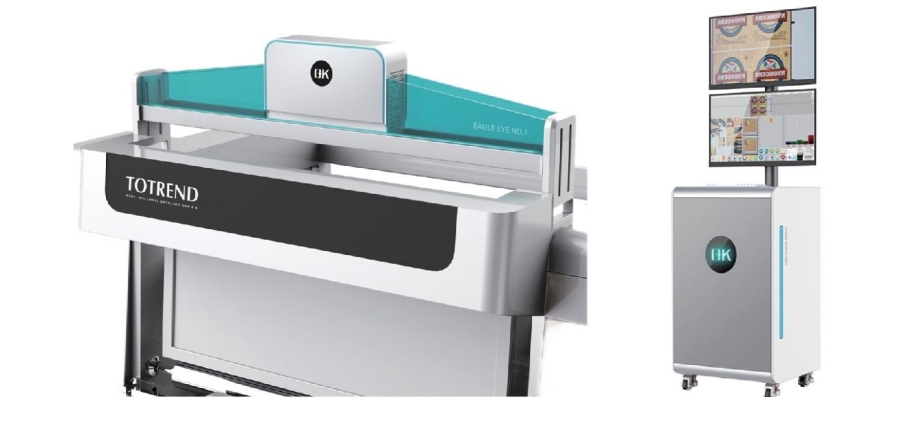
How to Enhance the Durability of Web Guide Systems

Web guide systems are critical in industries such as printing, packaging, textiles, and converting, ensuring precise alignment of materials during production. However, the durability of these systems significantly impacts operational efficiency and cost-effectiveness. Here’s a detailed guide on enhancing the longevity of web guide systems through proper design, maintenance, and operational strategies.

web guide system with splice table /

Optimize System Design

The design of a web guiding system lays the foundation for its durability. Consider the following design aspects:

Material Selection: Use corrosion-resistant and wear-resistant materials, such as stainless steel or high-grade aluminum, to improve the system’s lifespan in harsh environments.

Precision Components: Invest in high-quality sensors, rollers, and actuators to ensure smooth and accurate operation, reducing strain on the system.

Integrated Safety Features: Include overload protection and emergency stops to prevent accidental damage during unexpected operational issues.

Regular Maintenance Practices

Proactive maintenance is essential for ensuring the longevity of web guide systems. Adopt these maintenance practices:

Lubrication: Regularly lubricate moving parts, such as bearings and rollers, to minimize friction and wear.

Alignment Checks: Periodically inspect and adjust the alignment to prevent excessive stress on the system.

Clean Components: Keep sensors, guides, and rollers free from dust and debris to maintain optimal functionality.

Implement Real-Time Monitoring

Advanced web guide systems often come equipped with digital monitoring tools. Leverage these to enhance durability:

Sensor Diagnostics: Use built-in sensors to monitor the system’s performance and identify potential issues before they escalate.

Predictive Maintenance: Analyze real-time data to predict when components are likely to fail, allowing for timely replacements.

Web Guiding System

Upgrade to Advanced Technologies

Technology upgrades can significantly improve system durability:

Servo-Driven Systems: Replace traditional systems with servo-driven ones for enhanced precision and reduced mechanical wear.

AI-Based Control Systems: Implement artificial intelligence algorithms to optimize web tension and alignment dynamically, reducing strain on components.

5. Training and Standard Operating Procedures

Operators play a key role in maintaining system durability. Ensure they:

Understand System Limits: Educate staff on the operational limits of the web guide system to avoid overloading or misuse.

Follow SOPs: Develop and enforce standard operating procedures that emphasize proper handling and timely maintenance.

6. Environmental Adaptations

Environmental factors can affect the durability of web guide systems. Take these precautions:

Control Temperature and Humidity: Use climate-controlled environments to reduce the risk of corrosion and material degradation.

Shield Against Contaminants: Install protective covers or housings to safeguard the system from dust, moisture, and chemicals.

7. Quality Assurance in Installation

Proper installation is crucial for ensuring long-term durability:

Professional Setup: Engage qualified technicians for the installation to ensure precise alignment and secure mounting.

Thorough Testing: Conduct comprehensive system tests post-installation to verify performance under various operating conditions.

web guide system

Conclusion

Enhancing the durability of web guide systems requires a combination of robust design, regular maintenance, technological upgrades, and operator training. By investing in these strategies, industries can achieve longer system lifespans, reduced downtime, and cost savings. Properly maintained web guide systems not only deliver consistent performance but also contribute to the overall efficiency of the production line.

What are the Key Innovations in Oil Rig Installation

The installation of oil rigs is a complex process that demands precision, efficiency, and adherence to strict safety and environmental standards. With advancements in technology and engineering, the oil and gas industry has embraced innovative techniques to streamline oil rig installations. These developments not only reduce installation time but also enhance operational safety and environmental sustainability. Below, we explore the key innovations reshaping oil rig installations.

Oil and Gas Drilling rigs

1. Automated Installation Processes

Automation has significantly improved the efficiency of oil rig installations. Advanced robotic systems and automated tools are now used for tasks such as welding, pipe handling, and bolting, minimizing human intervention and reducing errors. These technologies ensure consistent quality and enhance worker safety in challenging offshore environments.

2. 3D Modeling and Simulation

3D modeling and simulation tools allow engineers to visualize and plan installations in a virtual environment before physical execution. These tools identify potential challenges, optimize resource allocation, and ensure that the rig’s design aligns with the seabed’s topography. This proactive approach minimizes costly delays and modifications during installation.

3. Dynamic Positioning Systems (DPS)

Dynamic Positioning Systems (DPS) enable vessels to maintain precise positioning during oil rig installations without the need for anchoring. By using GPS and thrusters, DPS ensures stability and accuracy in positioning, even in harsh weather conditions, thereby reducing installation risks and environmental disturbances.

4. Pre-assembled Modular Components

The use of pre-assembled modular components has revolutionized the way oil rigs are installed. Modules such as living quarters, drilling decks, and processing units are fabricated onshore and transported to the installation site. This modular approach reduces on-site construction time and minimizes exposure to adverse offshore conditions.

5. Innovative Anchoring and Mooring Systems

Advancements in anchoring and mooring systems have enhanced the stability and durability of oil rigs. High-strength synthetic ropes, advanced mooring designs, and smart monitoring systems ensure that rigs remain secure even in extreme weather, reducing the risk of drifting and accidents.

6. Subsea Installation Technologies

advanced subsea technologies, such as remotely operated vehicles (ROVs) and autonomous underwater vehicles (AUVs), have become integral to oil rig installations. These systems perform inspections, assist in anchor placement, and monitor subsea infrastructure, reducing the need for divers and enhancing safety.

7. Green Energy Integration

Sustainability is a growing priority in the oil and gas sector. Innovations such as wind-assisted installation vessels and hybrid energy systems reduce the carbon footprint during installation. These technologies align with global efforts to make offshore operations more environmentally friendly.

8. Digital Twin Technology

Digital twin technology creates a real-time digital replica of the rig and its surrounding environment. This oil rig installation simulation allows for continuous monitoring and predictive maintenance during and after installation. It also provides valuable insights into performance, helping operators make informed decisions.

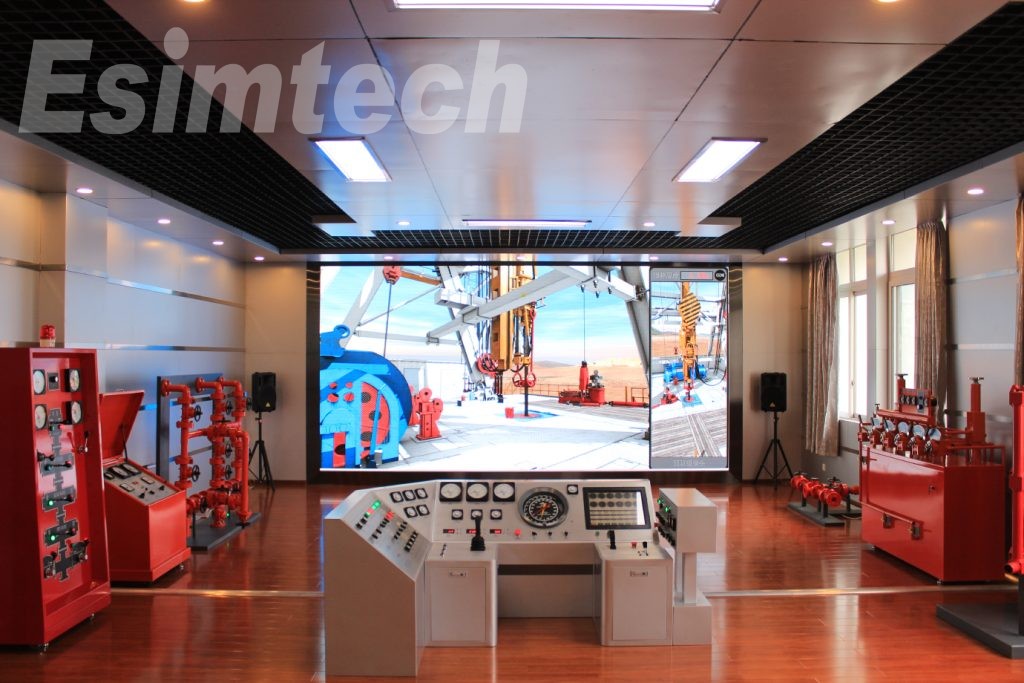
Land Rig Installation Simulator

In summary, innovations in oil rig installation are transforming the industry by improving efficiency, safety, and sustainability. From automation and modular construction to digital technologies and green energy integration, these advancements are setting new benchmarks for offshore operations. As the demand for energy grows, further innovations will continue to drive progress, making oil rig installations safer, faster, and more environmentally responsible.

How Marine Navigation Lights are Tailored to Different Vessel Types

Marine navigation lights play a critical role in ensuring safety at sea, helping vessels communicate their position, size, and direction to others in their vicinity. With advancements in maritime technology, customization of navigation lights has become increasingly important to meet the specific requirements of various vessel types. This article explores the benefits, key considerations, and customization options for marine navigation lights tailored to different vessel types.

LED marine navigation lights

Importance of Custom Marine Navigation Lights

Marine navigation lights are mandated by international regulations, such as the International Regulations for Preventing Collisions at Sea (COLREGs). Customized lights ensure:

Compliance: Adherence to legal requirements specific to the vessel type and operational region.

Enhanced Visibility: Optimal light intensity and placement improve visibility in challenging conditions.

Operational Efficiency: Tailored solutions ensure energy efficiency and durability, even in harsh marine environments.

Key Considerations for Customization

Customizing marine navigation lights involves understanding the unique needs of the vessel. Important factors include:

a. Vessel Type and Size

Different vessels, such as fishing boats, cargo ships, or luxury yachts, have specific lighting requirements. Larger vessels may need higher-intensity lights, while smaller boats may prioritize compact designs.

b. Operational Environment

Vessels operating in icy waters, tropical climates, or high-traffic areas require robust and reliable lighting systems tailored to withstand environmental challenges.

c. Power Source and Efficiency

Custom solutions often integrate energy-efficient LED technology to reduce power consumption and extend operational life.

d. Regulatory Standards

Navigation lights must comply with COLREGs and any additional regional or national regulations.

Customization Options for Marine Navigation Lights

a. Material and Build

Custom navigation lights can be built with materials like stainless steel, brass, or reinforced plastics to enhance durability and corrosion resistance.

b. Lighting Technology

LEDs: Energy-efficient, long-lasting, and available in various brightness levels.

Incandescent Bulbs: Traditional choice for certain vessel types but less efficient.

Solar-Powered Lights: Ideal for remote or off-grid operations.

c. Design and Mounting

Custom designs ensure compatibility with the vessel’s structure. Options include:

Flush-Mounted Lights: For sleek, streamlined vessels.

Masthead Lights: For larger ships requiring elevated visibility.

d. Color and Light Intensity

Tailored color and intensity options ensure compliance with navigation rules. For example:

Red and Green: Port and starboard lights.

White: Masthead and stern lights.

Yellow: Towing lights.

double-deck marine navigation lights

Examples of Customized Solutions for Vessel Types

a. Fishing Boats

Durable lights resistant to saltwater corrosion.

Bright, wide-angle illumination for night operations.

b. Cargo Ships

High-intensity masthead lights to ensure visibility over long distances.

Backup power systems for uninterrupted operation.

c. Luxury Yachts

Aesthetic designs that complement the vessel’s appearance.

Dimmable LED lights for varying ambient conditions.

d. Passenger Ferries

Robust lights with redundancy features to ensure passenger safety.

Compliance with stricter regulations for public transport vessels.

Advantages of Investing in Custom Marine Navigation Lights

Enhanced Safety: Reduces risks of collisions and ensures operational reliability.

Cost Savings: Efficient lighting systems minimize maintenance and energy costs.

Prolonged Lifespan: High-quality materials and designs withstand marine wear and tear.

LED-Double-deck Navigation Signal Light

Partnering with Experts for Custom Solutions

Choosing a reliable supplier or manufacturer of marine lighting is crucial for developing navigation lights that meet specific needs. Look for providers with:

Expertise in maritime lighting solutions.

A proven track record of compliance with international standards.

The ability to deliver tailored designs and innovative technologies.

Conclusion

Custom marine navigation lights are an indispensable aspect of modern maritime operations. By tailoring lighting systems to the specific needs of different vessel types, operators can ensure compliance, safety, and efficiency. Whether it’s a fishing boat, cargo ship, or luxury yacht, investing in high-quality customized navigation lights is a step toward safer and more sustainable maritime journeys.

10 Adjustability Features Make Marine Pilot Chais more Comfortable

Marine pilot chairs are crucial components of a ship’s bridge, designed to ensure the comfort and efficiency of maritime professionals during extended periods of navigation. Given the critical nature of their duties, these chairs are equipped with advanced adjustability features to enhance ergonomics, functionality, and operational efficiency. Below, we explore the key adjustability features that define modern marine pilot chairs.

marine pilot chair manufacturer

1. Height Adjustment

Marine pilot chairs are equipped with height adjustment mechanisms to accommodate operators of varying statures. This feature ensures that the pilot’s line of sight aligns perfectly with the navigation instruments and external viewports, reducing the risk of poor visibility and posture-related fatigue. Hydraulic or pneumatic systems are commonly used for smooth and precise height control.

2. Seat Pan Tilt and Depth Adjustment

The seat pan’s tilt and depth adjustment capabilities allow users to customize the chair’s position according to their body type and preferences. These features help reduce pressure on the thighs and lower back, ensuring long-term comfort and preventing musculoskeletal strain.

3. Lumbar Support Adjustment

Ergonomically designed lumbar support adjustment is a vital feature that promotes proper spinal alignment. By enabling pilots to modify the chair’s lumbar support to their liking, this feature minimizes the risk of back pain and enhances focus during critical navigation tasks.

4. Armrest Adjustability<

Adjustable armrests enhance operational comfort by allowing users to modify their height, width, and angle. This ensures that the pilot’s arms are adequately supported, reducing strain on the shoulders and neck while operating controls.

5. Swivel and Rotation Functionality

Marine pilot chairs are designed to swivel and rotate, allowing seamless access to multiple workstations on the bridge. The degree of rotation is often customizable, enabling pilots to position themselves optimally without leaving their seats.

YSTR-012 Crew Suspension Chair

6. Reclining Backrest

A reclining backrest feature provides additional flexibility for the pilot, allowing them to lean back during less intensive tasks. This feature also contributes to relaxation and helps prevent fatigue over long hours.

7. Footrest Adjustability

An adjustable footrest is essential for maintaining proper leg posture and circulation. Whether integrated or detachable, footrests can be adjusted for height and angle to suit the user’s preferences.

8. Headrest Adjustment

Adjustable headrests enhance neck support, particularly during long hours of operation. Pilots can modify the headrest’s height and angle to align with their head and neck, promoting optimal posture and comfort.

9. Joystick and Control Mounts

Many advanced marine pilot chairs feature mounts for joysticks and other navigation controls. These mounts can be adjusted for angle, position, and reach, ensuring that essential controls are always within easy access, enhancing efficiency and safety.

10. Durable and Flexible Material Design

The materials used in marine captain’s seats are often flexible and durable, with adjustable cushions and padding to accommodate user preferences. High-quality materials ensure longevity and maintain comfort under harsh marine conditions.

TR-003 Type Pilot Chair

Conclusion

The adjustability features of marine pilot chairs are integral to the comfort, health, and productivity of maritime professionals. By incorporating advanced mechanisms such as height control, lumbar support, armrest adjustability, and integrated control mounts, these chairs provide an optimal working environment. Investing in a chair with these key features ensures that pilots can perform their duties with precision and reduced fatigue, ultimately contributing to the safety and efficiency of maritime operations.

Effective Strategies to Produce Large Volumes of Custom Plush Toys

Custom plush toys are a popular choice for businesses, events, and promotional campaigns. Whether you’re creating a mascot for a company, a unique gift for customers, or a collectible item for fans, producing large volumes of custom plush toys requires a detailed and efficient process. Below, we explore the key aspects of manufacturing plush toys at scale, from concept to delivery.

custom plush animal

1. Design Development

The production process begins with the design stage. Manufacturers typically require clear specifications, including:

Detailed sketches or 3D renderings.

Material preferences (e.g., soft fleece, minky fabric, or cotton).

Dimensions, colors, and stuffing type.

A prototype is then created to ensure that the final design meets expectations. Feedback from the client during this phase is crucial to make necessary adjustments before mass production begins.

2. Material Sourcing

Selecting the right plush toy materials is vital for quality and cost efficiency. Factors to consider include:

Durability and softness of the fabric.

Compliance with safety standards, especially for toys intended for children.

Eco-friendly or sustainable material options for environmentally conscious consumers.

Bulk purchasing of materials helps keep costs down while ensuring consistency across all units.

custom IP plush

3. Production Process

Once the design and materials are finalized, the manufacturing process involves several steps:

Cutting and Sewing: Automated or manual cutting of fabric pieces followed by precision sewing to create the plush shape.

Stuffing: Machines or skilled workers add stuffing materials to achieve the desired softness and shape.

Detailing: Attaching accessories, embroidering logos, or printing custom patterns.

High-volume production often involves advanced machinery to improve efficiency and maintain uniformity.

4. Quality Control

Quality control is essential to ensure that every plush toy meets design and safety standards. Inspections focus on:

Stitch integrity and overall durability.

Material quality and accurate color matching.

Safety checks, such as testing for loose parts or harmful chemicals.

Sampling methods or 100% inspection may be employed depending on the client’s requirements.

custom plush factory

5. Packaging and Branding

Custom plush toys are often packaged to enhance their presentation and brand recognition. Packaging options include:

Individual polybags or boxes.

Custom-printed tags and labels.

Eco-friendly packaging materials.

Well-designed packaging not only protects the product during shipping but also adds value to the customer experience.

6. Logistics and Delivery

Efficient logistics are critical for large-scale production. Factors to consider include:

Choosing reliable shipping partners for domestic and international delivery.

Bulk shipping options to reduce costs.

Tracking and inventory management systems to ensure timely delivery.

7. Scalability and Customization

For large orders, the ability to scale production without compromising quality is essential. Custom plush manufacturers often:

Utilize flexible production lines to handle varying order sizes.

Offer customizable options, such as personalized embroidery or exclusive packaging designs.

8. Sustainability Considerations

The growing demand for sustainable products has prompted manufacturers to adopt eco-friendly practices, such as:

Using recycled or biodegradable materials.

Reducing waste during production.

Offering carbon-neutral shipping options.

Conclusion

Producing large volumes of custom plush toys requires a seamless integration of design, manufacturing, and logistics. By partnering with experienced manufacturers, businesses can ensure that their custom plush toys meet quality, safety, and branding expectations, making them a memorable and impactful product.

Whether you’re a startup launching a new product or an established brand expanding your merchandise line, custom plush toys offer a creative and versatile solution to connect with your audience.

How to Do Well in Sample Preparation for AAS Analysis

Atomic Absorption Spectroscopy (AAS) is a powerful analytical technique used to quantify the concentration of elements in a variety of samples. Proper sample preparation is critical for achieving accurate and reliable results in AAS analysis. This article provides a detailed guide to sample preparation methods, challenges, and best practices for AAS, ensuring precise element detection across different matrices.

Double Beam DW-AA320N Atomic Absorption Spectrophotometer (1 Lamp Stand)

Importance of Sample Preparation in AAS

Sample preparation is the foundation of accurate AAS analysis. The process ensures:

Homogeneity of the sample.

Removal of interferences that could skew results.

Compatibility of the sample with the AAS system.

Reproducibility of measurements.

Failure to properly prepare samples can lead to erroneous results, equipment damage, or incomplete analysis of the target elements.

Steps in Sample Preparation for AAS

1. Sample Collection and Handling

Proper Sampling: Representative samples should be collected to reflect the true composition of the material being analyzed.

Storage Conditions: Samples must be stored in appropriate containers to prevent contamination or degradation. For example, acid-washed plastic containers are commonly used for trace metal analysis.

2. Drying and Grinding

Drying: Moist samples, such as soil or biological materials, are often dried to remove water content.

Grinding: Solid samples are ground to a fine powder to ensure uniformity and facilitate subsequent digestion or dissolution.

3. Digestion or Dissolution

Digestion is essential to convert solid or complex materials into a liquid form suitable for AAS analysis. Common methods include:

Acid Digestion: Samples are treated with concentrated acids such as nitric acid (HNO₃), hydrochloric acid (HCl), or a mixture like aqua regia to break down organic matter and dissolve metals.

Microwave Digestion: A rapid and efficient method where samples are digested under controlled pressure and temperature, reducing digestion time.

Fusion Technique: For refractory materials like ceramics, samples are fused with alkali fluxes at high temperatures to create a soluble matrix.

4. Filtration or Centrifugation

After digestion, the sample solution may contain undissolved residues. Filtration or centrifugation removes these particulates to prevent clogging or contamination of the AAS nebulizer.

5. Dilution and Matrix Matching

Dilution: Highly concentrated samples are diluted to bring analyte levels within the AAS calibration range.

Matrix Matching: Ensuring the sample matrix is similar to the calibration standards minimizes matrix effects and enhances accuracy.

6. Standard Addition Method (Optional)

In complex matrices, the standard addition method involves adding known amounts of the analyte to the sample to account for matrix interferences.

Atomic Absorption Spectrophotometer DW-180B

Challenges in Sample Preparation

1. Matrix Interferences

Complex sample matrices, such as those in environmental, biological, or industrial samples, can interfere with analyte detection by causing signal suppression or enhancement.

2. Contamination Risks

Trace element analysis requires meticulous cleaning of all glassware and equipment to prevent contamination from external sources.

3. Loss of Analyte

Volatile elements, such as mercury, can be lost during sample digestion if proper precautions (e.g., closed digestion systems) are not taken.

Best Practices for Sample Preparation

1. Equipment and Reagents

Use ultrapure water and high-purity acids to avoid contamination.

Clean all containers, pipettes, and digestion vessels thoroughly before use.

2. Optimization of Digestion Conditions

Tailor the digestion method to the sample type. For example, biological samples may require less aggressive acids compared to metals or soils.

Use microwave digestion systems for precise control over temperature and pressure.

3. Use of Internal Standards

Adding an internal standard compensates for fluctuations in signal intensity, improving result reliability.

4. Replication and Quality Control

Prepare multiple replicates of the sample to ensure reproducibility.

Run blank samples and certified reference materials to validate the accuracy of the preparation process.

Sample-Specific Preparation Techniques

1. Water Samples

Filter to remove suspended particles.

Acidify with HNO₃ to preserve trace metals.

2. Biological Samples (e.g., blood, plants)

Digest with nitric acid and hydrogen peroxide (H₂O₂) to break down organic matter.

3. Soil and Sediment

Use aqua regia or a mixture of HF and HNO₃ for complete digestion of silicates.

4. Industrial Materials (e.g., alloys, ceramics)

Apply fusion techniques for refractory materials, or acid digestion for simpler matrices.

Technological Advances in Sample Preparation

Automated Digestion Systems: Reduce operator errors and increase throughput.

Prepackaged Reagents: Minimize contamination and improve consistency.

Microwave Plasma Systems: Accelerate digestion times for challenging samples.

Flame Atomic Absorption Spectrophotometer DW-320

To sum up, Proper sample preparation is essential for achieving accurate and reliable results in Atomic Absorption Spectroscopy. Each step, from sample collection to final analysis, plays a crucial role in ensuring the integrity of the data. By adopting best practices, addressing challenges, and leveraging advanced preparation technologies, laboratories can optimize their AAS workflows and deliver precise analytical results across diverse applications.

What are the Innovations in Extended Reach Drilling

Extended Reach Drilling (ERD) is a groundbreaking technique in the oil and gas industry, enabling operators to drill longer horizontal wells from a single vertical access point. ERD has significantly advanced resource extraction by providing access to previously unreachable reservoirs while minimizing environmental impact. This article explores the latest advancements in Extended Reach Drilling technology, highlighting how these innovations are pushing the boundaries of well length, efficiency, and sustainability.

offshore extended drilling

Overview of Extended Reach Drilling

ERD drilling is characterized by the drilling of wells with a high horizontal-to-vertical ratio. This technique is used in offshore and onshore fields where traditional vertical wells are impractical. The primary goals of ERD are to maximize reservoir contact, reduce infrastructure costs, and minimize the environmental footprint.

Challenges in Extended Reach Drilling

Torque and Drag: The increased well length results in higher frictional forces, posing challenges in well control.

Hole Cleaning: Removing cuttings from the wellbore becomes more difficult as the well extends horizontally.

Wellbore Stability: Maintaining the structural integrity of long wellbores in complex formations is critical.

Hydraulic Efficiency: Delivering sufficient power to the drill bit while maintaining optimal pressure is a technical hurdle.

Latest Technological Advancements in Extended Reach Drilling

1. Advanced Drill String Technologies

Rotary Steerable Systems (RSS): The latest RSS tools provide precise directional control, enabling operators to drill longer wells with higher accuracy.

High-Strength Drill Pipes: Improved metallurgy and advanced coatings reduce wear and fatigue, ensuring the durability of drill strings in extended wells.

2. Enhanced Hole Cleaning Techniques

Automated Monitoring Systems: Real-time sensors monitor cuttings transport and adjust drilling parameters to optimize hole cleaning.

Innovative Drilling Fluids: New fluid formulations with superior lubricating and cutting-carrying properties enhance efficiency.

3. Torque and Drag Management

Friction-Reduction Tools: Innovations like downhole friction-reduction tools and lubricants significantly decrease drag forces.

Rig Automation: Automated rig systems dynamically adjust torque and weight on bit (WOB), improving efficiency.

4. Extended Logging Capabilities

Wireless Measurement While Drilling (MWD): Wireless systems eliminate the need for cable-dependent telemetry, allowing deeper well monitoring.

Advanced Resistivity Logging: Tools with higher resolution provide accurate data for optimal well placement in extended reservoirs.

5. Real-Time Data Analytics and AI Integration

Predictive Analytics: Machine learning models analyze well conditions in real-time, predicting potential challenges such as pressure surges or equipment failure.

AI-Driven Optimization: AI algorithms adjust drilling parameters for optimal performance based on historical and real-time data.

6. High-Performance Downhole Motors

Improved motor designs with higher torque output are enabling efficient drilling in ultra-long horizontal wells.

7. Hydraulic Advancements

Dual Gradient Drilling (DGD): This technique balances wellbore pressures, reducing risks such as kicks and blowouts.

High-Pressure Pumps: Advanced pumps ensure consistent fluid delivery at extended depths, supporting longer drilling operations.

Extended Reach Drilling Working

Sustainability in Extended Reach Drilling

Recent advancements also address the environmental impact of drilling:

Smaller Surface Footprint: ERD enables fewer surface wellheads by reaching multiple reservoirs from a single location.

Efficient Resource Extraction: Maximized reservoir contact minimizes the need for additional drilling operations.

Renewable Energy Integration: Some ERD drilling operations now incorporate renewable energy sources to power rigs, reducing carbon emissions.

Applications of Modern Extended Reach Drilling

Offshore Fields: Accessing remote reservoirs from existing platforms reduces the need for costly new installations.

Unconventional Reservoirs: ERD is crucial for shale gas and tight oil extraction, where horizontal well lengths are critical for economic viability.

Environmentally Sensitive Areas: By drilling longer wells from outside restricted zones, ERD minimizes ecological disturbances.

Future Trends in Extended Reach Drilling

Digital Twin Technology: Virtual drilling simulations will enable operators to model and optimize ERD projects before execution.

Carbon-Neutral Drilling Operations: Enhanced focus on low-carbon technologies and renewable-powered rigs will further improve sustainability.

Longer Horizontal Wells: With continuous advancements in materials and automation, horizontal well lengths are expected to increase significantly.

Extended Reach Drilling(ERD)

In summary, the latest advancements in extended reach drilling demonstrate the industry’s commitment to innovation and efficiency. By addressing technical challenges and incorporating cutting-edge technologies, ERD has become a key enabler of safe, efficient, and sustainable resource extraction. As the industry moves toward a more digital and environmentally conscious future, extended reach drilling will undoubtedly play an even greater role in unlocking new energy resources while minimizing the ecological footprint.

Why Use Single-deck Navigation Lights

Marine navigation lights are critical safety components for vessels, ensuring visibility and communication between ships in various weather and lighting conditions. Among the various designs available, the single-deck design in marine navigation lights stands out due to its compactness, efficiency, and reliability. This article explores the features, advantages, and applications of single-deck navigation lights, emphasizing their role in modern marine operations.

Single-deck Boat Navigation Lights

Understanding Single-Deck Navigation Lights

Single-deck navigation lights refer to lighting systems designed with a single-tier structure. Unlike multi-deck systems, which incorporate multiple levels of lights for broader functionality, the single-deck design is streamlined, focusing on delivering the essential navigational signals required by maritime regulations. These lights are typically used for indicating a vessel’s position, direction, and status during operation.

Features of Single-Deck Navigation Lights

Compact Design: The single-tier construction ensures a smaller footprint, making these lights ideal for vessels with limited space or those requiring a minimalist approach.

Energy Efficiency: Equipped with modern LED technology, these LED single-deck navigation lights consume less power, ensuring prolonged operation even under challenging conditions.

Durability: Built with marine-grade materials like corrosion-resistant metals and impact-resistant polycarbonate lenses, these lights withstand harsh marine environments.

Compliance: Single-deck navigation lights are designed to meet international maritime standards, such as COLREGS (International Regulations for Preventing Collisions at Sea).

LED marine navigation lights

Advantages of Single-Deck Design

Ease of Installation: The compact structure simplifies installation, reducing labor and maintenance costs.

Cost-Effectiveness: With fewer components and simpler construction, single-deck lights are more affordable than multi-tier designs.

Enhanced Reliability: The streamlined design reduces the risk of component failure, providing consistent performance.

Versatility: Suitable for a wide range of vessels, including yachts, fishing boats, and smaller commercial ships.

Applications in Marine Operations

Single-deck navigation lights are widely used in various maritime scenarios:

Commercial Vessels: For marking navigation status and ensuring compliance with maritime traffic rules.

Recreational Boats: To enhance safety during nighttime operations or in low-visibility conditions.

Fishing Vessels: Providing essential signals to other ships to avoid collisions in busy fishing zones.

Innovations in Single-Deck Navigation Lights

Advancements in technology have further elevated the performance of single-deck navigation lights:

Smart Controls: Integration with vessel automation systems allows for remote monitoring and control.

Solar-Powered Options: Reducing dependency on the vessel’s power supply, solar variants offer eco-friendly solutions.

Enhanced Visibility: High-intensity LEDs and advanced optical systems ensure visibility over longer distances.

Maintenance and Care

Proper maintenance is essential to maximize the lifespan of single-deck navigation lights:

Regularly inspect for signs of corrosion or damage.

Clean lenses to maintain optimal light transmission.

Ensure secure mounting to prevent displacement during rough seas.

CXH-21P Single-deck Navigation Signal Light Supplier

Conclusion

The single-deck design in marine navigation lights is a testament to the maritime industry’s focus on simplicity, efficiency, and safety. These lights combine durability and performance with a compact design, making them indispensable for a variety of vessels. As technology continues to advance, the single-deck design is poised to integrate even more innovative features, further enhancing its value in ensuring maritime safety.

Investing in high-quality single-deck navigation lights not only ensures compliance with maritime regulations but also contributes to safer and more efficient vessel operations.

Why Use Web Guide System for Optimizing Web Tension Control

Maintaining precise web tension is critical in industries that involve continuous processing of materials like paper, film, textiles, or metals. Web tension control directly influences product quality, material waste, and operational efficiency. Web guide systems play an integral role in achieving optimal web tension control, offering precise adjustments that ensure smooth and error-free material handling. This article delves into the principles, benefits, and innovations associated with optimizing web tension control using web guide systems.

W500 Web guide system

The Importance of Web Tension Control

Web tension refers to the longitudinal force applied to a material as it moves through a production process. Fluctuations in tension can lead to defects such as wrinkles, breaks, misalignment, or slack. Proper tension control ensures:

Uniform material quality: Eliminating variations in the process.

Minimized waste: Reducing the likelihood of damage or rework.

Increased productivity: Ensuring consistent machine speeds and minimizing downtime.

Longer equipment lifespan: Preventing undue stress on machinery components.

How Web Guide Systems Enhance Tension Control

Web guide systems are designed to correct misalignment and maintain consistent lateral positioning of materials. These systems typically include sensors, actuators, and controllers that work in harmony to optimize tension control. Here’s how they contribute:

Real-time adjustments: Advanced sensors detect deviations from the ideal position, enabling immediate corrective actions.

Improved alignment: Automatic tracking and steering mechanisms keep the web on its intended path, reducing strain.

Customizable control: Operators can set parameters tailored to specific materials and production requirements.

Key Components of Web Guide Systems

The effectiveness of web guide systems lies in their sophisticated design, which includes:

Sensors: Detect edge, line, or contrast changes in the material. Common web guide senso rtypes include ultrasonic, infrared, and optical sensors.

Actuators: Mechanical devices that adjust the web’s position based on sensor feedback.

Control units: Process data from the sensors and issue commands to the actuators for precise alignment.

Guiding mechanisms: Rollers or guiding elements that physically redirect the material.

Components of Web Guide System

Innovations in Web Guide Systems

Modern web guide systems incorporate advanced technologies to achieve unparalleled precision and efficiency. Some of the notable innovations include:

Closed-loop feedback systems: Continuously monitor and adjust tension to maintain optimal performance.

Integration with IoT: Enabling remote monitoring and predictive maintenance to minimize downtime.

AI-powered adjustments: Algorithms that adapt to changing material properties or production speeds.

High-speed response mechanisms: Ensuring seamless adjustments in fast-paced production environments.

Best Practices for Optimizing Web Tension Control

To fully leverage the benefits of web guide systems, consider the following practices:

Routine calibration: Regularly inspect and calibrate sensors and actuators for accurate operation.

Material-specific settings: Adjust parameters to match the physical properties of the material being processed.

Preventive maintenance: Keep components clean and free of debris to avoid malfunctions.

Operator training: Equip staff with the knowledge to effectively manage and troubleshoot the system.

Data analysis: Use system-generated data to identify and resolve recurring tension issues.

Applications of Web Guide Systems

Web guide systems are indispensable in various industries, including:

Printing: Ensuring precise registration and alignment for high-quality output.

Packaging: Maintaining uniform tension for consistent sealing and cutting.

Textiles: Preventing fabric deformation during processing.

Metal and foil production: Ensuring smooth handling of thin, delicate materials.

Conclusion

Optimizing web tension control is a critical factor in enhancing operational efficiency and product quality. By integrating advanced web guide systems, manufacturers can achieve greater accuracy, reduce waste, and minimize downtime. As technology continues to evolve, innovations in web guide systems will further streamline industrial processes, providing unmatched reliability and performance. Investing in these systems not only resolves current tension control challenges but also future-proofs operations for years to come.

10 Commonly Used Mechanical Nuts

Mechanical nuts are vital components in fastening systems, working alongside bolts to secure parts and assemblies in a wide range of applications. While there are many specialized types of nuts, several common varieties are widely used across industries due to their versatility, reliability, and ease of use. Below is an overview of the most commonly used types of mechanical nuts and their typical applications.

1. Hex Nuts

Description: Hexagonal lock nuts, or hex nuts, are the most widely used type of nut due to their simplicity and compatibility with standard tools like wrenches.

Hexagonal lock nuts

Key Features:

Six-sided design for easy gripping and tightening.

Available in various sizes and materials, such as stainless steel, brass, or nylon.

Common Applications:

Construction, automotive, and machinery.

2. Lock Nuts

Description: Lock nuts are designed to resist loosening caused by vibration or torque.

Types of Lock Nuts:

Nylon Insert Lock Nuts: Contain a nylon ring that grips the bolt thread to prevent movement.

All-Metal Lock Nuts: Use deformed threads to create resistance.

Common Applications:

Automotive engines, machinery, and heavy equipment prone to vibrations.

self-locking nut

3. Flange Nuts

Description: Flange nuts have an integrated washer-like flange at the base to evenly distribute pressure over a larger area.

Key Features:

Reduces the need for separate washers.

Prevents damage to the attached surface.

Common Applications:

Automotive and manufacturing industries, especially in load-bearing connections.

4. Wing Nuts

Description: These nuts have two protruding “wings,” allowing for manual tightening and loosening without tools.

Key Features:

Tool-free adjustments.

Ideal for applications requiring frequent assembly or disassembly.

Common Applications:

Furniture, fixtures, and light-duty equipment.

5. Cap Nuts (Acorn Nuts)

Description: Cap nuts feature a domed top, covering the exposed end of the bolt for protection and aesthetic purposes.

Key Features:

Prevents injury or damage caused by exposed bolt threads.

Protects threads from corrosion.

Common Applications:

Decorative applications, automotive wheels, and outdoor structures.

6. Square Nuts

Description: Square nuts have a four-sided shape that provides a larger surface area for better grip.

Key Features:

Easier to tighten in confined spaces.

Often paired with flat washers for a secure fit.

Common Applications:

Traditional woodworking and vintage machinery.

square nuts type

7. T-Nuts (Tee Nuts)

Description: T-nuts are shaped like the letter “T” and are embedded into wood or metal surfaces to provide a threaded hole for bolts.

Key Features:

Flush installation for a smooth surface.

Prevents pull-through under load.

Common Applications:

Furniture assembly, metal fabrication, and woodworking projects.

8. Coupling Nuts

Description: These cylindrical nuts connect two threaded rods or bolts, extending their length.

Key Features:

Provide a stable and secure extension for long assemblies.

Common Applications:

Plumbing, construction, and structural frameworks.

9. Slotted Nuts (Castle Nuts)

Description: Slotted nuts, also known as castle nuts, have slots that allow a cotter pin to secure them in place.

Key Features:

Prevent loosening in high-stress or vibrating environments.

Common Applications:

Automotive axles, machinery, and aerospace applications.

10. Insert Nuts

Description: Insert nuts are threaded sleeves designed to be embedded into softer materials like wood or plastic.

Key Features:

Provide a durable and reusable threaded connection.

Common Applications:

Furniture and lightweight structural components.

Conclusion

Mechanical nuts play an indispensable role in fastening systems, ensuring secure and durable connections. Among the many varieties available, commonly used nuts like hex nuts, lock nuts, flange nuts, and cap nuts find widespread applications across industries. By understanding the features and purposes of these commonly used types, users can make informed decisions to enhance the safety and reliability of their assemblies.

通过 WordPress.com 设计一个这样的站点
从这里开始