A Comprehensive Guide to Measuring U-bolts Accurately

U bolts are essential fasteners widely used in various industries, including construction, automotive, and marine applications. They are shaped like the letter “U,” with threaded ends, and are designed to secure pipes, rods, or other cylindrical objects to surfaces. Accurate measurement of U-bolts is crucial for ensuring a proper fit and optimal performance. This guide delves into the intricacies of measuring U-bolts accurately, covering their structure, applications, and step-by-step procedures for precise measurement.

U bolts

Understanding U-Bolts

Structure of a U-Bolt

A typical U-bolt consists of the following components:

Bend or Curve: The curved portion forms the “U” shape, designed to wrap around cylindrical objects.

Legs or Arms: These are the two parallel threaded ends extending from the curve.

Threads: The lower part of the legs is threaded to accommodate nuts for fastening.

Plate (Optional): Some U-bolts include a plate that helps distribute load evenly when the bolt is tightened.

Applications of U-Bolts

A U bolt serve diverse functions, such as:

Securing Pipes: Commonly used to anchor pipes in plumbing and mechanical systems.

Automotive Uses: Often employed to attach leaf springs, exhaust systems, or stabilizers.

Marine Applications: Used for securing rigging, poles, and structural supports.

Construction: Essential in assembling frameworks or scaffolding.

U Bolts with Blue Color

Why Accurate Measurement Matters

Ensuring Proper Fit

Accurate measurements prevent mismatches that can lead to poor installation, reduced efficiency, or even structural failure.

Maintaining Load Distribution

Precise dimensions ensure the U-bolt evenly distributes loads, minimizing stress on the fastened object.

Enhancing Safety

Incorrectly sized U-bolts can compromise the integrity of the assembly, posing safety risks.

Key Dimensions of U-Bolts to Measure

When measuring U-bolts, focus on the following dimensions:

Inside Width: The distance between the inner sides of the legs, measured at the curve.

Inside Height: The distance from the inside of the curve to the end of the legs.

Diameter of the Bolt: The thickness of the legs, typically measured as the outer diameter of the bolt.

Length of Threads: The length of the threaded portion of the legs.

Bend Radius: The curvature of the “U,” measured from the center of the bend to the midpoint of the legs.

Tools Needed for Measuring U-Bolts

To ensure accurate measurements, use the following tools:

Calipers: Ideal for measuring the diameter and thread length.

Measuring Tape or Ruler: Used for determining the inside width and height.

Thread Gauge: Helps verify the thread pitch and size.

Protractor (Optional): Useful for assessing the bend radius if required.

Step-by-Step Guide to Measuring U-Bolts

1. Measure the Inside Width

Place the U-bolt on a flat surface.

Use a ruler or calipers to measure the distance between the inner sides of the legs at the widest point.

Record the measurement in millimeters or inches, depending on your preference.

2. Determine the Inside Height

Measure from the inside of the curve (at its apex) to the end of the legs.

Ensure the measuring tool is perpendicular to the surface for accurate results.

3. Measure the Bolt Diameter

Use calipers to measure the outer diameter of the legs.

Ensure the calipers are snug but not overly tight for an accurate reading.

4. Assess the Thread Length

Measure the length of the threaded portion of the legs using a ruler or calipers.

Confirm the thread type and pitch with a thread gauge.

5. Check the Bend Radius (Optional)

For specialized applications, use a protractor or template to determine the bend radius.

Place the U-bolt over the template and align it to find the radius.

6. Record and Verify Measurements

Double-check all dimensions to ensure accuracy.

Compare the measurements against the specifications required for your application.

Tips for Accurate Measurement

Use Appropriate Tools: Always use calibrated tools to ensure precision.

Handle U-Bolts Properly: Avoid bending or distorting the bolt during measurement.

Take Multiple Readings: Measure each dimension more than once to confirm consistency.

Measure at Room Temperature: Temperature changes can slightly affect the dimensions of metal U-bolts.

Common Challenges and Solutions

Challenge 1: Inconsistent Measurements

Solution: Ensure the measuring tool is correctly aligned and the U-bolt is not tilted or skewed.

Challenge 2: Difficulty Measuring Threads

Solution: Use a thread gauge to determine thread pitch and verify thread length with a ruler.

Challenge 3: Measuring Odd-Shaped U-Bolts

Solution: For custom or non-standard U-bolts, take additional measurements and consult the specifications from the bolt manufacturer.

U Bolt with Nuts

Selecting the Right U-Bolt

When purchasing U-bolts, consider the following factors:

Material: Choose a material suitable for the application, such as stainless steel for corrosion resistance or carbon steel for high strength.

Coating: Galvanized or zinc-plated U-bolts offer additional protection against rust.

Load Capacity: Ensure the U-bolt can withstand the expected load without deformation.

Standards Compliance: Verify that the U-bolt meets industry standards (e.g., ASTM, DIN) for quality and performance.

Maintaining and Inspecting U-Bolts

Regular Inspection: Check for signs of wear, corrosion, or deformation.

Proper Torqueing: Avoid over-tightening, which can weaken the threads or distort the U-bolt.

Lubrication: Apply anti-corrosion coatings or lubricants for U-bolts exposed to harsh environments.

Conclusion

Accurately measuring U-bolts is a critical step in ensuring proper fit, safety, and performance across various applications. By understanding their structure, dimensions, and measurement techniques, you can select and install the right U-bolts with confidence. Armed with the right tools and a methodical approach, you can achieve precision and reliability in your projects.

Investing time in accurate measurements not only saves money but also prevents potential failures, making it an indispensable practice for engineers, technicians, and DIY enthusiasts alike.

Vortex Mixers vs. Centrifuges: A Comparative Analytics

In laboratory workflows, the importance of using the right equipment cannot be overstated. Among the various tools available, vortex mixers and centrifuges are two indispensable devices, each serving unique purposes. Although both involve the manipulation of liquids in containers, their operational principles, applications, and benefits are entirely different. This article delves into the intricacies of vortex mixers and centrifuges, offering insights into their roles, features, and ideal applications to help you make an informed choice.

vortex mixers and centrifuges

Understanding Vortex Mixers

What is a Vortex Mixer?

A vortex mixer is a compact, motor-driven device designed to mix liquids in tubes or small containers by creating a vortex. This action ensures homogeneity in the sample, making it an essential tool for various laboratory tasks that require quick and efficient mixing.

Vortex Mixer MX-S

How Does It Work?

The vortex mixer has a motor attached to a rubber cup or platform.

When a tube is pressed against the platform, the motor causes the liquid inside the container to move in a circular motion, forming a vortex.

Depending on the model, the device can operate in touch-activated mode or continuous mode.

Key Applications of Vortex Mixers

Mixing Reagents: Ideal for preparing chemical solutions and reagents quickly and effectively.

Resuspending Cells: Frequently used in microbiology and molecular biology to resuspend cells or pellets in culture media.

Homogenization: Effective for homogenizing liquids prior to downstream analysis or processing.

General Mixing: Suitable for blending components in small tubes, vials, or microplates.

Understanding Centrifuges

What is a Centrifuge?

A centrifuge is a laboratory device used to separate components of a mixture based on density. By spinning samples at high speeds, it applies centrifugal force, causing denser materials to settle at the bottom while less dense materials remain at the top.

Drawell Low Speed Centrifuges Types

How Does It Work?

Samples are loaded into tubes and placed in a rotor inside the centrifuge.

As the rotor spins, centrifugal force acts on the sample.

This force pushes denser particles outward (toward the bottom of the tube) while lighter components form a supernatant layer above.

Key Applications of Centrifuges

Blood Fractionation: Separating plasma, serum, or blood cells for diagnostic or research purposes.

Protein and Nucleic Acid Purification: Essential for molecular biology techniques, including isolating DNA, RNA, and proteins.

Cell Harvesting: Used to collect and concentrate cells from culture media.

Industrial Applications: Used in pharmaceutical manufacturing, food processing, and waste treatment.

Comparing Mechanisms and Functionality

Mixing vs. Separation

The fundamental difference between a vortex mixer and a centrifuge lies in their purpose. A vortex mixer is designed to mix liquids, ensuring uniformity, while a centrifuge is used to separate components within a liquid mixture based on their densities.

Speed and Force

Vortex Mixers: Operate at lower speeds (2,500–3,000 RPM) suitable for gentle mixing.

Centrifuges: Operate at significantly higher speeds (10,000–100,000 RPM for ultracentrifuges) to generate the high centrifugal forces required for separation.

Operational Modes

Vortex Mixers: Simple to use, with touch-activated or continuous operation modes.

Centrifuges: Require programming of speed, time, and sometimes temperature, depending on the complexity of the model.

Advantages and Limitations

Vortex Mixers

Advantages:

Compact and affordable.

Easy to operate and maintain.

Quick and efficient for small-scale mixing tasks.

Limitations:

Limited to mixing and cannot separate components.

Unsuitable for large volumes or complex mixing requirements.

Centrifuges

Advantages:

Capable of high-precision separation.

Versatile, with applications ranging from research to industrial processes.

Advanced models include temperature control and vacuum features for sensitive samples.

Limitations:

Expensive and requires more maintenance.

Bulky and space-consuming.

Longer setup and operation time compared to vortex mixers.

Practical Considerations for Selection

When choosing between a vortex mixer and a centrifuge, it is important to consider the specific needs of your application:

Nature of the Task:

For simple mixing of liquids or resuspension tasks, a vortex mixer is ideal.

For separating components or isolating substances, a centrifuge is essential.

Sample Volume:

Vortex mixers are suitable for small volumes in tubes or microplates.

Centrifuges can handle a wide range of volumes, from microcentrifuge tubes to large industrial-scale containers.

Precision Requirements:

Vortex mixers provide uniform mixing but lack precision control.

Centrifuges allow precise control over speed, time, and temperature for accurate separations.

Budget and Space:

Vortex mixers are cost-effective and compact, making them ideal for small labs.

Centrifuges are more expensive and require dedicated space, especially high-capacity models.

Real-World Scenarios

Scenario 1: Molecular Biology Research

In a molecular biology lab, both devices may be used in tandem. A vortex mixer is used to resuspend DNA or RNA in buffer solutions, while a centrifuge is utilized for isolating and purifying these nucleic acids.

Scenario 2: Clinical Diagnostics

In clinical settings, centrifuges are critical for blood fractionation, while vortex mixers assist in preparing reagent mixtures for diagnostic assays.

Scenario 3: Pharmaceutical Industry

Pharmaceutical labs frequently employ centrifuges for drug formulation and quality testing. Vortex mixers, on the other hand, are used for preparing chemical solutions during research and development.

Emerging Trends and Innovations

Vortex Mixers:

Advanced models with digital controls and multiple attachments for increased versatility.

Integration with automation systems for high-throughput workflows.

Centrifuges:

Development of ultracentrifuges capable of higher speeds and precision.

Energy-efficient designs with reduced noise and heat generation.

Enhanced safety features, such as imbalance detection and automatic shut-off systems.

Conclusion

Vortex mixers and centrifuges are foundational tools in laboratories worldwide, each excelling in their respective domains. While vortex mixers are perfect for quick, efficient mixing tasks, centrifuges are indispensable for precise separations. Understanding their differences and applications allows for optimal use, ensuring that laboratory operations are efficient, accurate, and aligned with experimental goals.

Whether you’re managing a small research lab or a large industrial facility, the choice between these two devices ultimately depends on your specific needs. By selecting the right tool for the job, you can enhance productivity and achieve superior results in your work.

Why Personalized Teddy Bears Become Perfect Gifts for Every Occasion

Teddy bears have long been a symbol of comfort and love, cherished by people of all ages. But what makes these cuddly companions even more special is personalization. A personalized teddy bear transforms an already delightful gift into a memorable keepsake, tailored to the recipient’s preferences and personality. Whether for a birthday, anniversary, baby shower, or holiday, personalized teddy bears are a versatile and heartfelt choice.

Personalized Teddy Bear with a Photo

Why Choose Personalized Teddy Bears?

Uniqueness:

Personalized teddy bears stand out from generic gifts. Adding a name, date, or special message ensures the gift is one-of-a-kind and holds sentimental value.

Emotional Connection:

A teddy bear with a customized touch creates an emotional bond between the giver and receiver. It’s more than a toy; it’s a token of affection.

Versatility:

personalized teddy bears are suitable for various occasions, from romantic gestures to celebrating milestones like graduations or weddings. Their versatility makes them a go-to choice for all demographics.

Keepsake Value:

Personalized teddy bears often become treasured keepsakes. They serve as a lasting reminder of special moments and relationships.

Popular Customization Options

Embroidered Names or Messages:

Adding an embroidered name, date, or heartfelt message on the teddy bear’s paw, chest, or clothing is a classic way to personalize it.

Themed Outfits:

Teddy bears can be dressed in themed outfits to match the occasion, such as wedding attire, graduation caps, or seasonal costumes.

Photo Bears:

Incorporating a photo onto the bear’s T-shirt or as a part of its design is another popular option, making it a truly personal gift.

Color and Size Options:

Customization can extend to the bear’s fur color, size, and even the softness level, allowing for a fully tailored experience.

custom plush bears

Occasions to Gift Personalized Teddy Bears

Birthdays:

A teddy bear with a birthday message and the recipient’s name is a thoughtful and enduring gift.

Anniversaries:

Couples can celebrate their love with a bear customized with their names and anniversary date.

Newborn Celebrations:

Welcome a new baby into the world with a bear embroidered with the child’s name, birthdate, and weight.

personalized a teddy bear for newborn

Graduations:

Congratulate a graduate with a bear in a cap and gown, complete with a personalized message of encouragement.

Valentine’s Day:

Express your love with a bear holding a heart or featuring a romantic inscription.

How to Choose the Perfect Personalized Teddy Bear

Consider the Occasion:

Match the design and customization to the specific event or purpose of the gift.

Think About the Recipient:

Consider their favorite colors, interests, or hobbies to create a bear they’ll adore.

Focus on Quality:

Select a bear made from high-quality materials to ensure it’s durable and soft to the touch.

Work with Trusted Suppliers:

Choose reputable custom plush manufacturers pecialize in personalized gifts to guarantee craftsmanship and attention to detail.

Where to Buy Personalized Teddy Bears

Numerous online and brick-and-mortar stores offer personalized teddy bears, ranging from large retailers to small boutique shops. Some platforms even allow you to design the bear yourself, ensuring a fully customized experience. When purchasing, look for reviews, customization options, and delivery timelines to make an informed decision.

Conclusion

Personalized teddy bears are more than just gifts; they’re expressions of love, care, and thoughtfulness. Whether for a child, a partner, or a dear friend, these customized companions make every occasion extra special. By tailoring every detail to the recipient, you’re not just giving a teddy bear—you’re giving a cherished memory.

Comparing the Detection Sensitivity of ICP-MS and ICP-OES for Heavy Metal

In the field of analytical chemistry, the accurate detection of heavy metals is crucial for ensuring environmental safety, food quality, and public health. Two prominent techniques used for the determination of heavy metals are Inductively Coupled Plasma Mass Spectrometry (ICP-MS) and Inductively Coupled Plasma Optical Emission Spectroscopy (ICP-OES). Both methods are powerful tools for elemental analysis, but they differ significantly in terms of detection sensitivity, precision, and application. In this article, we will compare the detection sensitivity of ICP-MS and ICP-OES for heavy metals, highlighting the strengths and weaknesses of each method.

ICP-OES VS ICP-MS

Overview of ICP-MS and ICP-OES

ICP-MS (Inductively Coupled Plasma Mass Spectrometry)

ICP-MS is a highly sensitive technique that uses an inductively coupled plasma to ionize a sample. The ions are then directed into a mass spectrometer, where they are separated based on their mass-to-charge ratio (m/z) and detected. This allows for the quantification of elements at trace and ultra-trace levels, making it ideal for detecting low concentrations of heavy metals in complex samples.

ICP-MS DW-SUPEC7000 Inductively Coupled Plasma Mass Spectrometer Manufacturers

ICP-OES (Inductively Coupled Plasma Optical Emission Spectroscopy)

ICP-OES, also known as ICP-AES (Atomic Emission Spectroscopy), uses an inductively coupled plasma to excite atoms in a sample, causing them to emit light at characteristic wavelengths. The emitted light is detected by a spectrometer, allowing the concentration of elements to be determined. ICP-OES is particularly useful for multi-element analysis and is capable of detecting a wide range of elements, but its sensitivity is typically lower than that of ICP-MS.

Detection Sensitivity

The most significant difference between ICP-MS and ICP-OES lies in their detection sensitivity, particularly for heavy metals at trace levels.

ICP-MS Sensitivity

ICP-MS is known for its exceptional sensitivity, with detection limits often reaching parts per trillion (ppt) or even parts per quadrillion (ppq) for certain elements. This makes it particularly effective for detecting heavy metals at ultra-trace levels, such as lead (Pb), arsenic (As), mercury (Hg), and cadmium (Cd). The high sensitivity of ICP-MS is attributed to the mass spectrometer’s ability to isolate and quantify ions with high precision, allowing for the detection of even the smallest amounts of heavy metals in a sample.

ICP-OES Sensitivity

ICP-OES generally has a lower detection sensitivity compared to ICP-MS, with detection limits typically in the parts per billion (ppb) to low parts per trillion (ppt) range. While this is sufficient for many applications, it may not be suitable for detecting very low concentrations of heavy metals, especially in environmental samples where contamination levels can be minimal. The sensitivity of ICP-OES depends on factors such as the element being analyzed, the matrix of the sample, and the specific detection wavelengths used.

Precision and Accuracy

Both ICP-MS and ICP-OES offer high precision and accuracy for quantifying heavy metals, but the performance of each technique depends on the sample matrix and the specific analytical requirements.

ICP-MS Precision

ICP-MS provides superior precision for low-level analysis, especially when measuring isotopes or rare elements. The technique’s ability to differentiate between isotopes of elements further enhances its accuracy, making it ideal for studies involving isotopic ratios or complex matrices.

ICP-OES Precision

ICP-OES also offers high precision, particularly when analyzing multiple elements simultaneously. However, its accuracy can be affected by matrix interferences or spectral overlap from other elements. Recent advancements in ICP-OES, such as the use of advanced detection technologies and multi-element analyzers, have significantly improved its precision.

ICP-OES DW-EXPEC6000D Inductively Coupled Plasma Optical Emission Spectrometer

Applications for Heavy Metals Detection

ICP-MS Applications

ICP-MS excels in the detection of trace and ultra-trace concentrations of heavy metals in various sample matrices, including environmental, biological, and industrial samples. It is the technique of choice for regulatory analysis and environmental monitoring, where detecting trace amounts of metals like mercury, lead, and cadmium is critical. ICP-MS is also widely used in food safety testing, especially for heavy metals in food products, and in forensic science for trace metal analysis in human tissues and forensic evidence.

ICP-OES Applications

ICP-OES is often preferred for routine analysis where lower detection limits are not critical. It is widely used for analyzing heavy metals in water, soil, and food samples, particularly when simultaneous multi-element analysis is required. While ICP-OES may not achieve the ultra-trace sensitivity of ICP-MS, it is still highly effective for applications where detection limits in the parts-per-billion range are sufficient.

Cost and Operational Considerations

ICP-MS Costs

ICP-MS instruments tend to be more expensive than ICP-OES systems, both in terms of initial purchase cost and ongoing maintenance. The operation of an ICP-MS system requires skilled operators due to the complexity of the mass spectrometer and the need for careful calibration and tuning.

ICP-OES Costs

ICP-OES is typically more cost-effective than ICP-MS, both in terms of equipment and maintenance. It is also easier to operate, making it a more accessible option for laboratories with less specialized needs. While ICP-OES offers lower sensitivity than ICP-MS, its ability to perform multi-element analysis simultaneously makes it a valuable tool for routine heavy metal testing.

Conclusion

In summary, the choice between ICP-MS and ICP-OES for the detection of heavy metals depends on the specific requirements of the analysis. ICP-MS offers exceptional sensitivity and is ideal for detecting trace and ultra-trace levels of heavy metals, particularly in complex matrices where low concentrations are of critical importance. On the other hand, ICP-OES provides reliable performance for multi-element analysis and is a more cost-effective solution for routine heavy metal detection at higher concentrations. Laboratories must consider factors such as detection limits, precision, budget, and the complexity of the sample matrix when selecting the appropriate technique for heavy metal analysis.

Both techniques have their place in environmental, industrial, and health-related applications, and understanding their strengths and limitations is essential for making informed decisions about their use in heavy metal detection.

What are the Latest Innovative Technologies in Oil and Gas Drilling

The oil and gas industry has always been a cornerstone of the global economy, fueling innovation to meet the challenges of energy demands, operational efficiency, and environmental stewardship. Drilling, a critical process in hydrocarbon extraction, has seen significant technological advancements in recent years. These innovations are transforming traditional practices, improving safety, reducing costs, and minimizing environmental impact. Below are some groundbreaking technologies transforming the future of oil and gas drilling.

Drilling Techniques

1. Automation and Robotics in Drilling

Automation and robotics have revolutionized drilling operations by increasing precision and reducing human intervention. Automated drilling rigs, equipped with sensors and data analytics systems, can operate continuously, significantly enhancing efficiency. Robotics further improves safety by handling hazardous tasks, such as pipe handling and equipment inspection, in environments unsuitable for human workers.

2. Top Drive Systems

Top drive systems are a significant innovation in rotary drilling. They replace the traditional rotary table and kelly drive systems, allowing for smoother and more efficient drilling operations. Top drives enhance safety by providing better control of the drill string and reducing the chances of equipment failure.

Top Drive Drilling equipment

3. Managed Pressure Drilling (MPD)

MPD drilling technology is pivotal in addressing drilling challenges in complex reservoirs. By precisely controlling the pressure in the wellbore, MPD prevents blowouts, reduces drilling fluid losses, and enhances wellbore stability. This technology is especially useful in high-pressure, high-temperature (HPHT) drilling environments.

4. Real-Time Data Analytics

Real-time data collection and analytics play a crucial role in modern drilling operations. Advanced sensors and IoT devices monitor parameters such as pressure, temperature, and drill string dynamics. These data points are analyzed using machine learning algorithms to optimize drilling performance, predict equipment failures, and ensure operational safety.

5. Horizontal and Extended Reach Drilling

Horizontal and extended reach drilling techniques have unlocked reserves in challenging locations, such as offshore fields and unconventional shale formations. These methods allow access to hydrocarbons that were previously uneconomical to extract, maximizing reservoir recovery and minimizing the environmental footprint.

6. Eco-Friendly Drilling Fluids

Traditional drilling fluids can harm the environment, particularly in sensitive ecosystems. Innovative drilling fluids, such as biodegradable and water-based muds, are now being developed to minimize ecological impact. These fluids also improve drilling efficiency by enhancing lubrication and cooling.

7. Digital Twins in Drilling Operations

Digital twin technology creates a virtual simulation of the drilling environment, enabling engineers to simulate and analyze operations before execution. This predictive capability helps identify potential risks, optimize well designs, and improve decision-making throughout the drilling process.

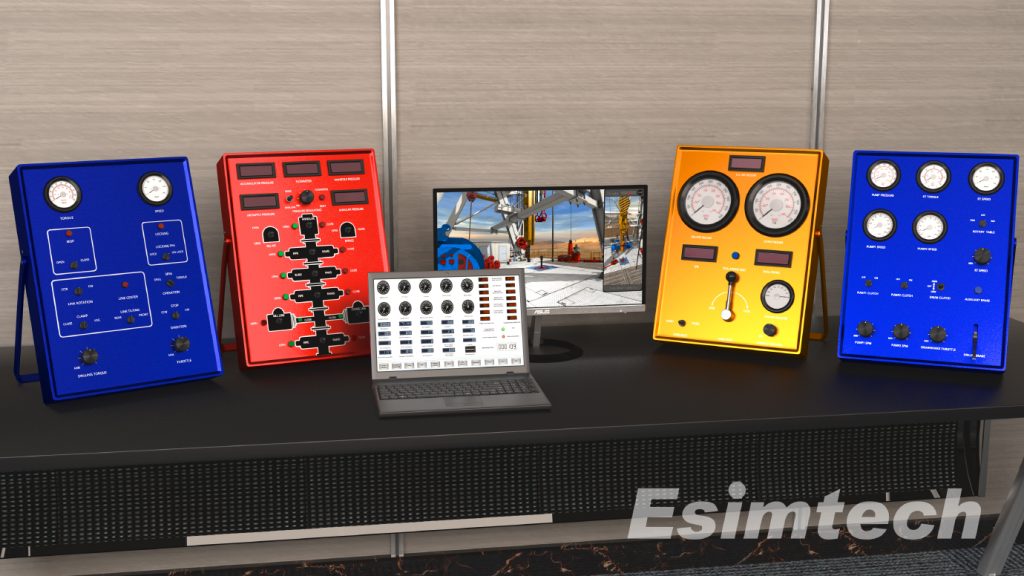
Cyberchair Drilling Simulator

8. Advanced Directional Drilling Tools

Innovations in directional drilling tools, such as rotary steerable systems (RSS), have enhanced the accuracy of wellbore placement. These tools enable operators to drill complex well paths with greater precision, improving reservoir connectivity and hydrocarbon recovery rates.

9. High-Performance Drill Bits

The development of high-performance drill bits, such as polycrystalline diamond compact (PDC) and hybrid drill bits, has significantly improved drilling efficiency. These bits are designed to withstand extreme conditions, such as abrasive formations and high temperatures, reducing wear and increasing drilling speed.

10. Subsea Technologies

Subsea drilling technologies have advanced significantly, enabling oil and gas extraction from ultra-deepwater reserves. Innovations like subsea blowout preventers (BOPs), remotely operated vehicles (ROVs), and autonomous underwater vehicles (AUVs) are enhancing safety and efficiency in offshore operations.

Conclusion

Innovative technologies in oil and gas drilling are shaping a more efficient, safe, and environmentally friendly future for the industry. By integrating automation, digitalization, and advanced materials, companies can address the challenges of modern energy production while minimizing their environmental footprint. As global energy needs evolve, continued investment in research and development will be key to unlocking new possibilities in drilling and beyond.

Key Points to Understand Flashing Signal Lights for Marine Use

Flashing signal lights are an indispensable part of marine operations, serving as essential tools for navigation, communication, and safety. Designed to withstand harsh marine environments, these lights ensure vessels can communicate effectively, avoid collisions, and operate smoothly even in low-visibility conditions. This article explores the types, applications, and key considerations for flashing signal lights in marine use.

flashing signal light

Role of Flashing Signal Lights in Marine Environments

Flashing signal lights are critical for:

Navigation: Indicating a vessel’s position, course, and status to nearby ships.

Communication: Conveying specific signals, warnings, or intentions through coded flashing patterns.

Safety: Enhancing visibility in fog, storms, and nighttime operations.

Types of Flashing Signal Lights for Marine Use

Various types of flashing signal lights are tailored for specific maritime applications:

1. Navigation Signal Lights

Purpose: Used to indicate a vessel’s direction and activity.

Types:

Port Lights: Red light on the left side of the vessel.

Starboard Lights: Green light on the right side of the vessel.

Stern Lights: White light at the rear of the vessel.

Masthead Lights: White light at the top of the vessel.

Flashing Patterns: Used to signal unique maneuvers or restricted operations.

2. Warning and Hazard Lights

Purpose: Alert other vessels to potential dangers like obstructions, anchored ships, or restricted zones.

Features: Bright flashing patterns in red, amber, or white.

3. Distress Lights

Purpose: Employed during emergencies to signal distress and request assistance.

Specifications: Must meet SOLAS (Safety of Life at Sea) standards for visibility and flashing frequency.

4. Special Purpose Lights

Application: Used for specific tasks such as dredging, diving operations, or convoy signaling.

Flashing Patterns: Customizable to match unique operational requirements.

Marine Flashing Signal Lights

Technologies Used in Marine Flashing Signal Lights

Modern flashing signal lights incorporate advanced technologies to improve reliability and functionality:

LED Technology: Offers energy efficiency, long lifespan, and bright illumination.

Automatic Sensors: Adjust light intensity based on ambient conditions, ensuring optimal visibility.

Durable Construction: Corrosion-resistant materials like stainless steel and polycarbonate housings withstand harsh marine conditions.

Solar-Powered Options: Reduce energy dependency and maintenance costs, ideal for remote locations.

4. Regulatory Standards for Marine Signal Lights

Compliance with international regulations is crucial for marine signal lights:

COLREGs: The International Regulations for Preventing Collisions at Sea dictate the color, intensity, and placement of signal lights.

IMO and SOLAS: Provide guidelines on visibility range, flashing frequency, and operational requirements.

Local Authorities: Ensure adherence to region-specific maritime rules.

Key Considerations When Choosing Marine Signal Lights

When selecting flashing signal lights for marine use, consider the following factors:

Visibility Range: Ensure the light is visible at the required distance.

Durability: Look for materials resistant to saltwater, UV rays, and extreme temperatures.

Flashing Modes: Verify that the light offers the necessary patterns and frequencies.

Power Source: Choose between battery-operated, wired, or solar-powered lights based on operational needs.

Maintenance: Opt for lights with low maintenance requirements to minimize downtime.

Applications of Flashing Signal Lights in Marine Operations

Flashing signal lights play a vital role in various maritime activities:

Navigation: Guiding vessels safely through narrow channels, harbors, and open waters.

Search and Rescue: Ensuring visibility of rescue boats and signaling distress.

Fishing and Dredging: Indicating operational areas and preventing collisions.

Offshore Installations: Marking oil rigs, wind farms, and other fixed structures for safety.

Future Trends in Marine Signal Lights

Advancements in technology are driving innovation in flashing signal lights for marine use:

Smart Lights: Integration with IoT systems for remote monitoring and control.

Enhanced Automation: Lights that respond to AIS (Automatic Identification Systems) data for dynamic signaling.

Eco-Friendly Solutions: Increased use of solar power and recyclable materials.

Adaptive Lighting: Systems that adjust color and intensity based on situational needs.

solar powered marine flashing lights

Summary

Flashing signal lights are a cornerstone of maritime safety and efficiency. From navigation and hazard warnings to emergency signaling, these lights ensure vessels can operate effectively in any condition. Choosing the right type of signal light, adhering to regulatory standards, and leveraging modern technologies are essential steps in enhancing marine operations.

What are the Different Grades of Stainless Steel Bolts

Stainless steel bolts are a staple in construction, manufacturing, and other industries where strength and corrosion resistance are critical. Choosing the right grade of stainless steel bolt is essential to ensure optimal performance under specific environmental and mechanical conditions. This guide explores the different grades of stainless steel bolts, their properties, and their applications.

Stainless steel bolts

Why Choose Stainless Steel Bolts?

Stainless steel bolts offer a unique combination of durability, corrosion resistance, and aesthetic appeal.

Corrosion Resistance: Ideal for outdoor and marine environments.

Strength: High tensile and yield strength makes them suitable for heavy-duty applications.

Longevity: Resistant to rust, ensuring long-term reliability.

Aesthetics: Sleek, polished finish complements modern designs.

Stainless Steel Anchor Bolts

Understanding Stainless Steel Bolt Grades

Stainless steel bolt grades are classified based on their composition and performance characteristics. Here are the most common grades:

a. Grade 304 (A2)

Composition: Contains 18% chromium and 8% nickel.

Properties: Excellent corrosion resistance in mild environments.

Applications: Used in indoor applications, light construction, and automotive parts.

Limitations: Not suitable for marine or highly acidic environments.

b. Grade 316 (A4)

Composition: Contains 16% chromium, 10% nickel, and 2% molybdenum.

Properties: Superior resistance to corrosion, especially against chloride and saltwater.

Applications: Common in marine, chemical, and medical industries.

Special Note: Preferred for applications requiring resistance to harsh chemicals.

c. Grade 410

Composition: High chromium content with low nickel.

Properties: High strength and hardness with moderate corrosion resistance.

Applications: Suitable for high-stress applications like pumps, valves, and industrial machinery.

Limitations: Not as corrosion-resistant as grades 304 or 316.

d. Grade 2205 (Duplex Stainless Steel)

Composition: Balanced mix of austenitic and ferritic stainless steel.

Properties: Exceptional strength and resistance to stress corrosion cracking.

Applications: Ideal for oil and gas, offshore platforms, and chemical processing.

Advantages: Better cost-performance ratio compared to grade 316 in some environments.

e. Grade 17-4 PH (Precipitation Hardening)

Composition: Includes chromium, nickel, and copper.

Properties: High tensile strength, excellent corrosion resistance, and good wear resistance.

Applications: Aerospace, defense, and high-performance machinery.

Unique Feature: Heat treatment allows for customization of mechanical properties.

Factors to Consider When Choosing Stainless Steel Bolts

Selecting the right stainless steel bolt grade depends on several factors:

Environment: Exposure to moisture, chemicals, or extreme temperatures.

Load Requirements: Tensile and yield strength needed for the application.

Budget: Balancing cost with performance requirements.

Aesthetics: Importance of a polished or matte finish.

Marking Standards for Stainless Steel Bolts

To ensure compliance with standards, stainless steel bolts are marked with specific codes:

A2-70: Denotes grade 304 with a tensile strength of 700 MPa.

A4-80: Denotes grade 316 with a tensile strength of 800 MPa.

Other Codes: Indicate strength and corrosion resistance levels for other grades.

Applications Across Industries

Stainless steel bolts find applications in diverse sectors due to their versatility:

Construction: Structural frameworks, bridges, and facades.

Marine: Shipbuilding, docks, and underwater pipelines.

Automotive: Engine components, exhaust systems, and suspension systems.

Healthcare: Medical devices and surgical tools.

Energy: Wind turbines, solar panels, and oil rigs.

Stainless steel 12 Point Bolts

Maintenance and Longevity

Even though stainless steel bolts are durable, proper maintenance ensures extended lifespan:

Regular Inspection: Check for signs of corrosion or wear, especially in extreme environments.

Cleaning: Use non-abrasive cleaners to maintain the bolt’s finish.

Lubrication: Prevents galling, a condition where bolts seize due to friction.

Conclusion

Stainless steel bolt grades offer a range of options to suit various applications, environments, and budgets. Whether you need bolts for a mild indoor environment or a harsh marine setting, understanding the differences between grades like 304 and 316 is essential. Selecting the right grade not only ensures optimal performance but also guarantees long-term reliability and cost-effectiveness.

The Vital Role of Custom Print Inspection Systems in Inspecting Personalized Products

The demand for personalized products has skyrocketed in recent years, driven by advancements in digital printing technology and the growing consumer desire for unique, tailored items. Alongside this growth, ensuring the quality of these personalized products has become increasingly critical. Enter custom printing inspection systems which provide an innovative solution tailored to the challenges of inspecting customized goods. These systems enable businesses to maintain high-quality standards.

printing quality inspection system

1. The Rise of Personalized Products

Personalization has permeated industries such as fashion, packaging, home décor, and promotional merchandise.

Small Batch and Single-Item Orders: Unlike mass production, personalized products are often created in limited quantities or as unique pieces.

Complex Designs: Custom designs may include intricate patterns, variable data (like names or serial numbers), or diverse materials.

2. Challenges in Inspecting Personalized Products

Traditional inspection methods often fall short when applied to personalized goods due to their variability. Key challenges include:

High Variation: Each item may have different text, colors, or graphics.

Precision Requirements: Even minor deviations in design, alignment, or color can impact customer satisfaction.

Speed and Scalability: Inspecting customized products manually is time-consuming and error-prone, especially at scale.

Printing flaw

Key Features of Custom Printing Inspection Systems

Custom printing inspection systems are designed to address these challenges. They incorporate cutting-edge technology to ensure flawless quality.

a. Automated Detection

AI-Powered Vision Systems: Advanced algorithms analyze every aspect of the printed design to detect inconsistencies in real time.

Customizable Parameters: Users can set specific criteria for acceptable tolerances based on the product type and personalization.

b. Adaptability to Variable Data

Dynamic Inspection: Print inspection systems are capable of inspecting items with variable text, barcodes, or images without the need for reconfiguration.

Pattern Matching: Algorithms compare each piece to its corresponding digital file for accuracy.

c. High-Speed Processing

Real-Time Analysis: These systems operate at high speeds to inspect large volumes of products efficiently.

Scalability: They are ideal for both small businesses and large-scale operations.

d. Integration with Printing Workflows

Seamless Integration: 100% inspection systems can be integrated with digital printers, conveyors, and other production equipment.

Feedback Loops: Systems can provide real-time feedback to the printer, allowing for immediate corrections and reduced waste.

Industries Benefiting from Custom Printing Inspection Systems

The versatility of these systems makes them invaluable across various sectors:

Packaging: Inspecting labels, cartons, and wrappers for personalized branding.

Textiles: Ensuring accuracy in custom apparel and fabric prints.

Promotional Merchandise: Verifying the quality of custom pens, mugs, and other branded items.

Publishing: Inspecting personalized books, invitations, or stationery.

Advantages of Implementing Custom Printing Inspection Systems

Enhanced Quality Control: Reduces defects and ensures products meet customer expectations.

Cost Efficiency: Minimizes waste and rework by catching errors early.

Customer Satisfaction: Consistent quality boosts brand reputation and customer loyalty.

Time Savings: Automating inspection processes reduces lead times and increases production throughput.

Future Innovations in Printing Inspection Systems

As technology evolves, custom printing inspection systems will continue to advance:

Machine Learning Improvements: Systems will become more intelligent, learning from defects to improve accuracy over time.

Advanced Color Recognition: Enhanced capabilities for detecting subtle variations in hues and gradients.

IoT Integration: Connected systems will enable remote monitoring and predictive maintenance.

Sustainability: Improved systems will contribute to greener operations by reducing material wastage.

OR-D Web Inspection System

Conclusion

Custom printing inspection systems have become indispensable tools for businesses dealing with personalized products. By ensuring accuracy, efficiency, and high-quality standards, these systems address the unique challenges posed by customization. As personalization trends continue to grow, the adoption of these inspection systems will be key to meeting customer expectations and staying competitive in the market.

Investing in a robust, adaptable inspection system is not just about quality control—it’s about delivering excellence in a world that values individuality and customization.

Why Custom Plush Online Platforms Become More and More Popular

In recent years, custom plush toys have gained immense popularity as unique, personalized gifts and promotional tools. With the advent of advanced digital platforms, ordering and designing custom plush toys has become easier than ever. These platforms cater to various industries and individual customers, offering creative ways to bring plush ideas to life. Here’s an overview of how custom plush online platforms are revolutionizing the market.

custom IP plush

1. Ease of Design and Ordering

Custom plush platforms provide user-friendly interfaces that allow customers to design their plush toys effortlessly.

Interactive Tools: Many platforms feature drag-and-drop tools, templates, and 3D previews to ensure that designs meet customer expectations.

Guided Process: For those new to custom design, platforms often provide design assistance or pre-designed options that can be tailored.

2. Versatility for Different Needs

From corporate branding to personal gifts, these platforms cater to diverse purposes.

Promotional Products: Businesses can use custom plush toys as memorable marketing items.

Special Occasions: Individuals can create plush toys for weddings, anniversaries, or birthdays.

Merchandise: Artists, influencers, and brands use custom plush toys to extend their merchandise lines.

3. Customization Features

Modern custom plush platforms offer various customization options, including:

Materials: Choices include cotton, polyester, and eco-friendly fabrics.

Colors and Patterns: Customers can match their plush toys to specific themes or brand colors.

Details: Features like embroidery, accessories, and custom packaging add a personal touch.

4. Global Accessibility and Market Reach

With online platforms, customers can order from anywhere in the world.

Seamless Shipping: Many platforms provide worldwide delivery options.

Localized Design Support: Some platforms offer multilingual support and localized pricing for global customers.

5. Quality Assurance and Prototyping

High-quality production is a hallmark of reputable custom plush platforms.

Prototyping Options: Customers can review prototypes before mass custom plush production.

Stringent Quality Checks: Platforms ensure durable stitching, vibrant colors, and safe materials.

implementer - online custom plush toy platform

6. Cost-Effectiveness

Online platforms offer competitive pricing and transparent quotes.

Volume Discounts: Bulk orders often come with discounts, making them ideal for corporate use.

Flexible Pricing: Customers can adjust materials and features to suit their budgets.

7. Sustainability Initiatives

Many custom plush platforms are incorporating eco-friendly practices, such as:

Sustainable Materials: Organic cotton or recycled polyester options.

Ethical Production: Adherence to fair labor practices and reduced carbon footprints.

8. Innovative Applications

Custom plush toys extend beyond traditional purposes.

Therapeutic Use: Plush toys are increasingly used in therapy for comfort and emotional support.

Education: Schools and educational institutions use plush toys to create mascots or teaching aids.

custom plush bears

Conclusion

Custom plush online platforms have transformed how people and businesses create personalized plush toys. Their user-friendly interfaces, wide customization options, and commitment to quality have made them the go-to solution for crafting meaningful, one-of-a-kind items. Whether for personal expression, business branding, or creative projects, these platforms make the process accessible, efficient, and enjoyable.

As technology advances, the custom plush industry is likely to continue growing, offering even more innovative ways to bring imagination to life.

Understanding the Specific Classification of Explosion-proof Lighting

Explosion-proof lighting is essential in environments where flammable gases, vapors, dust, or fibers pose significant risks of ignition. These specialized lighting systems are engineered to prevent sparks or heat from causing explosions, ensuring safety and compliance with industrial standards. This article delves into the specific classifications of explosion-proof lighting, highlighting their types, applications, and standards.

CFT6 explosion-proof flood light

Why Explosion-Proof Lighting is Crucial

Explosion-proof lighting plays a pivotal role in industries such as oil and gas, chemical processing, mining, and grain storage. By containing potential ignition sources, these lights prevent catastrophic events, protecting both personnel and infrastructure. Their robust construction and adherence to stringent safety protocols make them indispensable in hazardous locations.

Classification of Explosion-Proof Lighting

Explosion-proof lighting is classified based on the type of hazard, the environment, and the specific standards it adheres to. Below are the primary classifications:

1. Classification by Hazardous Zone

Explosion-proof lighting is categorized according to the risk levels in different hazardous zones:

Zone 0:

Environments where explosive gases are present continuously or for prolonged periods. Lighting used here must be intrinsically safe, ensuring no sparks or heat can ignite the surrounding atmosphere.

Zone 1:

Areas where explosive gases are likely to occur during normal operations. These lights are designed to operate safely under occasional exposure to flammable substances.

Zone 2:

Locations where explosive gases are unlikely to occur but may be present for short durations. Lighting here offers moderate protection against accidental ignition.

2. Classification by Protection Techniques

Explosion-proof lighting uses various protection methods to ensure safety:

Flameproof/Encapsulation (Ex d):

The fixture is enclosed in a robust housing that contains any internal explosion and prevents the propagation of flames to the external environment.

Increased Safety (Ex e):

These lights are designed with enhanced measures to prevent sparks, arcs, or excessive temperatures that could ignite hazardous materials.

Intrinsic Safety (Ex i):

The electrical and thermal energy within the fixture is kept low enough to prevent ignition, even in the event of a fault.

Pressurization (Ex p):

The fixture is maintained under positive pressure with clean air or inert gas to prevent the ingress of hazardous substances.

Dust Ignition Proof (Ex t):

For areas with combustible dust, these lights prevent heat or sparks from igniting the surrounding dust particles.

3. Classification by Material and Construction

The materials used in explosion-proof lighting contribute to their effectiveness and durability in hazardous conditions:

Aluminum Alloy:

Lightweight and corrosion-resistant, suitable for areas with minimal exposure to chemicals.

Stainless Steel:

Highly durable and resistant to extreme temperatures, ideal for offshore or chemical industries.

Polycarbonate/Tempered Glass:

Provides excellent impact resistance and protection against UV radiation.

4. Classification by Application

Explosion-proof lighting is further classified based on its specific use case:

Portable Explosion-Proof Lighting:

Designed for temporary or emergency use, these lights are lightweight and easy to transport.

Fixed Explosion-Proof Lighting:

Permanently installed in hazardous areas, commonly used in refineries, oil rigs, and chemical plants.

Emergency Explosion-Proof Lighting:

Equipped with backup power systems to ensure continuous illumination during power outages in hazardous zones.

Flood Explosion-Proof Lighting:

Provides wide-area illumination, often used in large industrial facilities.

5. Classification by Lighting Technology

LED Explosion-Proof Lighting:

Highly energy-efficient, durable, and capable of operating in extreme conditions.

explosion proof led lights

Fluorescent Explosion-Proof Lighting:

Offers moderate energy efficiency and is suitable for less demanding environments.

High-Intensity Discharge (HID) Lighting:

Provides powerful illumination, typically used in large outdoor or industrial settings.

Standards Governing Explosion-Proof Lighting

To ensure safety and reliability, explosion-proof lighting must comply with international and regional standards, including:

ATEX (Europe):

Specifies requirements for equipment used in explosive atmospheres.

IECEx (Global):

Provides global certification for electrical equipment used in hazardous areas.

NEC/UL (North America):

Focuses on electrical equipment safety in hazardous locations.

CSA (Canada):

Ensures compliance with Canadian safety regulations for hazardous environments.

explosion proof flood light

Choosing the Right Explosion-Proof Lighting

When selecting explosion-proof lighting, it is crucial to consider:

The type of hazardous material present (gas, vapor, dust).

The classification of the hazardous zone (Zone 0, 1, or 2).

Environmental factors such as temperature, humidity, and chemical exposure.

Energy efficiency and maintenance requirements of the lighting system.

Conclusion

Explosion-proof lighting is a cornerstone of safety in hazardous environments. By understanding its specific classifications, industries can select the appropriate lighting solutions to mitigate risks, enhance productivity, and ensure compliance with safety standards. As technology continues to evolve, explosion-proof lighting is becoming more efficient and versatile, reinforcing its critical role in industrial safety.

通过 WordPress.com 设计一个这样的站点
从这里开始