Custom plush toys bring joy to children and adults alike, offering personalized designs and soft, comforting textures. However, ensuring these toys are safe for use, especially by young children, is crucial. Adherence to strict safety standards is not just a legal requirement but also a commitment to consumer well-being. Here’s an in-depth look at the key safety standards for custom plush toys.
1. Material Safety
Non-toxic Materials: The fabrics, fillings, and decorative elements used in custom plush toys must be free from harmful chemicals such as lead, phthalates, and formaldehyde. Compliance with standards like the Consumer Product Safety Improvement Act (CPSIA) is essential.
Hypoallergenic Options: Materials should be hypoallergenic to minimize the risk of allergic reactions in sensitive individuals.
2. Choking Hazard Prevention
Secure Small Parts: Any small components such as buttons, eyes, or beads must be securely attached to prevent detachment during regular use.
Avoid Loose Elements: Toys for children under three years old must not have detachable or loose small parts that could pose a choking hazard.
3. Durability and Seam Strength
Reinforced Stitching: All seams should be reinforced to prevent stuffing from escaping, reducing the risk of ingestion by small children.
Wear-and-Tear Testing: Toys should undergo rigorous durability testing to ensure they remain intact under typical handling and play conditions.
Low Ignition Risk: Materials should have low ignition properties to enhance safety.
5. Chemical and Dye Safety
Colorfastness Testing: Dyes used in the toy’s materials should not bleed or fade when exposed to saliva or sweat, ensuring they do not pose a risk if ingested.
Certified Dyes: Use only dyes and pigments approved for use in children’s products.
6. Sharp Edges and Points
Rounded Edges: Ensure that all components, such as internal wires for poseable features, are covered and have no sharp edges or points.
No Protruding Elements: External features like zippers or tags must be designed to avoid scratching or poking.
7. Hygiene and Washability
Machine-Washable Designs: Plush toys should be easy to clean to maintain hygiene, especially for infants and toddlers who may put them in their mouths.
Antimicrobial Treatments: Consider antimicrobial treatments for added protection against germs and bacteria.
8. Age-Appropriate Design
Clear Age Labels: Plush toys should be labeled with the appropriate age group they are designed for, considering safety features like size and complexity.
Simplified Toys for Infants: For children under one year, avoid complex designs with removable parts or intricate details.
9. Compliance with Global Standards
US Standards: Follow CPSIA and ASTM F963 requirements for toy safety.
European Standards: Adhere to the EN71 standard, covering mechanical, flammability, and chemical safety.
Other Markets: Ensure compliance with standards such as ISO 8124 for international markets.
10. Regular Testing and Certification
Third-Party Testing: Engage certified testing laboratories to evaluate toy safety before production and distribution.
Batch Testing: Conduct random batch testing to ensure consistency in safety compliance.
Final Thoughts
Safety is a cornerstone of custom plush toy production. By adhering to these safety standards, manufacturers can ensure their products are not only delightful but also safe for consumers of all ages. Parents and caregivers can enjoy peace of mind knowing that the plush toys they choose meet the highest safety requirements.
Marine lifeboats are essential for ensuring the safety of individuals on ships and offshore platforms. They provide a means of evacuation during emergencies, such as fires, collisions, or sinkings. Lifeboats can be broadly classified into two categories: enclosed lifeboats and open lifeboats. Each type has distinct features, advantages, and applications that make them suitable for different scenarios.
1. Enclosed Lifeboats
Enclosed lifeboats are fully covered, providing complete protection to occupants from external elements such as wind, rain, and waves. They are designed to withstand harsh marine environments and offer enhanced safety and comfort.
Key Features of Enclosed Lifeboats:
Weather Protection: The rigid structure shields passengers from adverse weather conditions, such as heavy rain, snow, and high waves.
Fire Resistance: Many enclosed lifeboats are built with fire-resistant materials, offering additional safety during emergencies involving fire.
Self-righting Capability: These lifeboats are designed to automatically right themselves if capsized, ensuring stability and safety.
High Buoyancy: The robust construction and buoyant materials help keep the lifeboat afloat even in challenging conditions.
Engine Power: Most enclosed lifeboats are motorized, allowing for faster evacuation and greater control during navigation.
Applications:
Enclosed lifeboats are commonly used on large commercial ships, oil rigs, and passenger vessels due to their superior safety features.
They are ideal for long voyages where exposure to harsh weather and rough seas is likely.
Advantages:
Maximum protection for occupants.
Greater capacity to accommodate passengers.
Suitable for extreme weather and high-risk scenarios.
Disadvantages:
Higher cost compared to open lifeboats.
More complex maintenance and operation.
2. Open Lifeboats
Open lifeboats, as the name suggests, are not fully covered. They have a simpler design and are typically smaller than enclosed lifeboats. These lifeboats have been in use for centuries and remain common in specific applications.
Key Features of Open Lifeboats:
Simplified Design: They consist of an open hull with minimal structural components, making them lightweight and easy to deploy.
Manual Operation: Most open lifeboats rely on oars or sail power, though some are equipped with outboard motors.
Visibility: The open design allows better visibility for navigation in calm conditions.
Applications:
Open lifeboats are often used on smaller vessels or for short-distance evacuations.
They are suitable for calm waters and less demanding environments.
Advantages:
Cost-effective compared to enclosed lifeboats.
Easy to maintain and operate.
Lightweight and quick to launch.
Disadvantages:
Limited protection against weather and waves.
Lower safety levels in rough seas or harsh conditions.
Less capacity and fewer advanced features.
Comparison of Enclosed and Open Lifeboats
Enclosed and open lifeboats differ significantly in design, functionality, and suitability for various maritime environments.
1. Safety
Enclosed Lifeboats:
Provide maximum safety as they are fully covered and shield passengers from external hazards such as wind, waves, and fire. Many are self-righting, adding an extra layer of security in case of capsizing.
Open Lifeboats:
Offer moderate safety with no overhead protection, leaving occupants exposed to weather and sea spray. They lack self-righting capabilities, making them less reliable in rough waters.
2. Weather Resistance
Enclosed Lifeboats:
Excellent resistance to adverse weather conditions, including storms, heavy rain, and high waves. Fully enclosed designs ensure occupants remain dry and protected.
Open Lifeboats:
Minimal weather resistance as they lack structural protection. Passengers are vulnerable to rain, wind, and harsh sunlight.
3. Cost
Enclosed Lifeboats:
High cost due to advanced safety features, materials, and motorized systems. Maintenance expenses are also higher compared to open lifeboats.
Open Lifeboats:
Low cost as they have a simpler design and require less advanced technology or maintenance.
4. Capacity
Enclosed Lifeboats:
Larger capacity, often designed to accommodate many passengers in emergencies. Ideal for commercial ships and oil platforms.
Open Lifeboats:
Smaller capacity, suitable for smaller vessels or short-distance evacuations.
5. Deployment
Enclosed Lifeboats:
Complex deployment systems, often involving davits and motorized mechanisms. Require trained personnel for proper use.
Open Lifeboats:
Simpler and quicker to deploy due to their lightweight design and straightforward launch process.
6. Propulsion
Enclosed Lifeboats:
Typically equipped with engines, enabling faster and more controlled movement during evacuations.
Open Lifeboats:
May rely on manual operation (oars) or basic motorized systems, limiting speed and navigation capabilities.
7. Maintenance
Enclosed Lifeboats:
Require regular and detailed maintenance of their engines, fireproof materials, and complex systems.
Open Lifeboats:
Easier to maintain due to their simpler design and fewer mechanical components.
Summary
Both enclosed and open lifeboats play crucial roles in maritime safety. The choice between the two depends on the specific requirements of the vessel, the expected operating environment, and the level of safety needed. Enclosed lifeboats are best for high-risk scenarios and long voyages, while open lifeboats remain valuable for smaller vessels and calmer waters.
Web tension control is a critical factor in high-speed printing processes, where even minor variations in tension can lead to print defects, waste, or equipment damage. Achieving precise tension control ensures consistent quality, minimizes material waste, and enhances the overall efficiency of the printing operation. This article explores advanced strategies and technologies for improving web tension control in high-speed printing.
The Importance of Web Tension Control
Web tension refers to the amount of force applied to a web (a continuous sheet of material) as it moves through a printing press. Proper tension control ensures the web stays aligned, stretched, and stable during the process.
Key Challenges:
Wrinkling or tearing of the material.
Misalignment causing registration errors.
Uneven ink application resulting in print defects.
Critical Parameters:
Consistency across all zones (unwind, printing, and rewind).
Real-time adjustments to accommodate material and speed changes.
Factors Affecting Web Tension
Several factors influence web tension, including:
Material Properties: Different materials, such as paper, film, or foil, have unique elasticity and stretchability requirements.
Process Speed: Higher speeds amplify the effects of tension fluctuations.
Environmental Conditions: Temperature and humidity can alter material behavior.
Machine Dynamics: Variations in roller alignment, motor performance, and braking systems impact tension control.
Advanced Technologies for Precision Tension Control
To achieve precise web tension control in high-speed printing, industries are adopting advanced technologies:
Closed-Loop Control Systems:
Utilize feedback from tension sensors to maintain desired tension levels.
Real-time adjustments using automatic controllers ensure stability.
Maintain proper alignment by detecting edge positions with sensors.
Reduce tension variations caused by lateral misalignment.
Predictive Maintenance with IoT:
Monitor equipment performance using Internet of Things (IoT) devices.
Predict and prevent tension-related issues through real-time data analysis.
Best Practices for Improved Tension Control
Material-Specific Calibration:
Adjust settings based on the specific characteristics of the material being printed.
Test and fine-tune tension levels during setup.
Routine Maintenance:
Regularly inspect and align rollers, motors, and brakes.
Clean and calibrate sensors to ensure accurate readings.
Training Operators:
Educate operators on the importance of tension control.
Provide training on advanced control systems and troubleshooting techniques.
Integration of Digital Systems:
Use software to monitor and adjust tension dynamically.
Implement machine learning algorithms to optimize tension parameters based on historical data.
In summary, improving precision in web tension control is vital for maintaining quality and efficiency in high-speed printing processes. By adopting advanced technologies such as closed-loop systems, IoT devices, and AI-driven solutions, printing companies can overcome challenges associated with tension fluctuations. As digitalization continues to evolve, precision tension control will remain a cornerstone of successful printing operations, enabling higher productivity and reduced waste.
The oil and gas industry has long been a cornerstone of global energy production, but as the world increasingly focuses on efficiency and sustainability, digitalization has emerged as a transformative force in the sector. This shift toward integrating digital technologies in oil and gas drilling operations is revolutionizing the way companies approach exploration, extraction, and production.
1. The Role of Digital Technologies in Drilling Operations
Digitalization in oil and gas drilling encompasses a wide array of technologies, including:
Internet of Things (IoT): Sensors embedded in drilling equipment collect real-time data on variables such as temperature, pressure, and vibration. This data provides operators with actionable insights to optimize drilling performance.
Artificial Intelligence (AI) and Machine Learning (ML): AI and ML algorithms analyze vast datasets to predict drilling outcomes, reduce non-productive time, and improve decision-making.
Big Data Analytics: Advanced analytics processes massive amounts of historical and real-time data to identify patterns and trends that can enhance operational efficiency.
Automation and Robotics: Automated systems perform repetitive and hazardous tasks, increasing precision and safety while reducing human error.
Digital Twins: Virtual replicas of physical assets enable operators to simulate scenarios and test solutions without impacting actual operations.
2. Benefits of Digitalization in Drilling
The integration of digital technologies delivers numerous benefits, including:
Increased Efficiency: Automated workflows and predictive maintenance reduce downtime and enhance operational efficiency.
Enhanced Safety: Real-time monitoring and automated systems reduce the risk of accidents and ensure a safer working environment for personnel.
Environmental Sustainability: Digital tools minimize waste, energy consumption, and environmental impact, aligning with global sustainability goals.
3. Challenges in Implementing Digital Solutions
Despite its potential, digitalization in oil and gas drilling faces several challenges:
High Initial Costs: The implementation of digital technologies requires significant upfront investment in hardware, software, and training.
Cybersecurity Risks: Increased connectivity exposes operations to potential cyber threats.
Resistance to Change: Industry professionals may be hesitant to adopt new technologies due to lack of familiarity or concerns about job displacement.
Data Management: Handling and analyzing the vast volumes of data generated by digital tools can be complex and resource-intensive.
The Future of Digital Drilling
As digital technologies continue to evolve, their impact on oil and gas drilling will only grow. Emerging trends include:
Edge Computing: Processing data closer to the source for faster decision-making.
5G Connectivity: Enabling high-speed, low-latency communication for remote drilling sites.
Blockchain: Enhancing transparency and security in supply chain management.
Simulation Technologies Used for Digitalization in Oil and Gas Drilling
Simulation technologies play a pivotal role in the digital transformation of oil and gas drilling. These tools enable operators to replicate, analyze, and optimize drilling processes in virtual environments, reducing risks, improving efficiency, and driving down costs.
1. Digital Twin Technology
Digital twins are virtual replicas of physical drilling assets or processes that provide real-time monitoring, diagnostics, and predictive analytics.
Applications:
Simulating wellbore conditions to test various drilling strategies.
Predicting equipment wear and failure for proactive maintenance.
Optimizing reservoir management by visualizing subsurface conditions.
Benefits:
Enhanced operational efficiency.
Improved decision-making with real-time data insights.
Cost savings through predictive maintenance.
2. Drilling Simulation Tools
Drilling simulation tools help design, plan, and execute drilling operations in a virtual environment.
Benefits:
Reduced non-productive time (NPT) by identifying potential issues beforehand.
Safer operations through virtual training and scenario testing.
3. Reservoir Simulation
Reservoir simulators model subsurface reservoirs to predict fluid flow, optimize production, and assess the economic viability of wells.
Applications:
Designing enhanced recovery methods (e.g., waterflooding, gas injection).
Estimating reserves and production rates.
Benefits:
Improved accuracy in well placement.
Enhanced recovery rates and operational planning.
4. Training Simulators
Virtual training platforms provide immersive environments for workforce training, enabling personnel to practice drilling operations in safe, controlled settings.
Kongsberg Drilling Simulators: Focuses on rig equipment and processes, ensuring hands-on operational training.
Benefits:
Increased operator competency and confidence.
Reduced training costs compared to on-site programs.
Enhanced safety by preparing personnel for emergency scenarios.
5. Geomechanical Simulation
Geomechanical simulators analyze subsurface stress, rock deformation, and fracture propagation to optimize drilling and completion operations.
Applications:
Preventing wellbore collapse by optimizing mud weight.
Designing hydraulic fracturing programs for shale reservoirs.
Benefits:
Reduced drilling risks.
Improved wellbore stability and longevity.
6. Seismic Modeling and Simulation
Seismic simulators create 3D models of subsurface structures to identify hydrocarbon reservoirs and optimize drilling paths.
Benefits:
Precise identification of drilling targets.
Reduction in dry hole drilling.
7. Real-Time Drilling Simulations
Real-time simulation platforms integrate live data streams from drilling sites with predictive models to monitor and adjust operations instantaneously.
Predicting and preventing issues like stuck pipe or kicks.
Benefits:
Immediate response to operational challenges.
Enhanced efficiency and safety.
8. Flow Assurance Simulation
Flow assurance simulators model fluid behavior within pipelines, ensuring optimal transportation of oil and gas.
Applications:
Preventing blockages caused by hydrates, wax, or asphaltene deposits.
Optimizing pipeline design and operations.
Benefits:
Minimized production downtime.
Enhanced pipeline safety and reliability.
Conclusion
Digitalization in oil and gas drilling is no longer a future concept but a present reality reshaping the industry. By embracing these innovations, companies can improve efficiency, reduce costs, and enhance sustainability.
Simulation technologies are at the forefront of digitalization in oil and gas drilling. They enable companies to test and optimize operations in virtual environments, leading to safer, more efficient, and cost-effective drilling practices.
Ultrasonic homogenizers are powerful tools widely used in laboratories and industries for cell disruption, emulsification, and nanoparticle synthesis. Despite their reliability and efficiency, these devices can experience faults over time due to improper operation, maintenance, or wear and tear. Understanding common faults in ultrasonic homogenizers can help users quickly identify issues and implement effective solutions.
Incorrect Probe Placement: Probe placed too close to the surface.
High Amplitude Settings: Excess energy causes cavitation at the surface.
Sample Container Incompatibility: Inappropriate container size or shape.
Solutions:
Immerse the probe adequately into the sample.
Reduce amplitude settings as needed.
Use a container that matches the probe size and sample volume.
Summary
Understanding the common faults in ultrasonic homogenizers is key to maintaining their performance and longevity. Regular maintenance, proper operation, and timely troubleshooting can significantly reduce downtime and repair costs. For persistent issues, consulting the manufacturer or a qualified technician ensures the homogenizer continues to deliver optimal results.
Marine searchlights play a crucial role in ensuring the safety and efficiency of maritime operations. Their design must accommodate the challenging conditions of marine environments while meeting the specific needs of navigation, rescue missions, and offshore operations. This article delves into the essential considerations and features involved in designing high-performance marine searchlights.
Key Design Considerations
Durability Against Marine Conditions
Marine environments are harsh, characterized by high humidity, saltwater exposure, and temperature fluctuations. To withstand these conditions, marine searchlights must feature:
Corrosion-resistant materials such as stainless steel or marine-grade aluminum.
Sealed housings to prevent water and dust ingress, adhering to IP67 or higher standards.
High Illumination and Beam Range
The core function of a searchlight is to provide powerful illumination over long distances. Achieving this involves:
High-intensity light sources, such as LEDs or xenon lamps.
Adjustable beam focus, offering both wide-area illumination and concentrated beams for specific tasks.
Energy Efficiency
Energy efficiency is crucial, especially for vessels relying on limited power supplies. Modern designs integrate:
Efficient heat dissipation systems to maintain performance and reliability.
Ease of Operation and Control
Searchlights must be intuitive and responsive for operators. Features include:
Remote control systems, including wired and wireless options.
Joystick or touch-panel interfaces for precise adjustments.
Pre-programmed scanning patterns for automated area coverage.
Advanced Features in Modern Searchlights
Smart Integration
High-performance searchlights increasingly integrate with vessel navigation and surveillance systems. This allows:
Automated alignment with radar or camera systems.
Real-time monitoring and diagnostics for maintenance.
Enhanced Beam Customization
Advanced optics and software enable searchlights to adapt to different scenarios. For instance:
Variable color temperatures for optimal visibility under diverse conditions.
Dynamic brightness adjustment based on ambient light levels.
Ruggedized Designs
To ensure reliability, modern searchlights incorporate:
Shock and vibration-resistant mounts.
Anti-icing and de-icing features for polar regions.
Emerging Trends in Searchlight Design
Sustainability
With increasing emphasis on eco-friendly solutions, searchlights are being designed with:
Solar power compatibility for auxiliary energy sources.
Recyclable materials in their construction.
Miniaturization and Portability
Compact and lightweight designs are gaining popularity, especially for smaller vessels and emergency use.
AI and Automation
Artificial intelligence is being integrated for smarter operations, enabling:
Predictive maintenance based on usage patterns.
Autonomous tracking of objects or hazards.
Applications of High-performance Searchlights
Navigation Assistance: Illuminating narrow passages or areas with poor visibility.
Rescue Operations: Pinpointing individuals or objects in distress during nighttime or adverse weather.
Security: Enhancing surveillance and deterring unauthorized activities around vessels.
Industrial Use: Supporting offshore platforms and cargo handling in low-light conditions.
Final Thoughts
Designing high-performance marine searchlights involves a blend of durability, innovation, and adaptability. By addressing environmental challenges, incorporating cutting-edge technology, and focusing on user needs, manufacturers can create searchlights that enhance maritime safety and efficiency. As advancements in materials, optics, and AI continue to evolve, the future of marine searchlight design promises even greater capabilities and reliability.
Tension control is a critical aspect of various industrial processes, particularly in manufacturing, packaging, printing, and textile industries. Maintaining optimal tension ensures product quality, operational efficiency, and equipment longevity. Two primary methods are closed-loop and open-loop tension control systems. Each has its unique characteristics, advantages, and applications.
Understanding Tension Control Systems
Tension control systems regulate the tension of materials, such as paper, film, foil, or fabric, as they move through production lines. Improper tension can lead to defects such as wrinkling, stretching, or breakage.
The distinction between closed-loop and open-loop systems lies in how they manage and respond to tension changes.
Open-Loop Tension Control Systems
How Open-Loop Systems Work
In open-loop tension control systems, the tension is controlled without feedback from the material being processed. Instead, the system relies on preset parameters like speed, torque, or position to maintain tension.
Components of Open-Loop Systems
Motor or Drive: Provides the force or speed for material movement.
Load Cells or Dancer Rollers (Optional): May provide initial calibration but not real-time feedback.
Controller: Uses pre-programmed settings to control the motor or drive.
Advantages of Open-Loop Systems
Simplicity: Easy to implement and maintain.
Cost-Effective: Less expensive due to fewer components.
Fast Response: Immediate adjustments based on preset parameters.
Limitations of Open-Loop Systems
No Feedback Mechanism: Inability to adapt to real-time tension variations.
Lower Accuracy: Not ideal for processes requiring precise tension control.
Environmental Sensitivity: Performance can be affected by material inconsistencies or external factors.
Applications of Open-Loop Systems
Suitable for processes with uniform materials and minimal tension variations.
Commonly used in basic winding or unwinding operations.
Closed-Loop Tension Control Systems
How Closed-Loop Systems Work
Closed-loop systems actively monitor and adjust tension by utilizing feedback from sensors or load cells. The feedback mechanism ensures continuous and precise tension control, even when external conditions change.
Components of Closed-Loop Systems
Sensors (Load Cells or Tension Sensors): Measure real-time tension.
Tension Controllers: Processes sensor feedback and adjusts motor torque or speed accordingly.
Motor or Actuator: Implements the adjustments needed to maintain optimal tension.
Advantages of Closed-Loop Systems
High Precision: Real-time adjustments ensure consistent tension.
Adaptability: Can handle material variations and environmental changes.
Improved Product Quality: Reduces defects caused by tension inconsistencies.
Limitations of Closed-Loop Systems
Complexity: More components and advanced calibration increase system complexity.
Higher Costs: Initial investment is higher than open-loop systems.
Maintenance: Sensors and feedback systems may require periodic maintenance.
Applications of Closed-Loop Systems
Ideal for high-speed operations or processes with sensitive materials.
Used in industries like printing, laminating, and converting where precision is critical.
Key Differences Between Closed-Loop and Open-Loop Systems
Feedback Mechanism: Closed-loop systems utilize real-time feedback from sensors to monitor and adjust tension dynamically. In contrast, open-loop systems operate based on preset parameters without any feedback, making them less responsive to changing conditions.
Precision: Closed-loop systems provide high precision as they continuously correct deviations in tension. Open-loop systems lack this capability, resulting in lower precision and a higher likelihood of tension inconsistencies.
Adaptability: Closed-loop systems are highly adaptable, capable of adjusting to variations in material properties, speed, or environmental conditions. Open-loop systems, however, rely on fixed settings and are less flexible in handling changes.
Control Mechanism: Closed-loop systems automatically adjust motor speed or torque based on real-time sensor input, ensuring optimal tension. Open-loop systems maintain tension using fixed motor speed or torque settings, which can lead to issues in processes with varying demands.
Complexity: Closed-loop systems are more complex due to the integration of sensors and feedback loops, requiring careful calibration and maintenance. Open-loop systems are simpler to set up and operate, with fewer components and lower maintenance requirements.
Cost: Closed-loop systems typically involve higher upfront costs because of their advanced components and technology. Open-loop systems are more cost-effective, making them suitable for less demanding applications.
Applications: Closed-loop systems are ideal for high-speed, precision-driven operations or processes with sensitive materials. Open-loop systems are better suited for straightforward tasks where tension variations are minimal or non-critical.
Choosing the Right Tension Control System
Selecting the appropriate system depends on factors such as:
Material Properties: Delicate or elastic materials benefit from closed-loop control.
Process Requirements: High-speed, precise operations require closed-loop systems, while simpler tasks can use open-loop systems.
Budget Constraints: Open-loop systems are cost-effective for non-critical operations.
Environmental Conditions: Closed-loop systems are more resilient to changing conditions.
Future Trends in Tension Control Systems
Integration with Smart Technologies
IoT sensors and AI algorithms are being integrated into closed-loop systems for predictive maintenance and adaptive control.
Advanced analytics help optimize tension settings for different materials.
Hybrid Systems
Combining closed-loop and open-loop principles to achieve a balance between cost and performance.
Automation and Robotics
Fully automated tension control systems ensure consistent operation with minimal human intervention.
Conclusion
Both closed-loop and open-loop tension control systems serve critical roles in industrial processes, but they cater to different needs. Open-loop systems excel in simplicity and cost-effectiveness for straightforward applications, while closed-loop systems provide unmatched precision and adaptability for complex operations. By understanding the strengths and limitations of each system, industries can make informed choices to enhance operational efficiency and product quality.
Offshore rigs are critical components of the global energy infrastructure, but they operate in sensitive marine environments where minimizing environmental impact is essential. As industries strive for more sustainable operations, advanced environmental monitoring technologies are becoming integral to offshore rig management. These technologies help ensure compliance with environmental regulations, mitigate risks, and protect marine ecosystems.
Key Areas of Environmental Monitoring on Offshore Rigs
Environmental monitoring on offshore rigs encompasses various parameters, including:
Air Quality Monitoring: Measurement of emissions such as carbon dioxide (CO₂), nitrogen oxides (NOₓ), and volatile organic compounds (VOCs) to ensure compliance with air pollution standards.
Water Quality Monitoring: Detection of oil, grease, and other contaminants in discharged water to prevent marine pollution.
Noise Monitoring: Assessment of underwater noise levels to minimize disruption to marine life, particularly marine mammals.
Seafloor and Habitat Monitoring: Evaluation of sediment disturbances and the impact on benthic ecosystems.
Meteorological and Oceanographic Data Collection: Continuous tracking of weather patterns, wave heights, and currents to ensure safety and environmental protection.
Advanced Technologies in Environmental Monitoring
The following technologies are reshaping environmental monitoring on offshore rigs:
1. Remote Sensing Systems
Satellite-based remote sensing is increasingly used to monitor oil spills, marine traffic, and water quality in real-time. These systems provide high-resolution imagery and data, enabling quick response to environmental incidents.
2. IoT-Based Monitoring Solutions
The Internet of Things (IoT) allows for the deployment of interconnected sensors across rigs. These sensors provide real-time data on emissions, water quality, and equipment performance, enabling predictive maintenance and reducing environmental risks.
3. Underwater Acoustic Sensors
These sensors are vital for monitoring underwater noise generated by drilling operations and machinery. By identifying and managing noise levels, rigs can minimize their impact on marine biodiversity.
4. Autonomous Underwater Vehicles (AUVs) and Remotely Operated Vehicles (ROVs)
AUVs and ROVs equipped with cameras and sensors are used to inspect seafloor habitats, pipelines, and surrounding areas for environmental assessments and potential leaks.
5. Airborne Drones
Drones are used to monitor flaring activities, detect gas leaks, and inspect inaccessible parts of offshore rigs. They are efficient in capturing visual and thermal data for environmental compliance.
6. Real-Time Water Quality Analyzers
Advanced analyzers continuously measure the concentration of hydrocarbons, dissolved oxygen, and other pollutants in water. This real-time data ensures that discharges meet environmental standards.
Simulation Technologies Used in Environmental Monitoring on Offshore Rigs
Environmental monitoring on offshore rigs has advanced significantly with the integration of simulation technologies. These technologies play a vital role in predicting environmental impacts, optimizing operations, and ensuring compliance with stringent regulations. By creating virtual models of real-world scenarios, advanced oil and gas simulation tools enhance the ability of offshore operators to mitigate risks, protect marine ecosystems, and maintain sustainable operations.
1. Computational Fluid Dynamics (CFD) Simulations
CFD simulations are used to model the movement of fluids, such as oil, gas, and water, within and around offshore rigs. Applications include:
Predicting the spread of oil spills under varying oceanographic conditions.
Assessing the impact of discharged water and chemicals on marine ecosystems.
Optimizing ventilation systems to control emissions.
2. Noise Propagation Simulations
Underwater noise from offshore rigs can disrupt marine life, particularly species reliant on echolocation. Noise propagation simulations help:
Model the transmission of sound waves underwater.
Evaluate the impact of drilling, piling, and machinery on marine mammals.
Design noise-reduction strategies, such as bubble curtains or acoustic barriers.
3. Spill Simulation Software
Advanced spill simulation tools, such as GNOME (General NOAA Operational Modeling Environment), predict the behavior and trajectory of oil spills. These tools consider factors like:
Ocean currents, wind speed, and temperature.
Spill containment and recovery effectiveness.
Time-sensitive response strategies to minimize damage.
4. Meteorological and Oceanographic Modeling
Simulations of weather and ocean conditions are crucial for safe and environmentally conscious offshore operations. These models:
Forecast extreme weather events and their potential impacts.
Predict wave heights, currents, and sediment transport.
Support the design of resilient rigs and equipment.
5. Ecosystem Impact Modeling
Ecosystem simulation models, such as Ecopath with Ecosim (EwE), analyze the interaction between offshore activities and marine ecosystems. They help:
Assess the cumulative impact of operations on biodiversity.
Simulate recovery scenarios for affected habitats.
Design mitigation strategies to preserve ecological balance.
6. Digital Twin Technology
Digital twins create real-time virtual replicas of offshore rigs, integrating data from IoT sensors and environmental models. They enable:
Continuous monitoring of emissions, water quality, and equipment performance.
Simulated testing of environmental scenarios, such as chemical spills or equipment failures.
Dynamic adjustments to minimize environmental impact.
Integration of AI and Big Data
Artificial intelligence (AI) and big data analytics are transforming environmental monitoring by enabling predictive insights and anomaly detection. For example:
Data Analytics for Predictive Maintenance: Analyzing equipment data to prevent leaks and emissions.
Machine Learning for Spill Detection: Identifying oil spills from satellite imagery with higher accuracy.
Environmental monitoring technologies help offshore rigs comply with international regulations, such as the International Maritime Organization’s (IMO) MARPOL convention and regional environmental standards. These technologies also align with broader sustainability goals, including achieving net-zero emissions and protecting biodiversity.
Challenges and Future Directions
Despite advancements, several challenges remain:
High Costs: Deploying advanced monitoring systems can be expensive.
Data Management: Handling vast amounts of data from multiple sensors requires robust infrastructure.
Harsh Environments: Monitoring equipment must be durable enough to withstand extreme offshore conditions.
Future advancements will likely focus on cost-effective and durable technologies, enhanced data analytics, and increased automation to ensure comprehensive environmental monitoring.
Summary
Environmental monitoring technologies on offshore rigs are crucial for balancing energy production with environmental stewardship. By leveraging advanced tools and integrating AI-driven insights, the offshore industry can enhance its operational efficiency, ensure regulatory compliance, and protect marine ecosystems for future generations.
Simulation technologies are revolutionizing environmental monitoring on offshore rigs, offering powerful tools to predict, analyze, and mitigate environmental risks.
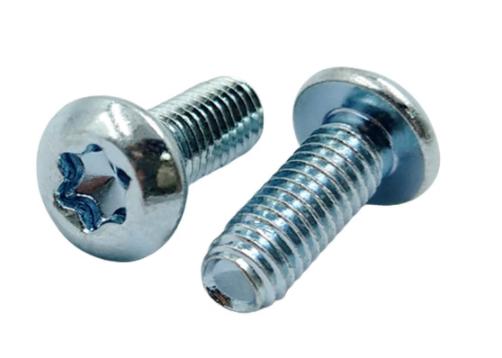
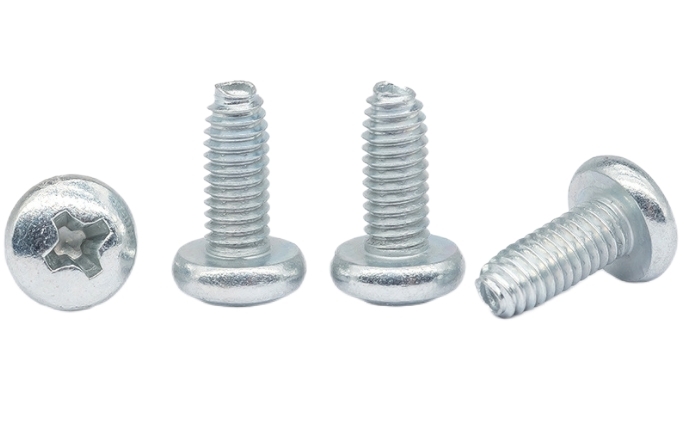
Wood screws are indispensable for woodworking, providing secure fastening and structural stability. However, not all wood screws are created equal, and the material used plays a vital role in their performance, durability, and suitability for specific applications. Here’s a detailed guide to the different materials used for wood screws and their unique benefits.
1. Steel Screws
Steel is the most common material for wood screws, valued for its strength and affordability. There are various types of steel screws available:
Plain Steel:
Standard steel screws are cost-effective and widely used in general woodworking. However, they may rust if exposed to moisture, making them unsuitable for outdoor projects.
Hardened Steel:
Hardened steel screws undergo heat treatment to improve strength and wear resistance. They are ideal for projects requiring extra holding power, such as furniture assembly.
Stainless Steel:
Stainless steel screws resist rust and corrosion, making them perfect for outdoor and high-moisture environments, such as decks or bathroom cabinetry. They are more expensive but offer exceptional durability.
2. Brass Screws
Brass countersunk head wood screws are popular for their aesthetic appeal and corrosion resistance. Their warm, golden hue complements traditional and decorative woodworking projects, such as:
Applications:
Antique furniture restoration
Musical instruments
Decorative hardware installations
Pros and Cons:
While brass screws are beautiful and resistant to tarnishing, they are softer than steel and prone to snapping under high torque. Pre-drilling pilot holes is recommended to avoid damage.
3. Bronze Screws
Bronze screws are an excellent choice for marine and outdoor applications due to their high resistance to saltwater and corrosion. Commonly used in boatbuilding and coastal structures, they are durable and aesthetically pleasing.
Applications:
Marine woodworking
Coastal furniture
High-moisture environments
Strength:
Bronze is stronger and harder than brass, making these screws suitable for demanding applications.
4. Aluminum Screws
Lightweight and corrosion-resistant, aluminum screws are ideal for projects requiring minimal weight. They are commonly used in applications where both strength and resistance to rust are necessary.
Applications:
Lightweight structures
Outdoor woodworking
Aircraft and automotive components
Limitations:
Aluminum screws are not as strong as steel or bronze, so they may not be suitable for heavy-load applications.
5. Titanium Screws
Titanium screws are known for their exceptional strength-to-weight ratio, corrosion resistance, and longevity. These high-performance screws are used in specialized applications:
Applications:
High-end furniture
Outdoor structures exposed to harsh environments
Aerospace and marine industries
Benefits:
Titanium screws are incredibly durable and virtually immune to corrosion, but their high cost makes them less common for everyday woodworking.
6. Zinc-Plated Screws
Zinc-plated screws, also known as galvanized screws, are steel screws coated with a layer of zinc to prevent rust and corrosion. They are versatile and affordable, making them popular for indoor and outdoor use.
Applications:
General woodworking
Outdoor furniture
DIY projects
Durability:
The zinc coating offers moderate corrosion resistance but may not hold up as well as stainless steel or bronze in extreme conditions.
7. Silicon Bronze Screws
Silicon bronze screws combine the strength of bronze with enhanced corrosion resistance. They are commonly used in marine woodworking and other applications where durability and aesthetics are crucial.
Applications:
Boatbuilding
Exterior woodworking
High-end cabinetry
Advantages:
These screws are durable, rust-resistant, and visually appealing, though more expensive than standard screws.
8. Composite Screws
Composite screws are designed specifically for use with composite decking and other synthetic materials. They are typically made of stainless steel or a similar base material, often coated to match the color of the decking.
Features:
Corrosion-resistant
Color-matched finishes
Reduced risk of splitting synthetic materials
9. Nickel-Plated Screws
Nickel-plated screws are steel screws with a nickel coating, offering a sleek, polished finish. They are ideal for decorative applications and indoor use.
Applications:
Decorative woodworking
Furniture assembly
Interior trim work
Drawbacks:
Nickel plating provides minimal corrosion resistance, so these screws are not suitable for outdoor projects.
Summary
Choosing the right material for wood screws is essential to ensure the durability, performance, and aesthetics of your woodworking project. Consider the following factors:
Environment: For outdoor or high-moisture settings, stainless steel, bronze, or silicon bronze are ideal.
Load Requirements: For high-strength applications, opt for hardened steel or titanium screws.
Aesthetics: Brass, bronze, or nickel-plated screws are great for decorative purposes.
By understanding the unique properties of different materials, you can select the best wood screws for your project, ensuring lasting results and superior pe
Stuffed animals hold a special place in our hearts. They are not just toys; they are sources of comfort, companionship, and joy, especially for children. However, as time passes, these cherished companions often outgrow their purpose in our lives. Donating stuffed animals is a meaningful way to give them a new life and bring smiles to others. Here’s everything you need to know about donating stuffed animals.
Why Donate Stuffed Animals?
Donating stuffed animals can have a significant impact. Here’s why:
Comfort for Children in Crisis: Custom stuffed animals provide emotional support to children facing difficult situations, such as illness, trauma, or homelessness.
Environmental Benefits: Instead of throwing away stuffed animals, donating them reduces waste and promotes sustainability.
Decluttering with Purpose: It’s a practical way to clear space in your home while contributing to a good cause.
Places to Donate Stuffed Animals
There are many organizations and institutions that welcome donations of stuffed animals:
Hospitals and Pediatric Clinics
Stuffed animals can offer comfort to children undergoing medical treatments.
Shelters and Crisis Centers
Women’s shelters and family crisis centers often distribute toys to children in their care.
Foster Care Organizations
Foster children often have limited belongings, and a stuffed animal can become a cherished possession.
Charities and Thrift Stores
Organizations like Goodwill or Salvation Army accept gently used stuffed animals for resale or redistribution.
Animal Shelters
Some animal shelters use stuffed animals as comfort items for pets awaiting adoption.
International Aid Programs
Groups like Teddy Bear Brigade distribute stuffed animals to children in underserved communities around the world.
Guidelines for Donating Stuffed Animals
Before donating, it’s essential to ensure the stuffed animals are in good condition and meet the requirements of the receiving organization:
Cleanliness: Wash or disinfect the stuffed animals to ensure they are hygienic and safe.
Good Condition: Only donate items that are intact and free from damage, stains, or excessive wear.
Age Appropriateness: Check if the organization has specific age-related preferences, as some prefer stuffed animals suitable for younger children.
Creative Ways to Donate
Host a Donation Drive: Encourage friends, family, or your community to gather stuffed animals for a collective donation.
Seasonal Giving: Donate during the holiday season when many organizations run toy drives.
Custom Personalization: Add a small note or message of encouragement to each stuffed animal, making it even more special for the recipient.
The Emotional Value of Donation
Donating stuffed animals is about more than just giving away an item; it’s about spreading kindness and creating positive change. For many recipients, these toys become symbols of hope, safety, and love during challenging times.
Alternatives to Donation
If your stuffed animals are not in a condition to be donated, consider:
Recycling: Some organizations accept stuffed animals for recycling to minimize landfill waste.
DIY Projects: Repurpose them into pet toys, pillows, or creative crafts.
Inspiring Stories of Giving
Stories abound of how stuffed animal donations have made a difference. From a plush teddy bear bringing comfort to a child after a natural disaster to a stuffed dog helping an elderly patient in a nursing home feel less lonely, these heartwarming tales remind us of the power of generosity.
Conclusion
Donating stuffed animals is a simple yet profound act of kindness that can brighten someone’s day, reduce waste, and bring communities together. By giving your once-loved stuffed animals a new purpose, you’re not only decluttering your space but also making a lasting impact on others’ lives.