A Guide to Knowing Different Types of Set Screws Quickly

Set screws, also known as grub screws or blind screws, are small but essential components in a wide range of mechanical applications. These screws are designed to secure one part of a machine to another without requiring a nut, typically by directly engaging with the surface of the part. Depending on the design and the application, Set screws come in various types, each with unique features and uses. In this article, we will explore the different types of set screws and their respective applications.

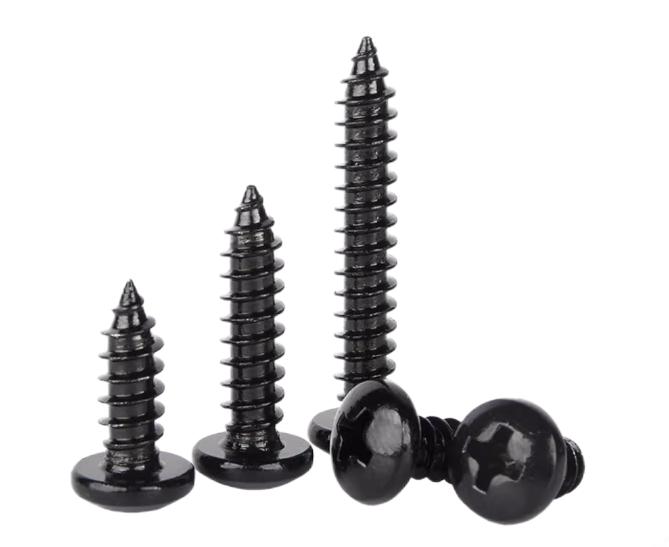
Set screws

1. Cup Point Set Screws

Cup point set screws are among the most common types. They have a concave, or “cup-shaped,” point that allows them to dig into the surface of the material they are securing. This type of set screw is ideal for applications where a strong grip is necessary on a smooth surface. The cup point provides a firm hold, which is particularly useful in securing items such as gears, pulleys, and other rotating components.

Applications:

Gears

Pulleys

Shafts with smooth surfaces

Knurled Hexagon Socket Set Screws with Cup Point

2. Flat Point Set Screws

Flat point set screws feature a flat tip that makes contact with the surface of the part being secured. These screws are typically used in situations where less penetration into the surface is required. Flat point screws are also ideal for settings where minimal damage to the material is desired. The flat contact area spreads the load more evenly, which can be beneficial in preventing localized deformation.

Applications:

Securing collars

Positioning parts with minimal penetration

Non-rotating applications

3. Cone Point Set Screws

Cup point set screws feature a pointed tip that resembles the shape of a cone. This type provides a more aggressive grip compared to the cup point. Cone points are designed to penetrate the surface of softer materials, providing a strong and secure hold. They are often used in applications that require high axial loads or where the set screw will be subjected to vibrations.

Applications:

High-torque applications

Soft materials

Vibration-prone machinery

Cup point set screws

4. Dog Point Set Screws

Dog point set screws have a cylindrical, flat-ended tip that is slightly longer than the other types of set screws. The flat tip provides a broad contact area, which helps distribute the load evenly. Dog points are often used in applications that require high torque and can handle a significant amount of axial load. They are commonly employed when precise alignment is necessary, such as in securing components like collars to shafts.

Applications:

Precise alignment applications

High-torque settings

Securing collars or hubs to shafts

5. Half Dog Point Set Screws

A variation of the dog point, half dog point set screws feature a shorter, flat-ended tip. These screws are particularly useful when partial penetration is required. The reduced length of the point minimizes damage to the material while still providing secure fastening. Half dog points are ideal for applications where only light pressure is needed or when alignment is critical.

Applications:

Light-pressure applications

Alignment-critical applications

6. Flat Head Set Screws

Flat head set screws have a larger, flat surface at the head, which makes them easy to tighten or loosen with a tool like a wrench or screwdriver. These screws are typically used in applications where the head of the screw must be flush with the surface of the material. The flat head helps distribute the load evenly, making them suitable for settings that require uniform pressure.

Applications:

When a flush surface is needed

Precision applications

Situations requiring consistent pressure distribution

7. Hexagon Socket Set Screws

Hexagon socket set screws, also known as Allen screws, are designed with a hexagonal recess in the head to accommodate an Allen wrench or hex key. This type of set screw allows for higher torque and is commonly used in applications where space is limited, and a traditional screwdriver cannot be used. The hexagonal socket enables better grip and control during installation and removal.

Applications:

Limited-space environments

High-torque applications

Precision machinery

8. Torx Set Screws

Torx set screws have a star-shaped recess in the head, allowing for greater torque and reducing the likelihood of the tool slipping during installation. The Torx design provides a secure connection and is less prone to damage compared to traditional slotted or Phillips screws. These screws are commonly used in electronics, automotive, and industrial machinery.

Applications:

Electronics

Automotive applications

High-torque machinery

Conclusion

Set screws come in a variety of designs, each suited to different applications depending on the material, load, and environmental factors involved. Understanding the differences between these types can help ensure that the correct set screw is chosen for a specific application, contributing to the longevity and efficiency of the equipment being used. Whether you’re working on small electronics, heavy machinery, or anything in between, there is a set screw type to meet your needs.

Key Points of Monitoring A Steam Autoclave for Optimal Performance

Steam autoclaves are indispensable in industries such as healthcare, pharmaceuticals, food processing, and scientific research, where sterilization is crucial. These devices rely on high-pressure saturated steam to eliminate bacteria, viruses, fungi, and spores, ensuring equipment and materials are safe for use. However, the effectiveness of an autoclave depends heavily on proper monitoring, as even minor deviations can compromise the sterilization process.

Monitoring a Steam Autoclave

Key Parameters to Monitor

Effective monitoring of a steam autoclave involves tracking critical parameters, including:

1. Temperature:

Accurate temperature control ensures sterilization effectiveness. Deviations can compromise the process.

Temperature sensors and data loggers can provide real-time readings and historical data for review.

2. Pressure:

Pressure is directly linked to the sterilization temperature. Regular checks are necessary to ensure the chamber reaches and maintains the required pressure.

Pressure gauges and digital monitors are standard tools for this task.

3. Cycle Time:

Each sterilization load requires a specific cycle duration to ensure all items are sterilized thoroughly. Monitoring the cycle time helps maintain compliance with validated protocols.

4. Steam Quality:

High-quality steam is critical for proper heat transfer and penetration. Wet or superheated steam can reduce sterilization efficiency.

Regular maintenance of steam generators and traps is essential for ensuring steam quality.

portable steam autoclave display

Monitoring Tools and Techniques

Effective monitoring of a steam autoclave goes beyond real-time observation. Advanced autoclaves often come equipped with advanced digital systems capable of recording and analyzing data from every cycle. These systems provide detailed records of temperature, pressure, and time, which are essential for compliance with regulatory standards and quality assurance protocols. In addition, the integration of data loggers and remote monitoring tools allows users to validate the sterilization process with precision, especially in industries that demand rigorous oversight.

Biological and chemical indicators also play a significant role in monitoring. Biological indicators contain heat-resistant microorganisms that confirm whether the sterilization process successfully killed all microbial life. Chemical indicators, on the other hand, provide a visual representation, changing color or form to show that specific conditions, such as the correct temperature and pressure, were met. These indicators act as a vital checkpoint for ensuring the effectiveness of each sterilization cycle.

Maintenance and Calibration

Maintenance and calibration are equally important in the monitoring process. Temperature and pressure sensors must be regularly calibrated to maintain accuracy, while the autoclave chamber requires periodic cleaning to prevent residue buildup that can affect steam quality. Gaskets and seals should also be inspected frequently to avoid leaks that could compromise pressure consistency.

Compliance and Documentation

Regulatory compliance adds another layer to the monitoring process. Industries such as healthcare and pharmaceuticals must adhere to strict standards, such as those outlined in ISO 17665 or by the FDA. Proper documentation, including detailed cycle records and validation reports, is necessary to demonstrate adherence to these standards. Monitoring tools, therefore, must be reliable not only for operational purposes but also for regulatory audits.

DW-280A High Pressure Portable Autoclave

In summary, monitoring a steam autoclave is an essential practice that ensures the sterilization process is both effective and safe. By focusing on critical parameters, utilizing advanced monitoring tools, and adhering to maintenance protocols, organizations can optimize the performance of their autoclaves while meeting compliance requirements. With advancements in technology, monitoring has become more precise and user-friendly, enabling industries to uphold the highest standards of sterilization with confidence.

The Role of Marine Searchlights in Maritime Rescue

Maritime rescue operations demand precision, speed, and reliability, often conducted under challenging conditions like darkness, storms, and heavy fog. In such scenarios, marine searchlights play a pivotal role, serving as essential tools for ensuring the success of rescue missions and the safety of both victims and rescue teams. This article explores the critical functions of marine searchlights in maritime rescue and their contribution to maritime safety.

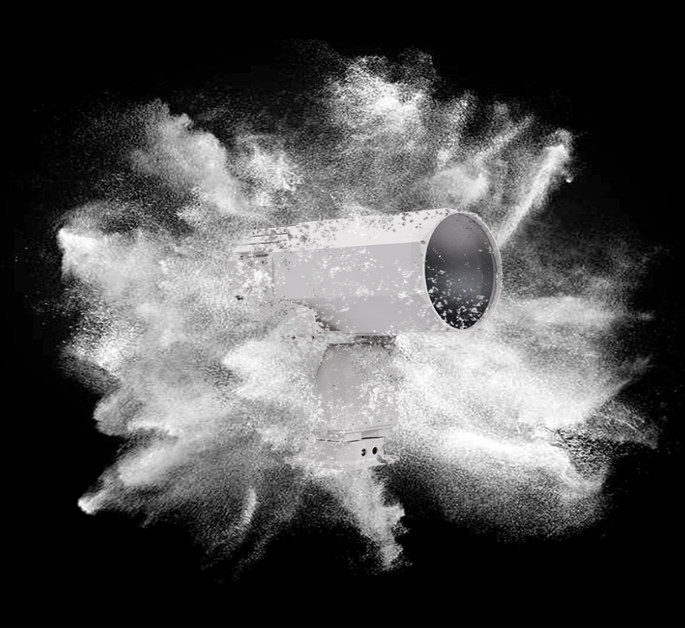
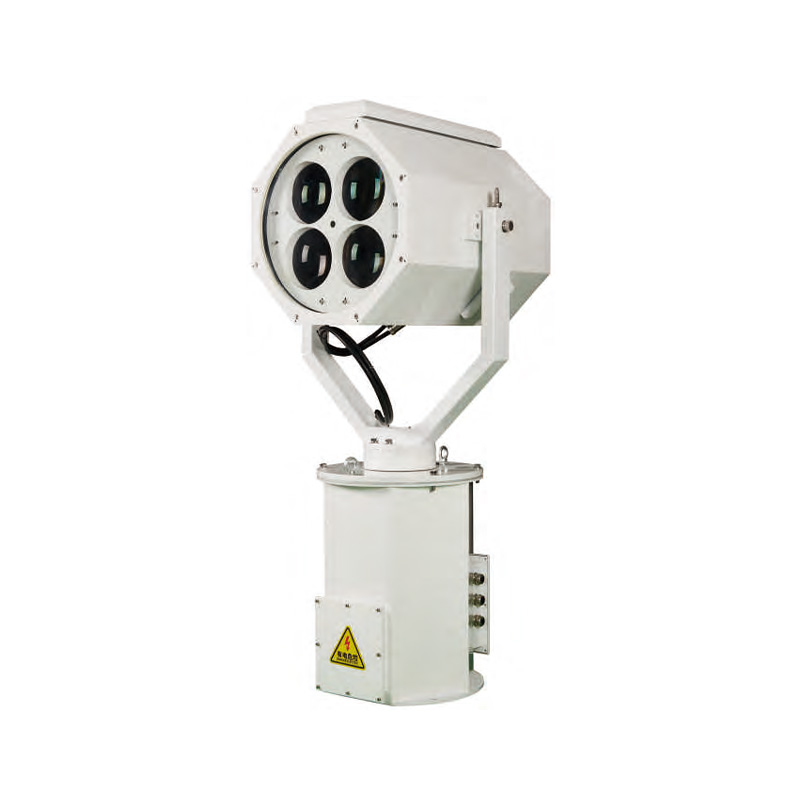
TZ2-A Automatic LED Marine Searchlight Supplier

Benefits of Using Marine Searchlights for Maritime Rescue

1. Enhanced Visibility in Challenging Environments

Marine searchlights provide powerful, focused beams of light that cut through darkness and adverse weather conditions such as rain or fog. This illumination is crucial for identifying distressed vessels, overboard individuals, or debris in the water, significantly improving situational awareness for rescue teams.

In low-visibility situations, the ability to pinpoint exact locations can mean the difference between life and death. For instance, high-intensity marine searchlights equipped with long-range capabilities allow rescuers to scan large areas swiftly, increasing the likelihood of locating survivors.

2. Supporting Communication and Coordination

During rescue missions, searchlights can serve as tools for non-verbal communication. Their beams can signal the location of rescue teams, guide distressed vessels, or direct helicopters or lifeboats toward safe zones. The ability to synchronize light signals with other rescue assets helps improve operational efficiency and coordination.

Additionally, modern marine searchlights often integrate with advanced navigation and communication systems, allowing operators to control the light remotely while focusing on critical tasks.

3. Adaptability for Various Rescue Scenarios

Marine searchlights are designed for versatility, allowing them to perform in a range of rescue scenarios:

Man Overboard Situations: Searchlights can provide focused illumination to locate individuals who have fallen into the water, ensuring rapid recovery.

Vessel Assistance: For vessels stranded due to mechanical failures or adverse conditions, searchlights can guide them to safety by lighting navigation paths.

Helicopter Rescues: During aerial rescue operations, searchlights can illuminate target zones, enabling precise positioning for rescue personnel or equipment drops.

4. Durability and Performance in Harsh Conditions

Rescue operations occur in some of the harshest marine environments, and equipment reliability is non-negotiable. Marine searchlights are built with corrosion-resistant materials and are designed to withstand strong winds, saltwater exposure, and extreme temperatures. Advanced models come with features like adjustable beam angles, shock resistance, and waterproofing to ensure consistent performance in demanding conditions.

TG26,TG27, TG28 marine searchlight

Technological Advancements in Marine Searchlights

With the evolution of technology, marine searchlights have become more efficient and effective:

LED Technology: Modern LED marine searchlights can be used for higher luminosity, energy efficiency, and extended operational life.

Remote Control Systems: Operators can control beam direction, intensity, and movement using joysticks or remote systems, enhancing safety and convenience.

Thermal Imaging Integration: Some searchlights now incorporate thermal imaging capabilities, allowing them to detect heat signatures and identify objects or individuals in complete darkness.

Solar-Powered Options: Environmentally friendly searchlights with solar power systems reduce reliance on traditional energy sources, making them ideal for extended missions.

Contributing to Maritime Safety and Security

Beyond rescue operations, marine searchlights also play a role in maritime safety and security. They are used to monitor unauthorized activities, assist in nighttime navigation, and enhance surveillance of restricted areas. This dual-purpose functionality adds value to their use on vessels of all types, from commercial ships to coast guard boats.

marine searchlight

Conclusion

Marine searchlights are indispensable in maritime rescue, offering the illumination, precision, and reliability needed to save lives in challenging conditions. With continuous technological advancements, these tools are becoming even more efficient, ensuring rescue teams are better equipped to handle emergencies.

Whether it’s aiding in search-and-rescue missions, enhancing situational awareness, or improving coordination among rescue units, marine searchlights are a beacon of hope in maritime safety. As the maritime industry continues to prioritize innovation, the role of marine searchlights will only grow, ensuring safer seas for all.

A Guide to Manufacturing Complex Custom Stuffed Animals

The art of manufacturing custom stuffed animals is a fascinating process that combines creativity, technical skill, and attention to detail. Each stuffed animal tells a unique story, reflecting the vision of its creator while meeting the needs of clients who value individuality and craftsmanship. The journey to bring these intricate designs to life is both challenging and rewarding, blending artistic expression with advanced manufacturing techniques.

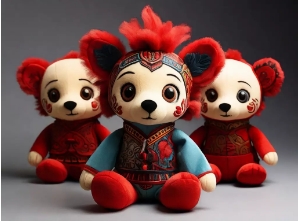
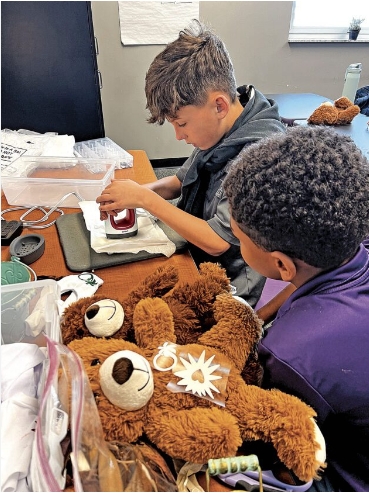
Complex Custom Stuffed Animals

Key Steps to Manufacture Complex Custom Stuffed Animals

1. Understanding Client Requirements

At the heart of every custom stuffed animal lies a concept. Clients often approach manufacturers with a vision—whether it’s a cherished pet, a company mascot, or a fantastical creature from their imagination. This initial idea is brought to life through detailed sketches, photographs, or verbal descriptions. The manufacturer’s job is to interpret this vision and create a tangible, huggable representation that aligns with the client’s expectations. Collaboration is key during this phase, as every detail, from size to fabric type, must be carefully considered and agreed upon.

2. Design and Prototyping

Once the concept is clear, the design phase begins. Designers use their expertise to translate the idea into a workable model, often relying on 3D modeling software or hand-drawn patterns. The design process involves breaking the concept into manageable sections that can be replicated in fabric, ensuring every curve, line, and detail is accounted for. This phase also includes creating a prototype—a sample stuffed animal that allows both the manufacturer and the client to evaluate the design. Adjustments are made at this stage to ensure the final product meets expectations.

3. Material Selection and Sourcing

The choice of materials plays a critical role in the manufacturing process. The type of fabric selected determines the texture, appearance, and durability of the stuffed animal. For soft, cuddly designs, plush fabrics like minky or fleece are often used. For more realistic features, faux fur or textured fabrics may be incorporated. Accessories such as embroidered eyes, stitched noses, and custom tags add personality and uniqueness to the final product. Increasingly, manufacturers are sourcing sustainable, hypoallergenic, and non-toxic materials to meet the growing demand for eco-friendly and safe products.

4. Cutting and Sewing

Once the materials are prepared, the production process begins. Skilled workers cut the fabric pieces with precision, following the patterns developed during the design phase. These pieces are then sewn together, leaving openings for stuffing. The stitching must be both durable and inconspicuous, ensuring the stuffed animal is not only aesthetically pleasing but also able to withstand wear and tear.

5. Stuffing and Shaping

Stuffing is a critical step in achieving the desired shape and feel. Manufacturers often use high-quality polyester fiberfill, though other materials, such as eco-friendly stuffing or weighted beads, are sometimes employed for specific designs. Stuffing is carefully distributed to ensure the stuffed animal maintains its form over time. Delicate areas, such as limbs or facial features, may require hand-stuffing for greater precision.

6. Detailing and Finishing

The final stages of manufacturing involve adding details and finishing touches that bring the stuffed animal to life. Facial expressions, often created using embroidery or applique, give the toy its personality. Accessories, such as clothes or props, are crafted separately and attached with care. Rigorous quality checks ensure that every seam is secure, every detail is perfect, and the stuffed animal meets the client’s expectations.

7. Packaging and Delivery

Packaging and shipping are equally important in the manufacturing process. Custom stuffed animals are often carefully wrapped to preserve their form and protect them during transit. Many custom plush manufacturers prioritize eco-friendly packaging materials, reflecting a commitment to sustainability.

Custom Stuffed Animal

Challenges in Manufacturing Complex Designs

Manufacturing complex custom stuffed animals is not without its challenges. Intricate designs, such as those with multiple textures or highly detailed features, demand advanced techniques and extended production times. Balancing the cost of high-quality materials and skilled labor with the need to remain affordable can also be a delicate task. However, the satisfaction of creating a unique, meaningful product makes the effort worthwhile.

Innovations in Custom Stuffed Animal Manufacturing

This process has evolved significantly with advancements in technology. Tools like 3D printing and laser cutting have improved precision, while sustainable practices have become a key focus in reducing environmental impact. These innovations have not only enhanced the quality of custom stuffed animals but also expanded the possibilities for personalization and complexity.

custom stuffed animal manufacturing details

Summary

The manufacturing of complex custom stuffed animals is a testament to the fusion of art and science. It requires imagination, expertise, and an unwavering commitment to quality. From initial concept to final delivery, each step in the process is designed to transform an idea into a one-of-a-kind creation that brings joy and wonder to its recipient. Custom stuffed animals are more than just toys—they are works of art that capture memories, emotions, and individuality in their soft, lovable form.

The Vital Role of Regulations in Marine Lifeboats

Marine lifeboats are critical safety equipment designed to save lives in emergency situations at sea. Whether on commercial ships, passenger vessels, or offshore platforms, lifeboats must meet stringent regulations and standards to ensure they are reliable, durable, and effective. These regulations are established by international maritime organizations, classification societies, and national authorities to safeguard the lives of crew members and passengers. This article explores the key regulations and standards governing marine lifeboats and their importance in maritime safety.

freefall lifeboat

International Maritime Organization (IMO) Regulations

The International Maritime Organization (IMO), a specialized agency of the United Nations, is the primary global body responsible for setting safety standards for lifeboats and other maritime equipment. The following IMO regulations are particularly relevant to marine life boats.

International Convention for the Safety of Life at Sea (SOLAS)

SOLAS is the most important international treaty governing maritime safety. Key provisions related to lifeboats include:

Chapter III: Specifies requirements for life-saving appliances, including lifeboats, their capacity, and their stowage.

Regulation 20: Mandates regular drills and maintenance of life-saving equipment, including lifeboats.

Regulation 31: Requires lifeboats to be capable of being launched with their full complement of persons and equipment within 30 minutes of the abandon-ship signal.

Life-Saving Appliances (LSA) Code

The LSA Code provides detailed technical specifications for life-saving equipment, including lifeboats. Key requirements include:

Construction and Design: Lifeboats must be constructed to withstand harsh marine conditions and protect occupants from exposure.

Capacity: Lifeboats must accommodate the number of persons specified on the ship’s safety certificate.

Launching and Recovery Systems: Lifeboats must be equipped with efficient launching and recovery systems that can operate under adverse conditions.

Revised Testing and Maintenance Requirements

In response to incidents involving lifeboat accidents during drills, the IMO introduced revised guidelines for lifeboat testing and maintenance under MSC.1/Circ.1206/Rev.1. These guidelines emphasize:

Regular inspection and maintenance of lifeboats and launching systems.

Prohibition of onboard maintenance of lifeboat release mechanisms unless performed by certified personnel.

Classification Society Standards

In addition to IMO regulations, classification societies such as Lloyd’s Register, DNV GL, and American Bureau of Shipping (ABS) provide additional standards and certification for lifeboats. These standards often exceed IMO requirements and focus on:

Material Quality: Ensuring lifeboats are made from durable, corrosion-resistant materials.

Performance Testing: Conducting rigorous tests to verify lifeboat stability, buoyancy, and operational readiness.

Certification: Issuing type-approval certificates for lifeboats and associated equipment.

National Regulations

Many countries have their own maritime safety regulations, which may incorporate or expand upon IMO standards. For example:

United States Coast Guard (USCG): The USCG enforces lifeboat regulations under Title 46 of the Code of Federal Regulations (CFR), which align with SOLAS but may include additional requirements for vessels operating in U.S. waters.

European Union (EU): The EU’s Marine Equipment Directive (MED) ensures that lifeboats and other equipment meet harmonized safety standards across member states.

Key Standards for Lifeboat Design and Performance

Buoyancy and Stability

Lifeboats must have sufficient buoyancy to remain afloat even when fully loaded and flooded. Stability tests ensure that lifeboats can right themselves after capsizing.

Capacity and Seating

Lifeboats must accommodate the required number of persons, with seating designed to prevent injury during launch and recovery.

Protection from the Elements

Enclosed lifeboats must provide protection from cold, heat, and seawater ingress, ensuring the survival of occupants until rescue.

Totally Enclosed Lifeboat

Launch and Recovery Systems

Lifeboats must be equipped with reliable launching systems, including davits and winches, capable of operating under adverse conditions such as heavy seas or vessel listing.

Emergency Supplies

Lifeboats must carry essential survival equipment, including food, water, first aid kits, signaling devices, and thermal protective aids.

Importance of Compliance

Compliance with lifeboat regulations and standards is critical for several reasons:

Safety: Properly designed and maintained lifeboats save lives during emergencies.

Legal Compliance: Non-compliance can result in fines, detention of vessels, or loss of operating licenses.

Reputation: Adherence to safety standards enhances a company’s reputation and builds trust with stakeholders.

Insurance: Insurers often require compliance with international and national regulations to provide coverage.

Challenges and Future Directions

While regulations and standards have significantly improved lifeboat safety, challenges remain:

Maintenance and Inspection: Ensuring regular and thorough maintenance of lifeboats and launching systems is critical but can be resource-intensive.

Human Error: Accidents during lifeboat drills highlight the need for better training and standardized procedures.

Technological Advancements: Innovations such as self-righting lifeboats, inflatable life rafts, and automated launching systems are reshaping the industry, requiring updates to existing standards.

Looking ahead, the focus will be on:

Enhanced Training: Improving crew training to reduce accidents during drills and emergencies.

Smart Lifeboats: Integrating IoT and sensor technology for real-time monitoring of lifeboat conditions.

Sustainability: Developing eco-friendly materials and designs for lifeboats.

Advanced Lifeboats

Conclusion

Marine lifeboats are a cornerstone of maritime safety, and their design, construction, and maintenance are governed by a comprehensive framework of international regulations and standards. By adhering to these guidelines, the maritime industry ensures that lifeboats are reliable, effective, and capable of saving lives in the most challenging conditions. As technology evolves and new challenges emerge, ongoing updates to regulations and standards will be essential to maintaining the highest levels of safety at sea.

Why Choose Compact Design in Web Guide Systems

In the world of industrial manufacturing, precision and efficiency are critical to ensuring product quality and minimizing waste. Web guide systems have long been indispensable in achieving this, as they maintain the alignment of moving materials—such as paper, film, or textiles—on production lines. However, as manufacturing spaces become more constrained and demands for flexibility and performance increase, the need for compact web guide systems has grown significantly.

Understanding Compact Design in Web Guide Systems

A compact design in web guide systems is more than just a trend; it represents a fundamental shift in how industries approach material handling and process optimization. These systems, engineered with a smaller footprint, are designed to integrate seamlessly into modern production environments without sacrificing functionality or precision.

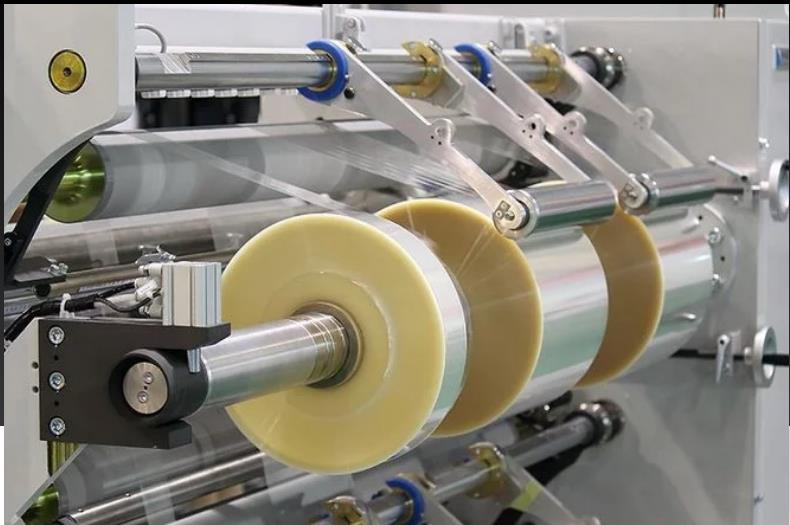
Compact Web Guide System

Key Features and Advantages of Compact Web Guide Systems

One of the most notable benefits of compact web guide systems is their ability to optimize space. In industries where floor space is a premium commodity, having smaller systems allows manufacturers to maximize the use of their facilities. This is particularly relevant for production lines that need to incorporate multiple systems or for companies looking to expand operations without investing in larger premises. The reduced size of these systems also makes installation more straightforward, saving time and labor costs while minimizing disruptions to existing workflows.

Despite their smaller dimensions, compact web guide systems maintain high levels of accuracy, thanks to advancements in sensor and control technologies. Many systems are equipped with advanced web guide sensors, including ultrasonic and optical sensors, to track and adjust material positioning with incredible precision. These sensors, paired with integrated control units, ensure that materials remain perfectly aligned throughout the production process.

Compact web guide systems are also celebrated for their versatility. Their reduced size allows them to be easily integrated into various applications, from high-speed printing presses to textile machinery and packaging lines. This adaptability is particularly valuable in industries requiring frequent equipment reconfiguration to handle diverse materials or production tasks.

In addition to their space-saving and performance benefits, compact web guide systems are often more energy-efficient than their larger counterparts. They typically consume less power and are designed to operate with minimal maintenance, making them a cost-effective choice for manufacturers aiming to reduce operational expenses and environmental impact.

Components of Web Guide System

Innovations Driving Compact Design in Web Guide Systems

Technological innovation has played a central role in enabling the development of compact web guide systems. Advances in miniaturized components, modular designs, and wireless communication have allowed manufacturers to pack more functionality into smaller packages. Some systems even incorporate artificial intelligence for real-time adjustments and predictive maintenance, further enhancing their efficiency and reliability.

Web Guide System

The compact design in web guide systems represents a pivotal advancement for industries striving to achieve more with less. By combining precision, flexibility, and efficiency in a smaller footprint, these systems address the growing challenges of modern manufacturing while paving the way for future innovation. For businesses seeking to optimize production processes and remain competitive, adopting compact web guide systems is not just a choice and it’s a necessity.

The Revolutionary Role of Digital Twins in the Oil and Gas Industry

The oil and gas industry is undergoing a massive transformation, embracing cutting-edge technologies to improve efficiency, reduce costs, and ensure safety. One of the most significant innovations driving this change is the adoption of digital twin technology. By creating virtual replicas of physical assets, systems, or processes, digital twins used in oil and gas industry enable real-time monitoring, analysis, and optimization of operations.

Digital Twins of oil rig installation

What Are Digital Twins?

A digital twin is a virtual model of a physical entity—be it an oil rig, a pipeline, or an entire refinery. It integrates real-time data from sensors, historical performance metrics, and advanced analytics to create a dynamic representation of the asset. This allows engineers and decision-makers to simulate, predict, and optimize operations without disrupting physical systems.

Applications of Digital Twins in Oil and Gas

Asset Monitoring and Maintenance

Digital twins enable predictive maintenance by continuously monitoring equipment performance. Sensors collect data on temperature, pressure, vibration, and other parameters, allowing the twin to predict potential failures before they occur. This reduces downtime, extends the lifespan of equipment, and minimizes costly repairs.

Reservoir Management

In exploration and production, digital twins provide detailed models of oil and gas reservoirs. These models simulate fluid flow, pressure changes, and other subsurface behaviors, helping operators make better decisions about drilling and extraction strategies.

Drilling Optimization

Digital twins can simulate drilling operations, identifying potential risks such as equipment wear or geological challenges. This improves precision and safety while reducing costs associated with trial-and-error methods.

Cyberchair Drilling Simulator

Pipeline Integrity Management

By monitoring pipelines in real-time, digital twins help detect leaks, corrosion, or other structural issues. Operators can take corrective action immediately, preventing environmental damage and ensuring compliance with safety regulations.

Process Optimization in Refineries

Refineries are complex systems with numerous interdependent processes. A digital twin of a refinery can simulate oil and gas production scenarios, optimize resource allocation, and improve energy efficiency.

Emergency Response and Risk Management

In the event of emergencies, such as oil spills or equipment failures, digital twins provide real-time insights into the situation. This enables quicker and more effective responses, minimizing damage to personnel, assets, and the environment.

Benefits of Digital Twins

Enhanced Efficiency: Real-time data allows for more informed decision-making and process optimization.

Cost Savings: Predictive maintenance and operational efficiency reduce unnecessary expenditures.

Improved Safety: Identifying and addressing risks proactively ensures safer operations.

Sustainability: Digital twins optimize resource use and reduce waste, contributing to greener practices.

Collaboration: Teams can use shared virtual models to analyze and solve problems collectively, even across different locations.

digital twin technology in offshore oil and gas

Challenges and Future Prospects

While the benefits are immense, implementing digital twin technology in the oil and gas sector is not without challenges. High upfront costs, the need for robust data infrastructure, and cybersecurity concerns are some of the hurdles. However, as technologies like IoT, AI, and cloud computing continue to advance, these barriers are becoming less significant.

The future of digital twins in oil and gas is promising. With greater integration of artificial intelligence and machine learning, digital twins will become even more accurate and predictive. As the industry moves toward sustainability and decarbonization, digital twins will play a critical role in achieving these goals.

Conclusion

Digital twin technology is reshaping the oil and gas industry by providing unprecedented levels of insight, efficiency, and safety. As adoption grows, companies that leverage this innovation will not only enhance their operational capabilities but also position themselves as leaders in a rapidly evolving energy landscape.
Customizing Colors for Marine Navigation Lights: What You Need to Know

Marine navigation lights are an essential part of maritime safety, ensuring vessels can communicate their position, movement, and activities to others on the water. Standardized colors, such as red for the port side, green for the starboard side, and white for stern or masthead lights, are universally recognized under international regulations like COLREGs. However, in specific cases, customizing the colors of marine navigation lights becomes a practical and valuable option.

Customize Colors for Marine Navigation Lights

The Importance of Standardized Colors

Customization of navigation light colors is most often seen in specialized applications. For example, research vessels conducting scientific studies in remote areas may require distinct light configurations to signal their operational status. Similarly, military ships often need customized lights that align with tactical operations, such as non-standard hues or infrared lighting for night-vision compatibility. These adjustments ensure that their activities are safely and clearly communicated without revealing sensitive positions.

Another important context for color customization lies in enhancing visibility in regions prone to high marine traffic, dense fog, or other adverse weather conditions. Modifying navigation lights for these environments helps ensure that vessels remain clearly visible to others, reducing the risk of accidents. In these cases, customization is not about changing the fundamental red, green, or white colors but optimizing their intensity, brightness, or distribution for specific operational needs.

Benefits of Customizing Navigation Light Colors

Beyond functionality, customization also extends to aesthetic and branding purposes. Luxury yachts, for instance, often seek marine navigation lights that match the vessel’s overall design while maintaining full compliance with maritime safety standards. This kind of customization demonstrates how functionality and style can coexist without compromising safety.

colors of 5 marine navigational lights

Key Considerations When Customizing Colors

Achieving effective customization requires careful planning and the involvement of experienced marine lighting manufacturers. These professionals ensure that any customization adheres to regulatory requirements while incorporating advanced technologies like LED systems for long-lasting and energy-efficient navigation lighting. Furthermore, customized lights must be engineered to endure the harsh marine environment, including exposure to saltwater, UV rays, and extreme temperatures.

How to Achieve Color Customization for Marine Navigation Lights

The process of customization often begins with a detailed consultation to identify the vessel’s operational needs. Once the requirements are clear, high-quality materials, such as corrosion-resistant metal housings or durable polycarbonate lenses, are used to construct the lights. In recent years, technological advancements have also enabled smart lighting features, such as programmable modes and remote control, to further enhance functionality.

Future Trends in Customization for Navigation Lights

As maritime industries continue to evolve, the customization of navigation lights is likely to expand beyond traditional uses. Future innovations may include smart systems that adjust light colors dynamically based on the vessel’s activities or environmental conditions. Integration with augmented reality systems could also become a possibility, offering real-time situational awareness to crews.

CXH-102PL LED Double-deck Navigation Signal Lights

Safety and Compliance

Ultimately, while the core purpose of marine navigation lights remains rooted in safety and compliance, customization opens the door to improved performance, operational flexibility, and design innovation. Whether for specialized operations, enhanced visibility, or aesthetic appeal, the ability to customize navigation lights reflects the growing emphasis on tailoring maritime solutions to meet diverse needs.

For those considering customized navigation lights, it is vital to work with reputable manufacturers who understand both regulatory requirements and the specific demands of marine environments. With the right guidance, vessels can benefit from lights that not only meet safety standards but also provide the versatility and functionality required for their unique missions.

How Technologies Contribute to the Design of Custom Plush Toys

Custom plush toys have become a popular choice for gifts, promotional items, and personal keepsakes, thanks to their ability to be tailored to individual preferences and themes. Behind the creation of these adorable and unique toys lies a blend of traditional craftsmanship and cutting-edge technologies. From design software to advanced manufacturing techniques, technology plays a pivotal role in bringing custom plush toys to life. This article explores the key technologies used in designing custom plush toys and how they contribute to the creativity, precision, and efficiency of the process.

custom plush toy supplier

1. Digital Design Software

The journey of creating a custom plush toy begins with design. Digital design software has revolutionized the way plush toys are conceptualized and developed. Tools like Adobe Illustrator, CorelDRAW, and specialized 3D modeling software enable designers to create detailed and accurate representations of the toy.

Vector Graphics: Designers use vector-based software to create scalable and precise patterns for plush toys. These patterns can be easily adjusted and modified to meet specific requirements.

3D Modeling: Advanced 3D modeling software allows designers to create lifelike representations of the plush toy, complete with textures, colors, and dimensions. This helps in visualizing the final product and making necessary adjustments before production.

3D Modeling in Designing Custom Plush Toys

2. Computer-Aided Design (CAD)

Computer-Aided Design (CAD) systems are integral to the plush toy design process. CAD software enables designers to create detailed technical drawings and patterns that can be directly used in the manufacturing process.

Pattern Making: CAD software allows for the creation of precise patterns that can be easily scaled and adjusted. This ensures that the final product matches the designer’s vision.

Prototyping: CAD systems facilitate the creation of digital prototypes, which can be reviewed and modified before physical prototypes are made. This reduces the time and cost associated with trial and error.

3. 3D Printing

3D printing technology has become an invaluable tool in the design and prototyping of custom plush toys. It allows designers to create physical prototypes quickly and accurately.

Rapid Prototyping: 3D printers can produce detailed prototypes of plush toys, allowing designers to assess the design, fit, and functionality before moving to mass production.

Customization: 3D printing enables the creation of highly customized and intricate designs that would be difficult to achieve with traditional methods.

4. Digital Printing and Embroidery

Digital printing and embroidery technologies have transformed the way designs are applied to plush toys, allowing for high levels of customization and detail.

Digital Printing: This technology allows for full-color, high-resolution designs to be printed directly onto fabric. It is ideal for creating complex patterns, logos, and personalized graphics.

Embroidery: Computer-controlled embroidery machines can stitch detailed designs and text onto plush toys with precision and consistency. This is particularly useful for adding logos, names, or intricate patterns.

5. Laser Cutting

Laser cutting technology is used to cut fabric and other materials with high precision. This ensures that the pieces of the plush toy fit together perfectly, resulting in a high-quality final product.

Precision Cutting: Laser cutters can cut intricate shapes and patterns with extreme accuracy, reducing material waste and ensuring consistency.

Speed and Efficiency: Laser cutting is faster than traditional cutting methods, allowing for quicker production times.

3D printing in designing custom plush toys

6. Automated Sewing Machines

Automated sewing machines have streamlined the assembly process of plush toys, increasing efficiency and consistency.

Consistency: Automated machines ensure that each stitch is consistent, resulting in a uniform and high-quality product.

Speed: These machines can sew at high speeds, significantly reducing production time compared to manual sewing.

7. Augmented Reality (AR) and Virtual Reality (VR)

Augmented Reality (AR) and Virtual Reality (VR) technologies are beginning to make their mark in the design and customization of plush toys.

Design Visualization: AR and VR allow designers and customers to visualize the plush toy in a virtual environment, making it easier to make design decisions and adjustments.

Interactive Customization: Customers can use AR apps to see how different designs and features will look on their custom plush toy before it is made.

8. E-Commerce Platforms and Customization Tools

The rise of e-commerce platforms and online customization tools has made it easier for customers to design and order custom plush toys.

User-Friendly Interfaces: Online custom plush platforms provide intuitive interfaces that allow customers to upload images, choose colors, and add text to create their custom plush toy.

Real-Time Previews: Many platforms offer real-time previews, enabling customers to see how their design will look on the final product.

Conclusion

The design and production of custom plush toys have been greatly enhanced by advancements in technology. From digital design software and 3D printing to automated sewing machines and AR/VR, these technologies enable designers to create highly customized, detailed, and high-quality plush toys efficiently. As technology continues to evolve, the possibilities for creativity and innovation in the world of custom plush toys are virtually limitless. Whether for personal use, gifts, or promotional items, custom plush toys designed with these advanced technologies are sure to bring joy and delight to their recipients.

Key Points about Using Rivet Nuts Effectively: What You Need to Know

Rivet nuts, also known as threaded inserts, are an invaluable fastening solution used across various industries. They offer a simple yet highly effective method to create strong, reliable threads in thin or delicate materials that would otherwise be unsuitable for conventional nuts and bolts. However, using rivet nuts effectively requires careful attention to detail, from choosing the right type to installing them properly.

different rivet nuts

Understanding Rivet Nuts

One of the first steps is understanding the design and purpose of rivet nuts. These cylindrical fasteners come with internal threads that allow for the secure attachment of bolts or screws. Rivet nuts are particularly advantageous in situations where welding or tapping threads into the material is impractical. For example, they are commonly used in automotive assembly, aerospace applications, and lightweight construction projects due to their ability to create durable connections in thin materials like sheet metal or plastic.

Selecting the Right Rivet Nut

Choosing the appropriate rivet nut for the job is crucial to ensure performance and reliability. The material of the rivet nut should complement the base material to prevent corrosion or failure. Aluminum rivet nuts, for instance, are lightweight and work well with softer materials, while steel or stainless steel options are better suited for high-strength applications. Additionally, the size of the rivet nut must match the material’s thickness and the bolt being used. Selecting the right thread type is equally important, as compatibility ensures a firm connection.

Preparation for Installation

It begins with drilling a hole that matches the rivet nut’s specifications. The hole should be smooth and free of burrs to allow the rivet nut to sit properly and expand evenly during installation. Skipping this step could lead to misalignment or a weak connection.

Installing Rivet Nuts

The installation process plays a pivotal role in the rivet nut’s performance. A manual or pneumatic rivet nut tool is typically used to secure the rivet nut in place. The tool pulls the rivet nut, causing it to expand behind the material, creating a tight and secure grip. During this step, applying the correct amount of torque is essential to prevent over-tightening, which can deform the rivet nut or damage the threads. After installation, it is important to ensure the rivet nut sits flush with the surface and is firmly in place.

Rivet Nut Installation Tools

Best Practices for Effective Use

Using rivet nuts effectively also involves adhering to best practices to maximize their durability and strength. Avoid common mistakes such as selecting the wrong hole size or using an inappropriate tool, as these can compromise the connection. Periodic inspection of rivet nuts in high-stress or vibration-prone environments is advisable to ensure they maintain their hold over time. Testing the rivet nut’s strength before assembling the final structure is another step that helps ensure safety and reliability.

how to install rivet nuts

Applications of Rivet Nuts

Rivet nuts offer immense versatility and are widely used in various fields. In the automotive industry, they are ideal for attaching components to body panels and interiors without the need for welding. In aerospace, rivet nuts provide a lightweight yet strong solution for fastening in thin, high-strength materials. Even in furniture assembly, they simplify the process of joining metal and wooden components with minimal effort.

Ultimately, the key to using rivet nuts effectively lies in understanding their capabilities, selecting the right type for the job, and following proper installation procedures. When used correctly, rivet nuts can provide long-lasting, vibration-resistant, and robust connections that are essential for countless applications. Whether you are working on a professional project or a DIY endeavor, mastering the use of rivet nuts will enhance the quality and durability of your work.

通过 WordPress.com 设计一个这样的站点
从这里开始