As consumers become increasingly conscious of sustainability and personal comfort, bamboo toilet paper is gaining rapid traction in global markets. Among the most noteworthy developments in this field are innovations focusing on ultra-soft textures and advanced 3-ply designs. These breakthroughs not only redefine user experience but also represent a meaningful shift in how eco-friendly materials can match—and even exceed—the performance of traditional toilet paper.
The Drive Toward Ultra-Soft Bamboo Toilet Paper
Bamboo, by nature, is a fibrous and sturdy plant. However, with advancements in bamboo fiber refinement and processing technologies, manufacturers can now produce bamboo toilet paper that is exceptionally soft. Techniques such as micro-pulping and steam explosion treatments allow fibers to be broken down into ultra-fine textures, mimicking the delicate feel of virgin wood pulp but without the environmental drawbacks.
Ultra-soft bamboo toilet paper now competes directly with luxury conventional brands by offering:
A silky, velvety finish that’s gentle on sensitive skin.
Hypoallergenic and chemical-free formulations, ideal for those with allergies or skin conditions.
Reduced lint and residue, thanks to finely milled fibers.
The Power of 3-Ply Construction
While 2-ply toilet paper was once considered sufficient for everyday use, 3-ply technology has become the new benchmark for comfort and strength. In bamboo toilet paper, this triple-layer innovation has taken on special significance.
Modern 3-ply bamboo toilet paper provides:
Enhanced Durability: Each layer contributes to structural integrity, reducing the risk of tearing and the need to use excessive amounts.
Superior Absorption: The layered design efficiently captures moisture while remaining dry to the touch.
Improved Cushioning: The central ply acts as a buffer, adding plushness and volume without sacrificing biodegradability.
This is achieved through a precision-lamination process that bonds the layers seamlessly, using eco-friendly adhesives or water-jet technology to avoid harmful chemicals.
Combining Softness and Strength with Sustainability
What sets these innovations apart is their harmony with environmental responsibility. Bamboo regenerates quickly, requires no fertilizers, and absorbs more CO₂ than hardwood trees. Combining that with recyclable, plastic-free packaging and chlorine-free whitening methods, today’s bamboo toilet paper delivers both luxury and ecological mindfulness.
Furthermore, many brands are incorporating closed-loop production systems and zero-waste manufacturing to ensure minimal environmental impact at every stage of production.
Market Impact and Consumer Appeal
The rise of ultra-soft and 3-ply bamboo toilet paper has reshaped consumer expectations. Where bamboo paper products were once considered a compromise for eco-consciousness, they are now a top-tier choice for quality and comfort. This shift is especially pronounced among:
Hospitality sectors that want to blend luxury with responsibility.
Summary
Ultra-soft and 3-ply innovations in bamboo toilet paper prove that environmental responsibility doesn’t require sacrificing comfort or performance. By harnessing the natural strengths of bamboo and enhancing them with cutting-edge processing techniques, manufacturers are crafting a product that meets the highest standards of softness, strength, and sustainability—truly redefining the future of personal care essentials.
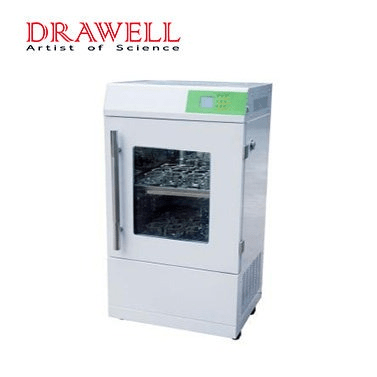
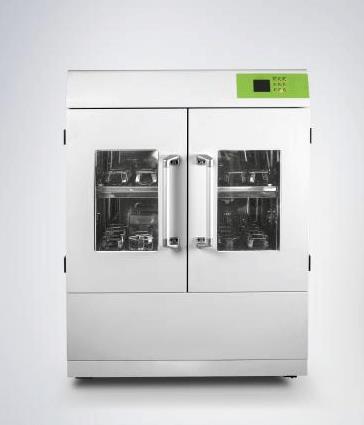
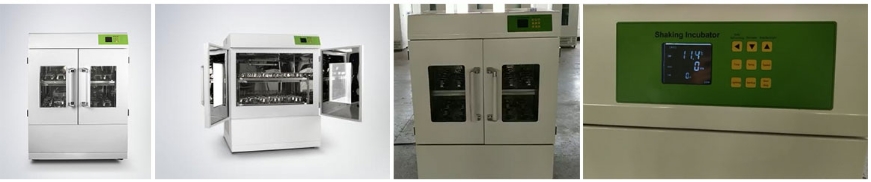
A shaking incubator is a vital piece of equipment in many life science and research laboratories, especially where temperature-controlled shaking is required for cell culture, microbial growth, solubility studies, or biochemical reactions. Choosing the right shaking incubator involves a balance of several technical, operational, and budgetary considerations. Here’s a comprehensive guide to help researchers and lab managers make informed decisions when selecting the right shaking incubator for their specific applications.
1. Understand the Application Requirements
The first and most important step is to define the intended use. Applications such as bacterial or yeast culture, cell expression, or protein purification often require specific temperature ranges, agitation speeds, and platform compatibility. Some applications may also demand CO₂ or humidity control, especially when dealing with mammalian cell cultures.
2. Temperature Control and Range
The temperature range of the incubator is a critical factor. Most general-purpose shaking incubators offer a range from ambient +5°C up to 60°C or more. For experiments requiring sub-ambient conditions, models with refrigeration (cooling capability) are necessary. Ensure the incubator provides stable and uniform temperature distribution throughout the chamber to ensure reproducibility.
3. Shaking Speed and Motion Type
Different organisms and experimental protocols require specific shaking motions and speeds:
Reciprocating (linear) shaking is suitable for certain chemical mixing or solubility experiments.
Look for a speed range (e.g., 30–300 RPM) that accommodates your needs, and ensure the shaker provides consistent motion even under full load.
4. Capacity and Platform Flexibility
Evaluate the platform size and the types of flask clamps, tube racks, or culture trays that can be supported. Consider:
Platform dimensions and load capacity.
Multiple tiers or stackable designs to optimize space.
Compatibility with various vessels (e.g., Erlenmeyer flasks, culture plates).
5. Control System and Programmability
Modern shaking incubators offer digital controllers that allow precise programming of temperature, speed, and time:
Choose models with touchscreen interfaces or remote monitoring for enhanced usability.
Programmable cycles are valuable for complex protocols that require variable shaking speeds or temperatures over time.
6. CO₂ and Humidity Control (if applicable)
For cell culture applications, CO₂ control is essential to maintain physiological pH in culture media. Likewise, a humidity control system helps reduce evaporation and maintain culture viability. Select models that provide reliable gas and humidity regulation if your application requires it.
7. Noise, Vibration, and Maintenance
Laboratories value equipment that operates quietly and with minimal vibration, especially in shared workspaces or where sensitive experiments are conducted. Also, ensure the incubator is easy to clean, with accessible interiors and corrosion-resistant materials like stainless steel.
8. Safety Features and Compliance
Look for models with:
Over-temperature protection.
Door alarms or lid-lock mechanisms.
Certifications such as CE, UL, or ISO compliance to ensure quality and safety standards.
9. Budget and Warranty Considerations
While high-end models offer advanced features, they come at a premium. Balance your needs with your available budget. Also, check for:
Warranty length and after-sales support.
Availability of replacement parts and service.
Summary
Selecting the right shaking incubator involves more than picking a model off a catalog. It requires careful consideration of the specific research needs, technical specifications, and operational efficiency. By evaluating these factors thoughtfully, laboratories can invest in equipment that supports high-quality, reproducible results and long-term reliability.
A well-chosen shaking incubator not only streamlines experimental workflows but also contributes significantly to the overall productivity and success of laboratory operations.
In high-speed printing operations, maintaining consistent tension is essential for ensuring print quality, registration accuracy, and smooth web transport. Tension control becomes even more critical during printing inspection, where advanced systems monitor defects, color consistency, and alignment. However, achieving precise tension during this phase is far from simple. A range of mechanical, material, and process-related challenges can compromise both tension control and inspection accuracy.
Why Tension Control Matters in Printing Inspection
In web printing systems—such as those used for labels, packaging films, or newspapers—the substrate must move continuously and uniformly through the press. Any fluctuation in web tension can cause:
Print misregistration
Wrinkling, stretching, or tearing of material
Inaccurate defect detection
Poor synchronization with inspection sensors or cameras
Thus, poor tension control can lead not only to wasted material but also to misleading inspection data.
Key Challenges in Tension Control During Printing Inspection
Variable Web Characteristics
Printing substrates can vary in thickness, elasticity, and surface texture. Lightweight films, foils, and paper each respond differently to tension. Variations across rolls—even within the same material batch—can lead to inconsistent tension unless the control system is adaptive.
Changing Roll Diameter
As rolls unwind or rewind, the effective tension changes due to varying roll diameter. Even with dancer arms or load cells, compensating for inertia and back tension during these diameter changes remains a complex task, especially at high speeds.
High-Speed Operation and Acceleration
Inspection systemsoften operate at speeds exceeding 300 m/min. Rapid acceleration or deceleration during roll changes or stoppages can cause momentary tension spikes or slack, disrupting both the printing and inspection processes.
Integration with Inspection Equipment
Vision-based web inspection systems require stable material motion to ensure sharp image capture and accurate defect detection. Even minor fluctuations in tension can cause web flutter, blurring the image or causing false positives or missed defects.
Temperature and Humidity Sensitivity
Environmental changes can affect substrate properties, particularly with paper or synthetic films. Increased humidity can soften paper, making it more stretchable under the same tension. This demands real-time tension adjustments to maintain inspection precision.
Mechanical Wear and Calibration Drift
Over time, tension rollers, brakes, and sensors may degrade or lose calibration. This gradual shift in mechanical performance leads to subtle tension inconsistencies, often undetectable without close monitoring until inspection results begin to suffer.
Nonlinear Material Behavior
Some substrates exhibit nonlinear stretch characteristics. For example, plastic films may stretch slightly under low tension but elongate significantly once a certain threshold is crossed. Predicting and controlling this behavior is a major challenge during inspection-sensitive operations.
Addressing the Challenges: Toward Smarter Tension Control
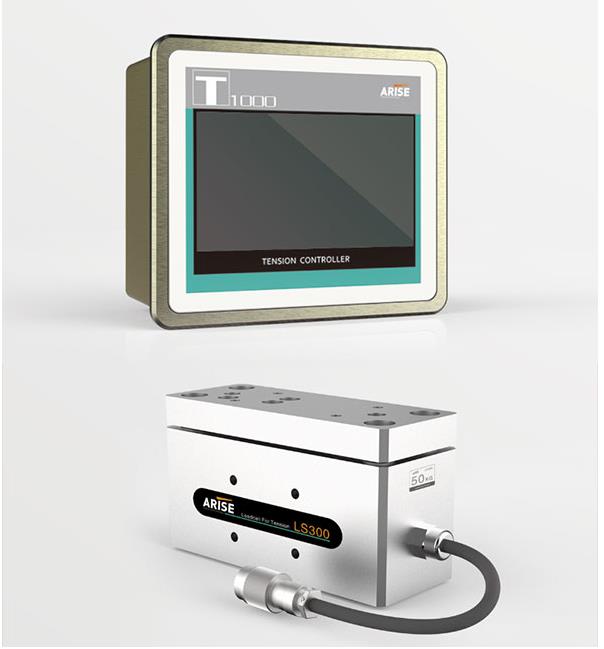
To combat these challenges, modern printing and inspection lines are increasingly equipped with:
Adaptive control algorithms that account for roll diameter, acceleration, and material properties in real time.
These innovations help ensure that the web remains in a stable and predictable state, which is critical for obtaining reliable inspection data and minimizing waste.
Summary
Tension control in printing inspection is a delicate balance between mechanical precision, responsive automation, and material behavior management. The challenges—from varying material properties to high-speed dynamics—demand intelligent systems that can adapt on the fly. As the demand for perfect print quality and zero-defect tolerance grows, mastering tension control during inspection will continue to be a cornerstone of efficient, high-quality printing operations.
Color-coated screws are more than just visually appealing components in construction, manufacturing, and design projects. These specially treated fasteners combine the practical benefits of corrosion resistance, material protection, and identification with the added value of aesthetic customization. Their increasing popularity across multiple industries reflects the growing demand for fasteners that offer both performance and design harmony.
What Are Color-Coated Screws?
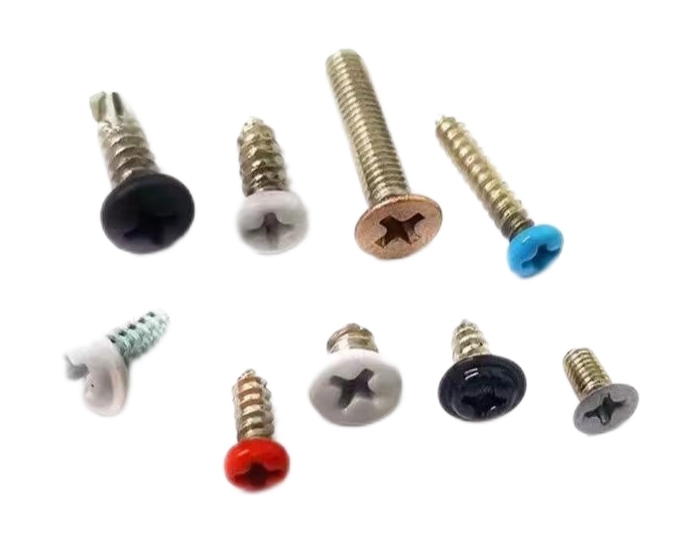
Color-coated screws are standard or specialty screws that have undergone surface treatment with coatings of various colors. These coatings are typically applied through powder coating, electroplating, or painting processes and serve both protective and visual functions. The coating materials may include epoxy, polyester, or other weather-resistant finishes depending on the application.
Benefits of Using Color-Coated Screws
Corrosion Resistance
One of the main advantages of color-coated screws is the enhanced protection against rust and corrosion. The coating acts as a barrier that prevents moisture, chemicals, and other environmental elements from reaching the metal surface, thereby extending the life of the screw, especially in outdoor or marine environments.
Aesthetic Integration
In applications such as furniture assembly, electronics, or exterior cladding, the color of the fasteners matters. Color-coated screws can be matched to the surrounding material—whether wood, metal, plastic, or composite—for a seamless and professional appearance.
Color-Coding for Identification
In industrial or electrical applications, different colors can denote specific functions, materials, or phases. This simplifies assembly, inspection, and maintenance processes, improving efficiency and reducing errors.
UV and Weather Resistance
Many coatings are UV-stabilized, meaning they won’t fade, crack, or degrade over time even when exposed to sunlight or extreme weather. This makes them ideal for roofing, siding, and solar panel installations.
Friction Reduction and Easier Installation
Certain coatings provide lubricity, which reduces friction during installation. This helps in driving screws more smoothly into tough materials, minimizing wear on tools and reducing the chance of screw head damage.
Common Applications
Construction and Roofing: Color-coated screws are extensively used to secure metal roofing sheets and wall panels while matching the building’s exterior color.
Furniture and Interior Design: Screws are matched with surface finishes for a cleaner look in cabinetry, modular furniture, and decorative fixtures.
Automotive and Electronics: Used for internal assembly where differentiation or aesthetic integration is necessary.
Marine and Outdoor Products: Color coatings help protect against saltwater corrosion while maintaining appearance.
Popular Coating Methods
Powder Coating: Offers a thick, durable finish with excellent weather resistance and wide color options.
Electrostatic Painting: Provides thin, uniform coatings with efficient material usage and fast drying.
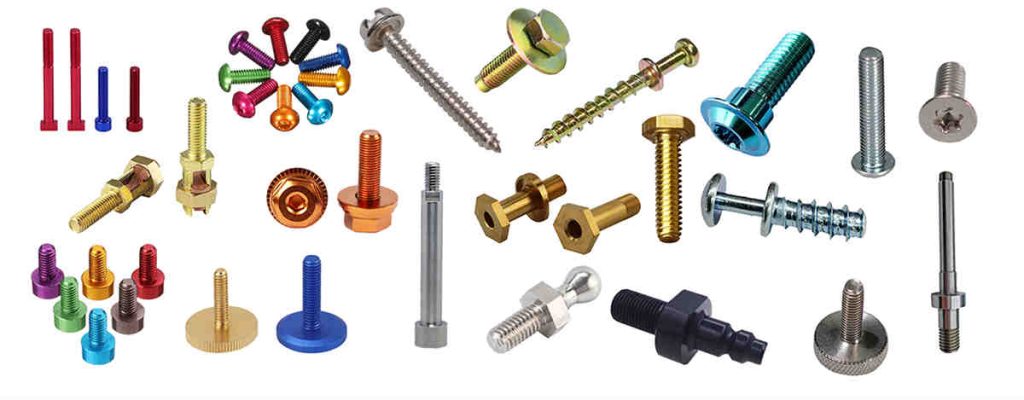
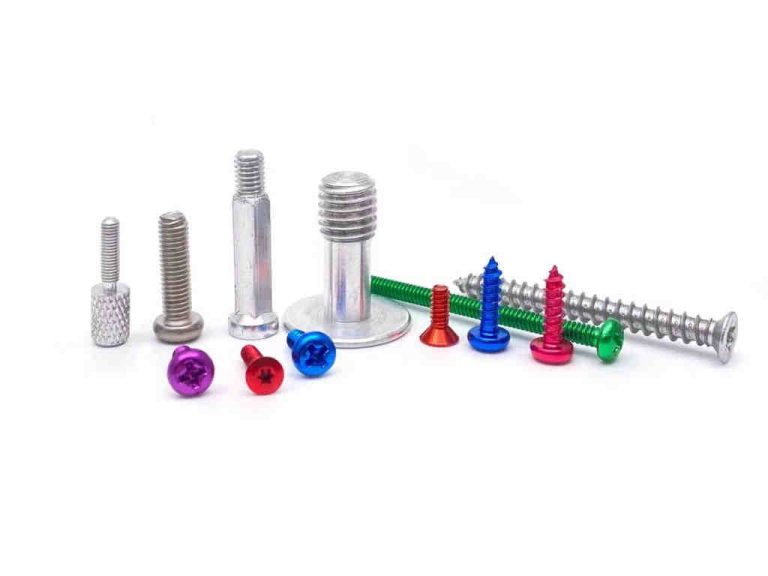
Anodizing (for aluminum screws): Though technically not a coating, anodizing can produce color while enhancing corrosion resistance.
Considerations When Choosing Color-Coated Screws
Base Material Compatibility: Not all coatings adhere equally to every metal; compatibility is crucial for durability.
Environmental Exposure: Choose coatings rated for UV, salt, or chemical resistance if the screws will be used in harsh environments.
Color Matching Accuracy: Especially important for architectural or aesthetic projects—some manufacturers offer custom color-matching services.
Color-coated screws are a smart fusion of function and form. They not only provide essential mechanical fastening and durability but also contribute to the overall look and professional finish of a project. Whether you’re working on high-end furniture, architectural panels, outdoor equipment, or electronic devices, choosing the right color-coated screw ensures that your build is both strong and visually refined. As customization and performance demands continue to rise, color-coated screws are poised to play a key role in modern fastening solutions.
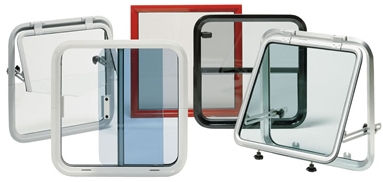
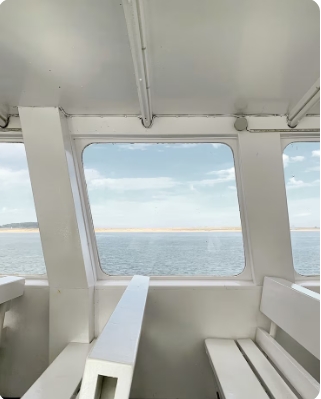
Marine windows play a crucial role in ensuring safety, visibility, and aesthetics aboard ships and vessels. Traditionally, the shapes and sizes of these windows followed standard norms driven by functionality and regulatory compliance. However, with advancements in manufacturing and design capabilities, there is growing interest in customizing the shapes of marine windows to meet specific operational, architectural, and aesthetic demands.
Functional Drivers for Custom Shapes
Customizing marine window shapes goes far beyond cosmetic appeal. Unique shapes can significantly influence a vessel’s performance and operability in specific marine environments. For instance:
Improved Visibility and Field of View: Custom panoramic or curved windows offer wide-angle viewing for navigation bridges, enhancing situational awareness and safety.
Optimized Airflow and Ventilation: Oval or trapezoidal window designs in living quarters or galleys can help optimize natural ventilation.
Resistance to Environmental Stress: Certain geometries—like rounded corners or elliptical forms—better distribute stress, reducing the risk of structural failure under pressure from waves or wind.
Material and Design Innovations Enabling Customization
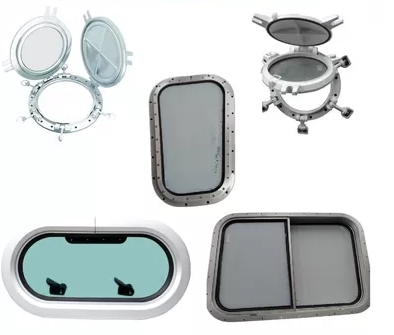
The flexibility in window design is largely due to advancements in materials and manufacturing techniques. Today’s marine windows use specialized laminated or tempered glass combined with corrosion-resistant frames made from marine-grade aluminum or stainless steel. CNC machining and 3D modeling allow designers to experiment with non-standard shapes, including:
Scuttle Porthole Windows: Traditionally used in cabins, now refined for aesthetic modern designs.
Trapezoidal and Polygonal Designs: Frequently used in contemporary yachts and offshore patrol vessels to provide a futuristic appearance while maintaining durability.
Curved or Wrap-around Panes: Favored for luxury vessels and high-speed ferries for their sleek appearance and enhanced visibility.
Regulatory Compliance and Structural Considerations
Marine windows must comply with standards set by international bodies such as the International Maritime Organization (IMO) and classification societies like DNV, ABS, or Lloyd’s Register. Custom shapes must:
Pass impact resistance tests for heavy weather conditions.
Maintain watertight and airtight integrity.
Ensure escape hatch functionality if applicable.
This requires close coordination between naval architects, classification societies, and manufacturers during the design and installation phase.
Aesthetic and Branding Benefits
In the luxury yacht and cruise industry, window shape customization is often part of a broader branding and design philosophy. Unconventional window shapes can:
Reinforce brand identity.
Create a unique profile or silhouette for recognition at sea.
Enhance passenger experience with better natural light and viewing angles.
Applications Across Vessel Types
Different types of vessels benefit from shape customization in different ways:
Yachts: Often feature bold, creative window shapes to reflect luxury and individuality.
Military and Coast Guard Vessels: Use angular or tactical window shapes for stealth and operational advantages.
Commercial Ferries and Passenger Ships: Emphasize large, panoramic windows for enhanced passenger enjoyment.
Summary
The customization of marine window shapes represents a convergence of engineering innovation, aesthetic design, and operational necessity. Whether enhancing navigational visibility, improving structural performance, or elevating onboard experience, customized marine windows contribute significantly to modern marine architecture. As technology continues to evolve, so too will the possibilities for shaping the way we see and experience life at sea.
In the ever-evolving landscape of oil and gas exploration, top drive drilling has emerged as a game-changer, especially in unconventional environments such as shale formations, deepwater fields, and high-pressure high-temperature (HPHT) reservoirs. Unlike traditional rotary table systems, top drive drilling allows for more precise control, continuous rotation, and improved safety. However, operating in extreme or complex geological settings presents unique challenges that demand not only robust hardware but also sophisticated training and optimization tools. One such innovation is the top drive simulator, which is increasingly becoming an integral part of modern drilling operations.
The Role of Top Drive Drilling in Unconventional Environments
Top drive drilling systems are mounted on the derrick and allow drill pipes to be rotated from the top, enabling better torque control, faster tripping speeds, and automation of connection procedures. In unconventional environments, these advantages become essential due to:
Extended Reach and Horizontal Drilling: Shale formations and other unconventional reservoirs often require horizontal drilling to maximize reservoir contact. Top drives facilitate smoother directional control over long lateral sections.
High-Pressure, High-Temperature (HPHT) Formations: In deep formations with extreme conditions, maintaining control and safety is paramount. Top drive systems provide real-time monitoring and safer operations under these hostile conditions.
Reduced Non-Productive Time (NPT): By automating repetitive tasks such as pipe handling and connection, top drives reduce downtime, which is critical in remote or difficult-to-access sites.
Improved Drilling Efficiency: Enhanced torque and weight-on-bit control contribute to faster penetration rates and reduced wear on drill bits and string components.
Challenges in Unconventional Top Drive Operations
Despite their advantages, deploying top drive systems in unconventional environments is not without challenges:
Complex wellbore geometries require precise torque and drag management.
Formation instability can increase the risk of stuck pipe or well collapse.
Remote drilling sites often face logistical limitations and higher operational risks.
Human error or lack of operator expertise can compromise performance and safety.
This is where top drive simulators play a pivotal role.
The Rise of Top Drive Simulators for Performance Optimization
Top drive simulators are advanced, computer-based systems that replicate the dynamics of real-world top drive drilling. These simulators are designed to enhance the operational proficiency of drilling crews, engineers, and decision-makers through immersive and realistic training scenarios.
Key Benefits of Top Drive Simulators:
Operator Training and Skill Development
Simulators enable hands-on learning in a risk-free environment. Drilling personnel can experience simulated breakdowns, kicks, or connection failures, which helps them build rapid response capabilities.
Performance Optimization
Simulations help identify inefficiencies in the drilling process. By replicating a planned well profile, operators can optimize torque application, connection times, and RPM control before mobilizing to the actual well site.
Scenario-Based Drilling Strategy
Simulators allow pre-drill modeling of different formations and conditions, helping teams design tailored operational strategies for unconventional environments.
Real-Time Decision-Making Practice
Advanced drilling simulators offer real-time feedback, allowing users to evaluate decisions on-the-fly and understand their implications on downhole conditions.
Maintenance and Safety Training
Mechanical failure simulations can teach maintenance protocols and help reinforce safety compliance under emergency scenarios, critical in environments with high operational risks.
Integration of Simulation into Top Drive Workflows
Leading oilfield service companies and training institutions are integrating top drive simulators into their operational and training frameworks. These simulators are often linked to digital twin systems or real-time data from rigs, providing near-perfect replication of field conditions.
For example, a drilling company preparing to operate in the Eagle Ford shale might run simulation drills that mimic the formation’s brittle nature and long horizontal reach. Using this data, engineers can fine-tune weight-on-bit parameters, bit selection, and rotational speed in the simulator—ultimately reducing risks when operations commence.
Final Thoughts
Top drive drilling continues to prove indispensable in unlocking the potential of unconventional oil and gas reserves. However, the success of such operations hinges not only on the equipment itself but also on the preparedness and proficiency of the personnel managing it. Top drive simulators bridge this gap by enabling proactive training, performance optimization, and strategic planning tailored to complex geological settings. As drilling ventures push into deeper, hotter, and more challenging territories, the synergy between physical systems and digital simulation tools will define the next frontier of operational excellence in the oil and gas industry.
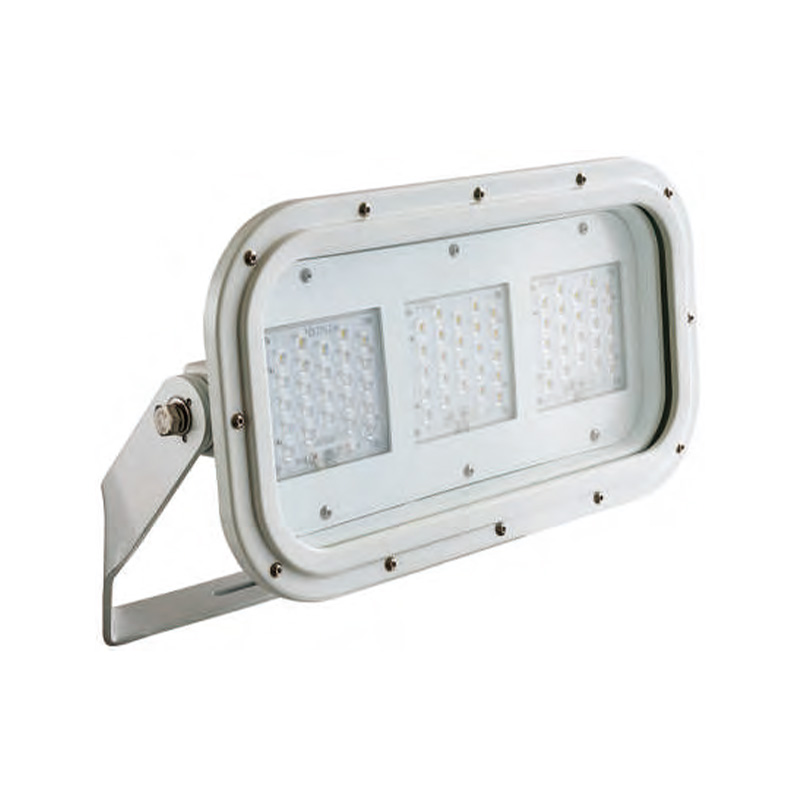
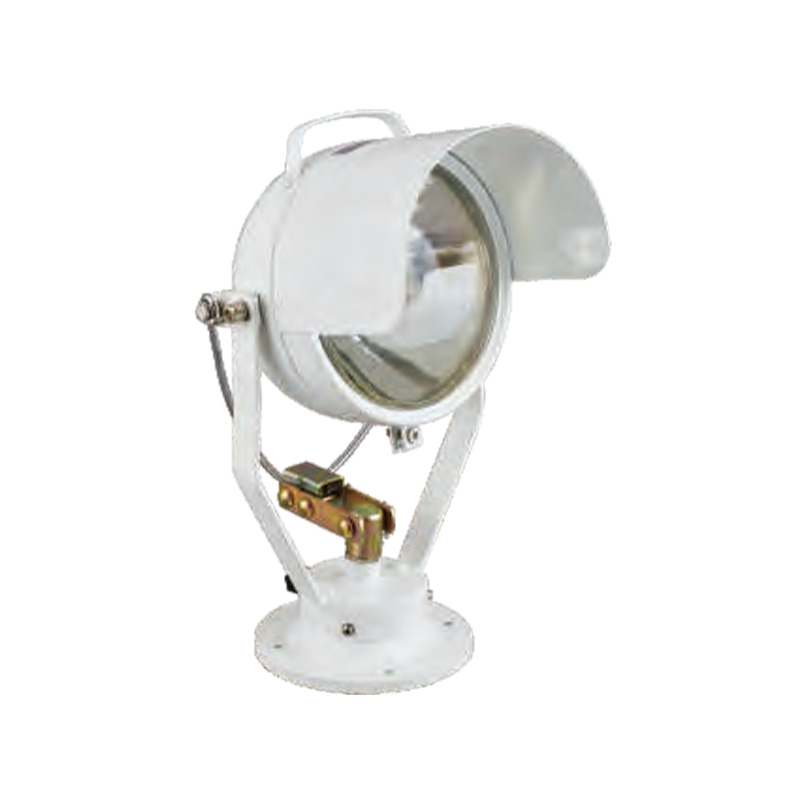
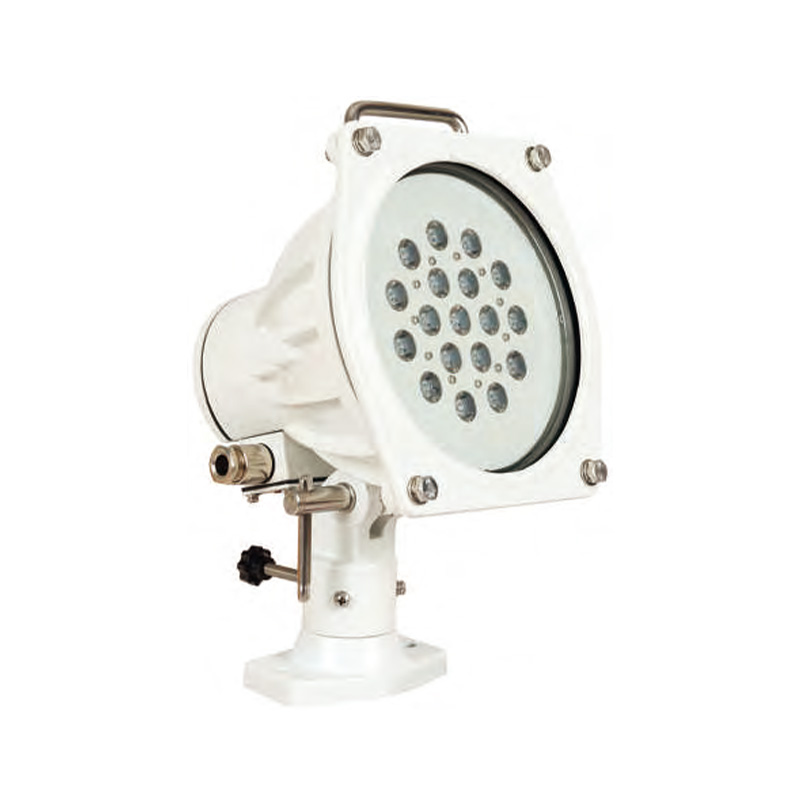
Marine spotlights are essential components of navigation and safety on watercraft, serving vital roles in night-time navigation, search and rescue operations, and vessel-to-vessel signaling. However, the performance requirements and installation constraints vary significantly depending on the type of vessel. As a result, customizing marine spotlights for specific vessel categories ensures optimal functionality, safety compliance, and operational efficiency.
Understanding Vessel-Specific Requirements
Each vessel type operates under different conditions, with distinct lighting demands:
Fishing Vessels need robust illumination for deck work, net deployment, and surface tracking.
Cargo Ships prioritize long-range visibility for safe navigation and cargo inspection.
Yachts and Recreational Boats require compact and aesthetically integrated lighting systems.
Coast Guard and Patrol Boats demand rapid directional control and high-beam intensity for security operations.
Tugboats and Towboats need adjustable and vibration-resistant spotlights to cope with close-quarters maneuvering.
Understanding these use-case distinctions is crucial for tailoring marine spotlight features.
Key Customization Elements
Beam Intensity and Range
Vessels operating in open waters or requiring long-distance visibility benefit from marine spotlights with high lumen output and narrow beam angles. Conversely, smaller boats operating near harbors or docks may use a broader beam with moderate intensity for area illumination.
Mounting Configuration
Mounting positions—such as on the mast, cabin roof, or railings—depend on the vessel’s size and deck layout. Custom brackets and compact housings allow for seamless integration even on limited deck space.
Material and Corrosion Resistance
Vessels in salty, humid environments demand corrosion-resistant materials like marine-grade aluminum or stainless steel. For Arctic or tropical applications, weatherproof enclosures with IP67 or higher ratings ensure longevity.
Control Interfaces
Fishing and patrol vessels often require joystick or remote-controlled spotlights for quick directional changes. Luxury yachts might integrate spotlight controls into touchscreen panels or smart helm systems for convenience and minimalism.
Power Source Compatibility
Vessels operate on different onboard voltages (12V, 24V, or AC). Customization ensures the spotlight matches the power supply, reducing the risk of electrical incompatibility or overload.
Lighting Technology
LED marine spotlights are increasingly favored for their efficiency and durability, but some commercial vessels may still rely on HID or halogen for specific operational benefits. Manufacturers can customize light source type based on performance expectations.
Regulatory Compliance
Vessels operating in international waters or under flag state regulations must meet specific maritime lighting standards. Custom spotlights may incorporate certification markings (e.g., CE, ABS, or DNV) to ensure legal compliance.
Integration with Vessel Systems
Advanced custom marine spotlights can be integrated with:
Thermal Imaging Cameras (for night operations and SAR)
Radar Systems (to enhance object detection)
Bridge Control Systems (for centralized command)
Such integration streamlines operations and enhances the vessel’s situational awareness capabilities.
Final Thoughts
Customization of marine spotlights is no longer a luxury but a necessity in modern maritime operations. By tailoring beam characteristics, material specifications, mounting designs, and control systems to specific vessel types, marine spotlight solutions can enhance safety, functionality, and performance. Whether it’s a trawler needing floodlight precision or a luxury yacht demanding seamless aesthetics, vessel-specific spotlight customization is an essential investment in operational excellence.
The custom teddy bear market has evolved significantly from its humble beginnings of handcrafted plush toys. Today, modern technology plays a crucial role in every stage—from design and prototyping to production and personalization—allowing manufacturers to meet the growing demand for unique, high-quality, and emotionally meaningful teddy bears. Below is an exploration of the key technologies that are reshaping this creative and nostalgic market of custom teddy bears.
1. Computer-Aided Design (CAD) and 3D Modeling
At the core of customization lies precision. CAD software and 3D modeling tools enable designers to create intricate patterns and virtual prototypes of teddy bears. These technologies allow customers to preview design features such as size, color, fabric texture, stitching lines, and accessories before manufacturing begins. This step reduces error rates and enhances the alignment between customer expectations and the final product.
2. Digital Fabric Printing
For teddy bears featuring custom logos, messages, or unique patterns, digital textile printing offers an efficient and flexible solution. This method enables printing high-resolution images or text directly onto fabric, allowing for vibrant, personalized designs. Unlike traditional screen printing, digital printing supports small batch production, making it ideal for custom or limited-edition teddy bears.
3. Laser Cutting Technology
Precision cutting of plush fabric components is critical to ensure consistent bear shapes and proportions. Laser cutting machines automate this process, improving speed, accuracy, and material efficiency. This technology also allows intricate shapes—such as custom embroidery patches or logos—to be cut cleanly and quickly, aiding both aesthetics and scalability.
4. Computerized Embroidery Machines
Modern embroidery machines, driven by digital design files, are key to producing finely detailed names, dates, messages, or logos on teddy bear clothing, paws, or tags. These machines can reproduce complex customizations quickly and accurately, which is essential for personalized gift markets and corporate branding needs.
5. AI and Personalization Platforms
Artificial intelligence (AI) is used in customer-facing applications such as online teddy bear configurators. These platforms guide users through step-by-step customization: selecting fabrics, facial expressions, clothing, accessories, and even sound modules. AI enhances user experience by recommending popular combinations or predicting customer preferences based on past selections.
6. Voice Recording and Sound Modules
Adding voice to custom teddy bears is a growing trend, particularly for memorial gifts, baby announcements, or romantic messages. Voice recording chips and sound modules can be integrated into the bear’s chest or paw. Newer models even use Bluetooth connectivity and memory chips for uploading longer or higher-quality audio.
7. Smart Tags and NFC Integration
Some high-end custom teddy bears come equipped with NFC (Near Field Communication) chips or QR-coded smart tags. These technologies allow customers to link the toy to digital content—such as a personalized video, an audio message, or a web-based storybook—enhancing interactivity and emotional value.
8. Automated Sewing and Soft Robotics
For scaling up production while maintaining customization, soft robotics and automated sewing machines are employed by more and more custom plush manufacturers. These systems can handle repetitive tasks with precision and consistency, enabling efficient mass customization with fewer human errors.
9. E-commerce and Order Management Systems
Behind the scenes, advanced order tracking and management systems ensure smooth coordination between design approval, production, and shipping. Integration with customer databases and CRM platforms allows for a seamless, personalized customer journey and effective post-sale engagement.
Final Words
The market for custom teddy bears has transitioned into a tech-driven niche where emotional value meets industrial efficiency. Technologies such as CAD, digital printing, AI personalization tools, and voice modules have elevated the craft to new heights—making it possible to create one-of-a-kind plush companions that resonate deeply with individuals and brands alike. As innovation continues, the teddy bear remains not just a childhood keepsake but a smart, sentimental product crafted through modern ingenuity.
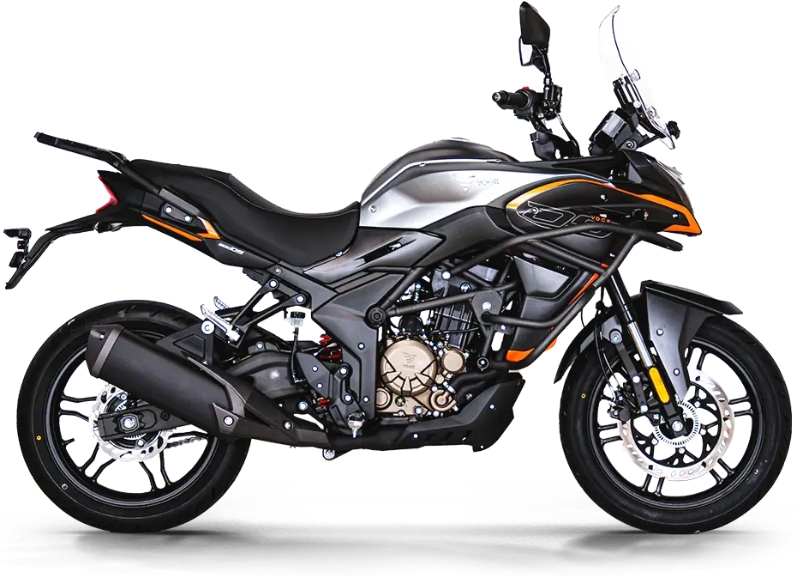
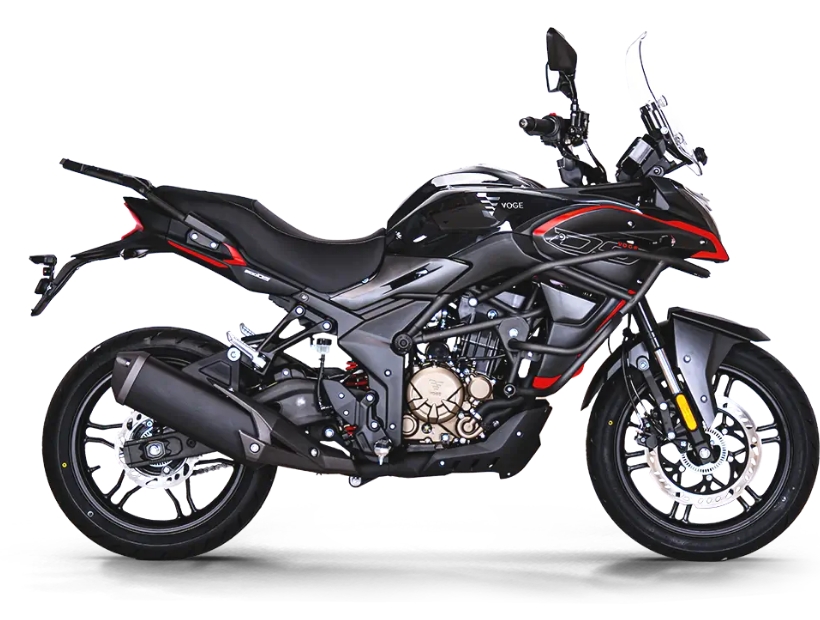
The VOGE 300DS is a standout model in the entry-level adventure motorcycle category, designed to combine accessibility, performance, and versatility. Developed by VOGE, a rising Chinese motorcycle brand, the 300DS caters to new and seasoned riders who seek a lightweight yet capable adventure touring machine. With stylish design, a reliable engine, and practical features, the VOGE 300DS positions itself as a budget-friendly choice for daily commuting and weekend exploration alike.
Engine and Performance
At the heart of the VOGE 300DS lies a 292cc single-cylinder, liquid-cooled, DOHC engine, capable of producing around 25.8 horsepower at 8,500 rpm and 23 Nm of torque at 6,500 rpm. Paired with a smooth 6-speed transmission, the engine delivers adequate power for both city cruising and light off-road trails.
The fuel injection system ensures efficient combustion and crisp throttle response, while the compact engine size makes the bike approachable for beginners and a joy to maneuver in tight spaces.
Design and Comfort
The VOGE 300DS features a modern adventure styling, with a tall windscreen, dual-sport ergonomics, and a rugged fairing design. The high-mounted exhaust, skid plate, and upright riding posture reflect its dual-purpose DNA. With a seat height of around 800mm and a wet weight of approximately 170 kg, it offers a balance between comfort and control for a wide range of riders.
The adventure-style seat and upright handlebars ensure comfortable long-distance travel, while the spacious pillion setup makes it a practical option for two-up touring.
Suspension and Handling
The 300DS is equipped with inverted front forks and a mono-shock rear suspension, delivering a smooth ride over varied terrain. Though not built for aggressive off-roading, it offers sufficient travel and ground clearance to handle gravel paths, rough roads, and mild trails.
The aluminum alloy wheels are fitted with 17-inch rear and 19-inch front tires, offering a balanced combination of on-road stability and light off-road capability. The braking system features front and rear disc brakes with ABS for enhanced safety and control.
Technology and Features
VOGE has equipped the 300DS with a competitive set of features for its class:
LCD instrument display showing gear position, fuel level, and trip data
LED lighting for headlamp, tail lamp, and indicators
Adjustable windscreen for wind protection
Side and center stand for added convenience
Optional luggage racks for extended touring
Fuel Economy and Range
With a 13-liter fuel tank and excellent fuel efficiency (estimated around 30–35 km/L), the VOGE 300DS offers impressive range—making it ideal for budget-conscious travelers and long-distance riders alike.
Final Thoughts
The VOGE 300DS is a well-rounded entry into the world of adventure motorcycles. It brings together attractive styling, practical performance, and comfort at an accessible price point. Whether you’re commuting through urban traffic or setting off on a weekend escape into the countryside, the 300DS delivers a reliable and enjoyable ride. For new riders or those seeking a lightweight touring companion, the VOGE 300DS stands as a smart, economical choice with genuine adventure spirit.
In industries where continuous roll-to-roll processing is essential, such as printing, packaging, textiles, and film production, web guide systems play a critical role in ensuring product quality and operational efficiency. A core function of these systems is precision control, which keeps flexible materials such as paper, plastic film, foil, or nonwovens accurately aligned during high-speed movement. Without precise control, even minor deviations can lead to costly errors like material waste, print misalignment, and equipment downtime.
What Is Precision Control in Web Guide Systems?
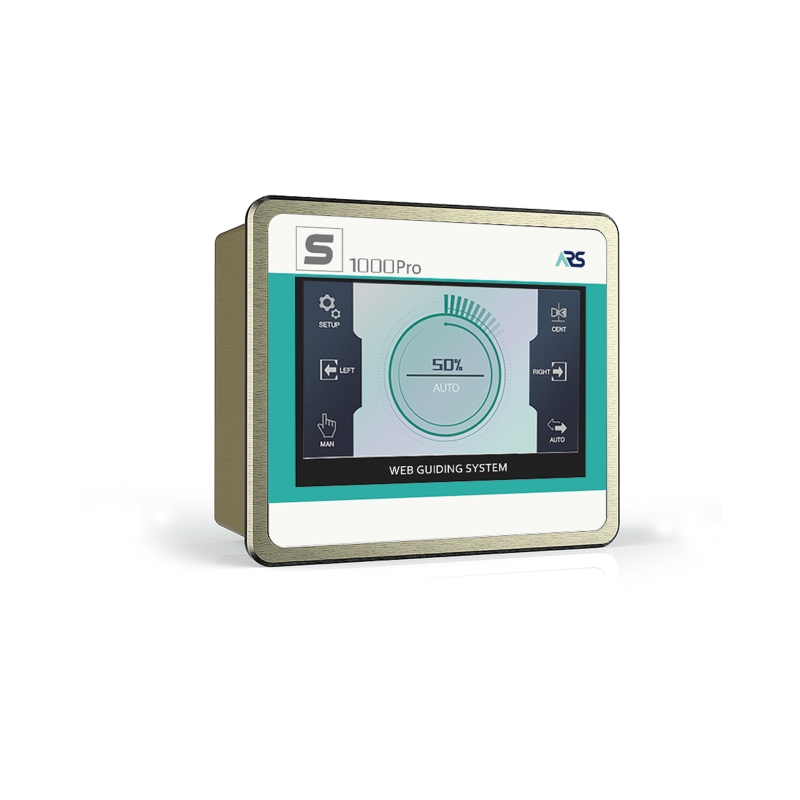
Precision control refers to the system’s ability to maintain consistent lateral positioning of a moving web. As the material unwinds and travels through various processing stations, its alignment must remain exact to avoid defects. Precision control systems detect any misalignment and make real-time corrections through mechanical actuators or motor-driven mechanisms.
Key Components Enabling Precision Control
Sensors
High-resolution edge sensors, line sensors, and contrast sensors detect the position of the web relative to a reference point. Advanced web guide sensors can handle a wide variety of materials, including transparent and reflective webs. Technologies like ultrasonic, infrared, and optical imaging enable non-contact and high-speed detection with micrometer-level accuracy.
Controllers
The control unit interprets sensor signals and calculates the necessary correction. Web guiding controllers use PID algorithms or adaptive logic to optimize correction signals, ensuring stable and accurate tracking even under fluctuating web speeds or tension variations.
Actuators
Electromechanical actuators, including stepper motors and servo motors, convert control signals into physical movements that adjust the web path. These actuators are responsible for the swift and accurate repositioning of the web to maintain proper alignment.
Importance of Precision Control
Product Quality: In printing or coating applications, even a slight lateral shift can result in misaligned graphics or uneven coating, making the product unacceptable.
Material Efficiency: Poor alignment leads to edge trimming or rewinding, causing material waste.
Machine Protection: Misaligned webs can jam machinery or damage sensitive components, leading to costly downtime.
Speed Optimization: Precision control enables higher line speeds without compromising quality, increasing overall throughput.
Challenges Addressed by Precision Control
Variable Tension: Web tension may fluctuate during operation; precision systems adapt in real time to maintain alignment.
Material Variability: Thin or elastic materials are prone to distortion. Accurate sensors and responsive actuators help manage these challenges.
Environmental Conditions: Dust, vibration, and temperature shifts can affect web behavior. Precision systems are built to withstand such factors and maintain performance.
Applications of Precision-Controlled Web Guide Systems
Printing and Packaging: Ensuring exact color registration and die-cut alignment.
Battery Manufacturing: Accurate placement of electrodes and separators.
Textiles: Maintaining fabric straightness during dyeing or coating.
Labeling: Precise label placement and cutting on rolls.
Innovations in Precision Control for Web Guide Systems
1. Integration of Advanced Sensor Technologies
One of the most significant advancements in web guiding conyrol systems is the use of high-resolution edge and line sensors. Innovations in ultrasonic, infrared, and CCD/CMOS camera-based sensors allow for real-time, non-contact detection of web edges with micron-level accuracy. These sensors can adapt to a wide range of materials, including transparent and highly reflective surfaces, which traditionally posed detection challenges.
Smart sensor algorithms are also now capable of self-calibration and compensation for material opacity, texture, or vibration, leading to enhanced reliability and reduced need for operator intervention.
2. Closed-Loop Control with Adaptive Algorithms
Modern web guide systems increasingly rely on closed-loop feedback control combined with adaptive algorithms. These systems dynamically adjust actuator responses based on real-time feedback, compensating for disturbances such as material tension variations, environmental conditions, or mechanical wear.
Advanced control methods such as model predictive control (MPC) and fuzzy logic are being implemented to enable predictive adjustments that reduce overshooting and oscillation, ensuring smoother operation and prolonged equipment life.
3. Servo-Driven Actuators with High-Speed Response
Servo-driven actuators are replacing traditional pneumatic or stepper motor systems due to their fast response time, accuracy, and energy efficiency. Equipped with brushless DC or linear motors, these actuators deliver precise lateral movement with minimal lag, allowing for fine-tuned web alignment even at extremely high line speeds.
Moreover, integrated position encoders provide accurate displacement data that feeds directly into the control loop, allowing for ultra-fine adjustments in real time.
4. Machine Learning and AI for Predictive Optimization
Innovators are incorporating machine learning (ML) and AI-based analytics into web guide systems to predict alignment deviations before they occur. These smart systems learn from historical process data to identify patterns, enabling predictive maintenance, anomaly detection, and real-time optimization.
For example, an AI-powered controller may adjust guiding parameters based on the type of material, speed of operation, and previously detected alignment behaviors—improving setup efficiency and reducing waste.
5. Modular and IoT-Enabled Systems
The emergence of modular web guide architectures allows manufacturers to customize their systems based on specific application needs. These modules can be easily upgraded with new control units, sensor heads, or actuators.
Furthermore, IoT connectivity enables remote monitoring, diagnostics, and software updates. Web guide systems equipped with edge computing capabilities can process sensor data locally for real-time corrections while syncing key metrics to cloud platforms for long-term process improvement.
6. Multi-Web and Multi-Lane Control Innovations
In processes involving multiple webs or lanes running simultaneously, precision control becomes increasingly complex. Modern systems offer multi-channel synchronized control, allowing independent but coordinated adjustment of each web path.
Advanced systems can now manage overlapping webs, slit materials, or converging web lines, ensuring perfect registration even in challenging layouts—particularly important in multilayer packaging or roll-to-roll battery production.
Final Thoughts
Precision control is the foundation of effective web guiding, directly influencing production quality, operational efficiency, and profitability. As industries demand higher speed, better accuracy, and less waste, web guide systems with advanced precision control are becoming indispensable tools in modern manufacturing environments.












 China manufacturers