Comfort and fit are two important aspects of boat seating. YSmarines can supply a wide range of marine seats for passengers and pilots with great comforts and best suitability. The seats can be widely used for larger boats and smaller vessels. The seats come in various trims and can be tailored to the requirements of the customers. YSmarines also offers suspensions, accessories parts for each seat. All seats and backrest are made with the highest quality materials using an anodized aluminum pipe, marine-grade fabrics and closed-cell foam. YSmarines has developed a large and loyal customer base all over the world and strives to create an optimum working environment for the operator, usability and functionality of each boat chair and accessory.
YS001 Type Passenger Seat
This type of marine passenger seat is fixed back type seats. YSmarine, which is one of the leading marine equipment manufacturers in china, can supply the chairs for the ship’s passengers conveniently with a layer of the fabric on the chair. It has a flame retardant effect, not only our boat seats chairs sitting comfortably, but also it can be adjusted by the back of a chair. The design of our fabric chair is totally in accordance with the ISO standard, IMO standard and kinds of Classification Society’s requirement.
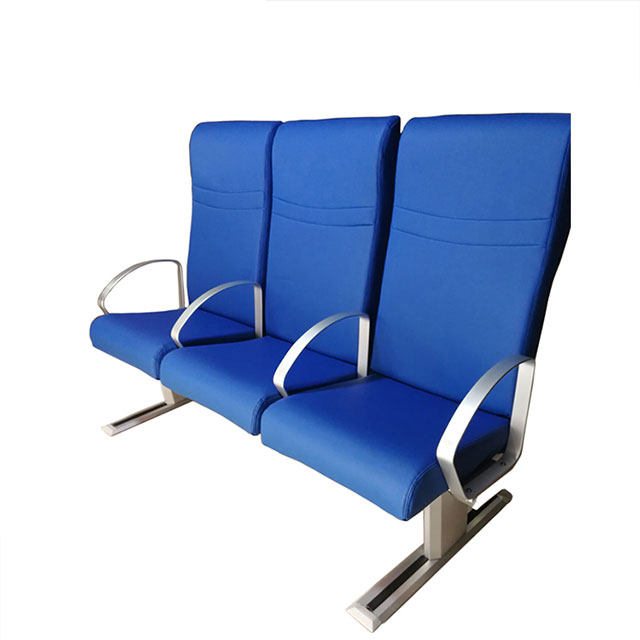
Basic configuration:
Seat cushion and the back of a chair(including magazine bag), with united and decorative head, armrest, chair foot, adornment to install rails, rail head, rail decoration layering, life-saving pocket, installation accessories.
Optional configuration:
Angle adjustable backrest, Seat number scarf, life jacket bag, seat belt, color optional, front table tray, back table tray, meal trays, headrest, antimacassar, etc.
YS002 Type Passenger Seat
The ferry passenger seats have a life jacket storage box under the chair seat. Their surface is made from waterproof material. They adopt electrostatic spray technology after antirust treatment and sealing have been done on the surface of the seat frame. Back cushion with high resilience and flame-retardant sponge is made by adopting a low-temperature foam molding technique.

YS003 Type Passenger Seat
The marine seats are designed for passengers with great comfort. Each of the seats has a reconstruct working-end armrest. Seat and the back of a chair has a united and decorative head, armrest, magazine pocket, chair foot, an adornment to install rails, railhead, rail decoration layering. installation accessories. The backrest is adjustable.

YS004 Type Passenger Seat
The marine chairs are applied for passenger seating. They adopt fire-proof leather, PU/PVC leather or fabric according to customer’s requirements. This chair has a thick and adjustable back. The anti-corrosion aluminum structure is durable. It can be made in various seating configurations such as single-seat, double seat, triple seat. It can be used for fast ferries, passenger vessels, crew boat, catamaran and yachts hovercraft.
YS005 Type Passenger Seat
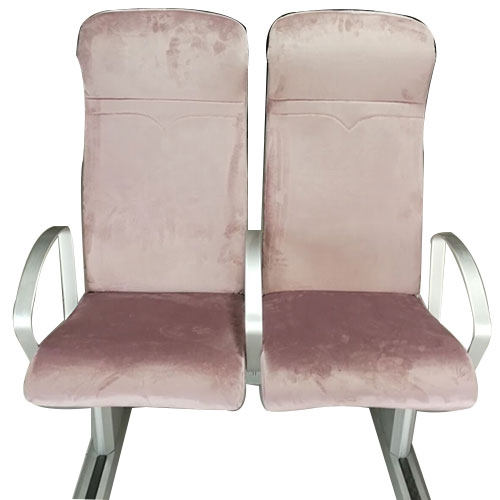
These marine chairs are designed for passenger seating with sitting comfortably. Each of the chairs has a high back which can be adjusted. It is strong and lightweight. The frame of the seat is made of aluminum alloy. The surface of the seat is made of PVC leather or wear-resistant cloth fabric. The back angle of the chair is freely regulated in 106°~124° with an air spring and teapoy is provided. Life-saving clothes can be put under the chair. It is applicable for high-speed ferries, passenger vessels, RoRo ferries, Ro Pax, crew boats, small fast boats.
YS006 Type Passenger Seat
This type of marine seat will be suitable for the passenger seating of the passenger ships, yachts, hovercrafts and so on. The back angle of the chair is freely wantonly regulated in 106 degrees to 124 degrees with an air spring and a teapoy is provided. The structure can support an acceleration of 12g. It is high back marine passenger seats for economy class. All marine seats which are manufactured by YSmarines are made from high-quality corrosion-resistant aluminum. Aluminum cushion and backrest frame, aluminum. Upholstery can be fabric or synthetic leather, or leather and the upholstery material is approved flame retardant testing.
YS007 Type Passenger Seat
The ship seat for passenger seating can be used on the fast ferry, high-speed passenger ship, cruise ship and so on. They are made from upholstery material including flame retardant PVC leather or fabric and adopt anti-corrosion aluminum structure which is durable with high elasticity sponge flame retardant. The seat track is installed on the deck. All the products can be customized, which including seat model, the specific size, fabric color swatches, etc.
YS008 Type Passenger Seat
The ship chair mostly is used for passenger seating and widely applied for a passenger ship, yacht, crew boat, passenger Ro-Ro ship, cargo ship, etc. The chair not only is sitting comfortably but also can be adjusted by the back of a chair. The material of the seat upholstery is leather or fabric and a recliner is available. The material is fire-retardant. The fabric is quite durable and the leather is easy to clean.

There are a wide variety of kinds of marine passenger chairs for sale at YSmarines with ergonomics design. ABS, DNV, CCS, NKK, LR, GL, BV, RINA are available for the products with excellent performance, best after-sale service and short delivery time.




 China manufacturers