How Real-time Defect Detection Works in Printing Inspection

In the high-speed printing industry, delivering flawless print quality is critical across sectors such as packaging, publishing, labeling, and security printing. With increasing customer expectations and shrinking margins for error, traditional offline inspection methods are no longer sufficient. Real-time defect detection have emerged as a transformative solution, offering instant feedback and allowing immediate corrective actions during the printing process. This article explores how real-time defect detection works, the technologies behind it, and the benefits it brings to modern printing operations.

The Need for Real-time Defect Detection

Printing defects such as misregistration, color deviation, streaks, missing print, and substrate wrinkles can lead to costly reprints, material waste, and even brand reputation damage. Offline inspection methods—where samples are checked manually or with delayed imaging systems—often detect issues too late, resulting in significant product loss.

Real-time defect detection systems address this gap by monitoring each sheet or label as it is printed, providing actionable data instantly to operators. This ensures not only quality consistency but also helps identify root causes before defects propagate through large print runs.

Printing flaw

How Real-time Defect Detection Works

Real-time defect detection systems are typically integrated into the printing line and work in conjunction with high-resolution cameras, advanced lighting systems, and intelligent software. The process involves:

Image Acquisition: High-speed line-scan or area-scan cameras capture images of every printed section on the substrate as it moves through the press.

Image Processing and Analysis: Powerful algorithms compare each printed image to a predefined reference or template. Machine vision systems detect anomalies based on contrast, pattern, registration, color, and other predefined tolerances.

Defect Classification: The system classifies the detected defects into categories—such as spots, streaks, scratches, color deviations, or text errors—based on shape, size, and location.

Real-time Alert and Response: Once a defect is detected, operators are immediately alerted through a graphical user interface (GUI). Depending on the severity, the system can:

Flag the defective section.

Stop the press for operator intervention.

Trigger automatic ejection or marking for downstream removal.

defect inspection machine

Key Technologies Enabling Real-time Detection

High-Speed Cameras: These cameras capture thousands of frames per second with ultra-fine resolution, enabling the inspection of fast-moving web or sheet-fed substrates without motion blur.

LED Illumination: Stable and uniform lighting ensures consistent image capture across different substrate types and colors.

Artificial Intelligence (AI) and Machine Learning (ML): AI algorithms are increasingly being used to improve defect classification accuracy, reduce false positives, and learn from historical data to adapt to new types of defects.

Edge Computing: Some systems use edge processing units close to the inspection hardware to ensure ultra-low latency in image analysis, making real-time response feasible even at very high production speeds.

Integration with 100% Print Inspection: Modern defect detection systems can be integrated with 100% printing inpspection systems, allowing real-time adjustment of ink flow, tension, registration, or substrate feed based on defect data.

Benefits of Real-time Defect Detection in Printing

Minimized Waste: By identifying defects early, operators can stop production or isolate the issue quickly, reducing the amount of wasted material.

Increased Throughput: Since inspection happens inline, there’s no need to halt the line for manual checks, allowing continuous, uninterrupted production.

Improved Quality Control: Every unit is inspected, not just a sample, resulting in a more consistent and reliable end product.

Faster Troubleshooting: Real-time feedback allows maintenance personnel to pinpoint equipment malfunctions or operator errors as they occur.

Data-Driven Decision Making: Detailed reports and defect maps allow managers to track quality trends and optimize future production runs.

precision print inspection system

Applications Across Printing Segments

Label Printing: Ensures barcode integrity, color accuracy, and text clarity.

Flexible Packaging: Detects sealing flaws, misprints, and register errors.

Security Printing: Monitors for microtext misalignment, ink irregularities, and other critical tolerances.

Commercial Printing: Improves color uniformity and layout accuracy for books, catalogs, and promotional materials.

Final Thoughts

Real-time defect detection in print inspection systems has become an indispensable component of modern print production. By combining high-speed imaging, intelligent algorithms, and responsive automation, these systems provide the precision and immediacy necessary to maintain competitive quality standards. As the industry embraces Industry 4.0 and smart manufacturing principles, real-time inspection will continue to evolve, offering even greater integration with digital presses, cloud analytics, and AI-driven quality management systems. Ultimately, it empowers printers to move from reactive quality control to proactive quality assurance—delivering excellence with every print.

Effective Measures for Enhancing Safety in Snubbing Operations: Why Use Simulation Techchnology

Snubbing operations where tubulars are run into or out of a well under pressure, are among the most complex and high-risk interventions in the oil and gas industry. Unlike conventional well servicing techniques, snubbing involves managing live wells without the need to kill them, making safety considerations absolutely paramount. This article explores the essential safety strategies in snubbing operations and highlights the growing role of simulation technology in enhancing operational safety and preparedness.

Snubbing Units

Understanding the Safety Challenges in Snubbing

Snubbing, or hydraulic workover, inherently carries various risks due to the need to contain well pressure while conducting mechanical interventions. Some of the key safety challenges include:

High Well Pressure: Operations are often conducted under high-pressure conditions, which increase the risk of blowouts and equipment failure.

Complex Equipment Setup: The snubbing unit integrates multiple systems—such as hydraulic jacks, slip systems, and pressure control equipment—that must function in perfect synchronization.

Human Factor: Operator error in such high-pressure, fast-paced environments can lead to serious incidents if not adequately managed.

Well Integrity and Pressure Control: Maintaining wellbore integrity while allowing pipe movement requires precise pressure balance, often in dynamic conditions.

Core Safety Measures in Snubbing Operations

To address these challenges, operators implement a combination of procedural, mechanical, and technological safety measures:

Detailed Job Planning: A comprehensive risk assessment and planning phase ensures all potential hazards are identified and mitigated.

Use of Certified Equipment: All components used in snubbing operations must meet strict industry standards and be regularly inspected and maintained.

Rigorous Personnel Training: All crew members must be highly trained in snubbing-specific procedures, emergency response, and equipment handling.

Pressure Control Equipment: Blowout preventers (BOPs), annular seals, and snubbing slips must be properly rated and maintained for expected pressure conditions.

Real-time Monitoring: Advanced sensors and monitoring systems provide real-time data on well pressure, pipe movement, and hydraulic performance.

Snubbing Operations

Simulation Technology for Snubbing Safety

As snubbing operations become more common in deep wells, high-pressure/high-temperature (HPHT) fields, and offshore environments, simulation technology is emerging as a crucial tool for safety enhancement. Simulation-based training and planning provide operators with an immersive and risk-free environment to prepare for real-world operations.

1. Operator Training and Certification

Modern snubbing simulators replicate real-life scenarios, complete with control panels, visual displays, and interactive emergencies. These simulations help operators:

Practice standard and emergency procedures.

Learn correct responses to pressure surges and mechanical failures.

Improve coordination among team members.

Gain hands-on experience without exposing personnel or assets to actual risk.

By repeatedly simulating complex operations, operators build muscle memory and decision-making skills that translate to safer real-world performance.

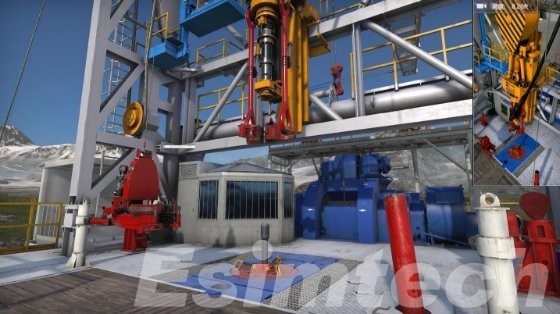
full size snubbing simulator

2. Pre-Job Scenario Testing

Simulation software allows engineers and planners to model specific wells and operational conditions in advance. This provides benefits such as:

Predicting potential failure points in the pressure control sequence.

Testing the compatibility of snubbing equipment with the target well’s geometry and pressure profile.

Optimizing snubbing sequences to reduce mechanical stress and exposure time.

3. Emergency Response Drills

Using emergency training simulations, teams can rehearse a variety of emergency situations—such as well kicks, equipment failure, or personnel injury—without risk. This builds confidence and reinforces adherence to emergency response protocols.

4. Real-Time Simulation Integration

Advanced digital twin technology now enables real-time integration of simulation models with live operational data. This creates a dynamic environment where potential risks can be identified before they escalate. For instance:

Deviations in pressure trends can trigger simulated consequence analysis.

Equipment response can be tested virtually before executing the actual operation.

Summary

Safety in snubbing operations cannot be achieved through reactive measures alone—it must be proactively built into every stage of the operation. From robust planning and certified equipment to rigorous personnel training and real-time monitoring, each element contributes to a safer environment. Simulation technology enhances this framework by providing a virtual platform for continuous learning, pre-operation testing, and live decision support. As the oil and gas industry continues to explore more challenging reservoirs, embracing simulation technology will be essential to ensure that snubbing operations remain not only effective but also safe.

VOGE SR250GT: Affordable and Stylish Scooter For Urban Mobility

In a rapidly evolving two-wheeler market, the VOGE SR250GT emerges as a compelling contender in the 250cc maxi-scooter class. Developed by VOGE which is one of the leading Chinese motorcycle manufacturers, the SR250GT is more than just a commuter—it’s a bold attempt to bridge advanced technology, comfort, and affordability for modern riders. With its sharp design language and smart features, this scooter is reshaping expectations of what an urban tourer can offer.

VOGE SR250GT Scooter

A Modern Powerhouse in the 250cc Segment

At the core of VOGE SR250GT lies a 244.3cc liquid-cooled, single-cylinder engine tuned for both city agility and highway cruising. Its power delivery is smooth and responsive, offering enough thrust for brisk acceleration without compromising ride stability. Whether darting through traffic or cruising at highway speeds, the scooter remains composed and fuel-efficient, meeting the demands of daily commutes and weekend excursions alike.

The engine’s refined character is complemented by an automatic CVT transmission that ensures seamless performance with minimal rider effort. It’s a setup designed to make urban navigation stress-free, while still maintaining the punch needed for overtaking and long-distance travel.

Smart Technology for the Connected Commuter

One of the standout features of the SR250GT is its embrace of modern technology. It comes equipped with a vibrant TFT display that provides real-time data on speed, fuel economy, and system diagnostics. But VOGE takes it a step further with the integration of a voice-enabled riding assistant. This AI-based system offers navigation prompts, vehicle health updates, and even tire pressure monitoring—all accessible through intuitive voice commands.

Incorporating both USB-A and USB-C charging ports, the scooter supports mobile device charging on the go, making it ideal for the digitally connected rider. These tech-centric touches elevate the riding experience far beyond what is typically expected in this displacement category.

Comfort and Convenience for Every Journey

The VOGE SR250GT is designed with rider comfort in mind. Its spacious seating area, adjustable windscreen, and ergonomic handlebar positioning provide an upright and relaxed posture—perfect for long hours on the road. Under-seat storage is generous, easily accommodating two helmets, groceries, or a small backpack, while a glove compartment adds extra practicality.

For riders in colder climates or those commuting year-round, higher-end versions of the SR250GT feature heated seats and grips, further enhancing the scooter’s usability and comfort.

VOGE SR250GT

Sleek Design with Purpose

Visually, the SR250GT boasts an athletic yet refined silhouette, with aerodynamic contours that blend functionality with style. Full LED lighting ensures excellent visibility both day and night, while the streamlined front fairing and integrated windscreen offer wind protection and enhance the scooter’s touring credentials.

The build quality, although not on par with high-end European models, demonstrates solid engineering and attention to detail—especially considering the scooter’s competitive pricing.

Performance Meets Safety

Beyond its tech and looks, the SR250GT delivers well on safety. It is equipped with a dual-channel ABS system and traction control, offering stability and confidence in various road conditions. Whether on wet pavement or gravel-strewn lanes, the scooter maintains reliable grip and predictable handling.

Its lightweight chassis contributes to nimble maneuverability, while the suspension system—especially in upgraded variants—absorbs road imperfections effectively, providing a comfortable and composed ride.

Balancing Affordability and Innovation

What makes the SR250GT particularly noteworthy is its price-to-feature ratio. VOGE has managed to integrate advanced elements—AI voice control, digital instrumentation, heated accessories—without inflating costs beyond reach. For urban commuters or new riders seeking a dependable and stylish ride with modern capabilities, this scooter offers exceptional value.

That said, potential buyers should consider regional availability and after-sales support. While VOGE is expanding globally, parts and servicing may not be as accessible in some markets as they are for more established brands.

VOGE SR250GT Scooter Motorcycle

Summary

The VOGE SR250GT is more than just a maxi-scooter; it’s a statement of intent from a brand determined to challenge the norms. By delivering intelligent features, practical design, and solid performance at a competitive price, VOGE positions the SR250GT as a forward-looking option in the 250cc category.

For riders seeking an affordable, stylish, and connected scooter that doesn’t compromise on comfort or capability, the SR250GT is a model well worth considering. It represents a fresh direction for urban mobility—one where innovation and accessibility ride hand in hand.

Bamboo vs. Recycled Toilet Paper: Carbon Footprint Comparison

In the quest for sustainable living, consumers are becoming more mindful of everyday choices—including what kind of toilet paper they use. Bamboo and recycled toilet paper are two leading eco-conscious alternatives to traditional toilet paper made from virgin tree pulp. But which option leaves a smaller carbon footprint? This article provides a detailed comparison of bamboo and recycled toilet paper from a carbon emissions perspective.

1. Raw Material Source and Carbon Implications

Bamboo Toilet Paper:

Bamboo is a fast-growing grass that can reach maturity in just 3–5 years without the need for pesticides or fertilizers. It absorbs more CO₂ and produces more oxygen than many trees, making it a highly renewable resource. However, most bamboo used in toilet paper is grown in Asia, which introduces emissions from international shipping.

Bamboo Toilet Tissues

Recycled Toilet Paper:

Made from post-consumer paper waste, recycled toilet paper avoids cutting down new trees. Since the raw material is typically collected locally and processed domestically in many countries, it often requires less transportation over long distances. It significantly reduces the demand for virgin wood pulp, helping to preserve forests.

Carbon Footprint Winner:

Recycled toilet paper generally has a lower carbon footprint at the raw material sourcing stage due to local sourcing and less energy-intensive cultivation.

2. Manufacturing and Processing

Bamboo Toilet Paper:

Although bamboo grows sustainably, the processing of bamboo into pulp is energy- and water-intensive. The fibers are harder and require chemical treatments and more energy to break down. Moreover, if the toilet paper is produced in overseas factories, electricity may be derived from non-renewable sources like coal.

Recycled Toilet Paper:

Recycling used paper into toilet paper involves de-inking and pulping, but the overall energy use is generally lower than the energy required to convert bamboo into soft, usable paper. According to several studies, recycled paper production can use up to 50% less energy and water than virgin or bamboo-based options.

Recycled Toilet Paper

Carbon Footprint Winner:

Recycled toilet paper again typically produces fewer carbon emissions during manufacturing.

3. Transportation Emissions

Bamboo Toilet Paper:

Since bamboo is largely grown and processed in Asia, shipping it to Western markets (e.g., Europe or North America) contributes significantly to its carbon footprint, particularly through maritime transport and long-distance trucking.

Recycled Toilet Paper:

Because recycled paper is often processed domestically, it benefits from shorter supply chains, which can cut transportation-related emissions considerably.

Carbon Footprint Winner:

Recycled toilet paper tends to win due to shorter distribution routes.

4. End-of-Life and Biodegradability

Bamboo Toilet Paper:

Fully biodegradable and compostable, bamboo toilet paper breaks down efficiently and leaves minimal residue. Since it is made from natural fibers and is usually free of dyes and fragrances, it is safe for septic systems and greywater.

Recycled Toilet Paper:

Also biodegradable and septic-safe, recycled toilet paper performs similarly to bamboo in terms of end-of-life carbon emissions. However, some brands may contain trace chemicals from the recycling process, although these are usually minimal and regulated.

Carbon Footprint Winner:

Tie. Both options degrade easily and have comparable emissions at disposal.

5. Overall Carbon Footprint

When comparing the total carbon footprint of bamboo and recycled toilet paper, recycled toilet paper typically comes out ahead in terms of environmental impact.

Recycled toilet paper has a smaller carbon footprint primarily because it uses existing post-consumer paper waste, eliminating the need to harvest new raw materials. The manufacturing process for recycled paper generally consumes less energy and water than converting bamboo into soft, usable tissue. Furthermore, because recycled toilet paper is often produced locally, transportation-related emissions are lower compared to bamboo products that are usually shipped from Asia or other distant regions.

Bamboo toilet paper, while renewable and biodegradable, tends to carry a higher carbon footprint due to more energy-intensive processing and long-distance shipping. Although bamboo grows quickly and absorbs large amounts of CO₂ during its growth phase, the benefits are often offset by the emissions generated during transportation and manufacturing.

Bamboo Toilet Paper Supplier

Summary

While bamboo toilet paper is a renewable and biodegradable option with a promising sustainability profile, recycled toilet paper generally has a lower carbon footprint overall, particularly when produced locally. It avoids deforestation, minimizes energy use in production, and reduces emissions associated with long-distance shipping.

For eco-conscious consumers focused on reducing their carbon impact, recycled toilet paper remains the greener option—especially if it is sourced and manufactured nearby. However, if bamboo toilet paper is made using renewable energy and sustainable practices closer to home, it can also be a strong contender.

Exploring the Use of Spring Washers

Spring washers,also known as disc springs, split washers, or lock washers, are critical mechanical components designed to provide axial force or absorb shock loads in bolted or assembled systems. Their unique spring-like behavior makes them especially useful in applications where loosening due to vibration or thermal cycling is a concern. This article explains the application scenarios of spring washers, the types available, and how to choose the right one for your application.

Spring washer

To Prevent Loosening from Vibration

One of the most common uses of spring washers is to prevent fasteners from loosening due to vibration. In assemblies like engines, pumps, or heavy machinery, the constant movement can cause screws or bolts to unscrew over time. Spring washers add a continuous force against the bolt head or nut, helping to maintain tension and resist loosening.

1. Common Applications:

Automotive assemblies

HVAC equipment

Rail systems

Agricultural and construction machinery

2.When Thermal Expansion or Contraction is Expected

In systems that undergo frequent temperature changes, thermal expansion or contraction can alter the clamping force of a bolted joint. Spring washers help maintain consistent preload by compensating for these dimensional changes.

Example Uses:

Electronic devices

Heat exchangers

Outdoor installations exposed to extreme climates

spring washer supplier

3. To Absorb Dynamic Loads and Shock

In dynamic environments where load conditions fluctuate or shocks occur, spring washers can absorb and distribute energy, protecting the joint from sudden impact or stress.

Suitable for:

Electrical connectors

Aerospace components

Robotics and automation systems

4. When Space Constraints Demand a Compact Solution

Disc spring washers (like Belleville washers) offer high load capacity in a compact design. If a high force is needed within limited axial space, these washers are ideal.

Applications Include:

Valve assemblies

Bearing preloading

Hydraulic systems

Disc Springs

5. To Maintain Preload in Long-Term Installations

Over time, material creep or settling in assemblies can reduce clamping force. Spring washers help maintain preload by continuously applying force, even as materials shift or compress.

Typical Environments:

Structural connections

Industrial flanges

Renewable energy installations (wind turbines, solar mounts)

6. To Ensure Electrical Conductivity

In some electronic or electrical assemblies, split washers can help maintain reliable metal-to-metal contact, ensuring consistent conductivity even in the presence of vibration or slight movement.

Used in:

Circuit boards

Power distribution panels

Grounding systems

7. When Retrofitting Existing Assemblies

When a bolted joint is prone to loosening but redesign is not feasible, adding spring washers can be a simple and cost-effective retrofit solution to enhance joint integrity without replacing components.

Summary

Spring washers are more than just basic hardware and they play a vital role in maintaining joint stability, especially in demanding conditions. Whether you’re combating vibration, compensating for temperature changes, or securing a high-load compact assembly, spring washers offer a simple but powerful solution. Knowing when and how to use them can extend the life and reliability of your mechanical systems.

Ion Chromatography vs. Liquid Chromatography: Choose the Right Technique

Chromatography is widely used in modern analytical chemistry, enabling the separation, identification, and quantification of compounds in complex mixtures. Among the different forms of chromatography, Ion Chromatography (IC) and Liquid Chromatography (LC)—especially High-Performance Liquid Chromatography (HPLC)—are widely used for distinct analytical needs. While both techniques share fundamental chromatographic principles, they differ in mechanisms, target analytes, and application areas.

1. Principles of Operation

Ion Chromatography (IC)

Ion chromatography specifically targets ionic species such as anions (e.g., chloride, nitrate) and cations (e.g., sodium, calcium). It separates ions based on their affinity to ion-exchange resins packed in the chromatography column. The separation occurs as ions interact with charged groups on the resin, and a suppressor is often used to reduce background conductivity and enhance detection sensitivity.

Liquid Chromatography (LC)

Liquid chromatography, especially in the form of High-performance Liquid Chromatography(HPLC), separates compounds based on their polarity, hydrophobicity, or molecular size. The sample is dissolved in a liquid (mobile phase) and passed through a column containing a solid adsorbent material (stationary phase). The different interactions between sample molecules and the stationary phase lead to varying retention times.

High-Performance Liquid Chromatography

2. Key Components and Setup

In Ion Chromatography , the central component is the ion-exchange column, which contains resins designed to selectively retain anions or cations based on electrostatic interactions. The mobile phase is typically an aqueous buffer—such as carbonate or sulfuric acid—that facilitates the movement of ions through the column. A distinctive feature of IC systems is the inclusion of a suppressor unit, which reduces the background conductivity of the eluent and enhances the signal of target ions, especially when using conductivity detectors. However, depending on the analytes and desired sensitivity, UV/Vis or mass spectrometry (MS) detectors can also be used.

In contrast, liquid Chromatography relies on a reversed-phase or normal-phase column, depending on the chemical properties of the sample. The stationary phase is typically a packed bed of silica-based particles coated with hydrophobic or polar groups. The mobile phase usually consists of a mixture of water and organic solvents like methanol or acetonitrile, tailored to the separation goals. Detection is commonly achieved using UV/Vis, fluorescence, or mass spectrometry, depending on the analyte’s properties. Unlike IC, LC systems generally do not require a suppressor unit.

Both IC and LC systems include essential components such as pumps, autosamplers, column ovens, and data acquisition systems, but their configurations and accessories differ according to the nature of the analytes being separated and the specific detection needs.

3. Types of Analytes

Ion Chromatography

Ideal for inorganic and small organic ions:

Anions: Chloride, nitrate, sulfate

Cations: Sodium, potassium, calcium, magnesium

Amines, organic acids

Ion Chromatography Supplier

Liquid Chromatography

Used for non-ionic and weakly ionic organic molecules:

Pharmaceuticals

Biomolecules (proteins, peptides)

Pesticides

Polymers

Natural products

4. Applications

Ion Chromatography

Environmental monitoring (e.g., water quality)

Food and beverage testing (e.g., anion/cation balance)

Semiconductor industry (trace ionic contamination)

Pharmaceutical raw materials (residual ion analysis)

Liquid Chromatography

Drug development and QC

Forensic toxicology

Clinical diagnostics

Food safety testing

Biochemical research

5. Advantages and Limitations

Ion chromatography offers excellent selectivity and sensitivity for the detection of ionic species. It is especially powerful when analyzing anions and cations in aqueous samples, making it ideal for environmental monitoring, food analysis, and quality control in high-purity industries such as semiconductors. One of its main advantages is the minimal sample preparation required when working with water-soluble substances. Additionally, conductivity detection, often used in IC, provides a strong signal-to-noise ratio for ionic compounds. However, IC is limited in its ability to analyze non-ionic or weakly ionic organic molecules. Its application range is narrower compared to other chromatographic methods, and the use of suppressors in certain systems can increase complexity and maintenance requirements.

Ion Chromatography

Liquid chromatograph is highly versatile, capable of separating and quantifying a vast array of compounds, from small molecules to complex biomolecules. Its adaptability with various detectors, such as UV, fluorescence, and mass spectrometry, makes it suitable for pharmaceutical, environmental, and biochemical applications. LC is especially effective for compounds that are neutral or weakly polar, and it can be configured for reversed-phase, normal-phase, ion-pair, or size-exclusion separations. Despite its versatility, LC can involve more complex sample preparation, especially for non-aqueous or heterogeneous samples. The use of organic solvents also adds to operational costs and environmental considerations.

6. Integration and Hyphenation

Both IC and LC can be coupled with mass spectrometry (MS) for enhanced selectivity and structural elucidation. IC-MS is particularly useful for trace-level ion detection in complex matrices, while LC-MS/MS is a gold standard in pharmaceutical and proteomics analysis.

Final Thoughts

While Ion Chromatography and Liquid Chromatography share a chromatographic backbone, they serve different analytical purposes. Ion Chromatography is unmatched in analyzing ionic species in aqueous matrices, whereas Liquid Chromatography, particularly HPLC, is a go-to for separating and quantifying a broad spectrum of organic compounds. Choosing between the two depends on the sample type, target analytes, required sensitivity, and intended application.

Effective Methods for Reducing Weight in Marine Pilot Chairs

Marine pilot chairs play a crucial role in ensuring the comfort, stability, and operational control of ship navigators, especially during long hours of navigation and high-stakes maneuvers. Traditionally designed for durability and ergonomic support, these chairs were often built with heavy materials like steel and dense cushioning. However, with increasing demands for fuel efficiency, vessel stability, and ease of installation, reducing the weight of marine pilot chairs has become a key trend in the maritime equipment industry.

TR-003 Type Pilot Chair

Why Reducing Weight Matters in Marine Pilot Chairs

Reducing the weight of marine pilot chairs is not simply about saving a few kilograms. The implications ripple throughout the vessel’s operation:

Improved Fuel Efficiency: Lighter components contribute to lower overall vessel weight, which directly impacts fuel consumption, especially in high-speed or long-range vessels.

Enhanced Stability and Performance: Weight reduction in bridge and control room equipment can help lower the vessel’s center of gravity, improving stability.

Simplified Installation and Maintenance: Lightweight chairs are easier to install, reposition, or replace, minimizing labor and time costs.

Compliance with Regulations: Certain vessel types, especially those in offshore or military applications, must meet strict weight distribution standards.

Material Innovations Driving Weight Reduction

Material selection is at the heart of weight reduction strategies. Recent developments include:

Aluminum Alloys: Replacing steel frames with high-strength aluminum alloys can reduce weight significantly while maintaining structural integrity.

Carbon Fiber Composites: Though more expensive, carbon fiber offers unmatched strength-to-weight ratio and corrosion resistance in marine environments.
Advanced Polymeric Components: Engineering plastics such as reinforced nylon or polyurethane can be used for non-structural parts to cut down on mass.

Suspension Shock Absorbing Pilot Chair

Design Strategies for Lightweight Marine Pilot Chairs

In addition to material choices, smart design contributes to achieving lighter chairs:

Minimalist Structural Design: Removing excess bulk without compromising ergonomics through optimized CAD modeling and finite element analysis (FEA).

Modular Construction: Allowing components like armrests, footrests, and consoles to be added only as needed can reduce unnecessary weight.

Hollow-Profile Frames: Utilizing hollow profiles instead of solid materials in load-bearing structures can reduce weight significantly.

Integrating Lightweight Mechanisms and Adjustability

Weight reduction must not compromise the functionality and comfort of marine pilot chairs. Modern innovations include:

Compact Motorized Adjustments: Using lighter electric actuators and low-profile motors for height, tilt, and slide functions.

Gas Spring Technology: Replacing heavier mechanical components with gas-assisted adjustability features.

Ergonomic Foam with Lightweight Cores: Utilizing dual-density foams with honeycomb or air-cell cores reduces mass while maintaining comfort.

Case Studies and Industry Examples

Naval and Offshore Chairs: Military vessels have adopted carbon-reinforced pilot chairs to reduce weight without sacrificing resilience in combat environments.

Passenger Vessels and Ferries: Fast ferries benefit from lighter control chairs that contribute to reduced drag and energy usage.

Custom-Built Lightweight Chairs: Marine seat manufacturers now offer chairs tailored to vessel specs, using simulation-based designs for optimal weight distribution.

Challenges in Weight Reduction

Despite the benefits, reducing the weight of marine pilot chairs presents challenges:

Cost of Advanced Materials: Lightweight composites and high-end alloys can drive up costs.

Durability Trade-Offs: Some lightweight materials may have shorter lifespans or reduced resistance to marine corrosion.

Balance of Function and Comfort: Lightweight chairs must still deliver full ergonomic and functional support, particularly for long shifts at sea.

marine pilot chair manufacturer

Future Outlook

As ship design becomes increasingly performance-focused, marine pilot chairs will continue to evolve toward lighter, smarter, and more sustainable models. The integration of IoT-enabled sensors, recyclable materials, and modular components will further support lightweight construction while aligning with the industry’s push toward green and efficient maritime operations.

Summary

Reducing weight in marine pilot chairs represents a key intersection of innovation, functionality, and sustainability. Through advanced materials, efficient design, and precision engineering, manufacturers are redefining what modern pilot chairs can achieve—not only in comfort but also in contributing to the overall performance of the vessel. As technology continues to advance, the marine industry can expect even more agile, durable, and eco-conscious seating solutions for ship bridges around the globe.

How Zoning and Classification Work in Explosion-proof Lighting for Marine Use

In marine environments, especially on oil tankers, chemical carriers, offshore platforms, and industrial vessels, hazardous atmospheres are not uncommon. Flammable gases, vapors, and dust can create ignition risks if not properly managed. Explosion-proof lighting is therefore a critical component of marine safety infrastructure. Understanding zoning and classification in explosion-proof lighting is essential for ensuring safe and compliant lighting installations aboard marine vessels and offshore structures.

This article explains how zoning and classification systems work in explosion-proof lighting for marine applications, the standards that guide these systems, and the importance of proper selection and maintenance.

CFT4 Explosion-proof Flood Light

Understanding Hazardous Areas in Marine Environments

A hazardous area is defined as any location where flammable gases, vapors, or dust may be present in sufficient concentrations to cause an explosion if ignited. In marine settings, these areas can include:

Fuel storage rooms and bunkering stations

Pump rooms

Cargo holds carrying flammable substances

Battery rooms

Engine compartments

Offshore drilling platforms

Zoning: Identifying the Level of Hazard

Hazardous locations are classified into zones based on the frequency and duration of the presence of explosive atmospheres. Two major systems are used internationally:

a. IEC/ATEX (Used in Europe and globally)

Zone 0: Explosive atmosphere is present continuously or for long periods.

Zone 1: Explosive atmosphere is likely to occur in normal operation occasionally.

Zone 2: Explosive atmosphere is not likely to occur in normal operation, or if it does, it will exist only for a short time.

ATEX Zone System in Explosion-proof Lights

b. NEC (Used primarily in North America)

Class I, Division 1: Hazardous atmosphere present during normal operation.

Class I, Division 2: Hazardous atmosphere present only under abnormal conditions.

For marine use, the IEC system is most commonly applied due to its alignment with IMO and SOLAS regulations.

Explosion Group and Temperature Class

Besides zoning, hazardous areas are also classified by:

a. Gas Group (Explosion Group)

Group IIA: Propane and similar gases (lowest risk)

Group IIB: Ethylene and similar gases

Group IIC: Hydrogen and acetylene (highest risk)

b. Temperature Class (T-rating)

Defines the maximum surface temperature of the equipment, which must be lower than the ignition temperature of the surrounding atmosphere. Ranges include:

T1 (≤450°C) to T6 (≤85°C)

These classifications help ensure that the selected lighting cannot become a source of ignition.

Explosion-proof Lighting Types for Marine Use

Explosion-proof lighting systems are specially designed to contain any internal explosion and prevent ignition of surrounding hazardous gases. Common types include:

Flameproof (Ex d) enclosures that can withstand internal explosions

Increased Safety (Ex e) lighting designed to prevent arcs or sparks

Encapsulated (Ex m) or intrinsically safe (Ex i) lighting for sensitive areas

LED explosion-proof lighting fixtures, offering longer life and less heat emission

Each fixture must carry markings indicating the zone, gas group, and temperature class it is certified for.

CFD3-D LED Explosion-proof Lighting

Selecting the Right Lighting for Marine Hazardous Zones

Proper selection must consider:

The zone classification (Zone 0, 1, or 2)

The specific explosive gases present

Temperature ratings of nearby substances

Environmental factors such as saltwater corrosion and vibration

Certification by reputable bodies like IECEx, ATEX, UL, or CSA is essential. Lighting equipment should also comply with marine-specific standards like IEC 60092-306 (Electrical Installations in Ships – Equipment – Lighting) and IMO regulations.

Installation and Maintenance Considerations

Proper sealing and enclosure integrity must be maintained during installation and repair.

Regular inspections should check for cracks, loose fittings, or corrosion.

Cable glands and junction boxes must be explosion-proof rated.

Documentation and labeling are critical for compliance and maintenance safety.

Summary

Explosion-proof lighting in marine environments plays a pivotal role in preventing catastrophic incidents caused by ignitable atmospheres. Correct zoning and classification ensure that the right lighting is installed in the right place, aligned with both international standards and practical safety needs. With careful planning, selection, and maintenance, marine operators can achieve robust lighting systems that safeguard personnel, assets, and the environment.

Useful Tips for Maintaining and Repairing Custom Plush Toys

Custom plush toys are cherished for their personal significance, unique design, and sentimental value. Whether they commemorate a special moment, represent a brand mascot, or are part of a personalized gift, these soft companions deserve proper care. Over time, even the highest-quality custom plush toys may show signs of wear. Regular maintenance and timely repair can significantly extend their lifespan and preserve their appearance.

This article explores practical steps for maintaining and repairing custom plush toys, helping collectors, parents, and businesses keep their plush creations in top condition.

Routine Maintenance Tips

Regular care can prevent damage and reduce the frequency of repairs. Here’s how to keep your plush toys clean and fresh:

a. Dusting and Surface Cleaning

Use a soft-bristled brush or lint roller to remove surface dust and lint.

cleaning plush toys

For light surface stains, use a damp cloth with mild soap and gently dab the affected area. Avoid over-wetting.

b. Washing Considerations

Always check if the plush toy has care labels indicating washing instructions.

cleaning stuffed animals

For washable plush toys:

Use a pillowcase or laundry bag to protect them in the machine.

Wash on a gentle cycle with cold water and mild detergent.

Air-dry thoroughly—never use a dryer, as heat can damage fabric and fillings.

c. Deodorizing

Sprinkle baking soda on the plush surface, let it sit for 30 minutes, then vacuum gently.

Avoid using strong chemical sprays or perfumes.

Common Issues and Repair Solutions

Even with careful handling, plush toys may suffer from wear and tear. Here are common problems and how to fix them:

a. Loose Seams or Holes

Use a needle and matching thread to hand-stitch any opened seams.

Use the ladder stitch (invisible stitch) for clean repairs.

For larger holes, consider sewing a fabric patch from a similar material.

b. Detached Parts (e.g., Eyes, Noses, Limbs)

Reattach plastic parts with safety eyes or securely sewn-on features.

Avoid glue on plush surfaces, as it can damage fabric and is not child-safe.

c. Flattened or Lumpy Stuffing

Open a small section of the seam, redistribute stuffing, or add new polyester fill.

Use hypoallergenic stuffing for safety, especially in toys for children.

repairing plush toys

d. Fabric Pilling or Fading

Use a fabric shaver to remove pilling carefully.

For faded colors, try fabric-safe dye or consider a professional restoration service.

Storage and Preservation

Proper storage is key to preventing mold, dust, or insect damage:

Store plush toys in breathable containers or display cases.

Avoid plastic bags that trap moisture.

Add lavender sachets or cedar blocks to deter pests naturally.

When to Seek Professional Help

If the plush toy is of high sentimental or collectible value, or if the damage is beyond basic stitching and cleaning, consider:

Plush restoration specialists who can restore original features.

Toy hospitals that offer services like re-stuffing, dyeing, and complete overhauls.

Maintaining Emotional Value

For many, custom plush toys represent more than fabric and stuffing—they carry emotional weight. Repairing a plush toy instead of replacing it retains the memory and story attached to it. Custom plush manufacturers may also offer repair services or replacement parts.

Summary

Custom plush toys are treasures that benefit from regular maintenance and gentle handling. Whether it’s a beloved childhood companion or a promotional mascot, keeping it clean, intact, and vibrant helps preserve both its physical condition and emotional value. With a few tools, basic sewing skills, and thoughtful care, your plush friend can stay huggable and handsome for years to come.

Custom Tension Control Solutions for Specific Operational Needs

In today’s high-speed and precision-driven manufacturing environment, tension control plays a pivotal role in ensuring product quality, operational efficiency, and equipment longevity. While standard tension control systems meet general requirements, many industries face unique challenges that demand custom tension control solutions. These tailored systems are designed to meet specific material properties, process conditions, and production goals, offering manufacturers a competitive edge in increasingly complex operations.

Tension Control in Metal Coil Processing

The Importance of Tension Control in Manufacturing

Tension control refers to the regulation of the force applied to a material—such as paper, film, foil, wire, or fabric—as it moves through machinery. Improper tension can lead to a range of issues, including:

Material deformation or breakage

Poor print or coating quality

Misalignment or wrinkles

Increased downtime due to rework or maintenance

In processes such as web handling, slitting, laminating, extrusion, and winding, accurate tension control ensures consistent performance and product integrity.

Why Custom Solutions Are Necessary

Standard tension control systems often fall short when dealing with:

Unusual Materials: Materials with non-linear elasticity, high stretchability, or surface sensitivity require specialized control algorithms.

Complex Multi-Zone Operations: Manufacturing lines with multiple tension zones, such as in multi-layer laminating or printing, need synchronized tension regulation.

High-Speed Applications: Ultra-fast production lines must respond in milliseconds to changes in load, requiring finely tuned control loops.

Harsh Environments: Exposure to dust, moisture, or extreme temperatures may demand ruggedized components and unique sensor placement.

Variable Loads or Formats: Lines that process materials of different widths, weights, or stiffness require adaptive control systems.

Components of a Custom Tension Control System

Sensors and Load Cells

Custom solutions may use advanced load cells, dancer arms, or ultrasonic sensors specifically configured to detect the subtle force changes in delicate or elastic materials.

Control Algorithms and Software

Tailored PID (Proportional–Integral–Derivative) tension controllers or model-based algorithms are adjusted to match the dynamic properties of the production line.

T1000 web tension controller

Actuators and Drives

Custom torque motors, pneumatic brakes, or servo systems are selected based on the required response time, precision, and energy efficiency.

User Interface and Integration

Custom HMIs (Human-Machine Interfaces) are designed to suit operator workflows, with integration to PLCs or SCADA systems for centralized control.

Industries Benefiting from Custom Tension Control

Printing and Packaging: High-quality print registration and lamination depend on precise web tension.

Textile Manufacturing: Sensitive fabrics need soft tension regulation to prevent stretch or damage.

Battery and Electronics: Foils and films in lithium-ion battery production require ultra-precise tension to avoid wrinkles or breaks.

Medical Products: From bandages to diagnostic strips, consistency is critical for functional and regulatory compliance.

Wire and Cable Production: Tension fluctuations can compromise insulation integrity and winding uniformity.

Advantages of Custom Tension Control Solutions

Optimized Production Quality: Tailored tension control systems minimize defects and ensure consistent output.

Greater Flexibility: Easily adaptable to different materials, product formats, and production speeds.

Improved Efficiency: Reduces waste and downtime, improving overall equipment effectiveness (OEE).

Extended Equipment Life: Minimizing mechanical stress and unplanned stoppages extends the lifespan of machinery.

LS300 through-axis tension sensor

Key Considerations for Customization

To develop an effective custom tension control solution, manufacturers should consider:

Material behavior under load

Line speed and acceleration rates

Tension zones and their interactions

Environmental and operational conditions

Integration requirements with existing systems

Close collaboration with automation specialists and tension control experts is crucial during the design and commissioning phases.

Summary

Custom tension control solutions are no longer optional luxuries but critical enablers of modern manufacturing success. Whether you’re producing advanced films for electronics or flexible packaging for consumer goods, precision in tension management can make the difference between leading the market and lagging behind. By investing in tailored systems that align with your specific operational needs, you can achieve superior quality, higher throughput, and a more resilient production process.

通过 WordPress.com 设计一个这样的站点
从这里开始