Useful Knowledge For Solventless Lamination Machine

With the increasing cost of organic solvents and the increasing environmental protection requirements, organic solvent emissions are increasingly strict restrictions. Solventless lamination machine has advantages of health, safety, environmental protection, low cost and flexible packaging manufacturers will adopt solvent-free lamination technology instead of traditional solvent laminate technology for expanding laminating production capacity.
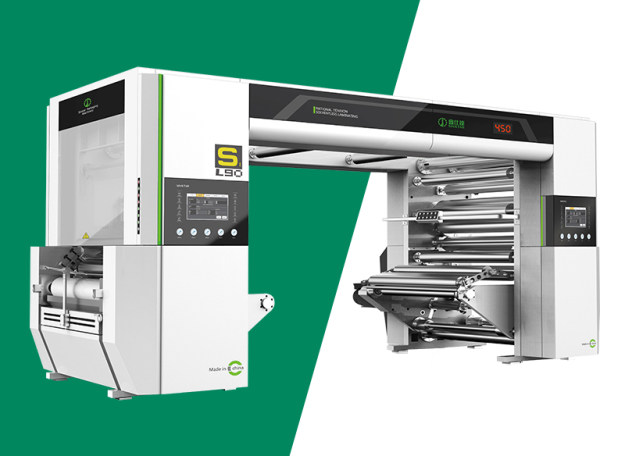
solventless lamination machine

Why Choose Solventless Lamination Machine

The lamination machine adopting safety, healthy and environmentally friendly process is more and more required, which is the reason why solventless lamination machine is developed rapidly all over the world.

1.It adopts 100% adhesive, no solvent residue, reducing the pollution of packaging contents, especially food, drugs, etc. There is no volatile solvent emissions in the production, and there is no pollution on the atmospheric environment.

2. Higher running speed. The speed of the solventless laminating machine can be as high as 480m/min, with no risk for fire and explosion.

3. Less adhesive consumption. Solvent-free lamination machine has Lower production cost than solve machine. Gluing and total cost have a certain decrease.

4. The solventless laminator has lower energy consumption. Since the usual drying system is not adopted, energy consumption can be significantly reduced.

5. Better return on investment. The investment efficiency of the solventless machine is doubled than the solvent-based laminating machine.

6. Reduce the danger of storage for organic solvent transportation.

Working Principe Of Solventless Lamination Machine

The glue of the solvent-free laminating machine is AB glue. Currently, the laminating structure of thin layer laminating thick layer, aluminized lamination, aluminum foil laminating, paper-plastic lamination. There is no solvent and no need to worry about solvent residue. It is greatly affected by the air temperature. The glue operability is only about twenty minutes. So the tension control and the winding taper have high requirements.

Sheet-fed gravure press adopts paper stack continuous sheet feeding and the web-fed gravure press adopts continuous feeding with web paper. There’re three types of arrangement of plate cylinder and impression cylinder, including vertical, horizontally, inclined and the plate cylinder is arranged below the printing portion. Generally, each unit has a printing cylinder and an impression cylinder. In order to increase the printing pressure, some are equipped with 2 impression cylinders.

The technical advantage of the solventless lamination machine is very obvious, with low glue cost and high efficiency, through the step-by-step method of the sample, small batch production, mass production, reducing risks and unnecessary losses.

How To Control The Coating Weight Of Solventless Lamination Machine

1. The effect of coating clearance on coating weight

The coating clearance of solventless laminating machine on the coating weight is very obvious and the coating clearance is various due to different solventless lamination machine manufacturers.

The material of the metering roller and the transfer steel roller are affected by temperature.

Bearing clearance of the coating roller. Bearing clearance of the metering roller. Stability of metering roller under mechanical vibration.

2. The effect of temperature on coating weight

The glue used by the solventless machine is highly affected by temperature. With the different temperatures of solventless lamination glue, the fluidity and viscosity of glue will change greatly. At the same time, The phenomenon of heating expansion and cooling contraction occurs in the coating roller and metering roller with the temperature changing of the gluing, which affects the coating clearance.

3. The effect of transfer rubber roller on coating weight

The hardness, proper alignment, smoothness of the transfer rubber roller directly affects the coating weight.

The corrosion resistance of the transfer rubber roller directly affects the coating weight. The pressure on the transfer rubber roller directly affects the coating weight.

4.Effect of the coating mechanism rotating speed on the coating weight

The coating weight adjustment of the solventless laminating machine is to adjust the ratio of the coating roller and the transfer steel roller. So the linear speed stability of the coating roller and the transfer steel roller will greatly affect the coating weight.
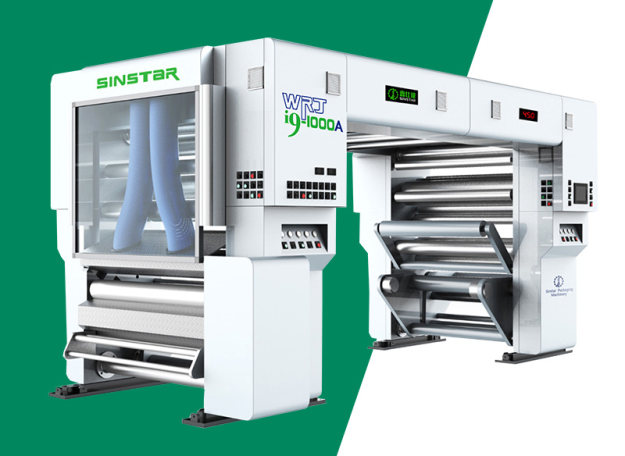
solventless laminator

What Are Important For The Use Of Solventless Lamination Machine

1.High control accuracy

The solvent-free machine requires high accuracy control because that the solventless glue substantially has no initial adhesion. There is a considerable high requirement for the soventless laminator tension control and high control accuracy for the coating unit.

2.High accurate production process

A solventless laminator requires precise control for the process settings such as operating temperature, tension match, and coating weight. For different product structures, different production processes are required.

3. High requirement for operator

A qualified operator of a solventless laminator needs good work responsibility and excellent operation skills.

4. Widely applicable structure

Early solvent-free lamination can only be applied to the composite of simple plastic to plastic. With the continuous improvement of the adhesive and the continuous maturity of the operating process, aluminizing film and some multi-layer structural products can also be produced. But for some highly rigid materials, there will be further developed.
What Are Rubber Fenders And Why Select To Pretect Ship

The rubber fender has the characteristics of good elasticity, high engine absorption, convenient maintenance, long service life and facilitating large batch production with wide applications worldwide. Rubber fenders can not only protect ships and terminals but also reduce horizontal loads for the terminal, improving the berthing capacity of the wharf.

Types, Features, And Applications Of Rubber Fenders

1. Circular rubber fender

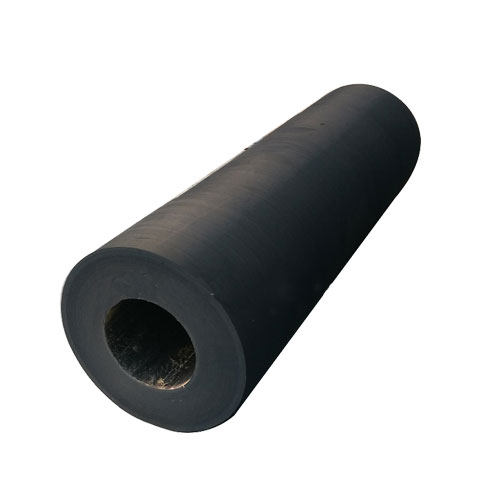
Circular rubber fender also known as Y type fender, The characteristics are low reaction force, small in surface pressure, reasonable energy absorption, with wide applications and convenient installation and maintenance, especially suitable for vintage terminals.

circular rubber fender

2. D-type ( semicircle) rubber fender

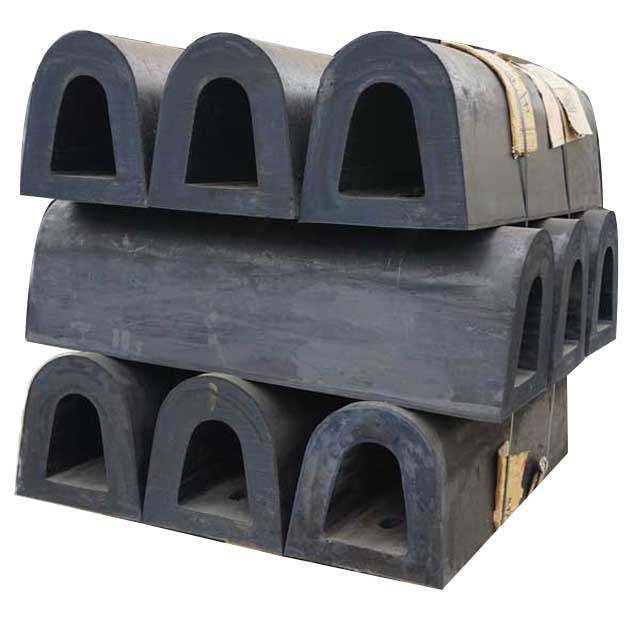
The D type rubber fender has a semicircle shape. It has the features of moderate reaction force, higher sucking energy than cylindrical fender, more convenient installation. Due to the small width bottom size, it is especially suitable for a frame-style wharf.

rubber D fender

3. DO type rubber fender

The DO type rubber fender has a larger reaction force and energy absorption than the D type. Installation strength and service life are greatly improved than D type fender, suitable for frame-style terminals.

4. Super arch (V-type) rubber fender

The SA super arch fender is also known as V type rubber fender with moderate reaction force, high suction energy, firm and convenient installation.

SA super arch fender

5. DA type rubber fender

DA type rubber fender has the characteristics of high suction energy and low reaction energy. The products have higher stress dispersibility, long service life. The front end is equipped with a defense board to reduce the surface pressure. It has various installation methods, more convenient.

6. Super cell(SC)rubber fender

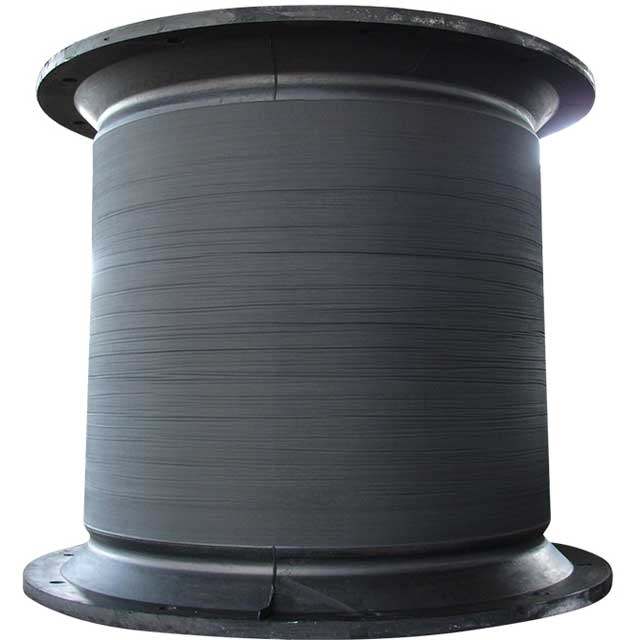
Super cell rubber fender also known as SC type rubber fender, has a drum shape. The main characteristics are low reaction force, large suction energy. The tilt compression mechanics property reducing is little. The installation is convenient. It is widely used for large and medium-sized wharfs.

Super Cell rubber fender

Transportation And Storage Of Rubber Fenders

Transportation

1.The rubber fenders are transported by automobile.

2.Fender in the loading and unloading process, it should take the correct hoisting method. The rubber fender should be kept clean and do not hit. The fender should be placed firmly.

3. It should ensure the fender cargo is not unshifted, not loose in the entire transportation process.

4.After that the fenders are transported to the designated site, unload the cargo with suitable lifting equipment to avoid damage and collision.

Storage

When the rubber fender is stored, it should avoid direct sunlight, rain and snow and prevent contacting with acid, alkali, oils and organic solvent, 1 meter from the heat source. The inventory temperature is maintained at -15°C -40°C and the storage area is approximately about 400 square meters.

What Should Be Paid Attention To In The Daily Inspection Of Rubber Fenders

Concerning some things that should be paid attention to during the use of marine rubber fenders, the daily maintenance and inspection work must be done well.

1. Pay attention to check whether the fender is damaged and the air pressure is normal.

2. Check whether the surface of the fender rope has sharp things which will cause damage to the rubber fender.

3. Check whether the foot bolts of the fender and the bolts which fix the impingement plate are loose. If there is a loose, after tightened,it should fix the fixed bolt and pads through the welding method.

4. Check whether the impingement plate has the phenomenon of depression, cracking, corrosion, in order to prevent getting rust, the anti-corrosion treatment should be carried out once a year as much as possible.

5 Check whether the impingement plate has an anteversion which will easily be caused by the accumulation of materials on the inner side of the impingement plate.

6. Check whether there is scratching on the impingement plate, if so, it should be replaced in time.

7. Check whether the rubber elastic parts which will be lifting the impingement plate have an abnormality, timely treatment and replacement should be done for any abnormality.

Rubber fender used as a protection tool in wharf, all ships should be equipped with marine fenders, which can guarantee personal safety on board.

Useful Knowledge For Marine Anchor

A marine anchor is an indispensable device for ensuring ship safety, which is used to stabilize the ship when the ship is not parked or mooring without a buoy. When some ships enter the berthing area, the anchor will be thrown into the water for steady berthing.

Why Marine Anchor Used For Smooth Boat Berthing

How does an anchor can stabilize a ship? Because the anchor is sinking to the bottom, which will generate a huge grasp force, and the gravity of the marine anchor chain itself is large enough. The ship will be fixed.

When the ship needs to be temporarily moored, the ship anchor will be thrown out. An extra length of the anchor chain will be put to more close to the bottom of the sea. As the anchor is slowly sinking, the fluke of the anchor will have contact with the underwater bottom. At the same time, the anchor fluke under the seabed will be subject to a horizontal tension force. Under the dual role of tension force and gravity, the anchor is slowly inserted into the seaside, which is getting stronger and ensures stable berthing and water safety.

The anchor chain is also very important, the total weight of the anchor chain is much larger than the anchor. The length or the anchor chain is several times larger than the water depth, and there is a relatively long anchor chain is lying on the water bottom, and the underwater also has a great friction resistance to the anchor chain.

marine anchor

How To Select The Anchorage

When the boat anchor is thrown, the boat cannot be started and control normally and will be drifting everywhere, so a safe and suitable anchorage should be selected before throwing, surveying its topography and choosing the appropriate mooring area.

The selected anchorage ground should have the appropriate water depth, no large waves, good shielding.

1. When the anchor station is selected in the deepwater area, the largest water depth of the anchorage generally does not exceed 1/4 of the total length of the anchor chain. Otherwise, the anchorage grasps will be affected.

2. The geological and terrain of the anchorage should be good, with moderate soft and hard bottom and clayey seabed, so that the anchor grasp force is better.

3. It is best that the terrain around the anchorage can provide a natural barrier to the vessel, which makes the anchor to get better into the underwater bottom, becoming more secure, so that the ship has stable berthing.

4. The anchorage should also be away from the channel, the water area and there is no cable below.

Main Types Of Marine Anchor

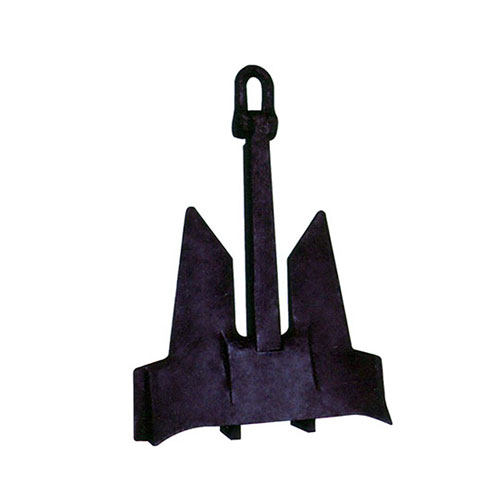
1. Danforth anchor

Danforth anchor is the first generation of high holding power anchors and belongs to stockless anchors with a large grasping weight ratio and rodent area. The gripping bottom is deep and numerous, and the grasping force is extremely large. But the anchor fluke is easily broken and the storage is inconvenient, not suitable for transportation boats.

danforth anchor

2.Bohr anchor

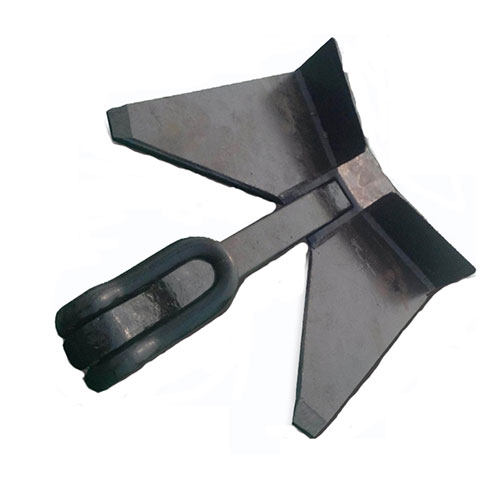
The Bohr anchor is also called TW type anchor or N type anchor. It has more than 2 times the holding power of the conventional anchor of the same weight. The anchor has large flat flukes made out of high tensile steel plate material. It is used as a bow anchor when sailing.

It is designed to fit into small anchor pockets on modern ships and the hollow flukes are welded from two plates to create strong anchoring performance under various circumstances.

TW type anchor

3.Hall anchor

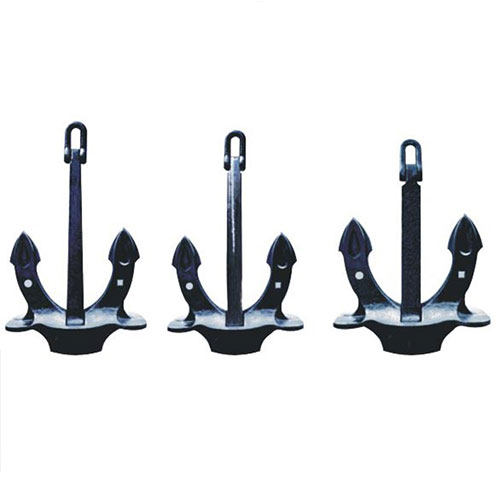
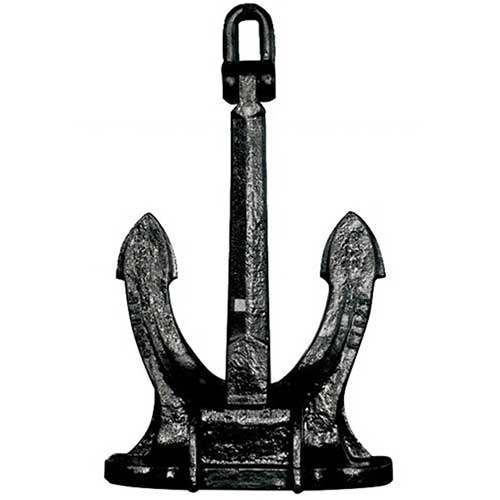
Hall anchor is also known as the mountain anchor, which is a stockless HHP anchor, free to rotate, inclined to stock. The anchor head and the anchor fluke are a whole casting. When a lying anchor is contacted with the underwater bottom through any side of the anchor, the resistance generated by the anchor head strip friction discharge soil is forced to generate the grasp force of the anchor.

hall anchor

4.Spek anchor

The Spek anchor is a modified Hall anchor. Plate and reinforcing rib are installed at the anchor crown. Therefore, the fluke of the anchor is easy to turn to the ground with high stability and when stores the anchor, the anchor fluke naturally facing up. Moreover, in contact with the boat shell, it will not damage the boat shell plate.

Spek anchor

5.AC-14 anchor

AC-14 anchor is a stockless HHP anchor with a wide anchor crown, thick and long flukes, and longitudinal ribs. It is available in a self-colored finish or in a galvanized finish. Its design provides excellent weight to performance ratios. The lighter weight which is 25% weight reduction compared to conventional anchors and high holding power makes it good stability and then it is commonly used as the main anchor on large container ships, supertankers. It has an excellent performance in a variety of soils.

AC-14 anchor

What is A Cqstart Mechanical Spring Starting ?

The Spring Starter has been in use for over 30 years; there are over 30,000 mechanical starters in service Worldwide.

Meet the Mpring Starter

Cqstart Spring Starters are mechanical starters that use energy stored in a high-tech spring pack which is manually wound up and charged for instant release when required to start an engine.

Kinetico spring starters require no external power systems, unlike their electric, air (pneumatic), or hydraulic counterpart systems.  They are simple, compact, and dependable, and often the preferred choice for backup starting.

Mechanical Spring Starter does not require electricity, compressed air, or hydraulic pressure to operate, it does not require batteries, alternators, regulators, and wiring. If electricity is needed, it can be added to an existing alternator using a conversion kit or use a self-excited alternator.

How Cqstart Spring Starting Works?

It is safe and easy to use as a Cqstart spring starter. The user can safely start the spring starter by winding the starter with the provided crank handle.The spring starter converts the stored potential energy (in the form of a wound spring) into rotational kinetic energy, which is used to flip and start the engine. The spring is wound by a simple hand crank. Release energy by pushing the lever on the starter.

Benefits of Spring Starters

  • Guaranteed to start. Manual operation can ensure that the engine start is not affected by prolonged shutdown, humidity, cold or harsh environment.
  • Reliability. Most spring starters can still be used normally after decades of use without rusting.
  • Save space and weight. The lightest starter weighs only 18 kg and weighs less than 50% of the traditional electric starter.
  • Operator safety. The crank will not fly off or kickback during operation, and the motor can be unwound if not required.
  • Easy to use. The spring starter only needs to manually turn the crank to start, and the installation is quick and convenient.
  • Reduce battery costs. For some applications, you may not need batteries at all, such as pumps, welders, and generator sets.

Why Choose the Flake Ice Machine?

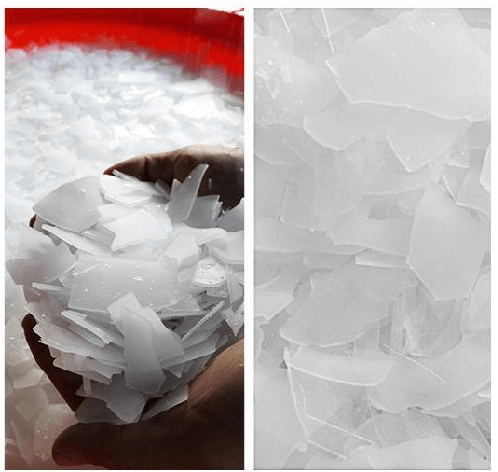
Ice is a common coolant used in fisheries. Maybe what you don’t know, however, is that the type of ice you’re using could seriously damage your catch and reduce profits. Not all ice is created equal because different ice functions differently, and flake ice is ideal for keeping fish and seafood from spoiling because it cools evenly. So the importance of flake ice machines in fisheries is clear.

Why is a flake ice machine so important?

The moment a fish is caught and out of the water, the process of decay begins. The spoiling process is largely dependent on temperature, and according to scientific research, no other factor has a greater impact on seafood freshness than temperature. Higher temperatures speed up this process, while cooler temperatures significantly slow it down. To keep the fish fresh, it needs to be kept at temperatures around 0°C. Even a slight increase in temperature to 4°C will double the rate at which your seafood spoils. So the colder the ice, and the more uniform it is, the longer your fish will survive.

Advances in modern refrigeration technology have made light-sheet ice makers much lighter and smaller, and can be mounted on any fishing boat. This gives fishermen more control over where and when they catch their fish. The length of their journey is no longer limited by the amount of ice the port can hold or how long the ice can hold their catch. With a quality flake ice machine, no matter when you dock, the fish you catch is as fresh as the day you caught it.

Where could the flake ice machine be used? 

In recent years, fishermen have made increasingly long fishing trips to reduce nearshore fishing and consume these resources. However, longer fishing trips mean they have to dispose of the fish properly. For this reason, a sheet ice maker is needed on board to keep the fish cold longer to keep them fresh, which is crucial for preserving your catch and making more money.

Flakes of ice are everywhere in the chain, from fishing boats to processing plants, from storage facilities to the seafood department of a local grocery store. So is flake ice machine. Seafood products must be properly handled and preserved during processing and transportation. Countries have very specific guidelines for dealing with raw seafood to ensure its safety and freshness. One of the guidelines is to ensure that seafood is transported uninterrupted during processing from processing plants to storage facilities and finally to local grocers or fishmongers to avoid the accumulation of unfrozen fish. Processing plants and shipping companies rely on land-based sheet ice makers to meet their ice needs at every step.

Chongqing Mercurius Refrigeration Equipment Co., Ltd. – ICENICE is specialized in the R&D, production and sales of flake ice machines, cube ice machines, tube ice machines and ice delivery systems.

Ice Screw Conveyor System VS Tracked Ice Conveyor System

Ice conveyor is a kind of machine which combines the functions of automatic ice making, storage, and transportation. The ice conveying system includes production and automatic storage, external conveying, weighing, etc.

The system of ice conveyors is very important for the realization of its functions. Now there are two main systems: Ice Screw Conveyor System and Tracked Ice Conveyor System

Ice Screw Conveyor System

Ice Screw conveyors in modern industry are often used horizontally or at a slight incline as an efficient way to move semi-solid materials, like flake ice. In the use of an automatic spiral ice conveyor, ice transportation is completed by wind or spiral. Machines using this system can attach to refrigeration equipment for cold air blowing ice over long distances.

Refrigeration equipment could be equipped with the wind to blow the ice in the long-range cold wind.

Spiral channels are relatively more suitable for the short term. However, additional valves can be used for multiple deliveries, and the use of the quantity hopper can achieve the function of quantitative supply. So the ice delivery could be supply the ice on spot, on time and inaccurate quantity.

Automatic spiral ice storage and delivery system are widely used for hydropower, nuclear power, and important concrete works for bridge-building, etc. Storage capacity is increased to a space size of 48m3 with 20 tons of ice storage. High device security and low failure rate guarantee high reliability in continuous work. System control nodes are reduced which results in easier operation.

Tracked Ice Conveyor System

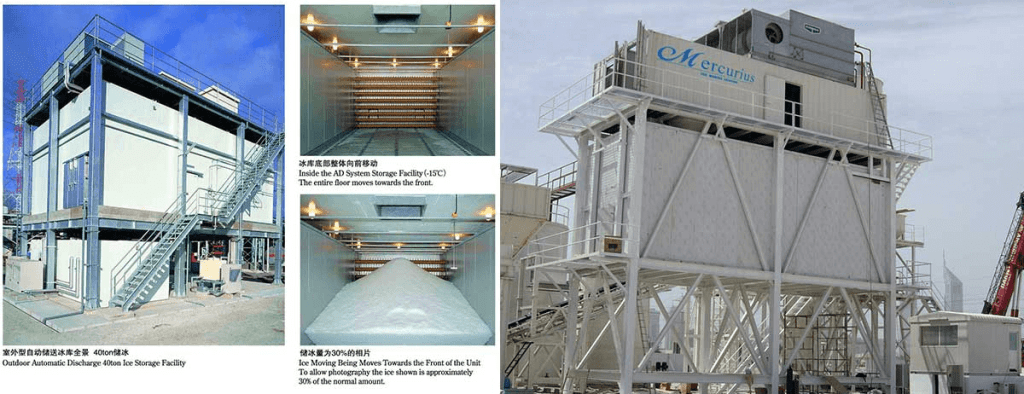
The tracked ice conveying system has a double layer of insulation, so the temperature in its interior room is kept at about -10℃; The whole block of ice sits on the ice bank and moves along with the tracks, passing through the ice breaker structure, where it is broken up to provide a continuous supply of ice. The ice at the base of the track also moves forward, so there is no accumulation or freezing. A good drainage system keeps ice storage stable for a long time; The main structure is made for zinc-plated antirust steel. Lubricating oil for axles meets the standards of FDA and USDA. All comply with industry usage regulations.

The Difference Between the Two Systems

ItemTracked Ice Conveyor SystemIce Screw Conveyor System
Ads and Disads of Structure1.Less wearing parts
2.Stable system operation and low failure rate
Low operating cost
1.Short maintenance cycle, more convenient replacement of parts
2.only be transported in a short distance
Ads and Disads of the heat insulation form1.There are cold air passageways around the steel structure of the icehouse, so the insulation of the icehouse is uniform, there will be no dead corner, and the ice will almost never melt;
2.The ice does not melt, so there is no water leakage;
3.Large insulation area and high cost.
1. No insulation form, only used for short distance ice delivery
Ads and Disads of ice production1.The ice in the ice storehouse moves out of the ice as a whole, so there is no old ice.
2.With an ice breaker, even hardened old ice can be transported out normally. Ice can also be transported out normally.
1.Because of the spiral out of the ice, there will be some ice that can not be sent out in time
2.Ice can be sent to multiple operating points at the same time

If you need to convey ice for a short distance, please choose an ice conveyor with Ice Screw Conveyor System; If you need to use ice steadily and continuously, the machine with tracked ice conveyor system would be your best choice.

Chongqing Mercurius Refrigeration Equipment Co., Ltd. – ICENICE is specialized in the R&D, production, and sales of the ice conveyor. And we also offer some machines related such as cube ice machines, tube ice machines.

How to Choose a Flake Ice Machine?

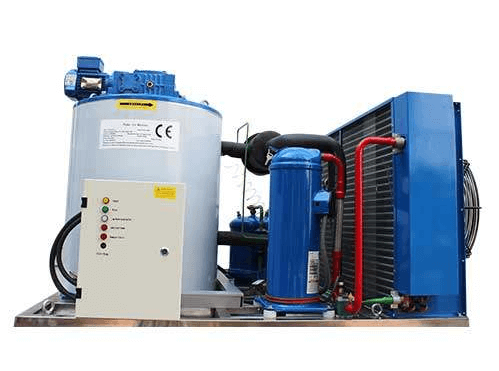
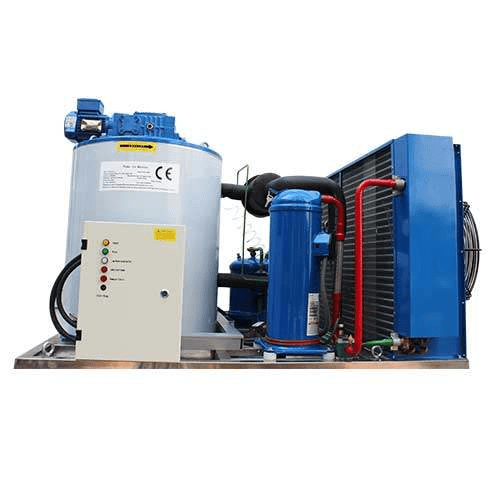
Before choosing a flake ice machine, first understand the working principle of the flake ice machine:

1. The compressor suctions and compresses, compressing the refrigerant into a high-temperature and high-pressure liquid state

2. After the condenser is cooled

3. The expansion valve throttles and evaporates

4. The heat exchange of the ice bucket makes the water flowing through it quickly freeze into ice. Compressor, condenser, expansion valve, and evaporator (ice bucket) are the four major parts of ice making. To buy a flake ice machine, you must understand the equipment configuration, choose a strong ice machine manufacturer, and choose a flake ice machine brand with a good reputation in the industry.

Choose first-class brand refrigeration accessories

  1. The compressor is the power component of the flake ice machine, accounting for 20% of the cost of the flake ice machine. Be sure to choose brand compressors, reliable quality, and industry-recognized compressors. For example, Bitzer of Germany, Copeland of Germany, Danfoss of Denmark, and Shanghai Hanbell are all international brand compressors recognized by the industry.
  1. The evaporator is the ice component of the ice maker. The quality of the evaporator is related to the output and the quality of ice. Generally, the evaporator is made of carbon steel, aluminum alloy, and stainless steel. Stainless steel is not easy to rust, but it is expensive. Tips, the evaporator must be an ice maker manufacturer and can independently produce and design the evaporator to ensure quality and after-sales service.
  1. The cooling method of the ice maker is divided into water cooling and air cooling, and the condensation efficiency will affect the output of the ice maker. The cooling method of the water tower is efficient, but the water source is sufficient and the water consumption is serious. Air cooling has a small footprint, does not require water, and has good cooling efficiency. Generally, small ice-making machines use air cooling, and large ice-making machines use water tower cooling.
  1. The expansion valve is known as a capillary. Through refrigerant throttling, the normal temperature liquid refrigerant evaporator is turned into a low-temperature vapor state, creating low-temperature conditions for the evaporator to freeze. Choose industry-recognized brands, such as Danfoss, Emerson and other first-line international brands of expansion valve have a good reputation.

The Real Strength is Always Judged From Its reputation.

A strong manufacturer, the flake ice machine is guaranteed. Manufacturers can customize according to customer needs to adapt to the needs of different scenarios. The editor recommends Mercurius Refrigeration Equipment Co., Ltd an ice machine manufacturer, which is an enterprise specializing in R&D, design, production and sales, engineering installation and after-sales service of ice machines. The company is located in Xipeng Town, Jiulongpo District, Chongqing City 401326, P. R. China covering16,000 square meters which have complete processing from Blanking, Welding, Annealing, Machining to Chrome plating, Purging, Assembling and Test Running. The company independently designs and produces ICENICE brand Flake ice machines, Flake Ice Evaporator, Block ice machine, Ice Delivery System, Tube Ice Machine, Cube Ice Machine other ice making equipment. Efficient company operation mode, quality control management with everyone’s participation, international first-line brand raw materials,  ice-making equipment has been fully recognized by the market, and 260 dealers have been developed nationwide.

ICENICE is specialized in the R&D, production, and sales of flake ice machines, cube ice machines, tube ice machines, and ice delivery systems. The ice machine is well recognized by consumers. And it has been supplying the evaporators, core part of flake ice machine, and dozens of the ice delivery systems for domestic and foreign ice machine manufacturing companies for years, directly for via dealers.

How to Maintenance a Flake Ice Machine?

Flake Ice Machine is commonly used in the seafood producing process, from storage facilities to the seafood department of a local grocery, the flake Ice Machine is playing a vital role to keep the food fresh. In the instrument industry, precision components factory provides parts processing, need to consider the corresponding technology and efficiency, as well as the detailed process. So how to ensure the factory processing efficiency of precision parts and how to do precision parts processing well? Let’s take a look at the following guide.

  • Routine Maintenance Operation Steps
  1. The appearance of the flake ice machine unit is hygienic and clean, such as the cleaning of the evaporator, compressor, and condenser. Especially for the cleaning of air-cooled condensers, too much dust can easily block the suction radiating fins and cause condenser failure.
  2. Frequently clean the scale inside the water tank, the water divider, and the evaporator, which is very important for the hygiene of the ice flakes produced.
  3. Check that the water pipe of the drip tray is unobstructed.
  4. Check whether the lubricating oil level of the reducer is normal and whether the fixing bolts are loose.
  5. Check whether the full-ice through-beam photoelectric switch at the bottom of the ice bucket is normal and must be in the same straight line.
  6. Replace the gear oil of the reducer once a year.
  7. Please clean the inner wall of the evaporator with a soft cloth every two months on average. The water distribution tray, water tank, brine pump, and water tank are cleaned every 15 days.
  8. The air-cooled condenser is cleaned once a month.
  • Special Maintenance and Cleaning Precautions

Thorough cleaning and maintenance must be carried out by our maintenance personnel or trained personnel. When disassembling the ice machine, please put all the parts away and disassemble and debug according to the drawings. During the cleaning process, attention should be paid to empty the ice flakes in the freezer. Avoid contamination of cleaning agents. The cleaning steps are as follows:

  1. Cut off the power supply.
  2. Prepare the container for the preparation of the cleaning agent, and purchase the algae killing solution to prepare it with water.
  3. Pour the cleaning agent slowly into the water tank and close the water supply valve of the water inlet pipe at the same time.
  4. Connect the power of the machine, let it run for about 10 minutes, and cut off the power.
  5. Then drain the sewage, open the water supply valve to enter the water, and then connect the power supply to wash with clean water for 5 minutes, and then replace the sewage.
  6. Pour the disinfectant into the water tank, run for about 5 minutes, and replace the disinfectant.
  7. Finally, rinse with clean water, lock the water tank, and wipe it clean.

Flake ice unit maintenance and maintenance play a key role in the performance and life of the equipment. The flake ice machine should have dedicated personnel for maintenance and management. Customers should pay attention to the training of new personnel after the change of maintenance personnel to ensure that the operation, maintenance, and maintenance of the flake ice machine are performed well, and to avoid accidents and losses caused by misoperation.

Why Select High Performance Tungsten Carbide

carbide products

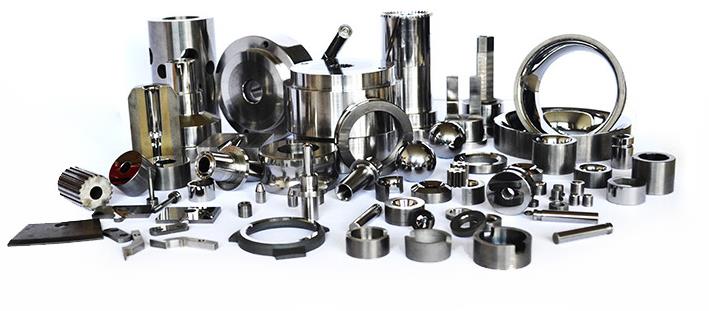
The tungsten carbide is an alloy which has the main component of powders including tungsten carbide, titanium carbide and metal powder such as cobalt, nickel, etc, as an adhesive, obtained through the powder metallurgical method. It is mainly used to make high-speed cutting tools and hard, tough material cutting edges, and high wear parts for fabrication of cold dies, measuring tools.

Mechanical And Physical Properties Of Tungsten Carbide

1.Wear resistance

The wear resistance of the tungsten carbide is its most important feature. In practical applications, carbides are 20-100 times longer than some wear-resistant steel alloys.

2.Bending resistance

The sintered carbide has a high elastic modulus and the smallest bend is obtained when subjected to bending force.

3.Corrosion resistance

It is usually used in many chemical and corrosive environments because carbides are typically chemically inert.

4.Torsional strength

The amount of torsion is two times than the high-speed steel and the carbide is the preferred material for high-speed operation applications.

5.Compressive strength

Some grades of cobalt carbide and cobalt have perfect performance under ultra-high pressure and is very successful in pressure applications of up to 7 million kPa.

6.Toughness

Cemented carbide grades with high binder content have excellent impact resistance.

7.Low temperature wear resistance

Even at an extremely low temperature, the carbide remains good to wear resistance and provides relatively low friction coefficients without using a lubricant.

Applications Of Tungsten Carbide

Cutter tool

Tungsten carbide cutter tool is the widest application, used for making lathe tool, milling cutter, planner tool, drilling bit, etc. Among them, the tungsten cobalt carbide is suitable for black metal, non-ferrous metals, processing of non-metallic materials, such as cast iron, cast brass, colloidal wood, etc. Tungsten titanium cobalt is suitable for long chip processing of steel and other black metals. In the same alloy, what has more cobalt content suitable for rough machining, what has less cobalt content suitable for fine machining.

Mold material

The cemented carbide is mainly used for cold wire drawing dies, cold stamping dies, cold extrusion dies, and other cold work molds.

Under the wear-resistant working conditions of the impact or strong impact, the tungsten carbide dies are required to have good anti-polishing toughness, fracture toughness, fatigue strength, bending strength, and good wear resistance.

In general, the relationship between the wear resistance and toughness of the carbide is contradictory, the increase in wear resistance will result in a decrease in toughness, and the increase in toughness will inevitably lead to a decrease in wear resistance. Therefore, when choosing a tungsten carbide grade, it is necessary to meet specific usage requirements based on the processing objects and machining conditions.

If the selected grade is easy to produce early cracks and damage, it is advisable to use the grade with high toughness. If the selected grades are easily damaged as the wear, it is appropriate to choose a grade with a higher hardness and better wear resistance.

Measuring tool and wear parts

The tungsten carbide is used in the easy to wear surface inlay and parts of the measuring tool, grinding machine precision bearing, the wear parts such as guide plate and guide rod of centerless grinder, lathe center.

Heat Treatment Of Tungsten Carbide

The hear treatment process of tungsten carbide can be divided into four basic stages

1.Removal of the molding agent and the pre-sintering

In the initial stage of sintering, the molding agent gradually decomposes or vaporizes, excluding the sintered body, while at the same time, molding agents carburize sintering and the amount of carbon will vary depending on the type, quantity and the sintering process. The powder surface oxide is reduced, and hydrogen can reduce oxides of cobalt and tungsten at a sintering temperature. When the reaction between carbon and oxygen is not strong, the contact stress between the powder particles is gradually eliminated. The bonding metal powder begins to generate reply and recrystallization and the surface diffusion begins to occur. The strength of the block is improved.

2.The solid phase sintering stage (800°C – eutectic temperature)

In the presence of the liquid phase, in addition to the process of continuing the previous stage, solid-phase reactions and diffusion exacerbating with plastic flow enhancement, and the sintered body appears obvious contraction.

3. Liquid phase sintering stage (eutectic temperature – sintering temperature)

When the liquid phase of the sintered body occurs, the contraction is quickly completed and then a crystallization transition is generated. The basic organization and structure of the carbide are formed.

4.Cooling stage (sintering temperature – room temperature)

At this stage, the organizational and phase components of the tungsten carbide have certain changes with the different cooling conditions, which can utilize this feature, heat treatment of the cemented carbide will improve its physical-mechanical performance.

High performance tungsten carbide has excellent mechanical and physical properties including high wear resistance, corrosion resistance, bending strength, torsional strength, etc, widely used for the making of cutter tools, cold mold, wear parts, etc. The article also briefly introduces the four basic stages of tungsten carbide heat treatment which can improve physical mechanical performance of the cemented carbide.

Prepararion Work And Heat Treatment For Tungsten Carbie Precision Part Machining

tungsten carbide precision parts

Tungsten carbide precision part machining technology is more and more widely adopted. It is essential and important in the precision part factory. The article mainly introduces useful knowledge about carbide precision part processing, such as four preparation work, heat treatment of the precision parts.

Four Preparations Must Be Done For Machining Tungsten Carbide Precision Part

There are three preparation stages when performing carbide precision parts machining.

1.Preparation stage

Before the precision machining of tungsten carbide, you need to analyze the pattern of processing parts, then determine the machining scheme, such as a process, selecting machine tool, processing cutting volume, tool, fixture, etc, and calculate the coordinate value of the tool path. It is worth spending some time for these necessary preparations, which can make your tungsten carbide parts machining are more smoothly completed.

2.Programming stage

After getting the process route and drawings, we need to write a CNC machining program language describing the processing based on the processing technology information, which can be identified by the system. Do a good job in programming, which isone of the key steps for precision parts machining.

3. Machining stage

When the program is executed, the machine tool system decodes, registers, and calculates the program, and sends a motion command to the machine servo mechanism, driving the moving parts of the machine tool automatically completing the precision parts processing.

The above three preparation stages are the indispensable steps before processing precision parts, which is a process from the drawing to the machining.

Points For Attention In Heat Treatment Of Tungsten Carbide Precision Part

In order to improve the performance of tungsten carbide precision parts, material cutting performance and eliminate the internal stress of the workpiece, some heat treatment procedures should be arranged in the machining process.

1. Preparatory heat treatment

The purpose of pre-heat treatment is to improve the cutting performance of the material, eliminate residual stress during blank manufacturing. Commonly used methods include annealing, normalizing.

2. Eliminate residual stress

Since the internal stress generated during the fabrication of the blank will cause the workpiece to deform and affect the machining quality, heat treatment must be arranged to eliminate residual stress. The best arrangement of the heat treatment for eliminating residual stress is after rough machining and before fine finishing. For parts that do not require high precision, annealing is usually performed before the blank enters the workshop to eliminate residual stress. For high-precision cemented carbide parts, such as precision screws, precision spindles, multiple heat treatments should be arranged to eliminate residual stress, and even ice-cold treatment is often used to stabilize size.

3.Final finish

The purpose of final processing is to increase the strength, surface hardness and wear resistance and is usually performed prior to grinding of tungsten carbide precision parts. Commonly used are quenching, carburizing, nitriding and carbonitride.

Therefore, in the tungsten carbide part machining, in order to improve the mechanical properties of the precision parts, heat treatment is essential, so that the processing quality conforms to the product requirements.

通过 WordPress.com 设计一个这样的站点
从这里开始