3 Tips To Know Marine Mooring Bollard Quickly

Properly designed, installed, and maintained marine mooring bollards contribute to safe, efficient, and dependable vessel mooring. Mooring bollard is important for the smooth functioning of marine operations.

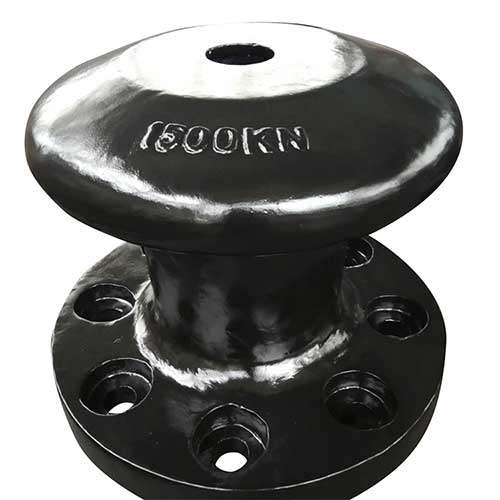
Marine Mooring Bollards Made of Various Materials

Marine mooring bollards can be made from a number of materials, depending on criteria such as predicted loads, weather conditions, and durability requirements.

Curved dock bollard

Steel

Steel is a preferred material for marine mooring bollards due to its high strength, durability, and resistance to corrosion. Steel bollards are typically constructed of cast or fabricated steel and can withstand heavy loads as well as harsh climatic conditions. Steel bollards are commonly utilized in heavy-duty applications that include large vessels and heavy mooring loads.

Cast Iron

Cast iron is another material utilized in the construction of marine mooring bollards. Cast iron bollards are well-known for their high load carrying capability and durability.

Ductile Iron

Ductile iron, commonly known as nodular iron, is a form of cast iron that has higher tensile strength and ductility than standard cast iron. Ductile iron bollards are perfect for marine mooring because of their great strength, endurance, and corrosion resistance. Ductile iron bollards are commonly utilized in mooring operations involving strong loads and adverse climatic conditions.

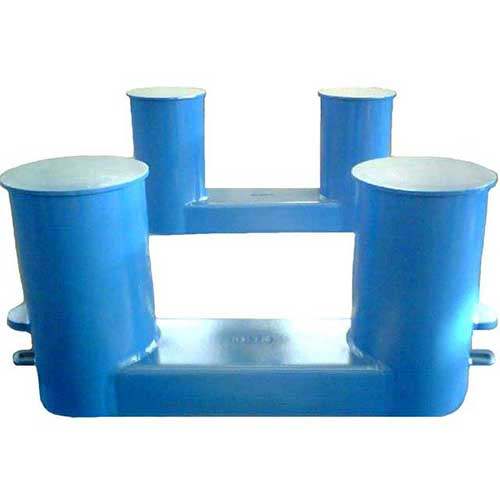
Double Bitt Bollard

Functions of Marine Mooring Bollards

Safety

For vessels to be safely moored to docks, piers, or other maritime constructions, marine mooring bollards are required. They provide a reliable means of fastening vessels, preventing them from drifting or moving accidentally, which can lead to accidents, collisions, and damage to the vessels or marine structures. Mooring bollards that are correctly built, placed, and maintained ensure the safety of nearby vessels, crew, and workers.

Vessel Restriction

Marine mooring bollards are used to prevent ships from drifting or moving unintentionally. They serve as fixed locations for mooring lines or ropes, preventing the vessel from drifting away or moving along the dock or pier.

Distribution of Loads

Marine mooring bollards distribute mooring loads evenly across the vessel’s structure, avoiding stress concentrations and the potential of hull or deck damage. They help distribute the weights exerted on the vessel during mooring operations, lowering the risk of overloading and structural damage.

Shock Absorption

The impact forces induced by vessel movement, waves, or wind loads are absorbed by marine mooring bollards, which also serve as shock absorbers. They provide a cushioning effect that aids in the reduction of unexpected pressures sent to the vessel and mooring lines, protecting both the vessel and the mooring system from excessive forces.

Flexibility

Marine bollards can be fitted to vessels of all sizes, types, and designs. They can be built and placed to meet specific mooring requirements, such as vessel size, mooring loads, environmental conditions, and operations requirements. This versatility allows for quick and safe mooring processes for a variety of vessels, from tiny boats to large ships.

Rapid Release Capability

Mooring bollards are designed to allow for the immediate release of mooring lines in the case of an emergency or unforeseen event. They are typically constructed with features such as horns or cleats that enable for the quick securing and release of mooring lines, which is an important safety factor for vessel mooring operations.

Kidney shaped bollard

Maintenance of Marine Mooring Bollards

Inspection

Regular visual inspection of mooring bollards is recommended to detect signs of wear, corrosion, or damage. Examine the bollard body, horns, studs, base plate, and attachment points for cracks, deformation, or other signs of deterioration that could compromise performance. Examine the mooring line connection points, bolts, and nuts.

Cleaning

Cleaning maritime mooring bollards on a regular basis is recommended to remove dirt, debris, and marine vegetation that can develop on the surface and impair performance or accelerate corrosion. Use suitable cleaning procedures and materials, such as brushes, water, and mild detergents, to clean the bollards without causing damage.

Corrosion Protection

Because of their exposure to hostile sea environments, marine mooring bollards are prone to corrosion. Anti-corrosion methods, such as anti-corrosive coatings or galvanizing, can help to extend the life and performance of the bollard. Follow the manufacturer’s recommendations and industry best practices for corrosion protection.

Lubrication

Lubricating moving parts, such as horns or studs, is critical for smooth functioning and wear prevention. To maintain the bollard’s performance, put appropriate lubricants on moving parts and follow the manufacturer’s lubrication plan.

Replacement or repair

During inspections, if any signs of wear, damage, or deformation are identified, the affected components should be fixed or replaced as soon as feasible. Damaged or worn components such as horns, studs, or bolts should be fixed or replaced with appropriate replacements to maintain the integrity and performance of the bollard.

Compliance with Standards

Check that the mooring bollards comply with relevant industry standards and regulations, such as ISO 3913 and PIANC recommendations, and that any suggested maintenance methods mentioned by the manufacturer or relevant standards are followed.

What Are Aerospace Fasteners

With the development of the aerospace industry, the demand for aerospace fasteners has increased rapidly. As aerospace fasteners are applied under an environment of high temperature, high pressure, and high intensity, their quality requirements are also particularly high. Here, we introduce some useful knowledge about aerospace fasteners.

Aerospace Nuts

The need for aircraft fasteners has increased dramatically as the aerospace sector has grown. Because aerospace fasteners are used in high-temperature, high-pressure, and high-intensity environments, their quality standards are exceptionally stringent. In this section, we will discuss some useful information concerning aircraft fasteners. A fastener is a type of mechanical device that connects two or more parts together. The scope of application is extremely broad. Aerospace fastener is a fastener that is specifically designed for use in the aerospace sector. It uses materials with unique qualities or applications.

Aerospace fasteners are commonly found in aircraft, satellites, and rockets. It is a standard high-end fastener. It is also a vital basic component of aerospace aircraft. The performance criteria are substantially higher than for other types of fasteners. There are several typesof aerospace fasteners, each with its own set of requirements and types to fulfill the unique needs of various materials and constructions.

What are the different types of aerospace fasteners?

1. Aerospace fasteners are divided as detachable and permanent fasteners based on their ability to be removed. Bolts, screws, and nuts are among the detachable fasteners. Permanent fasteners include high-locking nuts, rivets, and other similar items.

2. Aerospace fastener types include bolts, screws, nuts, single-sided fasteners, special fasteners, and so on.

3. Carbon structure steel fasteners, alloy steel fasteners, stainless steel fasteners, high-temperature alloy fasteners, aluminum alloy fasteners, titanium alloy fasteners, non-metal fasteners, and so on are the materials used in aircraft fasteners.

4. It can be split into single-sided fasteners and double-sided fasteners based on the variations in the requirements of the aerospace assembly operation.

Commonly used important aerospace fastener

Rivet fasteners

The most essential selection parameters for rivet fasteners used in aircraft are quality assurance and lightweight. It is one of the most common airplane fasteners. Aluminum alloy, stainless steel, heat-resistant alloy, titanium alloy, and other materials are used. The majority of rivets are made of composite materials such as aluminum alloy and titanium alloy. With the continual increase of rivet material intensity, support rivets used in corresponding vital sections, such as dual metal rivets and high shear rivets, have been created, and their strength can reach the intensity of titanium alloy high lock bolts.

rivet fastener

Bolt fasteners

The bolt fastener, which includes regular bolts, high lock bolts, and tapered bolts, is the most commonly used fastening for bearing the bigger sections of the aircraft. A high lock bolt is a single-sided thread fastener that is commonly used in the aerospace sector. Weight loss is an essential signal in airplane design. High-ratio intensity materials can be used to substitute large-sized fasteners with lesser intensity. Furthermore, anti-fatigue, corrosion resistance, rigidity, brittleness, compatibility, heat resistance, and other features must be taken into account.

Hexagon flange bolt

Nut fasteners

Nut fasteners are used in conjunction with bolts. They come in a range of structural forms to satisfy the needs of various aerospace applications, such as hex nuts, bihexagon nuts, bracket nuts, barrel nuts, and high lock nuts, the majority of which feature a self-lock construction. The hexagonal nut has been extensively used on the airplane. Bihexagon nuts are commonly seen on engine and high-strength bolts.

hexagon nuts

Single-sided fastener

In the open areas of the airplane, there are two types of fastening pieces. The bracket nut/bolt and rapid unloading fastener used in removable elements such as the airplane hatch is one example. The other is a single-sided nail, which is utilized in the permanent connection section. The screw thread nail is specifically created for the composite material structure, which can increase sealing and anti-fatigue performance.

Special fasteners

Ring grooved nails are a form of double-sided permanent fastener that is inserted with single-sided riveting. They are frequently utilized in Boeing and Airbus aircraft. The fast unloading fastener is mostly used to connect the cover to the hatch. It can perform fast loading and unloading duties and has a range of structural configurations. It has stringent reliability requirements. Composite fasteners, such as rivets, bolts, screws, and nuts, are formed of composite materials. It is a suitable aerospace fastener used to tackle problems in the aircraft such as weight, strength, corrosion, lightning strike, and other challenges.

How To Prevent Blowout

Blowouts are without a doubt the most dangerous and catastrophic possible disasters in the area of oil drilling. They can cause serious injury, even death, as well as large-scale, catastrophic production shutdowns and a negative influence on succeeding well output. Blowouts can have major consequences for the environment. It is critical to have a well-control system in place when working with high-pressure drilling activities. You can reduce your chance of a blowout by taking precautions and following control procedures.v

The term “blowout prevention” refers to a variety of activities, ranging from preventative measures taken on drilling rigs to prevent “kicks” — the unexpected and unwanted flow of formation fluids into a well — to the use of sophisticated Blowout Preventers (or BOPs) designed to seal off a well in the event of an impending blowout. Here are the steps of “how to prevent blowout during oil drilling

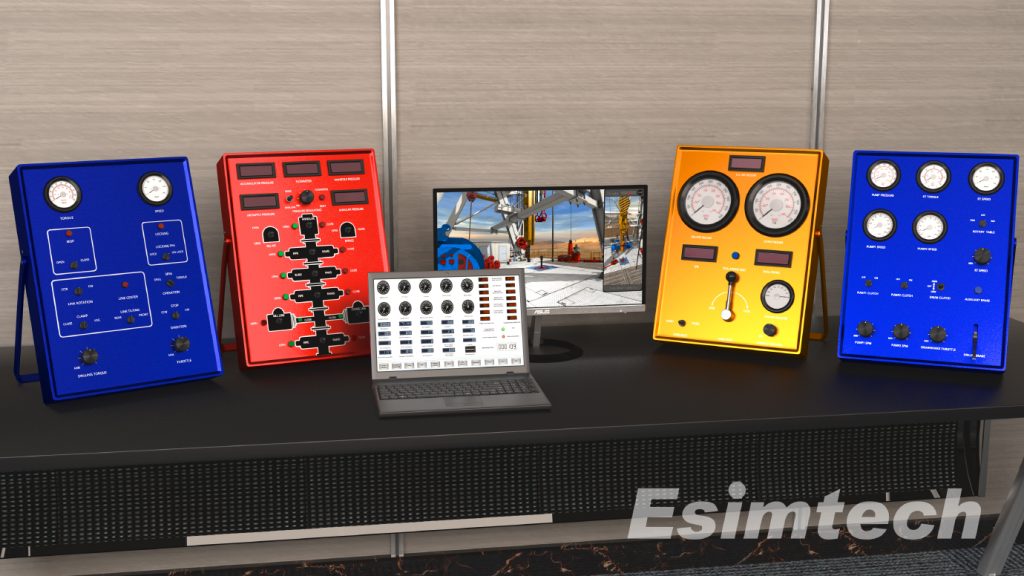
Portable BOP console

The first step in preventing blowouts is preparation.

In order to prevent kicks, drilling operators must balance the immense upward pressure of formation fluids going up the well with “drilling mud,” also known as drilling fluid, a viscous liquid that resembles mud and comes in a variety of densities. Bottom hole pressure refers to the downward pressure of the drilling fluid. It is a difficult but necessary task for drilling fluid engineers to monitor and be cautious to ensure that the pressures are balanced.

The Signs of a Wellbore Kick

Every oil field worker understands the importance of maintaining a steady fluid balance in the wellbore. When the amount of drilling fluid unexpectedly and drastically increases, it is a signal that something is really wrong and a kick is occurring. Knowing the indications of a wellbore kick can allow you to take proper action and avoid a blowout.

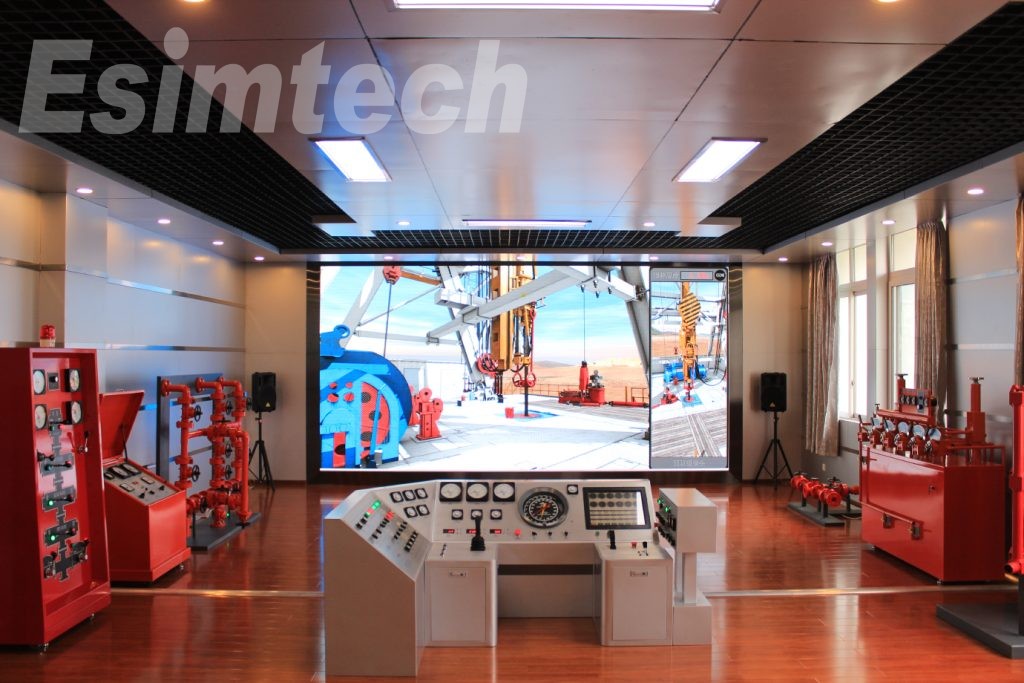
Drilling Emergency Exercise Simulation Training System

How to Prevent Well Blowouts

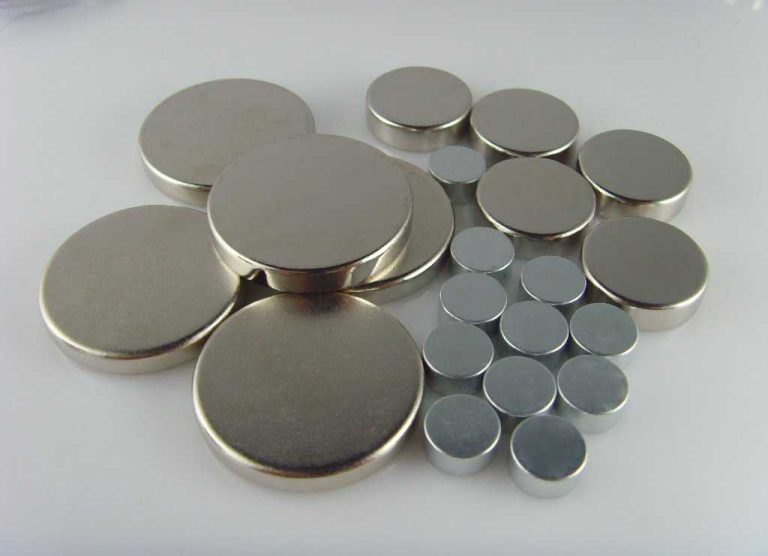
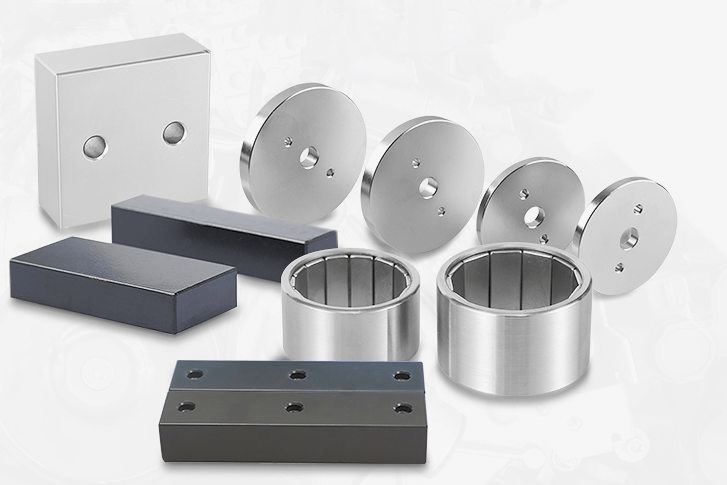
Well blowouts can be averted in several ways before they occur. To reduce the likelihood of a leak or pressure escape, keep BOPs in good condition by cleaning out the mud and removing metal fragments with a downhole magnet. You should also be aware of how your equipment performs under harsh conditions. To accomplish this, run several computer simulations of diverse scenarios. Finally, ensure that everyone on the job site is always informed of the correct safety protocols in order to be prepared for any emergency.

A Blowout Protector

Before making a purchase, you should identify which type of blowout preventer (BOP) is best for your application. You can choose between ram blowout preventers and annular blowout preventers, each of which serves an important purpose. Whether you need a BOP for a long-term project or for immediate needs, your industry has a large assortment of new and secondhand components and equipment.

diverse BOPs with diverse functionalities may be used in a well.

It is critical to detect the problem, secure it as soon as possible, and then take proper action.

oil & gas simulator

Summary

Ensure that your employees have the necessary control tools and information to know what to do in the event of a controllable kick. The easiest way to deal with a blowout is to prevent it from happening in the first place.

Esimtech is a manufacturer of simulation training systems for drilling and well control that can help certified professionals. As training simulators, we build entire oil and gas manufacturing lines. Please contact us if you have any specific requirements.

How To Use The Centrifuge

In laboratories, the centrifuge is a relatively frequent separating equipment. It is frequently employed in the separation of experimental materials in sectors such as biomedicine, petrochemistry, agriculture, food hygiene, and others. Since its inception, the lab centrifuge has undergone low-speed, adjusted-speed, and over-speed modifications. Its advancement is primarily represented in the two complementary elements of centrifugal equipment and centrifugal technology. In terms of rotation speed, desktop centrifuges fall into two categories: low-speed and high-speed centrifuges. The advent of general-purpose desktop centrifuges has blurred the distinctions between low-speed, high-speed, micro-volume, and large-capacity centrifuges. Numerous rotors offer scientific researchers a wide range of applications. The scope of application has become the top choice for scientific research institutes.

High & Low Speed Refrigerated Centrifuge

How to use a Benchtop Low-Speed Centrifuge

1.The benchtop low-speed centrifuge is set up on a level table or platform. The four rubber feet should be securely planted on a flat surface. Check for balance visually. Shake the centrifuge gently by hand to ensure that it is properly positioned.

2. Place the centrifuge tube into the rotor body after opening the door. The centrifuge tube must be in even-numbered symmetry (the centrifuge tube test solution must be weighed and added). Pay close care to tightening the screws on the rotor body, and double-check that the test tube is symmetrically placed and that the screws are tightened.

3. Close the door cover, make sure it’s locked, and then check to make sure it’s closed tightly.

4. Plug in the power adapter and turn on the power switch.

5. Configure the rotor number, speed, temperature, and time.

In the stopped state, the user can set the rotor number, speed, temperature, and time by pressing the SET button; in the running state, the user can only set the rotation speed, temperature, and time by pressing the set (SET) button; the centrifuge is in the setting state at this time, the running light is on, and the stoplight is flashing (in the stopped state, press the “SET” key to switch between timing modes). Cycle selection (in the running mode, press the “SET” key to cycle through time, temperature, and speed).

Set the rotor number as follows: When the decimal on the lower right corner of the rotor digital tube lights up, it will enter the rotor number setting, and then press the “” or “” key to select the centrifuge’s rotor number this time. There are six different types of rotors to choose from. Note that the rotor number must be consistent with the rotor selected, and no errors can be set.

1.Set the speed: press the “SET” key until the decimal in the lower right corner of the last digital tube of the speed lights up, and then press the “” or “” key to determine the speed of the centrifuge at this time.

2.Set temperature: Press the “SET” key; when the decimal in the lower right corner of the final digital tube lights up, the temperature setting is entered; then press “” or “” to determine the centrifuge’s operating temperature.

3.Set time: Press the “SET” key, and when the decimal in the bottom right corner of the final digital tube lights up, it will enter the time setting. Then, press the “” or “” key to ascertain the centrifuge’s current working time (the longest time is 99 minutes), and the time counts down.

4.After completing the preceding four stages, hit the “ENTER” key again to confirm the rotor, speed, temperature, and time settings, and then press the “START” key to start the centrifuge.

5.When the rotor comes to a halt, open the door and remove the centrifuge tube.

6.Turning off the power switch turns off the centrifuge.

Benchtop Low-Speed Centrifuge

Precautions for the use of the centrifuge

The rotor cover can be put on the centrifuge platform or the experimental table while the Benchtop Refrigerated Centrifuge is pre-cooling. Make sure it’s tight and floats on the rotor, because if it starts by accident, the rotor cover will fly out and cause an accident.

When the centrifuge produces a noise or vibrates, the power should be turned off immediately and the issue should be corrected as quickly as feasible.
To prevent the machine from vibrating, the centrifuge tube must be symmetrically inserted in the shell. If only one sample tube is available, the other should be replaced with water of comparable quality.

The centrifuge is simple to use and has no technical content, proper use and maintenance are still required. When an experiment fails, it causes a delay that is not worth the loss.

What Are Self-tapping Screws

Self-tapping screws are commonly used to connect thin metal plates such as steel plates and saw blades. When connecting, first drill a threaded bottom hole in the linked piece, then screw the self-tapping screw into the threaded bottom hole.

The self-tapping screw on the consolidated material can drill one of the matched female threads in the pre-drilling of metal or non-metallic materials by its own thread. Its primary application is to join thin metal plates such as thin iron sheet, copper sheet, aluminium alloy, and other metals. The main distinction between self-tapping screws and conventional screws is that self-tapping screws have a pointed head and can pass through walls or other metal materials without drilling. It not only reduces the workload of fixed projects, but it also has user-friendly properties, thus it is extensively utilised in household appliances.

Self-tapping screws

Structure of Self-tapping Screw

A self-tapping screw is made up of three parts: the head, the rod, and the rod end. Each tapping screw has four primary components: the head form, the screwing method, the thread type, and the end type.

Shapes of screw heads

Screw heads come in a variety of forms. There is a round head, a half round head, a flat round head, a round head flange, a flat round head flange, a pan head, a pan head flange, a countersunk head, a half countersunk head, a cylinder head, a spherical cylinder head, a horn head, a hexagon head, a hexagon flange head, and so on.

Screwing methods

The screwing method relates to how the screw head is twisted during installing and tightening the screw. External screwing and internal screwing are the two most common procedures. In general, the allowed torque of an exterior wrench is greater than that of any internal wrench.

External wrench

hexagon flange face, hexagon flange, hexagon torx, and so on

Internal wrench

Internal spline, internal hexagonal spline, internal triangle, internal hexagon, internal 12 corner, clutch slot, six-blade slot, high torque cross slot, and so on.

Types of screw threads

Screw threads come in a variety of shapes and sizes, including self-tapping thread, machine thread, plasterboard screw thread, fiberboard screw thread and other specialised threads. Screw threads are further classified as single lead, double lead, multiple lead, and high and low teeth double head threads.

Screw end forms

Ends are classified into two types: cone ends and flat ends. However, depending on the application, the screw-in end can process grooves, notches, or sections comparable to the shape of the drill bit.

Features of Self-tapping Screw

1. A self-tapping screw is a screw that has a drill bit attached to it. A unique electric tool is used to make the hexagonal socket bolt. Drilling, tapping, fastening, and locking are all done at the same time. The self-tapping screw is mostly used for connecting and fixing some relatively thin parts, such as the connection of colour steel plate to colour steel plate, the connection of colour steel plate to purlin, the connection of wall beam, and so on. Its penetrating capacity is often no more than 6mm, with a maximum of 12mm.

2. Self-tapping screws are frequently exposed to the elements and have a high corrosion resistance. Its rubber sealing ring prevents water from entering the screw.

3. The self-tapping screw, also known as wood screws, is appropriate for usage with wood products. They are typically operated by hand. Due to labour constraints, these screws are often quite small, with a limited range of applications.

4. The self-tapping screw integrates the tap and the bolt. The tap is on the front, and the thread is on the back. Drill a hole in normally soft materials and then screw it in immediately. Tap out the thread before tightening the bolt thread. If the screw diameter is tiny enough and the material is soft enough, it can even be screwed into wood without prior drilling.

5. Self-tapping screws are typically defined by three parameters: screw diameter series, threads per inch length, and screw length. There are 10 and 12 screw diameter levels, with screw sizes of 4.87mm and 5.43mm, respectively. Threads per inch length is available in 14, 16, and 24 levels.

Hex head self drilling screw

How Can Self-tapping Screws Be Easily Installed?

The main advantage of self-tapping screws is that they do not require nuts and can be locked and attached by their own thread. It is a pretty commonly used screw in everyday life. When self-tapping screws are inserted into holes in plastic metal materials, extrusion can generate internal threads in the holes, which is the primary function of self-tapping and self-drilling.

Self-tapping screws can be installed with an air screwdriver, a screwdriver, a pistol drill, or an electric hammer. In most cases, an electric hammer is required to drive concrete. Ordinary nails cannot be used to nail concrete walls with a mark over C10, however cement steel nails can be used directly if the bearing gravity requirements are not severe. If there is a high load bearing need, it must be secured using expansion screws, common plastic expansion pipes, and self-tapping screws.

What Are Commonly Used Blowout Preventers(BOPs) In Oil And Gas Industry

If a well leaks, an oil and gas business could face disaster. Fortunately, blowout preventers(BOPs) are effective tools for preventing this disaster. A blowout preventer (BOP) effectively closes the valve running underneath the machinery, preventing any liquid from surfacing in the case of a potentially catastrophic explosion or kick.

Blowout preventers (BOPs) simply keep the oil well’s secure seal intact in order to avert damage and financial loss. Different BOP types perform somewhat different roles and may be more effective than others in resolving oil well troubles. To identify the type you need, you must first understand what each type accomplishes.

The types of BOP can be divided into ordinary BOP, universal BOP and rotary BOP.

In an emergency, the universal blowout preventer can be engaged to deal with any size drilling equipment and empty wells.

The rotating blowout preventer allows you to drill while spraying.

In deep well drilling, in addition to the two conventional blowout preventers, a universal blowout preventer and a rotating blowout preventer are frequently put on the wellhead, resulting in three or four combinations.

Rotary BOP

An annular blowout preventer is a massive, specialised BOP that is used to seal, manage, and monitor oil and gas wells.

The annular BOP is classified into two types based on the shape of the sealing rubber core: conical annular BOP and spherical annular BOP. Its structure is made up of four parts: the shell, the top cover, the rubber core, and the piston. When drilling tools, tubing, or casing are present in the well, the annular blowout preventer can use a rubber core to seal a variety of annular voids of varying diameters. It may entirely seal the wellhead while there is no drilling tool in the well, as well as the annular area formed by the kelly, coring tools, cables and steel wires, and the wellbore during drilling, coring, logging, and other operations. When the pressure lowering and regulating valve is used, the drilling tool can be forced into the drill pipe.

blowout preventer

RAM BOPs

The shell, side door, oil cylinder, cylinder head, piston, piston rod, locking shaft, seals, ram, and other components make up the ram blowout preventer. Its functioning mechanism is to employ hydraulic pressure to push the piston, which drives the ram to close or open the wellhead, in order to achieve the aim of sealing and and opening the well.

A RAM BOP prevents oil from spilling out and foreign things from entering the well by closing it. It also allows for a controlled flow of oil as needed. Depending on your requirements, you may also find the following RAM BOP versions useful:

Line valves must be turned off.

Line choking valves.

RAMs with no vision.

Manifolds with chokes.

Pro tip: Some RAM BOPs have a remote control! Examine whether the needed model supports remote work.

portable BOP console

API Hardware

Flanged crosses, drilling spools, male and female adapters, and other critical BOP components are used to create and maintain high-quality BOPs. By customising the equipment, any BOP needs can be met. Whether you need to repair an old blowout preventer or design a new one for your oil well, quality API equipment can assist you.

Of course, Esimtech can manufacture oil and gas simulator equipment, including Blowout Preventers (BOPs) simulation training equipment.

Why Spectrophotometer Is An Important Scientific Instrument

A spectrophotometer is an important scientific device that divides complicated light into spectral lines. The spectrometer’s measurement range normally comprises the visible light region with wavelengths ranging from 380 to 780 nm and the ultraviolet light region with wavelengths ranging from 200 to 380 nm. Because different light sources have varied emission spectra, different luminous bodies can be utilised as the instrument’s light source. A tungsten lamp’s emission spectrum: light of 380-780nm wavelength emitted by a tungsten lamp is refracted by a prism to produce a continuous chromatogram consisting of red, orange, yellow, green, blue, indigo, and violet; this chromatogram can be utilised as visible light. The spectrophotometer’s light source. The spectral range of the spectrometer.

portable raman spectrometer

The visible light area of the spectrometer has a wavelength range of 400 to 760 nm, and the ultraviolet light region has a wavelength range of 200 to 400 nm. Because different light sources have varied emission spectra, different luminous bodies can be utilised as the instrument’s light source.

The tungsten lamp emission spectrum: a prism is used to refract the light spectrum of 400760nm wavelength emitted by the tungsten lamp light source, resulting in a continuous chromatogram composed of red-orange, yellow-green, blue indigo, and purple; this chromatogram can be used as a visible light spectrophotometer light source.

The absorption spectrum of the substance

If a solution of a certain substance is placed between the light source and the prism, the spectrum displayed on the screen is no longer the spectrum of the light source, and several dark lines appear, indicating the light source emission spectrum of certain wavelengths. The solution absorbs and vanishes. This spectrum is known as the solution’s absorption spectrum once it has been absorbed by the solution. various substances have various absorption spectra. As a result, the chemicals in the solution can be identified using the absorption spectrum.

double beam spectrophotometer

Use of spectrometer

Nucleic acid quantification

The spectrophotometer’s most commonly utilised function is nucleic acid quantification. The spectrometer can measure the concentration of oligonucleotides, single-stranded and double-stranded DNA, and RNA in buffer. The absorption wavelength of nucleic acid’s maximum absorption peak is 260 nm. Because each nucleic acid’s molecular makeup differs, so does its conversion factor. To quantify various forms of nucleic acids, the correct coefficients must be chosen ahead of time. 1OD absorbance, for example, is similar to 50g/ml dsDNA, 37g/ml ssDNA, 40g/ml RNA, and 30g/ml Olig.

After the test, the absorbance value is translated by the aforementioned coefficient to obtain the matching sample concentration. Select the correct programme before the test, enter the volume of the original solution and the diluent, and then test the blank solution and sample solution. However, the endeavour was not without its challenges. The most difficult problem for experimenters may be unstable readings. The larger the shift in absorbance, the greater the sensitivity of the device.

Direct quantification of protein (UV method)

This method involves directly testing the protein at 280nm. If you use the Warburg formula, the photometer will display the sample concentration immediately, or you can use the associated conversion technique to convert the absorbance value to the sample concentration. The protein determination procedure is straightforward: first test the blank solution, then test the protein directly. Because the buffer contains certain impurities, it is usually essential to remove the 320nm “background” information and turn this function on. The absorbance value of A280, like that of the test nucleic acid, must be larger than 0.1A, and the optimal linear range is between 1.0 and 1.5. The direct protein quantification approach is best suited for assessing purer, single-component proteins. The UV direct quantification approach is faster and easier to use than the colorimetric method; nevertheless, it is sensitive to interference from parallel compounds such as DNA; it also has low sensitivity and requires a higher concentration of protein.

Bacterial cell density

A laboratory spectrometer can be used to determine the growth density and period of bacteria. The OD600 method is the industry standard for monitoring the development of microorganisms in liquid cultures. As the blank solution, use the culture solution without bacteria, and then quantify the culture solution with bacteria after the culture. The OD value of the bacterial solution may appear negative at times during the experiment. The color-developing media is utilised, which means that once the bacteria have been grown for a while, they react with the medium and generate a colour change reaction. Furthermore, the analysed samples cannot be centrifuged, and the bacteria must be kept in suspension.

A Simple Guide To Know Web Guiding System

A web guiding system is a mechanism used in many industries, including printing, packaging, and textiles, to offer accurate alignment and control of a moving web or continuous material during industrial processes.

Various sensors and detectors are used by the web guiding system to precisely determine the location and alignment of the web material being processed. These sensors and detectors play an important role in providing feedback to the control system, which then modifies the guiding mechanism to keep the web in the proper position.

web guide system

Ultrasonic sensors

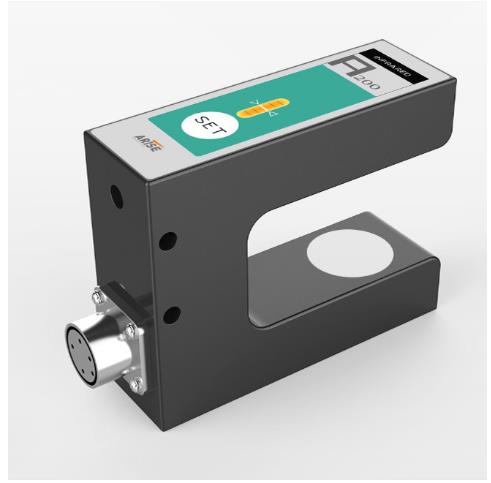
Ultrasonic web guide sensors use high-frequency sound vibrations to determine the position and distance of objects. They can determine the position of the web edge by creating ultrasonic waves and monitoring how long it takes the waves to bounce back after impacting the web substance. Ultrasonic sensors are often used in edge guiding systems to enable precise and non-contact web edge detection.

Vision sensors

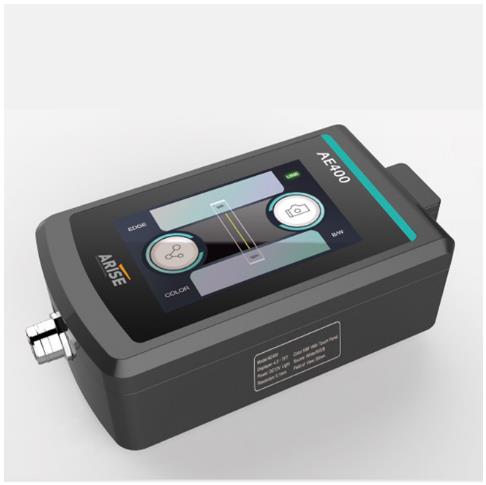
Using cameras and image processing algorithms, vision sensors photograph online content and analyse its placement and alignment. They can detect web elements such as edges, lines, and patterns and send real-time data to the control system for web directing changes. Vision sensors are incredibly versatile, and they can be used in edge, centre, and combination guiding systems.

Infrared sensors

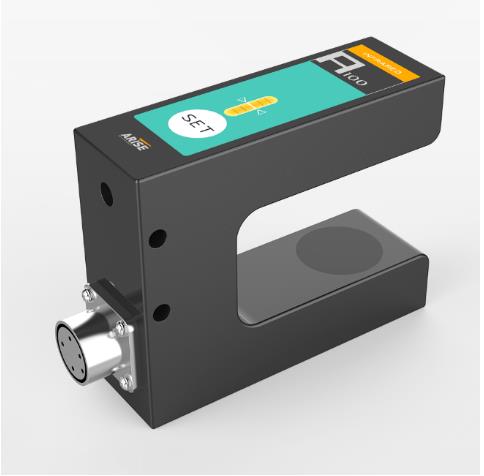
Using infrared light, the infrared web guide sensor detects the presence and position of things. They can be employed in web guiding systems to identify the web edge by emitting infrared light and measuring the light’s reflection or transmission when it comes into contact with web material. Infrared sensors are useful in applications where the web material is transparent or translucent, such as in the plastic film and glass industries.

A100 Infrared Edge Sensor

Capacitive sensors

Capacitive sensors work by detecting changes in capacitance caused by the proximity of objects. They can determine the position of the web material by measuring capacitance changes when it comes into touch with the sensor. Capacitive sensors are commonly used in centre guiding systems to detect the position of the web material in relation to the centerline.

Laser sensors

Laser sensors use laser beams to measure distances and positions precisely. They can be employed in web guiding systems to precisely establish the position of the web edge by emitting laser beams and detecting the beams’ reflection or scattering from the web substance. Laser sensors are suited for applications that require high precision and resolution.

Load cells

Load cells are used to calculate the tension or stress on a web material. By placing them in the web route, they can supply input to the control system for tension control and web guiding modifications. To keep the web material tensioned and aligned, load cells are frequently used in web tension control devices such as brakes and clutches.

Types Of Web Guiding System

Edge Guiding

Edge guiding is the most common type of web guiding mechanism, in which the web edge guiding system modifies the location of the web material based on the detection of one or both web edges. Edge guiding systems detect the position of the web edge(s) and make adjustments to keep the web aligned along the desired path. Edge guiding systems can contain actuators such as steering rollers or guide rails to physically move the web material to the desired place.

web edge guide system

Center Guiding

The technique of sensing the position of the web material’s centerline and altering the guiding mechanism is known as centre guiding, also known as line guiding or line following. In centre guiding systems, sensors or detectors are often employed to measure the location of the web material in relation to the centerline and then make adjustments to keep the web aligned along the centerline. Centre guiding systems might contain actuators such as center-driven rollers or adjustable guide bars to centre the web material.

Role Of Actuators In The Web Guiding System

Web guide actuators are important components of a web guiding system because they physically change the position of the web material in response to data from sensors or detectors. Actuators are devices that convert electrical, hydraulic, or pneumatic signals from the control system into mechanical motion in order to move or control the position of the web material.

web guide actuator

Steering Rollers

Steering rollers, also known as dancer rollers or idler rollers, are commonly used in edge guiding systems. They are supported by adjustable arms or brackets that can be moved horizontally or vertically to guide the web material. The position of the steering rollers is changed based on feedback from sensors or detectors to keep the web material in the appropriate area.

Guide Rails

Guide rails are solid structures or bars put parallel to the web route in edge guiding systems. They can be changed horizontally or vertically to direct the web information. The location of the guide rails is adjusted based on feedback from sensors or detectors to keep the web material aligned along the desired path.

Center-Driven Rollers

Center-driven rollers are used in centre guiding systems to direct the web material down the centerline. They are powered by a motor and can be adjusted horizontally based on sensor or detector feedback to centre the web material. The speed of the center-driven rollers is controlled by the control system in order to maintain proper web material alignment.

Adjustable Guide Bars

Adjustable guide bars are used in centre guiding systems to guide the web material along the centerline. They are stiff bars that can be adjusted horizontally or vertically based on sensor or detector data to centre the web material. Adjustable guide bars are typically installed on both sides of the web material and can be altered independently to maintain proper alignment.

Pneumatic or Hydraulic Actuators

Pneumatic or hydraulic actuators are utilised in web guiding system to provide accurate and strong control of the web material. Using pressurised air or hydraulic pressure, they generate mechanical motion and change the location of the web material. Pneumatic or hydraulic actuators can be used in conjunction with other types of actuators, such as steering rollers or guide rails, to achieve the desired guiding performance.

What Are Hexagon Socket Head Screws

Socket screws with a cylindrical head, also known as socket head bolts, cup head screws, and socket head screws. Although they have distinct names, they both mean the same thing. There are also 4.8, 8.8, 10.9, and 12.9 hexagon socket head screws that are regularly used. It is sometimes referred to as a hexagon socket screw or hexagon socket bolt. It has a hexagonal and cylindrical head.

Classification of hexagon socket head cap screws

They are classed as carbon steel, stainless steel, and iron based on the materials.v Stainless steel SUS202 hexagon socket head cap screws are commonly used stainless steel materials. There are SUS304 hexagon socket head cap screws and SUS316 hexagon socket head cap screws made of stainless steel.

Hex bolts

The iron substance is classified based on the hexagon socket head screw’s strength grade. There are hexagon socket cap screws rated 4.8, 8.8, 10.9, and 12.9. High-strength and high-quality hexagon socket head cap screws are grade 8.8-12.9 hexagon socket head cap screws.

According to the head shape

The hexagon socket screws are classified based on the shape of the hexagon socket screws’ heads. The cylindrical head hexagon socket screws are the most widely used.

The hexagon socket screw can also be separated into half round head hexagon socket bolts, also known as pan head hexagon socket bolts, and countersunk head hexagon socket bolts based on the shape of the head.

The countersunk hexagon socket bolt’s head is flat, and the inside of the bolt is hexagonal as well. Headless hexagon socket bolts, also known as stop screws, machine screws, and set screws, are also widely used. There is also a flower-shaped hexagon socket screw that is difficult to find or acquire on the market.

The production standard of hexagon socket head screws

The production standard of hexagon socket head screws is determined by whether the standard is national, German, British, or American. Each standard is unique.

Take hexagon socket head screws, for example, which have national standards such as grade 8.8 hexagon socket head screws for half teeth GB 5782, grade 8.8 hexagon socket head screws for complete teeth GB 2783, and grade 8.8 hexagon socket head screws GB 70-85 DIN912.

hexagon flange bolt supplier

All product sizes in production must meet applicable criteria, and the product quality of each screw must meet the ISO 9001-2000 quality standard system certification. As a result, the manufacturer must create sturdy and dependable items. Furthermore, the standard GB 70-85 DIN912 for grade 8.8 hexagon socket head screws requires that the tensile strength of the hexagon socket head screws produced by the manufacturer be greater than 640MPa, and the standard GB 2076 for grade 4.8 hexagon socket head screws requires that the tensile strength of the hexagon socket head screws produced by the manufacturer be greater than 320MPa, the thread gauge M4 diameter must be equal to or less than 7mm, and the minimum dia.

hexagon socket head screws

Common standards for Grade 12.9 hexagon socket head cap screws

Grade 12.9 hexagon socket screws are the most often used series of high-strength bolts: grade 12.9 hexagon socket screws are typically employed in situations requiring excellent mechanical performance. Injection moulding machinery, hydraulic equipment, mould assembly, and other places are examples. After heat treatment, the surface hardness of grade 12.9 hexagon socket screws can reach 39-44 degrees. All grade 12.9 hexagon socket screws are manufactured in accordance with the German standard DIN912, the national standard GB / t70.1, the American Standard, and the British standard. American grade 12.9 socket head screws are available in sizes ranging from # 4 to 1-1 / 2, while British grade 12.9 socket head screws are available in sizes ranging from 1 / 4 to 1-1 / 2.

Grade 12.9 hexagon socket bolts are available with knurled or non-knurled heads. Grade 12.9 hexagon socket bolts typically have knurled heads, whereas low-strength hexagon socket bolts do not. Grade 4.8 hexagon socket bolts, for example, do not have knurled heads.

hexagon socket head cap screw

The surface of grade 12.9 hexagon socket bolts is cyanided and blackened. The product itself also has certain anti-rust properties. These 12.9-Grade high-strength bolt series goods, on the other hand, are generally utilised in exported equipment, and the surface of the 12.9-Grade hexagon socket head screws will be corroded by consumers in various hostile situations during transportation (such as shipping). However, some equipment (such as bread machinery and baking equipment) demands that the supporting hexagon socket screws be nickel and zinc plated to improve the corrosion resistance and look of grade 12.9 high-strength bolts.

Advantages of KENENG hexagon socket head cap screws

The regularity of the hexagonal inner wall’s shape and polish.

The symmetry of hexagons

Inner hexagon socket bottom flatness

Flatness of hexagon socket inner bottom

The above standards will be more stringent and accurate if the customer needs to make through holes for hexagon socket head screws.

KENENG has over ten years of fastener production experience, as well as specialized product designers and production lines. If you require regular products in large quantities or customised products based on your specifications, please do not hesitate to contact us.

What Are Commonly Used Oil Drilling Tools

The various various oil drilling tools are all necessary for the extraction procedure. Some of the equipment, however, contributes more to the drilling operation. They help to reduce the cost, risk, and environmental impact of oil drilling.

Sand Pumps

Sand pumps, one of numerous pumps used in oilfield drilling, are utilised to move deposits away from the drilling site. Sand pumps are most commonly found in fluid tanks containing oil or other fluids and sand. These pumps rotate a grooved disc around a central axis.

Any particles that come into touch with the grooves on the surface will be removed and transported elsewhere via a pipe network. Despite its nickname, “sand pumps,” these pumps also move other materials. Sand pumps, in addition to tank maintenance and cleaning, replace the use of other machinery or manual labour to move particles away from the area of the oilfield.

Shale Shaker

The most significant component of a rig’s solids separation and control system is the shale shaker, which separates the mud from the cuttings. The mud is used to cool the drill bit once it has separated. If all goes as planned, the drillers will be able to use these fluids several times.

Separating mud disposal allows for lower drilling costs and environmental impact. The performance of the remaining downstream controlling devices is inextricably linked to good drilling fluid management.

Mud Cleaners

The mud collected from the cuttings is used to cool the drill bit. Mud cleaners function to keep the drilling fluids (mud) clean so that the drill runs smoothly. Because heavy muck stops the drill and increases downtime, it is critical that the mud be as clean as possible before it reaches the drill.

The mesh used in mud cleaners features microscopic pores that keep contaminants out of the mud.

Degassers

Once the fluids have been separated from the large particles, any trapped gas and air must be eliminated. Degassers are necessary to remove gases from the oilfield such as hydrogen sulphide, methane, carbon dioxide, and others. This improves safety by minimising the likelihood of gas explosions.

Stabbing Guides

Drilling pipes might become misaligned, resulting in damage and downtime. Stabbing guides are essential to ensure precise and damage-free connections. They also protect pipelines from damage and corrosion. In more demanding applications such as oil drilling, stabbing guides can also aid protect against severe temperatures, impacts, and corrosion.

Blowout Stoppers

Blowout preventers (BOPs) are critical during drilling to ensure the safety of the workers. Ram BOPs and Annular BOPs are two prominent examples of the numerous BOPs.

Blowout preventers are among the most important oil rig equipment for protecting people from dangerous blowouts and ensuring their safety.

These devices, along with a number of others, must be integrated into an oilfield drilling workflow. The oilfield equipment indicated above is required for a project to successfully drill for oil. Understanding how they interact with one another is much more important.

Land Rig Installation Simulator

Esimtech can design and manufacture simulation training equipment for the oil and gas industry, such as drilling and well control simulators, downhole operation simulators, emergency drill training simulators, and so on. It can also be customised to your specifications; if you require this, please contact us.

通过 WordPress.com 设计一个这样的站点
从这里开始