What Is Screw Plating

Screws are brightly colored. Screw fasteners of various colors, such as silver, black, yellow, purple, and so on, can be found everywhere. So, how did these multicolored screws come to be? Screw plating is a procedure that adds vibrant colors and beauty to screw fasteners.

Color plated screws

Screw plating is used for colored products

The screw is quite greasy and unclean when it is freshly manufactured. At this moment, it must be brought to an electroplating plant to be made attractive and functional. The color of the screw electroplating can be matched with the color of the material. When a screw fastener is plated, it takes on a more colorful and bright appearance.

Screw plating is available in white zinc, blue zinc, colorful zinc, white nickel, black nickel, black zinc, and green.

colorful screws

What should be paid attention to during the screw plating process?

1. If screws with different specifications mix together for electroplating, some areas cannot be plated, resulting in product scrapping. Before electroplating, the screws must be cleaned.

2. It is difficult to achieve the quality requirements of electroplating layers and diverse specifications, such as the appearance color and screw properties, under the process conditions of conventional electroplating, most of which require professional operation.

3. Screw specs are too near, for example, the size and length appear to be the same. This type of screw plating should be done separately; otherwise, it is difficult to screen.

4. Plate heavier screws and lighter screws separately. To electroplate, smaller and larger screws should be separated. Otherwise, screws of various specifications and models become locked together during the electroplating process, causing harm to the screw.

5. The screws are easily electrocuted when they become trapped together. Otherwise, the two distinct specifications and models of screws become entangled, which quickly leads to plating failure, even after the screw plating has been completed. It is also difficult to separate different types of screws.

colorful plated screws

Quality control methods of screw plating product

The key measurement standard for screw plating quality is corrosion resistance and attractiveness. The corrosion resistance is designed to mimic the product’s environment. Set the test settings to the environment and conduct the corrosion test. So, what are the quality assurance procedures for screw electroplating products?

1. Appearance

The screw’s entire surface must be coated. Scorching, roughness, grayness, peeling, crusting, visible stripes, pinholes, loose passivation film, cracking, and severe passivation traces are not permitted.

2. The thickness of the plating

In a corrosive environment, the service life of a self-tapping screw is directly proportional to the plating thickness. Hot-dip galvanized has an average thickness of 54um and a minimum thickness of 43um.

3. Distribution of plating

The plating aggregation technique on the fastener surface differs. The plating metal is not consistently deposited on the edge of the outer peripheral while plating. To achieve a thicker plating at the corner, various accumulation processes are used. The screw’s thickest plating is at the top of the thread, gradually becoming thinner at the front of the thread, and thinnest at the bottom. Hot dip galvanizing is the polar opposite. The inner corner and bottom of the thread receive thicker plating. Mechanical plating has the same metal accumulation propensity as hot dip plating, but it is considerably smoother and the thickness of the overall appearance is much more consistent.

4. Embrittlement due to hydrogen

When fasteners are processed, particularly during the pickling and alkaline processes before to plating and subsequent electroplating, the appearance absorbs the hydrogen atom, and the accumulated metal plating captures hydrogen. When the screw is tightened, the hydrogen moves to the most concentrated region of the stress, causing the pressure to rise to levels that exceed the strength of the base metal, resulting in a little appearance fracture. Hydrogen is especially aggressive and quickly enters into newly created cracks. This cycle will continue until the fastener snaps. It usually happens within a few hours of the first stress. To reduce the risk of hydrogen embrittlement, the fastener should be heated as soon as possible after plating to allow the hydrogen to be expelled from the plating. The heat treatment is normally performed for 3-24 hours. Mechanical galvanizing is non-electrolyte, hence the threat of hydrogen is eliminated.

Summary

Screw plating gives fastener products vivid colors, making them beautiful, colorful, and gorgeous. What should be paid attention to throughout the electroplating process and how to control the quality of the screw products are major concerns. The article provides some important information for improving the effect of screw plating.

How To Solve The Common Faults Of High Performance Liquid Chromatography(HPLC)

High performance liquid chromatography (HPLC) is one of many test devices used in laboratories. The apparatus is based on classical chromatography, using gas chromatography theory, and technically converts the traditional mobile phase to high-pressure delivery. This article will explain the failure causes and treatment methods of high-performance liquid chromatography (HPLC), as well as its properties, working principle, applications.

High performance liquid chromatography

How Does High Performance Liquid Chromatography Work?

The mobile phase enters the system by a high-pressure pump, the sample solution enters the mobile phase via a syringe, and the mobile phase is loaded into the chromatographic column (stationary phase) in HPLC chromatography. However, the moving speed of each component after repeated adsorption-desorption distribution in the two-phase sample solution is significantly varied due to the variable distribution coefficients of each component in the two-phase sample solution. It is broken down into a single component that exits the column. As the sample concentration passes through the detector, it is turned into an electrical signal that is supplied to the recorder, and the data is recorded as a graph.

Applications of High Performance Liquid Chromatography

High-performance liquid chromatography (HPLC) is an instrument that uses the principle of high-performance liquid chromatography to examine organic molecules that have high boiling temperatures, are non-volatile, are thermally unstable, and have large molecular weights. It is made up of the liquid storage tank, the pump, the injector, the chromatographic column, the detector, the recorder, and other components. Life sciences, food sciences, pharmaceutical research, and environmental research all make extensive use of HPLC.

1.It can be used to analyze cyclic aromatic hydrocarbons (PAHs), pesticide residues, and other environmental contaminants.

2.It may be used for food nutrition analysis, food additive analysis, food contaminant analysis, and so on.

3.Purification, separation, and determination of molecular weight compounds can be examined at the molecular level in life science, genetic engineering, clinical chemistry, molecular biology, and biochemistry.

4.Application in the medical examination: metabolite analysis and determination in body fluids, pharmacokinetics, clinical medication monitoring, and so forth.

5.Inorganic analysis: examination of anions and cations, for example.

high performance liquid chromatography supplier

Common Faults and Treatment Methods of High Performance Liquid Chromatography

Fault 1: There are bubbles in the mobile phase; turn off the pump, open the exhaust valve, press the cleaning button, and open the vent; the bubbles continue to emerge from the filter and enter the mobile phase, regardless of how many times the cleaning button is turned on; it cannot be cleared continuously. produced air bubbles.

The cause and how to deal with it: The filter has been drenched in water for an extended period of time, and as a result of mold growth and spread in the filter head, the filter has become clogged by the production of bacteria.The buffer has a tough time passing smoothly through the filter head, and the air flows through the filter under pump pressure and enters the mobile phase.

The filter head was immersed in 5% nitric acid solution for 15 minutes before being ultrasonically cleaned. The filter head can also be soaked in 5% nitric acid solution for 12 hours, shaken gently for 36 hours, rinsed several times with pure water, open the exhaust valve, open the purification key, and remove the gas from the filter tank; if there is still gas in the filter bubbles, soak the filter in 5% nitric acid solution for another 12 hours.

If no bubbles continue to occur in the filter, it implies that the mold in the filter can be killed by nitric acid, and the mobile phase may pass smoothly through the filter. Open the exhaust valve, adjust the pump flow to 1.0 30 mL/min, and rinse 1 The filtrate can be cleaned after about an hour. Close the pressure-reducing valve and flush for 30 minutes with pure methanol.

Fault 2: excessive column pressure

The reason behind this and how to deal with it:

(1) In the column, buffer salts such as ammonium acetate, etc. are deposited;

(2) Deposition of sample contamination

Fault 3: There is no indication of pressure or liquid flow.

The reason behind this and how to deal with it:

The pump sealing gasket has worn; a substantial volume of gas has entered the pump body: handle the first situation by replacing the sealing gasket. In the second situation, utilize a 50 mL glass syringe at the pump output without assisting in air extraction while the pump is turned on.

Fault 4: The pressure varies dramatically and the flow is unsteady.

The reason for the failure and the technique of treatment: There is a foreign body between the gem ball and the air seat or one-way valve, preventing the two from being sealed together.

Pay attention to the amount of mobile phase produced while working, ensure that the stainless steel filter sinks to the bottom of the liquid storage bottle, avoid inhaling air, and deflate completely when moving. If there is foreign matter between the check valve and the valve seat, for example, remove the check valve and replace it. Ultrasonically clean it in an acetone-filled beaker.

The information presented above is a DRAWELL overview of the high-performance liquid chromatography (HPLC) principle, application, characteristics, failure reasons, and treatment procedures. I hope you found this essay useful.

Many issues can arise when using high-performance liquid chromatography. If the operator understands the root reason of the failure, it can be avoided and eradicated, and the instrument can be used to its full potential.

Of course, if you’re wondering where to acquire an excellent HPLC, I recommend DRAWELL’s HPLC. As China’s leading provider of high-performance liquid chromatography, DRAWELL offers superior HPLC detection capabilities as well as a very competitive HPLC price advantage, making DRAWELL’s chromatography the first option for many laboratories worldwide.

3 Key Points About Web Guide Sensors

Web guide sensors are industrial devices that track the position of a moving web of material such as paper, film, or foil. They are frequently used in web-processing machines to keep the web centered and aligned during the manufacturing process.

CCD Image Sensor

Operation Principle of Web Guide Sensors

Web guide sensors measure the lateral position of the web as it moves through a machine. Infrared edge sensors typically use an infrared light source and a receiver to detect the web’s edge. The sensor continuously monitors the location of the edge as the web moves and sends a signal to the control system if any deviation from the desired position is detected.

Why The Web Guide Sensors Are Important In Various Industrial Applications

The control system receives data from the web guide sensors and adjusts the position of the actuator, causing the web to move into the appropriate position. They are critical in ensuring that industrial operations involving the movement of material webs are efficient, dependable, and create high-quality products.

Common Types Of The Web Guide Sensors

There are several different types of web guide sensors available on the market, each with its own strengths and weaknesses.

Ultrasonic sensors

Ultrasonic edge sensors use sound waves to identify the web’s edge. Because they are unaffected by liquids or debris, they are especially useful in applications where the web may be damp or unclean.

Ultrasonic Edge Sensor

Infrared Edge Sensor

The Infrared edge sensors are specifically intended to read the edge of webs with sound-transparent, thick weaves, and non-transparent properties. The light source for the web guide sensor is an infrared LED.

Infrared Edge Sensor

Sensors with capacitive coupling

They work by detecting capacitance changes caused by the web’s presence. Because they are extremely sensitive and accurate, they are a popular choice for applications needing fine web alignment.

Optical sensors

Optical sensors detect the web’s edge by using light. They are simple to install and use, and they have a wide range of uses.

Web Guide Sensors Are Integrated with A Web Guiding System

A web guide sensor is typically integrated into a web guiding system that also includes a control system and an actuator. It is a crucial component of a web navigation system. The sensor’s output is used by the control system to alter the position of the actuator, which in turn moves the web into the necessary position.

Web guide sensors can help to decrease waste and improve overall efficiency while also improving web alignment. They can help to prevent faults like wrinkles or creases, which can lead to product waste or downtime, by keeping the web centered and aligned.

Summary

Web guide sensors are a must-have tool for any industrial application that involves the processing of moving material webs. Whether you’re making paper, film, or foil, they can help you enhance product quality, reduce waste, and increase overall efficiency.

How to Select Better NdFeB Magnets

NdFeB, sometimes known as the magnet king, is the magnet with the highest commercial performance yet discovered. NdFeB magnets have extraordinarily strong magnetic characteristics, with a maximum magnetic energy product (BHmax) that is more than ten times that of ferrite. NdFeB magnets have excellent machinability. Its maximum operating temperature is 200 degrees Celsius. Because NdFeB has a firm texture, reliable performance, and is inexpensive, it is frequently employed. However, as a high chemical activity needed, NdFeB magnets must be surface treated. Here, we introduce 4 useful knowledge about NdFeB magnets.

NdFeB magnets

What are the Features of NdFeB Magnets?

1. NdFeB permanent magnet material is an intermetallic compound Nd2Fe14B-based permanent magnet material.

2. NdFeB has a high energy density and a very high magnetic energy product and coercive force.

3. NdFeB magnet materials are commonly used in modern industry and electronics. Instrument miniaturization, weight reduction, and thinning, electroacoustic motors, magnetization, and other equipment.

How Do You Select the Best NdFeB Magnet?

1. Taking into account the working temperature

When selecting NdFeB magnets, customers should choose their own magnet grades based on their working temperature. If the operating temperature exceeds the withstand temperature of the magnet grade, the magnet will gradually demagnetize until no magnetism remains.

In terms of working temperature, the temperature selection correlates to different grades. Choose N within 80 degrees, M within 100 degrees, H within 120 degrees, SH within 150 degrees, UH within 180 degrees, and EH within 200 degrees.

2. Take into account the usage environment.

If the magnet device is sealed, you may want to select a magnet with no white zinc plating on the surface to save money.

If the magnet will be exposed to humid air, particularly salt spray, it is best to choose a magnet with nickel coating on the surface.

NdFeB magnets should be stored in a dry, temperature-controlled environment. Separate and wrap in plastic, wood chips, cardboard, foam, and other materials. Avoid iron and readily magnetized things such as monitors, bank cards, computers, TVs, mobile phones, and so on.

NdFeB magnets surface

How Do NdFeB Magnets Get Separated?

When NdFeB magnets are attracted to one another and cannot be separated, it is best to push them horizontally and stagger them rather than pulling them firmly.

The particular stages are as follows: fix the entire magnet with the left hand, then move the magnet horizontally with the right hand’s index finger and thumb.

Note: Do not immediately return the removed magnet to the magnet stack after removing it; instead, isolate the magnet. To be safe, handle with care and keep away from iron or magnetic items (approximately 16 cm) or wrap the removed magnet in paper.

NdFeB magnets supplier

How Should NdFeB Magnets Be Handled and Stored?

Because NdFeB strong magnetic materials are hard, brittle, and have strong magnetic fields, they should be handled with caution (particularly in large quantities and thin sheets). NdFeB is a hefty and brittle multi-metal alloy material having a density of around 7.45. To avoid magnetic shattering, use caution when handling it.

Take care not to impact when the strong NdFeB magnet attracts or separates from the strong magnet or other iron items. Otherwise, there is a risk of colliding and damaging the magnet or injuring the operator.

During storage, the atmosphere should be kept dry. Instead of placing the magnet directly on the ground, place it on a piece of thick cardboard or on a shelf.

Why Choose Esmitech Drilling Simulator

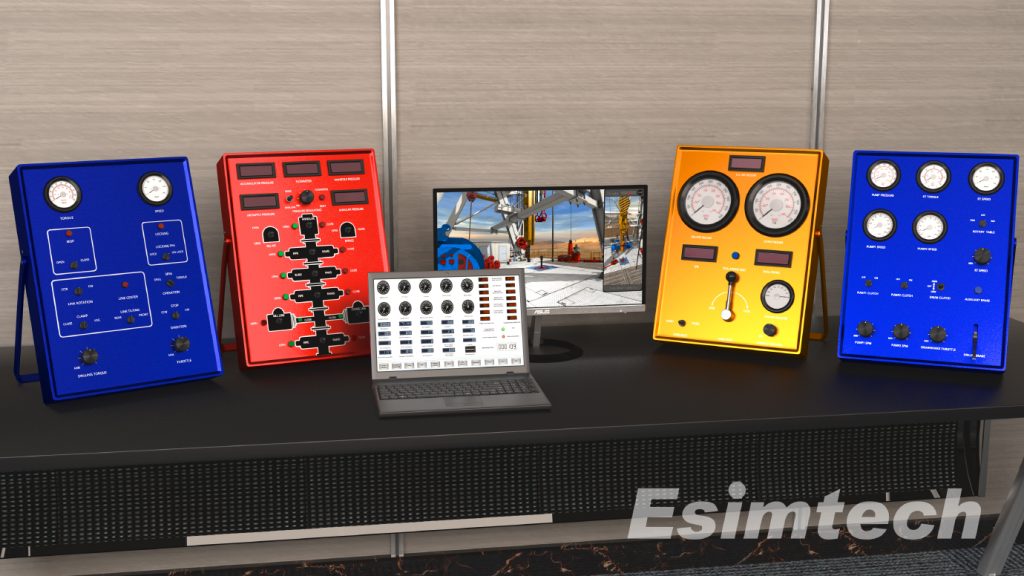
The drilling simulator has two types of full size and portable, allowing workers to practice real-time drilling and well control activities in a safe environment to better prepare for the real thing.

Portable Drilling Well Control Simulation Training System

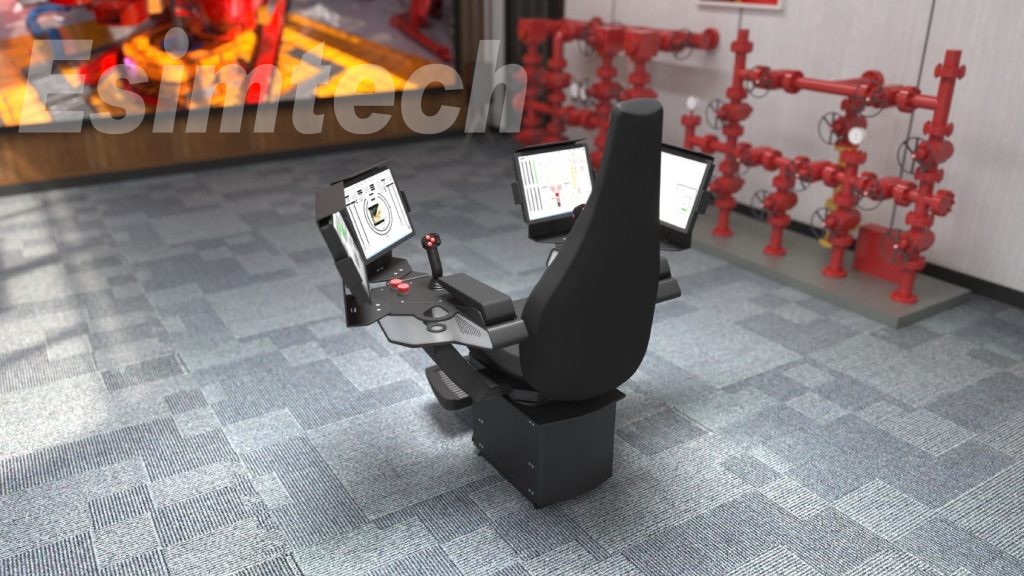
Esmitech is a reputable oil and gas simulator provider. The new ESIM-FCC11 drilling simulator includes a Cyber driller’s chair and uses cutting-edge 3D visuals and modeling software to create an extraordinarily realistic drilling platform, resulting in a very immersive learning experience.

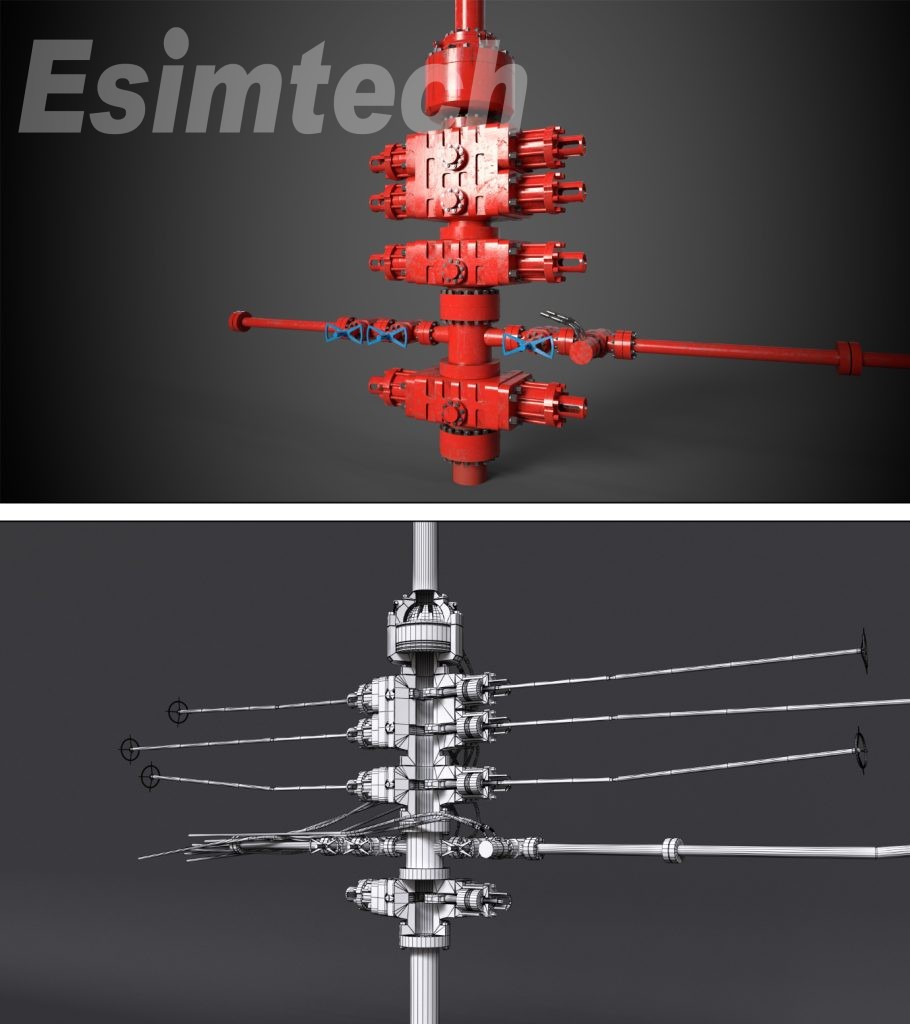
The sophisticated simulation technology may be designed according to the exact conditions and situations of oil wells, allowing people to practice drilling procedures such as pipe jamming, shock, controlled pressure drilling, and BOP landing in a safe and regulated environment.

drilling and well control simulation system

Characteristics Of Esmitech Drilling Simulator

The drill chair’s control console

Nonsequence drilling operation mode

Making a training picture based on excellent condition

Real-world device operation environment at full size

Interface that is simple to use

3D animation that is interactive

Real-time voice prompting

Advanced and exact physical-mathematical mode

Adaptability and systematic training content

Intelligent scoring, fair and square scoring

High stability and dependability in controlling industrial PLCs

Sound effects that are realistic and an alarm system

Cyberchair Drilling Simulator

Why Should You Use Esmitech as Your Drilling Simulator Provider?

The qualitry of Esmitech drilling simulator is great, and the reading of each piece of equipment is identical to that of a genuine drilling rig, as even experienced drilling workers admit. It creates a new and highly skilled workforce to meet the changing needs of the global energy business and contribute to the improvement of worldwide drilling standards.

Reality

Display service for very realistic 3D scenes

Fast and attentive after-sales service

Preciseness

A precise mathematical and physical model

Reliability

Stable and trustworthy software and hardware

Simulation

The visual design, system layout, operating technique, and parameter display of the console panel are all identical to the real equipment.

Reasonable Price

The DS series drilling simulator has established itself as one of the drilling simulator products with the most competitive cost, the most complete functionality, and the greatest performance, as recognized by the industry both domestically and internationally.

Member of the IWCF and the IADC

Esimtech has become a member of the IADC and IWCF.

The Complete Product Line

Esimtech has developed a full oil and gas simulation training system that includes drilling, well control, logging, oil production, gas production, downhole operations, oil and gas gathering and transportation, fracturing, and acidizing.

Significant Market Share

We currently have a monopoly on the domestic drilling simulation equipment market and are aggressively growing globally.

Why Choose X-Ray Fluorescence For Gold Detection

Over the last few years, there has been a significant increase in the use of portable X-ray fluorescence throughout the business. Initially developed for alloy and scrap metal identification, the technology was eventually shown to be successful in environmental field monitoring, notably contaminated land and remedial operations. The application of portable XRF in soil research has pushed the growth of mineral prospecting. And, as a result of continuous advancements in XRF technology, XRF is now more responsive and accurate; these advancements have altered the way scientists perform real-time in situ and field research.

portable X-ray fluorescence

Can a portable XRF detector be used to test the purity of gold?

The flame test method is the most often used method for detecting gold content. A flame melts the metal, and the concentration of gold or other metal components is determined. For a long time, the flame method was thought to be the most effective approach to detect gold. However, such detecting procedures are damaging and unfavorable to pawn shops.

When we developed the Handheld XRF Gold Analyzer, we analyzed six large flat objects made of different grades and compositions of gold, and we found that the accuracy was typically within 0.1% or 0.2% of the flame analysis results. The experiment concludes that TrueX Gold can completely test the composition of items with high accuracy.

We tested the Handheld XRF Gold Analyzer on six large flat objects made of various gold grades and compositions and discovered that the accuracy was often within 0.1% or 0.2% of the flame analysis results. The trial concludes that TrueX Gold can accurately test the composition of objects.

Handheld Mineral Analyzer

Advantages of portable XRF for gold detection

X-ray fluorescence analysis technology (XRF)’s intelligent non-destructive testing tool can precisely detect the concentration of various elements in gold, platinum, palladium, K gold, K platinum, and other jewelry. Multi-channel analyzers are used in the EXF series precious metal detectors, while spectrum analysis technology is used to accurately and vividly present the content and ratio of gold, platinum, palladium, silver, rhodium, copper, zinc, nickel, and many other elements in jewelry in the form of a spectrum.

Handheld XRF Gold Analyzer

Can X-ray fluorescence fully replace gold flame detection?

It is indisputable that X-ray fluorescence may not only examine the validity of gold, but also, and most crucially, analyze its exact purity. The purity of the gold is frequently what impacts the pawnshop’s income. The X-ray fluorescence is an effective method for identifying gold, although it cannot detect heavy plating or counterfeiting. As a result, we strongly advise utilizing X-ray fluorescence as a secondary test to guarantee that there is no thick coating or counterfeiting.

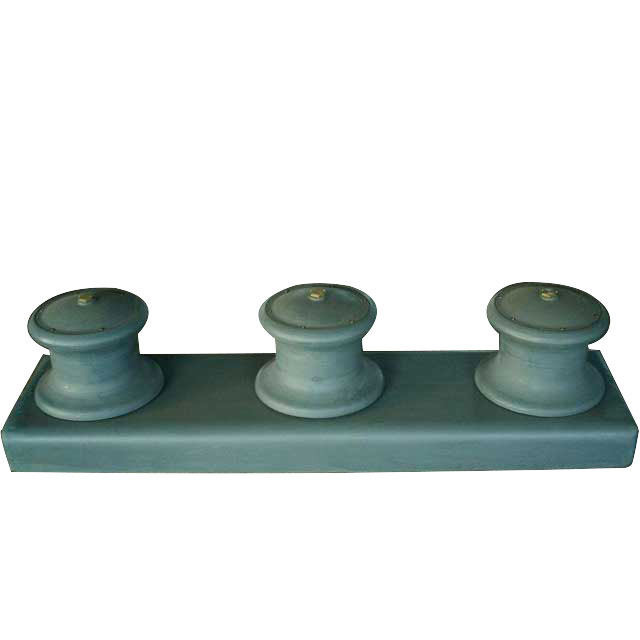
3 Useful Tips To Know Marine Mooring Bollard Comprehensively

A marine mooring bollard is a sturdy, vertically placed post or structure used in maritime contexts to attach vessels to docks, piers, or other marine constructions.

Types of Marine Mooring Bollard

These are some of the most commonly used marine mooring bollards in maritime environments. Variables such as vessel size, load capacity, mooring arrangement, and environmental circumstances all influence the appropriate type of bollard, which should be chosen after careful study of the mooring operation and the marine structure.

Single Bollard

The most basic type of marine mooring bollard is a single vertically mounted post or structure. It usually has one or more horns or studs for attaching mooring lines.

Double Bollard

A double bitt bollard is made up of two vertically fastened posts or structures that are stacked one on top of the other. It provides more power and stability than a single bollard and is commonly employed for larger vessels or in areas with higher weights or stresses.

Double Bitt Bollard

T-Head Bollard

A horizontal bar or beam connects two vertical supports to make a T-head bollard. It includes several mooring line attachment points, allowing ships greater mooring versatility.

T head type bollard

Kidney Bollard

A kidney dock bollard is an oval or kidney-shaped bollard with a smooth base and a curved top. It provides a larger surface area for mooring lines, which allows stresses to be distributed more uniformly and reduces the chance of mooring line or rope damage.

kidney dock bollard

Pillar Bollard

A pillar bollard is a larger, more substantial type of maritime mooring bollard that is used for heavy-duty mooring or in locations prone to significant weights or stresses. When compared to other types of bollards, it is often larger, more robust, and has a higher weight capacity.

Camberhead Bollard

A camberhead bollard has a curved or sloped top surface that helps to lessen the angle of the mooring line, allowing for better alignment and lowering the chance of chafing or damage to the mooring line.

Components Of Marine Mooring Bollard

Body

The body of the bollard is the principal vertical post or structure that provides the strength and stability required to hold the mooring lines. To withstand the weights and forces placed on it, it is typically made of high-strength materials such as steel or ductile iron.

Base Plate

The base plate is the bottom section of the bollard that is bolted or welded to the pier or dock. It provides support for the bollard and distributes loads to the supporting framework.

Horns

Horns are protrusions or arms connected to the body of the bollard that serve as additional mooring line connection points. They are often found at the top of the bollard and come in a variety of designs, such as T-shaped or U-shaped, to accommodate different mooring lines and arrangements.

Bolts or Welds

Bolts or welds secure the bollard to the base plate or supporting framework. They are typically made of high-strength materials to withstand the stresses and forces delivered to the bollard during mooring operations.

Lifting Lugs

Lifting Lugs are used to raise and lower the bollard into position. They are normally located on the bollard’s top or sides and are designed to accommodate lifting equipment such as cranes or hoists.

Finish

To protect the bollard from corrosion and environmental degradation, surface treatments such as painting, galvanizing, or powder coating may be utilized.

Bollard Cap

Some bollards may have a cap on top to protect them from the elements and to improve their appearance.

Load Rating Plate

A load rating plate can be attached to a bollard to indicate its safe working load or maximum load capacity, which can aid in the safe mooring of the bollard.

Curved dock bollard

Installation of Marine Mooring Bollard

Site Preparation

The installation site should be prepared in accordance with the manufacturer’s instructions and applicable local laws. Cleaning the surface of the foundation or base plate for the bollard, ensuring it is level and clear of debris, and ensuring that it is structurally sound enough to sustain the bollard and the projected loads are all examples of what this entails.

Positioning and Alignment

The mooring bollard must be correctly positioned and aligned on the base plate or in the installation site provided. The alignment should be extensively examined with a level or other relevant instruments to ensure that the bollard is upright and suitably orientated for the planned mooring direction.

Securing the Bollard

The maritime bollard should be securely fastened to the base plate or supporting structure with appropriate bolts or welds once it has been properly positioned. The fasteners should be tightened according to the manufacturer’s recommendations to ensure proper connection and stability of the bollard.

Lifting and Handling

If necessary, the bollard can be lifted and placed using appropriate lifting equipment, such as cranes or hoists, and procedures. Lifting lugs or other clearly defined lifting points on the bollard should be used to avoid damage to the bollard or injury to personnel.

Testing and Inspection

After installation, the bollard should be extensively inspected to ensure that it is correctly installed, aligned, and fastened. Load testing may also be performed to check the bollard’s load-carrying capacity and compliance with applicable standards and regulations.

Finishing and Protection

Surface treatments like metal painting, galvanizing, or powder coating can be used to protect the bollard from corrosion and environmental damage. Drainage or weep holes should be inspected and, if necessary, cleared to ensure proper water drainage.

Documentation proper documentation of the bollard placement should be retained for reference and future inspections, including records of inspections, load testing results, and any necessary certificates.

5 Tips To Know Web Tension Controller Quickly

The coil industry is heavily reliant on web tension control, particularly for applications involving continuous webs or strips of materials such as paper, film, plastic, or metal. A web tension controller measures and controls the tension on the web during the manufacturing process. This method is critical for ensuring that the finished product meets the required specifications.

web tension control

The Importance of Web Tension Controller in Coil Industry

Consistent Quality

Web tension must be maintained constantly for the production process to generate goods of consistently excellent quality. Any variations in web tension can cause faults or consistency concerns in the final product. For example, if the web tension is excessively high, the material may strain, resulting in a misshapen product. If the tension is too low, the material may wrinkle, resulting in defects.

Improved Productivity

Productivity can be increased by reducing waste during production with a web tension controller. With adequate tension control, the likelihood of faults can be reduced and the need for rework or scrap reduced. This could lead to higher yields and more efficient production.

Equipment Protection

A web tension controller may also help to prevent equipment damage. Web-handling equipment, such as spindles and rollers, can be destroyed if web tension is not properly handled. With effective tension control, the need for repairs or replacements can be reduced, and damage can be avoided.

Factors Affecting Web Tension Controller

Web Material

The web tension can be impacted by the kind and characteristics of the web material. The amount of tension necessary to maintain the correct web tension might vary depending on the elasticity, stiffness, and friction properties of the material being used.

Web Speed

The type and qualities of the web material can have an effect on the web tension. The amount of tension required to maintain adequate web tension may vary based on the material’s elasticity, stiffness, and friction qualities.

Roll Diameter

The web tension may vary depending on the roll’s diameter. In order to maintain the desired tension, the web tension must increase as the roll diameter does.

Web Width

The web tension varies with the width of the web. Wider webs require more stress to maintain the desired tension.

web tension controller

How Web Tension Controllers Work

Using sensors, web tension controllers monitor the tension of the material as it passes through the manufacturing process. The web guide sensor delivers a signal to the controller, which compares the current tension to the target tension and makes necessary adjustments.

The tension can be varied by changing the web speed, adding tension with brakes or clutches, or changing the torque of the driving engine.

Web tension controllers normally use a closed-loop control method, which means the controller continuously checks the tension and makes real-time adjustments to maintain a consistent tension level. This contributes to the material being treated appropriately and to the desired quality standards.

T500 web tension controller

Web Tension Controller Types

Closed-loop

Closed-loop controllers use feedback sensors to measure web tension and modify it as needed. The controller compares the present tension to the target tension and adjusts the brake or clutch to maintain it. Closed-loop controllers are incredibly accurate and can keep tension control exact even at high speeds.

Open-loop

To alter the tension of the brake or clutch, open-loop controllers use a set-point. However, they do not use feedback to adjust the tension. They are less accurate than closed-loop controllers and are often employed in applications where web tension requirements are less tight.

Manual

Manual controllers are employed in applications where web tension is not crucial. These controllers employ a hand-operated brake or clutch to alter the tension. Although manual controllers are inexpensive, they are not suitable for high-speed or precision applications.

Benefits of Web Tension Controllers

1. Increasing Productivity

By reducing downtime and waste, web tension controllers can help to increase productivity. The process can run more smoothly and efficiently if the tension level is kept constant.

2.Improving Productivity

By ensuring that the finished product is built to the appropriate specifications, web tension controllers can help to improve its quality. This can reduce rejects while boosting customer satisfaction.

3.Cost Savings

Waste, downtime, and rejected products can all be reduced with web tension controllers. This can help to increase profitability while also cutting overall processing expenses.

4.Flexibility

Web tension controllers can be used with a variety of materials and processing conditions. As a result, they are very adaptable to a variety of manufacturing situations.

5.Safety

By minimizing the danger of accidents and injuries caused by manual tension management methods, web tension controllers can help to improve workplace safety.

Why Choose KENENG CNC Hardware Processing

Tools made from gold, silver, copper, iron, tin, and other metals for fixing, processing, and decorating are referred to as hardware. CNC machine tool processing refers to the use of a computer to construct a set of processing programs and the digital processing of things. CNC hardware processing comprises operations such as cutting, drilling, and tapping. CNC hardware processing can lower the rate of product wear and tear, which is highly valued by hardware and processing producers.

CNC milling machines are drilling the mould part

CNC machining is a type of machining and a new CNC hardware processing technology. The primary responsibility is to compile machining programs. Precision machining, CNC lathe processing, CNC milling machine processing, CNC boring and milling machine processing, and so on are all examples of general CNC processing. The CNC lathe feed processing route is the path that the turning tool takes from the tool setting point (or the machine tool’s fixed origin) until it returns to this point and terminates the processing program. Cutting processing paths as well as non-cutting idle travel paths such as tool cut-in and cut-out are included.

The machining process of CNC machining tools is basically the same as that of ordinary machine tools in principle, but the whole process of CNC machining is carried out automatically.

CNC machine rough cutting

The advantages of CNC hardware processing

1. There is a significant reduction in the number of tools. When cutting items with complex forms, complex tooling is not necessary. To change the shape and size of the part, just edit the part processing software, which is better suited for new product development and modification.

2. It can process complex profiles that would be difficult to process using traditional approaches, as well as certain unobservable processing elements. Because the program has control over it.

3. Production efficiency is higher when creating many types and small batches. The use of optimal stock removal reduces the time required for production preparation, machine adjustment, and process inspection, as well as cutting time.

4. High precision machining and consistent hardware quality. The dimensional precision of the machining is between 0.005-0.01 mm and is unaffected by the intricacy of the pieces. Because the machine performs the majority of the tasks, human error is eliminated, and the consistency of the batch size of components is enhanced. Furthermore, the precision control machine tool improves CNC cutting accuracy by incorporating a position sensing system.

5. High levels of automation. With the exception of human blank clamping, all other machining procedures can be accomplished automatically by CNC machine tools. CNC hardware processing minimizes the operator’s work intensity, improves labor conditions, and effectively increases production efficiency.

6. It is simple to create computer communication and to implement group control. This is because the machine tool uses digital information control, making it simple to link to a computer-aided design system and construct a CAD/CAM integrated system.

CNC lathe parts

About KENENG’s CNC hardware processing services

Types of CNC hardware processing materials that KENENG can provide

Stainless steel, copper (including brass, copper, beryllium copper, bronze, and other special copper), carbon steel (including various alloy steels), aluminum alloys, titanium alloys, and other special steels are examples of metal materials.

Metal materials CNC parts

Types of CNC hardware processing products that KENENG can provide

Nylon, acrylic, PC, POM, PEEK, PF, and other insulation materials are available.

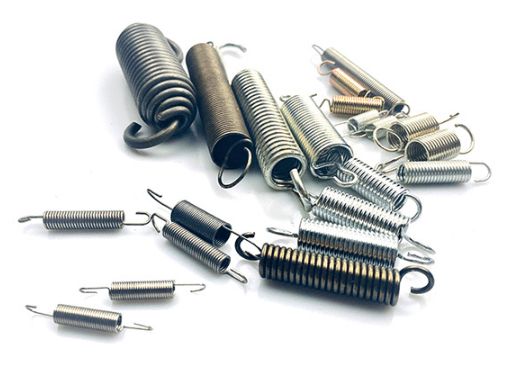
Compression springs, extension springs, torsion springs, die spring, wire spring, flat spiral spring, ferrite/ceramic magnet, smco magnet, permanent magnet, AlNiCo magnet, neodymium magnet.

KENENG has a long history of CNC hardware processing with high-precision metal casings.

Threading, tapping, milling, turning, drilling, wire EDM, custom finishing, prototype, low-volume part machining, modification of existing parts, and other services are available from KENENG.

Esmitech – Leading Oil & Gas Simulator Manufacturer

Oil safety incidents such as blowouts, explosions, fires, and poisonous gas leaking can happen at any time. Front-line employees face significant safety concerns when extracting oil. The oil and gas simulator is used to solve this issue and ensure the safety of petroleum extraction. The use of a drilling simulator training system for drilling staff can considerably increase actual operation capability and crisis reaction capability, hence boosting oil drilling efficiency and safety.

Workover Simulator

The Importance Of Oil & Gas Simulator

A high-performance oil and gas simulator is required to carry out simulation training. The petroleum equipment simulator, which uses computer technology, can not only replicate the appearance and functioning of real petroleum equipment, but also most common mishaps such as overflow, blowout, sticking, and so on.

The operator can utilize the simulator to learn how to operate petroleum equipment and can provide efficient and complete training on the basis of cheap cost and low risk, ensuring the trainees’ operational safety following their formal employment. The simulator’s control panel is nearly identical to that of the genuine pressure machine. The layout of the pressure gauge, operational lever, and valve control button is likewise created with the current condition in mind. The simulator’s visual output is likewise highly realistic. Even the corrosion and oil marks on the equipment match the real-life setting. Through the 4K HD display system, the trained personnel can feel the real well site environment. Wearing VR virtual reality glasses, the trainees can fully immerse themselves in the virtual oilfield scene.

drilling and well control simulation system

Professional Oil & Gas Simulator And Simulation Training System Provider – Esmitech

Esmitech insists on a custom production mode in order to make the simulator a reality. Engineers will go to the oil field early in the construction of each simulator to perform extensive research and personalize the product to the actual circumstances. Not only should the simulator’s appearance and performance be accurate, but so should the sound made by the equipment when it is in use on the job site. Esmitech must also be able to imitate it. Although the adoption of customized production simulators is delayed, the simulators created in this manner are unique and can provide the maximum level of safety guarantees for front-line workers.

Coiled tubing is referred to as a universal operating mechanism. It is becoming increasingly popular due to its convenience. Esmitech has created a full-size coiled tubing simulator.

In order to make the video image real, Esmitech needs to measure every detail with artistic standards from image modeling, detail rendering to animation generation.

Land Rig Installation Simulator

Esmitech has created 15 petroleum engineering simulation training systems, such as downhole operation simulators, oil and gas production and transportation simulators, and well logging simulators, which are represented by the drilling simulation system. Simultaneously, Esmitech can offer specialized services such as industrial animation, VR simulation training, and large-scale software systems that cover the entire field of oil and gas exploration.

Esmitech has now become one of the leading oil and gas simulator producers, having successfully entered the markets of many major oil producing countries in the Middle East, Africa, and the Americas.

通过 WordPress.com 设计一个这样的站点
从这里开始