Compression springs are manufactured by winding separate helical turns, allowing each turn to have a gap or pitch. This design enables the spring to contract under force while maintaining tension towards both ends.
To avoid friction and fatigue damage, a gap must be reserved between the effective turns of the compression spring when subjected to maximum load.
The free length of the spring should include the actual length of the spring, the gap, and the amount of deformation.
Smoothing the surface of the compression spring increases the contact surface, aiming for around 60-80% contact.
Compression springs have various end treatments, including not being tight or smoothed, not being tight but smoothed, being tight but not smoothed, and being tight and smoothed.
Compression springs are widely used in electronics, motors, computers, automobiles, bicycles, and various industries. They are easy to design and manufacture.
Characteristics of Extension Springs:
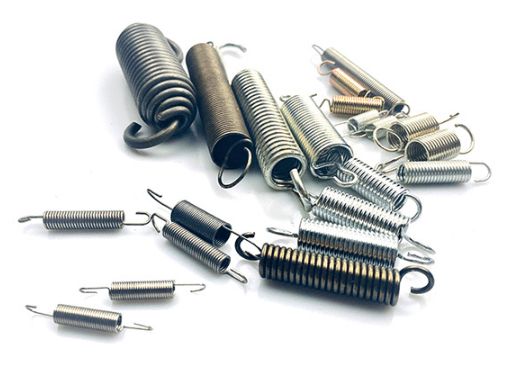
Tension springs are wound into closely spaced helical coils or pitch coils. They stretch outward and maintain the force of shrinking toward the middle when subjected to external force.
Extension springs have different types of hooks, such as English hooks, German hooks, side ear hooks, and fishtail hooks.
Extension springs come in various shapes, including straight cylinders, hooks, and other variants, depending on the design.
Extension springs can be used as the reverse of compression springs and find wide applications. However, operational control is slightly more complex compared to compression springs.
Characteristics of Torsion Springs:
Torsion springs are divided into single torsion springs and double torsion springs. They are often inserted into pins or shafts and generate torsional force along the axis, causing the spring to coil or loosen when external force is applied.
Double torsion springs can be outer or inner double torsion with closed or separated circles. The ends of the spring can have hooked or straight torsion arms.
Torsion springs have complex design principles compared to other spring types, and various types of changes make the design more challenging.
Characteristics of Disc Springs:
Disc springs, such as DIN2093, are characterized by their small size, high load capacity, convenient combination and use, and efficient load transmission.
Disc springs can be combined in single-piece involution, multi-piece superimposed combinations, or mixed combinations to achieve various curves.
Disc springs are widely used in industries such as defense, metallurgy, engineering, power, construction, and more. They excel in applications like molds, support hangers, clutches, brakes, buffer devices, bearing preload, safety overload devices, and industrial machinery.
Disc springs adhere to standards like DIN2093 and GB/T1972-2005.
Understanding the characteristics of different springs helps in choosing the right type for specific applications and ensures optimal performance in various industries.
Web guide systems play a vital role in various industries by ensuring precise alignment and management of webs during manufacturing processes. However, like any complex system, they can encounter challenges that hinder operations. This comprehensive guide provides step-by-step troubleshooting methods for common issues in a web guide system, helping organizations maintain maximum performance. By understanding these challenges and implementing appropriate troubleshooting techniques, companies can minimize downtime, improve productivity, and ensure smooth operation.
Troubleshooting Misalignment and Drift in a Web Guide System:
Check Sensor Calibration: Begin by verifying the calibration of the sensors. Ensure they are correctly aligned and calibrated according to the manufacturer’s instructions. If necessary, recalibrate the sensors to ensure accurate detection and measurement of the web’s position.
Check Roller Alignment: Improper roller alignment can cause misalignment and drift. Inspect the rollers and reposition them if needed. Align the rollers parallel to each other and perpendicular to the web’s path.
Inspect Mechanical Components: Examine the mechanical components of the web guiding system, such as rollers, bearings, and guides. Look for signs of damage, wear, or contamination. Replace any worn-out or damaged components and clean debris or contaminants that may interfere with the web’s movement.
Troubleshooting Tension Variations in a Web Guide System:
Check Roller Tensioning: Improper roller tensioning often leads to tension variations. Ensure the tensioning mechanisms are correctly adjusted based on the recommended tension settings for the specific web material. Consult the system’s documentation for proper tensioning guidelines.
Maintain Consistent Material Feed: Inconsistent material feed can cause tension variations. Check that the material is being fed consistently and smoothly through the guiding system. Inspect the material path for blockages or irregularities and remove them if necessary.
Inspect Roller Surfaces: Examine the roller surfaces for abnormalities or damage that could affect web tension. Ensure the rollers are clean and free of debris or adhesive buildup. Replace any broken or worn-out rollers to maintain proper tension management.
Install Automatic Tension Control Systems: Consider installing an automatic web tension controller that monitors and adjusts tension in real-time. These systems utilize feedback sensors and control algorithms to maintain constant tension throughout the manufacturing process.
Troubleshooting Sensor Malfunctions in a Web Guide System:
Clean the Sensors: Sensors can accumulate dirt, dust, or debris over time, resulting in false readings. Use appropriate cleaning solutions and lint-free materials to clean the sensors. Take care not to damage or misalign the sensors during the cleaning process.
Check Sensor Alignment: Ensure the sensors are properly aligned with the web path. Confirm that the sensors are positioned perpendicular to the web’s direction and parallel to each other. Make any necessary adjustments to achieve correct sensor positioning.
Verify Electrical Connections: Examine the connections between the sensors and the control system. Ensure the connections are secure and free from corrosion or loose wires. Test the sensor signals to ensure they are correctly transmitted to the control system.
Perform Sensor Calibration: Follow the manufacturer’s instructions to calibrate the sensors. Calibration helps establish accurate detection thresholds and ensures consistent performance. Regularly scheduled sensor calibration is essential for reliable and precise web guiding.
Troubleshooting Control System Errors in a Web Guide System:
Verify Software Setups: Review the control system’s software setups and settings. Ensure the parameters and thresholds are properly configured according to the specific requirements of the manufacturing process. Consult the system’s documentation or contact technical support for assistance with proper configuration.
Check Electrical Connections: Inspect the electrical connections between control system components, such as sensors, actuators, and power supplies. Faulty or loose connections can cause control system errors. Repair or replace any damaged wiring or connectors and secure any loose connections.
Update Software: If your web guiding system has firmware or software, check for available updates from the manufacturer. Outdated software versions may contain bugs or compatibility issues. Regularly updating the software can improve system stability and performance.
Consult System Documentation and Technical Support: If control system errors persist, refer to the system documentation or contact technical support for assistance. Provide detailed information about the observed issues, system configurations, and the troubleshooting steps taken. Technical support can provide customized advice based on your equipment’s model and configuration.
Troubleshooting Inadequate Operator Training of a Web Guide System:
Comprehensive Training Programs: Implement comprehensive training programs that cover web guidance system operation, maintenance, and troubleshooting. Ensure operators understand system components, parameter modifications, error interpretation, and routine maintenance procedures.
Ongoing Training and Refresher Courses: Provide continuous training and refresher courses to keep operators updated on system improvements and best practices. Educate operators about system upgrades, new features, and troubleshooting strategies. Regular training sessions can enhance operator knowledge and confidence in efficiently managing the web guide control system.
In summary, understanding how to troubleshoot common issues in a web guide system is crucial for maintaining optimal performance and minimizing production interruptions. By utilizing proactive troubleshooting methods, businesses can harness the full potential of their web guiding systems, improving productivity, reducing downtime, and enhancing overall operational efficiency.
Revolutionizing the loot-hunting experience, Diablo IV is set to bring exciting changes and improvements to its highly anticipated next installment. One of the most anticipated updates is the itemization system, which aims to transform the loot experience that has captivated players for years. This article delves into the significant changes of the itemization system in Diablo IV, exploring the motivations behind these changes, the impact on gameplay, and the implications for build diversity and long-term player engagement.
Reflecting on the Past to Understand the Changes of Itemization System in Diablo IV
To understand the changes to the itemization system in Diablo IV, it is crucial to reflect on the previous editions of the franchise. Diablo III, while entertaining, received significant criticism for its lack of depth and meaningful options in the itemization system. The developers took these concerns seriously and are determined to address them head-on in Diablo IV. They have identified key areas for improvement through player feedback and internal evaluations.
Changes of A Deeper and More Meaningful Loot in the Itemization System for Diablo IV
Diablo IV introduces a deeper and more meaningful loot system to increase player involvement and satisfaction. The adjustments aim to enhance item diversity, improve player agency, and ensure a more balanced progression curve.
A. Expanded Item Types and Affixes:
Diablo IV introduces new item types such as trinkets, relics, and charms, alongside classic armor pieces like helmets, gloves, and boots. This expanded selection allows for more diversified and strategic building options. Additionally, the game offers a greater variety of affixes, which are traits and bonuses that can appear on items. These new affixes expand the number of possible item combinations and playstyles, encouraging build diversity and customization.
B. Reimagined Rarity and Item Tiers:
In Diablo IV, rarity and item tiers undergo significant adjustments. The progression curve has been reassessed to ensure that players have a more satisfying and visually distinct experience as they progress through the game. Higher-tier items have a more significant impact and are visually appealing, instilling a sense of accomplishment and a desire for more powerful gear.
Changes of Player Agency and Customization in the Itemization System for Diablo IV
Diablo IV places a strong emphasis on player agency and customization, granting players more control over their character’s advancement and playstyle.
A. Skill and Talent Trees:
In addition to changes in the itemization system, Diablo IV introduces skill and talent trees, allowing players to have greater control over their character’s skills and playstyle. These skill trees enable players to choose from a variety of active and passive skills, adding a layer of personalization and depth to their builds.
B. Crafting and Enchanting:
Crafting and enchanting mechanics play a significant role in the itemization changes in Diablo IV. Crafting allows players to construct and enhance items by gathering resources and learning recipes. This feature actively involves players in acquiring desired items, supplementing the usual loot gathering process. Enchanting, on the other hand, enables players to modify and reroll specific affixes on their items, providing them with more control and customization.
Changes of Legendary and Set Items Reimagined in the Itemization System for Diablo IV
Legendary and set items, iconic features of the Diablo franchise, are reimagined in Diablo IV to provide even more thrilling and game-changing possibilities.
A. Legendary Items with Unique Powers:
Each legendary item in Diablo IV possesses a unique power that significantly impacts gameplay. These legendary abilities are transformative, influencing how players approach combat, use skills, or interact with other items. The addition of these game-changing powers heightens the sense of progression and reward, creating memorable moments and strategic opportunities.
B. Set Items and Synergistic Bonuses:
In Diablo IV, set items are also reimagined. When multiple pieces of the same set are equipped, they grant players synergistic bonuses. These bonuses encourage players to specialize in specific playstyles or build archetypes, promoting build diversity and providing exciting opportunities for character advancement.
Changes of Endgame Pursuits and Item Progression in the Itemization System for Diablo IV
Recognizing the value of endgame content and long-term player engagement, Diablo IV’s itemization adjustments aim to maintain the pursuit of powerful items and character growth even after completing the main storyline. Endgame activities and rewards offer challenging and rewarding experiences, providing players with continuous incentives to modify their builds, seek out rare items, and conquer daunting challenges.
Summary
The upgrades of the itemization system of Diablo IV represent a significant advancement of the franchise’s loot system. The developers have created a richer and more meaningful loot experience that prioritizes customization, player agency, and build diversity based on feedback from previous iterations and player input. With the addition of new item types, affixes, and item tiers, players have a multitude of options to customize their characters according to their preferred playstyles. Unique legendary powers and reimagined set items add richness, excitement, and strategic depth to character builds. Diablo IV’s itemization changes, with a focus on player engagement, set the stage for an exciting and satisfying loot-hunting journey that will captivate gamers for years to come.
Petroleum simulators provide engineers and operators with a better understanding of oil and gas reservoir behavior, allowing them to predict production and refining outcomes and optimize exploration and production activities using simulation software. These oil and gas simulators help in reducing exploration and production costs by identifying and minimizing potential risks, improving operational efficiency, and maximizing resource recovery. Additionally, simulators facilitate testing and development of new technologies and processes, fostering industry innovation and competitiveness.
Types of Petroleum Simulators:
The most common types of petroleum simulators include reservoir simulators, wellbore simulators, process simulators, and integrated asset simulators. Each type has its own capabilities and applications.
Reservoir Simulators:
Reservoir simulators are programs that simulate the behavior of oil and gas reservoirs by considering factors such as rock characteristics, fluid properties, and fluid flow. They are used to forecast reservoir performance, optimize production strategies, and assess the impact of different production scenarios. Reservoir simulators are particularly effective in evaluating unconventional reservoirs like shale gas and tight oil deposits, where complex geology and reservoir characteristics pose challenges in modeling and decision-making.
Wellbore Simulators:
Wellbore simulators model the behavior of oil and gas wells, taking into account fluid generation, gas flow, and pressure variations. They are employed to enhance production efficiency, optimize well design, and predict well performance. Wellbore simulators are especially valuable in improving output from horizontal wells commonly used in unconventional reservoirs, which often require hydraulic fracturing for increased production. These simulators aid in optimizing hydraulic fracturing operations and maximizing output rates.
Process Simulators:
Process simulators are used to model the behavior of refining processes, incorporating elements such as distillation, cracking, and other chemical reactions. They are applied in refineries to optimize operations, minimize energy consumption, and improve product quality. Process simulators are particularly useful in assessing the impact of changes in feedstock composition on refining processes, enabling refineries to optimize operations to accommodate variations in feedstock composition.
Integrated Asset Simulators:
Integrated asset simulators combine reservoir, wellbore, and process modeling into a single model. These simulators allow companies to optimize the entire value chain, from exploration to refining. Integrated asset simulators contribute to increased resource recovery, reduced operational costs, and optimized production rates. They are especially valuable in assessing the impact of production decisions across the entire value chain, optimizing manufacturing and refining activities, and enhancing profitability and resource recovery.
Benefits of Petroleum Simulators:
Improved Reservoir Characterization: Petroleum simulators enhance reservoir characterization by simulating reservoir behavior based on various parameters. This reduces uncertainty in reservoir characterization, leading to better resource estimation, efficient drilling and completion operations, and lower exploration and production risks.
Optimized Production Rates: Simulators enable the optimization of production rates by modeling wellbore behavior. This optimization improves resource recovery, enhances reservoir management, and reduces operating costs.
Reduced Operating Costs: Integrated asset simulators help in cutting operating costs by optimizing the full value chain. These simulators increase resource recovery, decrease operational expenses, and optimize production rates, resulting in increased profitability, reduced environmental impact, and enhanced safety.
Increased Profitability: Economic simulators simulate the economic aspects of oil and gas production, such as project costs, cash flow, and profitability. They help in examining the financial sustainability of projects and the influence of price fluctuations on economics, ultimately leading to increased profitability, improved financial performance, and enhanced flexibility for future investments.
In summary, petroleum simulators are invaluable tools in the oil and gas industry, enabling organizations to make informed decisions, improve operational performance, increase profitability, and gain a better understanding of complex geological and technical scenarios. By utilizing different types of simulators, engineers and operators can optimize reservoir performance, well design, refining processes, and the entire value chain, leading to more efficient and cost-effective operations.
Gas chromatographs find extensive applications in various industries, including petroleum, chemical, biochemistry, medicine and health, food, and environmental protection. They are instrumental in both quantitative and qualitative analysis, as well as determining physical and chemical constants of samples in the stationary phase, such as distribution coefficient, activity coefficient, molecular weight, and specific surface area. Essentially, a gas chromatograph is a device used for the analysis and detection of components in a mixed gas.
Adhere to the gas chromatograph manual guidelines
Upon receiving the instrument, it is crucial to ensure that all parts are present and accounted for, and that the instrument manual is complete. It is essential to maintain these materials properly. Before operating the instrument independently, it is imperative to thoroughly read and understand the relevant instructions, and strictly follow the prescribed regulations. This serves as a prerequisite for obtaining accurate and reliable analytical results. In the event of any issues with the instrument, it is advisable to consult with the gas chromatograph manufacturer for assistance.
Establish a standard for column testing
The performance of the chromatographic column is pivotal in guaranteeing precise analytical results. For newly acquired chromatographic columns, it is recommended to evaluate their performance using test samples. If the results are unsatisfactory despite following the test conditions provided by the column manufacturer, it is possible to request a return or exchange. Furthermore, column performance may change over time with repeated use. When doubts arise about the accuracy of analytical results, conducting a column test using a standard sample and comparing the results with previous tests can help identify whether the column is the source of the problem. This facilitates appropriate troubleshooting measures.
Utilize carrier gas of the required purity
To prevent interference with the analysis and contamination of the chromatographic column or detector, it is essential to use carrier gas of high purity grade. It is important to recognize that the cost of a chromatographic column is over 20 times greater than that of a bottle of high-purity nitrogen or hydrogen. Attempting to save costs by employing ordinary gas as a carrier gas may lead to greater losses. Ideally, the auxiliary gas used in the detector should also be of high-purity grade. While common gases can be used when sensitivity is not critical, it is important to consider the risk of detector contamination. Promptly replace column seals when necessary.
Timely replacement of graphite gaskets
Leakage of graphite gaskets is a common issue with gas chromatographs. It is crucial not to reuse the same gasket on different columns. Even when removing and reinstalling the same column, it is recommended to replace the gasket with a new one to ensure optimal efficiency. If a gas leak is detected after column installation and the sealing gasket is replaced, it may consume additional time. Even if the old gasket appears usable, it should be tightened slightly more than the original. Failure to do so may result in damage to the capillary column.
Regularly replace gas purifier packing
While the performance of color-changing silica gel can be assessed based on color changes, purifiers like molecular sieves that adsorb organic matter are not easily judged with the naked eye. Therefore, regular replacement is necessary, preferably every three months. When replacing silica gel, if molecular sieves are installed together, they should be replaced simultaneously.
Periodic replacement of injection liners
A leaking inlet gasket is a common issue in gas chromatographs. Moreover, the aging degradation of the gasket can interfere with the analysis process, potentially leading to the presence of ghost peaks caused by debris falling into the vaporization chamber. The frequency of liner replacement depends on the nature of the sample being analyzed and the analysis conditions. Typically, routine laboratories replace the injection liner once per day. In any case, a single liner should not be used continuously formore than a week.
Replace parts individually
When conducting repairs on a gas chromatograph, it is important not to replace multiple parts simultaneously, as this can complicate the identification of the root cause of the failure. It is recommended to replace one component at a time, conduct testing, and then proceed to replace the next part if necessary. This approach simplifies the process of accurately determining the cause of the failure, while also minimizing unnecessary expenses.
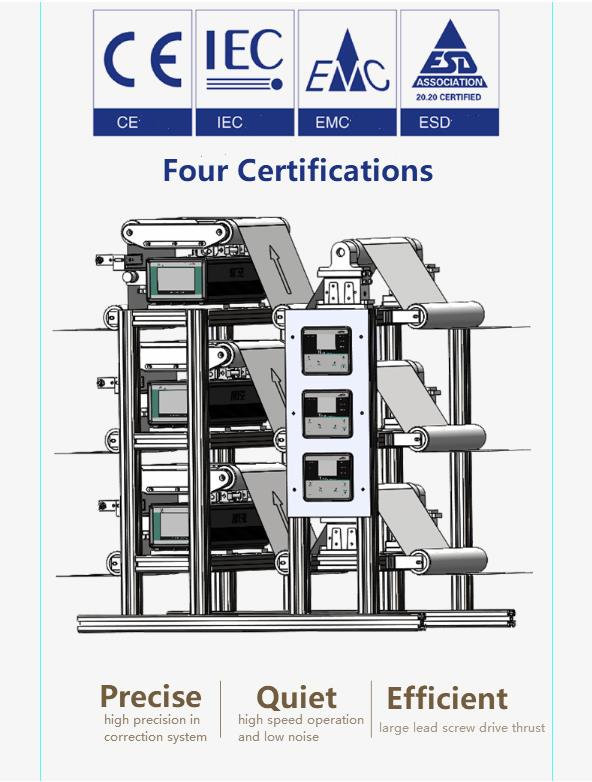
Maintaining precise control over web materials is essential in the packaging industry to ensure high-quality output. To achieve this level of precision and efficiency, an increasing number of packaging companies are adopting web guiding systems. These innovative technologies automate web material control and guidance, resulting in faster production, reduced waste, and enhanced product quality. In this article, we will explore the 6 key advantages of implementing web guiding systems in the packaging industry and how they are revolutionizing the manufacturing process.
Enhanced Material Control and Accuracy
Web guide systems offer unparalleled control and accuracy when dealing with different types of web materials. By utilizing sensors, cameras, and actuators, these systems detect and correct misalignments, wrinkles, and irregularities in the web material, ensuring precise positioning throughout the manufacturing process. This level of control reduces material waste, eliminates product faults, and improves overall packaging quality.
Increased Production Efficiency
By minimizing manual intervention and human errors, web guiding system enhance manufacturing efficiency. These system can automatically adjust the alignment, tension, and speed of the web material, ensuring a continuous and smooth flow across the entire production line. Eliminating the need for manual adjustments allows packaging companies to significantly reduce setup time, increase production speeds, and achieve higher throughput rates.
Waste Reduction and Cost Savings
Web edge guide systems help reduce waste and save costs by minimizing material waste and rework. By precisely guiding the web material, these technologies prevent misalignment-related errors, such as slanted labels or uneven folds. This reduction in defects leads to fewer rejected products and less material waste, ultimately saving valuable resources for packaging companies. Additionally, the precise control provided by web guiding systems reduces the need for excess setup material and minimizes the risk of production line stoppages, resulting in cost savings.
Improving Product Quality and Customer Satisfaction
Implementing web guiding systems significantly improves product quality, which in turn increases customer satisfaction. By maintaining accurate web material positioning and tension, these systems eliminate variations that may result in defects or inconsistencies in the packaged products. Consistently high-quality packaging instills customer confidence and enhances brand reputation. Moreover, precise web material control enables packaging companies to incorporate complex features like holographic labels or intricate designs, elevating the visual appeal and perceived value of their products.
Operator Safety and Ease of Use
Web guiding systems prioritize operator safety by reducing the need for manual intervention in the production line. Automating the web material control process minimizes potential hazards associated with manual changes, such as entanglement or injuries caused by moving parts. Furthermore, these systems feature user-friendly interfaces and straightforward controls, making them easily accessible and manageable for operators with varying skill levels. This ease of use fosters a safer and more efficient workplace.
Adaptability and Versatility
Web guiding system offer customization and versatility in the packaging industry. They can seamlessly integrate into various packaging processes and support a wide range of web materials, including films, labels, and flexible packaging materials. The ability to handle different materials and adapt to diverse packaging requirements ensures that packaging companies can benefit from web guiding systems regardless of their specific needs, providing them with a competitive edge in the market.
In summary, implementing web guiding systems revolutionizes the packaging industry by enabling precise and efficient operations while minimizing waste and increasing revenue. As the packaging industry continues to evolve, web guiding control systems will become increasingly crucial in meeting the demands of a fast-paced market and delivering superior quality packaging to clients. By embracing these innovative technologies, packaging firms can unlock efficiency, precision, and customer satisfaction, positioning themselves as industry leaders in the dynamic world of packaging.
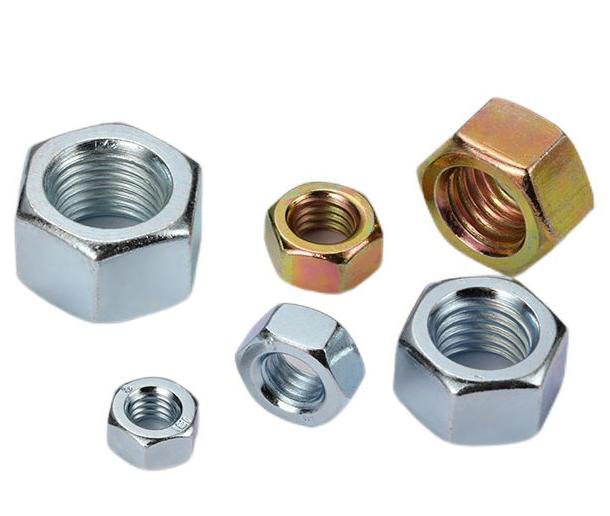
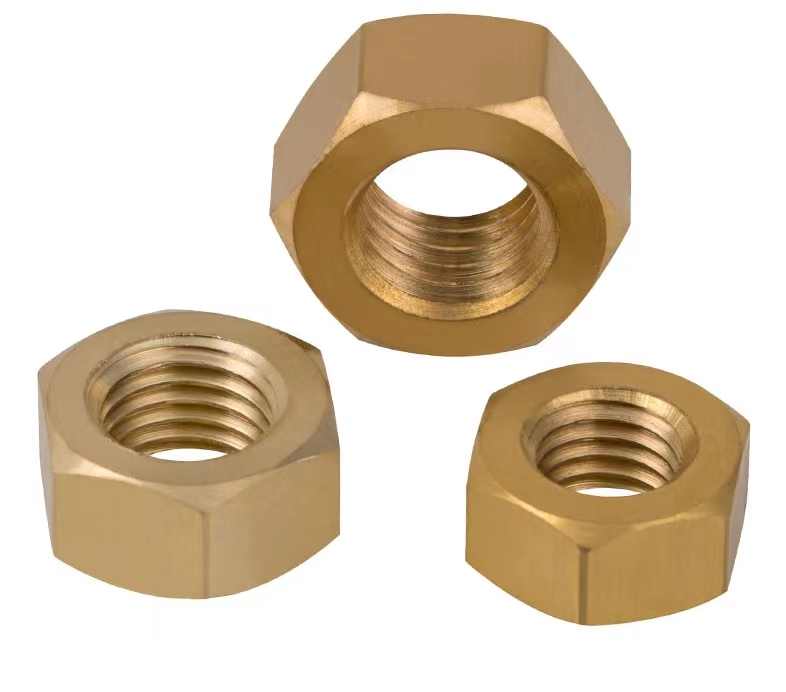
Hexagon nuts, also known as hex nuts, are one type of commonly used nuts found in a wide range of industries, including the automobile industry (cars, trucks, buses, etc.), construction machinery, wind power equipment, and more. These nuts are crucial for connecting and securing machine parts alongside screws, bolts, and other fasteners. Let’s explore the characteristics and uses of different types of hex nuts.
Ordinary Hexagon Nut:
The ordinary hex nut is the most widely used type and is commonly employed in machinery, equipment, and structures with rough surfaces that don’t require high precision. It serves as a general-purpose fastener found in various applications. This nut offers a relatively large tightening force but requires ample installation space. Live wrenches, open wrenches, or glass wrenches are commonly used during installation.
Cylindrical Inner Head Hexagon Nut:
The cylindrical inner head hexagon nut is extensively used for machines, equipment, or structures with relatively smooth surfaces and precision requirements. It provides a relatively large tightening force and can be conveniently operated using an Allen wrench. This type of nut is versatile and finds application in diverse structures. It boasts a neat and aesthetically pleasing appearance. However, its tightening force is slightly lower than that of the outer hexagon, and repeated use may damage the inner hexagon, rendering it non-disassemblable.
Pan Head Inner Hexagon Nut:
Pan head inner hexagon nuts are less commonly used in machinery but are frequently found in furniture. They possess similar mechanical properties to the aforementioned nuts and serve to increase the contact surface with wooden materials while enhancing the overall aesthetic appeal.
Headless Hexagon Nut:
Headless hexagon nuts are essential for specific structures, such as those requiring significant jacking force or where the cylindrical head needs to be concealed.
Countersunk Head Hexagon Nut:
Countersunk head hexagon nuts are predominantly utilized in power machinery and serve a similar purpose to regular hexagon nuts.
Nylon Lock Hexagon Nut:
Nylon lock nuts feature a nylon apron embedded in the hexagonal surface, which prevents the thread from loosening. These nuts are commonly employed in high-power machinery applications.
Flange Nut
Flange nuts, also known as pad nuts, tooth nuts, hexagon flange nuts, etc., are extensively utilized in power, communication, transportation, and other industries. These nuts offer several advantages, including integration of the gasket and the nut, anti-slip tooth patterns on the bottom, and increased contact surface area between the nut and the workpiece. This enhances the firmness and pulling force of the connection.
However, flange nuts have certain limitations. They are restricted by the workpiece, resulting in smaller specifications compared to regular hex nuts. Additionally, their irregular shape may require threaded fit. Flange nuts are commonly subjected to cold galvanizing surface treatment, as the hot-dip galvanizing process may introduce defects such as difficulty in screwing the threads after plating and reduced mechanical strength in high-strength flange nuts.
Flange nuts primarily serve the purpose of increasing the contact surface area with the workpiece and are frequently employed in pipeline connections or applications where enhancing the nut’s contact surface is necessary.
In Diablo 4, the pursuit of high reputation rewards offers a host of enticing benefits, including access to potent equipment, exploration of hidden realms, and the acquisition of unique skills. These rewards play a pivotal role in your character’s growth and progression, elevating your gaming experience to new heights. Today, we will delve into the captivating bonuses of achieving higher reputation rewards and provide guidance on how to obtain more reputation rewards.
Rewards for Each Reputation Level
The reputation system in Diablo 4 comprises five distinct stages, with each level offering its own set of rewards. Let’s take a closer look at the rewards you can expect at each reputation level:
Achieving 200 Reputation Points: As a reward, you will receive experience points, 3000 gold coins, and 1 skill point.
Reaching 500 Reputation Points: Your efforts will be rewarded with experience points, 10,000 gold coins, and the ability to use a potion once.
Attaining 900 Reputation Points: This milestone grants experience points, 25,000 gold coins, and 1 skill point.
Reaching 1400 Reputation Points: Upon reaching this level, you will gain experience points, 60,000 gold coins, and an increased cap of 80 Whispered Echoes (a special currency).
Achieving 2000 Reputation Points: The ultimate level rewards you with experience points, 150,000 gold coins, and 4 Peak Points.
By reaching these reputation milestones, you unlock a wealth of rewards, including experience points to bolster your character’s growth, substantial amounts of Diablo 4 gold coins to enhance your purchasing power, skill points to develop unique abilities, increased resource caps to expand your capabilities, and a special currency for exclusive transactions. These rewards synergistically contribute to your character’s progression and empower you in the world of Diablo IV.
How to Earn High Reputation Rewards in Diablo 4?
To maximize your chances of obtaining high reputation rewards in Diablo 4, consider implementing the following strategies:
Complete Quests and Contracts: Undertaking quests and contracts is the most reliable way to earn reputation. By successfully finishing these missions, you earn Renown, which can be used to increase your reputation with different factions. Prioritize completing quests and contracts to accumulate Renown efficiently.
Explore Uncharted Territories: Venture into unexplored regions to earn Renown, especially during the early stages of the game. By prioritizing exploration, you swiftly accumulate Renown, which contributes to your reputation progress. Unveil hidden realms and unlock their secrets to further your journey.
Defeat Formidable Enemies: Overcoming powerful adversaries in combat rewards you with Renown. Seek out challenging opponents and emerge victorious to earn a substantial amount of Renown, propelling your reputation advancement. Sharpen your skills and face the toughest foes in battle.
Join Factions: Aligning yourself with specific factions grants access to exclusive quests and contracts, accelerating your reputation gains. Choose a faction that aligns with your playstyle or objectives and join their ranks. This strategic alliance opens doors to unique opportunities for reputation progression.
Tips for Maximizing High Reputation Rewards in Diablo 4
Here are some additional tips to further optimize your pursuit of high reputation rewards in Diablo IV:
Prioritize Quests and Contracts: Devote significant attention to completing quests and contracts as they consistently provide the most Renown. Regularly check for available missions and prioritize their completion to maximize your reputation gains.
Early Exploration Advantage: Dedicate time to extensively explore new areas during the initial stages of the game. This approach ensures a rapid accumulation of Renown, expediting your reputation progression and granting you an advantage in the game world.
Engage in Battle: Whenever the opportunity arises, engage in combat encounters. Even if you’re not actively seeking to level up, defeating enemies grants Renown, which contributes to your reputation advancement. Embrace the thrill of battle and reap the rewards.
Join Factions Strategically: Assess the benefits offered by different factions and choose the one that aligns with your desired playstyle or objectives. Selecting a faction that provides relevant quests and contracts can significantly expedite your reputation gains. Forge alliances wisely to enhance your progress.
By incorporating these tips and strategies into your gameplay, you can efficiently accumulate Renown, earn high reputation rewards, and gain access to potent items, unexplored territories, and valuable skills in Diablo 4.
Summary
In Diablo 4, striving for high reputation rewards offers a multitude of advantages to players. This article has highlighted the reasons why pursuing these rewards is worthwhile and provided insights into the benefits you can expect. High reputation rewards grant access to powerful items in Diablo 4 such as weapons, armor, and jewelry, significantly boosting your character’s strength and enabling you to overcome game challenges more effectively. Furthermore, increasing your reputation allows you to explore restricted areas controlled by factions, which often house formidable enemies and valuable loot. Reputation rewards also include the acquisition of new skills and abilities from factions, expanding your strategic options in combat and adding depth to your gameplay. The article has outlined specific rewards for each reputation level, encompassing experience points, gold coins, skill points, increased resource caps, and unique currency. By striving for high reputation rewards in Diablo IV, you can enhance your character’s power, explore new territories, and acquire valuable skills, ultimately making your journey through the game more rewarding and enjoyable.
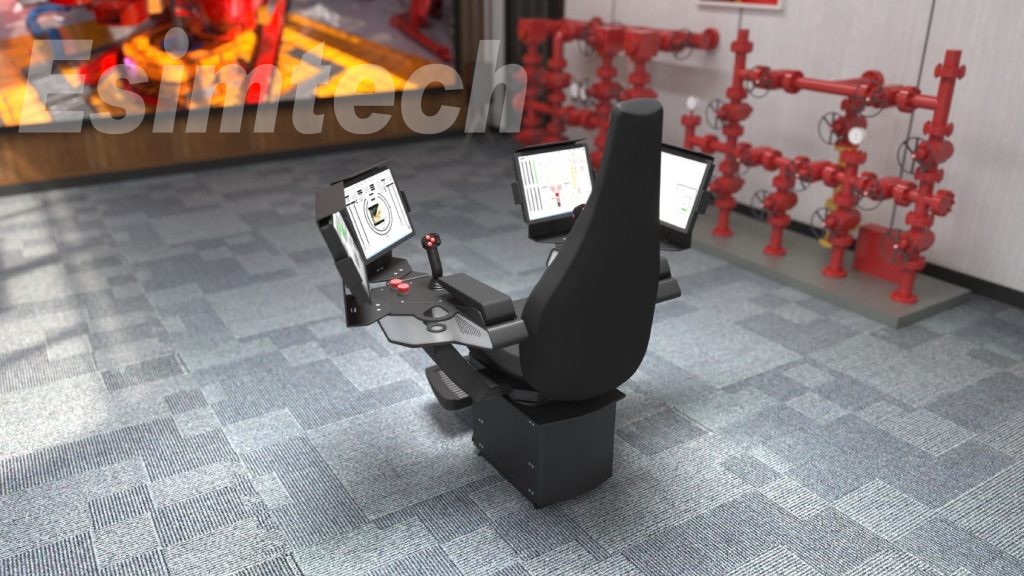
The oil and gas industry is a highly intricate and ever-evolving sector that involves a multitude of processes and procedures related to exploration, production, and transportation. However, visualizing these complex operations has been a significant challenge for industry professionals. In recent years, the utilization of oil and gas animation has emerged as an effective tool for simplifying and communicating intricate procedures and concepts, ultimately enhancing efficiency, safety, and environmental awareness within the industry. This article aims to delve into the applications, advantages, types, and working processes of oil and gas animation.
Oil and gas animation serves as a valuable instrument within the industry, providing a comprehensible visual representation of complex processes and procedures. Its benefits encompass improved visualization, enhanced safety measures, optimized efficiency, and heightened environmental awareness. The applications of oil and gas animation span a wide range, including training programs, marketing initiatives, planning exercises, and environmental analysis. Nonetheless, it is essential to acknowledge that the creation of oil and gas animation can be expensive, time-consuming, and intricate, necessitating specialized training for individuals involved in the process. Continuous investment in oil and gas animation will play a pivotal role in fostering the industry’s future growth and sustainability.
The Purpose of Oil and Gas Animation
Oil and gas animation serves as a critical tool within the industry, facilitating advancements in efficiency, safety, and environmental awareness. By providing easily understandable visual representations of intricate processes and procedures, animation enables stakeholders to gain a deeper understanding of the industry’s operations.
The incorporation of animation into the industry aids in optimizing processes and procedures, such as well placement and production facility design, thus reducing costs and increasing overall efficiency. Furthermore, animation enhances safety by simulating hazardous operations like drilling and machinery operation. Through visualizing these operations, workers can familiarize themselves with the procedures and identify potential hazards before engaging in real-world activities.
Oil and gas animation also plays a crucial role in promoting environmental awareness. Given the industry’s significant environmental impact, visualizing the associated processes and procedures helps educate stakeholders about the effects of oil and gas production on the environment. Furthermore, animation can be utilized to advocate sustainable practices and assist the industry in developing solutions to mitigate its environmental footprint.
The Benefits of Oil and Gas Animation
Enhanced Visualization: The primary advantage of oil and gas animation lies in its ability to provide clear and easily understandable visual representations of the complex processes and procedures involved in the industry. From drilling wells to transporting oil and gas through pipelines, animation can create vivid and realistic visualizations, enabling stakeholders to gain a better grasp of the processes.
Improved Safety: The oil and gas industry encompasses numerous hazardous operations that pose risks to worker safety. Through the use of animation, workers can receive training on proper procedures and familiarize themselves with potential hazards before engaging in real-world activities. Animation allows the industry to simulate hazardous operations and identify potential risks, leading to improved safety for workers.
Optimized Efficiency: Oil and gas animation aids in optimizing processes and procedures, such as well placement and production facility design. Visualizations can be analyzed to identify areas for improvement, thus reducing costs and increasing overall efficiency.
Environmental Awareness: The oil and gas industry has a profound impact on the environment. The utilization of animation helps raise awareness regarding the industry’s environmental impact, including wildlife habitats and carbon emissions. Animation can be leveraged to promote sustainable practices and effectively communicate them to stakeholders.
Types of Oil and Gas Animations
2D Animations: 2D animations are employed to create simple visualizations of oil and gas processes. These animations are commonly used for training and educational purposes.
3D Animations: 3D animations generate realistic and interactive visualizations of oil and gas operations. They are utilized for presentations, marketing endeavors, and educational initiatives.
Virtual Reality Animations: Virtual reality animations enable stakeholders to experience oil and gas operations within a virtual environment. This technology can be employed to simulate hazardous operations and identify potential risks prior to their actual execution.
Augmented Reality Animations: Augmented reality animations provide real-time visualizations of oil and gas operations. They are valuable for training purposes and on-site analysis.
The Creation Process of Oil and Gas Animation
The creation of oil and gas animation involves several steps, including concept development, storyboarding, modeling, texturing, animation, lighting, and rendering.
Concept Development: The initial step entails conceptualizing the animation. The concept may revolve around a specific process or procedure in the industry, such as drilling or transportation.
Storyboarding: The subsequent phase involves creating a storyboard for the animation. Storyboarding comprises a sequence of images that illustrate the progression of the animation. It helps identify any gaps or issues before the actual creation process commences.
Modeling: The modeling phase revolves around creating 3D models of objects involved in the animation, such as drilling equipment, pipelines, and reservoirs. Specialized software is utilized to develop these 3D models.
Texturing: Texturing involves adding colors and textures to the 3D models to achieve a realistic appearance. Surfaces can be textured to resemble various materials, such as metal or rock.
Animation: Animation involves introducing movement to the 3D models. This is accomplished by animating the movement of objects, such as drilling or the flow of oil and gas through pipelines.
Lighting: The lighting phase encompasses setting up the appropriate lighting for the animation. This is achieved by positioning lights and adjusting their intensity and color to achieve a lifelike appearance.
Rendering: The final step involves rendering the animation. Rendering converts the 3D models and animation into a finished video or image sequence. The rendering process can be time-consuming, contingent upon the complexity of the animation.
By following these sequential steps, oil and gas animation can be effectively created and utilized to communicate complex processes, enhance safety, and promote environmental awareness within the industry.
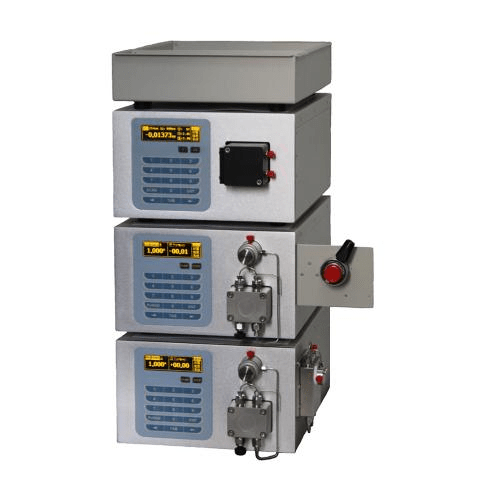
High-performance liquid chromatography (HPLC) is a rapid and efficient analytical separation technique that serves as a vital tool in modern separation testing. It offers a wide range of applications and is highly adaptable to various sample types. Unlike gas chromatography, HPLC is not restricted by the volatility and thermal stability of the compounds being analyzed. It can effectively analyze and determine nearly all compounds, including those with high boiling points, polarity, ionic properties, and even macromolecular substances. In this article, we will explore the distinctive features and frequently asked questions (FAQs) about high-performance liquid chromatography.
Features of High-Performance Liquid Chromatography:
High Pressure:
HPLC operates with liquid as the mobile phase, which encounters significant resistance while passing through the chromatographic column. To ensure swift passage through the column, high pressure is applied to the carrier liquid.
High Efficiency:
HPLC excels in separation efficiency. The selection of optimal stationary and mobile phases enables achievement of separation efficiencies many times greater than those of industrial distillation columns and gas chromatography.
High Sensitivity:
HPLC, equipped with a UV detector, can detect minute quantities as low as 0.01ng, with injection volumes typically in the order of μL.
Wide Range of Applications:
Over 70% of organic compounds can be analyzed using HPLC, making it particularly useful for the separation and analysis of compounds with high boiling points, macromolecules, strong polarity, and poor thermal stability. These are the distinct advantages of HPLC.
Fast Analysis Speed and Liquid Flow Rate:
HPLC is significantly faster than traditional liquid chromatography, typically requiring 15 to 30 minutes for sample analysis. Some samples can even be completed within 5 minutes, generally taking less than an hour.
In addition to the aforementioned features, high-performance liquid chromatography HPLC offers the advantages of reusable chromatographic columns, non-destructive sample analysis, and easy sample recovery. However, it is worth noting that HPLC has a drawback known as the “extra-column effect.” Any changes in the flow pattern of the mobile phase in components other than the column (such as the injector, column connector, connecting tube, detection cell, etc.) from the injection to the detector can lead to significant peak broadening and reduced column efficiency. Moreover, HPLC detectors are generally less sensitive compared to gas chromatography.
Frequently Asked Questions about High-Performance Liquid Chromatography:
Here, we address five common issues related to HPLC machines.
Eddy Diffusion:
Eddy diffusion occurs when the mobile phase encounters larger solid particles, similar to water hitting stones and creating a vortex-like flow. If the column packing is uneven or contains fine grooves, areas with faster and slower flow rates may result. Therefore, it is crucial to use small and uniform solid-phase particles for column packing to minimize eddy diffusion and maximize column efficiency.
Molecular Diffusion:
Molecular diffusion refers to the movement of material molecules from areas of high concentration to low concentration, also known as longitudinal molecular diffusion. To minimize molecular diffusion, the column should be packed with small and uniform solid-phase particles. Additionally, during operation, maintaining an appropriate flow rate is essential to prevent prolonged exposure of separated substances, which can lead to significant diffusion.
Mass Transfer:
To achieve effective separation, the substances to be separated must reach equilibrium between the mobile and stationary phases, forming a narrow zone. In liquid chromatography, solute molecules require time to partition between the two liquid phases or to adsorb and desorb on the solid phase. When the flow rate is high, the mass transfer becomes slow, causing the substances to move forward before reaching the equilibrium dynamic phase. This non-equilibrium movement widens the separation zone.
Flow Rate of the Mobile Phase:
Low flow rates can result in severe molecular diffusion, especially in gas chromatography. The theoretical plate height decreases rapidly with an increase in the flow rate until it reaches its lowest value. After that, mass transfer becomes the dominant factor, leading to an increase in the theoretical plate height. In high-performance liquid chromatography, a slightly higher flow rate has minimal impact. However, in gel filtration chromatography, where substances must penetrate the gel, mass transfer significantly affects column efficiency, necessitating a reduced flow rate.
Particle Size of the Stationary Phase:
Smaller stationary phase particles contribute to higher column efficiency, but they also increase resistance to the flow of the mobile phase, requiring increased pressure to maintain adequate flow.













 China manufacturers