Stamping is a widely used pressure processing method that involves applying pressure to materials at room temperature through a specially designed mould to achieve the desired shape of parts or semi-finished products. The performance of the stamping mould is of utmost importance as it directly influences the accuracy of the workpiece and the efficiency of the stamping process. Let’s explore key performance characteristics of a stamping mold.
Wear Resistance: Wear resistance is a fundamental property of the mould material. During the metal stamping process, the material undergoes both flowing and sliding along the mould cavity’s surface, leading to significant friction that can cause wear and eventual mould failure.
Hardness: The hardness of the material has a direct impact on the mould’s service life and overall quality. A high level of hardness ensures prolonged durability and effective performance of the mould.
Strength and Toughness: To prevent sudden brittle fracture during operation, the mould must exhibit high strength and toughness. Strength indicates the material’s ability to resist deformation and fracture, while toughness reflects its resistance to brittle fracture under the influence of strong impact loads.
Fatigue Fracture Properties: Good fatigue resistance is crucial for stamping moulds as they endure repeated loading conditions. Fatigue fractures can occur due to the cyclic stress experienced during the mould’s working process.
High-Temperature Performance: Working at elevated temperatures can cause the hardness and strength of the mould material to decrease, resulting in early wear or plastic deformation.
Cold and Thermal Fatigue Resistance: Stamping moulds must demonstrate resistance to cold and thermal fatigue. The repeated heating and cooling cycles can induce tension, pressure, and variable stress, leading to surface cracking, increased friction, and reduced dimensional accuracy.
Corrosion Resistance: Some moulds, like plastic molds, may be exposed to corrosive gases during operation, which can erode the mould cavity’s surface, causing wear and failure.
Geometric Parameters: The shape, fit clearance, and fillet radius of the die significantly influence the forming of stamped parts and affect the mould’s wear and lifespan.
Good Process Performance: Forging performance and heat treatment performance are vital aspects of process performance. Forging performance refers to how the material behaves during the forging process, while heat treatment significantly affects the quality of the stamping mould, ensuring the desired hardness and wear resistance.
KENENG, as a reliable source manufacturer, can create customised stamping moulds according to your specific needs and carry out mass production. If you require assistance, do not hesitate to reach out to us. We are committed to providing high-quality and cost-effective services and products for all your stamping needs.
Gems play a vital role in empowering your character in Diablo 4. By socketing these precious stones into your weapons, armor, and jewelry, you can unlock additional bonuses that cater to your playstyle and strengths. There are five types of gems to choose from in Diablo 4: Amethyst, Diamond, Emerald, Ruby, and Sapphire. Each gem boasts its own unique set of attributes, and the magnitude of the bonuses they provide is determined by the gem’s tier.
Let’s delve deeper into the realm of gems and explore the significance of making the right gem selections for your character.
Amethyst – The Purple Brilliance
Amethysts are radiant purple gems that bestow bonuses to damage over time and shadow resistance. The magnitude of these bonuses varies with the gem’s tier. A Rough Amethyst grants +4% damage over time, while a Royal Amethyst boosts it by +8%.
Characters who excel in dealing damage over time, like Necromancers and Demon Hunters, will find Amethysts to be a valuable choice. Additionally, these gems are ideal for fortifying shadow resistance, protecting your character against dark forces.
Diamond – The Azure Essence
Diamonds, shimmering in blue brilliance, enrich your character with bonuses to ultimate skill damage and all elemental resistance. The potency of these bonuses corresponds to the gem’s tier. A Rough Diamond will augment your ultimate skill damage by +7%, while a Royal Diamond elevates it to an impressive +15%.
Wizards and Crusaders, reliant on powerful ultimate skills, can greatly benefit from Diamonds. Furthermore, characters seeking enhanced elemental resistance will find these gems to be a wise investment.
Emerald – The Verdant Jewel
Emeralds, radiant in green allure, grant bonuses to critical damage against vulnerable enemies and poison resistance. The bonuses granted by Emeralds vary depending on the gem’s tier. A Rough Emerald bestows +6% critical damage against vulnerable enemies, while a Royal Emerald amplifies it to a formidable +12%.
For those who desire to maximize critical damage output, especially against vulnerable foes, Emeralds are the gem of choice. Additionally, characters in need of bolstering their poison resistance will find these gems indispensable.
Ruby – The Fiery Ember
Rubies, ablaze with red intensity, empower your character with bonuses to fire damage and fire resistance. The potency of these bonuses increases with the gem’s tier. A Rough Ruby grants +6% fire damage, while a Royal Ruby elevates it to an impressive +12%.
Barbarians and Demon Hunters, known for their fiery prowess, will find Rubies to be a natural fit. Moreover, characters seeking heightened fire resistance will discover these gems to be a powerful ally.
Sapphire – The Icy Radiance
Sapphires, glistening in deep blue radiance, bestow bonuses to critical strike damage against crowd-controlled enemies and cold resistance. The strength of these bonuses is determined by the gem’s tier. A Rough Sapphire enhances critical strike damage against crowd-controlled enemies by +4%, while a Royal Sapphire magnifies it to +8%.
Characters aiming to augment their critical strike damage against crowd-controlled enemies will find Sapphires to be an invaluable choice. Additionally, those seeking to bolster their cold resistance will benefit from these splendid gems.
The Art of Selection
Choosing the right gems is a crucial step in enhancing your character’s performance in Diablo 4. Your gem selection should align with your character’s build and playstyle. Damage-focused characters will seek gems that boost their offensive capabilities, while tank characters will prioritize gems that bolster survivability. Support characters will seek to reinforce their resistances.
Embrace the diversity of gems and experiment with different combinations to uncover the true potential of your character. With the right gems in place, you can unleash untold power, survive the darkest of battles, and conquer the challenges that await you in Diablo IV. So, dive into the world of gems and let their brilliance guide your path to victory.
Drilling and well control simulators have revolutionized training in the oil and gas industry, equipping personnel with the necessary skills to respond to well control incidents. Recent years have witnessed remarkable progress in the technology driving these simulators, resulting in more realistic and effective training experiences. In this article, we explore the latest trends and innovations in drilling well control simulators that are shaping the future of workforce readiness.
Advanced Software and Graphics: Creating Immersive Training Environments
A key trend in drilling well control simulators is the adoption of advanced software and graphics, which enable the creation of immersive training experiences. The incorporation of high-fidelity graphics and 3D models of well sites, drilling equipment, and downhole scenarios has become standard practice. Moreover, mathematical models simulating drilling parameters such as flow rate, pressure, and temperature are increasingly prevalent. By leveraging advanced software and graphics, drilling well control simulators offer more effective preparation for real-life well control incidents.
Artificial Intelligence and Machine Learning: Enhancing Realism and Adaptability
Artificial Intelligence (AI) and Machine Learning (ML) are being integrated into drilling well control simulators to generate dynamic and lifelike training scenarios. AI algorithms simulate real-time events like equipment failures and weather changes, enabling trainees to respond to unexpected situations. This fosters a more challenging and authentic experience, enhancing decision-making and problem-solving skills. Additionally, AI and ML analyze data from real-life incidents, identifying patterns and trends to improve well control training and offer personalized support where needed.
Virtual and Augmented Reality: Providing Realistic and Hands-On Training
Virtual and augmented reality technologies have transformed drilling well control simulators into highly realistic training platforms. Trainees can physically interact with the virtual environment, boosting engagement and simulation accuracy. Using virtual reality headsets, trainees can practice different well control scenarios, including equipment usage, within a simulated environment. Augmented reality overlays real-time data on the simulation, empowering trainees with vital information during well control incidents.
Cloud-Based Training: Boosting Accessibility and Scalability
Cloud-based training has gained popularity in the oil and gas industry, and drilling well control simulators are no exception. Accessible from anywhere and at any time, cloud-based training improves efficiency and reduces costs. Particularly beneficial for remote drilling sites, where transporting physical simulators might be impractical, cloud-based training is also highly scalable, enabling organizations to efficiently train larger numbers of personnel.
Integration with Real-Time Data: Enhancing Decision-Making and Safety
Drilling well control simulators now integrate real-time data from drilling operations, creating dynamic training scenarios that mirror actual drilling conditions. Trainees practice responding to real-time events, making quick decisions in well control incidents. Wellbore pressure, mud weight, and other parameters are used to simulate realistic drilling conditions, enhancing both training effectiveness and operational safety.
Gamification: Elevating Engagement and Training Outcomes
Gamification is making drilling well control simulators more engaging and enjoyable for trainees. By incorporating game-like elements such as points, levels, and rewards, gamification motivates trainees to complete training modules. This interactive approach increases training effectiveness, ensuring that trainees are well-prepared to respond to well control incidents with confidence and proficiency.
In conclusion, the continuous evolution of drilling well control simulators is revolutionizing workforce readiness in the oil and gas industry. With advanced software and graphics, AI and ML, virtual and augmented reality, cloud-based training, real-time data integration, and gamification, these simulators provide lifelike and effective training experiences. By equipping personnel with essential skills and knowledge, drilling well control simulators contribute to safer drilling operations and environmental protection.
Gas chromatography (GC) is a widely used analytical technique for separating and analyzing volatile compounds in a mixture. Different types of detectors and chromatographic columns are employed based on the specific components and properties of the sample being analyzed. Here’s a brief summary of each application mentioned:
Gas chromatography analysis of natural gas constants: Uses a thermal conductivity detector to analyze components like O2, N2, CH4, CO2, C2H6, C3H8, i-C4, n-C4, i-C5, n-C5, and others in urban gas.
Analysis of artificial gas: Utilizes a thermal conductivity detector, double-valve multi-column system, and automatic or manual sample injection for determining main components in artificial gas.
Gas chromatography analysis of LPG: Employs thermal conductivity detector, packed column system, and valve automatic or manual switching for analyzing C2-C4 and total C5 hydrocarbons in LPG produced by refineries.
Gas chromatography analysis of refinery gas: Selects thermal conductivity and hydrogen flame ionization detectors, packed column, and capillary column for analyzing various components in refinery gas.
Gas chromatography analysis of benzene and toluene in vehicle and aviation gasoline: Uses thermal conductivity detector or hydrogen flame ionization detector, double columns connected in series, and a backflushing system for qualitative and quantitative analysis of benzene and toluene in gasoline.
Gas chromatography analysis of some alcohols and ethers in gasoline: Utilizes a hydrogen flame ionization detector, multi-column system, and backflushing to analyze alcohols and ethers in gasoline, especially suitable for automotive and aviation gasoline containing ethanol.
Gas chromatographic analysis of hygienic standards for distilled wine and prepared wine: Employs a hydrogen flame ionization detector and specific columns for analyzing methanol and fusel oil in liquor.
Food Alcohol: Uses a PEG-20M capillary column, FID detector, and standard internal method to detect methanol, fusel oil, and other trace components in high-quality edible alcohol.
Analysis of aldehydes, alcohols, and esters in liquor: Utilizes a hydrogen flame ionization detector and specific columns for analyzing components in Luzhou-flavor liquor and Qing-flavor liquor.
Detection of residual solvents in vegetable oils: Employs a headspace gas chromatography system with a hydrogen flame ionization detector and packed column coated with 5% DEGS fixed solution for determining residual No. 6 solvent in leaching oil.
Indoor air detection and analysis: Uses a hydrogen flame ionization detector, thermal desorption sampler, packed column, or capillary column for detecting volatile organic compounds (VOCs) in indoor air.
Gas chromatographic analysis of transformer oil cracking products: Employs hydrogen flame ionization detector and thermal conductivity detector with Ni catalytic converter for automatic analysis of transformer oil cracking products.
Gas Chromatography Analysis of food additives and pesticide residues in food: Utilizes different detectors and chromatographic columns for the detection of various compounds in food samples.
Testing and analysis of tobacco and tobacco products: Employs TCD, FID, and specific chromatographic columns for determining moisture and nicotine content, as well as pesticide residues in tobacco and tobacco products.
Other applications: Includes various analysis methods for ethanol content in blood, residual solvents in medicines, odor analysis in food, volatile aromatic hydrocarbons in wastewater, and volatile organic compounds in drinking water.
Ergonomics: Prioritize maximum comfort and support by considering seat height, width, depth, and backrest angle. Design seats that cater to diverse body types and promote proper posture for a comfortable travel experience.
Seating Configuration: Determine the best seating arrangement based on the vessel’s layout and passenger capacity. Consider factors such as aisle width, legroom, and accessibility for passengers with mobility issues.
Seat Cushioning and Padding: Use high-quality cushioning materials that provide adequate support and pressure distribution. Marine seats are susceptible to vibrations and impacts, so choose materials that can withstand such conditions while ensuring passenger comfort.
Upholstery and Coverings: Select upholstery materials that are durable, water-resistant, and easy to clean in marine environments. Consider materials that are resistant to fading, mildew, and saltwater damage. Ensure that the coverings comply with fire safety regulations.
Safety Features: Incorporate safety equipment such as seat belts or harnesses to keep passengers safe during rough seas or unexpected vessel movements. Ensure that the safety devices are user-friendly and comply with relevant safety regulations.
Structural Strength and Stability: Design seats with sturdy frames and structures capable of withstanding the stresses encountered during maritime travel. Consider using corrosion-resistant metals or high-strength composites to ensure long-term durability.
Vibration and Shock Absorption: Implement mechanisms or materials that reduce the transmission of vibrations and shocks to the passenger seats. This can enhance passenger comfort and reduce the risk of fatigue or discomfort during long-distance travel.
Aesthetics and Branding: Create visually appealing designs that complement the overall interior aesthetics and branding of the vessel. Use color schemes, patterns, and finishes that enhance the passenger experience and reflect the maritime ambiance.
Maintenance and Cleanliness: Design seats that are easy to maintain and clean due to the presence of dirt, salt, and moisture in coastal environments. Consider using replaceable and washable seat covers, as well as components that are easily accessible for routine maintenance and repairs.
Regulatory Compliance: Ensure that the design and construction of marine passenger seats comply with relevant maritime safety and regulatory standards. This includes requirements for stability, fire safety, and evacuation protocols.
Ergonomics and Comfort of Marine Passenger Seats
The ergonomics and comfort of marine passenger seats are crucial factors in improving the overall travel experience and ensuring passenger satisfaction. Here are key considerations to prioritize when designing marine passenger seats:
Seat Contouring: Design seats that conform to the natural curves of the human body, providing optimal support and promoting proper posture. Consider the contours of the seat bottom, backrest, and headrest to evenly distribute pressure and reduce discomfort during prolonged sitting.
Seat Padding and Cushioning: Utilize high-quality padding materials that offer sufficient cushioning and shock absorption. The padding should strike a balance between comfort and support, relieving pressure points while maintaining stability. Consider incorporating foam or gel inserts to enhance comfort levels.
Lumbar Support: Include adjustable lumbar support to accommodate passengers with varying needs. Lumbar support helps maintain proper sitting posture by preserving the natural curve of the spine.
Seat Width and Depth: Ensure sufficient seat width and depth to comfortably accommodate individuals of all sizes. Seats that are too narrow or shallow can cause discomfort and restrict movement.
Armrests: Incorporate properly positioned and padded armrests to support passengers’ arms and provide a resting place. Armrests should be at a comfortable height, allowing passengers to maintain a relaxed posture without raising their shoulders. Consider the optimal seat height to facilitate easy entry and exit for passengers.
Seat Height: Consider the appropriate seat height to facilitate passenger entry and exit. Seats should align with the deck height of the vessel, allowing passengers to firmly plant their feet on the floor for stability.
Seat Upholstery: Choose upholstery fabrics that are not only comfortable but also resistant to water, mildew, and stains. Seats in marine environments are exposed to water splashes, salt, and other impurities, so selecting durable, water-resistant textiles or marine-grade vinyl is essential.
Ventilation: Incorporate ventilation features into the seat design to improve airflow and prevent heat buildup, particularly in warmer climates. Proper ventilation can help reduce perspiration and enhance passenger comfort.
Noise and Vibration Dampening: Implement measures to minimize the transfer of noise and vibration to the seats. This may involve using vibration-absorbing materials or isolating the seat mounting from the vessel’s structure to alleviate discomfort caused by vibrations and engine noise.
Accessibility: Ensure that the seats are designed to accommodate passengers with mobility issues, such as those using wheelchairs or walkers. Consider wider seat dimensions, retractable armrests, and unobstructed pathways throughout the seating area for easy movement.
Safety Standards and Compliance of Marine Passenger Seats
Regulatory Requirements: Familiarize yourself with applicable norms and standards for marine passenger seating, including recommendations from organizations such as the International Maritime Organization (IMO), the United States Coast Guard (USCG), and classification societies like Det Norske Veritas Germanischer Lloyd (DNV GL) or Lloyd’s Register (LR). Stay updated on any revisions or amendments to these regulations.
Seat Strength and Durability: Marine passenger seats must have structurally sound frames capable of withstanding the dynamic stresses experienced during vessel operations. Consider seat frame materials, reinforcements, and load testing to ensure appropriate strength and durability.
Fire Safety: Materials used in marine seating must meet fire safety standards, such as the International Convention for the Safety of Life at Sea (SOLAS) requirements for fire resistance. Use fire-retardant materials and ensure compliance with relevant flammability standards, such as the International Maritime Organization’s Fire Test Procedures Code (FTP Code).
Seat Belt Systems: Install proper seat belt systems to enhance passenger safety and minimize the risk of injury during turbulence or accidents. Follow industry-standard seat belt designs, including buckle types, webbing strength, and attachment points. Consider utilizing a three-point or lap-and-shoulder seat belt.
Impact Resistance: Design seats with impact-resistant characteristics to minimize the effects of collisions or incidents. Reinforce seat constructions and attachment points to withstand impact forces and minimize the risk of seat detachment or failure.
Slip Resistance: Use slip-resistant materials or surface treatments on seat surfaces and surrounding areas to prevent passengers from slipping or falling, particularly when the vessel is in motion or during wet weather conditions.
Accessibility: Ensure that marine passenger seats meet accessibility requirements to accommodate individuals with disabilities. Consider factors such as seat height, armrest design, and maneuvering space to facilitate ease of use for passengers with mobility challenges.
Documentation and Certification: Maintain detailed records of seat design, materials, manufacturing processes, and compliance testing. Obtain necessary certificates or approvals from recognized authorities or classification organizations to demonstrate compliance with safety standards.
Crash Testing: Consider conducting crash tests or simulations to assess the performance of the seats during impact scenarios. This can help identify areas for improvement and validate compliance with safety regulations.
Ongoing Compliance Monitoring: Regularly review and evaluate seat designs and materials to ensure continuous compliance with evolving safety requirements and standards. Stay informed about industry developments, safety bulletins, and best practices to ensure the safety of marine passenger seats.
Summary
Marine passenger seats are not only essential for safety but also contribute to the overall passenger experience on the high seas. These seats are designed to provide comfort, durability, compliance with safety regulations, and accessibility for all passengers, from luxurious cruise liners to efficient ferry services. By prioritizing ergonomics, safety standards, and design considerations, marine passenger seats can offer passengers a pleasant and secure journey at sea.
Web video inspection systems are innovative solutions that utilize digital imaging technology to capture and analyze real-time video footage for inspection purposes. These systems consist of high-resolution cameras mounted on flexible arms or gantry systems, enabling easy positioning and maneuverability in various environments. In this article, we will delve into the key features, advantages, applications, and importance of web video inspection systems.
Key Features and Components of Web Video Inspection Systems
High-Resolution Camera: The heart of a web video inspection system is its high-resolution camera. It records detailed video footage, allowing inspectors to thoroughly examine objects or surfaces. The camera’s resolution ensures even the smallest flaws or anomalies are easily noticeable and can be investigated.
Flexible Arm or Gantry System: The camera is often mounted on a flexible arm or gantry system, providing mobility and flexibility during inspections. The flexible arm allows for easy placement and adjustment, granting access to hard-to-reach areas or objects of varying shapes and sizes.
Lighting Mechanism: Proper illumination is crucial for accurate inspections. Web inspection camera systems include lighting mechanisms, typically in the form of built-in LED lights. These lights can be adjusted to provide appropriate illumination, improving image quality and ensuring clear visibility of the inspection area.
Real-Time Video Display: A real-time video display, usually shown on a monitor or computer screen, allows inspectors to view the inspection process as it happens. This enables instant feedback and facilitates real-time decision-making. Inspectors can evaluate video footage, zoom in on specific areas, and make adjustments on the spot.
Control Unit: A control unit oversees the camera and other components of the web inspection system. It provides inspectors with control over camera movements, lighting conditions, and access to additional features or functionalities offered by the system.
Software and Recording Capability: Web inspection systems include dedicated software that enhances functionality and user convenience. Inspectors can capture photos or record video footage during inspections. This capability is valuable for documentation, further analysis, report generation, and maintaining inspection records for future reference.
Remote Access and Control: Web video inspection solutions often offer remote access and control capabilities. Inspectors can control the system from a central location, increasing flexibility and convenience. Remote access is particularly useful in hazardous or inaccessible inspection areas or when specific expertise is required.
Portability and Durability: Portability and durability are critical considerations for web video inspection equipment. These systems are lightweight and compact, making them easy to transport and suitable for various settings. They are constructed with rugged and durable materials to withstand demanding work conditions, ensuring long-term reliability.
Key Advantages of Web Video Inspection Systems
Enhancing Accuracy: The high-resolution camera and real-time video display of web video inspection systems enable inspectors to observe and analyze details with exceptional clarity. This results in more accurate detection and evaluation of flaws, abnormalities, or quality issues. Improved accuracy reduces the risk of overlooking critical concerns, ensuring thorough inspections and upholding high-quality standards.
Increasing Efficiency: Web video inspection systems streamline the inspection process, leading to increased efficiency. The flexibility of the camera’s arm or gantry system allows inspectors to quickly and easily position the camera, providing access to areas that would otherwise be challenging or time-consuming to reach. This saves time and labor compared to traditional inspection methods, ultimately boosting productivity.
Improving Documentation and Reporting: Web video inspection systems often include software that allows inspectors to capture photos or record video footage. This documentation serves as a valuable resource for additional analysis, quality assurance, and reporting. Digital documentation simplifies the process, enhances traceability, and enables comprehensive reporting to stakeholders.
Versatility and Adaptability: Due to their flexible arm or gantry system and customizable lighting mechanisms, web video inspection systems are versatile and adaptable to diverse inspection settings. Inspectors can easily adjust camera angles, illumination intensity, and position to enhance visibility and image quality, catering to various inspection requirements. This adaptability allows the system to be utilized across multiple industries and inspection applications.
Cost Saving: Web inspection camera systems offer cost savings in several ways. They reduce the time and effort required to conduct inspections by enhancing efficiency. Additionally, their ability to quickly identify and rectify flaws or abnormalities reduces the risk of costly rework or product recalls. The documentation capabilities of the system are also valuable for quality assurance and dispute resolution.
Enhancing Safety: By reducing the need for direct physical contact with hazardous chemicals or environments, web inspection vision systems improve safety. Remote inspection capabilities provide a safer working environment, especially in situations where employees may be exposed to hazards or face limited access.
Continuous Improvement and Analysis: The ability to record video footage during inspections enables thorough analysis and evaluation. Inspectors can review recorded footage, assess trends, and identify opportunities for process or product improvement. This helps companies enhance their overall quality control methods and promotes continuous improvement initiatives.
Wide Applications of Web Video Inspection Systems
Manufacturing: Inspecting product quality, identifying flaws, and monitoring manufacturing processes.
Automotive: Examining components, detecting manufacturing or assembly defects, and ensuring compliance with quality requirements.
Infrastructure and Construction: Assessing the condition of structures, inspecting pipelines, and maintaining the integrity of critical infrastructure.
Quality Control: Verifying product specifications, inspecting packaging and printing quality, and ensuring adherence to industry regulations.
In conclusion, the web video inspection system is an indispensable tool for modern inspections, providing unparalleled precision, efficiency, and adaptability. With advanced imaging technology, real-time video displays, and flexible positioning capabilities, inspectors can detect flaws and irregularities with exceptional accuracy. These systems enhance productivity, reduce costs, and ensure the highest level of quality control across diverse industries. Embracing this technology is essential for achieving inspection excellence, driving improvements, and maintaining a competitive edge in today’s fast-paced business environment.
Flat washers are typically made by stamping iron plates and come in round or square shapes with a hole in the center. The size of the hole is generally determined based on the bolt diameter or customer specifications.
The main functions of flat washers are as follows:
Increasing Contact Area: Flat washers increase the contact area between the machine and the screw, distributing the load more evenly.
Protecting Surfaces: They prevent damage to the machine’s surface when removing screws. It is important to place the flat washer next to the machine’s surface, with the spring washer between the flat washer and the nut. This setup increases the bearing surface of the screw and provides some buffer protection against stress from the spring washer.
No Anti-Vibration or Anti-Loosening Function: Flat washers do not provide anti-vibration capabilities or prevent loosening, so they need to be used carefully.
The function of Spring Washers:
Spring washers are placed under nuts to prevent them from loosening. Commonly used spring washers come in specifications such as M3, M4, M5, M6, M8, M10, M12, M14, and M16.
The main function of spring washers is:
Preventing Loosening: After tightening the nut, the spring washer applies an elastic force that presses against the nut, preventing it from easily coming off and increasing the friction between the nut and the bolt. This is especially useful in equipment with vibrations, as the spring washer ensures the nut remains secure.
Installation Sequence:
When installing washers, it is crucial to follow the correct sequence:
Flat Washer First: The flat washer should be installed before the spring washer. This is because the spring washer has sharp corners that may scratch the connector if installed first. The flat washer, being flat, will not cause any damage during rotation.
Bolt Assembly: For rigorous hardware connections, it is advisable to use a combination of bolts, spring washers, and flat washers. This ensures a secure and reliable connection, reducing the likelihood of loosening.
When to Use Flat Washers and Spring Washers:
The decision to use flat washers or spring washers depends on the specific application and load conditions. Here are some guidelines:
Flat Washers: Use flat washers when the load is relatively small, and there is no significant vibration load.
Combination of Flat Washers and Spring Washers: When dealing with larger loads or applications subjected to vibration loads, a combination of flat washers and spring washers is necessary to provide additional security and prevent loosening.
Spring Washers: Spring washers are generally not used alone but in combination with other washers for enhanced performance.
In summary, flat washers increase contact area and protect surfaces, while spring washers prevent loosening and provide preload. Understanding their functions and using them appropriately in hardware connections ensures reliable and secure fastening.
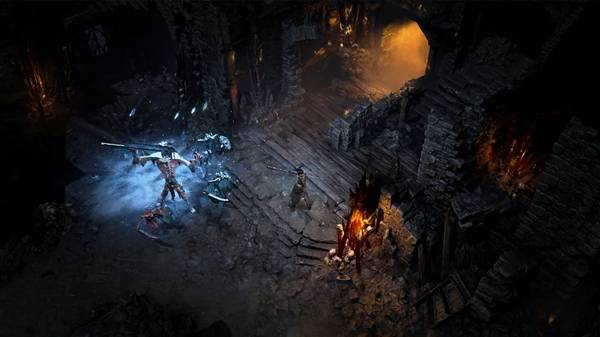
Diablo IV, the action role-playing game created by Blizzard Entertainment, immerses players in a dark and gothic world teeming with demons, monsters, and supernatural creatures. One of the most captivating aspects of the game is the vast array of in-game items and weaponry available for players to collect and utilize against their adversaries. In this article, we will delve into some of the most intriguing and potent in-game items and weapons found in Diablo IV.
Weapons in Diablo IV
Diablo IV features a diverse selection of weapons, each with its own unique attributes and abilities. Among the most powerful weapons in the game are the legendary and set items, which possess specific attributes that can grant players a significant advantage in combat.
The sword stands as one of the most iconic weapons in Diablo IV. Swords come in various sizes and shapes, ranging from small blades to colossal two-handed weapons. They offer players the ability to deliver swift and precise strikes, as well as unleash devastating sweeping attacks capable of damaging multiple adversaries simultaneously. Two notable examples of powerful swords in the game are the legendary Blade of the Immortal King, which enhances attack speed and critical hit chance, and the set item known as The Slanderer and Little Rogue, a deadly pair of daggers that amplify damage and protection when wielded together.
Another prominent weapon type in Diablo IV is the bow. Bows provide players with long-ranged attacks, allowing them to engage enemies from a distance and eliminate threats before they draw near. The legendary Windforce, which possesses the ability to knock back foes with each strike, and the set item Natalya’s Vengeance, which enhances critical hit chance and damage, are two of the most formidable bows available in the game.
In addition to swords and bows, Diablo IV offers an extensive selection of weaponry, including axes, maces, spears, and more. Each weapon type boasts distinct qualities that can be tailored to suit the preferences and playstyle of the player.
Armor in Diablo IV
Armor plays a crucial role in Diablo IV as it provides protection against enemy attacks and can enhance the player’s attributes and abilities. Similar to weaponry, armor comes in various styles, ranging from light leather to heavy plate. The most potent armor in the game often falls under the legendary and set items categories, as they can bestow special powers and bonuses upon the player.
The Immortal King armor set stands out as one of the most sought-after in Diablo IV. This set consists of a helmet, gloves, chest armor, and boots, each offering specific bonuses. When worn as a complete set, the Immortal King armor increases damage and protection while granting the player the ability to summon a formidable Ancient to aid them in battle.
Another formidable armor set is the Tal Rasha set, which encompasses a helmet, amulet, chest armor, belt, and boots. This set enhances the player’s elemental damage and, when worn together, boosts elemental damage output and the potency of spellcasting.
Diablo IV also encompasses various armor pieces such as shields, bracers, and rings, each capable of being customized and augmented using Diablo IV gems and other items to enhance their qualities.
Consumable Items in Diablo IV
In addition to weapons and armor, Diablo IV offers a range of consumable items that provide temporary boosts during combat. These items include health and mana potions, elixirs, and scrolls.
Health potions hold vital importance in Diablo IV, enabling players to swiftly replenish their health while engaged in combat. Mana potions also prove invaluable as they restore mana reserves, allowing players to continue casting spells and utilizing abilities.
Elixirs are consumable items that grant temporary stat bonuses, empowering players with enhanced attributes for a limited duration. Scrolls, on the other hand, provide players with the ability to unleash potent spells without relying on mana reserves.
In Summary
A vast array of in-game items in Diablo 4 can be tailored and upgraded to suit the player’s preferences and playstyle. Whether it’s wielding formidable swords and bows or donning legendary armor sets, players have a wealth of options when it comes to battle gear. Additionally, consumable items such as potions, elixirs, and scrolls provide temporary boosts during combat, further enriching the gameplay experience in Diablo IV.
Drilling simulators have become invaluable tools for enhancing drilling efficiency and safety. This comprehensive article aims to provide an overview of drilling simulators, including their components, benefits, and development trends.
Understanding Drilling Simulators
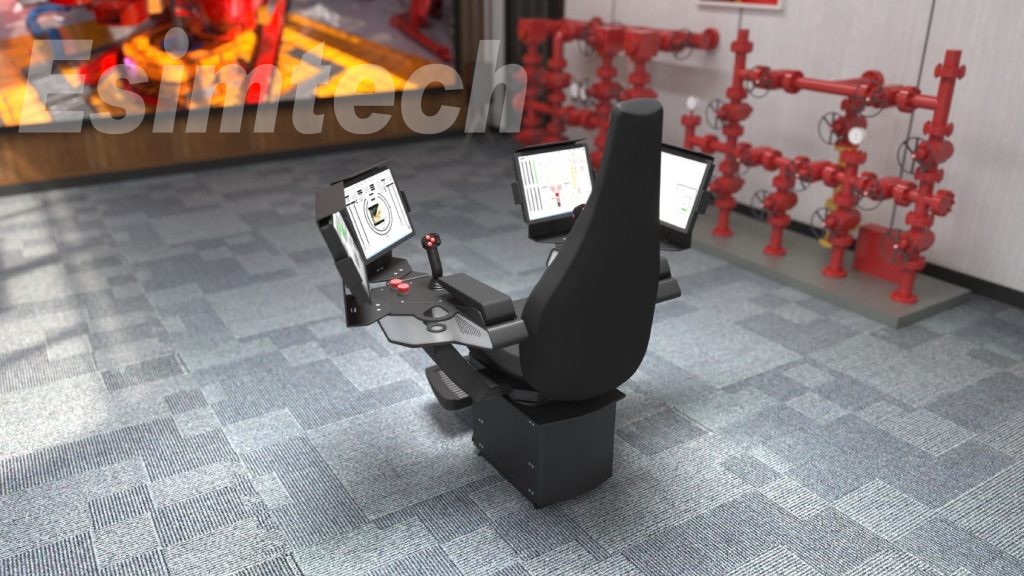
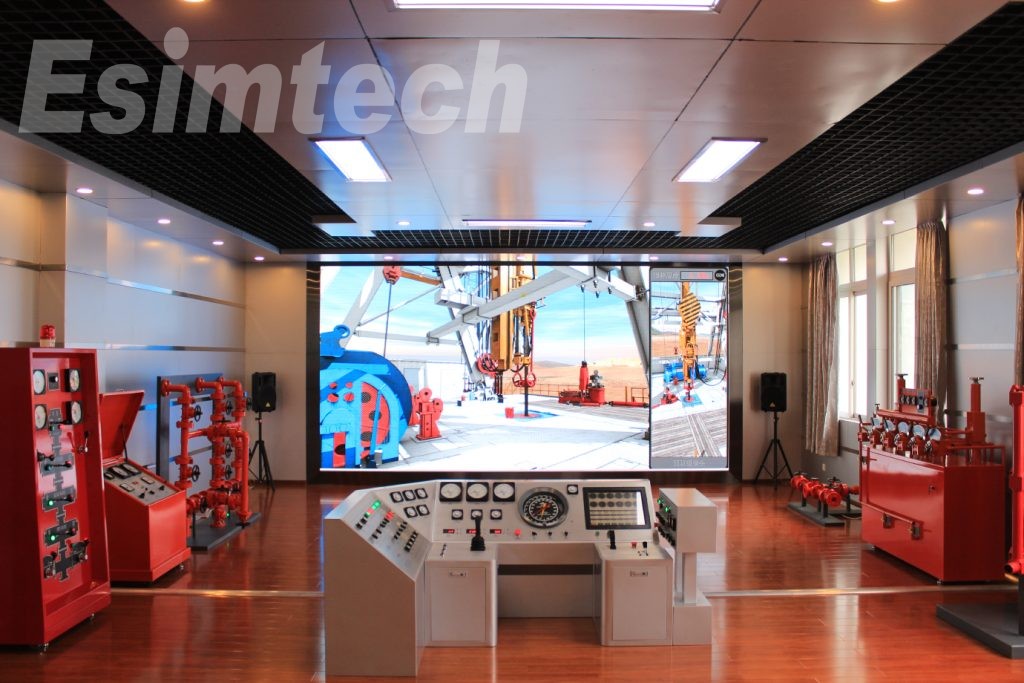
Drilling simulators are training systems designed to replicate drilling operations, offering trainees practical experience in a controlled environment without the inherent risks and costs associated with real drilling. The primary goal of these simulators is to improve the efficiency and safety of drilling activities. By providing realistic drilling experiences, simulators mitigate the risks associated with actual drilling while reducing expenses related to tools, personnel, and downtime.
Virtual Drilling Simulators
Virtual drilling simulators are computer-based systems that enable trainees to practice drilling operations within a simulated environment. These simulators replicate drilling rigs, tools, processes, and environments, providing an immersive and lifelike training experience. Virtual drilling simulators offer numerous advantages over physical simulators, such as cost reduction, the ability to simulate complex drilling scenarios, and the capability to monitor and analyze trainee performance data.
Components of Drilling Simulators
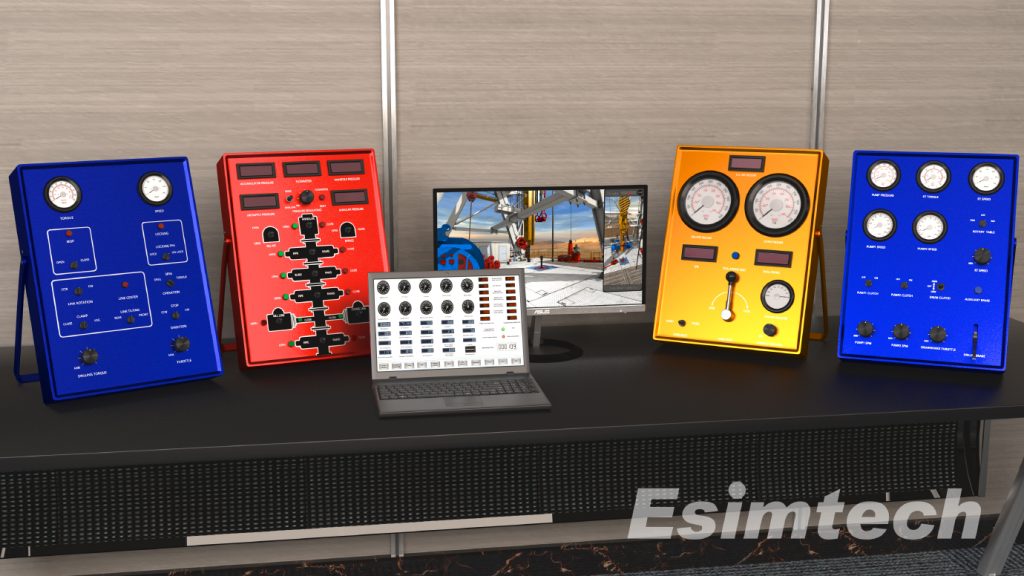
Drilling simulators consist of both physical and software components. Hardware components include the drilling rig, control systems, and sensors, while software components encompass simulation models, visualization tools, and data analysis capabilities. Although the drilling rig and equipment used in simulators are typically scaled-down versions of real equipment, they must accurately mimic the functionality and behavior of their real counterparts. Simulation models are computer programs that simulate drilling physics and equipment behavior.
Benefits of Drilling Simulators in the Oil and Gas Industry
Drilling simulators find extensive use in training within the oil and gas industry. They aid in training drilling crews, enhancing drilling operations, and improving safety. Simulators can simulate various drilling scenarios, including harsh environments, deepwater drilling, and unconventional drilling. Furthermore, they can evaluate drilling equipment efficiency and optimize drilling processes.
Advantages of Using Drilling Simulators
Drilling simulators offer multiple advantages, including cost savings, enhanced safety, improved training efficiency, and realistic simulations. Simulators reduce risks associated with real drilling by providing trainees with authentic drilling experiences while minimizing tool costs, personnel expenses, and downtime. Moreover, simulators provide a safe environment for trainees to make and learn from mistakes without endangering themselves or others. Lastly, simulators can replicate a wide range of drilling situations, enabling trainees to gain diverse experience in routine, complex, and hazardous operations.
Development Trends of Drilling Simulators
The development of drilling simulators is an evolving process, with several trends emerging. Virtual reality is gaining popularity, offering a more immersive training experience. Virtual reality simulators allow trainees to interact with simulated environments and equipment in real-time, enhancing their training. Integration with automation technology is also on the rise, improving drilling operation efficiency. Automated drilling systems can be controlled and monitored remotely, reducing the need for on-site personnel. Additionally, advanced data analytics are employed to analyze drilling data and optimize drilling operations. Data analytics enables drilling crews to identify patterns and trends in the data, leading to enhanced drilling processes and reduced costs.
Conclusion
Drilling simulators are indispensable tools in the oil and gas industry, enhancing drilling operation efficiency. They provide realistic training experiences, reduce risks and costs, and enable drilling crews to practice a wide range of drilling scenarios. The development of drilling simulators continues to evolve, incorporating virtual reality, automation technology, and data analytics to further enhance their capabilities.
Fourier Transform Infrared Spectroscopy (FTIR), also known as FTIR Spectroscopy or Fourier Infrared Spectroscopy, is a type of infrared spectrometer that operates on the principle of Fourier transform of infrared light after interference.
After passing through the beam splitter, the converged interference light passes through a sample cell. As the light travels through the sample, it carries information about the sample’s composition. The detector receives the interference light containing the sample information, which is then subjected to Fourier transformation to obtain the transmittance and absorbance at specific wavenumbers or wavelengths.
FTIR spectrometers possess several notable features:
High signal-to-noise ratio: Due to the minimal use of optical components and the absence of a grating or prism beam splitter, FTIR spectrometers reduce light loss and enhance signal strength through interference, resulting in a higher signal-to-noise ratio.
Excellent reproducibility: Fourier transform processing of the light signal in FTIR spectrometers avoids errors associated with motor-driven grating light splitting, leading to improved reproducibility.
Rapid scanning speed: FTIR spectrometers collect data across the entire waveband, and the resulting spectrum is an average of multiple data collections. Consequently, a complete data collection can be accomplished in a matter of seconds, while dispersive instruments only test a narrow frequency range at any given moment, requiring ten to twenty minutes for a complete data acquisition.
Infrared spectroscopy, including FTIR, offers numerous advantages, such as its versatility in analyzing various sample states (solid, liquid, or gas) and its broad application range in detecting inorganic, organic, and polymer compounds. It is a non-destructive analytical technique with high sensitivity, rapid analysis, minimal sample consumption, ease of operation, and powerful qualitative capabilities when combined with chromatography or thermal analysis.
FTIR spectrometers are capable of addressing several analytical challenges, including:
Identification of known objects.
Structural identification of unknown substances.
Quantitative analysis of specific materials.
Micro-infrared analysis of trace substances on product surfaces, such as residues, powders, liquids, oxidation, corrosion, and foreign components.
Polymer consistency determination, where FTIR excels due to the distinctive spectral peaks corresponding to different groups and arrangements of groups in various substances. Comparing infrared spectra allows for differentiation between compounds in samples and the determination of material consistency. Comprehensive analysis of component content, physical and chemical properties, etc., alongside FTIR, enhances consistency analysis results.
FTIR spectrometers find applications in various fields, including the analysis of unprocessed plastic raw materials (granules) or processed plastic parts like housings and printed circuit boards (PCBs).
The primary objectives of material consistency determination with FTIR are:
Troubleshoot product abnormalities by examining material aspects.
Monitor product consistency, ensuring the presence of the same ingredients, batch, and manufacturer.
Effectively control the use of recycled materials or scraps by plastic material suppliers.
Perform reverse analysis of products, accurately identify unknown materials, and achieve cost savings.
















 China manufacturers