Fourier Transform Infrared Spectroscopy (FTIR), also known as FTIR Spectroscopy or Fourier Infrared Spectroscopy, is a type of infrared spectrometer that operates on the principle of Fourier transform of infrared light after interference.
After passing through the beam splitter, the converged interference light passes through a sample cell. As the light travels through the sample, it carries information about the sample’s composition. The detector receives the interference light containing the sample information, which is then subjected to Fourier transformation to obtain the transmittance and absorbance at specific wavenumbers or wavelengths.
FTIR spectrometers possess several notable features:
High signal-to-noise ratio: Due to the minimal use of optical components and the absence of a grating or prism beam splitter, FTIR spectrometers reduce light loss and enhance signal strength through interference, resulting in a higher signal-to-noise ratio.
Excellent reproducibility: Fourier transform processing of the light signal in FTIR spectrometers avoids errors associated with motor-driven grating light splitting, leading to improved reproducibility.
Rapid scanning speed: FTIR spectrometers collect data across the entire waveband, and the resulting spectrum is an average of multiple data collections. Consequently, a complete data collection can be accomplished in a matter of seconds, while dispersive instruments only test a narrow frequency range at any given moment, requiring ten to twenty minutes for a complete data acquisition.
Infrared spectroscopy, including FTIR, offers numerous advantages, such as its versatility in analyzing various sample states (solid, liquid, or gas) and its broad application range in detecting inorganic, organic, and polymer compounds. It is a non-destructive analytical technique with high sensitivity, rapid analysis, minimal sample consumption, ease of operation, and powerful qualitative capabilities when combined with chromatography or thermal analysis.
FTIR spectrometers are capable of addressing several analytical challenges, including:
Identification of known objects.
Structural identification of unknown substances.
Quantitative analysis of specific materials.
Micro-infrared analysis of trace substances on product surfaces, such as residues, powders, liquids, oxidation, corrosion, and foreign components.
Polymer consistency determination, where FTIR excels due to the distinctive spectral peaks corresponding to different groups and arrangements of groups in various substances. Comparing infrared spectra allows for differentiation between compounds in samples and the determination of material consistency. Comprehensive analysis of component content, physical and chemical properties, etc., alongside FTIR, enhances consistency analysis results.
FTIR spectrometers find applications in various fields, including the analysis of unprocessed plastic raw materials (granules) or processed plastic parts like housings and printed circuit boards (PCBs).
The primary objectives of material consistency determination with FTIR are:
Troubleshoot product abnormalities by examining material aspects.
Monitor product consistency, ensuring the presence of the same ingredients, batch, and manufacturer.
Effectively control the use of recycled materials or scraps by plastic material suppliers.
Perform reverse analysis of products, accurately identify unknown materials, and achieve cost savings.
A hex bolt is a type of fastener that consists of a head and shaft. It is designed to be used with a nut to connect and fasten two parts with a through-hole. The distinguishing feature of a hex bolt is its hexagonal head.
Hex bolts come in two types: fully threaded or partially threaded, with the latter having a clear shank on one part of the body. They are suitable for various applications, particularly in mechanical and construction settings.
These bolts are available in different types, sizes, materials, and surface treatments, allowing you to choose the most suitable bolt for your specific task or application. Due to their distinct head shape, hex bolts are sometimes referred to as hex head bolts or hexagon bolts.
Hex bolts have a wide range of uses in different industries and applications, including:
Versatile Fastening: Hex bolts are used in wood, metal, and various other environments. They offer strong tensile properties and can be used in multiple positions, depending on the material and finish.
Heavy-Duty Applications: Hex bolts are commonly used for heavy-duty fixing and fastening tasks. They find applications in mechanical assembly, carpentry, building installations, repairs, and maintenance projects. They are used for fastening frames, engineering vehicles, automobiles, lifting machinery, and various structures like industrial plants, towers, bridges, and roads.
Hex bolts work by withstanding external forces through the close connection of multiple structural parts. They can be used in pre-tapped holes or with nuts, depending on the specific application.
Various tools can be used to tighten hex bolts, including hex bolt wrenches, sockets, wrenches, hex keys, and ratchet wrenches. The hex head design allows for easy gripping from different angles, simplifying the installation and removal process. This facilitates easy tightening or loosening of the hex bolts once they are in place.
There are different types of hex bolts available, each suited to specific applications and environments. Hex bolts can be classified based on factors such as size, material, surface treatment, and whether they are fully or partially threaded.
Threading is an important aspect of hex bolts. Both fully threaded and partially threaded hex bolts are available. Partially threaded bolts have threading only on half of the bolt’s length, with an unthreaded shank connecting the threaded shank to the head. This design ensures strength and prevents strain on the non-threaded part. Fully threaded hex bolts have threading from the end to the head and are ideal for heavy-duty applications.
Hex bolts are typically made of steel or stainless steel. Steel and stainless steel hex bolts are the most common, although other materials like iron and copper may be used by some manufacturers. Different coatings and finishes are also available, such as galvanized, zinc-plated, passivated, oxidized black, and natural finishes. The choice of material and finish depends on the specific requirements of the application.
In conclusion, hex bolts are versatile and widely used fasteners with a range of applications. They provide secure and reliable connections in various industries and are available in different types, sizes, materials, and finishes to meet specific needs.
Legendary items are the rarest and most powerful type of item in Diablo 4 available. They possess unique effects that can drastically impact your playstyle and character’s abilities. Discovering legendary items involves exploring the game world, completing quests, and defeating formidable enemies. These highly sought-after items offer various benefits and uses, including:
Increased Stats: Legendary items typically provide significantly higher stats compared to other items, boosting your character’s power and capabilities.
Unique Abilities: These items often possess exclusive abilities that grant you advantages in combat. Examples include summoning minions, enhancing damage output, or providing immunity to specific effects.
Build-Defining Affixes: Certain legendary items feature affixes that completely alter your character’s playstyle. For instance, an amulet allowing you to cast skills without consuming resource points can revolutionize resource-intensive builds.
Legendary items play a crucial role in creating potent character builds in Diablo 4. To conquer the game’s highest difficulty levels, acquiring a complete set of complementary legendary items is essential.
Here are some primary uses for legendary items in Diablo 4:
Increased Power: Legendary items significantly enhance your character’s stats and abilities, enabling you to overcome challenging dungeons, defeat formidable bosses, and progress through the game more easily.
Building Powerful Character Builds: By strategically combining legendary items, you can create specialized character builds that align with specific playstyles. Whether you prefer summoning minions or dealing devastating ranged attacks, legendary items can optimize and strengthen your chosen approach.
Customizing Appearance: Additionally, legendary items can alter your character’s appearance, allowing for unique customization options. Showcasing your distinctive style sets your character apart and makes them stand out in the game world.
If you aspire to augment your character’s power and personalize their appearance, Diablo IV legendary items are invaluable assets worth acquiring. Venture forth into the world of Diablo 4 and embark on a quest to collect these exceptional items.
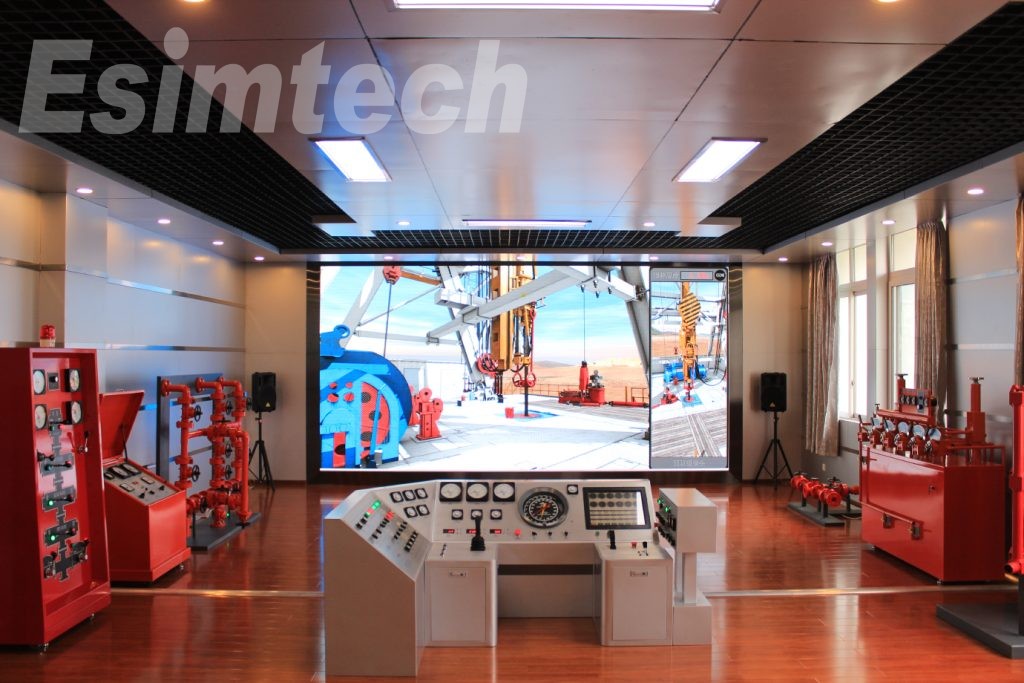
Oil and gas simulation has become increasingly crucial in the petroleum industry, offering engineers and operators vital tools for decision-making, optimizing performance, and reducing costs. By utilizing mathematical models and computer simulations, oil and gas simulation predicts behavior and enables a deeper understanding of reservoir dynamics. However, this field also faces several challenges and limitations:
Data availability: Accurate simulation requires extensive reservoir data, including rock parameters, fluid properties, and well data. However, obtaining complete and up-to-date data can be challenging, leading to difficulties in developing effective simulation models.
Uncertainty: The oil and gas industry is rife with uncertainties, such as fluctuating oil prices, changing regulations, and unexpected geological features. These uncertainties make it challenging to create realistic simulations that can confidently estimate production and reservoir dynamics.
Complex models: Simulating oil and gas reservoirs often involves complex mathematical models that can be challenging to comprehend and interpret. Communicating simulation results to stakeholders and decision-makers can be difficult due to the complexity of these models.
Computing power: Running simulations requires substantial processing power, which can be costly and time-consuming. Large datasets can slow down or even crash simulations, further complicating the process.
Model assumptions: Simulation models are built upon various assumptions, which may or may not be correct. For example, a model may assume a homogeneous reservoir when it is actually heterogeneous, leading to inaccurate projections.
Limited scope: Simulations often focus on specific aspects of the reservoir or production process, resulting in a narrow scope. This limitation makes it challenging to capture the full complexity of the system, potentially leading to incomplete or erroneous results.
Despite these challenges, oil and gas simulation finds wide applications in the industry:
Reservoir management: Engineers use reservoir simulators to model oil and gas reservoir behavior, maximizing production rates. Optimization of output and increased recovery rates can be achieved through effective reservoir management using simulation tools.
Wellbore design: Oil and gas simulation aids in the design of wellbores, accounting for factors such as fluid output, gas flow, and pressure variations. Wellbore simulators optimize drilling processes, leading to reduced drilling time and improved efficiency.
Pipeline design: Simulation tools can optimize the design of oil and gas pipelines by considering fluid characteristics, flow rates, and pressure variations. This optimization can result in cost savings during construction and efficient pipeline operations.
Refinery optimization: Oil and gas modeling helps optimize refinery operations by simulating factors such as feedstock qualities, process conditions, and product standards. Process simulators enable energy reduction, increased product yields, and significant cost savings.
Increasing use of artificial intelligence and machine learning: These technologies analyze large volumes of data, identifying patterns and making predictions. They enhance reservoir characterization, production optimization, and cost reduction in the oil and gas industry.

Greater integration of simulation tools: Integrated asset simulators combine reservoir, wellbore, and process modeling into a single model. This integration allows companies to optimize the entire value chain, from exploration to refining.
Focus on sustainability: The industry’s increasing emphasis on sustainability drives the use of simulation software to maximize production while minimizing environmental impact.
Adoption of virtual reality and augmented reality: These technologies create immersive training environments and aid in visualizing complex data and models. They enhance operator training, reservoir visualization, and drilling operations.
Growing use of cloud computing: Cloud computing enables the storage and processing of vast amounts of data, promoting collaboration among geographically dispersed teams and providing on-demand access to simulation software.
As oil and gas simulation continues to evolve, these trends and developments will play a significant role in enhancing decision-making, performance optimization, and sustainability in the industry.
Currently, freeze-drying technology is extensively utilized in various fields such as medicine, biological products, food, active substances, and nanomaterials. Laboratory freeze dryers play a vital role in research and development, testing applications in academic institutions, corporate laboratories, experimental scientific research in industries like bio-cosmetics and pharmaceuticals, as well as experimental research and development in the food and medicinal materials industries, nanomaterials, chemical materials, and other industrial scientific research applications.
In laboratory settings, the equipment often required is known as a Laboratory Freeze Dryer. Its primary function is to aid in the restoration of the conformation and biological function of bioactive substances before freeze-drying after redissolving. So, what exactly is a freeze dryer and what are its characteristics?
A Laboratory Freeze Dryer operates on the principle of freeze drying, also referred to as drying, sublimation drying, or freeze-drying for short. It is a drying method employed for the purpose of preserving items.
The degradation, spoilage, and deterioration of items are primarily caused by two factors: external and internal factors. External factors encompass the effects of air, water, temperature, and biological elements. By minimizing the impact of external and internal factors, it becomes possible to achieve the objective of preserving items unaltered for a certain period.
The drying process involves the removal of moisture contained within the item, as moisture is a necessary condition for the growth of all living organisms. When the water content of an organism is sufficiently reduced, its ability to grow and reproduce becomes hindered or even impossible. This enables the item to be stored for extended periods. Additionally, the presence of water can lead to the dissolution of certain acids and alkalis, resulting in chemical reactions that cause the deterioration of goods.
Key features of laboratory freeze dryers include:
Ordinary Type: Used for a wide range of materials, these freeze dryers allow the materials to be directly placed into the material tray for freeze-drying.
Gland Type: This type is suitable when the material needs to be dried within a vial, and it should not be exposed to the outside air after drying. The vial is sealed under a vacuum after the drying process is complete.
Multi-Manifold Type: When drying multiple varieties of materials simultaneously without them affecting or intersecting each other, the multi-manifold type is required. It facilitates observation and temporary sampling.
Multi-Manifold Gland Type: This type is chosen when there are various materials that need to be dried, and some require processing in vials, while others require different methods.
Small In-Situ Pre-Freeze Type: This type enables in-situ pre-freeze drying, with features such as one-button start, adjustable temperature, controllable production process, program operation prompt function, and automatic control of the entire freeze-drying process. It offers the option to select program mode or vacuum mode.
Before utilizing a freeze dryer, several preparations should be made:
Verify the normal power supply voltage for the freeze dryer.
Ensure the accurate placement of the temperature measurement camera within the freeze-drying chamber.
Check the mechanical pump’s vacuum pump oil in the freeze dryer. It should be clear and not too thick, and the oil quantity should correspond with the oil mirror.
Inspect the gate valve components in the ultrafiltration device to ensure they meet the normal working standards. Close all gate valves leading to the air.
Ensure the defrosting water in the cold trap has been drained completely.
Maintenance of a laboratory freeze dryer is crucial and must adhere to specific requirements, particularly regarding the inspection and replacement of lubricating grease. The replacement cycle of lubricating oil in a laboratory freeze dryer is influenced by the temperature at the compression end. When the temperature at the compression end is high, the lubricating oil should be replaced more frequently.
Generally, lubricating oil should be checked every 10,000 hours of continuous operation. When the compressor is initially operated, it is recommended to change the lubricating oil and clean the oil filter after 2,000 hours of operation. If the system is operating properly, the lubricating oil should be changed every 20,000 hours. When inspecting and replacing the lubricating oil, it is important to avoid prolonged exposure to air due to the freezer’s water absorption.
In the event of a laboratory freeze dryer failure, a thorough investigation of the cause is necessary. If needed, it is advisable to seek assistance from a professional company to identify and rectify the issue.
If the motor of the laboratory freeze dryer burns out, impurities such as patent skin can spread throughout the refrigeration system. During maintenance, the entire system’s filtration system should be thoroughly inspected and replaced if necessary. Improper handling in this regard can have detrimental effects on the compressor’s long-term operation, and even lead to irreversible consequences due to minor losses.
After overhauling the compressor, the system should be dehumidified. It is recommended to pass dry nitrogen through the system for drying, followed by vacuum treatment. The lower the vacuum level, the more advantageous it is for subsequent system operation, as it increases efficiency. Testing for leaks and maintaining pressure should be taken seriously, as most refrigeration system failures stem from leaks in the system.
Over the years, the printing industry has witnessed significant advancements, with technology playing a crucial role in transforming printing processes. One such technological breakthrough that has gained tremendous traction is the web guiding system. Web guiding systems have become a vital tool for the printing industry, offering improved precision, higher production efficiency, cost savings, flexibility, quality assurance, connectivity with digitalization, and a wide range of applications.
What is a Web Guiding System?
A web guiding system, also known as a web guiding control system or web alignment system, is a technology used in various industries, including printing, packaging, and paper manufacturing. These systems are designed to accurately control the position and alignment of a moving web of material during the manufacturing process. A web refers to a continuous sheet of material, such as paper, film, or fabric, that is unwound from a roll and subjected to various treatments or printing processes.
Web guiding systems can be implemented in different ways, depending on the specific requirements of the manufacturing process. They utilize edge guide sensors, line sensors, or vision systems to determine the position of the web. Actuators, such as mechanical guides, steering rollers, or motorized actuators, are then used to adjust the web’s position based on the sensor feedback.
Why are Web Guiding Systems Important in the Printing Industry?
Enhanced Precision and Accuracy: Web guiding systems address alignment issues during the printing process. They ensure precise color and image registration, minimizing waste and enhancing print quality. These systems enable printers to consistently produce aligned and high-quality prints, even at high speeds, by accurately guiding the web through the printing machine.
Increased Production Efficiency: Downtime and setup time can significantly impact productivity in the printing industry. Web guiding systems reduce these interruptions by quickly correcting any web alignment changes. This allows for faster printing speeds, fewer manual interventions, and uninterrupted operation, leading to increased production efficiency.
Cost Savings: Web guiding systems offer substantial cost savings in an industry where material waste and rejections can greatly impact profitability. These technologies enhance operational efficiency by reducing misprints, minimizing material waste, and maximizing resource utilization. Additionally, the prompt detection and correction of web misalignments help save costly rework and reprinting expenses. Furthermore, the reduced maintenance and repair requirements of printing equipment contribute to cost savings.
Flexibility and Adaptability: The printing industry encompasses various substrates, printing techniques, and formats. Web guiding systems effectively handle these complexities. They accommodate different web widths, adapt to diverse formats, and facilitate quick changeovers regardless of the substrate type or printing method used. Their flexibility and adaptability enable printers to efficiently meet evolving customer demands.
Quality Assurance: Consistency and quality are paramount in the printing business. Web guiding systems play a critical role in ensuring print consistency and repeatability. These technologies eliminate flaws such as creases, misalignments, and print irregularities, ensuring that every printed product meets the highest standards. As a result, customer satisfaction increases, and printing companies enhance their reputation.
Integration with Digitalization: As the printing industry embraces digitalization, web guiding systems seamlessly integrate with digital workflow systems. They provide real-time monitoring and control, allowing operators to make changes on the fly. This integration improves overall operational efficiency and productivity by enabling data analysis, process optimization, and predictive maintenance.
Wide Application Range: Web guiding systems find applications in various printing sectors, including labels, packaging, newspapers, and more. They are compatible with different printing technologies, such as flexography, gravure, and offset printing. Furthermore, these systems adapt to a wide range of printing conditions, including varying printing speeds, tension requirements, and web qualities.
In summary, web guiding systems play a crucial role in numerous industrial printing machine applications that rely on continuous web processing to achieve optimal print quality, reducing waste, increasing production efficiency, and ensure smooth operation. As the industry continues to evolve, web guiding systems will play an even more significant role in shaping its future, ensuring optimal performance, and delivering superior print products.
Vehicle shock absorption systems typically consist of damping mechanisms, oil circuits, and pre-loading springs. When it comes to selecting shock absorber springs, there are three main types to consider: equidistant springs, double pitch springs, and progressive pitch springs. The pitch refers to the change in spring density. Which type is best suited for your vehicle? Let’s explore the differences among three types of shock absorber springs.
The primary difference lies in how the three types of springs compress under different loading weights. Therefore, when designing suspension springs with different pitches, they will exhibit different effects..
Equidistant Springs:.
Equidistant springs maintain a constant k value, or spring rate, until they reach their compression limit. Therefore, the amount of compression is directly proportional to the weight of the load. Equidistant springs have a low production cost and provide a linear response. They offer a sense of security during heavy braking and are easy to adjust for pre-loading and damping. As a result, equidistant springs are commonly used in competition-oriented suspensions. However, for general road use, the k value is typically set to a lower level. This can lead to insufficient support during heavy braking. Conversely, if the k value is set too high for heavy loads, the ride quality on normal roads can become too rigid, making it challenging to absorb the impact of uneven surfaces..
Advantages:
Best linear reactivity and controllability.
Easy to adjust.
Low cost.
Disadvantages:.
Difficulty achieving a balance between intense and comfortable driving.
Double Pitch Springs:.
Double pitch springs have a slightly higher production cost compared to equidistant springs. However, they offer better comfort on general roads. These springs have two k values, allowing the part with the lower k value to compress first when encountering jumps or shocks on uneven roads. When emergency braking occurs, the part compressed to the higher k value maintains supportability. One drawback is the noticeable non-linear reaction when compression reaches a turning point.
Advantages:
Improved comfort
Better adjustability
Disadvantages:
Obvious non-linear reaction at the turning point during compression
Progressive Springs:
Progressive pitch springs have a higher production cost. Each coil has a different pitch, resulting in varying k values across the entire spring. This design combines the advantages of double pitch springs with smooth turning points. As the load increases, the spring gradually reduces compression, providing better buffering. Progressive springs offer the best damping reaction. However, selecting the correct overall k value change rate is crucial. Without proper selection, the complete working stroke cannot be utilized effectively. Additionally, adjusting pre-loading becomes more challenging with progressive springs, and setting rebound damping requires greater precision due to different k values at various suspension strokes.
Advantages:
Suitable for both sporty and leisure driving without k value turning points.
Disadvantages:
Difficult to set
Not linear enough
In summary, each type of shock absorber spring has its own advantages and disadvantages. Before making a choice, consider the specific requirements of your vehicle, such as the desired settings and pre-load adjustments. Correct pre-loading setting is essential as it forms the basis for the overall shock absorption setup. Once pre-loading is set correctly, subsequent damping adjustments become meaningful.
Each gem type offers unique bonuses and can be placed into any item equipped with a gem slot.
The Importance of Gems in Diablo 4
Gems hold immense significance in Diablo 4, as they provide substantial advantages to your character’s stats and abilities. These advantages include increased damage, life, resistance, and cooldown reduction, among others. By harnessing the power of gems, you can fortify your character, facilitating smoother progression and empowering you to overcome challenges more effectively within the game.
Types of Gems
Diablo IV features six basic gem types, each with its own distinct effects:
Topaz: Topaz gems boost your resistance to crowd control effects, allowing you to resist abilities that can stun, freeze, or otherwise disable your character. With Topaz gems, you can stay engaged in combat and maintain control over the battlefield.
Ruby: Ruby gems increase your character’s life, enhancing their health pool. This increased vitality enables you to endure more damage and survive encounters that would otherwise prove fatal.
Sapphire: Sapphire gems raise your character’s critical hit chance. By increasing the likelihood of landing critical hits, Sapphire gems empower you to deal significantly more damage, dispatching enemies swiftly and efficiently.
Emerald: Emerald gems augment your thorns damage, causing enemies to suffer when they attack you. With Emerald gems, you can retaliate against foes, dealing additional damage and deterring them from targeting you.
Diamond: Diamond gems bolster your barrier strength. Barriers act as temporary shields, safeguarding your character from incoming damage. With Diamond gems, you can endure harsh encounters, prolonging your time in battles.
Skull: Skull gems increase your life on kill, granting you healing whenever you slay an enemy. These gems enable you to sustain yourself in combat, ensuring you recover swiftly and stay in the fight.
Tiers and Rarity
Gems are categorized into five tiers: Common, Uncommon, Rare, Epic, and Legendary. As you ascend through the tiers, the bonuses provided by the gems become more powerful. Additionally, gem rarity affects the level of requirement for utilizing the gem’s benefits.
Socket Gems into the Right Gear
To utilize a gem’s power, you must first locate an item with a gem slot. Gem slots are available in weapons, armor, and jewelry. Once you acquire a Diablo 4 item with a gem slot, you can insert a gem into it using a Jeweler’s Kit, enabling you to amplify your character’s abilities and statistics.
Crafting and Upgrading Gems
The Jeweler’s Kit also allows you to craft and upgrade gems. Crafting involves combining two or more gems of the same type to create a gem of higher tier and rarity. Upgrading, on the other hand, involves combining a gem with another gem of the same type and tier to create a gem one level higher. These crafting and upgrading options provide a means of progressing and maximizing the potential of your gems.
Effective Gem Usage Tips
To make the most of gems in Diablo IV, consider the following tips:
Choose gems that align with your character’s build and playstyle. Different gems suit different builds, so select the ones that enhance your chosen approach. For example, critical hit-focused characters should prioritize gems that increase critical hit chance.
Socket gems into the appropriate gear slots. Not all gear slots are equal, and certain slots are better suited for specific types of gems. Offensive gems are typically suited for weapons, while defensive gems find their place in armor slots.
Continually upgrade your gems as you progress through the game. Higher-tier and rarer gems possess more potent bonuses, so upgrading your gems ensures your character remains at the peak of its power.
In conclusion, gems are a vital component of Diablo 4, offering immense potential to enhance your character’s stats and abilities. By effectively utilizing gems, you can optimize your character’s performance and rise to new heights within the game.
Simulation software, specifically designed for the oil and gas industry, empowers engineers and operators with valuable insights into the behavior of reservoirs, prediction of production outcomes, and optimization of exploration and production activities. Petroleum simulators serve as indispensable tools for understanding complex reservoir dynamics, identifying potential hazards, improving operational efficiency, and maximizing resource recovery. Moreover, they play a pivotal role in testing and advancing new technologies, driving innovation, and fostering competitiveness within the industry.
Types of Petroleum Simulators
Petroleum simulators encompass various types, including reservoir simulators, wellbore simulators, process simulators, and integrated asset simulators. Each type offers distinct capabilities and finds applications in different areas.
Reservoir Simulators:
Reservoir simulators are sophisticated programs that replicate the behavior of oil and gas reservoirs. These simulators take into account parameters such as rock properties, fluid characteristics, and fluid flow. They are instrumental in forecasting reservoir performance, optimizing production strategies, and evaluating the impact of different production scenarios.
Reservoir simulators excel in assessing unconventional reservoirs, such as shale gas and tight oil deposits, which possess intricate geology and challenging reservoir characteristics. By reducing uncertainty and aiding in the optimization of drilling and completion operations, reservoir simulators greatly enhance decision-making processes.
Wellbore Simulators:
Wellbore simulators focus on modeling the behavior of oil and gas wells. They consider factors like fluid generation, gas flow, and pressure variations. Wellbore simulators contribute to enhancing production efficiency, optimizing well design, and predicting well performance.
These simulators are particularly effective in optimizing output from horizontal wells, which are commonly utilized in unconventional reservoirs. Given the complexities associated with such wells, including hydraulic fracturing requirements, wellbore simulators prove instrumental in optimizing fracturing operations and maximizing production rates.
Process Simulators:
Process simulators are employed for modeling refining processes, encompassing activities such as distillation, cracking, and chemical reactions. By simulating these processes, they assist refineries in optimizing operations, minimizing energy consumption, and improving product quality.
Process simulators offer significant advantages in assessing the impact of changing feedstock compositions on refining operations. As refineries frequently encounter crude oil with varying compositions, process simulators enable the optimization of refinery processes to accommodate such fluctuations.
Integrated Asset Simulators:
Integrated asset simulators merge reservoir, wellbore, and process modeling into a unified framework. These comprehensive simulations allow companies to optimize the entire value chain, from exploration to refining. Integrated asset simulators contribute to increased resource recovery, reduced operating costs, and optimized production rates.
Integrated asset simulators are particularly valuable in assessing the implications of production decisions across the complete value chain. By optimizing manufacturing and refining activities, these simulators enhance profitability and maximize resource utilization.
Benefits of Petroleum Simulators
Improving Reservoir Characterization:
One of the primary advantages of petroleum simulators lies in their ability to enhance reservoir characterization. By considering factors such as rock properties, fluid characteristics, and fluid flow, reservoir simulators simulate the behavior of oil and gas reservoirs. This reduces uncertainty in reservoir characterization and improves predictions of reservoir performance.
Enhanced reservoir characterization brings several benefits, including more accurate resource estimation, more efficient drilling and completion operations, and reduced risks in exploration and production activities.
Optimization of Production Rates:
Petroleum simulators enable the optimization of production rates. Wellbore simulators replicate the behavior of oil and gas wells by considering elements like fluid output, gas flow, and pressure variations. These simulators aid in optimizing well design, predicting well performance, and increasing production efficiency.
Optimizing production rates leads to increased resource recovery, improved reservoir management, and lower operating costs.
Reduced Operating Costs:
Another advantage of petroleum simulators is their ability to reduce operating costs. Integrated asset simulators combine reservoir, wellbore, and process modeling into a single model, enabling companies to optimize the entire value chain. Integrated asset simulators contribute to increased resource recovery, reduced operating costs, and optimized production rates.
Reduced operating costs offer multiple advantages, including improved profitability, reduced environmental impact, and enhanced safety.
Increasing Profitability:
Petroleum simulators play a crucial role in driving profitability. Economic simulators replicate the economic aspects of oil and gas production, encompassing factors such as project costs, cash flow, and profitability. They enable the examination of project sustainability and the evaluation of the influence of price fluctuations on project economics.
Increased profitability brings numerous benefits, including improved financial performance, increased shareholder value, and enhanced flexibility for future investments.
In summary, petroleum simulators are indispensable tools within the oil and gas industry. They enable organizations to make informed decisions, optimize operational performance, increase profitability, and gain a comprehensive understanding of complex geological and technical scenarios. By leveraging the power of simulation software, the industry can unlock significant benefits and drive continuous progress.

The pretreatment of samples is a complex task when analyzing test substances, and it holds significant importance in the overall analysis and detection process. It also plays a crucial role in identifying the source of detection errors. This article aims to summarize four fundamental pretreatment methods used for samples in atomic absorption spectrometry (AAS) analysis. Additionally, it discusses the basic detection methods for six types of samples commonly encountered in routine analysis and detection. These methods are practical and can serve as valuable references for users of AAS instruments.
Wet Digestion Method:
For samples weighing approximately 0.1000 to 0.5000g, the commonly used approach involves utilizing mixed acids. The following acid ratios are often employed:
(1) HNO3:HCLO3 = 5:1
(2) HNO3:H2SO4 = 5:1
(3) HNO3:HCl = 5:1
(4) Pure HNO3
Note: It is crucial to avoid the presence of volatile (acetone, ether, ethanol, etc.), flammable, and explosive substances during the digestion process. The wet digestion method is widely employed and well-known, so further elaboration is unnecessary.
Dry Ashing Method:
Typically, samples weighing between 2.000 and 5.000g are treated using the dry ashing method, which prevents volatilization. The procedure involves placing the sample in a porcelain crucible, adding a few drops of water to wet it, followed by a small amount of concentrated nitric acid. Heat is then applied to carbonize the sample over a low flame. The crucible is subsequently transferred to a muffle furnace for ashing at approximately 550°C for 2 to 4 hours. After cooling, the ash (colorless or light in color) is dissolved using other acids, often in a 1:1 ratio with nitric acid (varies depending on the sample). The solution is then filtered, adjusted to volume, and aliquoted into 10mL, 25mL, and 50mL portions for further use.
High-Pressure Tank Method (Using a Lidded Tank Made of Polytetrafluoroethylene):
When the sample weighs less than 0.3000g, this method is employed. It involves adding 6mL of mixed acid and 1mL of HF(H2O2) to the sample. The autoclave is sealed, and the sample is heated at 160°C for 5 hours. After cooling, the solution is filtered and adjusted to the desired volume for subsequent analysis.
Microwave Digestion Method:
The microwave digestion method utilizes commonly used mixed acids, including:
(1) HNO3:HCLO3
(2) HNO3:H2SO4
(3) Pure HNO3
Note: The choice of specific acid for digestion varies depending on the sample. Readers are encouraged to select the appropriate acid accordingly.
AAS Analysis and Detection Methods for Various Samples:
Analysis of Pb, Cd, As, Mo, Cr, etc. (Graphite Furnace AAS Method):
For Pb analysis, a 1.0mL sample is diluted to 10mL with 1% HNO3. The linear range is 0 to 20ng/mL, with drying temperature set between 80 and 100°C, ashing temperature at 200°C, and atomization temperature at 1500°C.
For Cd analysis, a 1.0mL sample is diluted to 10mL with deionized water. The linear range is 0.1 to 0.4ng/mL, with the same drying, ashing, and atomization temperatures as Pb.
For As analysis, a 1.0mL sample is combined with 100μL of Ni (2mg/mL) and diluted to 10mL with 1% HNO3. The linear range is 0 to 4ng/mL, with the same drying, ashing, and atomization temperatures as Pb.
For Mo analysis, a 1.0mL sample is diluted to 10mL with 1% HNO3. Pd is used as the modifier, and the linear range is 0 to 20ng/mL, with the same drying, ashing, and atomization temperatures as Pb.
For Cr analysis, 1mL of the sample is diluted to 100mL with deionized water. The linear range is 0 to 40ng/mL, with the same drying, ashing, and atomization temperatures as Pb.
Analysis and Testing of Se, K, Na, Ca, Mg, etc. in Plant Samples:
For Se analysis in forage grass, a 1mL sample is combined with 100μL of Ni(NO3)2 (3mg/mL) and diluted to 10mL with a mixture of 1% HNO3 and 0.1% Triton (1:1). The linear range is 0 to 20ng/mL, with the same drying, ashing, and atomization temperatures as Pb.
For K and Na analysis in plants, 0.2000g of the sample is weighed into a polyethylene bottle, and 10mL of mixed acid is added. The extraction is performed in a constant temperature water bath at 90°C for a specific period. After filtration to a volume of 50mL, appropriate aliquots are taken for analysis.
For Ca and Mg analysis in plants, the sample is incinerated at 550°C, dissolved with hydrochloric acid (1+1), and adjusted to a volume of 50mL. A modifier such as 5% CsCl2 (2mL) is added for analysis, as appropriate.
Be Analysis in Mushrooms and Tea (Transverse Heating AAS Method):
The sample is washed, dried, fixed at 105°C, further dried at 70°C, and crushed after cooling. The resulting powder is sieved through a 60-mesh sieve before analysis. For Be determination, 1.0000g of the sample is weighed into a 150mL beaker, and 15mL of HNO3 and 1mL of H2SO4 are added. The beaker is covered with a watch glass, and low-temperature digestion is performed until white smoke appears. After dilution to 25mL, appropriate aliquots are taken for analysis.
The linear range for Be is 0 to 8ng/mL, with drying, ashing, and atomization temperatures set at 130°C, 1500°C, and 2300°C, respectively.
Ge Analysis in Beverages (Using Transversely Heated Flat Graphite Tubes):
The linear range for Ge analysis is 0 to 200ng/mL, using a Ni(NO3)2 improver concentration of 50μg/mL in a 1% HNO3 medium. The instrument conditions during analysis include a drying temperature of 130°C, ashing temperature of 800°C, and atomization temperature of 2000°C.
Ca Detection in Steel Slag (Generally Using Flame AAS Method):
For Ca analysis in steel slag, a sample finer than 200 mesh is taken. A quantity of 0.0500g is weighed into a 50mL PTFE crucible, moistened with a small amount of water, and dissolved using a mixture of water, nitric acid, and hydrofluoric acid in a ratio of 5:8:6. Sulfuric acid (2mL) is added, and heating continues until white smoke appears. The volume is adjusted to 50mL with water for analysis. As steel slag often contains niobium, which interferes with calcium analysis, the addition of improvers such as Triton-100 (20%), Vc (0.1 M/L), and 2% HNO3 is highly effective.
Determination of Metal Elements in Blood Samples:
Human blood contains various trace substances, including inorganic salts, metabolites, O2, hormones, enzymes, antibodies, and trace elements. These substances can be detected by various methods, including AAS, especially for heavy metal elements that can be beneficial, toxic, or harmful to the human body. Specific digestion methods can be found in references “2, 3), (3)”. For example:
Determination of Cu in serum (Flame AAS Method): 0.8mL of serum is diluted to 10mL with 1% HNO3 for analysis.
Determination of As in serum (Graphite Furnace AAS Method): The sample is diluted with 1% HNO3, and Ni(NO3)2 is used as a matrix modifier during analysis.
Determination of Cd in serum (Graphite Furnace AAS Method): 2mL of serum is slowly mixed with 1mL of HNO3 and 0.5mL of H2O2. The mixture is heated on an electric hot plate, and additional HNO3 and H2O2 are added until light yellow. After dissolving with 4mL of deionized water, appropriate aliquots are taken for analysis.
Determination of Fe and Cu in albumin (Flame AAS Method): 1mL of the sample is combined with 7mL of mixed acid, heated until white smoke emerges, and diluted to 25mL. Samples are then taken for analysis as needed.
Determination of germanium in whole blood (Graphite Furnace AAS Method): 1.0mL of venous blood is diluted four times with 0.2% Triton-100, and 20μL of the diluted solution is injected. A mixture of strontium (30μg) and ammonium nitrate (10μg) is used as a matrix modifier to enhance sensitivity. The ashing temperature is set at 1000°C, and the atomization temperature at 2500°C.
In conclusion, the pretreatment of samples is a critical step in the analysis of atomic absorption spectrometry . This article has presented four essential sample pretreatment methods and discussed the detection techniques for various types of samples commonly encountered in routine analysis. AAS users can refer to these methods to guide their analyses effectively.