How to Proficiently Operate Patient Monitors

Mastering the operational skills of the patient monitor, also known as a heart monitor, is an essential competence for every medical nurse. When it comes to utilizing ECG monitors, there are crucial operational aspects that cannot be overlooked.

Patient Monitor

Key Considerations for Operating Patient Monitors

1. Distinction Between 3-Lead and 5-Lead ECG Leads

Distinctions between 3-lead and 5-lead ECG leads are pivotal. The 3-lead ECG lead configuration captures ECGs from leads I, II, and III, while the 5-lead ECG lead setup captures ECGs from leads I, II, III, AVR, AFV, AVL, and V.

To streamline the connection process, an efficient color marking system is employed for quick and accurate placement of electrode pads. The color sequence for 3-lead ECG leads is red, yellow, green or white, black, and red; for 5-lead ECG leads, it’s white, black, red, green, and brown.

It’s important to note that electrodes of the same color have distinct placements in the two lead configurations. Utilizing English abbreviations such as RA, LA, RL, LL, and C is more dependable for electrode positioning compared to relying solely on color memorization.

2. Prioritizing Blood Oxygen Saturation Finger Cuffs

The preference for blood oxygen saturation finger cuffs stems from their speedier application compared to connecting ECG lead wires. These cuffs enable rapid monitoring of pulse rate and blood oxygen saturation, allowing medical staff to swiftly evaluate fundamental patient vital signs.

3. Limb Placement of Cuffs

Placing both blood oxygen saturation finger cuffs and automatic blood pressure monitor cuffs on the same limb is not recommended due to potential blood flow obstruction during blood pressure measurement. This interference can lead to inaccurate blood oxygen saturation readings.

4. Electrode Replacement for Continuous ECG Monitoring

In cases of continuous ECG monitoring, regular replacement of electrode pads is necessary. Prolonged adherence of electrode pads to the same area can lead to skin rashes and blisters. Frequent skin condition assessments are crucial to prevent skin breakdown.

5. Non-Invasive Blood Pressure Monitoring Considerations

a. Avoid measuring blood pressure on limbs with internal fistula, hemiplegic limbs, limbs affected by breast cancer resection, infusion sites, edema, and hematoma skin damage.

b. Routinely change the measurement site to prevent complications like purpura, ischemia, and nerve damage from cuff friction.

c. Pay attention to cuff and pressure value selection and adjustment for different age groups, avoiding pressure levels suitable for adults in pediatric cases and vice versa.

6. Respiration Monitoring

The monitor’s respiration tracking relies on the thorax’s impedance changes sensed by the ECG electrode pads. Optimal placement of the sensing electrodes (lower left and upper right) is crucial for accurate respiration waveforms, particularly for patients who predominantly breathe abdominally.

7. Alarm Range Settings

Alarm range settings should prioritize patient safety, minimize noise disruption, and avoid turning off alarms except when absolutely necessary during rescue operations. Alarm parameters should encompass heart rate variations within 30% above and below the patient’s own heart rate, appropriate blood pressure thresholds, and oxygen saturation based on the patient’s condition.

8. Troubleshooting Waveform Display Issues

If the monitor fails to display waveforms, the following steps are recommended:

a. Verify proper electrode pad placement and quality, along with correct lead wire connections.

b. Confirm accurate lead mode connections according to the ECG monitor’s specifications.

c. If issues persist, check the contact quality of the “ECG signal line” on the parameter socket board, as well as potential faults in the ECG board, connecting lines, or main control board.

Drawell Patient Monitors

Patient Monitor Tips

Precise electrode pad application involves cleaning and preparing the skin, attaching ECG lead wires securely, and using appropriate cleaning solutions for optimal contact.

Patient and family education is vital to prevent unnecessary interference with the monitor and to ease any anxieties associated with its usage.

Regular maintenance includes electrode replacement, skin cleaning, and seeking professional assistance for substantial monitor abnormalities.

Proper grounding is crucial; ensure proper connection of the ground wire to the host’s rear panel and a reliable common ground terminal.

By adhering to these operational guidelines, medical professionals can proficiently operate patient monitors, ensuring accurate vital sign monitoring and patient safety.

How is the Web Guide System Used for Improving Accuracy and Excellence in Paper Manufacturing

In the realm of advanced technologies, the web guide system stands as a sophisticated tool, meticulously overseeing the alignment and control of the paper web during the manufacturing process. Automatic web guiding control system plays a pivotal role in steering and governing the movement of the paper web as it navigates the manufacturing journey. Its impact is far-reaching, elevating precision, curbing waste, heightening productivity, and embellishing the quality of the final product by eradicating web inconsistencies and preserving impeccable alignment.

automatic web guiding system

Delving into the subject of selecting the web guide system to augment accuracy and excellence in paper manufacturing, this article ventures into the mechanics, advantages, and principal applications of this system within the paper manufacturing landscape.

Unveiling the Mechanics of the Web Guide System in Paper Manufacturing

The Intricacies of Detection

Central to the functionality of the web guide system is the vigilant web guide sensor, ceaselessly monitoring the real-time position of the paper web and detecting any deviations from its designated alignment. Subsequently, this data is relayed to the control system, setting the stage for corrective actions.

Analysis and Precision Calculation

Herein, the control system undertakes a profound analysis of the sensor-derived data, meticulously calculating the necessary adjustments required to bring the web back into harmonious alignment. This intricate calculation takes into account dynamic variables such as web speed, tension, and the intricate specifications of desired alignment.

Precise Adjustment Mechanisms

With calculations complete, the control system issues commands to the actuator, a dynamic component within the system. The actuator responds by engaging the web guide mechanism – a collection of rollers or guides, for instance – in orchestrated movements to rectify the web’s deviation and return it to its intended trajectory.

Continual Supervision and Responsive Loop

Even as production proceeds, the web guide sensor maintains its steadfast vigilance, ensuring constant observation of the web’s position. This perpetual feedback loop transmits real-time data to the control system, which, in turn, orchestrates the necessary modifications to keep the web exquisitely aligned throughout the entirety of the manufacturing journey.

corrugated paper production line

The Merits of Embracing the Web Guide System in Paper Manufacturing

Precision Aligned Web: A Cornerstone Benefit

Foremost among the advantages bestowed by the web guide system is the fine-tuning of the paper web’s alignment. This achievement ensures that the web remains unfailingly poised within its intended position during the multifaceted manufacturing process. By mitigating deviations and misalignments, this facet engenders a refined level of accuracy in printing, coating, and cutting processes, ultimately culminating in a spectrum of high-quality end products.

Amplified Productivity Beckons

The web guide system introduces a new era of enhanced production speeds without compromising on precision. By upholding optimal web alignment, it obviates the need for human interventions that were historically necessary to rectify misalignments. The consequent seamless functioning of the manufacturing process minimizes downtimes caused by web misalignments, which, in turn, charts an upward trajectory for productivity and overall output.

Slicing Waste at the Roots

Paper waste can cascade from the web’s irregularities and misalignments. Mispositioned sections might be relegated to the wastebin, ushering in heightened material costs and an unwelcome environmental footprint. Enter the web guide system – the guardian of alignment – which abates waste by championing the sustained alignment of the entire paper web. Material waste is thereby curbed, and the manufacturing landscape inches closer to sustainability.

Quality Ascends the Throne

The pinnacle of the final product’s quality rests upon precise web alignment. This tenet, upheld by the web guide system, vouchsafes consistent and exact results across the manufacturing trajectory, be it printing, coating, or cutting. The outcome: paper goods of impeccable quality, poised to exceed customer expectations and elevate the manufacturer’s standing in the market.

Counting Coins: Savings Galore

For paper manufacturers, ushering in the web guide system can herald substantial cost reductions. Slashing manufacturing costs becomes a reality as waste reduction, amplified productivity, and diminished manual interventions collectively pave the way for economic gains. Furthermore, the system’s astute management of material usage unfurls the banner of resource efficiency, culminating in sustainable cost cuts that reverberate over the long term.

Reducing Downtime, Elevating Efficiency

Web misalignments and fluctuations are notorious for triggering halts in production and precipitating downtime. The web guide system orchestrates a ceaseless ballet of vigilance and adjustment, rendering manual interventions and downtime largely obsolete. This synergy maintains the rhythm of continuous production and begets a realm of heightened operational efficiency.

A Tapestry of Adaptability and Versatility

The beauty of the web guide system lies in its adaptability. A chameleon in the realm of paper manufacturing, this system seamlessly accommodates a spectrum of paper types, sizes, and weights. It effortlessly melds into existing production lines, malleable enough to be tailored to the distinct manufacturing requisites of each entity. This dynamic capacity empowers manufacturers to navigate shifting paper demands with dexterity, rendering the production journey remarkably versatile and responsive.

User-Centric Harmony

The web guide control system, with its user-friendly interfaces and intuitive controls, caters to the operators’ ease. Armed with such a system, operators can fluidly monitor and tweak system parameters as necessity dictates. This streamlined operation obviates steep learning curves for new users, fostering operator satisfaction and bolstering overall efficiency.

Charting the Vistas of Application: Web Guide System’s Key Roles in Paper Manufacturing

Embarking on Seamless Alignment

At its core, the web guide system is synonymous with immaculate web alignment throughout the manufacturing odyssey. The system’s vigilant oversight translates into lateral paper web movement regulation, meticulously positioning and aligning it along its intended path. This alignment is pivotal for a myriad of paper manufacturing phases, from printing and coating to cutting and converting.

Precision in Printing

In the realm of printing, the web guide system assumes a pivotal mantle, meticulously steering precise registration and alignment of the paper web. This orchestration ensures that the printing plates or cylinders are in harmonious accord with the web, ushering in sharply defined and impeccably aligned printed images. This attribute finds profound utility in the realm of high-quality printing, including periodicals, catalogs, and packaging materials.

Coating: A Uniform Canvas

Coating, a cornerstone technique in paper manufacturing, involves the application of a coating material to the paper web to augment attributes like smoothness, gloss, and printability. The web guide system steps in to champion this realm, guaranteeing unwavering alignment during the coating process. The outcome is uniformity and consistency in the application of coating, culminating in a coated paper of extraordinary quality, boasting evenly dispersed coating material.

Meticulous Cuts and Slits

The transformations from paper web to diverse sizes and forms necessitate slitting and cutting procedures. The web guide system plays a pivotal role in this domain, preserving the precision and linearity of cuts by impeccably maintaining web alignment during these operations. This contribution is of paramount importance in crafting paper rolls, sheets, or specific paper products marked by uniform dimensions and impeccable trims.

T1000 web tension controller

Tension’s Tamed Grace

Tension control during papermaking finds a loyal ally in the web guide system. Its watchful eye ensures that the paper web is adorned with optimal tension levels, thwarting creases, wrinkles, and sagging. This guardianship over tension preserves the paper web’s structural integrity, preventing quality setbacks in subsequent stages.

Hexagon Socket Head Cap Screw: Everything You Need to Know

In a multitude of tasks, whether it’s assembling furniture or electrical components, screws play an indispensable role in securing components together. Among them, the hexagon socket head cap screw stands out for its robust fixation capabilities and broad applications. This article dives into the intricacies of hexagon socket head cap screws, shedding light on their functions, advantages, and manufacturing requirements.

hexagon socket head screws

Understanding Hexagon Socket Head Cap Screws

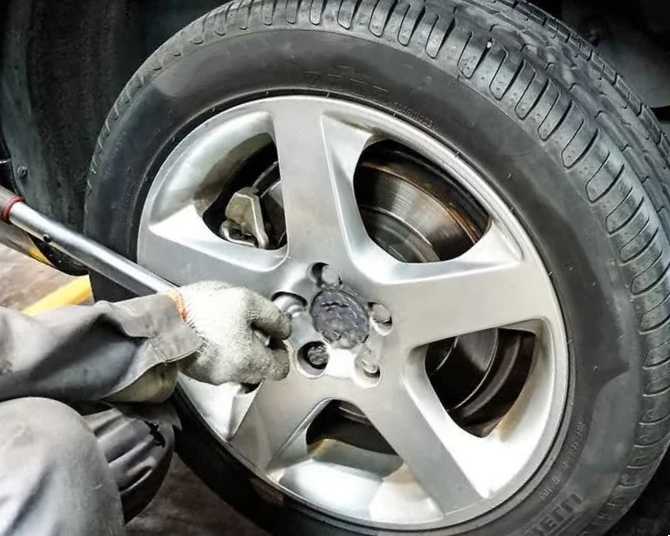
The screw head boasts a distinct circular concave hexagonal shape, earning it the monikers of hex socket head screw, hexagon socket head bolt, or hexagon socket head cap screw. This unique design offers compelling advantages. Hexagon socket cap screws are typically crafted from materials like stainless steel, carbon steel, and alloy steel. Greater strength is achieved with higher performance-grade materials. These screws demand a special wrench for both installation and removal. Their primary function lies in mechanical fixation, with the hexagonal wrench playing a pivotal role. This wrench, featuring a 90-degree curved ruler, utilizes its extended side for increased torque during screwing, facilitating robust tightening. This design also mitigates the risk of thread slippage caused by misaligned screwdrivers.

Hexagon socket head cap screws find extensive use in machinery manufacturing due to their superior fixation capabilities. However, their utility extends beyond this realm, often finding application in hardware components, electrical products, and furniture assembly.

Manufacturing Demands for Hexagon Socket Head Cap Screws

Quality Raw Materials: Hexagon socket head cap screws’ production necessitates the use of high-quality raw materials tailored to different customer applications. Clear classification of electroplating methods should be a priority.

Precise Specifications: Screw manufacturers must meticulously adhere to size and specification standards for hexagon socket screws to cater to diverse customer requirements.

Anti-Corrosion Measures for Hexagon Socket Head Cap Screws

Given the inherent corrosivity faced by metal materials, safeguarding hexagon socket head cap screws is vital. Corrosion-resistant methods ensure their durability and aesthetics. While these screws are employed to secure machinery, minimizing oil contamination is imperative. A dry environment enhances their longevity. Additionally, it’s crucial to shield these screws from corrosive liquids to prevent air erosion.

Advantages of Hexagon Socket Head Cap Screws

Enhanced Load Bearing: With six force-bearing surfaces, hexagon socket screws offer superior load-bearing capabilities compared to slotted and cross screws, which have just two surfaces. Opt for hexagonal socket screws for high-stress applications.

Seamless Countersinking: The screw’s entire nut is recessed within the workpiece, preserving surface flatness and aesthetics.

Ease of Installation: The inner hexagon design suits various assembly settings, especially those with space constraints. This ensures convenient assembly, maintenance, and debugging.

Security in Fixation: Hexagon socket bolts demand a specialized wrench for removal, making them resistant to casual disassembly.

hexagon flange bolt

In Conclusion

The prevalence of hexagon socket head cap screws across diverse industries is attributed to their potent fixation capabilities. This article elucidates the definition, functions, applications, and advantages, aiding in selecting appropriate hex socket head screws based on distinct application demands. In an ever-evolving landscape, understanding these screws empowers professionals to optimize their utility while ensuring steadfast and secure component assembly.

Drilling Emergency Practice Training Platform: Enhancing Safety and Efficiency in the Oil and Gas Industry

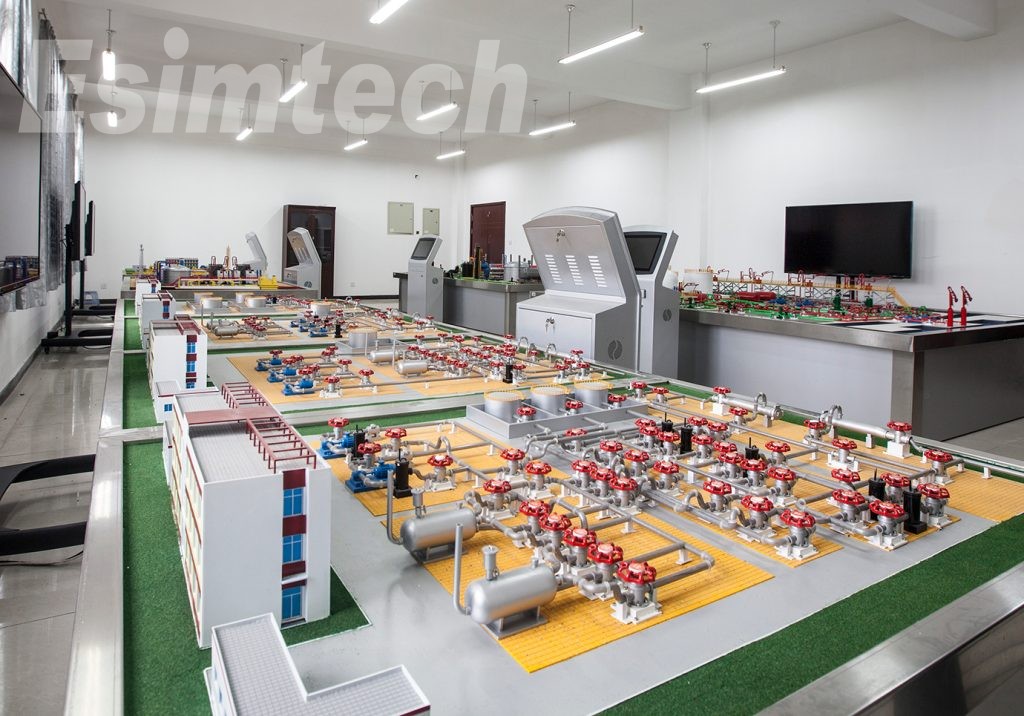
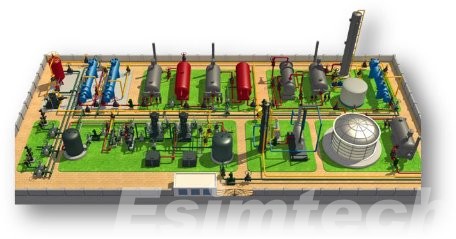
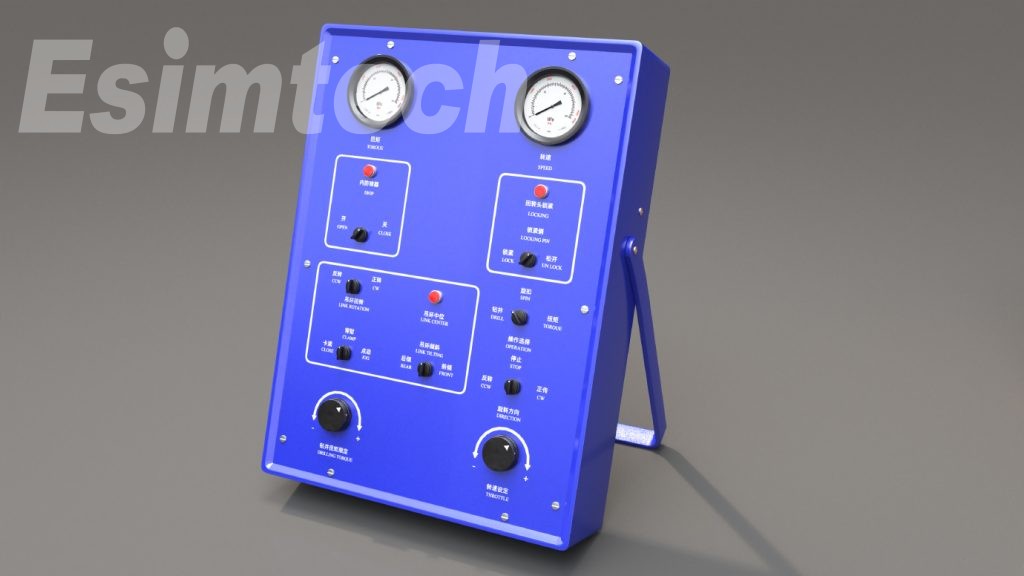
The oil and gas industry’s drilling operations are intricate, involving a complex array of equipment and procedures. Despite rigorous protocols, emergencies can still occur, posing serious risks to personnel, the environment, and equipment. The drilling emergency practice training platform is a tailored training system designed for the oil and gas industry. This innovative drilling practice training simulator replicates diverse drilling scenarios, enabling personnel to practice emergency response strategies in a secure and controlled environment, thereby enhancing their skills and comprehension of emergency protocols.

Cyberchair Drilling Simulator

The Vital Necessity of the Drilling Emergency Practice Training Platform

Safety: Drilling operations harbor inherent hazards, and emergencies can materialize unexpectedly. Comprehensive training in emergency response protocols reduces the likelihood of injuries or fatalities.

Preparedness: Equipping workers with rapid and efficient response capabilities limits losses and minimizes the impact of emergencies.

Compliance: Regulatory bodies mandate proper emergency response training. Adhering to these standards is pivotal for personnel and environmental safety and to avoid penalties and legal ramifications.

Efficiency: Effective emergency response necessitates a well-coordinated effort. Adequate training streamlines collaboration, minimizing response time and operational disruptions.

Reputation: Oil and gas emergencies can tarnish a company’s public image. Competent emergency response mitigates negative publicity and maintains public trust.

Components of the Drilling Emergency Practice Training Platform

The platform encompasses computer systems, software, physical models, and monitoring systems.

Software simulates drilling issues like blowouts and stuck pipelines.

Physical models replicate drilling equipment and components.

Monitoring and control systems ensure training safety.

Various control methods and training modalities are available.

Training Modules and Exercises

drilling and well control simulation system

Blowout Control Exercise: Teaches blowout control measures and well-kill procedures.

Stuck Pipe Exercise: Instructs pipe-freeing techniques.

Well Control Exercise: Covers pressure control procedures.

Equipment Malfunction Exercise: Focuses on troubleshooting and repair skills.

Emergency Response Exercise: Imparts emergency response methods and basic first aid.

Team-Based Exercise: Enhances communication, teamwork, and decision-making.

Advantages of the Drilling Emergency Practice Training Platform

Improved Safety: Provides a secure environment for practicing response tactics, mitigating real-life risks.

Enhanced Preparedness: Enables quick and efficient responses to actual emergencies, minimizing potential damage.

Cost Savings: Offers a cost-effective alternative to on-site training, saving resources and reducing operational interruptions.

Customization: Tailored to simulate distinct drilling scenarios, promoting hands-on experience in diverse situations.

Real-Time Feedback: Enables self-assessment and skill refinement.

Regulatory Compliance: Meets training requirements while ensuring preparedness for crises.

In Conclusion

The drilling emergency practice training platform is pivotal for honing the skills and knowledge of oil and gas professionals. By replicating practice crises within a controlled environment, personnel can enhance their readiness and response techniques, reducing the risk of harm, loss, and damage. In an industry where safety and efficiency are paramount, this platform serves as an essential tool for safeguarding personnel, the environment, and the industry’s reputation.

3 Key Points to Know What are Laboratory Freeze Dryers

Freeze-drying technology has gained widespread prominence across various industies, including medicine, biology, food production, active substances, and nanomaterials. Laboratory freeze dryers have become indispensable tools in research and development, testing applications, and experimental scientific inquiries. These freeze dryers are extensively employed in diverse industries, ranging from bio-cosmetics and pharmaceuticals to food and nanomaterials, enabling the preservation of biological activity and substance structure. This article delves into the fundamental principles of freeze drying, its applications, and the key features of laboratory freeze dryers.

freeze dryers

Freeze Drying: Preserving Items through Sublimation

Freeze drying, also known as sublimation drying, involves the removal of moisture from items to prevent deterioration. The deterioration of items results primarily from external and internal factors such as air, water, temperature, and biological processes. By minimizing the impact of these factors, the aim is to maintain items’ integrity over a specific period.

To facilitate extended storage, moisture, a vital component for the growth of living organisms, needs to be eliminated from the items. Reducing the water content hinders the growth and reproduction of organisms, thereby preserving them. Additionally, water can catalyze chemical reactions leading to item deterioration.

Characteristics of Laboratory Freeze Dryers

Laboratory freeze dryers are available in various configurations, each tailored to specific needs:

Ordinary Type: Suitable for a wide range of materials, items are placed directly on the material tray for freeze drying.

Gland Type: Designed for drying materials in vials, it ensures a vacuum-sealed environment post-drying.

Multi-Manifold Type: When multiple materials must be dried separately, this type prevents interference and enables easy observation and sampling.

Multi-Manifold Gland Type: This type accommodates diverse materials, some processed in vials, while others undergo different treatment methods.

Small In-Situ Pre-Freeze Type: It offers easy-to-use features such as one-button start, adjustable temperature, program operation, and automatic control, suitable for in-situ pre-freeze drying.

Preparation and Maintenance

Before using a freeze dryer, several crucial steps must be taken:

Verify the power supply voltage is correct.

Ensure accurate placement of the temperature measurement camera in the drying chamber.

Check vacuum pump oil quality and quantity.

Inspect gate valves in the ultrafiltration device for correct functionality.

Confirm clean drainage of defrosting water from the cold trap.

For maintaining a laboratory freeze dryer:

vertical freeze dryer

Strict adherence to usage and maintenance guidelines is vital.

Regular checks and replacements of lubricating grease are essential, influenced by compression end temperatures.

Lubricating oil should be inspected every 10,000 hours of continuous operation.

During maintenance, clean the refrigeration system if the motor burns out to prevent impurity dispersion.

System-wide inspections should include the filtration system, and components should be replaced if necessary.

After compressor overhauls, dehumidify the system using dry nitrogen and vacuum treatment to enhance operational efficiency.

System leaks are common sources of refrigeration system failures; prioritize leak testing and pressure maintenance.

In case of equipment failure, a thorough investigation is necessary, and professional assistance should be sought if needed. Neglecting proper maintenance may lead to detrimental long-term effects on compressor operation and system efficiency, underscoring the importance of vigilant care.

Conclusion

Laboratory freeze dryers are pivotal tools in various scientific and industrial applications, aiding in the preservation of biological activity and structural integrity. Understanding the principles, characteristics, and proper maintenance practices of lab freeze dryers ensures efficient and effective freeze-drying processes for a diverse array of materials.

What are 6 Key Stages of Injection Molding Processes

Injection molding is a transformative process that shapes molten raw materials into semi-finished products with specific shapes through a sequence of operations including pressurization, injection, cooling, separation, and more. To delve into the intricacies of injection molding, we break down each stage of the process in detail.

KENENG injection molding parts

The Sequential Stages of Injection Molding

The injection molding process  unfolds through six distinct stages, namely mold closing, filling, pressure maintenance, cooling, mold opening, and demolding. These stages form a cohesive and continuous workflow, with particular emphasis on filling, pressure maintenance, cooling, and demolding for their pivotal roles in shaping the final product.

Focusing on the Filling Phase

Filling initiates the injection molding cycle, commencing from mold closure until the mold cavity is approximately 95% filled. This phase is greatly influenced by filling speeds, resulting in two key modes:

High-Speed Filling: Characterized by higher shear rates, lower viscosity, and diminished flow resistance, high-speed filling generates thinner curing layers due to localized viscous heating effects.

Low-Speed Filling: Operating at a lower shear rate and higher local viscosity, low-speed filling exhibits substantial flow resistance. The slow replenishment rate and thermoplastic flow facilitate efficient heat conduction, with minimal viscous heating, yielding thicker curing layers.

injection molding parts

Understanding Pressure Maintenance

Pressure maintenance sustains continuous pressure application, compacting the melt and elevating plastic density to counteract shrinkage. This stage spans from mold cavity filling to gate curing sealing, and features distinct attributes:

Elevated Back Pressure: The mold cavity is filled with plastic, resulting in high back pressure. The injection molding machine’s screw movement is limited as pressure compacts the material.

Accelerated Cooling and Solidification: As cooling progresses, plastic solidification accelerates due to mold wall contact. The melt’s viscosity rises, amplifying resistance within the mold cavity. Pressure peaks upon gate solidification and sealing.

Differential Density Distribution: High-pressure zones yield dense plastic, while low-pressure regions result in looser and less dense material. Density distribution evolves over time and location.

Negligible Flow: Flow rate drastically diminishes during pressure maintenance, with pressure superseding flow as the primary influencer.

Mold Swelling: Pressure’s upward force can expand the mold cavity. While advantageous for venting, excessive expansion may lead to defects if not controlled through appropriate clamping force.

injection molding machine

Unveiling the Cooling Process

A meticulously designed cooling system is paramount in injection molding. Cooling time occupies around 70% to 80% of the entire molding cycle, making an efficient system integral for accelerated production, cost reduction, and product quality assurance.

Key Cooling Rate Influences:

Product Design: Greater wall thickness extends cooling time.

Mold Material: Higher thermal conductivity expedites heat transfer and reduces cooling time.

Cooling Pipe Configuration: Larger diameter and quantity of cooling pipes near the mold cavity enhance cooling efficiency.

Coolant Flow and Properties: Enhanced flow and favorable viscosity and heat transfer coefficients bolster heat removal.

Plastic Selection: Thermally conductive plastics with low specific heat enable swift temperature changes, facilitating heat dissipation.

Finalizing with Demolding

Demolding, the ultimate step in the injection molding cycle, significantly impacts product quality despite the product’s cold fix. Mold design should select an appropriate demolding method based on the product’s structural characteristics.

In Conclusion

Injection molding’s intricate process comprises various stages, each with unique attributes and influences. Mastering the mold closing, filling, pressure maintenance, cooling, mold opening, and demolding stages equips manufacturers with the prowess to create superior products, maximize efficiency, and elevate their injection molding endeavors.

What are Fracturing and Acidizing Simulators

In the dynamic realm of oil and gas, ongoing technical breakthroughs have ushered in a new era of exploration and extraction methods. This transformation is most evident in the evolution of reservoir stimulation strategies, now empowered by fracturing and acidizing simulators. These cutting-edge tools have redefined how oil and gas company approach reservoir enhancement, ushering in a paradigm where output maximization, cost reduction, and environmental preservation converge. This article delves into the intricacies of fracturing and acidizing simulators, exploring their functionalities, significance, and the advantages they offer.

fracturing and acidizing simulators

Understanding Fracturing and Acidizing Simulators

Two pivotal techniques, fracturing and acidizing, play a vital role in stimulating oil and gas reservoirs. Acidizing employs chemical treatments to dissolve formation components, thereby boosting permeability. On the other hand, fracturing revolves around generating fractures in rock formations, thereby enhancing the flow of hydrocarbons. These methods have proven indispensable in extracting previously untapped resources and optimizing yield from pre-drilled wells.

The Relevance of Fracturing and Acidizing Simulators in the Industry

Enhanced Production Optimization: These simulators empower engineers to predict reservoir behavior accurately, enabling them to devise stimulation treatments tailored to these predictions. This precision-driven approach leads to increased production rates and heightened reservoir performance.

Cost-Efficient Operations: The oil and gas sector demands substantial capital investments. By using fracturing and acidizing simulators, companies reap benefits like resource efficiency, reduced reliance on trial-and-error, and avoidance of costly errors. Simulators curtail expenses by streamlining operations, modeling diverse scenarios, and evaluating the effectiveness of stimulation strategies.

Elevated Reservoir Management: Simulators provide comprehensive insights into reservoir behavior and performance. By factoring in variables such as fluid properties, rock mechanics, and wellbore configurations, engineers can optimize stimulation designs. This results in enhanced production predictions, refined recovery techniques, and efficient well spacing, all contributing to superior reservoir management.

Environmental Impact Evaluation: The environmental repercussions of fracturing and acidizing processes can be detrimental if not managed effectively. Simulators play a pivotal role in assessing potential environmental effects by accurately predicting fluid behavior, fracture propagation, and migration concerns. This enables operators to execute stimulation procedures that minimize environmental risks and conserve natural resources.

Risk Mitigation and Safety Enhancement: Inherent risks in fracturing and acidizing operations include fluid migration, wellbore integrity, and equipment failures. Simulators mitigate these risks by simulating various scenarios and assessing potential consequences. This insight allows operators to implement safety measures and optimize operational protocols, ensuring secure and dependable operations.

Technological Advancements: With the advancement of computer power and data analytics, simulators for fracturing and acidizing are evolving. By integrating real-time data with artificial intelligence and machine learning algorithms, these simulators enhance precision, effectiveness, and predictive capabilities. Operators now have the opportunity to harness cutting-edge technology and foster innovation in reservoir stimulation methods.

fracturing truck console of fracturing and acidizing simulators

Unveiling the Mechanism of Fracturing and Acidizing Simulators

These computer-based models emulate fluid flow, rock mechanics, and chemical processes within reservoirs. Considering variables like wellbore configurations, fluid properties, reservoir characteristics, and treatment strategies, simulators generate forecasts of reservoir performance, encompassing fracture propagation, proppant placement, and fluid distribution.

A Glimpse into Future Developments

The trajectory of simulators for fracturing and acidizing continues to evolve as computational prowess and data analytics advance. By merging real-time data with AI and machine learning, these simulators heighten precision, effectiveness, and predictability. This technological convergence empowers operators to leverage innovative methods for reservoir stimulation.

In Conclusion

Fracturing and acidizing simulators have catalyzed a profound shift in the oil and gas industry, ushering in an era of optimized reservoir stimulation. These simulators, underpinned by their ability to accurately forecast reservoir behavior, are integral to enhancing design optimization, cost containment, and environmental sustainability. They empower operators and engineers to make data-informed decisions, ultimately leading to the efficient and sustainable extraction of oil and gas resources.

Anaerobic Incubators: What Should Be Considred During the Installation and Using Processes

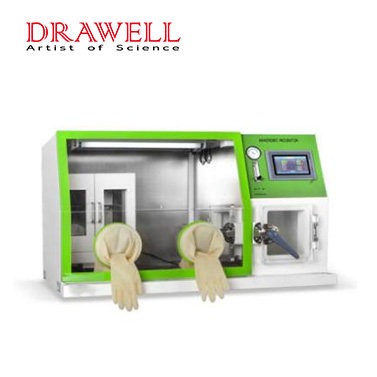
The anaerobic incubator represents a specialized apparatus designed to foster and manipulate bacteria within an oxygen-free environment. Its functionality extends to nurturing even the most demanding anaerobic organisms while circumventing the peril of their exposure to oxygen in an atmospheric setting. As such, this device stands as an ideal instrument for both anaerobic biological assessments and scientific investigations. Moreover, its versatility shines through as it accommodates various operational modes, effectively providing optimal conditions for the proliferation of microaerophilic bacteria. In this article, we delve into the essential considerations for installing and using anaerobic incubators.

anaerobic Incubator

Prerequisites for Anaerobic Incubator Installation

Ensuring the proper installation of an anaerobic incubator involves adhering to three key guidelines:

Optimal Placement: The unit should be positioned in an area characterized by minimal temperature fluctuations, enabling efficient operation. Shield it from direct sunlight and distance it from heat-emitting equipment. Stability in placement is paramount.

Secure Gas Cylinder Positioning: The mixed gas and nitrogen cylinders must be securely positioned, each equipped with a pressure-reducing valve (inclusive of a pressure gauge) and placed suitably.

Air Circuit Connection and Assessment: Thoroughly connect the air circuit while rigorously inspecting for potential air leaks. Employ sealant where necessary to prevent leakage at connecting points.

Guidelines for the Prudent Use of Anaerobic Incubators

The judicious operation of an anaerobic incubator necessitates adherence to the following eleven precautions:

Optimal Operating Environment: Ideally, set up the instrument in an environment characterized by clean air and minimal temperature fluctuations.

Comprehensive Familiarization: Prior to commencing operations, ensure a thorough understanding of the operational instructions for each component of the auxiliary instruments and gauges, grasping the correct utilization methods.

Culturing within Anaerobic Conditions: Only introduce cultures into the operational chamber after the prescribed anaerobic environment has been established.

Avoid Overcrowding: Refrain from overloading the chamber with items, as this may compromise temperature uniformity. Prevent obstructions of the circulating fan and air duct.

Safeguarding Anaerobic State: In the event of a malfunction (such as gas interruption), the anaerobic conditions can be maintained within the operational chamber for up to 10 to 12 hours. Should the duration exceed this window, consider alternate treatments for the culture.

Anaerobic Incubator LAI-3T-N

Vigilance Against Air Leaks: Regularly monitor the gas pathway for any indications of air leakage.

Gas Cylinder Replacement: During gas cylinder replacement, exercise caution to securely fasten the tubing to prevent the inflow of oxygen-rich gases.

Adhering to Vacuum Pump Usage: Utilize the vacuum pump as directed and routinely inspect and replenish the oil.

Cautious Item Placement: Prohibit the placement of flammable, explosive, or corrosive items within the chamber. Ensure a cooling buffer zone outside the incubator to preserve its cooling efficiency.

Proper Shutdown Protocol: Upon discontinuing use, power down the anaerobic incubator by deactivating the main power button and the rear equipment switch.

Thorough Drying of the Chamber: Before storage, dry the interior of the chamber using the following method: Set the incubator temperature above 40°C, allow it to run steadily for two hours, open the chamber door for 10 minutes every half hour, and then repeat this process 3-5 times.

In summary, this article has provided a comprehensive overview of the imperative guidelines for the installation and operation of anaerobic incubators. For additional insights into anaerobic incubator precautions, consider reaching out to the manufacturer. Their specialized advice can prove invaluable when troubleshooting issues with your anaerobic incubator, ensuring optimal performance and results.

Why Marine Passenger Seats are Important for the Comfort, Safety, and Enjoyment in Sea Travel

In the world of maritime exploration, the significance of marine passenger seats cannot be overstated. These seats stand as sentinels, safeguarding the comfort, safety, and delight of passengers on boats, ferries, cruise ships, and an array of marine vessels. Engineered to weather the distinctive challenges posed by the marine realm—vibrations, tempestuous seas, and ceaseless exposure to saltwater—marine passenger seats are essential components that elevate the maritime experience to unprecedented levels. This article navigates the landscape of marine passenger seats, shedding light on their vital role, materials, and requisite maintenance, underscoring their status as indispensable elements in modern maritime travel.

ferry passenger chair

Why Marine Passenger Seats are Crucial

Marine passenger seats occupy a pivotal role, weaving a tapestry of comfort and security for passengers in the expansive seascape.

Comfort Amplified: Extended voyages across the open sea can exact a toll, necessitating the presence of supremely comfortable seating. Equipped with optimal support, cushioning, and ergonomic design, these seats provide a reprieve from fatigue, nurturing passenger well-being throughout the journey.

Stability and Safety: The unpredictable marine environment is rife with tumultuous waters and capricious conditions. Robustly constructed marine passenger seats serve as beacons of stability, mitigating the risk of accidents or falls. The inclusion of armrests and seat belts bolsters these safety measures, cocooning passengers in protective embrace.

Ingenious Space Efficiency: Within the confines of marine vessels, space is a prized commodity. Marine passenger seats are astutely designed to maximize space utilization, allowing for optimal seating arrangements that accommodate more passengers without compromising their well-being or comfort.

Durability and Endurance: The formidable marine setting subjects materials to an array of adversities—saltwater exposure, extreme temperatures, and ceaseless vibrations. Constructed from robust materials and fortified with specialized coatings, marine passenger seats emerge as stalwarts against the elements, promising enduring structural integrity.

Adherence to Stringent Regulations: The maritime domain operates under exacting safety regulations. Marine passenger seats are crafted to meet these rigorous criteria, encompassing attributes such as seat anchoring, fire resistance, impact resilience, and the capability for emergency egress. Complying with these standards ensures passenger safety in the face of adversity at sea.

Aesthetic Enhancement: Beyond functionality, marine passenger seats contribute to the ambiance and aesthetics of vessels. A myriad of styles and finishes cater to personalization, harmonizing seats with the vessel’s interior design and branding.

Fostering Passenger Contentment: The nexus between well-designed, comfortable seating and heightened passenger satisfaction is undeniable. Enhanced passenger experiences lead to positive feedback, repeat business, and referrals—rendering the provision of comfortable and enjoyable travel experiences a cardinal goal for maritime transport companies.

marine passenger seats

Materials Nurturing Resilient Marine Passenger Seats

The construction of marine passenger seats is a symphony of materials curated for their resilience, corrosion resistance, and ability to brave the maritime crucible.

Marine-Grade Aluminum: Renowned for its lightweight disposition, impressive strength-to-weight ratio, and unparalleled corrosion resistance, marine-grade aluminum alloys are stalwart contenders in marine seat construction. These seats exemplify repairability, resilience against seawater, and a steadfast structural integrity.

Stainless Steel: Stainless steel stands as another exemplar material, exuding exceptional corrosion and rust resistance that align with the demands of the marine milieu. Durable, sturdy, and low-maintenance, stainless steel seats are a fitting choice for the marine environment.

Fiberglass: Fiberglass-reinforced polymers (FRP) find their way into marine passenger seat construction, offering resistance to corrosion, water, and UV light. Lightweight yet robust, fiberglass seats are marked by structural stability and can be sculpted into diverse shapes and designs for a personalized touch.

Specialized Plastics: Specialist plastics, including high-density polyethylene (HDPE) and acrylonitrile butadiene styrene (ABS), play a pivotal role in crafting marine seats. These plastics are impervious to water, solvents, and UV rays, embodying lightweight durability and simplified maintenance.

Maritime-Grade Upholstery Fabrics: The seating surfaces of marine passenger seats embrace maritime-grade upholstery textiles, meticulously tailored to thrive in coastal environments. These textiles display resistance to water, salt, fading, and mildew, coupled with UV resistance and rapid drying.

Cushioning with Foam: Upholstered comfort is augmented by high-density foam cushioning, offering passengers support during extended journeys while warding off moisture and mold growth.

marine passenger chairs

Upholding the Splendor of Marine Passenger Seats

Maintaining the longevity, efficacy, and passenger well-being that marine passenger seats epitomize hinges on a judicious maintenance regimen.

Periodic Cleansing: Routinely cleanse seats to banish accumulated dirt, salt, or debris. Utilize mild detergent or soap solutions, coupled with gentle brushes or sponges, to clean seating surfaces. Caution against abrasive cleansers or harsh chemicals that could compromise seat materials.

Upholstery Reverence: Upholstered surfaces warrant specialized care. Regular vacuuming or brushing keeps dust and dirt at bay. Treat stains promptly with gentle cleaning products suited for marine-grade upholstery materials. Ensuring complete dryness prevents mold or mildew.

Scrutiny and Rectification: Regular scrutiny unveils wear, loose fittings, or damage. Cast a discerning eye on seat frames, fasteners, and anchoring systems for signs of rust or structural compromise. Swiftly replace worn-out or broken components, adhering to manufacturer guidelines or seeking expert counsel.

Lubrication: Seats featuring moving components—hinges or swivel mechanisms—demand regular lubrication with marine-grade lubricants. Adhere to manufacturer recommendations to stave off friction and wear.

Shielding from Sunlight: Sunlight’s erosive effect warrants safeguarding. Protective covers or shadings shield seats from direct sunlight exposure when not in use.

Saltwater Rinse: Saltwater exposure necessitates thorough cleansing after each usage. Salt’s corrosive potential mandates diligent rinsing to eliminate residue, followed by meticulous drying to avert moisture-related complications.

Embrace Manufacturer Guidance: Embrace manufacturer’s maintenance directives. These guidelines offer insights into care instructions, recommended cleaning agents, and bespoke maintenance requisites tied to seat materials and design.

In Summary

The voyage aboard maritime vessels hinges on the bedrock of marine passenger seats that constructed to weather the marine maelstrom, proffer comfort, safety, and functionality. In traversing the significance of these seats, the materials that shape them, and the art of their maintenance, a profound appreciation is fostered for their indispensable role in modern maritime travel.

Why Sensor Technologies are Important in Web Guiding Systems

In numerous industries, the seamless treatment of continuous web materials, such as paper, film, textiles, and metal, hinges upon the indispensable presence of web guiding systems. These systems play a pivotal role in ensuring meticulous web alignment and tension management, a necessity for eradicating defects, reducing wastage, and bolstering overall production efficiency. The infusion of sensor technologies into modern web guiding machines has orchestrated a paradigm shift in the handling of web materials, ushering in real-time feedback and automated adjustments that revolutionize the process. In this article, we delve into the cornerstone sensor technologies employed within web guiding machines, elucidating their contributions in propelling precision and efficiency within the realm of web handling processes.

Pioneering Line Edge Sensors in Web Guiding Machinery

The bedrock of precision lies in the innovative deployment of line edge sensors within web guiding machines. At their core, line edge sensors operate on the principle of discerning alterations in light, infrared, or sound patterns as the web material traverses their field of vision. This process involves the emission of light, infrared radiation, or ultrasonic waves across the expanse of the web. A harmonious signal is registered by the sensor when the web is suitably aligned, signifying that it adheres to its designated trajectory.

In cases of deviation, the line edge sensor swiftly detects fluctuations within the signal pattern. This triggers the web guiding system to execute meticulous adjustments, thereby rectifying the lateral positioning of the web and steering it back towards the centerline or the intended alignment.

The Diverse Variants of Line Edge Sensors

Optical Line Edge Sensors: Optical sensors harness light-emitting diodes (LEDs) to project a light beam across the width of the web. A receiver stationed on the opposing side detects the light pattern, which remains uninterrupted when the web maintains its proper orientation. Displacements in the web’s position lead to alterations in the received light pattern, facilitating the sensor’s calculation of the web’s lateral placement and furnishing corrective inputs.

Infrared Line Edge Sensors: Employing the same principle as optical sensors, infrared line edge sensors substitute visible light with infrared radiation. This substitution renders them more impervious to external lighting conditions, making them especially adept in environments characterized by subdued ambient light.

A100 Infrared Edge Sensor

Ultrasonic Line Edge Sensors: By generating ultrasonic waves that interact with the web before returning to the sensor, ultrasonic line edge sensors can gauge the web’s distance and position. This technology proves efficacious for guiding materials of varying thicknesses and surfaces that may bear imperfections.

A200 Ultrasonic Edge Sensor

Harnessing Capacitive Sensors in Web Guiding Systems

Capacitive sensors, an indispensable component of web guiding systems, rely on the detection of capacitance changes brought about by the proximity of web content. As the material’s dielectric constant fluctuates, so does the capacitance, allowing the sensor to identify the web’s presence and position. This technology finds its forte in guiding non-conductive or low-conductive materials.

Vital Role of Tension Sensors in Web Guiding Systems

Tension sensors, veritable linchpins of web guide and tension control systems, wield the task of gauging and monitoring the tension forces acting upon moving web materials. Their role is pivotal in upholding continuous and precise tension throughout the web handling journey.

web guiding system

A Panoply of Tension Sensor Types

Load Cells: Hinging on the strain gauge principle, load cells undergo deformation when subjected to tension. Attached strain gauges discern this deformation and translate it into an electrical output proportional to the applied stress.

Dancer Roll Sensors: Employed in scenarios necessitating meticulous tension management, dancer roll sensors detect the position or angle of a freely-moving dancer roll—a roller responsive to fluctuations in web tension. This input aids in tension adjustments.

Ultrasonic Tension Sensors: Functioning through the measurement of ultrasonic waves’ travel distance along the web, ultrasonic tension sensors deliver real-time tension feedback by constantly detecting changes induced by tension fluctuations.

Magnetic Tension Sensors: By detecting variations in the magnetic field’s strength triggered by web stress, magnetic tension sensors cater to applications that demand non-contact sensing.

The Precision of Laser Sensors in Web Guiding Systems

Laser sensors emerge as exemplars of precision and accuracy within web guiding applications. Their modus operandi entails the detection of web position through laser beams, subsequently furnishing feedback for guiding adjustments. These sensors excel in high-speed processing and precision-intensive applications.

Summary

Sensor technologies have orchestrated a transformative epoch in the domain of web guiding machines, affording the luxury of real-time feedback and automated interventions that ensure impeccable alignment and tension control of web materials. Through the incorporation of these intelligent sensors, industries stand poised to elevate production efficiency, curtail wastage, and attain elevated levels of precision in the intricate realm of web handling processes.

通过 WordPress.com 设计一个这样的站点
从这里开始