Ship mooring systems are essential for maintaining vessel stability and safety while ships are docked, loading, unloading, or operating at offshore facilities. Among the many components used in mooring arrangements, roller fairleads play a critical role in guiding mooring lines, reducing friction, and protecting ropes from excessive wear. These devices help ensure that mooring operations remain reliable even under challenging marine conditions such as strong winds, waves, currents, and changing vessel positions.
A roller fairlead is a mechanical guiding device equipped with rotating rollers that control the direction of mooring ropes or cables as they pass between the vessel and shore-based or offshore mooring points. By allowing smooth movement of the mooring line, roller fairleads improve operational efficiency and extend the service life of mooring equipment.
What Is a Roller Fairlead
A roller fairlead is a type of mooring line guide installed on ships, offshore platforms, and marine terminals. Its main purpose is to guide ropes or wires through specific angles while minimizing friction and preventing damage caused by direct contact with sharp edges or fixed surfaces.
Unlike traditional fixed fairleads, roller fairleads use rotating rollers to support the movement of mooring lines. When a vessel shifts due to tides, waves, or loading conditions, the rollers rotate with the rope movement, reducing abrasion and allowing smoother tension changes.
Roller fairleads are commonly installed near the bow, stern, or sides of vessels where mooring lines change direction before connecting to bollards, winches, or offshore mooring points.
Importance of Roller Fairleads in Ship Mooring Systems
Roller fairleads provide several important functions in modern ship mooring operations. Their ability to manage rope movement and reduce stress makes them a valuable component for both commercial vessels and offshore applications.
Reducing Mooring Line Wear
Mooring ropes are exposed to continuous tension, movement, and environmental forces. Without proper guidance, ropes may rub against steel structures, causing surface damage, heat buildup, and premature failure.
The rotating rollers in a fairlead reduce friction between the rope and the guide surface. This helps prevent abrasion and increases the operational lifespan of expensive mooring lines.
Improving Mooring Safety
A damaged or failed mooring line can create serious safety risks for crew members, vessels, and nearby facilities. Roller fairleads help maintain smoother line movement and reduce the possibility of sudden rope failure caused by excessive friction or bending stress.
By supporting controlled rope movement, they contribute to safer berthing and unberthing operations.
Managing Changing Mooring Angles
Ships rarely remain completely stationary while moored. Wind, waves, tides, and cargo operations can cause small movements that change the direction and tension of mooring lines.
Roller fairleads allow ropes to move freely within controlled angles, helping maintain stable mooring conditions without placing unnecessary stress on ropes, winches, or deck fittings.
Types of Roller Fairleads Used in Marine Applications
Different roller fairlead designs are available depending on vessel type, mooring requirements, and operating conditions.
Vertical Roller Fairleads
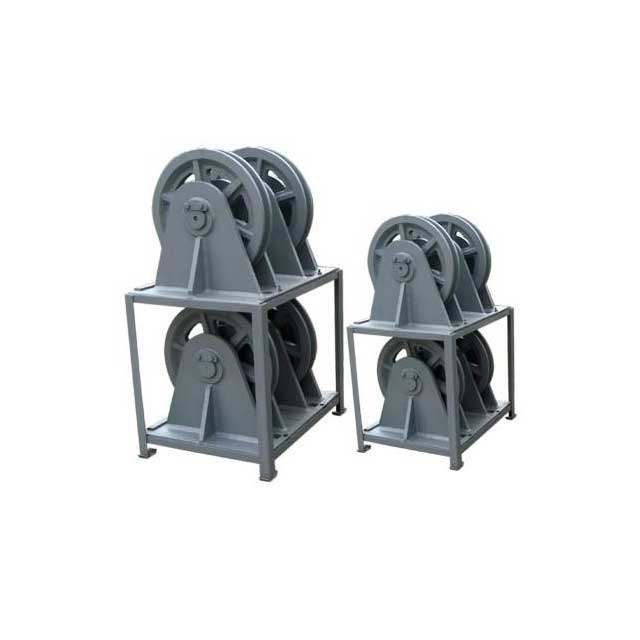
Vertical roller fairleads use vertically positioned rollers to guide mooring lines passing upward or downward. They are commonly installed near ship sides and are suitable for applications where the rope direction changes vertically.
Horizontal Roller Fairleads
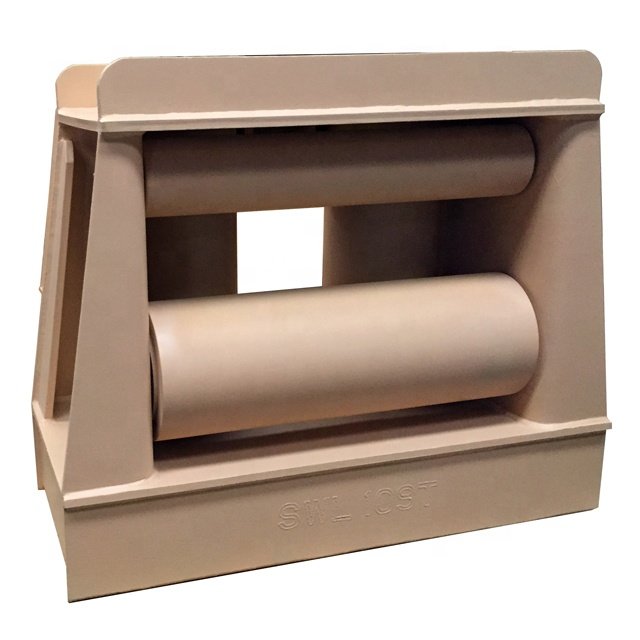
Horizontal roller fairleads use horizontal rollers to guide lines across the deck surface. They are often used for controlling lateral movement of mooring ropes and are widely applied on cargo ships, tankers, and offshore vessels.
Multi-Roller Fairleads
Multi-roller fairleads combine several rollers arranged in different directions to provide flexible rope guidance. They are designed for complex mooring arrangements where lines experience movement from multiple angles.
These systems are commonly found on large vessels and offshore facilities requiring high-performance mooring solutions.
Key Components of a Roller Fairlead
A roller fairlead consists of several components designed to withstand heavy loads and harsh marine environments.
Rollers
The rollers are the main working elements of the system. They are typically manufactured from high-strength steel and designed to rotate smoothly under heavy mooring loads.
Bearings
High-quality bearings allow the rollers to rotate with minimal resistance. Proper bearing selection is important for ensuring long-term performance and reducing maintenance requirements.
Frame Structure
The frame supports the rollers and transfers mooring loads to the ship structure. It must have sufficient strength to withstand dynamic forces caused by vessel movement.
Protective Coatings
Because roller fairleads operate in saltwater environments, corrosion protection is essential. Marine-grade coatings, galvanization, or specialized surface treatments are often applied to improve durability.
Materials Used for Roller Fairleads
Material selection directly affects the strength, reliability, and service life of roller fairleads.
Steel is the most common material because of its high load-bearing capacity and durability. High-strength marine steel is often used for frames and rollers in heavy-duty applications.
Stainless steel components may be selected for areas requiring improved corrosion resistance. In some designs, special coatings or wear-resistant materials are applied to roller surfaces to reduce damage from repeated rope contact.
Applications of Roller Fairleads
Roller fairleads are used across many marine industries, including commercial shipping, offshore energy, and port operations.
Cargo Ships
Container ships, bulk carriers, and general cargo vessels rely on roller fairleads to manage mooring lines during port operations. They help maintain safe vessel positioning while loading and unloading cargo.
Tankers
Oil tankers and chemical tankers require reliable mooring systems due to their large size and strict safety requirements. Roller fairleads help control heavy mooring lines and reduce operational risks.
Offshore Platforms
Offshore platforms, floating production units, and drilling vessels use advanced mooring systems where rope movement and load control are critical. Roller fairleads support reliable connections between vessels and offshore structures.
Tugboats and Workboats
Smaller working vessels also benefit from roller fairleads because they frequently experience changing loads during towing, anchoring, and marine operations.
Factors to Consider When Selecting Roller Fairleads
Choosing the correct roller fairlead requires careful consideration of several factors.
Load Capacity
The fairlead must be capable of handling the expected working load and maximum forces generated by vessel movement. Undersized equipment may experience excessive wear or structural failure.
Mooring Line Type
Different ropes and wires have different characteristics. The roller design, diameter, and surface finish should match the type of mooring line being used.
Operating Environment
Vessels operating in harsh offshore conditions require stronger corrosion protection and more durable components compared with ships operating mainly in sheltered ports.
Maintenance Requirements
A well-designed roller fairlead should allow easy inspection, lubrication, and replacement of worn parts. Regular maintenance improves reliability and prevents unexpected failures.
Summary
Roller fairleads are an essential part of ship mooring systems, providing smooth guidance, reducing rope wear, and improving operational safety. By allowing mooring lines to move efficiently under changing loads, they help protect both vessels and marine infrastructure.
As ships become larger and offshore operations become more demanding, reliable roller fairlead solutions will continue to play an important role in modern maritime safety and performance.
 China manufacturers