Diving equipment must perform reliably in challenging underwater environments where constant exposure to water, pressure changes, salt, and extreme temperatures can affect functionality. Among the many components used in diving gear, zippers are often overlooked, yet they play an essential role in maintaining protection and comfort. Waterproof zippers for diving equipment are specially designed fastening systems that prevent water intrusion while providing smooth operation and long-term durability.
Unlike conventional zippers, waterproof diving zippers feature advanced sealing structures and specialized materials that help maintain a secure barrier against moisture. They are widely used in diving suits, drysuits, underwater bags, and other marine equipment where reliable water resistance is required. As diving technology continues to advance, waterproof zipper designs are becoming stronger, lighter, and more adaptable to demanding underwater applications.
The Importance of Waterproof Zippers for Diving Applications
In underwater environments, even a small amount of water leakage can affect the performance of diving equipment. For divers wearing drysuits, waterproof zippers are critical because they help maintain a dry internal environment and preserve thermal insulation. This is especially important during cold-water diving, deep-sea exploration, and professional underwater operations where exposure to cold temperatures can create safety concerns.
Waterproof zippers also improve the overall usability of diving equipment. A properly designed zipper allows divers to put on and remove suits more easily while ensuring that the equipment remains securely closed during movement. For professional divers who spend extended periods underwater, dependable zipper performance can greatly enhance operational efficiency and safety.
Design Characteristics of Waterproof Zippers for Diving Equipment
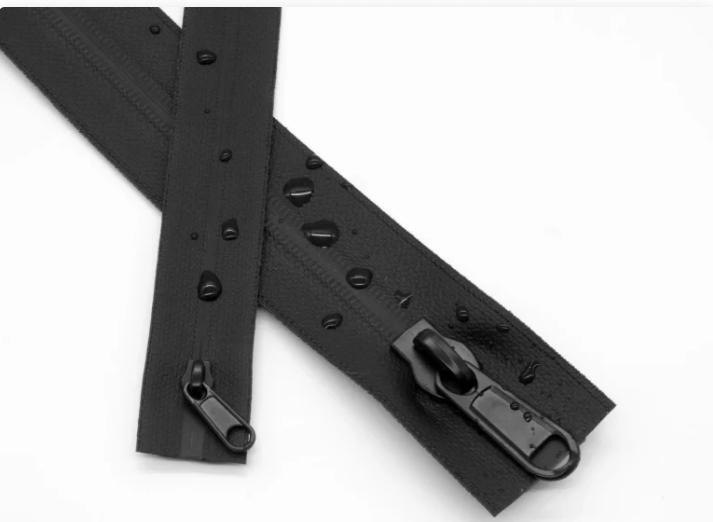
Waterproof zippers used in diving applications are engineered with special structures that reduce water penetration. Unlike standard zippers, which have open spaces between teeth, waterproof models often use coated zipper tapes, sealed teeth structures, and protective layers to create a stronger barrier against water.
The zipper tape is usually made from materials with low water absorption, while the outer coating provides additional protection from moisture and environmental exposure. Some advanced waterproof zippers use airtight designs that prevent not only water entry but also air leakage, making them suitable for drysuits and high-performance diving systems.
Another important design feature is durability under repeated use. Diving equipment is frequently opened and closed before and after dives, so waterproof zippers must withstand thousands of operating cycles without losing their sealing ability. High-quality designs combine strong materials with precision manufacturing to ensure reliable performance over long periods.
Materials Used in Waterproof Diving Zippers
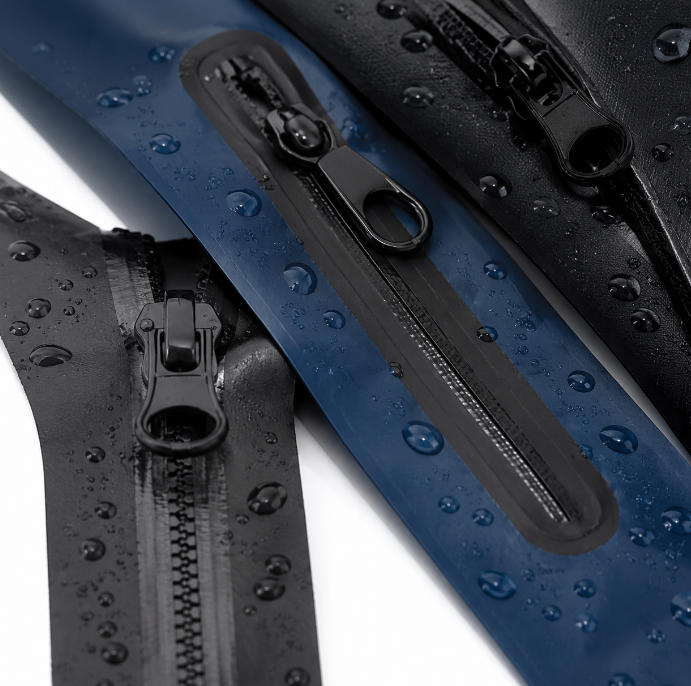
The materials used in waterproof zippers directly influence their strength, flexibility, and resistance to marine conditions. Many diving zippers use high-performance plastics because they provide excellent corrosion resistance and lightweight properties. Plastic components are especially suitable for applications where flexibility and comfort are important.
Metal waterproof zippers are also used in some professional diving equipment because they offer high mechanical strength and excellent resistance to heavy-duty applications. These zippers are often treated with protective coatings to reduce corrosion caused by saltwater exposure.
Waterproof coatings and laminated materials are also essential components of modern zipper systems. These protective layers help prevent water absorption, improve sealing performance, and extend the service life of the zipper in harsh marine environments.
Applications of Waterproof Zippers in Diving Equipment
Waterproof zippers are most commonly found in diving suits and drysuits. In drysuit applications, the zipper serves as one of the main sealing points that protects divers from direct water contact. A high-quality waterproof zipper helps maintain the suit’s protective function while allowing convenient entry and exit.
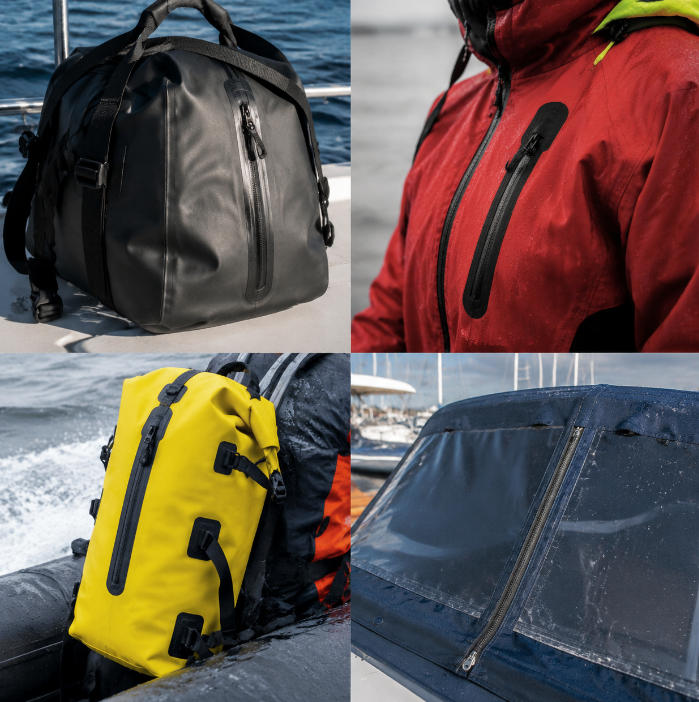
Beyond diving suits, waterproof zippers are widely used in underwater equipment storage solutions. Diving bags, camera housings, equipment cases, and waterproof backpacks often rely on these zippers to protect valuable tools and personal items from moisture. For underwater photographers and technical divers, secure storage is essential for protecting sensitive equipment.
Waterproof zippers are also used in marine clothing, buoyancy equipment, and outdoor gear designed for wet environments. Their combination of water resistance and durability makes them suitable for applications beyond traditional diving equipment.
Performance Requirements for Diving Equipment Zippers
Waterproof zippers for diving equipment must meet higher performance requirements than ordinary outdoor zippers. One of the most important factors is water resistance, as the zipper must prevent leakage even under continuous underwater exposure.
Mechanical strength is another key requirement. Diving equipment experiences stretching, bending, and pressure changes during use, so zippers must maintain their structure without deformation or failure. The slider, teeth, and supporting materials must work together smoothly to provide consistent performance.
Resistance to corrosion is also essential because saltwater can accelerate material degradation. Zippers designed for marine environments must withstand repeated exposure to seawater while maintaining their appearance and functionality.
Manufacturing Technology of Waterproof Diving Zippers
The production of waterproof zippers involves precise manufacturing processes to achieve reliable sealing performance. Advanced molding technologies are used to create accurate zipper teeth and components, ensuring smooth engagement between the zipper elements.
Waterproof coatings are applied to zipper tapes and surfaces to improve moisture resistance. Some manufacturers also use bonding and sealing technologies to combine different materials without creating weak points where water could enter.
Quality control plays an important role in waterproof zipper production. Zipper manufacturers commonly conduct water pressure tests, durability tests, and repeated operation tests to confirm that the zippers can withstand demanding diving conditions.
Maintenance and Care of Waterproof Diving Zippers
Proper maintenance helps extend the lifespan of waterproof zippers used in diving equipment. After every dive, the zipper should be rinsed with fresh water to remove salt crystals, sand, and other contaminants. These particles can reduce smooth movement and damage sealing surfaces over time.
Regular inspection is also important. Divers should check for signs of wear, damaged teeth, or reduced sealing performance before using the equipment. Applying suitable zipper lubricants according to manufacturer recommendations can help maintain smooth operation and prevent unnecessary stress on the zipper components.
Careful handling is equally important. Forcing a stuck zipper can damage the slider or sealing structure, so any resistance should be addressed by cleaning and maintenance rather than excessive pulling.
Future Development Trends of Waterproof Zippers for Diving Equipment
With the growth of recreational diving, underwater exploration, and professional marine operations, waterproof zipper technology continues to evolve. Future developments are expected to focus on lighter materials, stronger sealing performance, improved corrosion resistance, and environmentally friendly manufacturing processes.
Advanced materials and smart manufacturing technologies may allow waterproof zippers to become more flexible while maintaining high strength. Improvements in coating technology and precision engineering will further enhance their ability to perform in extreme underwater environments.
As diving equipment becomes more specialized, waterproof zippers will continue to serve as a key component that supports safety, comfort, and reliability. Their role in protecting divers and equipment ensures that they remain an important technology in the development of modern marine gear.
Final Thoughts
Waterproof zippers for diving equipment are essential components that provide protection against water penetration while improving the usability and durability of underwater gear. Through advanced materials, specialized sealing designs, and precise manufacturing technologies, these zippers help diving equipment perform effectively in demanding marine environments.
From drysuits and underwater bags to professional diving systems, waterproof zippers contribute to safer and more comfortable diving experiences. As underwater exploration and marine activities continue to expand, innovations in waterproof zipper technology will further improve the reliability and performance of diving equipment.

