Custom zippers are specially engineered fastening solutions designed to meet the unique requirements of different industries, including apparel, luggage, footwear, outdoor equipment, automotive products, medical devices, and marine applications. Unlike standard zippers that are produced according to fixed specifications, custom zippers require personalized designs, selected materials, specialized tooling, and precise manufacturing processes to achieve the desired performance, appearance, and durability.
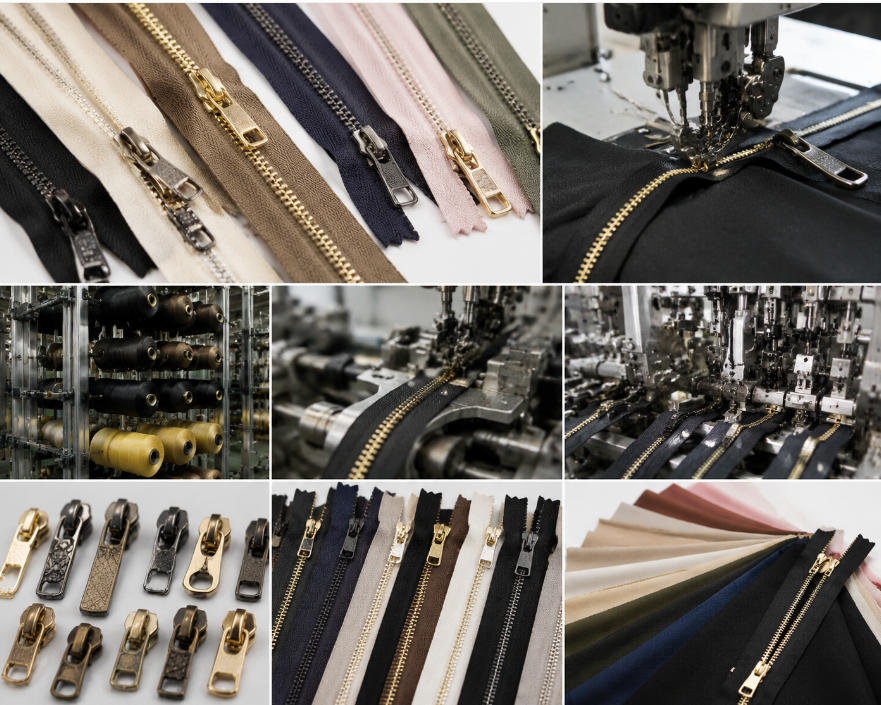
The process of manufacturing custom zippers starts with understanding customer requirements and continues through design development, material preparation, component manufacturing, assembly, surface treatment, and quality inspection. Each stage requires advanced technology and strict control to ensure that the final zipper performs reliably in its intended application.
Understanding Customer Requirements and Creating the Design
The first step in manufacturing custom zippers is analyzing the customer’s specific needs. Manufacturers communicate with customers to understand how the zipper will be used, what environmental conditions it must withstand, and what functional or visual characteristics are required.
Engineers consider factors such as zipper size, length, structure, strength requirements, operating conditions, and appearance preferences. For example, a zipper used in outdoor equipment may need waterproof and abrasion-resistant properties, while a zipper for luxury fashion products may focus more on decorative finishes and smooth operation.
After gathering the requirements, designers create detailed technical drawings and product specifications. Computer-aided design (CAD) systems are commonly used to develop accurate models of zipper components, including teeth, sliders, pullers, and tapes. This design stage helps manufacturers identify potential issues and optimize the zipper structure before moving into production.
Selecting the Right Materials for Custom Zippers
Material selection is one of the most important factors affecting the quality and performance of custom zippers. Different applications require different combinations of strength, flexibility, corrosion resistance, and appearance.
Metal zippers are commonly produced using materials such as brass, aluminum, and stainless steel. These materials provide excellent durability and are often selected for jeans, leather products, bags, and heavy-duty applications. Metal zippers can also receive special surface treatments to improve corrosion resistance and create different decorative effects.
Resin zippers are manufactured using engineering plastics that offer lightweight characteristics, excellent color options, and resistance to moisture and chemicals. They are widely used in clothing, luggage, and outdoor products where flexibility and reduced weight are important.
Nylon coil zippers are made from synthetic fibers formed into spiral coils. They provide smooth operation, flexibility, and good bending performance, making them suitable for garments, backpacks, sports equipment, and soft goods.
For specialized applications, manufacturers may use advanced materials and coatings to improve waterproof performance, UV resistance, flame resistance, or low-temperature durability. Selecting the correct materials ensures that the custom zipper can maintain reliable performance throughout its service life.
Developing Molds and Producing Prototype Samples
When manufacturing customized zipper designs, specialized molds and production tools are often required. This is especially important when customers need unique zipper teeth, special slider shapes, or customized decorative elements.
Manufacturers use precision machining technologies such as CNC machining and electrical discharge machining to create accurate molds. The quality of these molds directly affects the consistency, appearance, and functionality of the final zipper.
Before large-scale production begins, prototype samples are produced for testing and evaluation. Engineers examine whether the zipper opens and closes smoothly, whether the components fit correctly, and whether the design meets customer expectations. If improvements are needed, the mold or design can be adjusted before mass manufacturing.
Manufacturing Zipper Components
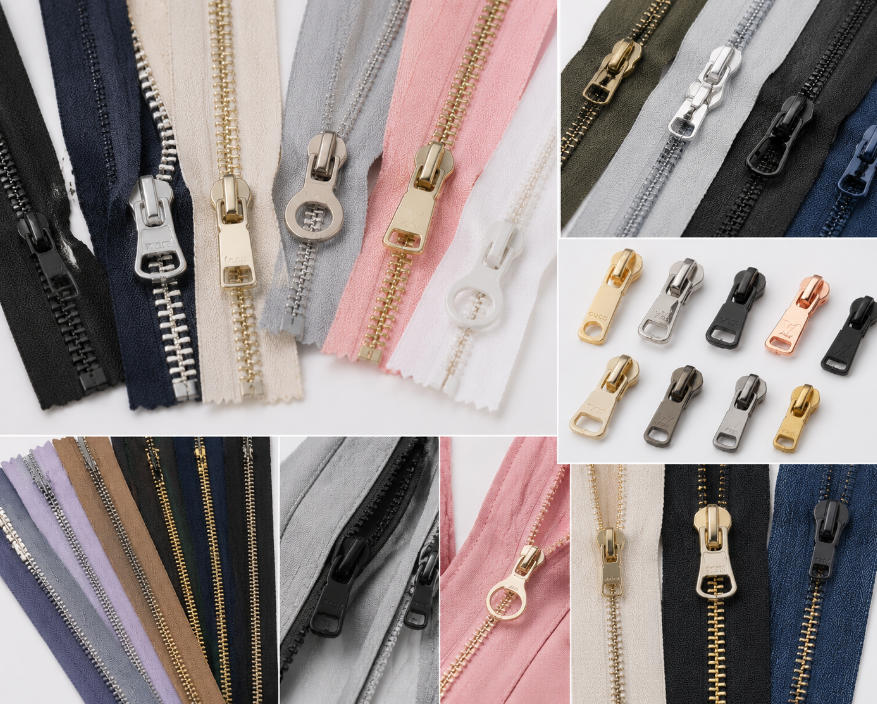
A custom zipper consists of several important components, including zipper teeth, sliders, tapes, stops, and pullers. Each part requires specialized manufacturing techniques.
Zipper teeth are produced differently depending on the zipper type. Metal zipper teeth are typically manufactured through stamping processes, where metal materials are shaped into precise tooth structures. Resin zipper teeth are produced through injection molding, allowing manufacturers to create different shapes and colors. Nylon coil zipper teeth are formed from synthetic monofilaments and attached to zipper tapes to create flexible fastening systems.
The slider is another critical component because it controls the movement of the zipper. Custom sliders can be produced through die casting, stamping, or injection molding processes. Manufacturers can customize the slider shape, puller design, surface finish, and logo details to match customer requirements.
Zipper tapes are generally made from strong polyester or nylon fibers. These materials are woven or knitted to provide the required flexibility and tensile strength. For special applications, zipper tapes may receive additional treatments, such as waterproof coatings or protective finishes, to improve performance under harsh conditions.
Assembling the Custom Zipper
Once all individual components are manufactured, they are assembled into a complete zipper system. The assembly process requires high precision because proper alignment between teeth, tapes, and sliders directly affects zipper performance.
During assembly, zipper teeth or coils are attached securely to the tapes, sliders are installed, and additional components such as top stops, bottom stops, or separating mechanisms are added. Automated zipper assembly equipment is commonly used to improve production efficiency and maintain consistent quality.
After assembly, manufacturers perform preliminary functional checks to ensure that the zipper operates smoothly without sticking, misalignment, or abnormal resistance. This stage helps identify manufacturing issues before the product moves to final processing.
Applying Surface Treatments and Functional Finishes
Many custom zippers require additional finishing processes to achieve specific aesthetic or functional goals. Surface treatments can improve durability while also allowing manufacturers to create unique appearances.
For metal zippers, electroplating and coating processes are often applied to enhance corrosion resistance and provide different colors or textures. Fashion brands may request special finishes to match specific product designs, while industrial customers may prioritize protective coatings for harsh environments.
For outdoor and marine applications, waterproof treatments are commonly applied. These may include laminated zipper tapes, protective coatings, and sealing technologies that prevent water penetration while maintaining flexibility.
Zipper manufacturers can also add customized branding elements through laser engraving, printing, or other marking technologies. These processes help customers create distinctive products with recognizable designs.
Conducting Quality Control and Performance Testing
Quality inspection is an essential stage in custom zipper manufacturing because zippers must withstand repeated use and different environmental conditions.
Manufacturers perform strength tests to measure the resistance of zipper components against pulling forces. Slider tests evaluate whether the zipper can open and close smoothly over many operating cycles. Durability testing is also conducted to determine the expected service life of the zipper.
For specialized zippers, additional performance evaluations may include waterproof testing, salt spray corrosion testing, temperature resistance testing, and UV exposure testing. These tests ensure that the zipper can perform reliably in demanding environments.
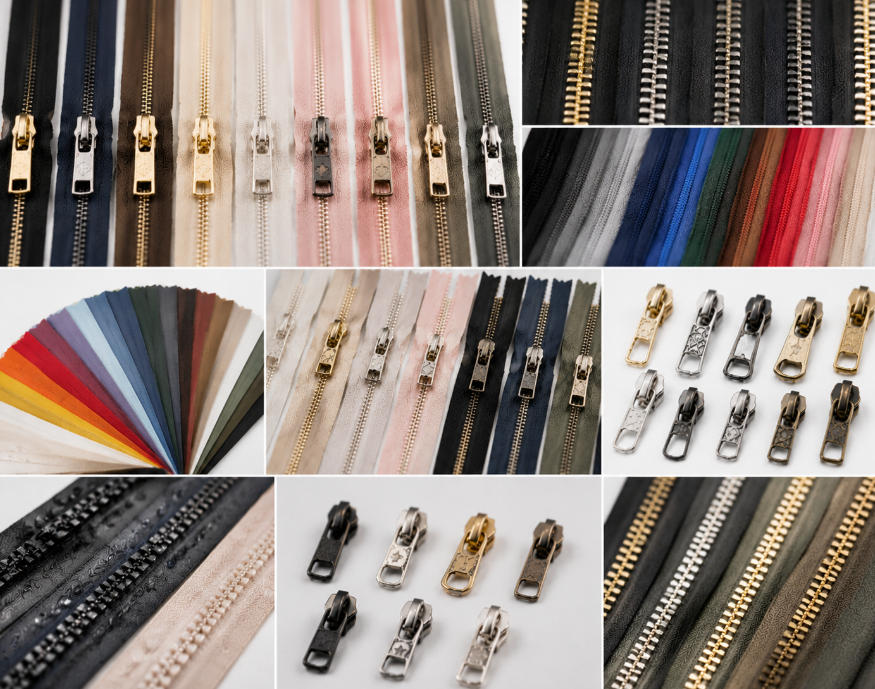
Appearance inspections are also carried out to check color consistency, surface quality, dimensions, and overall product appearance. Strict quality control helps ensure that every batch of custom zippers meets customer specifications.
Packaging and Delivering Finished Custom Zippers
After completing all inspections, finished custom zippers are prepared for packaging and shipment. Manufacturers select suitable packaging methods based on product type, quantity, and transportation requirements.
Many manufacturers provide customized packaging, product labels, inspection documents, and batch tracking information to support customer inventory management and quality control processes.
Efficient packaging and logistics management ensure that custom zippers arrive in excellent condition and are ready for integration into final products.
Final Thoughts
Manufacturing custom zippers is a detailed process that combines product design, material technology, precision manufacturing, and quality management. From analyzing customer requirements and developing specialized tooling to producing components, assembling products, and performing strict inspections, every stage influences the final zipper’s performance and reliability.
With continuous improvements in manufacturing technology, custom zipper solutions can now provide higher durability, better functionality, and greater design flexibility. Whether used in clothing, luggage, outdoor equipment, automotive interiors, or marine products, professionally manufactured custom zippers help companies create products that meet specific performance requirements while offering unique market advantages.

