Cleaning up spills, wiping countertops, and handling everyday kitchen messes are routine tasks in every household. Two common tools used for these jobs are kitchen paper towels and reusable cleaning cloths. While both serve similar purposes, they differ significantly in cost, environmental impact, hygiene, and long-term practicality. Understanding their strengths and limitations can help you choose the right option, or a balanced combination, for your kitchen.

Understanding Kitchen Paper Towels
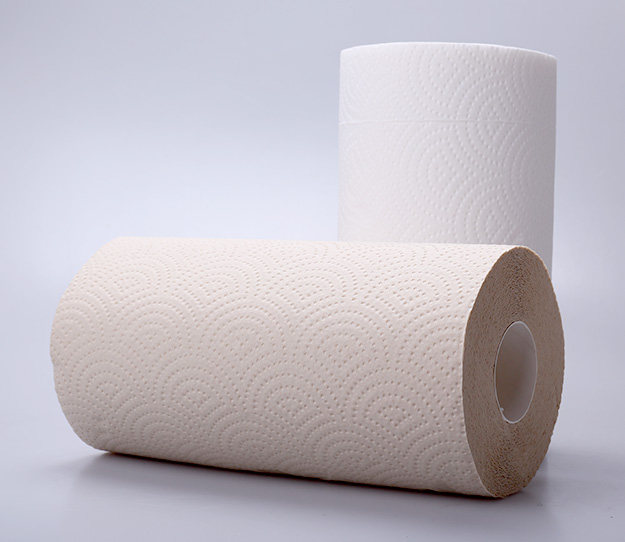
Kitchen paper towels are disposable absorbent sheets designed for quick, single-use cleaning tasks. They are typically made from wood pulp or recycled fibers and are engineered to soak up liquids efficiently.
Their biggest advantage is convenience. You use them once and throw them away, which eliminates the need for washing. This makes them especially useful for handling greasy spills, raw meat juices, or other messes where hygiene is a concern. They are also portable and easy to store, making them a staple in most kitchens.
However, this convenience of kitchen paper towels comes at a cost. Frequent use generates significant household waste, and the ongoing purchase of rolls can add up financially over time. In addition, while some paper towels are made from recycled materials, many still rely on virgin pulp, raising concerns about resource consumption and environmental sustainability.
Understanding Reusable Cleaning Cloths
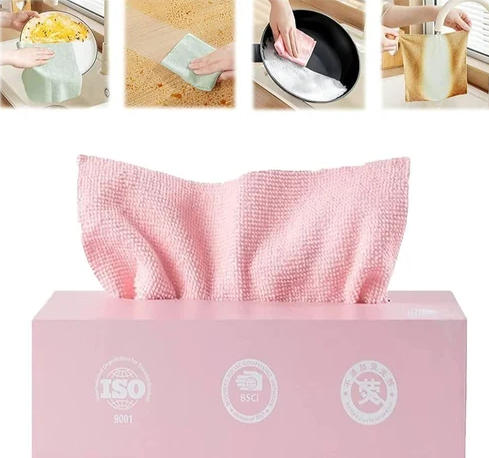
Reusable cleaning cloths are washable fabrics made from materials such as cotton, microfiber, or bamboo fiber. Unlike paper towels, they are designed for repeated use and can last for months or even years with proper care.
One of their strongest advantages is sustainability. By reducing disposable waste, they significantly lower environmental impact. Over time, they are also more cost-effective since a small set of cloths can replace hundreds of paper towels.
Reusable cloths are highly versatile as well. Microfiber cloths, for example, are excellent at trapping dust and cleaning without chemical cleaners, while cotton cloths are good for general wiping and drying.
On the downside, reusable cloths require regular washing, which consumes water, energy, and detergent. If not cleaned properly, they can harbor bacteria or develop odors. They also require organization—used cloths need to be stored separately from clean ones to maintain hygiene.
Key Differences Between the Two Options
Paper towels and reusable cloths differ in several practical ways that influence everyday kitchen use.
Paper towels excel in situations requiring quick disposal, especially when hygiene is critical. They are ideal for one-time messy tasks, such as cleaning up raw food spills or absorbing excess oil.
Reusable cloths, on the other hand, are better suited for routine cleaning tasks like wiping tables, drying dishes, or polishing surfaces. Their durability and absorbency make them more efficient for repeated use.
Cost is another important distinction. Paper towels involve continuous spending, while reusable cloths require a higher initial purchase but lower long-term expense. Environmental impact also differs sharply, with reusable cloths generally being the more sustainable option.
Hygiene and Safety Considerations
Hygiene plays a major role in choosing between these two cleaning tools. Paper towels are single-use, which reduces the risk of cross-contamination. This makes them particularly useful when cleaning up after handling raw meat or dealing with potentially harmful spills.
Reusable cloths can be equally hygienic if maintained properly. Regular washing at appropriate temperatures and timely replacement of worn-out cloths are essential. In many kitchens, households assign different cloths for different tasks—for example, one for countertops and another for dishes—to reduce contamination risks.
Environmental and Cost Impact
From an environmental perspective, reusable cloths are generally the more eco-friendly choice. They reduce landfill waste and lower demand for disposable paper production. However, their environmental benefit depends on responsible washing practices, such as avoiding excessive water or energy use.
In terms of cost, paper towels may seem inexpensive per roll, but long-term use adds up quickly. Reusable cloths require minimal ongoing expense after the initial purchase, making them more economical over time.
Which One Should You Choose?
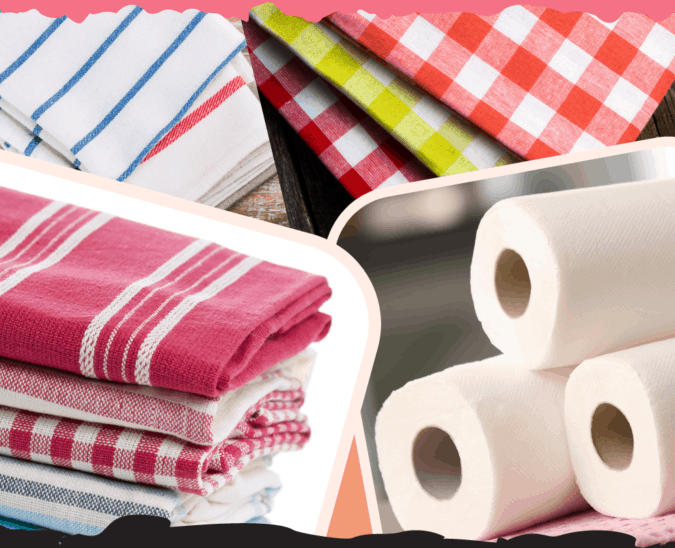
The choice between kitchen paper towels and reusable cleaning cloths depends on lifestyle, cleaning habits, and personal priorities.
If convenience, hygiene, and speed are your top concerns, especially in busy households, paper towels remain a practical option. If sustainability, long-term savings, and versatility are more important, reusable cleaning cloths are a better fit.
In many modern kitchens, the most effective solution is a combination of both: paper towels for high-risk or one-time messes, and reusable cloths for everyday cleaning tasks. This balanced approach helps optimize hygiene, cost, and environmental responsibility all at once.

