Sterilization is a critical process in laboratories, healthcare facilities, pharmaceutical manufacturing, and research institutions. It ensures that equipment, instruments, and materials are free from microorganisms, including bacteria, viruses, fungi, and spores. Among the most widely used Lab sterilization equipment are hot air sterilizers and autoclaves. While both are designed to achieve sterilization, they operate using different principles and are suitable for different applications. Understanding their differences is essential for selecting the most effective sterilization method.
Understanding Hot Air Sterilizers
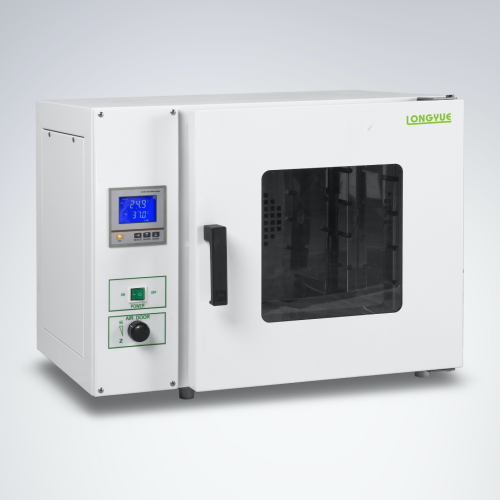
A hot air sterilizer, also known as a dry heat sterilizer, uses heated air to eliminate microorganisms. It operates by circulating hot air within an insulated chamber at temperatures typically ranging from 160°C to 180°C for a specified duration.
The sterilization process relies on the oxidation of cellular components and the dehydration of microorganisms. Because dry heat penetrates materials more slowly than steam, hot air sterilizers generally require longer exposure times to achieve complete sterilization.
Hot air sterilizers are particularly suitable for materials that may be damaged by moisture, such as glassware, metal instruments, powders, oils, and certain chemical substances.
Advantages of Hot Air Sterilizers
Hot air sterilizers offer several benefits, especially for materials that cannot tolerate moisture. Since no steam is involved, there is little risk of rusting or corrosion on metal instruments. They are also ideal for sterilizing powders, oils, and glass products that may be unsuitable for steam sterilization.
Limitations of Hot Air Sterilizers
Despite their usefulness, hot air sterilizers have some drawbacks. Their longer sterilization cycles can reduce productivity in high-volume environments. Dry heat also penetrates materials more slowly, making it less suitable for densely packed loads.
Certain heat-sensitive materials, plastics, rubber products, and textiles may become damaged when exposed to the high temperatures required for dry heat sterilization.
Another advantage is the simplicity of the process. Dry heat sterilization leaves no residue and does not require drying after sterilization. This makes hot air sterilizers particularly useful in analytical laboratories and industrial settings where moisture-sensitive materials are frequently handled.
Understanding Autoclaves
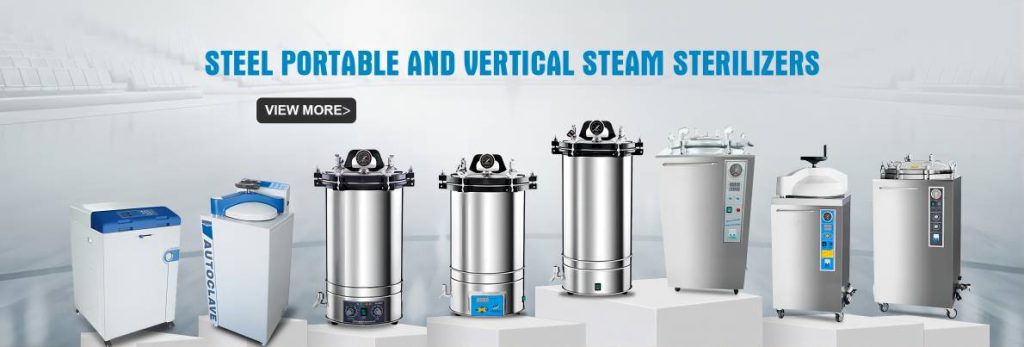
An autoclave sterilizes materials using saturated steam under pressure. By increasing pressure inside the chamber, the boiling point of water rises, allowing steam temperatures to reach approximately 121°C to 134°C.
The combination of high-temperature steam and pressure effectively destroys microorganisms by coagulating and denaturing their proteins. Steam transfers heat much more efficiently than dry air, making autoclaves faster and more effective for many sterilization tasks.
Autoclaves are commonly used for surgical instruments, laboratory media, biological waste, textiles, rubber items, and many medical devices that can tolerate moisture and heat.
Advantages of Autoclaves
Autoclaves are considered one of the most reliable and efficient sterilization methods available. Steam rapidly transfers heat to microorganisms, enabling faster sterilization cycles compared to dry heat systems.
They are highly effective against resistant bacterial spores and can process large volumes of instruments and materials. Autoclaves are widely accepted in hospitals, research laboratories, pharmaceutical production facilities, and biotechnology industries because of their proven sterilization performance.
Limitations of Hot Air Sterilizers
Despite their usefulness, hot air sterilizers have some drawbacks. Their longer sterilization cycles can reduce productivity in high-volume environments. Dry heat also penetrates materials more slowly, making it less suitable for densely packed loads.
Certain heat-sensitive materials, plastics, rubber products, and textiles may become damaged when exposed to the high temperatures required for dry heat sterilization.
Modern autoclaves often feature automated controls, programmable cycles, safety systems, and validation capabilities that help maintain consistent sterilization quality.
Key Differences Between Hot Air Sterilizers and Autoclaves
Although both hot air sterilizers and autoclaves are designed to eliminate microorganisms and achieve sterilization, they differ significantly in their operating principles, performance, and applications.
Sterilization Method
The most fundamental difference lies in how sterilization is achieved. A hot air sterilizer uses dry heat to destroy microorganisms through oxidation and dehydration. In contrast, an autoclave relies on saturated steam under pressure, which kills microorganisms by coagulating and denaturing cellular proteins.
Temperature and Operating Conditions
Hot air sterilizers generally operate at higher temperatures, typically between 160°C and 180°C. Because dry heat transfers energy less efficiently, these elevated temperatures are necessary to achieve sterilization.
Autoclaves operate at lower temperatures, usually between 121°C and 134°C, but the presence of pressurized steam greatly enhances heat transfer, making sterilization more effective and efficient.
Sterilization Time
Dry heat sterilization requires longer exposure periods. Depending on the temperature and load, sterilization cycles may take one to two hours or more.
Autoclaves can complete sterilization much faster, often within 15 to 30 minutes after reaching the required temperature and pressure. This makes them more suitable for environments that require rapid turnaround.
Heat Penetration Efficiency
Steam is an excellent conductor of heat and can penetrate porous materials and complex instrument structures effectively. As a result, autoclaves provide superior heat penetration.
Hot air sterilizers have slower heat penetration because air is a less efficient heat transfer medium. Consequently, achieving uniform sterilization may require longer exposure times.
Suitable Materials
Hot air sterilizers are ideal for moisture-sensitive materials such as glassware, metal instruments, powders, oils, and waxes. These items may be damaged or altered by steam exposure.
Autoclaves are best suited for surgical instruments, laboratory culture media, dressings, textiles, rubber products, and many types of medical equipment that can withstand moisture and heat.
Moisture Involvement
A significant distinction is the presence of moisture during sterilization. Hot air sterilizers operate in completely dry conditions, leaving materials free from condensation.
Autoclaves use steam as the sterilizing agent, which introduces moisture into the process. Therefore, materials that must remain dry are generally unsuitable for autoclave sterilization.
Impact on Instruments
Because hot air sterilization is moisture-free, it minimizes the risk of corrosion and rust formation on metal instruments.
Autoclaves may contribute to corrosion over time if instruments are not properly maintained, dried, or manufactured from corrosion-resistant materials.
Energy Consumption and Productivity
Hot air sterilizers often consume more energy over a complete cycle because of their higher temperatures and longer operating times.
Autoclaves typically achieve sterilization more efficiently, providing higher throughput and greater productivity in hospitals, laboratories, and industrial facilities.
Applications Across Industries
Hot air sterilizers are commonly found in analytical laboratories, pharmaceutical manufacturing, and industrial settings where moisture-sensitive materials require sterilization.
Autoclaves are widely used in hospitals, research laboratories, biotechnology facilities, and healthcare environments where rapid and reliable sterilization of instruments and biological materials is essential.
Overall Effectiveness
Both methods can achieve complete sterilization when operated correctly. However, autoclaves are generally considered more efficient and versatile due to the superior heat transfer properties of steam. Hot air sterilizers remain indispensable for applications involving materials that cannot tolerate moisture, making them a valuable complement to autoclaves rather than a direct replacement.
Choosing Between a Hot Air Sterilizer and an Autoclave
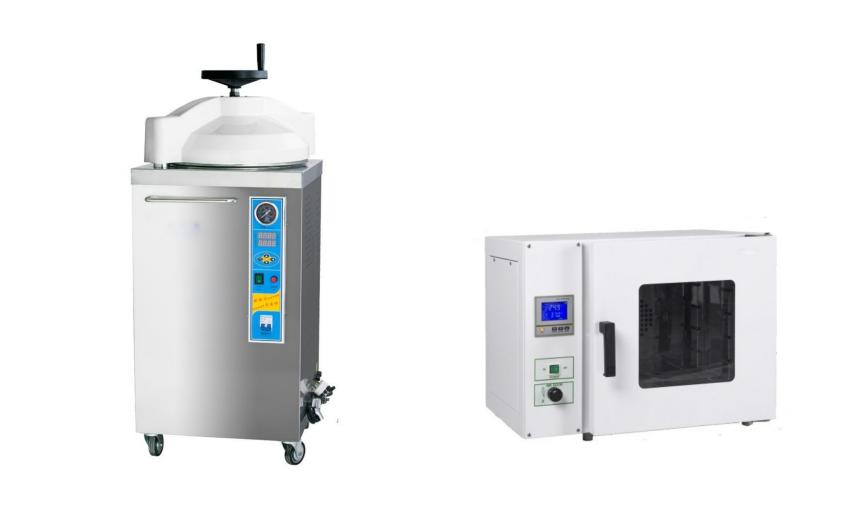
The choice between a hot air sterilizer and an autoclave depends largely on the type of materials being sterilized and operational requirements.
For moisture-sensitive items such as glassware, oils, powders, and certain metal tools, a hot air sterilizer is often the preferred option. On the other hand, for medical instruments, laboratory media, surgical supplies, and biological materials, an autoclave provides faster and more efficient sterilization.
Facilities that handle a wide variety of materials may benefit from having both systems available, allowing users to select the most appropriate sterilization method for each application.
Final Thoughts
Both hot air sterilizers and autoclaves play essential roles in sterilization processes across healthcare, laboratory, and industrial environments. Hot air sterilizers use dry heat to sterilize moisture-sensitive materials, while autoclaves employ pressurized steam to achieve rapid and highly effective sterilization. By understanding their operating principles, advantages, limitations, and ideal applications, organizations can choose the most suitable sterilization solution to ensure safety, compliance, and optimal operational efficiency.

