Plush toys have long been cherished for their emotional comfort, aesthetic appeal, and versatility across age groups. In today’s market, consumers can choose between mass-produced plush toys and handmade custom plush toys. While both serve similar purposes, they differ significantly in production methods, quality, cost, and personalization. Understanding these differences helps businesses and consumers make informed decisions based on their specific needs.
Production Methods and Scale
Mass-produced plush toys are manufactured in large quantities using automated machinery and standardized processes. Factories rely on industrial sewing machines, pre-designed patterns, and assembly-line workflows to ensure efficiency and consistency. This approach allows companies to meet high-volume demand quickly, especially for popular characters or seasonal products.
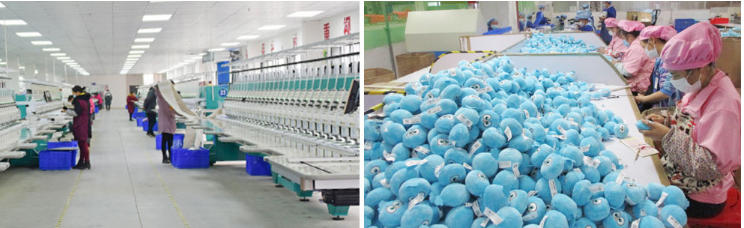
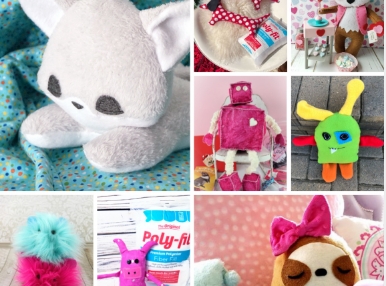
In contrast, handmade custom plush toys are crafted individually or in small batches by skilled artisans. Each piece is typically cut, sewn, and finished by hand, often with meticulous attention to detail. The production process is slower but allows for flexibility in design, making it ideal for unique or one-of-a-kind creations.
Design Flexibility and Customization
One of the most notable differences lies in customization. Mass-produced plush toys usually follow fixed designs with limited options for modification. While some manufacturers offer minor variations—such as color or size—these are constrained by production efficiency and cost considerations.
Handmade custom plush toys excel in personalization. Customers can request specific shapes, facial expressions, fabrics, and even replicate drawings, mascots, or personal concepts. This level of flexibility makes handmade plush toys particularly popular for gifts, branding, and collectibles.
Quality and Craftsmanship
Mass production ensures uniformity, but it may compromise on finer details. Materials are often selected based on cost-effectiveness, and stitching may prioritize speed over durability. However, reputable custom plush manufacturers still maintain acceptable quality standards through quality control systems.
Handmade plush toys, on the other hand, often emphasize craftsmanship. Artisans typically use higher-quality fabrics, reinforced stitching, and careful finishing techniques. The result is a product that may feel more premium and durable, though consistency can vary depending on the maker’s skill.
Cost Considerations
Cost is a major factor influencing purchasing decisions. Mass-produced plush toys benefit from economies of scale, resulting in lower unit prices. This makes them suitable for retail markets, promotional campaigns, and large-scale distribution.
Handmade custom plush toys are generally more expensive due to the labor-intensive process and the use of specialized materials. The price reflects not only the time invested but also the uniqueness of each piece. For customers seeking exclusivity or sentimental value, the higher cost is often justified.
Applications and Market Use
Mass-produced plush toys dominate the mainstream market. They are commonly found in toy stores, theme parks, and online retail platforms. Their affordability and availability make them accessible to a wide audience.
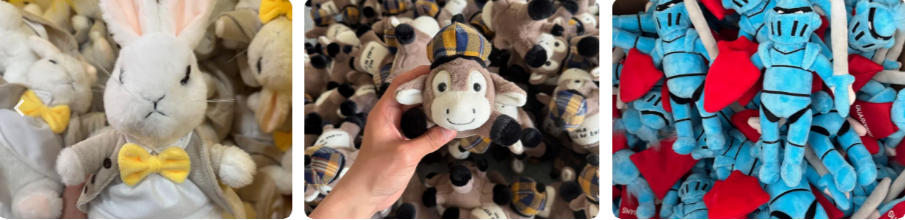
Handmade custom plush toys occupy a niche but growing segment. They are frequently used for personalized gifts, corporate mascots, prototype development, and limited-edition collectibles. Businesses seeking brand differentiation often turn to custom plush designs to create memorable products.
Environmental and Ethical Considerations
Sustainability is becoming increasingly important in the plush toy industry. Mass production can lead to higher resource consumption and waste if not managed responsibly. However, some large manufacturers are adopting eco-friendly materials and ethical labor practices to address these concerns.
Handmade plush toys often align more closely with sustainable values, especially when artisans use locally sourced or recycled materials. Small-scale production typically results in less waste, though the environmental impact can vary depending on sourcing and shipping practices.
Final Thoughts
The choice between mass-produced and handmade custom plush toys ultimately depends on priorities such as cost, customization, quality, and purpose. Mass-produced options offer affordability and consistency, making them ideal for large-scale needs. Handmade custom plush toys, while more expensive, provide unmatched uniqueness and craftsmanship.
As consumer preferences continue to evolve, both production methods will coexist, catering to different segments of the market. Businesses and individuals alike can benefit from understanding these distinctions to select the most suitable plush toy solution for their specific requirements.
 China manufacturers