Web guide systems are integral components in industries that require the precise alignment of web materials like paper, film, textiles, and more. The sensors within these systems play a critical role in detecting the position of the web and ensuring smooth operation. Among the various types of web guide sensors, Ultrasonic and Infrared (IR) sensors are two of the most commonly used options. While both serve the same primary function, they operate on different principles and are suited for different applications.
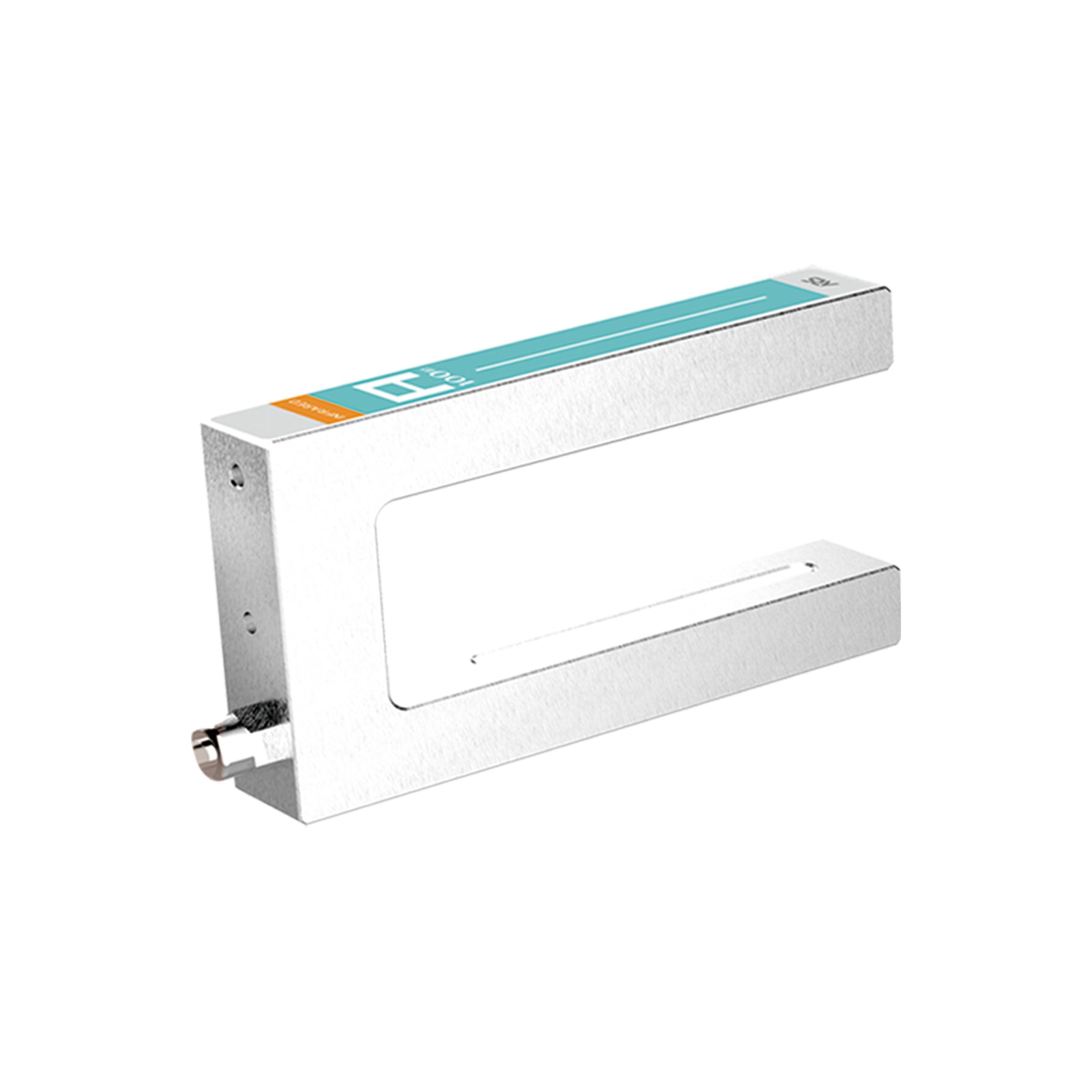
In this article, we will compare ultrasonic and infrared web guide sensors based on their technology, advantages, disadvantages, and ideal use cases.
Technology Behind the Sensors
Ultrasonic Sensors
Ultrasonic sensors operate by emitting high-frequency sound waves (usually in the range of 20 kHz to 40 kHz) into the environment. These sound waves travel until they hit an object, at which point they bounce back to the sensor. The sensor measures the time it takes for the sound waves to return, allowing it to determine the distance to the object. This technology is often used for precise distance measurement and positioning in various industrial applications.

Infrared Sensors
Infrared edge sensors use infrared light to detect the web’s position. These sensors emit infrared light, and when the light hits the web, it reflects back to the sensor. The amount of reflected light, or its intensity, helps determine the web’s position. Depending on the sensor type, the system can either detect the presence of the web or measure its distance from the sensor.
Advantages of Ultrasonic Web Guide Sensors
Non-contact Measurement: Ultrasonic web guiding sensors do not require physical contact with the web, reducing the risk of wear and tear on the sensor and the material.
Accuracy in Distance Measurement: Ultrasonic web guiding sensors are capable of providing highly accurate distance readings, making them ideal for applications where precise alignment is crucial.
Works Well with Irregular Surfaces: Ultrasonicweb guide sensors are particularly effective at detecting materials with irregular or uneven surfaces, as sound waves can travel over rough textures without significant interference.
No Sensitivity to Light Conditions: Ultrasonic edge guide sensors are unaffected by ambient light, making them ideal for use in environments with fluctuating light levels or darkness.
Disadvantages of Ultrasonic Sensors
Affected by Air Conditions: Ultrasonic sensors can be influenced by temperature, humidity, and air pressure, which may affect the accuracy of measurements. For instance, high humidity levels can cause the sound waves to behave differently.
Limited to Larger Objects: These sensors are best suited for detecting larger objects or surfaces that provide enough reflective surface area for sound waves to bounce back accurately.
Advantages of Infrared Web Guide Sensors
High Sensitivity: Infrared sensors can be extremely sensitive to small changes in the web’s position, offering very fine control over alignment.
Fast Response Time: Infrared sensors provide real-time feedback, making them suitable for high-speed web guiding operations.
Simple Installation and Calibration: These sensors are relatively easy to install and calibrate, offering an easy-to-use solution for precise web tracking.
Compact Design: Infrared sensors are usually smaller in size compared to ultrasonic sensors, making them ideal for applications with space limitations.
Disadvantages of Infrared Sensors
Sensitivity to Environmental Factors: Infrared sensors can be sensitive to changes in temperature and ambient light. For instance, extreme temperatures or direct exposure to bright light sources can interfere with the sensor’s ability to accurately detect the web.
Limited Detection Range: IR sensors generally have a shorter detection range compared to ultrasonic sensors, which may limit their applicability in larger web systems.
Reflective Materials Can Cause Issues: If the web has a highly reflective surface, it may cause the infrared light to scatter or reflect erratically, resulting in false readings.
Best Applications for Ultrasonic vs. Infrared Web Guide Sensors
Ultrasonic Sensors
Heavy and Textured Materials: Ultrasonic sensors are perfect for guiding heavier materials, such as textiles, nonwoven fabrics, or films with uneven surfaces.
Longer Distance Measurement: When a system requires detection at a larger distance (greater than 1 meter), ultrasonic sensors are often the better choice.
Harsh Environmental Conditions: In environments where dust, moisture, or temperature fluctuations are present, ultrasonic sensors tend to perform better than infrared sensors.
Infrared Sensors
Small, Lightweight Webs: IR sensors excel at guiding thinner, lighter web materials where precise alignment is critical, such as in printing, labeling, and packaging industries.
High-Speed Operations: For industries with fast-moving webs, such as paper production or plastic films, infrared sensors offer quick response times, ensuring precise alignment even at high speeds.
Clean, Controlled Environments: Infrared sensors are best used in environments with controlled light conditions, where their sensitivity to ambient light is less of an issue.
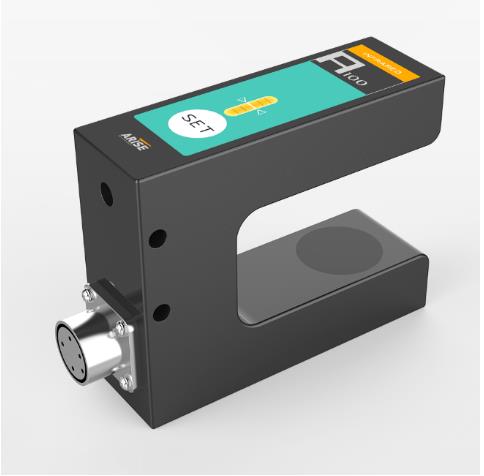
Which Sensor Should You Choose
The choice between ultrasonic and infrared web guide sensors depends on the specific needs of your operation:
Choose Ultrasonic Sensors if:
You need to measure the distance to objects at longer ranges.
Your application involves heavier or textured materials.
Your production environment experiences fluctuating temperatures or high humidity levels.
Choose Infrared Sensors if:
You need quick, accurate feedback for high-speed processes.
You’re working with lightweight, smooth web materials.
Your production environment is clean and stable, with minimal ambient light interference.
Final Thoughts
Both ultrasonic and infrared web guide sensors offer unique advantages that cater to different operational requirements. Ultrasonic sensors are robust, versatile, and ideal for challenging environmental conditions, while infrared sensors provide highly sensitive, fast responses for applications that demand precision. By understanding the strengths and limitations of each type of sensor, manufacturers can make a more informed decision to enhance the efficiency and accuracy of their web guiding systems.
 China manufacturers