Life rafts are critical safety equipment designed to preserve life during maritime emergencies. However, not all life rafts are built to the same standards. The distinction between SOLAS and non-SOLAS life rafts lies in regulatory compliance, construction quality, and intended usage. Understanding these differences is essential for shipowners, operators, and even recreational boaters when selecting the appropriate life-saving equipment.
Understanding SOLAS Life Rafts
SOLAS life rafts are designed and manufactured in compliance with the standards set by the International Maritime Organization under the International Convention for the Safety of Life at Sea. These regulations are mandatory for commercial vessels engaged in international voyages.
SOLAS life rafts are engineered for extreme reliability and performance. They are constructed with high-quality, durable materials that can withstand harsh marine environments, including heavy seas, strong winds, and prolonged exposure. These rafts are equipped with comprehensive survival kits, which typically include food rations, water, flares, first aid supplies, thermal protective aids, and emergency signaling devices.
In addition, SOLAS life rafts feature automatic inflation systems, often with hydrostatic release units that deploy the raft if the vessel sinks. The inflatable life rafts are also subject to strict testing, certification, and periodic servicing requirements to ensure operational readiness at all times.
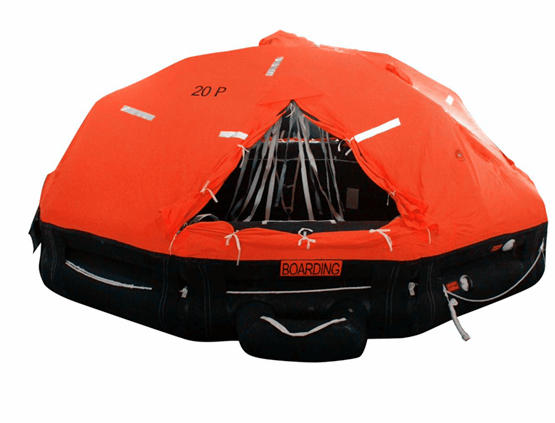
Understanding Non-SOLAS Life Rafts
Non-SOLAS life rafts are not bound by the stringent requirements of SOLAS regulations. These are typically used for recreational vessels, small commercial boats, or operations in sheltered or coastal waters where international regulations do not apply.
While non-SOLAS life rafts still provide essential flotation and emergency shelter, their design standards are generally less rigorous. They may use lighter materials and include fewer survival provisions compared to SOLAS-approved rafts. For instance, the onboard emergency kits may be minimal or customizable depending on user needs.
Non-SOLAS rafts are often more affordable and lighter, making them a practical choice for leisure boaters or operators who do not require full SOLAS compliance. However, this cost-effectiveness comes with reduced durability and fewer safety assurances in extreme offshore conditions.

Key Differences Between SOLAS and Non-SOLAS Life Rafts
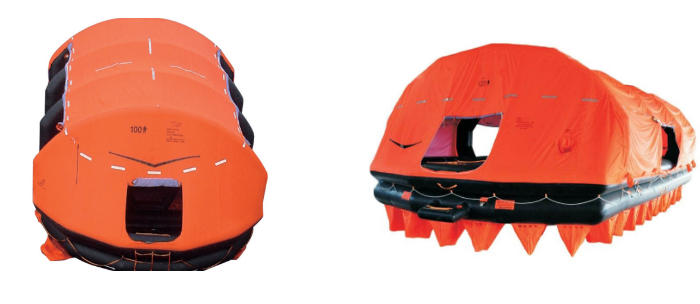
The differences between SOLAS and non-SOLAS life rafts extend beyond regulatory compliance and affect several critical aspects of performance and safety.
Regulatory Compliance
SOLAS life rafts meet international maritime safety standards and are mandatory for many commercial vessels, whereas non-SOLAS life rafts are not regulated under these international conventions.
Construction and Durability
SOLAS rafts are built with robust, weather-resistant materials designed for long-term survival in open seas. Non-SOLAS rafts are typically designed for shorter durations and milder conditions.
Equipment and Survival Supplies
SOLAS life rafts include extensive emergency kits to sustain occupants for extended periods. Non-SOLAS rafts may include only basic or optional equipment.
Deployment and Inflation Systems
SOLAS rafts feature advanced automatic deployment mechanisms, including hydrostatic release systems. Non-SOLAS rafts may rely on manual or simpler inflation systems.
Inspection and Certification
SOLAS life rafts require regular inspections and certification by authorized service stations. Non-SOLAS rafts have more flexible maintenance requirements, depending on manufacturer recommendations.
Choosing the Right Life Raft
Selecting between SOLAS and non-SOLAS life rafts depends largely on the vessel type, operating area, and regulatory obligations. Commercial ships operating internationally must comply with SOLAS requirements, making SOLAS-certified life rafts essential.
For recreational boaters or vessels operating in inland or coastal waters, non-SOLAS life rafts may provide sufficient safety at a lower cost. However, users should carefully assess the risks involved, including weather conditions, distance from shore, and rescue response times.
Final Thoughts
SOLAS and non-SOLAS life rafts serve the same fundamental purpose, saving lives at sea. but they differ significantly in terms of standards, features, and reliability. SOLAS life rafts offer the highest level of safety and are indispensable for commercial maritime operations, while non-SOLAS life rafts provide a more economical solution for less demanding environments. Understanding these differences ensures that vessel operators can make informed decisions to enhance safety and compliance on the water.
 China manufacturers