In the maritime industry, searchlights play a critical role in ensuring the safety, navigation, and operational efficiency of vessels. Whether used for night-time navigation, detecting obstacles, or assisting in docking maneuvers, searchlights are essential tools. However, not all vessels have the same lighting requirements, and a one-size-fits-all approach may not always provide optimal performance. Customizing marine searchlights for specific vessels can offer significant advantages, improving visibility, safety, and overall functionality.
Why Customize Marine Searchlights
Marine searchlights are used in a variety of vessels, from commercial ships and cargo carriers to military vessels, offshore platforms, and recreational boats. Each type of vessel has unique operational needs, which means their lighting systems must be tailored to suit their specific purposes. Customizing searchlights ensures that they meet the demands of the vessel’s size, shape, function, and operating environment.
The benefits of customizing marine searchlights include:
Enhanced Visibility: Custom searchlights provide tailored illumination based on the specific needs of the vessel’s operations, ensuring optimal visibility in various conditions.
Increased Safety: Properly customized searchlights help reduce the risk of accidents by providing the right amount of light for navigation, obstacle detection, and emergency situations.
Improved Operational Efficiency: Customization allows searchlights to be more efficient, focusing light where it is needed most and conserving energy during operations.
Integration with Vessel Systems: Custom searchlights can be integrated with other vessel systems, such as radar, GPS, and control systems, allowing for seamless operation.

Key Factors in Customizing Marine Searchlights
When customizing marine searchlights for specific vessels, several factors need to be taken into consideration. These factors ensure that the searchlights are not only effective but also compatible with the vessel’s existing systems.
1. Vessel Type and Size
Different vessels have different lighting requirements based on their size and purpose. For example:
Large Commercial Vessels: These ships, such as cargo carriers and tankers, require powerful searchlights to illuminate vast areas around the vessel, particularly for navigation in busy ports or open waters. Custom searchlights for such vessels may need to be larger and more powerful, with long-range capabilities.
Offshore Platforms: Offshore platforms operate in harsh conditions, requiring searchlights that can withstand extreme weather, saltwater corrosion, and high winds. Custom searchlights for offshore platforms are often designed to be rugged and corrosion-resistant, with features such as explosion-proof casings for safety in volatile environments.
Military Vessels: Military vessels need specialized searchlights for stealth, tactical operations, and precise navigation. These searchlights may be customized for low-light conditions, providing high-intensity beams without compromising the vessel’s stealth capabilities.
Recreational Boats: For smaller vessels like yachts or fishing boats, searchlights are typically compact and energy-efficient, offering the ability to illuminate specific areas for docking, navigation, and security.
2. Operating Environment
The environment in which a vessel operates plays a crucial role in the customization of searchlights. Factors such as weather conditions, sea state, and the potential for fog or other obstructions must be considered when designing a searchlight system.
Marine Weather Conditions: Searchlights for vessels operating in storm-prone areas need to be weather-resistant, capable of functioning in heavy rain, fog, snow, and high winds. Custom coatings and seals can be applied to protect the searchlight from saltwater corrosion and ensure its longevity in these environments.
Nighttime Navigation: Searchlights used for nighttime navigation must be capable of illuminating a wide area while minimizing glare. Custom searchlights with adjustable beam angles allow operators to control the direction and intensity of the light, reducing the risk of eye strain and improving overall visibility.
3. Beam Range and Intensity
One of the primary functions of a marine searchlight is to illuminate distant objects. The beam range and intensity required will vary depending on the vessel’s operational needs. For example:
Long-Range Searchlights: Vessels that require long-range visibility, such as ships navigating through busy ports or navigating at sea, may need searchlights with high-intensity beams that can reach several kilometers.
Short-Range Searchlights: Smaller vessels or those operating in harbors or shallow waters may only need searchlights that provide short-range illumination, but with wider coverage. These searchlights are typically designed for docking, inspection, and spotting nearby obstacles.
The beam can be customized to provide either a focused, narrow beam for long-distance visibility or a wider, diffused beam for broader illumination. Adjustable beam angles, zoom functions, and the ability to control the light’s intensity are essential features to consider.
4. Power and Energy Efficiency
Power consumption is an important consideration, especially for vessels that require continuous or long-duration operation. Customizing marine searchlights for energy efficiency ensures that vessels can operate their lighting systems without overburdening their power supply.
LED Technology: The use of high-efficiency LED searchlights is a popular option, as LEDs provide long-lasting illumination with lower energy consumption compared to traditional halogen or incandescent bulbs. Custom LED searchlights can also provide higher brightness with a smaller power footprint, ensuring cost-effective operation.
Solar-Powered Searchlights: For smaller vessels or those operating in environmentally-conscious sectors, solar-powered searchlights are an ideal solution. These lights are especially effective in reducing fuel consumption and minimizing the environmental impact of the vessel’s operations.
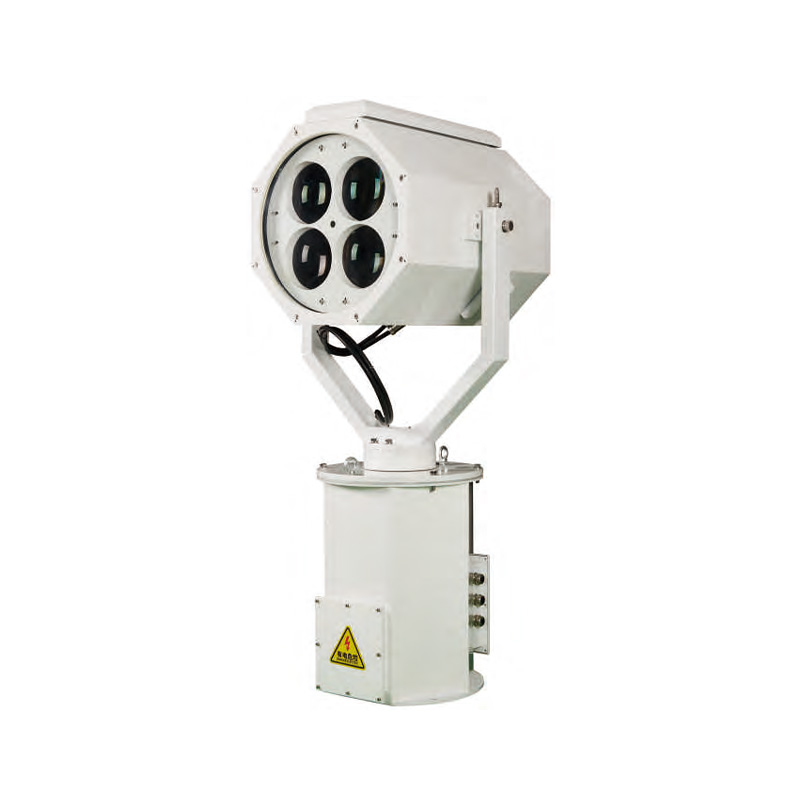
5. Integration with Vessel Systems
A key advantage of customizing marine searchlights is the ability to integrate them with the vessel’s existing systems. Modern searchlights can be integrated with radar, GPS, and other onboard systems, allowing operators to control them through a unified interface.
Remote Control Systems: Remote-controlled searchlights enable operators to adjust the beam’s direction, intensity, and focus from the comfort of the vessel’s control room or bridge.

Automated Systems: Integration with automation systems can allow the searchlight to adjust its beam based on specific parameters such as the vessel’s speed, heading, or environmental conditions. This automation enhances safety and operational efficiency, particularly in busy or complex navigation situations.
Final Thoughts
Customizing marine searchlights for specific vessels is an essential step in ensuring optimal performance, safety, and efficiency. Whether you’re outfitting a large commercial vessel, a military ship, or a recreational boat, tailoring the searchlight to meet the vessel’s size, function, and operating environment is crucial. From beam range and power efficiency to rugged durability and integration with onboard systems, customization allows marine searchlights to perform at their best in even the most challenging conditions. Investing in the right custom searchlight system is an investment in better visibility, improved safety, and enhanced operational efficiency.
 China manufacturers