When it comes to analyzing materials in laboratories, especially in fields such as chemistry, environmental science, and materials analysis, digestion methods are crucial for preparing samples. The two prominent techniques for digestion are microwave digestion and traditional digestion methods. Each approach has its strengths and weaknesses, depending on the material being analyzed, the speed required, and the desired precision of the results. In this article, we will explore both methods in detail, compare their features, and highlight which method is preferable for different applications.
Introduction to Digestion Methods
Digestion is a process used to break down complex samples into their constituent components for subsequent analysis, typically using techniques like ICP-OES, ICP-MS, or Atomic Absorption Spectroscopy (AAS). The goal is to extract all the elements in the sample into a solution, often by breaking down the sample matrix, which may be organic or inorganic.
There are two primary digestion methods:
Traditional Digestion Methods: These include wet ashing and open-vessel digestion techniques, often carried out using acid reflux or the use of conventional heating methods such as hot plates.
Microwave Digestion: A modern technique that employs microwave radiation to heat the sample in a sealed vessel, which can lead to faster and more efficient digestion.
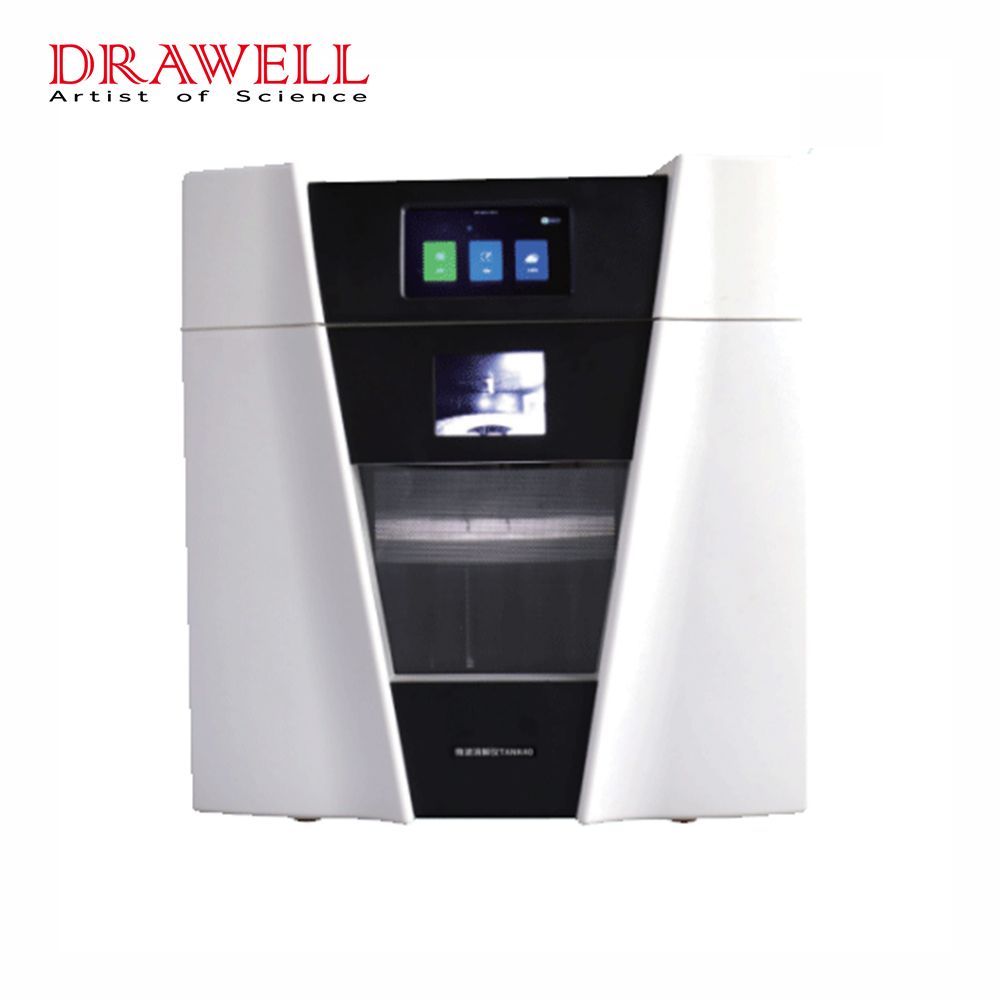
Microwave Digestion
Microwave digestion uses microwave radiation to generate heat within the sample. The sample, along with acids or solvents, is placed in a closed microwave vessel, and microwave energy heats the sample rapidly and uniformly. The process is highly controlled, with sensors and software ensuring precise temperature and pressure conditions. This method allows the digestion process to occur much faster than traditional methods, offering significant advantages in terms of both time and efficiency.
Key Features:
Closed system that controls pressure and temperature.
Faster sample preparation times (typically minutes).
Higher efficiency due to uniform heating.
Suitable for a wide range of sample types, including solid and semi-solid materials.
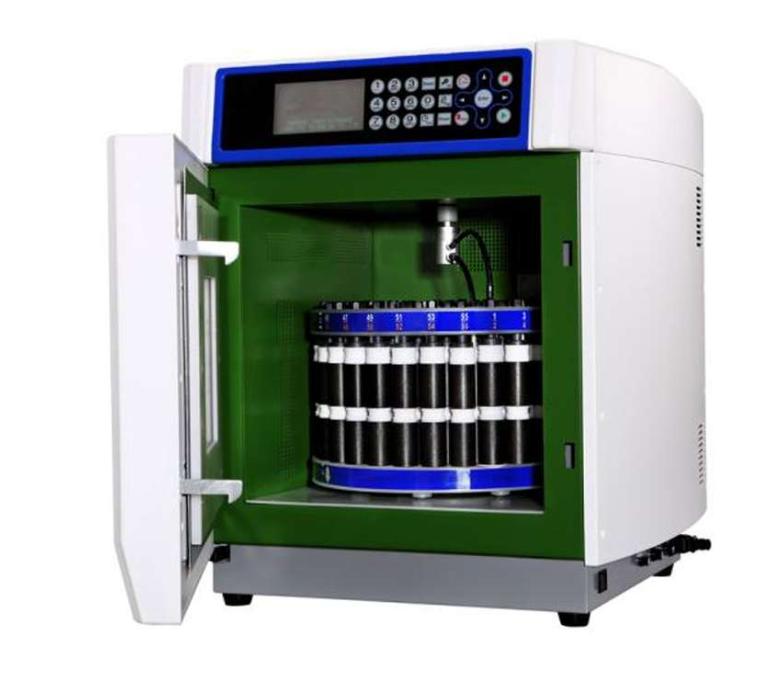
Traditional Digestion Methods
Traditional digestion methods generally involve wet ashing or open-vessel digestion, where the sample is combined with concentrated acids (like nitric acid or sulfuric acid) and heated either on a hot plate or using an acid reflux apparatus. The method can take several hours, as it relies on heat transfer through the material’s surface, which can be less efficient compared to microwave digestion.
Key Features:
Open system that relies on direct heat.
Longer sample preparation times (often several hours).
Heating is less uniform, leading to potential sample losses or incomplete digestion. Requires careful monitoring to prevent accidents from excessive heating or pressure buildup.
Comparative Analysis
1. Speed and Efficiency
Microwave Digestion: Significantly faster, typically completing the process in 15-30 minutes, depending on the sample and the reagents used.
Traditional Digestion: Slower, often taking several hours due to the reliance on heat transfer from an external source, leading to longer digestion times.
2. Control and Safety
Microwave Digestion: Provides precise control over temperature and pressure in a sealed system, reducing the chances of sample contamination or loss. However, it requires specific equipment, and there is a need to ensure the vessels are not over-pressurized.
Traditional Digestion: Less controlled, especially in open systems, making it more prone to variability in temperature and pressure. Safety precautions need to be carefully followed to avoid spills or the release of toxic gases.
3. Sample Size and Throughput
Microwave Digestion: Can handle smaller sample sizes but is highly efficient, making it ideal for high-throughput applications.
Traditional Digestion: Generally better suited for larger sample sizes, though the slower digestion time may limit throughput.
4. Application Range
Microwave Digestion: Works well for a broad range of sample types, including difficult-to-digest materials, such as plastics, ceramics, and biological samples. It is ideal for advanced analytical techniques requiring high precision.
Traditional Digestion: Suitable for general applications, particularly when large sample sizes or less complex samples are involved. However, it may struggle with tougher or more complex materials.
5. Cost and Maintenance
Microwave Digestion: The initial investment in microwave digestion systems can be higher, and the systems require regular maintenance and occasional replacement of specialized components, like digestion vessels. However, the increased speed and efficiency of sample digestion can offset these costs, especially in high-volume labs.
Traditional Digestion: Traditional methods are less costly in terms of initial investment but are more labor-intensive and time-consuming, which can result in higher operational costs over time. There are also greater risks of sample contamination or loss due to the less controlled environment.
Which Method is Better for You?
The choice between microwave and traditional digestion depends largely on the specific requirements of the laboratory, such as:
For high-throughput labs that need to process multiple samples in a short time, microwave digestion is the better choice.
For large sample sizes or more basic applications, traditional digestion methods may still be effective and more affordable.
Microwave digestion is the modern approach, especially for those looking for precision, speed, and efficiency in sample digestion. It is widely used in analytical chemistry, environmental testing, food safety, and materials science.
Traditional digestion methods, on the other hand, may still be useful in some contexts, particularly when dealing with large sample volumes or when budget constraints are a concern.
Final Thoughts
In summary, microwave digestion offers significant advantages in terms of speed, efficiency, and precision compared to traditional digestion methods. While the initial investment may be higher, the benefits in terms of time savings and improved sample preparation make it a valuable tool for many laboratories. Traditional methods, while still relevant, may eventually be phased out in favor of more advanced, faster techniques that enhance analytical capabilities and throughput. As the demand for more accurate and rapid analysis continues to rise, microwave digestion is set to become the go-to method in many industries.
 China manufacturers