Well control training is a critical component of safety management in the oil and gas industry. It focuses on teaching drilling personnel how to prevent, detect, and control unexpected influxes of formation fluids, commonly known as kicks, that may enter the wellbore during drilling operations. Effective well control practices are essential to avoid dangerous situations such as blowouts, equipment damage, environmental contamination, and potential loss of life.
As drilling operations become more complex, especially in deepwater, high-pressure, and high-temperature reservoirs, the importance of comprehensive well control training continues to grow. Through structured instruction, simulation exercises, and practical assessments, drilling professionals gain the knowledge and skills needed to maintain safe well operations.

Why Well Control Training is Important
The primary purpose of well control training is to ensure that drilling teams can recognize early warning signs of a kick and respond quickly to maintain pressure balance within the well. A failure to control well pressure can escalate rapidly into a blowout, which is one of the most severe incidents in drilling operations.
Training programs help personnel understand fundamental concepts such as formation pressure, hydrostatic pressure, and the role of drilling fluids in maintaining well stability. By mastering these principles, workers can detect abnormal conditions such as sudden increases in pit volume, changes in flow rate, or unexpected pressure fluctuations.
Well control training also enhances teamwork and communication among drilling crews. Since well control events require coordinated actions between drillers, supervisors, and engineers, structured training ensures that all personnel understand their responsibilities during emergency situations.
Key Topics Covered in Well Control Training
Well control training programs typically cover both theoretical knowledge and practical application. Participants learn the principles of pressure control, kick detection, and proper operation of well control equipment.
Key instructional areas often include the use of blowout preventers (BOPs), choke manifolds, and mud circulation systems. Trainees also study well kill methods such as the driller’s method and the wait-and-weight method, which are used to regain control after a kick occurs.
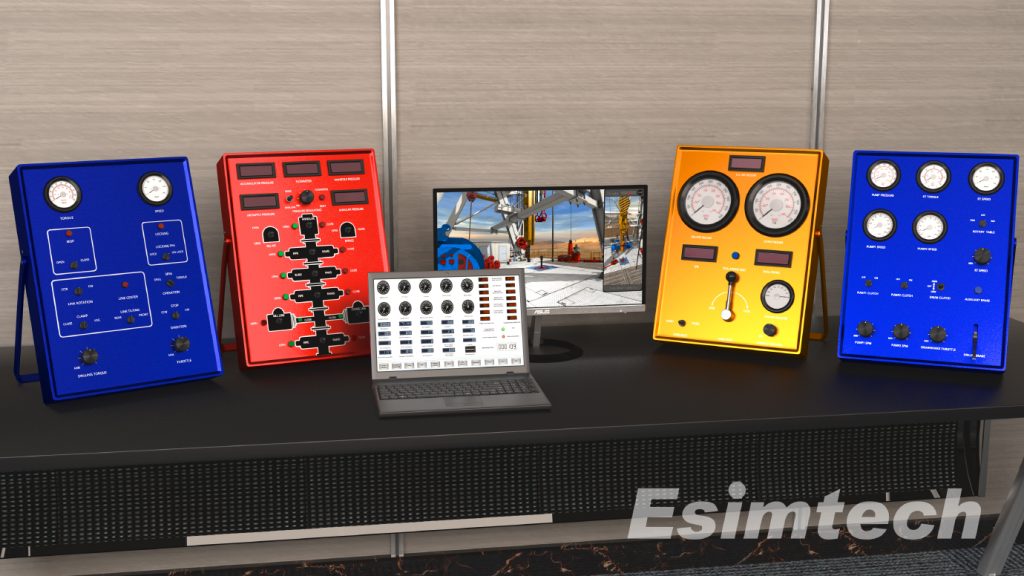
Modern training programs increasingly incorporate advanced drilling simulators that recreate real-life well control scenarios. These simulators allow trainees to practice decision-making in a safe environment while experiencing realistic operational conditions.
Types of Well Control Training Programs
Well control training is designed for different roles within drilling operations, ranging from entry-level crew members to experienced drilling supervisors. Programs are typically divided into several levels based on job responsibilities.
Introductory courses provide foundational knowledge of well control principles and basic equipment. Intermediate programs focus on operational procedures, kick detection, and equipment operation. Advanced courses are designed for drilling engineers and supervisors, emphasizing complex well scenarios, pressure calculations, and emergency response strategies.
Certification is usually required for personnel involved in drilling operations, and periodic recertification ensures that workers remain up-to-date with the latest safety standards and technologies.

Role of Simulation and Technology in Training
Technological advancements have significantly improved the effectiveness of well control training. High-fidelity drilling simulators can replicate various well conditions, including high-pressure formations, equipment failures, and unexpected kick situations.
These training systems allow participants to practice managing complex drilling environments without the risks associated with real operations. Well control training simulation system also improves decision-making speed and accuracy, which are essential during critical well control incidents.
Additionally, digital monitoring systems used in modern drilling rigs are increasingly integrated into training modules so that operators become familiar with real-time data interpretation and automated control systems.
Summary
Well control training plays a vital role in maintaining safety and operational integrity in drilling operations. By equipping personnel with the technical knowledge, practical skills, and situational awareness needed to manage well pressure effectively, these training programs significantly reduce the risk of blowouts and other hazardous incidents.
 China manufacturers