Well control is a critical aspect of drilling operations in the oil and gas industry. It involves managing the pressure within the wellbore to prevent blowouts, wellbore instability, and other hazards that could pose serious risks to the environment, personnel, and infrastructure. To ensure well control is maintained throughout drilling operations, proper training and the use of advanced simulation technologies are essential. These tools allow operators to practice and refine their skills in a safe and controlled environment before facing real-world challenges.
The Importance of Well Control Training
Effective well control training is vital to preventing disasters and improving the overall safety of drilling operations. A well-trained workforce can respond quickly and accurately to well control incidents, minimizing downtime, mitigating risks, and reducing the likelihood of costly and damaging accidents. With the complexity of modern drilling operations, including deepwater and high-pressure, high-temperature (HPHT) environments, the need for thorough well control training has never been greater.
Training typically includes theoretical knowledge of wellbore pressure dynamics, blowout preventer (BOP) operation, and kick detection, as well as hands-on practical experience. The goal is to prepare drilling personnel to handle unexpected situations, including well kicks, gas influxes, and sudden changes in pressure.
Simulation Technologies in Well Control
Simulation technologies have revolutionized the way well control training is conducted. By creating realistic, virtual representations of drilling environments, these tools enable trainees to practice emergency procedures without the risk associated with actual operations. The primary advantages of simulation technologies in well control training include:
Risk-Free Practice
Simulation allows trainees to experience emergency scenarios such as blowouts, kicks, or equipment failures in a controlled, risk-free setting. This enables operators to make mistakes, learn from them, and gain the experience necessary to act swiftly and effectively in real-life situations.
Replicating Complex Scenarios
Advanced drilling simulation systems can recreate a wide variety of operation environments, from land-based wells to deepwater rigs. Complex well conditions such as extreme pressures, high temperatures, and difficult geology can be accurately simulated, giving trainees the experience they need to work under challenging circumstances.
Cost Efficiency
Training using physical rigs or live simulations can be expensive, especially when replicating emergency situations. Virtual simulation eliminates the need for costly equipment and travel, making training programs more accessible and cost-effective.
Real-Time Feedback and Performance Metrics
One of the most valuable aspects of well control simulation is the ability to provide real-time feedback. Trainees can receive instant evaluations of their actions, enabling them to understand what went wrong or right during a scenario. Additionally, performance metrics help assess decision-making, response time, and teamwork under pressure.
Types of Simulation Technologies Used in Well Control
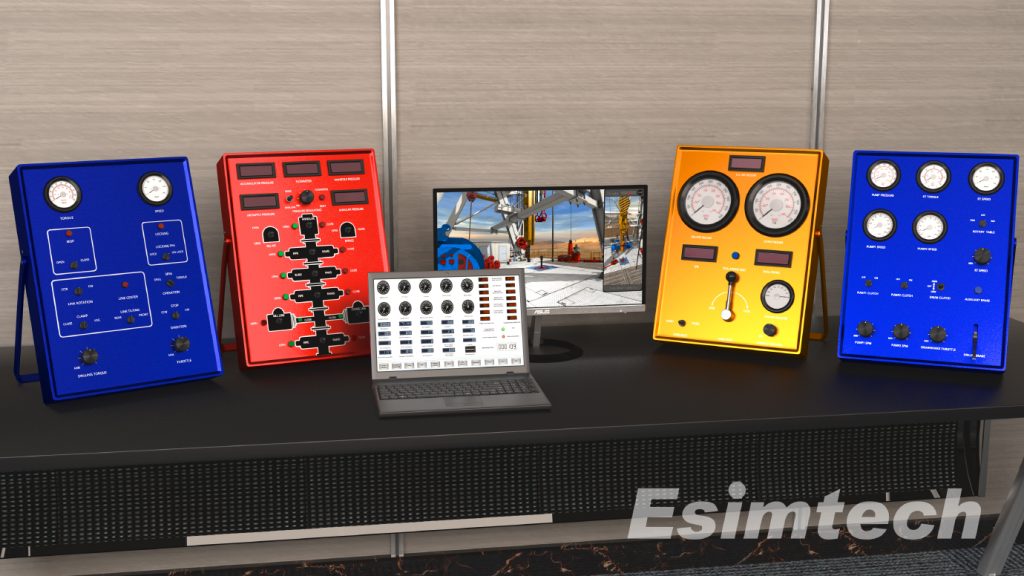
Several types of simulation technologies are currently used to train well control personnel. These range from simple desktop-based systems to highly immersive, full-scale virtual rigs. Some of the most prominent types include:
Desktop Simulators
Desktop simulators are often used in initial well control training and can replicate basic drilling operations. They are typically focused on teaching concepts such as pressure control, kick detection, and emergency shut-in procedures. Although not as immersive as full-scale simulations, desktop systems are an affordable option for large-scale training programs.
Full-Scale Virtual Reality (VR) Simulators
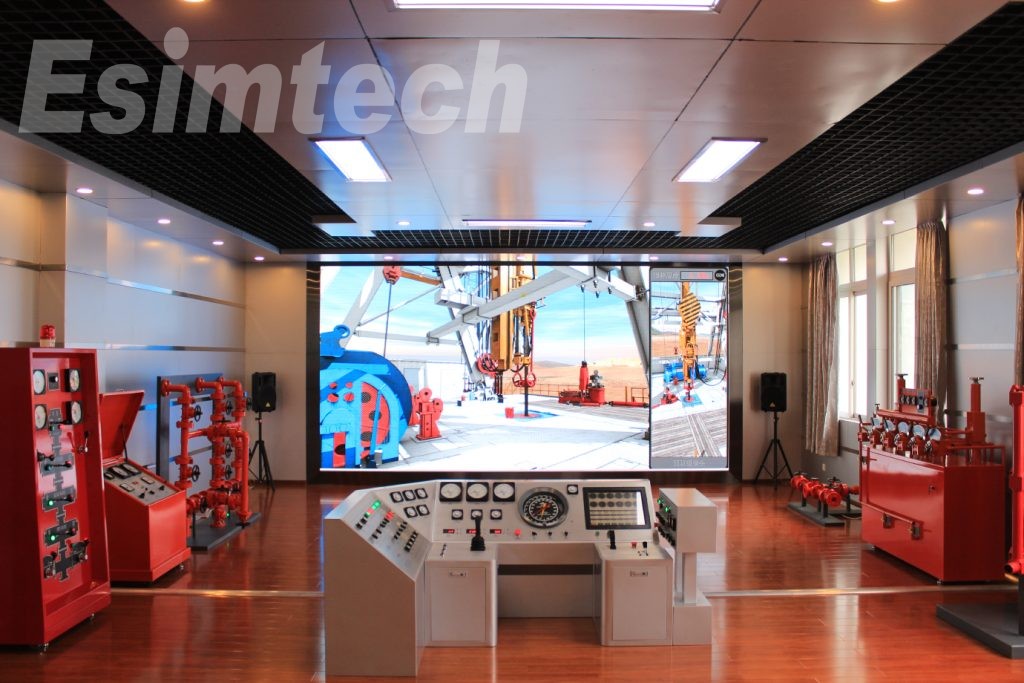
Virtual drilling training simulators immerse trainees in a 3D virtual environment that replicates real-world operations. These simulators allow trainees to interact with virtual rig components, perform well control procedures, and even react to unforeseen events. VR training systems provide a more hands-on experience compared to desktop simulators and are often used to train personnel for high-pressure situations where rapid decision-making is critical.
Dynamic Simulation Systems
These systems model the behavior of wellbore pressures, equipment, and fluid flow in real-time. Dynamic simulators provide an advanced level of realism and can be used to replicate complex scenarios such as blowouts, kicks, and the operation of blowout preventers (BOPs). These systems are often used for advanced training, where operators need to handle multiple variables simultaneously.
Integrated Well Control Simulators
These are comprehensive systems that integrate multiple drilling components, including drilling rigs, BOPs, fluid dynamics, and pressure control systems. These simulators can mimic a wide range of well conditions and can even simulate communication between different team members on the rig. Integrated well control simulators offer the most accurate representation of drilling operations and are used for in-depth training programs.

The Future of Well Control Training
As drilling operations continue to evolve, so too must the training technologies used to prepare well control personnel. The future of well control training lies in even more advanced simulation technologies, including:
Artificial Intelligence (AI) and Machine Learning
AI can be integrated into well control training systems to provide adaptive learning experiences. By analyzing trainees’ performance, AI can adjust the difficulty level of scenarios, offering more challenging situations as the trainee progresses. Machine learning algorithms can also predict potential risks and help instructors identify areas where trainees need more focus.
Augmented Reality (AR)
Augmented reality overlays digital information onto the physical world, allowing trainees to interact with real-world equipment while receiving virtual guidance. AR can provide step-by-step instructions during well control scenarios, helping operators understand complex processes in real time.
Remote Training and Simulation
With the rise of remote operations in the oil and gas industry, remote well control training has become increasingly popular. Virtual simulators allow personnel to train from anywhere in the world, reducing the need for on-site training facilities and enabling companies to maintain a global workforce that is skilled in well control.
Cloud-Based Simulations
Cloud technology enables the delivery of training programs through web-based platforms, allowing operators to access simulation environments from any location. This allows companies to train more employees at scale while maintaining high-quality standards in well control practices.
Final Thoughts
The integration of advanced training and simulation technologies into well control programs is essential for improving safety, efficiency, and response times in drilling operations. By using sophisticated simulators that replicate real-world challenges, well control personnel can gain the experience and skills necessary to handle complex situations safely and effectively. As the oil and gas industry continues to push the boundaries of deepwater and high-risk drilling, the importance of simulation-based well control training will only grow, helping to safeguard personnel, assets, and the environment.Is this conversation helpful so far?
 China manufacturers