Oil and gas gathering systems form the backbone of upstream operations, linking production wells to processing facilities. These systems include pipelines, manifolds, compressors, separators, and storage units that transport and condition raw hydrocarbons before further refining. With increasingly complex reservoirs, fluctuating production rates, and the need for cost efficiency, operators are turning to advanced simulation technologies to optimize gathering system design, operation, and maintenance.
Components and Functions of Gathering Systems
Flowlines and Pipelines – Carry crude oil, natural gas, and produced water from multiple wellheads to central processing points.
Manifolds and Junctions – Merge flows from different wells, enabling centralized monitoring and control.
Separation and Treatment Units – Remove water, sand, and unwanted gases before transport.
Compression and Pumping Stations – Maintain pressure and ensure continuous flow across long distances.
Storage Facilities – Provide temporary holding capacity, balancing upstream production with downstream demand.

Challenges in Managing Gathering Systems
Variable Flow Conditions – Production declines, slugging, and multiphase flow behavior can cause bottlenecks.
Energy Efficiency – Pumping and compression consume significant energy, requiring optimal utilization.
Corrosion and Hydrate Formation – Flow assurance issues threaten system integrity.
Cost Pressures – Designing and maintaining gathering systems with minimal capital and operational expenses.
Role of Simulation Technologies in Optimizing Gathering Systems
Oil and gas gathering simulation systems are increasingly used to address these challenges, offering operators insights into system behavior under various conditions.
1. System Design Optimization
Hydraulic simulations model multiphase flows in pipelines, predicting pressure drops, velocity profiles, and slugging risks.
Optimization tools help in selecting pipe diameters, routing layouts, and compressor sizing, reducing overdesign while ensuring reliability.
2. Flow Assurance and Risk Management
Transient multiphase flow simulators predict hydrate, wax, and corrosion risks.
Real-time oil and gas simulations combined with sensor data enable predictive maintenance, reducing downtime.
3. Operational Efficiency
Dynamic simulations allow operators to test different control strategies for pumps, valves, and compressors.
Energy optimization models minimize fuel consumption by simulating compressor load-sharing and pump scheduling.
4. Digital Twin Applications
A digital twin of the gathering network integrates live data with simulation models.
Operators can run “what-if” scenarios to assess the impact of new wells, shut-ins, or changes in production rates before implementing field adjustments.
5. Training and Decision Support
Simulation-based training systems allow engineers to practice handling abnormal conditions such as surges, leaks, or hydrate blockages.
Enhanced decision-making is supported by AI-enabled simulators that analyze multiple operational scenarios quickly.
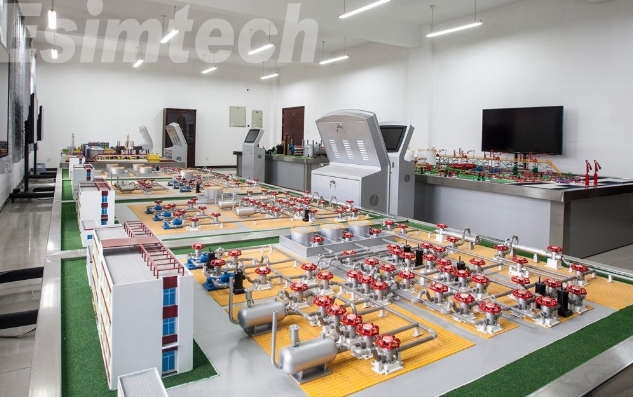
Benefits of Simulation-Driven Gathering System Optimization
Reduced Capital Costs – Right-sizing infrastructure through accurate modeling avoids unnecessary overspending.
Improved Reliability – Early detection of flow assurance risks prevents costly failures.
Operational Flexibility – Simulation supports smoother integration of new wells and facilities.
Energy and Emission Reductions – Optimized pump and compressor operations lower carbon footprint.
Enhanced Safety – Training and predictive analysis help operators prevent accidents and environmental hazards.

Final Words
Oil and gas gathering systems are critical to bridging production and processing facilities efficiently and safely. As field conditions grow more complex, simulation technologies are transforming how these systems are designed, monitored, and optimized. From digital twins and multiphase flow simulators to AI-driven predictive analytics, simulation ensures reliability, cost-effectiveness, and sustainability. In the evolving energy landscape, operators who embrace simulation-driven optimization will be best positioned to enhance performance and reduce risks across their gathering networks.
 China manufacturers