In modern marine engineering, comfort and safety are no longer optional luxuries and they are necessities. Among the many environmental challenges onboard ships, noise pollution is one of the most persistent, affecting both crew performance and passenger well-being. One critical but often overlooked area of innovation in combating this issue is the use of noise-reducing technologies in marine windows. These advanced solutions contribute significantly to a quieter, safer, and more comfortable marine environment.

The Importance of Noise Reduction in Marine Environments
Noise levels on vessels—especially in engine rooms, near propulsion systems, and during docking—can exceed safe exposure limits. Chronic exposure to high decibel levels may lead to:
Hearing loss and fatigue among crew members
Reduced communication clarity, especially in emergency situations
Sleep disruption and increased stress levels
Lower overall comfort and passenger satisfaction
Marine windows, while essential for visibility and natural light, are also vulnerable points where noise can penetrate. To mitigate this, engineers are turning to specialized acoustic glazing and frame systems designed for marine use.
Key Noise-reducing Technologies in Marine Windows
Laminated Acoustic Glass
Laminated glass consists of two or more layers of glass bonded with special acoustic interlayers, such as polyvinyl butyral (PVB) or acoustic PVB. This construction dampens sound vibrations by disrupting the transmission of sound waves through the glass.
Reduces mid to high-frequency noise (e.g., voices, engine hum)
Maintains visibility, safety, and UV protection

Double and Triple Glazing
Multi-pane systems with air or inert gas-filled cavities significantly reduce sound transmission. The use of differently thick glass layers further disrupts varying sound frequencies, making the system more effective across a broad noise spectrum.
Argon or krypton gas fillings improve thermal and acoustic insulation
Desiccant materials prevent moisture build-up inside the panes
Resilient Framing Systems
Even with high-performance glass, poor framing can undermine acoustic insulation. Noise-reducing marine windows use:
Vibration-damping mounting systems
Acoustic gaskets and seals to prevent airborne sound leakage
Corrosion-resistant aluminum or composite frames engineered to minimize structure-borne noise
Floating Frame Designs
Advanced systems use a decoupled or floating frame, where the window is isolated from the vessel’s structural vibrations using elastomeric or rubber mounts. This reduces transmission of low-frequency structure-borne noise from the hull.
Smart Window Films
Retrofit solutions like acoustic window films can be applied to existing glass to enhance soundproofing. These films are lightweight and can also add thermal and UV protection.
Application Areas of Noise-reducing Marine Windows
Noise-reducing marine windows play a crucial role across a variety of vessel types and onboard zones where controlling sound levels is essential for health, performance, and comfort.
1. Crew Cabins and Living Quarters
In crew accommodation areas, maintaining a quiet atmosphere is vital to ensure proper rest and recovery during off-duty hours. Noise-reducing windows help block external sounds from engines, machinery, and turbulent waters, creating a more restful environment and minimizing fatigue-related risks.
2. Passenger Ferries and Luxury Yachts
Onboard comfort is a top priority for commercial passenger vessels and private yachts. Installing sound-insulated windows enhances the travel experience by reducing ambient noise from engines, wind, and waves. This leads to a more relaxing and enjoyable voyage for guests.
3. Engine Control Rooms and Technical Spaces
Windows in engine control rooms are often located near high-noise zones. Acoustic glazing ensures that operators can monitor external systems visually without being exposed to harmful sound levels, improving concentration, communication, and overall safety.
4. Navigation Bridges and Command Centers
The bridge is a critical zone for vessel operation where situational awareness and focus are paramount. Noise-reducing windows help minimize auditory distractions from environmental and mechanical sources, enabling the crew to make precise decisions under pressure.
5. Cruise Ship Guest Cabins and Suites
In premium hospitality areas on cruise ships, guests expect hotel-like serenity. Noise-reducing windows are a key feature in delivering that experience, especially in cabins located near engine rooms, loading decks, or entertainment venues.
6. Offshore Platforms and Research Vessels
In specialized maritime environments like oil platforms or marine research ships, acoustic comfort improves crew productivity during long deployments. Quiet indoor environments supported by acoustic windows help reduce stress and cognitive fatigue during extended operations.
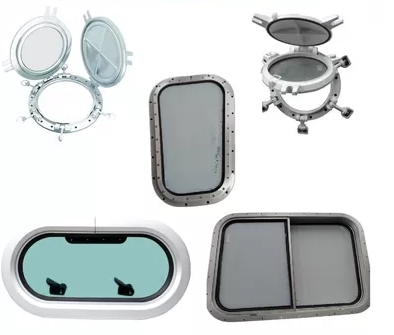
Challenges in Implementing Noise-reducing Marine Windows
Despite their clear advantages, the implementation of noise-reducing marine windows comes with several technical and operational challenges that must be addressed during vessel design or retrofitting.
1. Added Weight and Structural Impact
Noise-reducing windows often incorporate multiple layers of laminated glass or double/triple glazing systems. These constructions can significantly increase the weight of the window assemblies, which may impact the vessel’s structural load distribution and fuel efficiency. Marine architects must carefully consider load-bearing limitations and balance acoustic benefits with the vessel’s overall performance.
2. Space Constraints in Retrofitting
On existing vessels, available wall and frame depth can be limited, posing difficulties when retrofitting thicker or more complex noise-reducing window systems. Designers must find innovative solutions that maintain performance without requiring extensive structural modifications, especially in confined areas like cabins or bridge wings.
3. Harsh Marine Environmental Exposure
Marine environments expose windows to saltwater, high humidity, UV radiation, and temperature extremes. Materials used in noise-reducing marine window systems, particularly acoustic interlayers, seals, and frames—must be highly resistant to corrosion and degradation to ensure long-term performance. Achieving this without compromising acoustic properties can be technically demanding.
4. Balancing Visibility, Safety, and Acoustics
Marine windows must meet strict safety requirements, including fire resistance, impact tolerance, and optical clarity. Integrating noise-reducing features without sacrificing these essential characteristics requires advanced engineering and often results in higher production costs.
5. Maintenance and Lifecycle Costs
Acoustic glazing systems are more complex and may require specialized materials or maintenance routines. Over time, the performance of seals and interlayers can degrade, especially in extreme climates. Ensuring longevity while maintaining cost-efficiency is a continual challenge for shipowners and operators.
6. Regulatory Compliance and Certification
Noise-reducing marine windows must comply with both acoustic performance standards and maritime safety regulations (such as SOLAS, ISO, or class society rules). Achieving certification for new window technologies can be a time-consuming and costly process, particularly when tailored to niche vessel types or specialized environments.
Future Innovations in Marine Acoustic Glazing
As marine vessels become more advanced and passenger expectations rise, future trends in noise-reducing marine windows include:
Active noise-cancelling glass, using embedded vibration-canceling technology
Smart dynamic windows that adjust acoustic insulation based on ambient noise
Integration with HVAC and lighting controls for holistic comfort solutions
Recyclable and eco-friendly acoustic materials for sustainable shipbuilding
Summary
Noise-reducing technologies in marine windows are transforming onboard environments by offering greater comfort, safety, and operational efficiency. Through the use of laminated glass, advanced glazing systems, smart framing, and innovative materials, modern marine windows are no longer passive elements—they are active contributors to acoustic control and onboard well-being. As these technologies continue to evolve, they promise a quieter and more enjoyable future for all who live and work at sea.
 China manufacturers