Anchor winches play a crucial role in marine operations, providing the necessary force to deploy and retrieve anchors safely and efficiently. Two primary types of anchor winches are commonly used: hydraulic and electric. Each type has distinct advantages and limitations, making the choice between them dependent on the vessel type, operational requirements, and environmental conditions. This article explores the key differences between hydraulic and electric anchor winches, helping vessel operators make informed decisions.
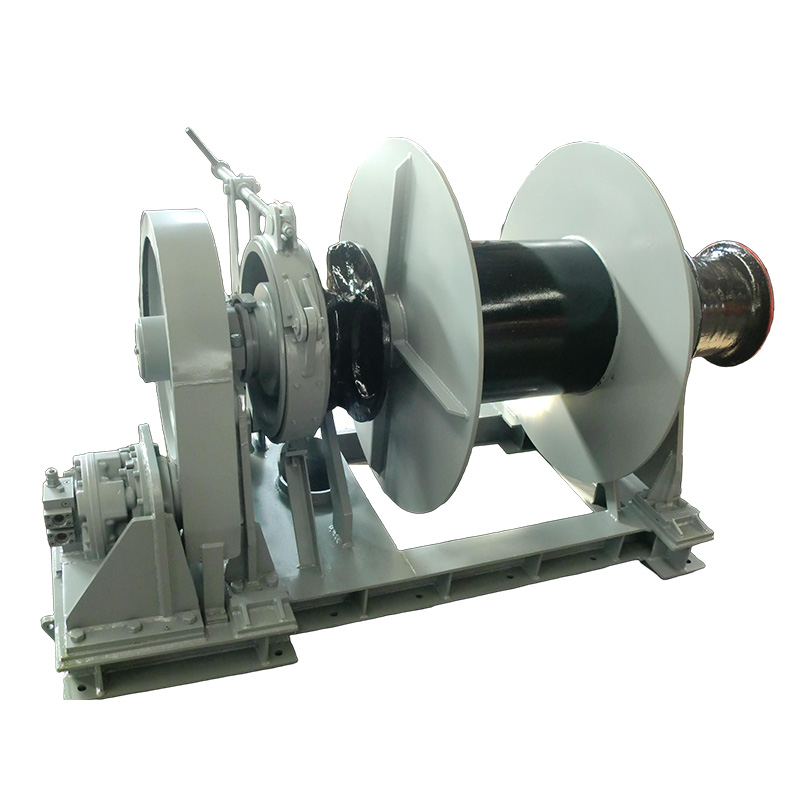
Hydraulic Anchor Winches
Hydraulic anchor winches are powered by hydraulic fluid pressure, typically supplied by a central hydraulic system or a dedicated hydraulic pump. These marine anchor winches are known for their high torque and durability, making them suitable for large vessels and demanding marine environments.
One of the biggest advantages of hydraulic anchor winches is their ability to generate consistent and powerful pulling force, even under extreme conditions. This makes them ideal for heavy-duty applications such as commercial fishing vessels, offshore supply ships, and large yachts. Hydraulic systems are also known for their reliability, as they can operate continuously for extended periods without overheating.
However, hydraulic anchor winches require complex installation, involving hydraulic lines, pumps, and reservoirs. This can increase initial costs and maintenance requirements. Additionally, hydraulic systems may be prone to leaks, which could lead to environmental concerns and require regular inspections.
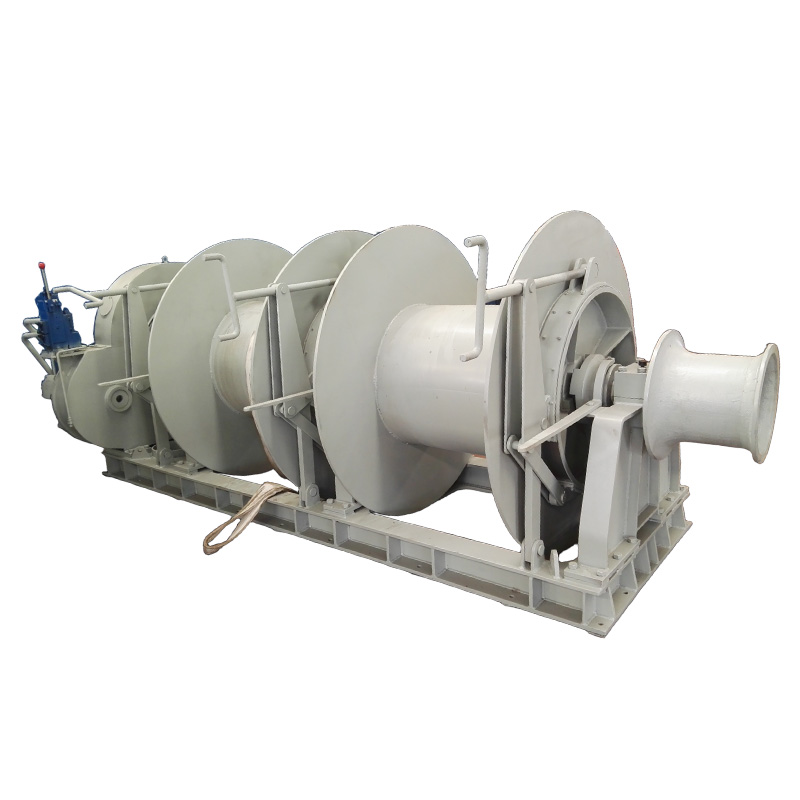
Electric Anchor Winches
Electric anchor winches, on the other hand, are powered by an onboard electrical system, using electric motors to drive the winch drum. These winches are widely used in recreational boats, small to mid-sized vessels, and applications where simplicity and ease of use are key considerations.
One of the primary advantages of electric anchor winches is their straightforward installation. Unlike hydraulic systems, electric winches do not require complex plumbing, making them easier to integrate into a vessel’s existing power system. They are also more energy-efficient for short-duration operations, as they do not require continuous power like hydraulic systems.
Electric winches are generally quieter and require less maintenance since they lack hydraulic fluid systems that can leak or degrade over time. However, they have limitations in terms of power and endurance. Electric motors can overheat under heavy loads, making them less suitable for continuous or high-force anchoring applications. Additionally, their performance is dependent on the vessel’s battery or generator capacity, which can be a limiting factor for larger vessels.
Key Differences and Choosing the Right Winch
When deciding between a hydraulic and an electric anchor winch, several factors should be considered, including vessel size, operating conditions, and maintenance preferences.
Hydraulic anchor winches are best suited for larger vessels that require high pulling power and continuous operation. Their durability and resistance to overheating make them ideal for commercial and offshore applications. However, they require a robust hydraulic system and regular maintenance to prevent leaks and ensure smooth operation.
Electric winches, on the other hand, are better suited for smaller boats and recreational vessels where ease of use, low maintenance, and energy efficiency are priorities. While they are not as powerful as hydraulic winches, they offer a convenient and cost-effective solution for vessels that do not require heavy-duty anchoring capabilities.
Final Thoughts
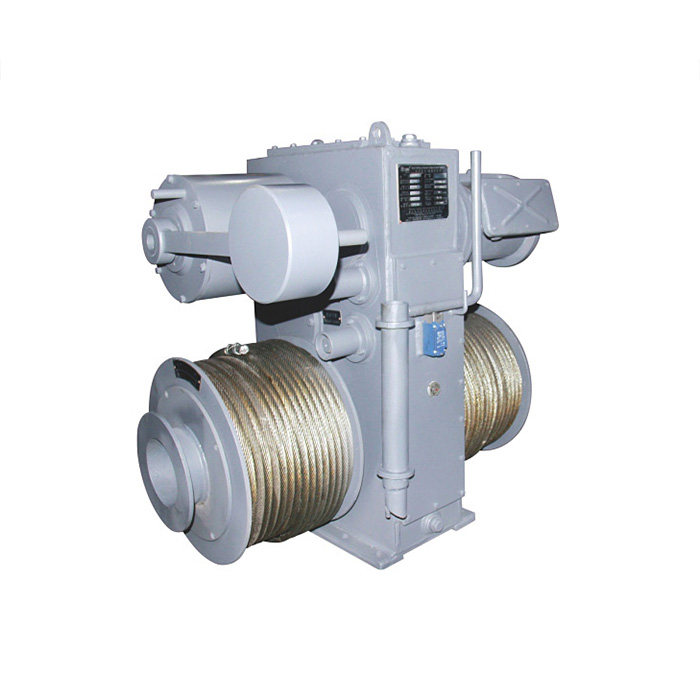
Both hydraulic and electric anchor winches have their advantages and are designed to meet different marine operational needs. Hydraulic winches provide superior power and durability for demanding conditions, while electric winches offer simplicity and ease of use for smaller-scale applications. Choosing the right winch depends on vessel size, usage frequency, and operational requirements, ensuring safe and efficient anchoring in any maritime environment.
 China manufacturers