Sample preparation is a critical step in Inductively Coupled Plasma Mass Spectrometry (ICP-MS), ensuring accurate, precise, and reproducible results. Proper preparation allows for effective detection of trace elements by transforming samples into a form that can be introduced into the instrument. This process involves converting solid or complex matrices into a homogeneous solution while minimizing contamination and interference.

Sample Types and Their Preparation Methods
The first step in sample preparation involves understanding the sample type. Aqueous samples, such as water or liquid-based solutions, generally require minimal preparation. These samples are typically filtered to remove particulates and acidified with ultrapure nitric acid to maintain sample stability and prevent metal precipitation. Acidification also helps suppress microbial activity, which could otherwise alter the sample’s composition.
For solid samples, including metals, biological materials, and environmental matrices like soils, the process is more complex. One of the most common methods for solid sample preparation is acid digestion. This involves dissolving the sample in a strong acid or a combination of acids to break down the material into its elemental components. Open-vessel digestion, often performed on a hotplate, is suitable for less complex materials. However, for more resistant matrices like geological samples, microwave digestion is preferred. This method uses microwave energy to accelerate the digestion process under controlled pressure and temperature conditions, offering faster and more complete dissolution.
In cases where acids alone cannot fully break down the sample, fusion techniques are employed. Fusion involves mixing the sample with a flux, such as lithium metaborate, and heating it to form a molten mixture. This solidifies into a glass-like matrix that can be dissolved in dilute acids. This method is particularly useful for refractory materials that resist conventional acid digestion.

Key Considerations in Sample Preparation
Another key aspect of sample preparation is controlling contamination. Since ICP-MS can detect elements at extremely low concentrations (parts per trillion), even minor contamination from laboratory environments or reagents can skew results. Using ultrapure reagents, acid-washed labware, and working within a clean, controlled environment is essential. Furthermore, implementing reagent blanks—samples containing only the acids used—helps identify and correct for any background contamination.
Matrix effects are also a major consideration during sample preparation. The composition of the sample matrix can interfere with ionization efficiency or cause signal suppression. To address this, laboratories often dilute samples to reduce matrix concentration or employ matrix matching, where calibration standards are prepared in a similar chemical environment as the sample. Using internal standards—elements not present in the sample but added in known amounts—helps correct for variations in sample introduction and instrumental drift.
Quality Control Measures
Quality assurance is embedded throughout the preparation process. This involves using certified reference materials (CRMs) to validate accuracy, performing replicate analyses to assess precision, and conducting spike recovery tests to evaluate the method’s efficiency. Regularly analyzing blanks ensures that contamination is monitored, and maintaining strict protocols enhances the reproducibility of results.
Advances in Sample Preparation Techniques
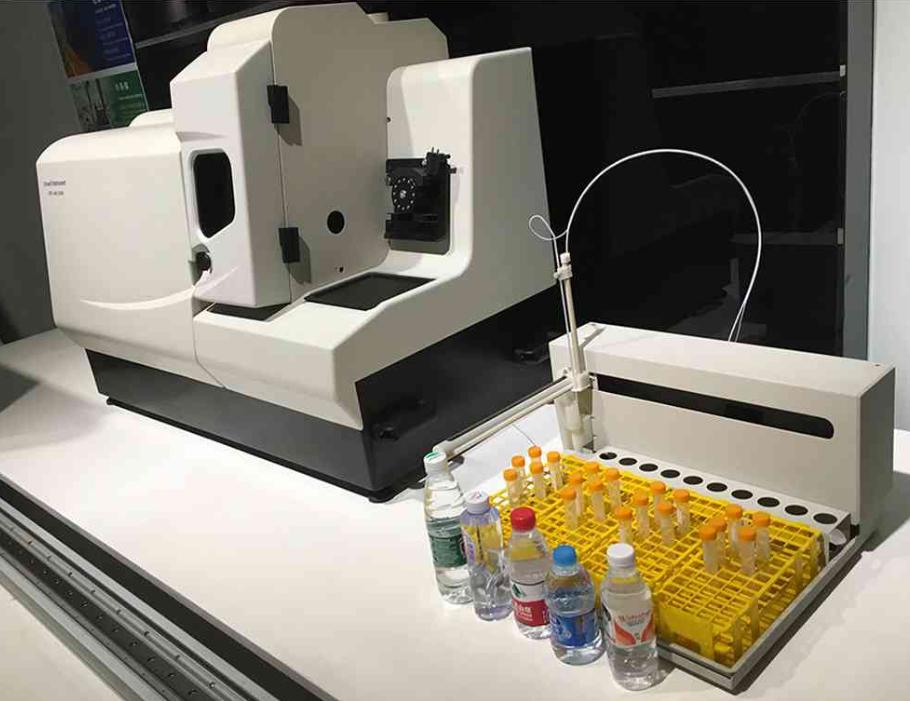
Advancements in automation have streamlined sample preparation for ICP-MS. Automated microwave digestion systems and autosamplers reduce manual handling, improving efficiency and minimizing the potential for human error. Additionally, innovations like direct solid sampling methods are emerging, which bypass the need for extensive chemical preparation, offering quicker analysis for specific applications.
In conclusion, effective sample preparation in ICP-MS is fundamental for achieving reliable analytical results. Whether dealing with simple aqueous solutions or complex solid matrices, careful handling, thorough digestion, and rigorous quality control are essential. By optimizing preparation techniques and minimizing sources of error, laboratories can leverage the full capabilities of ICP-MS for precise trace element analysis.
 China manufacturers