For laboratory equipment, precise temperature control is essential for a wide range of applications, including sample preparation, enzyme reactions, and molecular biology studies. For decades, traditional water baths were the standard choice for achieving consistent heating. However, dry bath incubators have emerged as a modern alternative, offering several advantages that make them increasingly popular in laboratories. This article explores why choosing dry bath incubators over traditional water baths is a forward-thinking decision.
The Limitations of Traditional Water Baths
Traditional water baths use heated water to maintain consistent temperatures for samples. While effective, they come with certain drawbacks that can impact efficiency and reliability in the lab. One of the primary challenges is the need for frequent maintenance. Water baths require regular cleaning to prevent microbial contamination, biofilm formation, and mineral buildup, which can compromise the accuracy of temperature control.
Additionally, water baths can be prone to evaporation, especially during extended experiments, necessitating constant monitoring and refilling. This not only increases labor but also introduces variability in temperature control, potentially affecting the integrity of sensitive samples. Furthermore, water baths can lead to cross-contamination if multiple samples are placed in the same container, as water may transfer impurities or pathogens from one sample to another.
The Advantages of Dry Bath Incubators
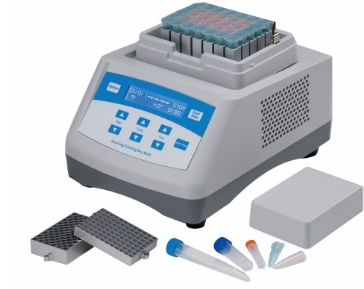
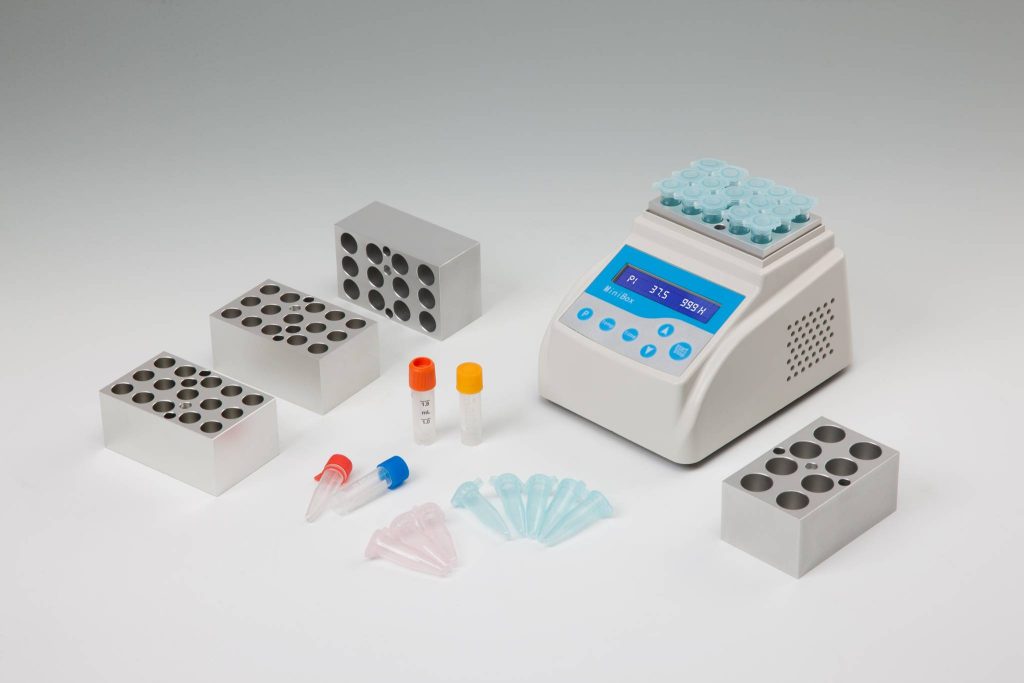
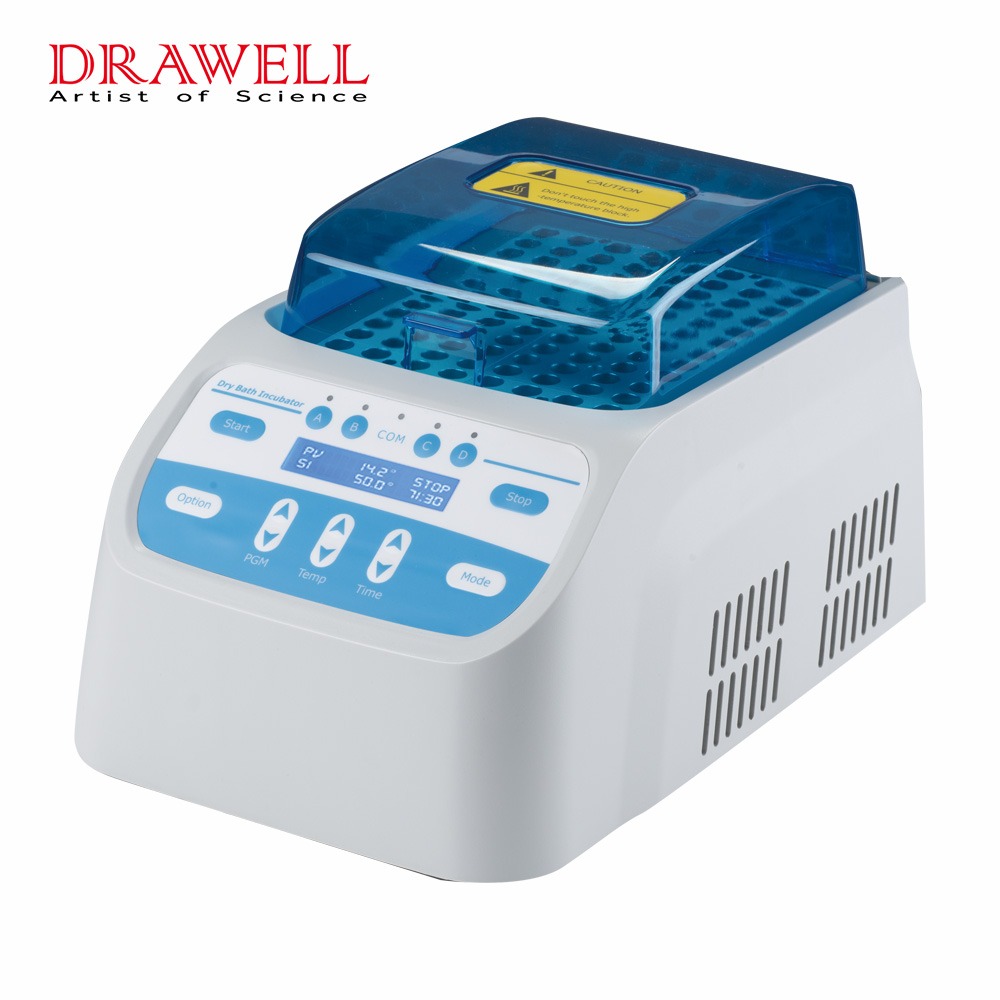
Dry bath incubators, also known as dry block heaters, address many of the limitations associated with traditional water baths. These devices use heated metal blocks to provide precise and uniform temperature control without the need for water. The key advantages of dry bath incubators include:
1. Minimal Maintenance
Unlike water baths, dry bath incubators do not require cleaning of water tanks or refilling to compensate for evaporation. This significantly reduces downtime and maintenance costs, making them a more convenient choice for busy laboratories.
2. Enhanced Precision and Consistency
Dry bath incubators provide precise temperature control with minimal fluctuations. The solid block design ensures uniform heat distribution across all samples, which is particularly critical for applications that demand accuracy, such as PCR sample preparation or enzymatic assays.
3. Reduced Risk of Contamination
Because dry bath incubators do not use water as a medium, the risk of cross-contamination between samples is virtually eliminated. Each sample is placed in its own dedicated well or tube holder, ensuring a sterile and controlled environment.
4. Energy Efficiency and Portability
Dry bath incubators consume less energy than traditional water baths, as they do not need to heat and maintain large volumes of water. Additionally, their compact and lightweight design makes them easy to move and integrate into different workspaces.
5. Versatility in Applications
Modern dry bath incubators offer interchangeable blocks to accommodate a variety of sample sizes and tube types, from microcentrifuge tubes to PCR plates. This versatility makes them suitable for a wide range of applications, from clinical diagnostics to research and development.
When to Choose a Dry Bath Incubator
While traditional water baths are still valuable for certain applications, such as heating large volumes of liquid or incubating large flasks, dry bath incubators are a superior choice for laboratories that prioritize precision, convenience, and sterility. They are particularly well-suited for workflows involving small sample volumes, repetitive heating tasks, or experiments requiring a contamination-free environment.
Conclusion
Choosing dry bath incubators over traditional water baths represents a shift toward efficiency, precision, and modern laboratory practices. By reducing maintenance, minimizing contamination risks, and enhancing temperature control, dry bath incubators enable scientists and technicians to focus more on their research and less on equipment upkeep. As laboratories continue to evolve, adopting advanced tools like dry bath incubators ensures they stay at the forefront of innovation, delivering reliable results for a wide range of scientific applications.
 China manufacturers