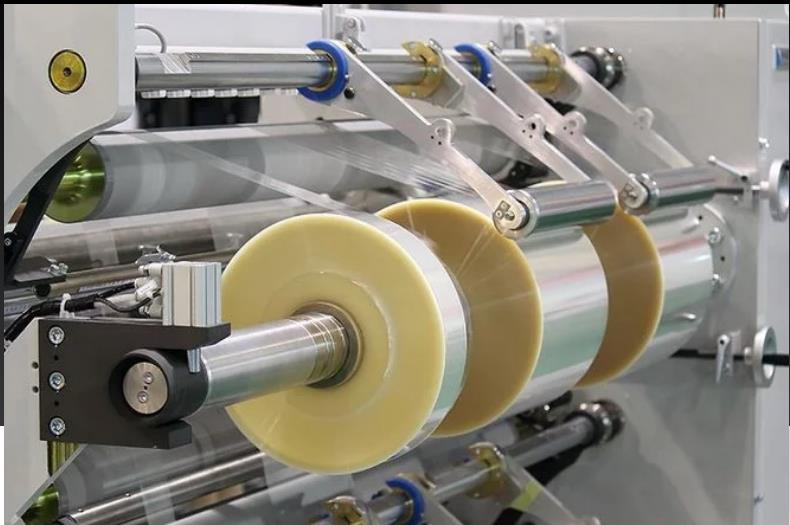
In high-speed web processing applications like printing, coating, laminating, and converting, maintaining precise tension control is paramount. Tension, in this context, refers to the force applied to a continuous web of material as it undergoes various manufacturing phases. This article delves into the importance of tension control, the challenges it presents, and the methods and technologies utilized to achieve it in high-speed web processing applications.
Why Tension Control Matters in High-Speed Web Processing
Tension control in high-speed online processing is not just a technical detail; it’s a critical factor impacting product quality, resource efficiency, energy conservation, and overall operational effectiveness.
Ensuring Product Quality
Tension control plays a pivotal role in maintaining product quality. Consistent tension levels ensure uniform treatment of the web material, preventing defects like misaligned prints, distortion, smearing, or uneven coating distribution.
Reducing Waste
Precise tension control directly affects material utilization and waste reduction. High-speed processing often involves expensive materials, making it vital to prevent material breakdown due to over-tensioning or issues like wrinkling, misalignment, or tearing due to under-tensioning.
Enhancing Energy Efficiency
Proper tension control optimizes energy usage in high-speed web processing equipment. Over-tensioning can strain motors and drives, leading to increased energy consumption and maintenance costs. Maintaining constant tension contributes to cost savings and sustainability.
Boosting Process Efficiency
High-speed web processing requires synchronization among various components. Tension control acts as the linchpin, ensuring these components work efficiently together, reducing downtime, and enhancing overall process efficiency.
Reducing Defective Products
Tension control not only enhances product quality but also helps avoid the production of defective items, preventing financial losses and safeguarding a company’s reputation.

Challenges of Tension Control in High-Speed Web Processing
Tension control in high-speed web processing faces numerous challenges due to the dynamic nature of these operations. Overcoming these obstacles is essential to maintaining product quality, reducing waste, and ensuring effective operation.
Variable Material Properties
Web materials exhibit variations in thickness, elasticity, and surface qualities, impacting tension control and requiring constant adjustments.
Speed Variations
High-speed processing involves rapid changes in web speed, which can introduce sudden tension fluctuations that must be managed for consistent product quality.
Web Accumulation and Splicing
Operations like web accumulation and splicing require precise tension control to prevent material and equipment damage during transitions.
Web Width Changes
Altering the width of the web can lead to tension fluctuations, necessitating real-time tension adjustments.
Web Flutter and Vibration
Dynamic forces like web flutter and vibration can be challenging to combat, requiring advanced control systems and responsive equipment.
Friction and Slip
Inconsistent friction and slip between the web and equipment components can affect tension control.
Complex Web Paths
Maintaining continuous tension in complex web paths with multiple rollers, guides, and direction changes can be difficult.
Load Variations
Variations in the amount of web material on a roll can impact tension and require adjustments.
Material Stretch and Shrinkage
Certain materials may stretch or shrink under tension, necessitating correction for precise control.
Temperature and Humidity Changes
Temperature and humidity variations can impact web material properties and cause tension differences.
Safety Considerations
Implementing safety mechanisms is essential to prevent over-tensioning, and safeguarding equipment and personnel.

Key Methods for Tension Control
Various methods and technologies are employed to achieve precise tension control in high-speed web processing applications:
Dancer Systems
Load Cells
Pneumatic Brakes and Clutches
Closed-Loop Tension Control
Tension Control Software
Safety Mechanisms
The choice of tension control method depends on the specific requirements and challenges of the web processing application. In many cases, a combination of these strategies may be employed to achieve the necessary level of precision and responsiveness.
Conclusion
Tension control is indispensable in high-speed web processing applications, ensuring product quality, waste reduction, and process efficiency. Manufacturers can achieve precise and reliable tension control by integrating appropriate mechanical components, sensors, and control systems. As technology advances, the future of web tension control may bring even more sophisticated systems and automation, enhancing the potential of high-speed web processing across various industries, from printing to packaging and beyond.
 China manufacturers